- English
- French
- German
- Portuguese
- Spanish
- Russian
- Japanese
- Korean
- Arabic
- Greek
- German
- Turkish
- Italian
- Danish
- Romanian
- Indonesian
- Czech
- Afrikaans
- Swedish
- Polish
- Basque
- Catalan
- Esperanto
- Hindi
- Lao
- Albanian
- Amharic
- Armenian
- Azerbaijani
- Belarusian
- Bengali
- Bosnian
- Bulgarian
- Cebuano
- Chichewa
- Corsican
- Croatian
- Dutch
- Estonian
- Filipino
- Finnish
- Frisian
- Galician
- Georgian
- Gujarati
- Haitian
- Hausa
- Hawaiian
- Hebrew
- Hmong
- Hungarian
- Icelandic
- Igbo
- Javanese
- Kannada
- Kazakh
- Khmer
- Kurdish
- Kyrgyz
- Latin
- Latvian
- Lithuanian
- Luxembou..
- Macedonian
- Malagasy
- Malay
- Malayalam
- Maltese
- Maori
- Marathi
- Mongolian
- Burmese
- Nepali
- Norwegian
- Pashto
- Persian
- Punjabi
- Serbian
- Sesotho
- Sinhala
- Slovak
- Slovenian
- Somali
- Samoan
- Scots Gaelic
- Shona
- Sindhi
- Sundanese
- Swahili
- Tajik
- Tamil
- Telugu
- Thai
- Ukrainian
- Urdu
- Uzbek
- Vietnamese
- Welsh
- Xhosa
- Yiddish
- Yoruba
- Zulu
In 2026, people who work in global business-to-business buying will find that the best sodium hyaluronate is a useful ingredient that can be used in medicine, makeup, and nutrition. Because it stays steady in recipes and is bioavailable, sodium hyaluronate is a key ingredient in many new skin care serums, joint health supplements, eye drops, and improved wound care products. It keeps the skin moist very well. More and more people want ingredients with clean labels that are backed by science. To make their goods stand out and meet strict government rules, companies need to know about the technical benefits, buying strategies, and quality standards of premium sodium hyaluronate.

Understanding Sodium Hyaluronate and Its Benefits for Skincare and Pharmaceuticals
The naturally occurring sodium salt of hyaluronic acid is called sodium hyaluronate. Hyaluronic acid is a glycosaminoglycan that is made up of repeating disaccharide units of D-glucuronic acid and N-acetyl-D-glucosamine. Hyaluronic acid is naturally fragile and can be broken down by air. Sodium hyaluronate, on the other hand, has more stable molecules, dissolves better in water, and can handle pressures from the outside better. Formulators who work in the food, beauty, and medicine businesses choose it over others because of this.
Molecular Structure and Superior Absorption
Something that makes sodium hyaluronate different is that its molecules aren't as big as hyaluronic acid molecules. At this point, it can reach further into the stratum corneum and other layers of skin. Because of this structure benefit, the nutrient is more bioavailable. This means that it can hydrate both the top layer of skin and the lower layers of tissue. The molecule can hold up to 1,000 times its own weight in water. This creates a long-lasting water store that helps keep skin flexible, joints hydrated, and eyes comfortable.
Core Benefits for Product Developers
A lot of different fields need sodium hyaluronate because it can be used in a lot of different ways. A lot of people call it the "hydration magnet" since it can hold so much water. The best thing about it is that it hydrates deeply. It's amazing how well this function helps with dry skin, dry eye disease, and joint pain. Sodium hyaluronate does more than just keep skin moist. Also, it helps keep the skin's wetness level just right, which smooths out the skin's structure and makes fine lines caused by stress and age look less noticeable.
The biocompatible nature of the element means that it can be used on even sensitive skin. This makes it less likely that the skin will react badly, like burning. Others that keep the skin moist are glycerin (which mostly acts as a humectant on the surface) and ceramides (which make the lipid barrier stronger). Sodium hyaluronate is not like these. It's the only one that can keep the skin moist on the outside and support the cells deep inside. It is the best ingredient for high-performance products that want to fight aging, speed up healing, and improve skin health over time because it works in two ways.

Comparative Analysis: Choosing the Best Sodium Hyaluronate for Your Specific Needs
Different grades of sodium hyaluronate have different molecular weights. You also need to know where the material comes from and how well it works with other substances. Every one of these things has a big impact on how well the final product works, tastes, and meets the rules.
Molecular Weight Variations and Penetration Efficiency
It is possible to divide the best sodium hyaluronate into three groups based on its molecular weight: high (>1.5 million Daltons), medium (1.0–1.5 million Daltons), and low (<500,000 Daltons). High molecular weight types of the best sodium hyaluronate stay on the skin's surface and make a protective film that feels good and smooths the skin right away. These work great for face masks, lotions, and post-sun skin repair products. Low molecular weight best sodium hyaluronate penetrates deeply into the skin, helping reduce inflammation, accelerate collagen production, and deliver long-term anti-aging benefits. Many modern formulations use a blend of molecular weights of the best sodium hyaluronate to provide both immediate and sustained hydration.
It's better to use sodium hyaluronate instead of retinol or collagen peptides, which need to be broken down by enzymes before they can be taken. Retinol speeds up cell turnover but can hurt the skin. Because it works well with other active ingredients, it can be put together in recipes that work better together. For instance, it can be mixed with vitamin C to make antioxidants work better or with peptides to make collagen support work better.
Sourcing Origin: Fermentation vs. Synthetic
A lot of sodium hyaluronate is made these days by bio-fermentation with bacteria such as Streptococcus zooepidemicus. This way of making an item is okay with vegan, halal, and kosher groups because it doesn't come from animals. Older ways of getting the element from rooster combs were less likely to be pure and full of viruses. This way is also more pure. Fermentation makes sodium hyaluronate that meets strict standards for use in medicines and cosmetics. Because of this, it is the best choice for global markets that want sources that are honest and clear.
Concentration Guidelines and Product Forms
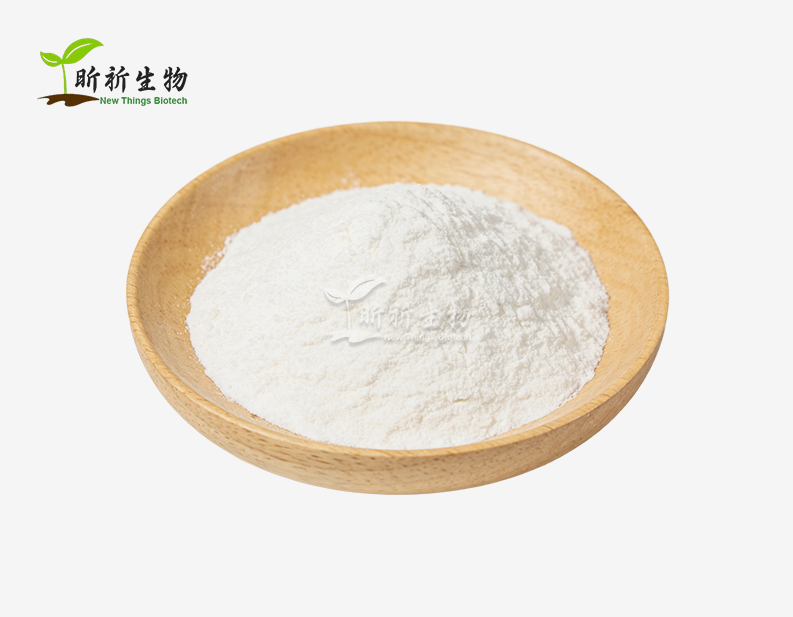
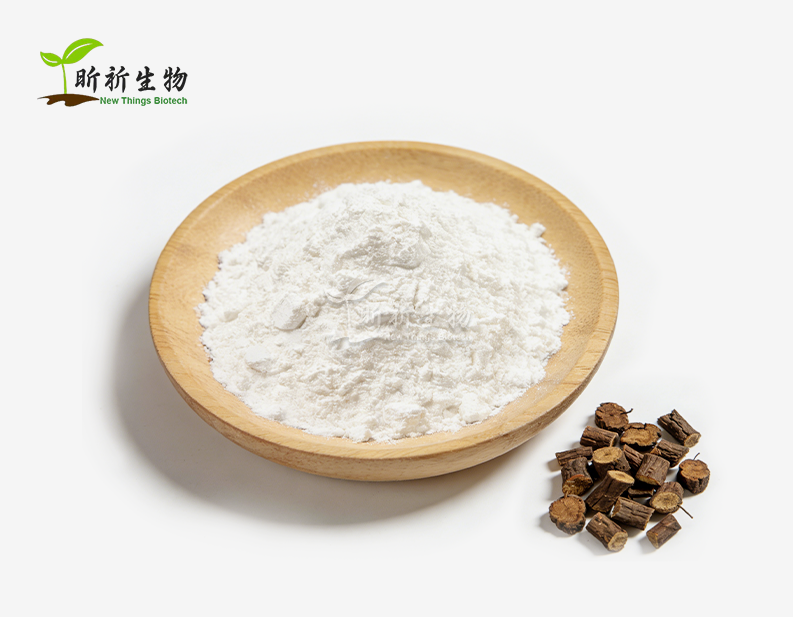
Topical forms usually have amounts between 0.1% and 2.0%, depending on how thick and moist the skin needs to be. Sodium hyaluronate that is safe for food is used in vitamins like "beauty from within" pills, "hydration drink mixes," and "joint support" items. The part comes as a fine white powder with an 80-mesh size that melts quickly in water-based systems. This makes mixing easy and makes sure that each batch works the same way every time.
Best Practices for Procurement: A Global Buyer's Guide to Sourcing Sodium Hyaluronate
If you want to find good sodium hyaluronate, you need a plan that makes the supply chain work as smoothly as possible while also making sure that laws are followed. Buyers from other countries should give more weight to suppliers who can show they know what they're doing technically, are honest about how they run their business, and can get things to them on time.
Key Certifications and Quality Standards
The best sodium hyaluronate used in medicine and cosmetics must meet high-quality standards set by pharmacopoeias such as EP, USP, and JP. ISO 9001 certification for quality management systems helps identify the best sodium hyaluronate. Halal and Kosher certifications matter for the best sodium hyaluronate intended for specific consumer groups. To avoid immunogenic reactions, the protein content of the best sodium hyaluronate should stay below 0.1%, and residual nucleic acid levels must be carefully controlled. Buyers can make smart decisions when suppliers of the best sodium hyaluronate provide full Certificates of Analysis with HPLC and UV test data.
Practical Procurement Considerations
The lowest amount that can be ordered (MOQ) is 25 kg. This is a good balance between making it easy for medium-sized producers to get what they need and making sure that operations for large transfers work well. Prices vary based on the molecular weight, purity grade, and size of the order. Sodium hyaluronate made from fermentation costs more because it is of higher quality. For ingredients to stay stable while they move across countries, transport logistics are very important. Sodium hyaluronate powder that comes from a reliable source is packed in strong outer boxes or fiber drums with sealed main bags inside. This keeps light, water, and germs from getting into the powder.
Lead times for things that are already in stock are often only two to four days. Custom orders or different chemical weights, on the other hand, can take anywhere from three to ten business days. People who want to buy something should make sure it's in stock and ask for free samples to make sure it works the way they thought it would.
Value-Added Services for Product Differentiation
Brands can make their goods stand out from the rest without having to build their own plants if they work with suppliers that offer private labeling and product customization. It's very helpful for buyers to get technical support services like formulation advice and application tests. These help them get the most out of their materials and fix formulation problems. When people have access to expert research and development teams, they can work together to make a product and make sure that it meets all legal standards and meets the needs of the market.

Top Sodium Hyaluronate Brands and Manufacturers in 2026
The world market for sodium hyaluronate in 2026 is made up of well-known companies from the US, China, and Europe. Each is good for different things when it comes to making new things, following the rules, and making production.
Evaluating Supplier Credibility
There are a lot of good ways to tell if a possible supplier of the best sodium hyaluronate is good at quality control and running their business well. It's clear that a supplier cares about quality control and ethical production when they have certifications like ISO 9001, GMP (Good Manufacturing Practice), and Halal/Kosher for the best sodium hyaluronate. You can find out more about how reliable, responsive, and good at technical help a supplier is by reading verified customer reviews and case studies about the best sodium hyaluronate.
The NT Biotech Advantage
Some people from all over the world trust NT Biotech (Shaanxi New Things Biotech) to help them buy pure sodium hyaluronate powder. The people at NT Biotech have worked with plant products and biological materials for more than ten years. They offer a full value-chain service system that includes buying raw materials, doing unique extractions, keeping strict quality control, and managing the supply chain in a flexible way. The sodium hyaluronate that the company sells can be used in food and drugs without any problems. They are 99% pure (CAS: 9004-61-9) and come in the form of an 80-mesh fine powder that is easy to mix with other things.
The certifications that NT Biotech has, like ISO 9001, halal, and kosher, show that they follow the rules in many areas. Since the business keeps a lot of items in stock, they can ship quickly—within two to four days of getting an order. They also offer different types of packaging to meet the needs of all buyers, such as 25 kg drums or unique designs. You can try the product for free to make sure it works, and the company has a research and development team that can help you improve the recipe and come up with new uses for it.
Strategic Partnership Benefits
Getting information from trusted sources like NT Biotech can help your business in many ways. Formulations work as intended when the quality is the same from batch to batch, and following the rules is less likely when there is clear COA paperwork and tracking methods. It takes less time to make a product when you have access to technical experts. This helps brands get new ideas on the market faster. There are many ways for international buyers to pay, such as deals in the buyer's own currency, which makes the buying process even easier.

Conclusion
It will still be important for businesses that make high-performance drugs, supplements, and cosmetics to use sodium hyaluronate in 2026. For brands that want to make their products stand out and meet changing customer needs, this ingredient is a good buy because it can hold water in a unique way and is biocompatible. When buyers want to buy something, they need to show that they know how to do it, follow the rules, and can send the goods on time.
When buyers around the world work with certified manufacturers of the best sodium hyaluronate, they can be sure of stable quality, lower supply chain risks, and get the professional help they need to grow their businesses and make their products more successful.
FAQ
1. What is the difference between sodium hyaluronate and hyaluronic acid?
Salt of hyaluronic acid in the form of sodium is called sodium hyaluronate. And it doesn't break down as fast. It is more solid and dissolves more easily. Hyaluronic acid is found in nature, but it is not steady. Sodium hyaluronate, on the other hand, has smaller molecules that help it get into tissues more easily. This means that it works better when on the skin or taken by mouth.
2. How do I select the appropriate molecular weight for my product?
A sodium hyaluronate with a molecular weight of more than 1.5 MDa is great for keeping the skin's surface wet and for making films in serums and lotions. The ones with a molecular weight of less than 500 kDa go deeper and help with joint health, anti-aging, and inflammation. A lot of current recipes select a range of molecular weights that work best together.
3. Is sodium hyaluronate suitable for vegan and halal products?
These days, bacteria ferment starches to make sodium hyaluronate. It's plant-based, halal, or kosher, and doesn't come from animals. You should look at a supplier's license to make sure they have the right ones for the job.
Partner with NT Biotech for Premium Sodium Hyaluronate Supply
This is the best sodium hyaluronate powder that NT Biotech sells. It is 99% pure, 80 mesh, and has the CAS number 9004-61-9. The powder has been approved by ISO 9001 and is also safe and kosher. We can send quickly (within two to four days) because we keep a lot of products in stock and use special extraction methods that ensure high batch accuracy. Our trained research and development (R&D) team can help you make your formulas better, whether you're making anti-aging serums, beauty products, or things for joint health. Before you buy the item, you can try it out for free to make sure it works. Contact us at info@newthingsbiotech.com to talk about your needs with a dependable sodium hyaluronate supplier and learn how our adaptable OEM solutions can help you speed up the development of your product while still following all international laws.
References
1. Papakonstantinou, E., Roth, M., & Karakiulakis, G. (2012). Hyaluronic acid: A key molecule in skin aging. Dermato-Endocrinology, 4(3), 253-258.
2. Stern, R., Asari, A. A., & Sugahara, K. N. (2006). Hyaluronan fragments: An information-rich system. European Journal of Cell Biology, 85(8), 699-715.
3. Becker, L. C., Bergfeld, W. F., Belsito, D. V., Hill, R. A., Klaassen, C. D., Liebler, D., Marks, J. G., Shank, R. C., Slaga, T. J., Snyder, P. W., & Andersen, F. A. (2009). Final report of the safety assessment of hyaluronic acid, potassium hyaluronate, and sodium hyaluronate. International Journal of Toxicology, 28(4 Suppl), 5-67.
4. Necas, J., Bartosikova, L., Brauner, P., & Kolar, J. (2008). Hyaluronic acid (hyaluronan): A review. Veterinarni Medicina, 53(8), 397-411.
5. Gupta, R. C., Lall, R., Srivastava, A., & Sinha, A. (2019). Hyaluronic acid: Molecular mechanisms and therapeutic trajectory. Frontiers in Veterinary Science, 6, 192.
6. Bukhari, S. N. A., Roswandi, N. L., Waqas, M., Habib, H., Hussain, F., Khan, S., Sohail, M., Ramli, N. A., Thu, H. E., & Hussain, Z. (2018). Hyaluronic acid, a promising skin rejuvenating biomedicine: A review of recent updates and pre-clinical and clinical investigations on cosmetic and nutricosmetic effects. International Journal of Biological Macromolecules, 120(Pt B), 1682-1695.