- English
- French
- German
- Portuguese
- Spanish
- Russian
- Japanese
- Korean
- Arabic
- Greek
- German
- Turkish
- Italian
- Danish
- Romanian
- Indonesian
- Czech
- Afrikaans
- Swedish
- Polish
- Basque
- Catalan
- Esperanto
- Hindi
- Lao
- Albanian
- Amharic
- Armenian
- Azerbaijani
- Belarusian
- Bengali
- Bosnian
- Bulgarian
- Cebuano
- Chichewa
- Corsican
- Croatian
- Dutch
- Estonian
- Filipino
- Finnish
- Frisian
- Galician
- Georgian
- Gujarati
- Haitian
- Hausa
- Hawaiian
- Hebrew
- Hmong
- Hungarian
- Icelandic
- Igbo
- Javanese
- Kannada
- Kazakh
- Khmer
- Kurdish
- Kyrgyz
- Latin
- Latvian
- Lithuanian
- Luxembou..
- Macedonian
- Malagasy
- Malay
- Malayalam
- Maltese
- Maori
- Marathi
- Mongolian
- Burmese
- Nepali
- Norwegian
- Pashto
- Persian
- Punjabi
- Serbian
- Sesotho
- Sinhala
- Slovak
- Slovenian
- Somali
- Samoan
- Scots Gaelic
- Shona
- Sindhi
- Sundanese
- Swahili
- Tajik
- Tamil
- Telugu
- Thai
- Ukrainian
- Urdu
- Uzbek
- Vietnamese
- Welsh
- Xhosa
- Yiddish
- Yoruba
- Zulu


Natural Plant Extracts, Pure Global Wellness
CATEGORIES
Our Commitment
Product Recommendations
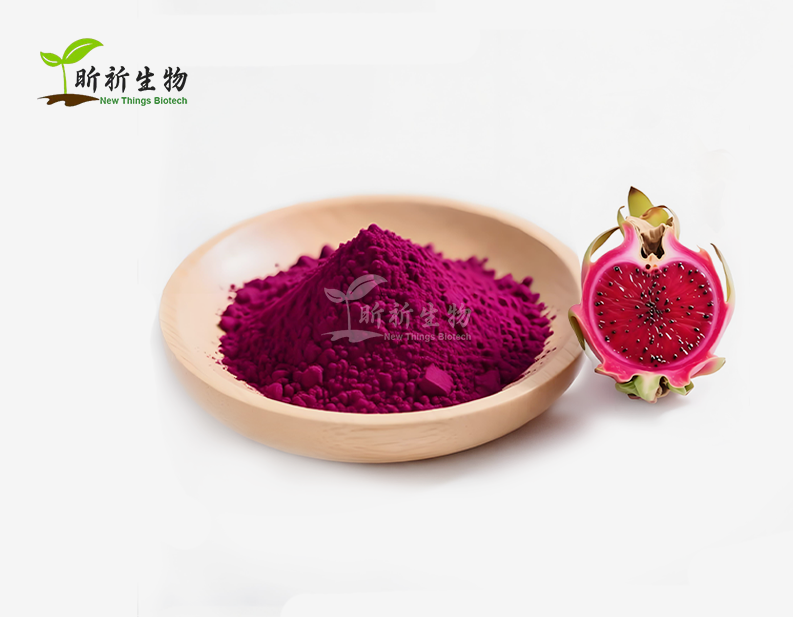
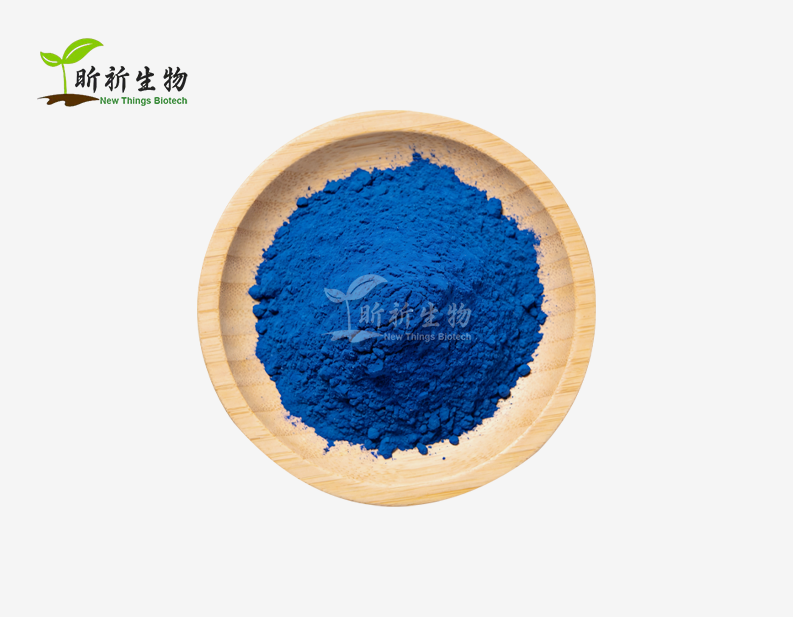
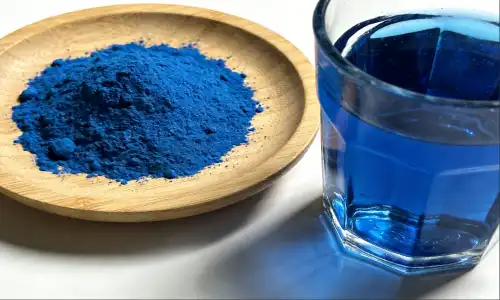
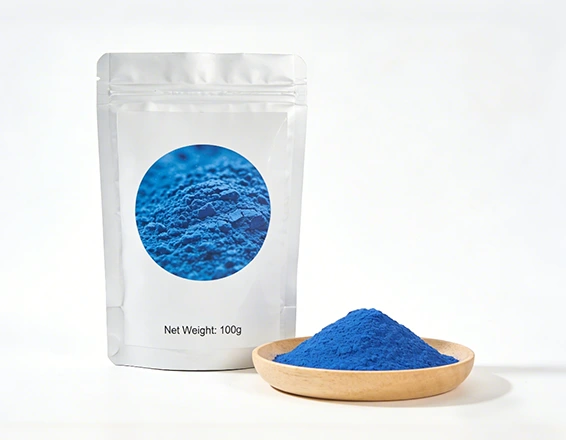
Blue Spirulina Bulk is now used in a lot of different products, from health drinks to high-tech skin care. The Arthrospira platensis is where this concentrated powder comes from. It has vitamins, powerful antioxidants, and natural colors. There is also fiber in it. Science has shown that the ingredient is stable, can be scaled up, and is good for your health. You can use it to make natural food colorings, immune-boosting supplements, or superfood blends that are high in nutrients. Professionals in purchasing know that it can be used instead of artificial ingredients to make products stand out in the wellness market, which makes it an important part for companies that want to be creative.
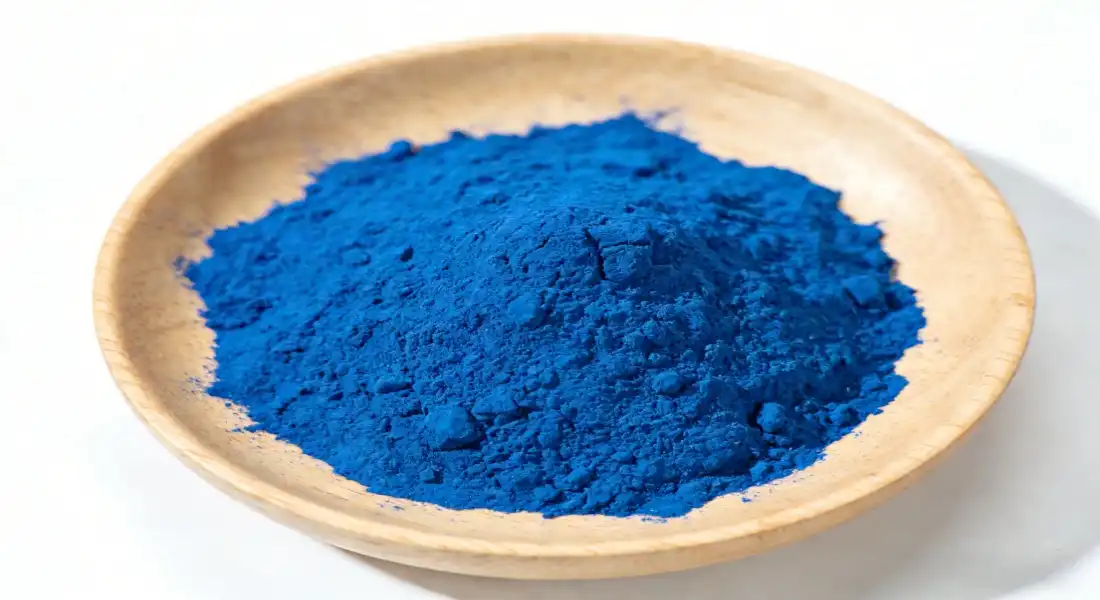
Understanding Blue Spirulina Bulk: Composition, Benefits, and Usage
Getting ingredients has been a problem for a long time. Blue Spirulina Bulk is a new and improved way to solve this problem. Freeze-drying or spray-drying are the main ways that the powder form is made. For fresh material, it keeps more than 90% of its nutrients and makes it last longer, from 7 to 14 days to about 24 months. Procurement teams often find big problems in the supply chain. The changes that are being made will fix those problems.
Nutritional Profile and Bioactive Components
Blue Spirulina Bulk contains high levels of phycocyanin and ascorbic acid, supporting collagen synthesis, immune health, and gut microbiota via oligosaccharides. Magnesium and iron help address common micronutrient deficiencies. Studies show phycocyanin is a powerful antioxidant, with ORAC values exceeding many fruits, neutralizing free radicals and supporting functional food and supplement claims.
Industrial Applications Across Multiple Sectors
As both a bioactive ingredient and natural colorant, Blue Spirulina Bulk is stable in acidic liquids (pH 3–7) and rich in polysaccharides that promote skin hydration. Its eco-friendly profile makes it preferable to synthetic dyes. Businesses can leverage multi-product sourcing to reduce administrative costs and achieve volume-based pricing, enhancing overall procurement efficiency.
Safety Standards and Storage Protocols
Properly packed Blue Spirulina Bulk lasts up to 24 months in moisture-barrier, nitrogen-flushed pouches. Home-made powder degrades in 2–3 months. Refrigeration can cause condensation, so controlled packaging is critical. Stable storage supports inventory management and predictable annual pricing, reducing reliance on volatile fresh food markets.
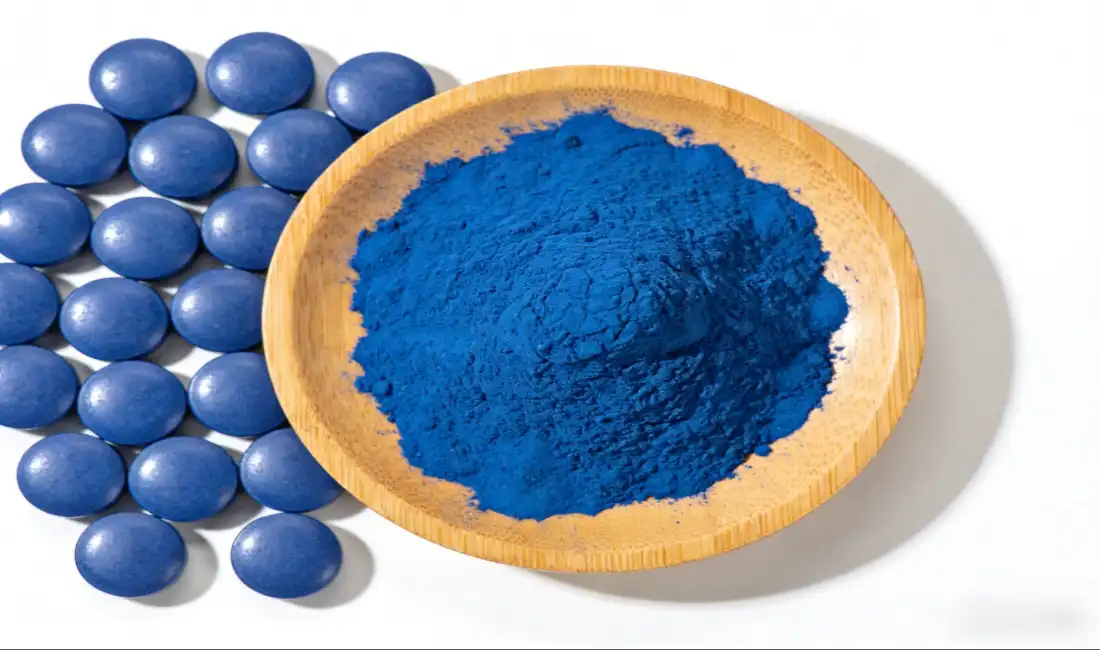
Blue Spirulina Bulk vs. Spirulina Powder: Making the Right Choice
Buying Blue Spirulina Bulk requires balancing business and technical factors. Price alone isn’t enough. Stability, certifications, and supplier expertise affect performance. Transporting fresh biomass is challenging and costly due to cold-chain needs, especially for remote markets. Powder solves these issues, allowing ambient storage and concentrating ten to twelve kilograms of biomass into one kilogram of powder, reducing shipping volume and cost.
Pigmentation and Active Compound Concentration
Blue Spirulina Bulk provides natural colorants for baked goods, sweets, and vegan recipes. Heat above 70°C can reduce pigment stability, so adding powder after baking, using cold-process recipes, or adding 20–30% extra powder compensates for color loss. Proper planning ensures consistent, vibrant colors that appeal to consumers and replace synthetic dyes effectively.
Textural Properties and Processing Compatibility
Industrial milling produces fine, uniform powders (80–120 mesh) needed for drinks and smooth cosmetics. Home grinders make coarse powders, unsuitable for fine applications. Sieving removes larger particles, and micronization to 200 mesh or less ensures leave-on products are smooth. Particle size control is essential for both functional performance and visual appeal.
Economic Considerations in Bulk Procurement
Price varies by pigment concentration, organic certification, and drying method, with freeze-dried or high-phycocyanin powders costing 40–70% more. ORAC comparisons show Blue Spirulina has higher antioxidant capacity per dollar than acai, helping procurement teams optimize formulation budgets while maintaining competitive antioxidant claims on product labels.
Organic Certification Impact on Selection
Organic Blue Spirulina is 30–60% more expensive due to lower yields and limited supply. However, organic certification unlocks access to natural and organic-focused retail markets, which make up about 40% of the U.S. health food sector. Premium brands targeting health-conscious customers benefit from organic ingredients, while value-oriented lines may use regular powder to manage costs.
Procuring Blue Spirulina Bulk: Supplier Selection and Transaction Guide
More than just accepting the first sample must be used to choose a supplier. They also need to have a full risk assessment of the partnership's dependability, production capacity, and quality systems. When the botanical extract business plans its sourcing, it needs to think about the issues that come up with growing the raw materials for Blue Spirulina Bulk. Reputation in the field and references from past clients lower risk in a way that specifications alone can't. It's assumed that companies that work with big, well-known supplement brands or multinational food companies are trustworthy because they do thorough audits that smaller buyers can use in a roundabout way.
Evaluating Supplier Credentials and Capabilities
A reliable supplier will have a full set of certifications that cover a lot of different regulatory areas. There is proof that quality management systems work with ISO 9001 certification and proof that food safety rules are followed with HACCP compliance. Kosher and Halal certifications help businesses reach customers with specific dietary needs. You can't get ingredients these days without having proof that they can be tracked. There should be full visibility throughout the supply chain, including the coordinates of the farms where the crops were grown, the names of the processing facilities, and the results of batch-specific analytical testing. This makes it possible to act quickly in cases of food safety problems and meets the needs of retailers who are becoming stricter.
Pricing Structures and Order Logistics
It is harder to change how you buy things when you have minimum order quantities (MOQs). This is especially true for companies that are releasing new lines of products and don't know how much demand there will be. Minimum order quantities (MOQs) for most industrial-scale suppliers are between 100 and 500 kilograms. This is fine for regular production runs but too high for pilot programs. Finding suppliers with lower MOQs (25 to 50 kilograms) or sample sizes lets you manage the risk of product development. Details about how to pay must be carefully discussed. There should be no problem with net terms of 30 days, but if you do a lot of business, you might be able to get longer terms or a discount for paying early.
International Shipping and Delivery Considerations
If you want to improve your logistics skills, you should look at more than just shipping services. Suppliers who have accounts with FedEx, UPS, and other major carriers can speed up shipping and make it easier to track. If you know how to use customs paperwork, especially for shipments going across borders, you can avoid delays that cost a lot of money. You can grow as your buyers' needs change if you have freight forwarding relationships for large ocean shipments. It takes a lot of time for different suppliers to make things. Simply-in-time manufacturing works best when companies keep common specifications in stock so they can quickly fill orders within one to three business days.
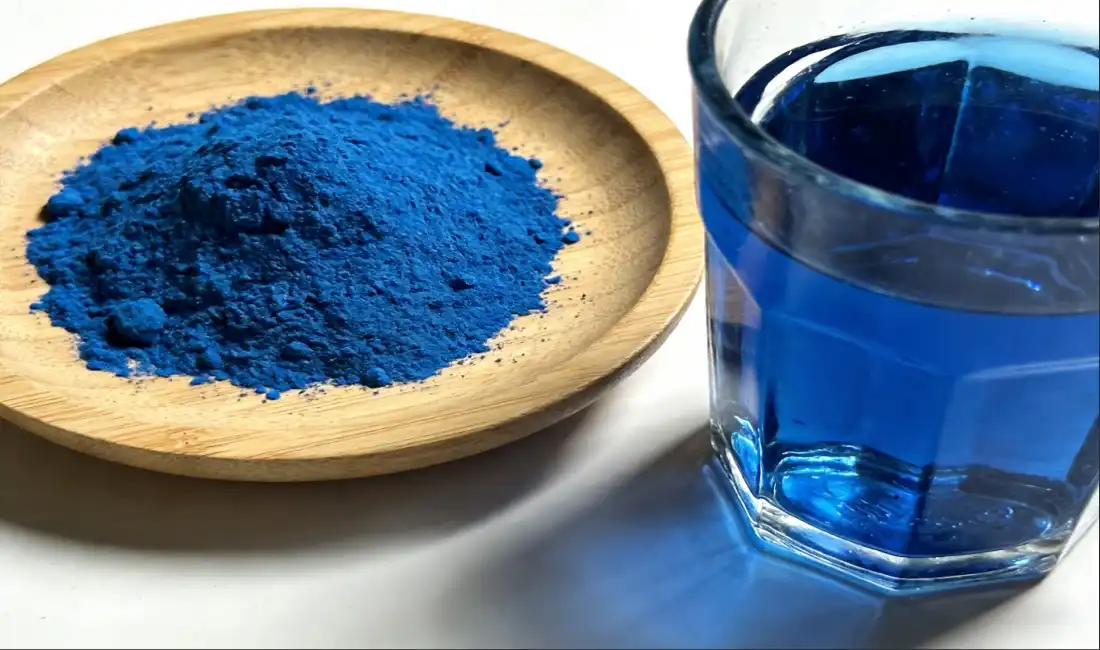
Ensuring Quality and Compliance in Blue Spirulina Bulk Procurement
People who run businesses that need to get a lot of ingredients know that home production can't give them the consistency, paperwork, and volume they need to be successful in the market. Commercial suppliers offer tried-and-true processing parameters, consistent quality from batch to batch, and thorough quality documentation that lowers the risk of launching a new product. The hardest part about do-it-yourself methods is probably following the rules. People who make supplements and follow cGMP rules can't use ingredients that don't have documented controls and can't be traced back to where they came from. Modernization rules for food safety also need supplier verification programs. Blue Spirulina Bulk sourced commercially ensures compliance with these rigorous standards.
Critical Quality Metrics and Testing Standards
It is not possible to do analytical tests at home to check for heavy metal contamination, microbial safety, and nutrient content. Each batch of products from top suppliers comes with a Certificate of Analysis (CoA). Some of these tests are microbial tests that check for pathogens and HPLC tests that show the amounts of active compounds. Third-party lab testing adds a level of confidence that internal quality control alone can't give. When suppliers are willing to help buyers start testing, it means they believe in the quality of their goods and want to work with others who are honest. Scientists have proven that foods high in antioxidants are good for your immune system, but these claims need to be backed by documented testing.
Certification Verification and Supply Chain Transparency
One type of hybrid colorant that can be used in lip tints, cream blushes, and pressed powders is Blue Spirulina Bulk. To keep the color the same from batch to batch, however, the raw materials must meet strict standards and be checked for quality as soon as they arrive. Quality assurance protocols include verifying that suppliers join professional trade groups like the Natural Products Association. It shows that a supplier knows a lot more than just selling goods when they spend money on making technical content. They advertise themselves as knowledge partners who can help improve formulations while providing the coordinates of processing facilities and coordinates of the farms where crops were grown.
Quality Management Success Stories
Adding ingredients that work well means balancing how technically possible it is with how you want to position the product in the market. People who want unique flavors and healthy ingredients are most likely to buy Blue Spirulina Bulk in large quantities in the beverage industry. The naturally bright color and high nutritional value are used to make ready-to-drink smoothies, hydration mixes, and functional coffee blends. For instance, in ready-to-drink drinks, dosage rates are usually between 0.5% and 2% by weight to keep costs and color intensity in check. One great way to show off the powder is to use it to make macarons, where the color stays the same when baked at low temperatures, meeting clean-label trends for naturally colored products.
Future Trends and Innovations in Blue Spirulina Bulk Market
Because it contains bioactive compounds, a natural colorant, and looks good on a clean label, Blue Spirulina Bulk has a lot of uses in functional foods, drinks, cosmetics, and supplements. Procurement professionals can stay ahead of the competition if they understand the technical differences between methods of processing, certification needs, and formulation issues that are specific to a given application. When companies choose suppliers, they should look at a lot of things, like their quality documentation, technical know-how, and portfolios of certifications. Brands can meet customer needs for natural, useful products while also meeting operational efficiency and regulatory requirements that are needed for long-term business growth in global markets.
Expanding Application Frontiers
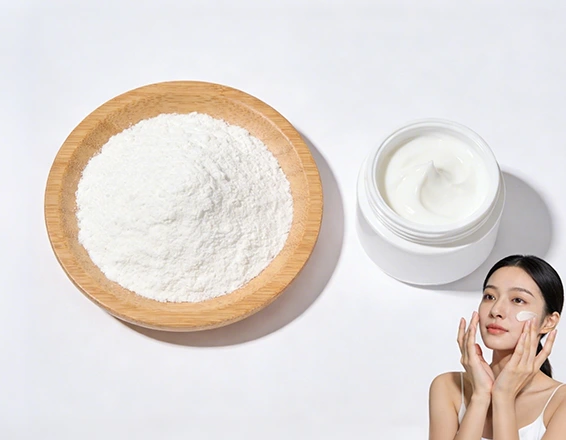
Skin care products use Blue Spirulina Bulk because it naturally adds color and fights free radicals. The ingredient's polysaccharides keep the skin hydrated in face masks, cleansers, and serums, and marketing materials talk about how exotic the plants are. Animal nutrition and specialized confectionery represent other expanding areas where artificial dyes like Red 40 are being replaced. Since the powder is acid- and pectin-friendly, it works well with gummy supplements. Low temperatures are needed for pectin systems to work, which protects the bioactive compounds. The powder adds color and claims of fiber, which makes the recipes easy to read on labels and appealing to people who care about their health.
Processing Technology Advancements
Fresh material needs to be carefully processed into a stable powder. Lyophilization is another name for freeze-drying. It takes place in a vacuum at temperatures below -40°C. As a result, heat-sensitive compounds keep their shape. Spray-drying is cheaper because the water quickly evaporates, but the temperature has to be carefully managed so that bioactive parts don't break down. Depending on what the product is for, good manufacturers use both ways to make it. Encapsulation technologies now allow for accurate dosing and plant-based vegetarian capsules can hold the powder without any issues. It's possible that enteric coatings make compounds more bioavailable by keeping them safe while they go through the stomach.
Market Dynamics and Strategic Sourcing Insights
Since the fruit or algae is from specific climates, it can only be grown in certain places. Transporting fresh goods requires logistics that can keep things cool, which makes prices go up. There is a 15–20% chance of spoilage while in transit, which increases the cost and makes production schedules less reliable. With powder, these issues are taken care of. There are smaller carbon footprints because of this advantage in density, which helps multinational companies meet the requirements for sustainability reporting. Strategic stock from suppliers shows they understand the market and are willing to put money into it, lowering the chance of running out of stock when demand is high.
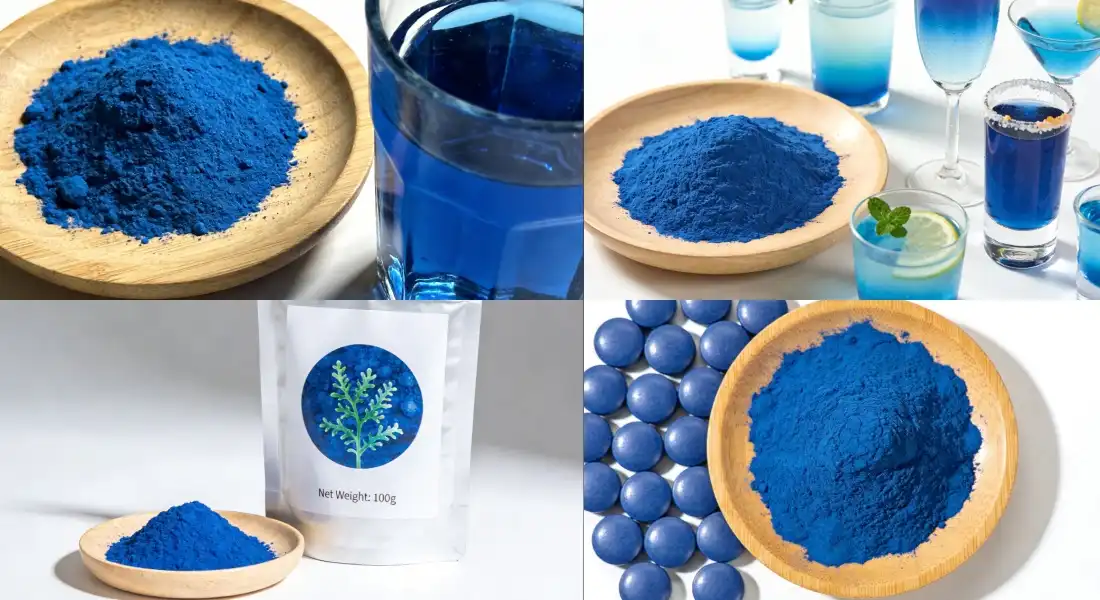
Conclusion
Because it contains bioactive compounds, a natural colorant, and looks good on a clean label, Blue Spirulina Bulk powder has a lot of uses in functional foods, drinks, cosmetics, and supplements. Procurement professionals can stay ahead of the competition if they understand the technical differences between methods of processing, certification needs, and formulation issues that are specific to a given application. When companies choose suppliers, they should look at a lot of things, like their quality documentation, technical know-how, and portfolios of certifications. This will help them come up with new products. Brands can meet customer needs for natural, useful products while also meeting operational efficiency and regulatory requirements that are needed for long-term business growth in global markets by adding this versatile ingredient in a planned way.
FAQ
1. Is blue spirulina safe for use across different product formulations?
Blue Spirulina Bulk has a lot of important minerals like iron and magnesium, as well as antioxidants, vitamin C, and prebiotic fiber. It can fight free radicals, help the body make collagen, and feed good bacteria in the gut, according to studies. This makes it useful for formulations that focus on health and demonstrates an excellent safety profile for diverse applications.
2. How can procurement teams verify organic certification authenticity?
ISO 9001 (for quality management), organic credentials (based on rules from the USDA and the EU), Kosher and Halal for some markets, and GMP compliance for supplement uses are some of the most important certifications. Each batch should have its own Certificate of Analysis that suppliers hand out. These ought to display the amounts of active ingredients, the safety of microbes, and heavy metal tests carried out by separate labs.
3. What shelf life should buyers expect from bulk blue spirulina powder?
Blue Spirulina Bulk that has been processed and packed correctly will stay good for 24 months if it is kept in a cool, dark place and in packaging that stays dry. In two to three months, powder made at home goes bad because it isn't processed or packaged as well. This shows why commercial production is better for business uses and inventory management.
Partner With NT Biotech for Premium Blue Spirulina Bulk Supply
NT Biotech is a dedicated Blue Spirulina Bulk supplier that has a history of finding useful ingredients from plants and is ready to help you find the ingredients you need. Our unique extraction methods get more than 98% pure key active compounds. This makes sure that your formulations always work and sets them apart from others on the market. Certificates of Analysis that have been checked by HPLC testing are included with each batch. That's the proof your quality teams need. We keep strategic inventory that lets us ship standard orders within one to three business days and finish custom orders within three to ten business days thanks to our fully integrated supply chain. Contact us at info@newthingsbiotech.com to find out how our products can help you with your next project to make a different kind of product.
References
1. Czerwonka, A., Kaławaj, K., Sławińska-Brych, A., Lemieszek, M. K., & Rzeski, W. (2018). Phycocyanin: Potential Therapeutic Applications in Inflammatory Disorders and Cancer. Journal of Medicinal Food, 21(8), 737-747.
2. Ku, C. S., Yang, Y., Park, Y., & Lee, J. (2013). Health Benefits of Blue-Green Algae: Prevention of Cardiovascular Disease and Nonalcoholic Fatty Liver Disease. Journal of Medicinal Food, 16(2), 103-111.
3. Sekar, S., & Chandramohan, M. (2008). Phycobiliproteins as a Commodity: Trends in Applied Research, Patents and Commercialization. Journal of Applied Phycology, 20(2), 113-136.
4. Spolaore, P., Joannis-Cassan, C., Duran, E., & Isambert, A. (2006). Commercial Applications of Microalgae. Journal of Bioscience and Bioengineering, 101(2), 87-96.
5. Martelli, G., Folli, C., Visai, L., Daglia, M., & Ferrari, D. (2014). Thermal Stability Improvement of Blue Colorant C-Phycocyanin from Spirulina platensis for Food Industry Applications. Process Biochemistry, 49(1), 154-159.
6. Barka, A., & Blecker, C. (2016). Microalgae as a Potential Source of Single-Cell Proteins: A Review. Biotechnology, Agronomy, Society and Environment, 20(3), 427-436.
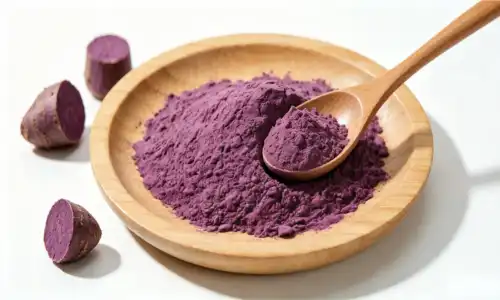
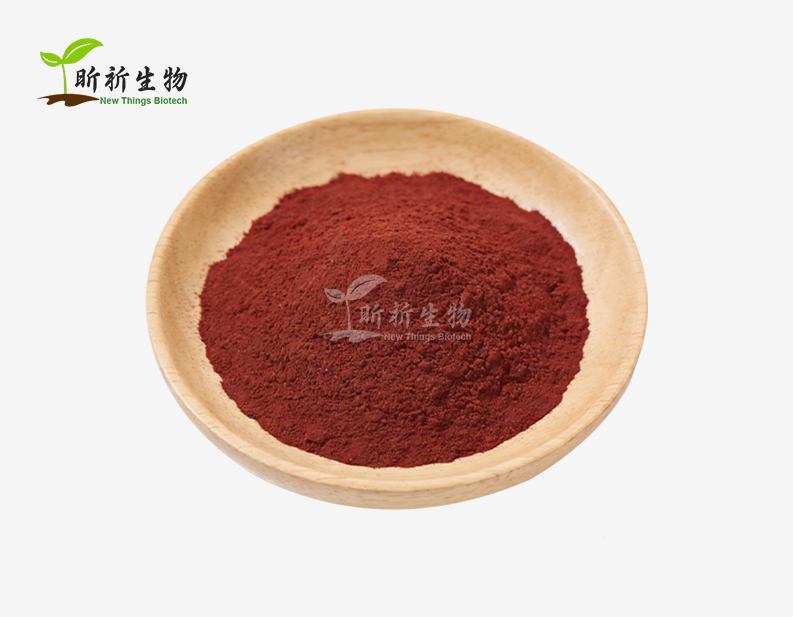
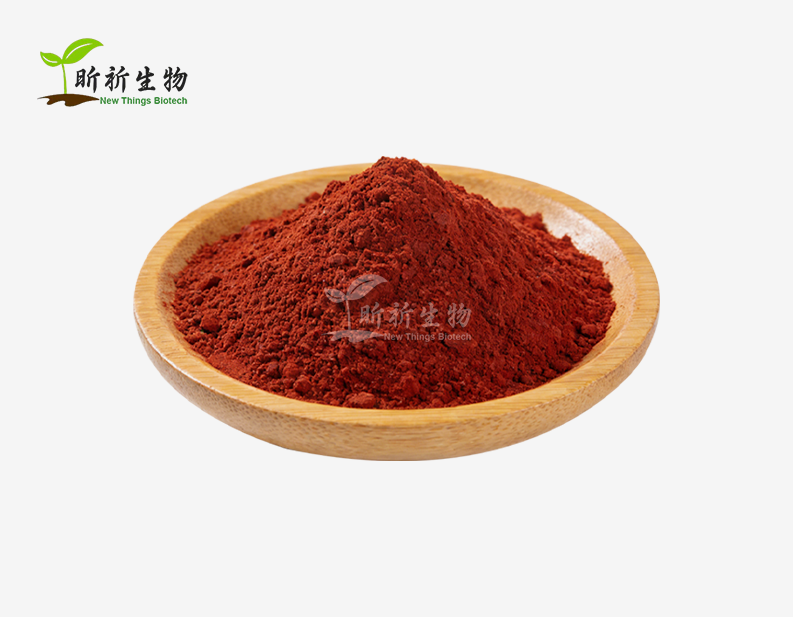
The pure purple yam powder has vitamin C, fiber, anthocyanins, and important minerals because it comes from Dioscorea alata L. Unlike drugs made in a lab, it has beneficial substances that come from nature and help the immune system work, keep the digestive system healthy, and fight free radicals. For people who work in sourcing and make functional foods and nutraceuticals, this means health benefits backed by science that meet customer desire for plant-based nutrition without making the food taste or smell worse.
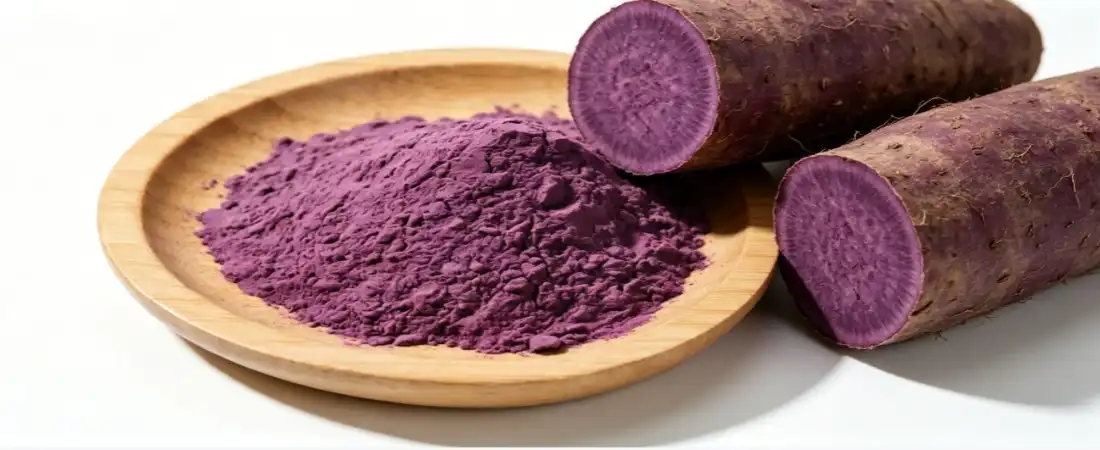
Understanding Purple Yam Ube Powder and Its Nutritional Profile
What Defines Pure Purple Yam Powder?
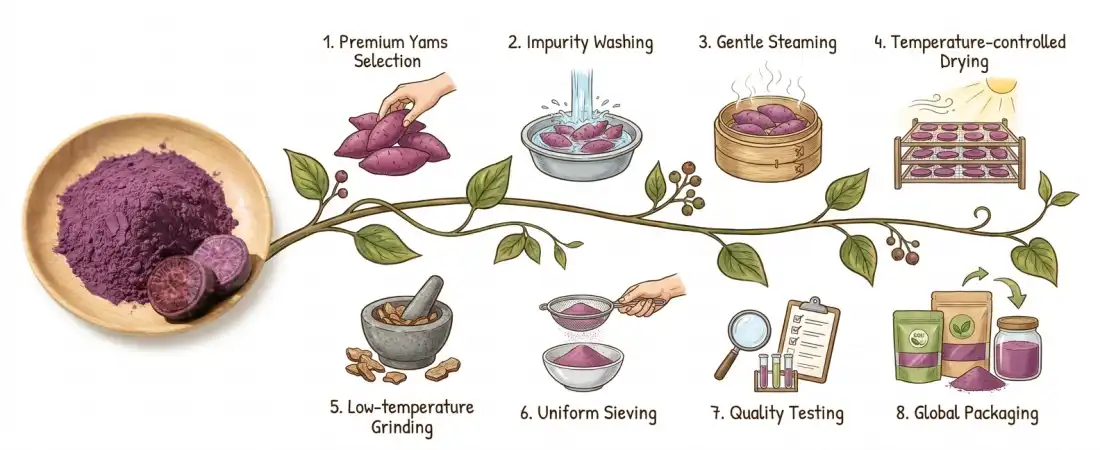
This is from pure purple yam powder roots (Dioscorea alata L.). Cleaning, drying at low temperatures, and crushing to 80-mesh fineness need attention. No phytochemical changes are made to the hue. Its brilliant purple hue and antioxidant qualities come from anthocyanins. Purple sweet potato powder comes from Ipomoea batatas, which is not the same thing as pure purple yam powder. Its diosgenin-based compounds and starch profile have more resistant starch. NT Biotech preserves over 95% of the raw tuber's bioactivity in secret, high-tech methods. For large-scale operations, this maintains batch uniformity.
Comprehensive Nutritional Composition
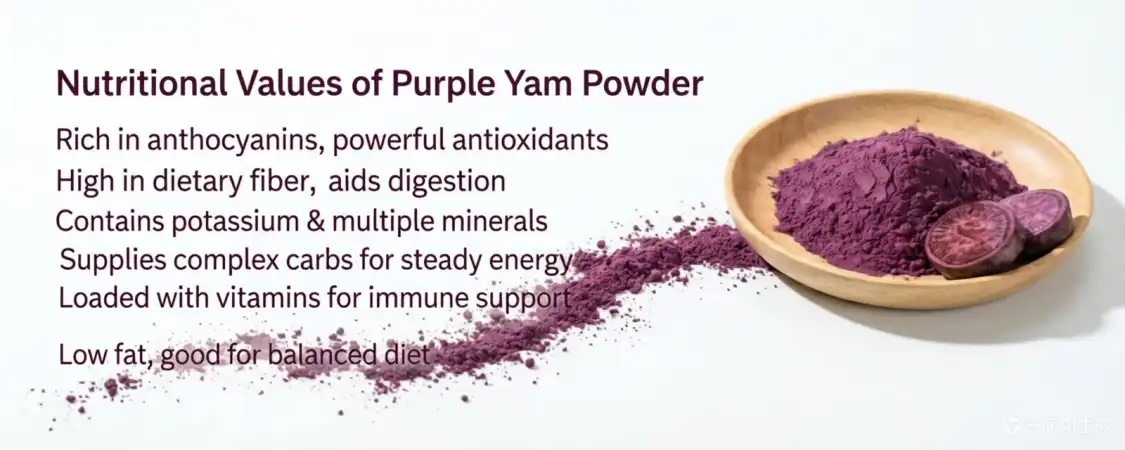
The nutritional content of this plant-based ingredient meets many culinary purposes. Each 100 grams contains 3–4 grams of dietary fiber, supporting the product claim that it is excellent for your gut. Fruits and their preparations may contain 20–40 mg of anthocyanins per 100 grams. These are predominantly peonidin and cyanidin glycosides. Polyphenolic compounds can withstand 180°C. After baking or heating, they retain color and antioxidant action.
About 15%–20% of carbohydrates are resistant starch. This food digests slowly, regulating blood sugar after meals. This is crucial for metabolic health planning. Magnesium, potassium, and manganese are essential for enzyme and ion homeostasis. Vitamin C should be 10–15 milligrams per 100 grams. Some say vitamin C and anthocyanins combat reactive stress. Some evidence suggests the root's polysaccharides may function with immune cell receptors, but further study is required in people.
Scientific Evidence Supporting Health Benefits
Dioscorea alata portions have been shown to be healthy in several ways. In the colon, resistant starch ferments into short-chain fatty acids that aid gastrointestinal cells and minimize edema. Lab findings demonstrate that anthocyanin molecules remove free radicals. They have similar ORAC values as blueberry products. Despite its low abundance, diosgenin is researched in hormonal balance and steroid production.
Pure purple yam powder contains dietary fiber that regulates bowel motions and signals fullness, making it useful for weight reduction. Its natural mucilage benefits your intestines. Functional foods combine these to improve gastrointestinal, metabolic, and cellular health. Increasing research supports this idea.
Enhancing Product Value: Applications of Purple Yam Powder in B2B Sectors
Food Manufacturing and Bakery Integration
There is a lot of pressure on food makers to make things that look good and are good for you. Both of these needs can be met with pure purple yam powder. 5 to 15 percent of the total weight of the flour can be used instead. This gives baked goods their distinctive violet color and helps keep the dough moist, which makes it last longer. Because the powder is naturally mildly sweet, only a small amount of sugar needs to be added to make it taste good. This is very helpful for projects that need to meet standards for added sugar.
You should think about how to control the pH because anthocyanin pigments turn blue in acidic conditions above pH 7.0. Citric acid or sour foods like buttermilk can be used to keep the color of the food the way you want it. In cake and cookie recipes, the powder is mixed in with the dry ingredients while they are being mixed. This spreads the ingredients out evenly and stops the color from running. The powder doesn't stick together when it's cold, which is good for people who make ice cream. Resistant starch helps keep the taste smooth and stops ice crystals from forming when the food freezes and thaws.
Functional Foods and Nutraceutical Development
More and more, companies that make dietary supplements want to use whole foods because people want to know where their food comes from. Pure purple yam powder is easy to use in meal replacement plans because it has vitamins, fiber, and complex carbs that work well with protein and fat macros. Each serving of meal shake should have eight to twelve grams of fiber added to it. This gives you thirty to forty calories, one gram of fiber, and a good amount of anthocyanins.
Firms that make sports nutrition products use the powder in pre-workout mixes because the resistant starch gives you energy that lasts without making your blood sugar rise quickly. If you are worried about man-made chemicals, the natural color in clean-label places will take care of you. If the particles are kept to 80 mesh, the powder mixes easily in both water and plant-based milk systems. This is important for people who work with recipes. When you put powder into bags, you need to be very careful about moisture barriers because the powder absorbs water and needs to be packed in a way that keeps air and humidity in check so it stays stable for as long as the shelf life says it will.
Natural Cosmetics and Skincare Applications
In the new area of beauty nutrition, the foods you eat can improve the health of your face from the inside out. Anthocyanin, which is found in pure purple yam powder, fights free radical damage from UV light. This keeps collagen healthy. Collagen is made with vitamin C, so it makes sense that beauty pills that claim to slow down aging and make skin look younger would contain it.
For skin care products, food-grade plant powders are being used more and more. The part that is made of polysaccharides draws moisture to the skin's surface. The powder is very small—nanoscale—so it can be used to remove dead skin from the face in masks and scrubs. There are anthocyanins in the powder that protect skin cells from damage. Being able to use it for both nutrition and beauty means that health-conscious shoppers have more choices when it comes to many types of products.
Choosing the Right Purple Yam Powder for Procurement
Quality Benchmarks and Certification Requirements
You should carefully think about what the buyer can do and what the product needs to be when you choose where to get it. Following the rules of ISO 9001 quality control, NT Biotech makes pure purple yam powder. This means that every part of the production process is written down, from getting the raw materials to packing them. It is easier for brands that sell to religious people to get into new markets when they have Kosher and Halal approvals. This takes away obstacles to changing recipes that might have an impact on global marketing plans.
To make sure the water is pure, you should check for heavy metals like lead, arsenic, cadmium, and mercury, as well as bacteria pollution limits and pesticide residue screens. Every batch from a good service comes with a Certificate of Analysis. There are HPLC chromatograms that show how much anthocyanin is present and whether any artificial colorants are present. "100% Pure" means there are no fillers, carriers, or flow agents. This is necessary for clean label rules and correct food labels.
Organic Versus Non-Organic Considerations
Getting organic approval makes it harder to buy, but it also lets you place expensive ads. Because it doesn't have pesticides, organic pure purple yam powder costs 20–30% more than regular pure purple yam powder. But people are happy to pay more for them. Both organic and standard types have the same amount of nutrients, but some research suggests that organic tubers may have a little more antioxidants because they make more phytochemicals when they are stressed.
If you're on a tight budget and organic claims aren't a big part of your brand's personality, non-organic options are a better choice. In processing apps, the data from both versions works the same way. Procurement teams should look at the demographics of the target market and how they compare to the competition before deciding which way to buy. It's also important for them to compare the pros and cons of price awareness and company image.
Supply Chain Stability and Volume Purchasing
The flow of ingredients must be steady for large-scale production to work. Things can be shipped right away because NT Biotech always has stock on hand. The wait time for in-stock items is one to three business days. This organizational strength keeps work from stopping because of a lack of materials. With a 10 kg minimum order quantity, both test production trials and regular business runs are possible. This gives people who are making new goods more choices as they work on them.
Prices for big items are often lowered by different amounts for 100 kg, 500 kg, and 1000 kg orders. Long-term supply deals help decide who gets what during growing times, when raw materials aren't always available, and make costs more stable. Different needs for storage and moving can be met by unique packing options, from 1 kg store bags to 10 kg industrial boxes. To protect against the risks that come with farm goods, which vary from batch to batch, buying managers should talk about quality hold times and terms for replacing flaws.
Practical Guidance: Maximizing Nutritional Benefits with Purple Yam Powder
Industry-Specific Dosage and Application Protocols
You must discover the ideal prices for incorporating various things before utilizing them successfully. Two to five grams are typical in beverages. This adds enough color and protein without overpowering flavors or settling. Protein shakes with 8–12 grams of carbohydrates or fiber balance macros and help you feel better.
Better outcomes are achieved with 10-15% less flour in baked items. The system stays complete and improves in valuable ways. If you substitute more than 20% of wheat in a dish, the gluten network may suffer. Gluten-free recipes allow larger quantities. Anthocyanin maintains stable if processing temperature is regulated. Chronic exposure to temperatures exceeding 200°C degrades pigment. Bake at lower temperatures or for less time to preserve color.
Ingredient performance is affected by storage. Water and reactive deterioration can't get into closed containers in cold, dry regions (below 25°C, relative humidity under 60%). To maximize anthocyanin activity and color, industrial stock should be utilized within 60 days of opening.
Avoiding Common Procurement Pitfalls
The standard of commodities in plant markets is all over the place. There may not be enough of the active substances that are needed in bad goods, or they may have maltodextrin extenders or fake color boosters. People whose job it is to buy things should check the information with a third-party lab and compare samples from different sellers using their senses. The smell of real pure purple yam powder is earthy and slightly sweet. Chemical smells mean that someone messed with the powder or it wasn't handled properly.
Not putting the right name on something is also dangerous, especially when pure purple yam powder (Dioscorea alata) and purple sweet potato (Ipomoea batatas) are mixed up. The different plant types change what the labels say and how they're sold, even though both are healthy. Check the technical data sheets' Latin names to make sure that the ingredients mentioned are right and that the rules are followed.
There is still no need to worry about allergens because pure purple yam powder is naturally gluten- and dairy-free and can be eaten by most people who have to follow certain diets. Cross-contamination risks only happen in places that work on more than one thing at once. When suppliers say what allergens they use, they should show either special production lines or cleaning methods that have been tried and tested between runs.
Real-World Integration Success
By adding more fiber and fewer artificial colors, a medium-sized baking company changed the recipe for its well-known muffins to make them healthy. They made something that looked great and had an extra 2 grams of fiber per serve by adding 3% more water and replacing 12% of the wheat flour with pure purple yam powder. 87% of people who took the tests thought the new recipe was better than the old one, and the clean-label marketing made the price 15% higher.
When the technical team mixed the powder, they found that letting it soak in water for 10 minutes first helped it spread out better and make the color more even. It was dropped from 190°C to 180°C during baking to keep the anthocyanin's brightness. This made it take 4 minutes longer to bake, but it didn't change the taste. This case shows how making small changes to the way things are done can make plant-based products taste their best.
Conclusion
Anthocyanin antioxidants, resistant starch, dietary fiber, and important micronutrients are mixed in pure purple yam powder in a way that health-conscious customers like (clean label). This makes a lot of different kinds of goods healthier. If you work in sourcing and need to find your way around the confusing world of functional ingredients, this plant powder has proven quality, a reliable supply chain, and a number of formulation choices. A service with a history of success, all the necessary certifications, and quick technical support can turn getting supplies from a chore to something that gives you a strategic edge in the market. As more research shows that pure purple yam powder is good for you, early users will be able to take advantage of new health trends while still following strict rules in global markets.
FAQ
1. Is Purple Yam Powder Gluten-Free and Allergen-Safe?
Dioscorea alata pure purple yam powder doesn't have any gluten proteins in it, so it can be used in foods that celiacs can eat. Also, it doesn't have any of the major allergens, like shellfish, dairy, soy, tree nuts, or dairy. Manufacturers need to make sure that handling sites follow the right rules for keeping goods separate so that they don't touch. The production area at NT Biotech is very strict about allergy control. It has special tools and is cleaned after every production run. People with allergies can be sure that the goods are safe with this.
2. How Does Purple Yam Differ from Ube and Purple Sweet Potato Nutritionally?
In ads, these words are often used interchangeably, but they come from different plants. Pure purple yam powder (Dioscorea alata) has stronger starch and unique diosgenin chemicals than purple sweet potato (Ipomoea batatas). The word "ube" always refers to the same type of Dioscorea alata plant. There are some differences in the anthocyanin patterns, which means that the color is not as steady when the pH changes. When it comes to technical makeup, pure purple yam powder can handle higher temperatures better and has a more neutral taste profile. This is helpful when the natural taste of the sweet potato would get in the way of the end result you want.
3. Where Can I Source Trusted Bulk Suppliers for Pure Variants?
You need to look at a number of quality factors to find sources you can trust. For producers, look for ones that are ISO-certified and have clear supplies lines written down. NT Biotech sells pure purple yam powder and knows where it came from, from the farm to the store where it is sold. They have worked with plant-based products for more than 10 years. Ask to see examples of the Certificate of Analysis and make sure they are right (Kosher, Halal). Also, test small amounts of food before making large orders. Respondent's customer service and technical support show that they want to work with you as a partner instead of just doing business with you, which is a key part of a successful long-term purchase.
Partner with NT Biotech for Superior Purple Yam Powder Solutions
The pure purple yam powder that NT Biotech sells is the best in the business, and they are ready to help you reach your goals for new goods. Our special way of handling keeps the most nutritional value while making sure that the product stays stable from batch to batch, which is important for large-scale production. We are a well-known company that sells pure purple yam powder. Our products are certified as ISO 9001, Kosher, and Halal, so you can be sure they are of good quality.
Our expert team can help you make the recipe work for your purpose, whether you're making useful drinks, nutritional pills, or new baked goods. We keep a lot of stock on hand, so stock orders can be sent out within one to three days. We also offer a variety of packaging options for 1 kg samples to large business sales. Get in touch with info@newthingsbiotech.com right away to get free samples, talk about specific needs, or look into OEM relationship options that can help you get your clean-label product made faster.
References
1. Truong, V.D., McFeeters, R.F., Thompson, R.T., Dean, L.L., and Shofran, B. (2007). "Phenolic Acid Content and Composition in Leaves and Roots of Common Commercial Sweetpotato Cultivars in the United States." Journal of Food Science, 72(6), C343-C349.
2. Teow, C.C., Truong, V.D., McFeeters, R.F., Thompson, R.L., Pecota, K.V., and Yencho, G.C. (2007). "Antioxidant Activities, Phenolic and β-Carotene Contents of Sweet Potato Genotypes with Varying Flesh Colours." Food Chemistry, 103(3), 829-838.
3. Benherlal, P.S. and Arumughan, C. (2007). "Chemical Composition and In Vitro Antioxidant Studies on Syzygium cumini Fruit." Journal of the Science of Food and Agriculture, 87(14), 2560-2569.
4. Afoakwa, E.O., Paterson, A., Fowler, M., and Ryan, A. (2008). "Flavor Formation and Character in Cocoa and Chocolate: A Critical Review." Critical Reviews in Food Science and Nutrition, 48(9), 840-857.
5. Mohanraj, R. and Sivasankar, S. (2014). "Sweet Potato (Ipomoea batatas [L.] Lam)—A Valuable Medicinal Food: A Review." Journal of Medicinal Food, 17(7), 733-741.
6. Padmaja, G. (2009). "Uses and Nutritional Data of Sweetpotato." In Loebenstein, G. and Thottappilly, G. (eds.), The Sweetpotato, Springer Netherlands, pp. 189-234.