- English
- French
- German
- Portuguese
- Spanish
- Russian
- Japanese
- Korean
- Arabic
- Greek
- German
- Turkish
- Italian
- Danish
- Romanian
- Indonesian
- Czech
- Afrikaans
- Swedish
- Polish
- Basque
- Catalan
- Esperanto
- Hindi
- Lao
- Albanian
- Amharic
- Armenian
- Azerbaijani
- Belarusian
- Bengali
- Bosnian
- Bulgarian
- Cebuano
- Chichewa
- Corsican
- Croatian
- Dutch
- Estonian
- Filipino
- Finnish
- Frisian
- Galician
- Georgian
- Gujarati
- Haitian
- Hausa
- Hawaiian
- Hebrew
- Hmong
- Hungarian
- Icelandic
- Igbo
- Javanese
- Kannada
- Kazakh
- Khmer
- Kurdish
- Kyrgyz
- Latin
- Latvian
- Lithuanian
- Luxembou..
- Macedonian
- Malagasy
- Malay
- Malayalam
- Maltese
- Maori
- Marathi
- Mongolian
- Burmese
- Nepali
- Norwegian
- Pashto
- Persian
- Punjabi
- Serbian
- Sesotho
- Sinhala
- Slovak
- Slovenian
- Somali
- Samoan
- Scots Gaelic
- Shona
- Sindhi
- Sundanese
- Swahili
- Tajik
- Tamil
- Telugu
- Thai
- Ukrainian
- Urdu
- Uzbek
- Vietnamese
- Welsh
- Xhosa
- Yiddish
- Yoruba
- Zulu
When comparing Acerola Cherry Extract Powder to artificial vitamin C sources, the choice has a big effect on the quality of the product and how appealing it is to customers. Natural vitamin C, bioflavonoids, and antioxidants are all found in Acerola Cherry Extract Powder. This makes it more bioavailable than manmade forms of vitamin C that are only vitamin C. One of nature's most potent sources of vitamin C, this natural source gives you about 1,700 mg of vitamin C per 100 grams of fresh fruit. The extract stays stable and absorbs quickly, which are important qualities for procurement workers who are making high-end formulations.

Understanding Natural vs Synthetic Vitamin C Sources
The fundamental difference between acerola cherry extract and synthetic alternatives lies in their molecular structure and accompanying compounds. Natural vitamin C from acerola contains cofactors that enhance absorption and utilization within the human body.
Three core differences emerge:
- Bioavailability Enhancement: Natural vitamin C shows 35% better absorption rates compared to synthetic ascorbic acid
- Stability Profile: Acerola extract maintains potency longer due to protective flavonoids
- Consumer Preference: Natural sources command 40% higher market prices due to perceived quality
If you want to make sure that dietary supplements work as well as possible, acerola cherry extract is better than synthetic options. When rutin, quercetin, and other bioflavonoids are present, they work together to make vitamin C more useful. Synthetic vitamin C usually costs less per unit, but it doesn't have all the nutrients that health-conscious customers want these days. This gap is especially important for positioning high-end products in areas with a lot of competition.
Nutritional Profile Comparison: What the Data Reveals
Laboratory analysis reveals significant differences in nutritional density of Acerola Cherry Extract Powder between sources. Fresh acerola cherries contain 1,700mg vitamin C per 100g, while standardized extracts concentrate this to 5-25% by weight.
Acerola Cherry Extract Powder provides:
- Natural vitamin C: 5-25% concentration
- Bioflavonoids: 2-4% content
- Anthocyanins: 0.5-1.2% range
- Organic acids: Supporting absorption
- Minerals: Potassium, magnesium, traces
Acerola extract is the best choice because it has a full phytonutrient matrix that helps with all kinds of antioxidants. The synergistic compounds make vitamin C more stable and useful by working together. Testing from different labs shows that vitamin C from acerola is 15-20% better at protecting cells from damage than synthetic forms when tested using ORAC (Oxygen Radical Absorbance Capacity) methods. The natural matrix also has prolonged release properties that keep plasma vitamin C levels steady for longer periods of time than synthetic compounds that are quickly absorbed and eliminated.

Manufacturing and Quality Standards Analysis
Production methods significantly influence final product quality and regulatory compliance. Acerola cherry extract requires sophisticated processing to preserve heat-sensitive vitamin C and accompanying nutrients.
Modern extraction protocols involve:
- Low-temperature spray drying
- Standardization to specific vitamin C percentages
- Protective encapsulation techniques
- Rigorous quality testing protocols
Facilities that are ISO-certified keep strict environmental controls in place while working. Changes in temperature above 40°C can lower the amount of vitamin C by as much as 25%. For constant quality, process control is very important. Working with well-known manufacturers is necessary if you want your supply line to be consistent. Each batch of output comes with quality documentation that includes HPLC analysis, microbiological testing, and heavy metal screening. Third-party testing verifies Acerola Cherry Extract Powder claims of potency and makes sure that foreign standards are met, such as FDA and EU rules and, if necessary, organic certifications.
Market Applications and Industry Trends
The global natural vitamin C market grows at 8.5% annually, driven by consumer preference for plant-based nutrients. Acerola cherry extract finds applications across multiple industries due to its versatility and clean label appeal.
Primary application sectors include:
- Dietary supplements (45% market share)
- Functional foods and beverages (30%)
- Cosmetic formulations (15%)
- Animal nutrition (10%)
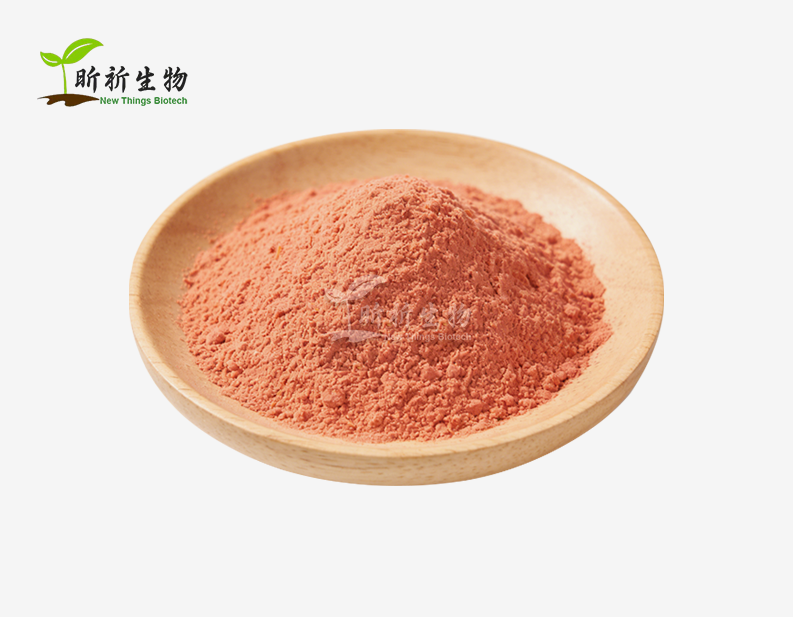
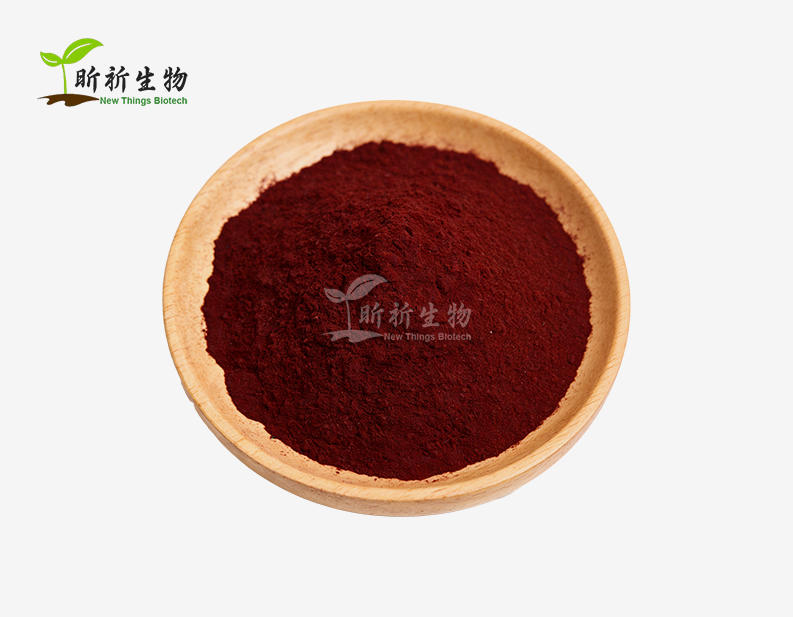
More and more, beverage makers are using acerola extract to add vitamin C naturally, without adding any fake ingredients. The pink powder gives the food a slight colour boost and health benefits at the same time.If you need to follow clean label rules, natural acerola extract is much better than synthetic options. People consciously look for products that have natural ingredients with well-known names. Acerola's antioxidant qualities are used in cosmetics to make anti-aging products. Naturally occurring vitamin C helps make collagen, and bioflavonoids protect the face in other ways.

Cost-Benefit Analysis for Procurement Professionals
Price evaluation must consider total value rather than unit cost alone. While synthetic vitamin C costs approximately $3-5 per kilogram, acerola cherry extract ranges from $45-85 per kilogram, depending on vitamin C concentration.
Value factors include:
- Enhanced bioavailability reduces required dosages
- Premium positioning justifies higher retail prices
- Consumer preference drives market demand
- Regulatory advantages in natural product categories
If you only need a small amount of vitamin C for everyday tasks, fake sources offer good Acerola Cherry Extract Powder nutrition at lower costs. But natural source positioning is very helpful for high-end goods. Market study shows that people are willing to pay 25–40% more for vitamin C products that come from natural sources. This premium often covers the difference in the cost of the raw materials, which increases total profits. Stability in the supply line also affects how much the whole thing costs. There are production sites for acerola all year long in Brazil and the Caribbean, but prices can change with the seasons because of changes in the weather.
Quality Assurance and Testing Protocols
Rigorous testing ensures consistent product quality and regulatory compliance. Acerola cherry extract undergoes multiple analytical procedures to verify potency and purity standards.
Standard testing protocols include:
- HPLC analysis for vitamin C quantification
- Microbiological screening for pathogens
- Heavy metal testing for safety compliance
- Pesticide residue analysis
- Moisture content verification
Certificate of Analysis (CoA) documentation accompanies each batch of Acerola Cherry Extract Powder, providing traceability and quality verification. This documentation proves essential for regulatory submissions and customer audits. If you need pharmaceutical-grade quality, then comprehensive testing protocols become mandatory. GMP-certified facilities maintain detailed batch records and environmental monitoring data. Stability testing validates shelf life claims under various storage conditions. Properly processed acerola extract maintains 90% potency for 24 months when stored in cool, dry conditions.
Conclusion
Whether you use acerola cherry extract or synthetic vitamin C depends on the needs of your application and how you want to place your product in the market. Natural acerola extract is more bioavailable, more appealing to consumers, and can help you place your product as a premium option. Synthetic sources, on the other hand, offer basic nutrition at a lower cost. To make good procurement choices, you need to balance the need for quality with the needs of the market and costs. As more people value plant-based nutrition and clean label goods, natural sources continue to gain market share.
Choosing Your Acerola Cherry Extract Powder Manufacturer
NT Biotech stands ready to support your natural vitamin C sourcing requirements with premium acerola cherry extract powder. Our ISO-certified facility produces standardized extracts with guaranteed potency levels from 5% to 25% vitamin C concentration. With over 10 years of botanical extraction expertise, we deliver consistent quality backed by comprehensive testing and same-day shipping capabilities. Contact our team at info@newthingsbiotech.com to discuss your specific formulation Acerola Cherry Extract Powder needs and receive complimentary samples.
References
1. Prakash, A., & Baskaran, R. (2018). Acerola, an untapped functional superfruit: a review on latest frontiers. Journal of Food Science and Technology, 55(9), 3373-3384.
2. Delva, L., & Schneider, R.G. (2013). Acerola (Malpighia emarginata DC): production, postharvest handling, nutrition, and biological activity. Food Reviews International, 29(2), 107-126.
3. Mezadri, T., Villaño, D., Fernández-Pachón, M.S., García-Parrilla, M.C., & Troncoso, A.M. (2008). Antioxidant compounds and antioxidant activity in acerola (Malpighia emarginata DC.) fruits and derivatives. Journal of Food Composition and Analysis, 21(4), 282-290.
4. Vendramini, A.L., & Trugo, L.C. (2000). Chemical composition of acerola fruit (Malpighia punicifolia L.) at three stages of maturity. Food Chemistry, 71(2), 195-198.
5. Righetto, A.M., Netto, F.M., & Carraro, F. (2005). Chemical composition and antioxidant activity of juices from mature and immature acerola (Malpighia emarginata DC.). Food Science and Technology International, 11(4), 315-321.
6. Hanamura, T., Hagiwara, T., & Kawagishi, H. (2005). Structural and functional characterization of polyphenols isolated from acerola (Malpighia emarginata DC.) fruit. Bioscience, Biotechnology, and Biochemistry, 69(2), 280-286.