- English
- French
- German
- Portuguese
- Spanish
- Russian
- Japanese
- Korean
- Arabic
- Greek
- German
- Turkish
- Italian
- Danish
- Romanian
- Indonesian
- Czech
- Afrikaans
- Swedish
- Polish
- Basque
- Catalan
- Esperanto
- Hindi
- Lao
- Albanian
- Amharic
- Armenian
- Azerbaijani
- Belarusian
- Bengali
- Bosnian
- Bulgarian
- Cebuano
- Chichewa
- Corsican
- Croatian
- Dutch
- Estonian
- Filipino
- Finnish
- Frisian
- Galician
- Georgian
- Gujarati
- Haitian
- Hausa
- Hawaiian
- Hebrew
- Hmong
- Hungarian
- Icelandic
- Igbo
- Javanese
- Kannada
- Kazakh
- Khmer
- Kurdish
- Kyrgyz
- Latin
- Latvian
- Lithuanian
- Luxembou..
- Macedonian
- Malagasy
- Malay
- Malayalam
- Maltese
- Maori
- Marathi
- Mongolian
- Burmese
- Nepali
- Norwegian
- Pashto
- Persian
- Punjabi
- Serbian
- Sesotho
- Sinhala
- Slovak
- Slovenian
- Somali
- Samoan
- Scots Gaelic
- Shona
- Sindhi
- Sundanese
- Swahili
- Tajik
- Tamil
- Telugu
- Thai
- Ukrainian
- Urdu
- Uzbek
- Vietnamese
- Welsh
- Xhosa
- Yiddish
- Yoruba
- Zulu
You can find trustworthy astaxanthin powder wholesale suppliers by looking at the quality of the products, their certificates, how stable their supplies are, and how well-known the suppliers are. People who work in procurement in the food, beauty, and animal feed industries should look for sources with confirmed purity levels, clear testing procedures, and flexible operations. Astaxanthin that comes from Haematococcus pluvialis is usually a better antioxidant than manufactured versions, so it's important to make sure that the source is correct. For vendor partnerships to work, there needs to be a clear way to communicate, prices that are fair, and proof that the partnership follows foreign standards like ISO, Kosher, and Halal certifications to make sure the integrity of the product is maintained throughout the supply chain.
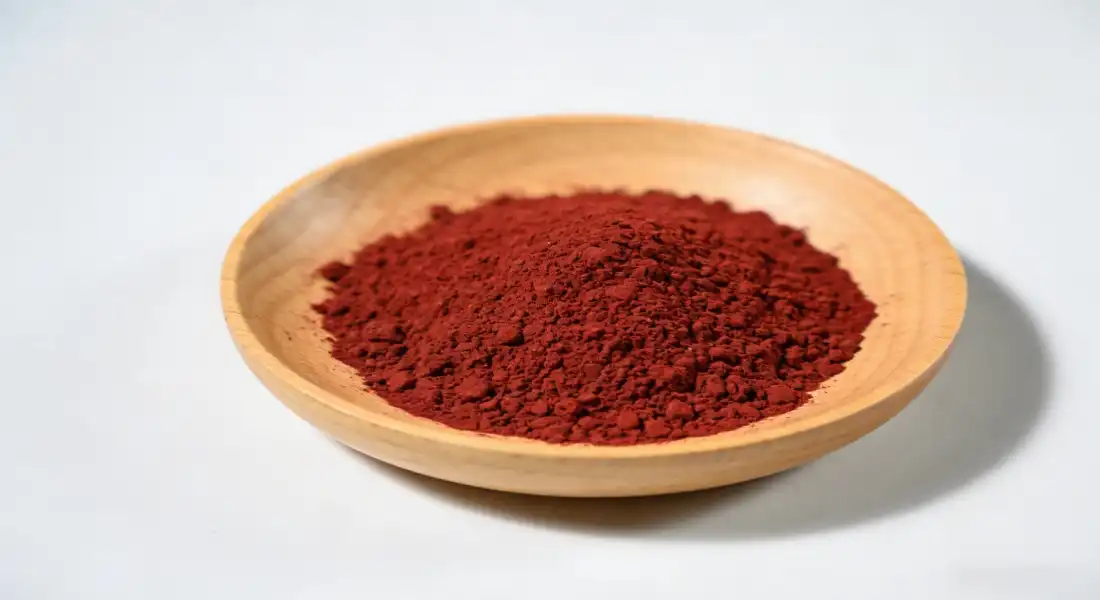
Understanding Astaxanthin Powder Wholesale: Key Insights for Procurement
Astaxanthin is a normally happening ketone carotenoid that is a capable antioxidant that is almost 6,000 times more grounded than vitamin C at rummaging singlet oxygen. This dull ruddy powder, which is generally made from the microalgae Haematococcus pluvialis, is utilized in numerous areas, such as creature sustenance, useful nourishments, dietary supplements, and excellence equations. The chemical structure, which has the CAS number 472-61-7, lets astaxanthin cross cell dividers and ensure both water-loving and fat-loving parts of cells from harm caused by free radicals.
Natural Versus Synthetic Sources
Natural astaxanthin from algae has mostly 3S,3'S stereochemistry, making it more bioavailable and active. Synthetic versions are cheaper but differ in isomer ratios. Buyers should check certificates of analysis showing stereoisomer composition via HPLC to ensure the product’s quality and efficacy.
Health Benefits and Application Scenarios
Astaxanthin reduces inflammation, supports sports nutrition and joint health, and provides photoprotection for skin in cosmetics. As a natural colorant, it enhances the appearance of foods and feed. Suppliers should offer formulation guidance to help manufacturers integrate the ingredient effectively across diverse applications.
Safety Standards and Dosage Considerations
Recommended dietary supplement doses are 4–12 mg, with up to 40 mg tested safely. Buyers must verify heavy metal, microbial, and peroxide stability tests to ensure safety and compliance with FDA and international food standards, protecting product quality and consumer health.
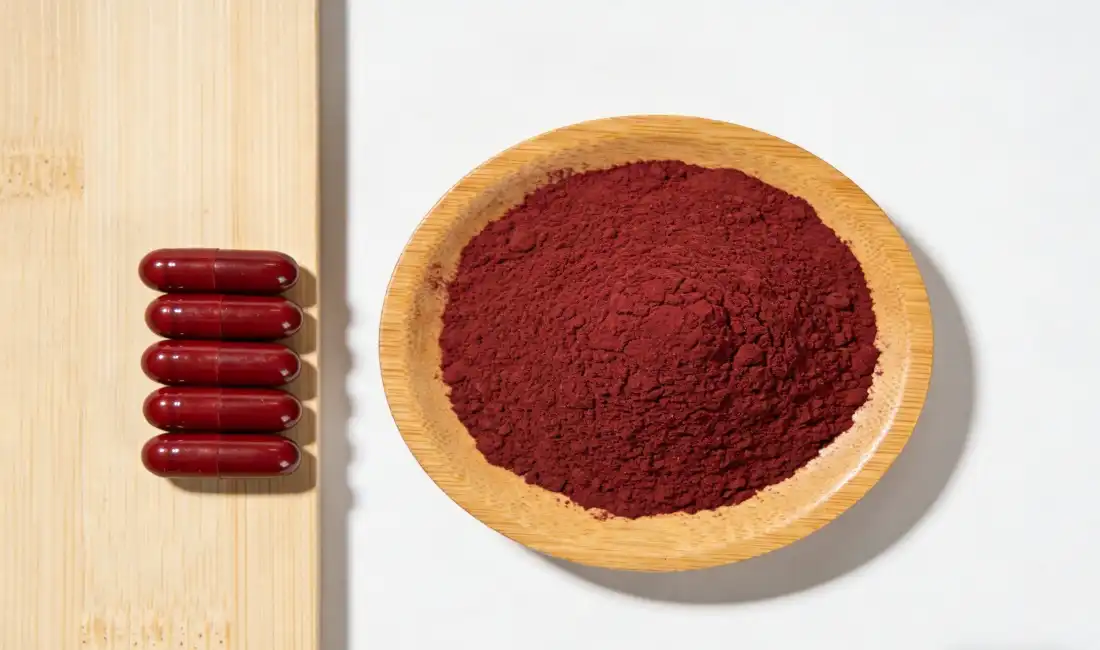
Critical Criteria for Selecting Astaxanthin Powder Wholesale Vendors (F-1 Criteria Screening Approach)
Setting up a precise way to compare conceivable providers to certain buying needs is what the F-1 screening strategy does. This strategy matches the aptitudes of merchants with the needs of operations, which brings down dangers in the supply chain and raises proficiency. Organized appraisal devices that turn subjective variables like picture and responsiveness into quantifiable measures are accommodating for obtainment teams.
Quality and Purity Verification
Vendors must give batch-specific certificates of investigation with HPLC comes about, appearing 2–10% astaxanthin powder wholesale. Immaculateness over 98% is anticipated for pharmaceutical utilize. Microencapsulation or beadlet innovations upgrade solidness, whereas legitimate capacity underneath 15°C guarantees rack life of 24–36 months.
International Certifications and Compliance
ISO 9001, Legitimate, Halal, and GMP certifications illustrate steady quality and administrative compliance. Natural certification includes esteem in specialty markets. Buyers ought to confirm documentation with certifying bodies to affirm legitimacy and guarantee items meet target advertise requirements.
Logistical Flexibility and MOQ Requirements
MOQs begin at 25 kg, obliging little tests or bulk orders. Providers offer different bundling and shipping strategies, counting express, discuss, and holder cargo, empowering proficient stock administration and assembly shifted trade needs.
Production Capacity and Supply Reliability
Maintaining inventory allows quick fulfillment in 2–4 days. Custom orders take 3–10 days. Stable supply chains are supported by established raw material sources and backup sites. Customer references and reviews provide real-world insight into supplier performance beyond marketing claims.
Comparing Astaxanthin Powder Options: How to Make the Best Choice? (F-2 Demand Matching Approach)
The F-2 request coordinating strategy makes a difference buyers do a comparison investigation by adjusting specialized specs with application needs and budget limits. This deliberate comparison stops costly botches from happening when item highlights do not coordinate definition needs and finds ways to increment value.
Organic Versus Conventional Sourcing
Organic astaxanthin costs 30–50% more due to cultivation and certification challenges. It’s valuable for natural health markets, while standard astaxanthin has equivalent antioxidant properties at a lower price. Purchase decisions should align with target consumers and brand positioning rather than assumptions about quality differences.
Powder Forms and Application Suitability
Standard astaxanthin powder is dark red and lipid-soluble, ideal for softgels and oil-based supplements. Cold water dispersible (CWD) powders work in drinks and cosmetics, while microcapsules protect sensitive ingredients in tablets and premixes. Choosing the correct form prevents formulation errors and reduces costs in manufacturing and product development.
Purity Testing and Antioxidant Verification
HPLC analysis is essential for measuring astaxanthin levels and stereoisomer profiles accurately. ORAC testing evaluates antioxidant strength. Independent sample testing ensures batch consistency and prevents budget loss due to low-quality or misrepresented materials, supporting informed procurement decisions.
Strategic Price Negotiation
Bulk purchases and multi-order volume agreements reduce costs beyond spot pricing. Negotiating payment terms balances cash flow and early payment incentives. Annual supplier comparisons leverage market and production changes, helping buyers maintain quality while optimizing costs. Long-term agreements ensure supply stability during market fluctuations.
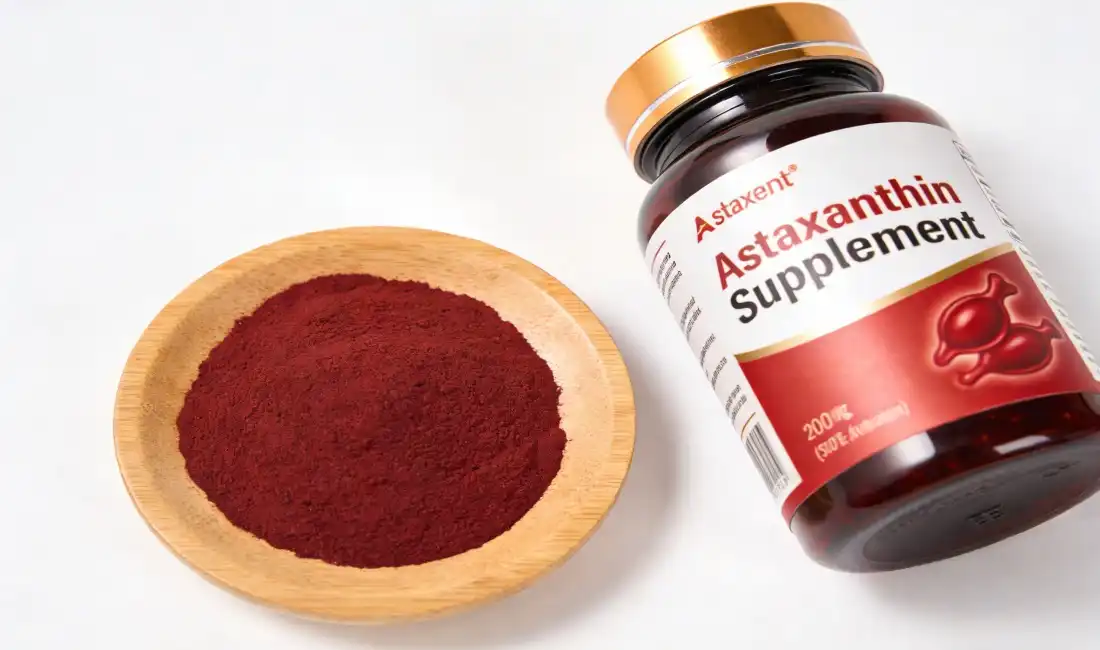
Top Astaxanthin Powder Wholesale Vendors and Brands to Consider
Supplier selection affects product uniformity, compliance, and market reputation. Leading vendors offer transparency, technical support, and experience with top brands. Mid-level specialized suppliers provide customization and personalized service, supporting new brands’ growth beyond basic ingredient supply.
Benefits of Certified OEM Partnerships
Certified OEM suppliers enable private-label production without heavy investment in equipment. They offer formulation support, stability testing, packaging design, and IP protection. Assess OEM capabilities by reviewing past projects, regulatory knowledge, and production scalability to support brand growth and market success.
Regional Sourcing Considerations
Origin affects quality, price, and shipping. Hawaiian photobioreactor astaxanthin powder wholesale offers premium quality at high cost. Domestic suppliers reduce lead times and simplify compliance, while foreign sourcing may lower costs but extend delivery. Sourcing strategies should balance speed, cost, and brand story.
Sample Evaluation and Quality Confirmation
Pre-purchase samples (50–100 g) allow testing for stability, production compatibility, particle size, and flowability. Lab verification confirms label claims and absence of contaminants. Pilot production runs reveal potential processing issues, preventing costly redesigns, refunds, or product failures before large-scale manufacturing.
Best Practices for Procuring Astaxanthin Powder Wholesale: Maximizing ROI and Ensuring Smooth Transactions
Strategic buying practices go beyond per-kilogram price to find the best total cost of ownership. Buyers who are good at their jobs think about factors like consistent quality, supply reliability, the value of professional help, and relationship factors that affect the long-term success of a business. Using organized processes lowers the risks of buying while getting the most out of relationships with suppliers.
Request for Quotation Strategies
Comprehensive RFQs clarify supplier comparisons beyond price, specifying assay ranges, appearance, certifications, volumes, delivery schedules, payment terms, and technical requirements. Clear RFQs prevent misunderstandings, streamline communication, and demonstrate professionalism, helping buyers secure reliable, well-informed supplier responses efficiently.
Certification and Documentation Verification
Careful documentation stops legal mistakes that cost a lot of money. Buyers should keep up-to-date copies of source certifications and check the times of expiration and area of covering every year. Certificates of analysis for each batch received prove that the specs match the purchase deals. Any discrepancies are fixed right away, before the material is used in production. Allergen statements and GMO status statements help make sure that labels are correct and that they follow the rules. Documentation of heavy metal testing results, microbial analysis, and pesticide screening meets the standards for due diligence for makeup and food supplements. By making systematic paperwork review processes normal receiving routines, problems can be found before they affect production schedules or the safety of the product.
Building Long-Term Supplier Relationships
Strategic partnerships with astaxanthin powder wholesale suppliers give businesses advantages beyond simple transactions, providing better support, technical guidance, and reliable supply, which helps optimize formulation, reduce risks, and strengthen long-term market competitiveness. When there aren't enough supplies, preferred sellers often give preference to certain orders. This keeps production going even when spot buyers run out of stock. Getting early access to new products and reformulated ones lets you respond to market trends more quickly. Technical teamwork makes formulations work better by using suppliers' knowledge of how to handle them and make them more stable. Clear information about demand predictions helps sellers plan their inventory more efficiently, which could lead to better service and lower prices. Annual business reviews make the relationship official by talking about success measures and finding ways to make things better for everyone.
Logistics and Shipping Optimization
Transportation operations have a big effect on the total cost of delivery and the dependability of the supply. Express courier services with established accounts with FedEx or UPS can bring small, pressing orders around the world within three to five days. These services are great for sending samples or quickly restocking your shelves. Air freight is faster for medium-sized loads, and it's the best way to balance speed and cost for items that need to be delivered quickly. Ocean freight container shipping is the cheapest way to move large amounts of goods, but it usually takes 3 to 6 weeks for foreign lines. Freight forwarders with a lot of experience can help you with customs paperwork, sending at specific temperatures when needed, and getting cargo insurance to protect the value of your goods. To get the best speed-to-cost ratio, procurement teams should set up standard working processes that match shipping methods to the specifics of procuring astaxanthin powder wholesale.
Conclusion
To find trustworthy astaxanthin powder wholesale suppliers, you need to carefully look at their quality control, certifications, shipping options, and ability to work with your business's goals. Natural astaxanthin from Haematococcus pluvialis works better as an antioxidant, but getting it depends on how open and helpful the seller is, as well as how flexible the business is with its operations. The F-1 and F-2 screening methods give you an organized way to compare vendors based on certain buying situations, which lets you make an informed choice. Buyers who are good at what they do look for long-term partnerships with certified sellers who can show steady quality, quick service, and good value. Pre-purchase sample evaluation, careful review of paperwork, and clear communication lay the groundwork for relationships that are good for both parties and help with product innovation and market competition.
FAQ
1. What minimum order quantities should I expect when sourcing astaxanthin powder?
Most reliable providers set minimum order quantities (MOQs) around 25 kg, which works for businesses of all sizes, from new names to well-known manufacturers. This level strikes a mix between how efficiently production works and how easy it is to get to markets. It lets procurement teams test relationships with suppliers without making too many inventory promises. For the first review, smaller sample amounts, usually 50 to 100 grams, are usually offered for free.
2. How can I verify astaxanthin quality and purity before purchasing?
Asking for batch-specific certificates of analysis with HPLC test data proves the real amount of astaxanthin present. Samples are tested by a third-party lab to confirm what the seller says. Stereoisomer research checks to see if the sources are natural or man-made. ICP-MS screening for heavy metals, microbial tests, and measures of peroxide value all show that quality control is thorough. Reliable providers easily provide proof that all quality requirements are met.
3. Are there health risks associated with astaxanthin supplementation?
Clinical research shows that doses of 4 to 12 mg per day are very safe, and studies have safely tested up to 40 mg without any major side effects. Risk is kept to a minimum by making sure that sellers meet FDA standards for dietary supplements and foreign food safety standards. For consumer safety, buyers should make sure that goods have the right labels, including the right serving sizes, and that they meet the rules in the places they want to sell to.
Partner with NT Biotech: Your Trusted Astaxanthin Powder Wholesale Supplier
NT Biotech specializes in premium natural astaxanthin powder derived from Haematococcus pluvialis, offering specifications from 2-10% backed by ISO, Kosher, and Halal certifications. Our proprietary extraction methods ensure exceptional purity exceeding 98% for key applications, delivering dark red powder with verified antioxidant potency. We maintain ready inventory enabling 2-4 day delivery after payment confirmation, with flexible minimum orders starting at 25 kg and complimentary samples for evaluation. Our technical team provides comprehensive formulation support and complete documentation including batch-specific HPLC analysis. Contact us at info@newthingsbiotech.com to discuss your astaxanthin powder wholesale requirements with a responsive supplier committed to your success.
References
1. Guerin, M., Huntley, M.E., Olaizola, M. (2003). Haematococcus astaxanthin: applications for human health and nutrition. Trends in Biotechnology, 21(5), 210-216.
2. Ambati, R.R., Phang, S.M., Ravi, S., Aswathanarayana, R.G. (2014). Astaxanthin: sources, extraction, stability, biological activities and its commercial applications. Marine Drugs, 12(1), 128-152.
3. Yuan, J.P., Peng, J., Yin, K., Wang, J.H. (2011). Potential health-promoting effects of astaxanthin: a high-value carotenoid mostly from microalgae. Molecular Nutrition & Food Research, 55(1), 150-165.
4. Capelli, B., Bagchi, D., Cysewski, G.R. (2013). Synthetic astaxanthin is significantly inferior to algal-based astaxanthin as an antioxidant and may not be suitable as a human nutraceutical supplement. Nutrafoods, 12(4), 145-152.
5. Higuera-Ciapara, I., Felix-Valenzuela, L., Goycoolea, F.M. (2006). Astaxanthin: a review of its chemistry and applications. Critical Reviews in Food Science and Nutrition, 46(2), 185-196.
6. Shah, M.R., Liang, Y., Cheng, J.J., Daroch, M. (2016). Astaxanthin-producing green microalga Haematococcus pluvialis: from single cell to high value commercial products. Frontiers in Plant Science, 7, 531.