- English
- French
- German
- Portuguese
- Spanish
- Russian
- Japanese
- Korean
- Arabic
- Greek
- German
- Turkish
- Italian
- Danish
- Romanian
- Indonesian
- Czech
- Afrikaans
- Swedish
- Polish
- Basque
- Catalan
- Esperanto
- Hindi
- Lao
- Albanian
- Amharic
- Armenian
- Azerbaijani
- Belarusian
- Bengali
- Bosnian
- Bulgarian
- Cebuano
- Chichewa
- Corsican
- Croatian
- Dutch
- Estonian
- Filipino
- Finnish
- Frisian
- Galician
- Georgian
- Gujarati
- Haitian
- Hausa
- Hawaiian
- Hebrew
- Hmong
- Hungarian
- Icelandic
- Igbo
- Javanese
- Kannada
- Kazakh
- Khmer
- Kurdish
- Kyrgyz
- Latin
- Latvian
- Lithuanian
- Luxembou..
- Macedonian
- Malagasy
- Malay
- Malayalam
- Maltese
- Maori
- Marathi
- Mongolian
- Burmese
- Nepali
- Norwegian
- Pashto
- Persian
- Punjabi
- Serbian
- Sesotho
- Sinhala
- Slovak
- Slovenian
- Somali
- Samoan
- Scots Gaelic
- Shona
- Sindhi
- Sundanese
- Swahili
- Tajik
- Tamil
- Telugu
- Thai
- Ukrainian
- Urdu
- Uzbek
- Vietnamese
- Welsh
- Xhosa
- Yiddish
- Yoruba
- Zulu
If you are making cold remedies, you can choose between echinacea extract powder and vitamin C. Each has its own benefits that depend on the needs of the product. Polyphenols and alkylamines in echinacea extract powder help the immune system in a wide range of ways, and vitamin C helps the immune system specifically by fighting free radicals. By understanding how each one works, procurement workers can choose the best ingredient for each product application and market.
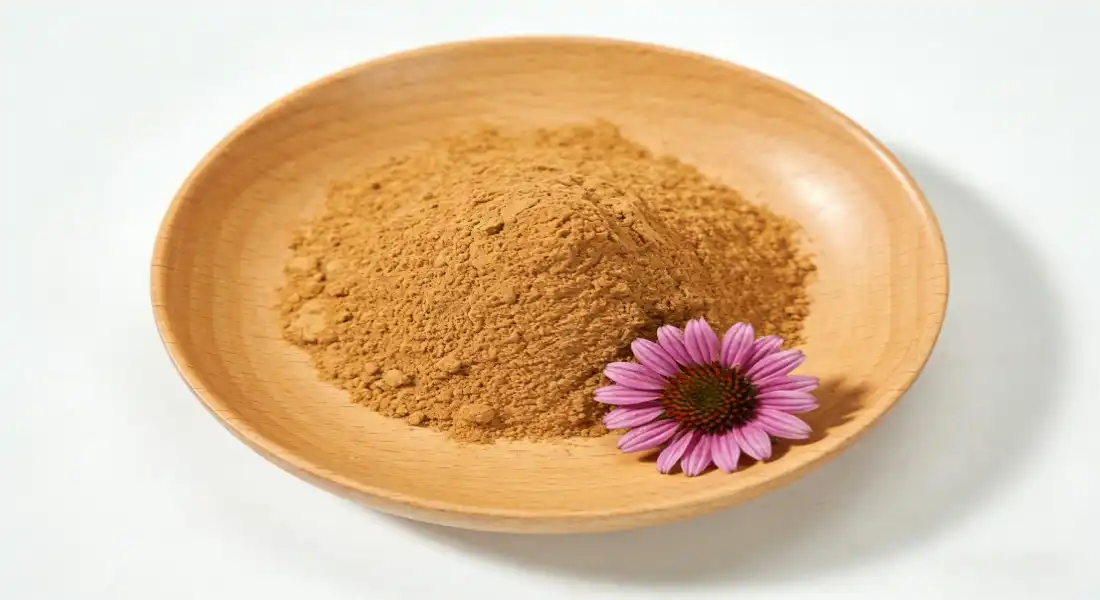
Understanding Echinacea Extract Powder: Nature's Immune Complex
Echinacea extract powder represents one of the most researched botanical immune supporters in the nutraceutical industry. Derived from Echinacea purpurea aerial parts, this standardized extract contains multiple bioactive compounds working synergistically.
The primary active constituents include:
- Phenolic compounds (4% polyphenols): Echinacoside, verbascoside, and chicoric acid
- Caffeic acid derivatives: Chlorogenic acid and isochlorogenic acid
- Alkylamines: Responsible for immune cell activation
- Flavonoids: Supporting antioxidant activity
- Polysaccharides: Enhancing immune response modulation
Studies show that echinacea makes macrophages and natural killer cells work, which makes the defence system stronger. Clinical studies have shown that echinacea preparations can cut the number of colds by 58% when used as a preventative. Echinacea can be found in functional drinks, dietary supplements, and even cosmetics because it reduces inflammation. This can help procurement teams make recipes that help the immune system. Echinacea extract powder is better than products with only one ingredient if you need to support your immune system through more than one bioactive route.
Vitamin C: The Antioxidant Powerhouse
Vitamin C remains the gold standard for antioxidant support and collagen synthesis in nutritional products. This essential nutrient operates through well-established biochemical pathways, making it predictable for formulators.
Key mechanisms include:
- Direct antioxidant activity neutralizes free radicals
- Cofactor role in immune cell function
- Collagen synthesis support
- Enhanced iron absorption
- Regeneration of other antioxidants, like vitamin E
Clinical research shows that1000 mg of vitamin C every day can shorten the length of a cold by 8% in healthy people and by up to 50% in people who are physically stressed. Vitamin C is safe for mass-market use because its effects are always the same. Manufacturing benefits include good stability when properly formulated, wide regulatory acceptance, and market acceptance based on customer familiarity. If you want long-lasting immune support based on solid research and well-known dosing guidelines, vitamin C is the more common pick.
Mechanism of Action: How Each Ingredient Works
Echinacea's Multi-Target Approach
The echinacea extract powder works by changing the immune system instead of directly fighting pathogens. The chicoric acid amount (2–3% in good extracts) has important immune-modulating effects by:
- Getting dendritic cells to mature
- Increasing the production of cytokines
- Increasing the action of phagocytes
- Changing how inflammation works
Studies done in the lab show that echinacea products raise the activity of white blood cells by as much as 120% compared to the starting point. Laboratory studies show that echinacea preparations increase white blood cell activity by up to 120% compared to baseline measurements.
Vitamin C's Direct Action
Vitamin C operates through established antioxidant mechanisms:
- Giving electrons to neutralise reactive oxygen species
- Helping neutrophils do their job and chemotaxis
- Increasing the production of antibodies
- Keeping the health of the epithelial barrier
Plasma vitamin C levels above 70 μmol/L correlate with optimal immune function in human studies.
The fundamental difference lies in approach: echinacea modulates immune system responsiveness, while vitamin C provides essential cofactor support for existing immune processes.
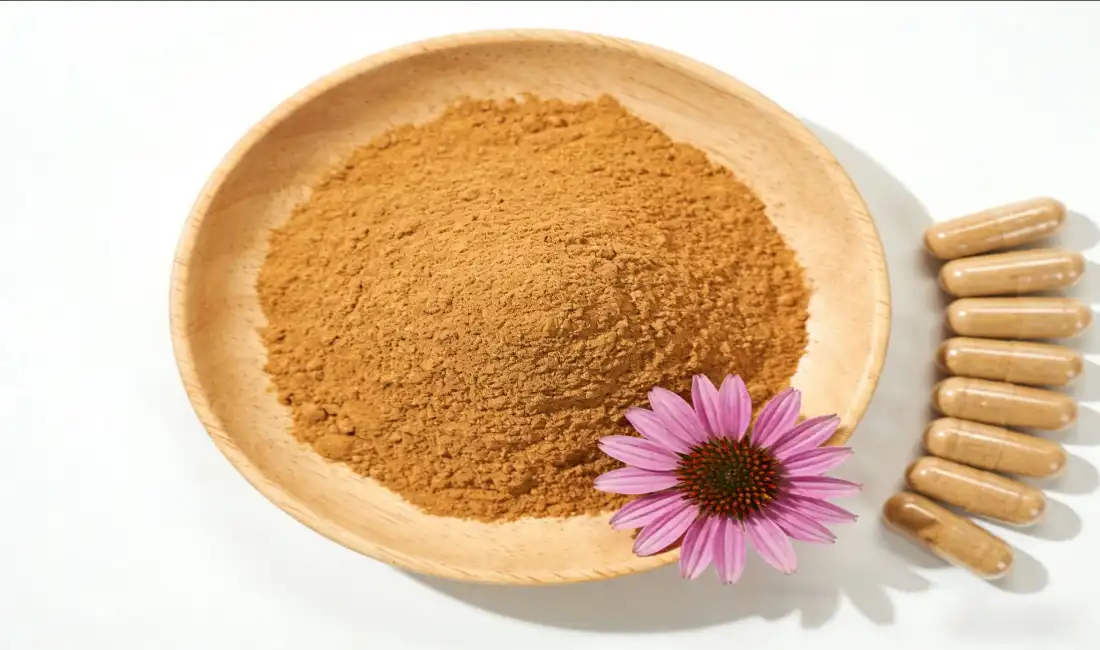
Efficacy Comparison: Clinical Evidence and Real-World Performance
Echinacea Clinical Outcomes
Meta-analyses of echinacea studies reveal mixed but promising results:
- Prevention studies: 10-20% reduction in cold incidence
- Duration reduction: 1-4 days shorter cold episodes
- Severity reduction: Significant symptom improvement in 65% of participants
Quality variations between echinacea preparations significantly impact efficacy. Standardized extracts with verified chicoric acid content show more consistent results than unstandardized preparations.
Vitamin C Performance Data
Vitamin C demonstrates more predictable outcomes:
- Prevention: Minimal effect in general populations (excluding athletes)
- Duration: 8% average reduction in cold length
- Severity: Modest symptom improvement
- Dose-response relationship: Clear correlation between intake and plasma levels
Research indicates that individuals echinacea extract powder with baseline vitamin C deficiency experience more dramatic benefits from supplementation. If you need ingredients with extensive clinical validation and predictable outcomes, then vitamin C offers more consistent evidence. However, if you're targeting comprehensive immune support with novel mechanisms, then echinacea extract powder provides differentiated positioning.
Safety Profile and Regulatory Considerations
Echinacea Safety Assessment
Echinacea extract powder demonstrates excellent safety profiles in clinical trials:
- Adverse events: Less than 2% of participants in studies
- Common reactions: Mild gastrointestinal effects, rare allergic responses
- Contraindications: Autoimmune conditions, specific plant allergies
- Drug interactions: Minimal documented interactions
Regulatory status varies by region, with GRAS recognition in the US and traditional use approvals in Europe. Quality standardization remains crucial for consistent safety outcomes.
Vitamin C Safety Standards
Vitamin C enjoys extensive safety documentation:
- Upper limit: 2000mg daily for adults
- Tolerance: Excellent at recommended doses
- Side effects: Gastrointestinal upset at very high doses (>3000mg)
- Interactions: Enhanced iron absorption, minimal drug interactions
Global regulatory acceptance includes food additive status and established daily value recommendations across all major markets. Both ingredients present minimal safety concerns when sourced from reputable suppliers with proper quality controls.
Cost-Effectiveness Analysis for Procurement Teams
Echinacea Investment Considerations
Raw material costs for quality echinacea extract powder typically range $45-85 per kilogram, depending on standardization levels:
- Standard 4% polyphenols: $45-60/kg
- Premium 4% polyphenols + 3% chicoric acid: $65-85/kg
- Organically certified: 20-30% premium over conventional
Processing requirements include proper extraction methods, maintaining bioactive integrity, specialized storage conditions, and comprehensive testing protocols.
Vitamin C Economic Factors
Vitamin C presents different cost dynamics:
- Ascorbic acid: $3-8/kg depending on quality grade
- Sodium ascorbate: $8-15/kg
- Specialized forms (liposomal, time-release): $25-60/kg
Volume purchasing advantages ofechinacea extract powder favor vitamin C due to larger manufacturing scales and multiple supplier options. If you need cost-effective immune support for mass-market products, then vitamin C delivers superior economics. For premium positioning with unique selling propositions, echinacea extract powder justifies higher ingredient costs through enhanced product differentiation.
Product Development Applications and Formulation Strategies
Echinacea Integration Opportunities
Echinacea extract powder excels in sophisticated formulations:
- Functional beverages: Natural flavor compatibility, heat stability
- Capsule supplements: Concentrated potency, minimal excipient requirements
- Topical applications: Anti-inflammatory benefits for skin care
- Combination products: Synergistic effects with other botanicals
Technical considerations include moisture sensitivity, light protection requirements, and standardization verification through HPLC analysis.
Vitamin C Formulation Versatility
Vitamin C offers broader application flexibility:
- Effervescent tablets: Consumer appeal, rapid bioavailability
- Gummies: Taste masking, stable in appropriate formulations
- Powdered drinks: Excellent solubility, familiar positioning
- Fortified foods: Regulatory approval, nutritional enhancement
Stability challenges require careful pH management, oxygen exclusion, and appropriate packaging materials. Manufacturing partnerships benefit from suppliers providing technical support for optimal ingredient incorporation. Quality documentation becomes essential for regulatory compliance across international markets.
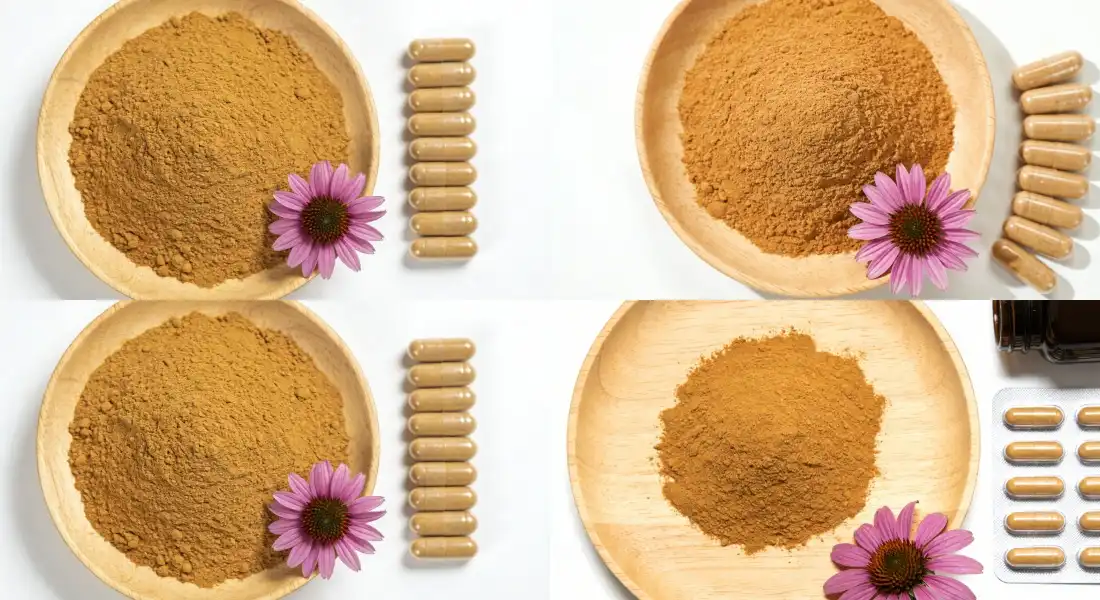
NT Biotech's Premium Echinacea Extract Powder Manufacturing Excellence
Comprehensive Advantages for B2B Procurement Success
Superior Product Specifications
- Standardized Potency: 4% polyphenols with 2-3% chicoric acid content verified through HPLC analysis
- Optimal Particle Size: 80 mesh for excellent solubility and bioavailability
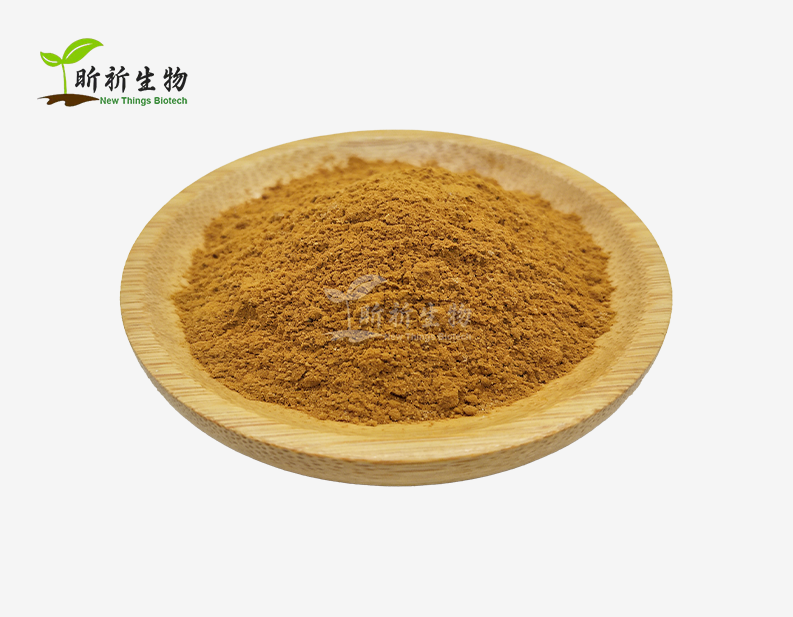
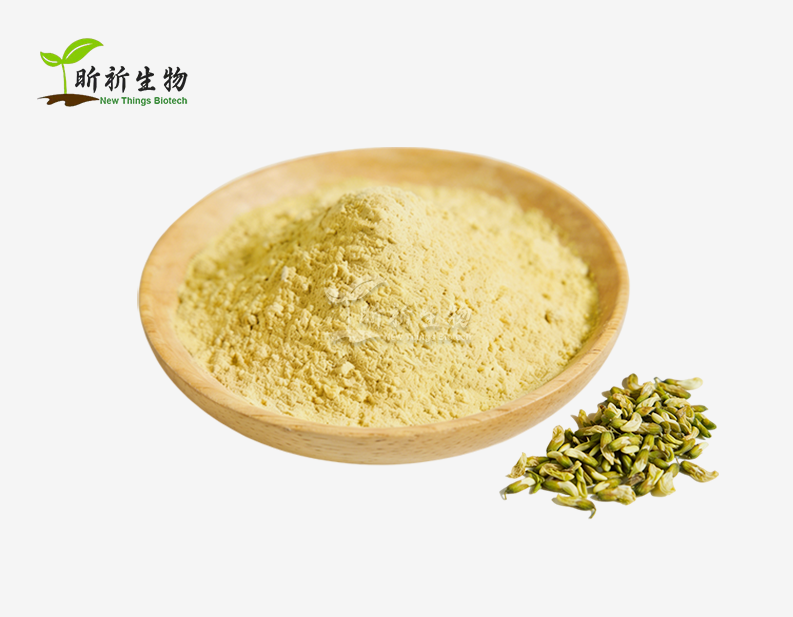
- Premium Appearance: Consistent brown-yellow powder indicating proper processing
- Certified Quality: ISO9001, Kosher, and Halal certifications meeting global market requirements
- Flexible Packaging: 25kg drums standard with customized options available
Manufacturing Excellence and Supply Reliability
- Decade of Expertise: 10 years of specialized experience in botanical extract production
- Proprietary Processing: Advanced extraction methods achieving >98% purity for key compounds
- Rapid Response: 2-hour inquiry response guarantee with technical support
- Stock Availability: Ready inventory enabling 1-3 day shipping for immediate needs
- Production Capacity: 3-10 day lead times for custom orders with full quality documentation
Technical Differentiation and Quality Assurance
- Verified Bioactivity: Each batch comes with a full Certificate of Analysis.
- Better handling methods ensure a longer shelf life, which improves stability.
- Controlling contamination: strict testing procedures that go above and beyond industry norms
- Documentation for Traceability: Full supply echinacea extract powderchain openness for legal compliance
- Performance Optimisation: Formulation help for making ingredients work as well as possible
Global Supply Chain Advantages
- Flexible logistics: straight shipping from FedEx and UPS, as well as freight forwarding for big orders
- Cost optimisation: a variety of shipping choices that balance price and speed
- Payment Flexibility: Accepting local currency makes transactions easier.
- Regulatory Support: A package of documents that makes it easier to enter foreign markets
- Focus on partnerships: building long-term relationships that go beyond transactional supply
Value Proposition for Procurement Teams
- Positioning in the market: high quality at prices that are competitive
- Lessening the risk: a provider that has been around for a while and has been shown to be reliable and
- Innovation Support: Technical know-how that lets products stand out
- Scalability: As customer demand grows, so does production potential.
- Market Access: Certifications that open up a wide range of geographic possibilities
Quality Control and Testing Protocols
- Multi-Stage Testing: Checking the raw materials, keeping an eye on the process, and analysing the finished product
- HPLC, UV spectroscopy, microbiological testing, and heavy metals measurement are some of the analytical methods used.
- Batch Consistency: Statistical process control that makes sure all products are the same
- Stability Studies: Faster and real-time tests that prove shelf life claims
- Third-Party Verification: An independent lab confirms that the standards are met
Conclusion
Echinacea extract powder and vitamin C are both used to boost the immune system, but they do so in different ways. The right one to use relies on your product's price, target market, and how you want to set it apart. Since it affects the immune system in a lot of different bioactive ways, echinacea is great for high-end vitamins and functional goods. It has been proven that vitamin C works, which means that it is safe for most people to use. When planning how to buy things, it's important to think about more than just the ingredients' qualities. It also checks how trustworthy the provider is, how well they keep track of quality, and how long the partnership might last. The best choice is one that makes sure that all the rules are followed and the product is made correctly while also fulfilling the needs of the market.
Partner with NT Biotech for Superior Echinacea Extract Powder Supply
When sourcing echinacea extract powder supplier partnerships, NT Biotech delivers unmatched echinacea extract powder value through certified quality, rapid delivery, and comprehensive technical support. Our decade of botanical extraction expertise ensures consistent, high-potency ingredients meeting international standards. Contact our team at info@newthingsbiotech.com to discuss your specific formulation requirements and experience the difference that premium echinacea extract powder manufacturing makes for your product success.
References
1. Shah, S.A., Sander, S., White, C.M., Rinaldi, M., & Coleman, C.I. (2007). Evaluation of echinacea for the prevention and treatment of the common cold: a meta-analysis. Lancet Infectious Diseases, 7(7), 473-480.
2. Hemilä, H., & Chalker, E. (2013). Vitamin C for preventing and treating the common cold. Cochrane Database of Systematic Reviews, 1, CD000980.
3. Schapowal, A., Klein, P., & Johnston, S.L. (2015). Echinacea reduces the risk of recurrent respiratory tract infections and complications:a meta-analysis of randomized controlled trials. Advances in Therapy, 32(3), 187-200.
4. Carr, A.C., & Maggini, S. (2017). Vitamin C and immune function. Nutrients, 9(11), 1211.
5. Zhai, Z., Liu, Y., Wu, L., Senchina, D.S., Wurtele, E.S., Murphy, P.A., Kohut, M.L., & Cunnick, J.E. (2007). Enhancement of innate and adaptive immune functions by multiple Echinacea species. Journal of Medicinal Food, 10(3), 423-434.
6. Wintergerst, E.S., Maggini, S., & Hornig, D.H. (2006). Immune-enhancing role of vitamin C and zinc and effect on clinical conditions. Annals of Nutrition and Metabolism, 50(2), 85-94.