- English
- French
- German
- Portuguese
- Spanish
- Russian
- Japanese
- Korean
- Arabic
- Greek
- German
- Turkish
- Italian
- Danish
- Romanian
- Indonesian
- Czech
- Afrikaans
- Swedish
- Polish
- Basque
- Catalan
- Esperanto
- Hindi
- Lao
- Albanian
- Amharic
- Armenian
- Azerbaijani
- Belarusian
- Bengali
- Bosnian
- Bulgarian
- Cebuano
- Chichewa
- Corsican
- Croatian
- Dutch
- Estonian
- Filipino
- Finnish
- Frisian
- Galician
- Georgian
- Gujarati
- Haitian
- Hausa
- Hawaiian
- Hebrew
- Hmong
- Hungarian
- Icelandic
- Igbo
- Javanese
- Kannada
- Kazakh
- Khmer
- Kurdish
- Kyrgyz
- Latin
- Latvian
- Lithuanian
- Luxembou..
- Macedonian
- Malagasy
- Malay
- Malayalam
- Maltese
- Maori
- Marathi
- Mongolian
- Burmese
- Nepali
- Norwegian
- Pashto
- Persian
- Punjabi
- Serbian
- Sesotho
- Sinhala
- Slovak
- Slovenian
- Somali
- Samoan
- Scots Gaelic
- Shona
- Sindhi
- Sundanese
- Swahili
- Tajik
- Tamil
- Telugu
- Thai
- Ukrainian
- Urdu
- Uzbek
- Vietnamese
- Welsh
- Xhosa
- Yiddish
- Yoruba
- Zulu
Working with qualified makers who can promise clear quality standards, flexible minimum order numbers, and on-time delivery dates is essential for sourcing astaxanthin powder wholesale at reasonable prices. Third-party testing to thoroughly check suppliers, getting full certificates of analysis, and negotiating pricing systems that reward long-term partnerships are the keys. Procurement teams can get long-term cost savings without sacrificing product effectiveness by giving more weight to sellers who offer natural astaxanthin made from Haematococcus pluvialis, along with clear purity requirements and full expert support.
Understanding the Wholesale Astaxanthin Powder Market
The demand for natural antioxidants keeps going up around the world as people become more aware of how to stay healthy. Astaxanthin is a keto-carotenoid that is mostly taken from the microalgae Haematococcus pluvialis. It has become one of the most important bioactive chemicals in the B2B supply chain. This amazing molecule is about 6,000 times stronger as vitamin C as an antioxidant and 550 times stronger than vitamin E at neutralizing singlet oxygen. This makes it a premium ingredient in functional drinks, aquaculture feed, anti-aging cosmetics, and dietary supplements.
Market Dynamics and Applications
The world astaxanthin market was worth about USD 1.5 billion, and it's expected to keep growing thanks to more people caring about their health and government approval. Natural astaxanthin powder is used in many different fields. Nutraceutical companies make softgels and capsules with it to help with heart and eye health. Cosmetic companies use it in serums and creams to fight photoaging and improve skin elasticity. And animal nutrition companies use it to give salmon and shrimp more color and strength in their immune systems. It is very important for buying workers to know the difference between natural and synthetic sources. Astaxanthin from Haematococcus pluvialis is naturally bioavailable because it has a balanced number of stereoisomers (3S,3'S configuration), while synthetic forms often have mixed isomers that are less biologically active. This difference in quality has a direct effect on how well the formulation works and how well the consumer does, so source verification is a very important buying goal.
Procurement Challenges in the Astaxanthin Supply Chain
Three problems that keep coming up make it harder to use effective buying methods. There is still a lot of variation in quality between suppliers—the amount of astaxanthin can be anywhere from 2% to 10%, based on how it is extracted and how the raw materials are grown. Haematococcus farming requires a lot of resources, and harvest rates change depending on the weather. Price changes are another problem. The third problem is supply stability. This is especially hard for mid-sized buyers who have to deal with low minimum order numbers that put a strain on their working capital. To get through these complicated situations, you need a methodical approach based on technical due research and strategic supply relationship management, including sourcing options such as astaxanthin powder wholesale. When procurement teams have a lot of information about the market, they can find partners who can find the best balance between low costs and high quality.
Essential Criteria for Selecting Astaxanthin Powder Suppliers
Choosing the right supplier has a direct effect on the quality of the product, compliance with regulations, and long-term profits. Setting clear standards for evaluation guards against costly problems with quality and supply.
Quality Parameters and Specifications
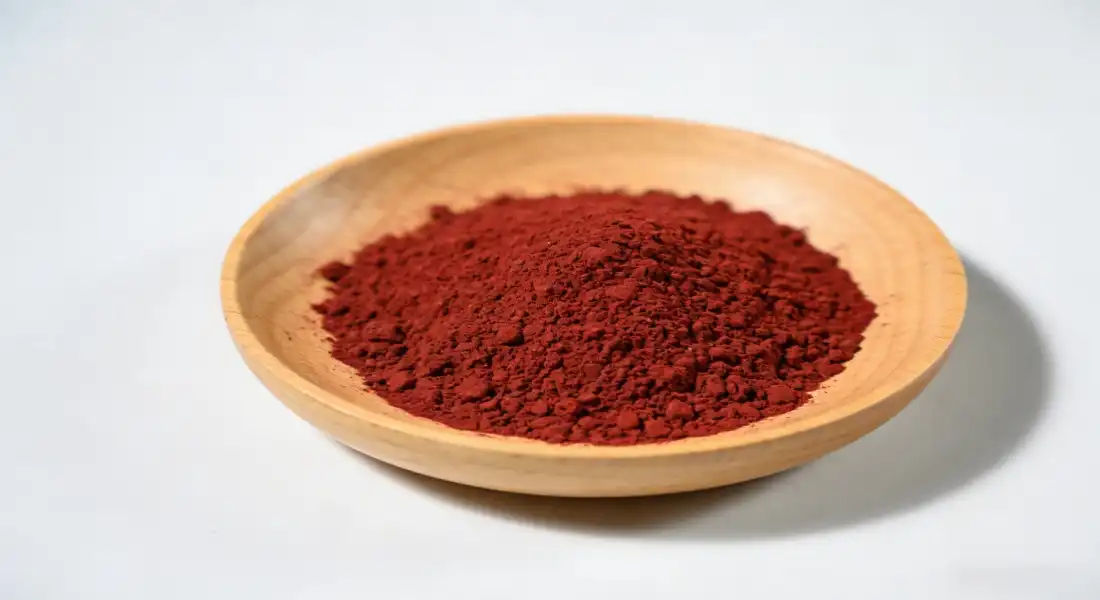
Astaxanthin evaluation starts with making sure the substance is pure. High-performance liquid chromatography (HPLC) tests show that the quantity of astaxanthin is correct, separating it from other carotenoids that could make label promises less reliable. Premium providers give thorough certificates of analysis that show purity levels, which are usually between 2% and 10%, but can be higher or lower based on the need. The powder should look like dark red rocks with evenly spaced particles, less than 5% moisture, and the ability to stay fresh for more than 24 months if kept correctly. The stereoisomer study tells us if the substance comes from algae or man-made processes. The 3S,3'S isomer configuration, which is most common in astaxanthin from Haematococcus, allows for the best absorption into cell membranes and biological action. Using ICP-MS to test for heavy metals like lead, arsenic, mercury, and cadmium makes sure that safety rules are followed, especially for goods that people will eat.
Certification and Compliance Verification
International licenses are objective ways to show that a company is good at making things and managing quality. ISO 9001 approval shows that quality management is done in a planned way, and GMP compliance shows that production standards for pharmaceuticals are met. Kosher and Halal licenses help businesses reach more customers who are interested in certain types of food. In addition to reviewing the documents, checking the company's image through industry references and third-party audits is another way to make sure it's real. When suppliers keep communication open about batch tracking, offer regular data on stability tests, and offer quick technical help, it shows that they are operationally mature and reliable as a partner.
Financial Considerations and MOQ Negotiations
When prices are clear, there are no secret costs that cut into profits. Quotes that are complete should include the prices of raw materials, handling fees, packaging requirements, and shipping costs. Volume-based discount structures reward customers who make bigger promises while still allowing new brands with rising demand to be flexible. Minimum order quantities have a big effect on planning your cash flow. Many suppliers have minimum orders of 500 kg to 1,000 kg, but creative partners know how important it is to be able to handle smaller initial orders (starting at 25 kg) to make product development and market testing easier. Allowing for flexible payment terms, such as deals in the local currency, further lowers the cost of doing business internationally.
Step-by-Step Guide to Source Astaxanthin Powder Wholesale at Low Cost
Strategic sourcing blends organized study with strict rules for judging.
Conduct Comprehensive Market Research
Digital business-to-business (B2B) platforms collect lists of suppliers and let you sort them based on licenses, production capacity, and product specs, including those offering astaxanthin powder wholesale. By comparing prices from different sources, you can find area trends and find suppliers who can offer competitive positioning. Scientific papers and trade magazines in the industry give information about new extraction methods and quality standards that suppliers use to talk about their products.
Request and Validate Product Samples
Sample review fills in the gaps between what the seller says and how the product actually works. Reliable sellers offer free samples that come with records of analysis. This lets you compare different sources side by side. Independent lab testing confirms the amount of astaxanthin present, looks for possible contamination, and confirms the solubility properties that are important for your product needs. During sample evaluation, looking at the physical qualities shows how consistent the making is. The right conditions for processing and storing are shown by uniform color, powder flowability, and lack of clumping. These real-world findings help build trust in a supplier's skills by working with analytical testing.
Compare Pricing Models and Logistics
The total landed cost study looks at more than just the unit price. It also looks at shipping costs, customs taxes, and storage fees. When compared to suppliers who make buyers plan their own operations, those who offer consolidated shipping through established freight partnerships often get better prices. Lead time agreements affect how much material to plan for and when to make things. Suppliers who keep common specs in stock can quickly fill orders within two to four days. Custom recipes, on the other hand, may need seven to ten days for production and quality control. Knowing these dates keeps production going and stops stock-outs from happening.
Negotiate Strategic Terms
When you negotiate well, you find a balance between lowering costs right away and building a long-term relationship. When buyers are presented with clear volume and growth predictions at the start of a conversation, it makes them look like desirable long-term customers, which can lead to better price levels. Asking for flexible MOQ arrangements for first sales and increasing the volume promises as the market grows shows good faith and lowers financial risk. Payment terms need to be carefully talked over. If a supplier is sure of their quality and service, they may be willing to give you longer payment terms or set up payment plans that work with the way you make money. Currency freedom lowers the risk of changes in the exchange rate and makes it easier to reconcile financial records.
Case Studies: Successful Astaxanthin Powder Sourcing Strategies by B2B Buyers
The effects of methodical supplier review can be seen in real-world buying results.
Case Study: Nutraceutical Manufacturer Achieves 20% Cost Reduction
Astaxanthin prices were going up, which put pressure on the profit margins of a medium-sized supplement company that made heart health formulas. Their purchasing head set up a structured source check process, including a search for astaxanthin powder wholesale, and six possible partners were looked at based on their quality certifications, production capacity, and ability to offer flexible prices. The chosen seller had ISO and Kosher certifications, kept the astaxanthin content at 5%, which was confirmed by third-party HPLC testing, and offered volume-based pricing that cut unit costs by 20% compared to the previous source. Also very helpful, the new partner allowed buy promises every three months instead of once a year, which made managing cash flow easier. The maker was able to add more products to their line while keeping prices low for 18 months thanks to this relationship.
Case Study: Distributor Secures Quality Consistency Through Certified Partnership
A company that sells health ingredients to formulators in the region had trouble with their current astaxanthin supplier's batch-to-batch unpredictability, which led to customer complaints and product returns. After getting three packages in a row with different levels of purity, the distributor started a full search for a new provider, putting quality assurance ahead of finding the cheapest one. The new provider gave detailed information, such as instructions on how to grow their Haematococcus source material, how to extract the material using supercritical CO2 technology, and data on stability tests over 36 months of storage. The integrity of the product was maintained during delivery by bulk packing in 25 kg drums with nitrogen flushing. Even though prices per kilogram went up a little, net profits went up by more than 15% because of fewer returns and better ties with customers.
Summary and Best Practices for Cost-Effective Astaxanthin Powder Procurement
Prioritizing Quality Over Short-Term Cost Savings
For the best astaxanthin source results, you need to balance a lot of different objectives. Quality approval should never be given up to save a few dollars here and there. Using low-quality ingredients costs a lot more in regulatory problems, damaged brands, and lost customers than any original discount on the purchase price. Doing your research on the seller by testing samples, making sure certificates are real, and calling references builds trust in their skills.
Building Strong Supplier Relationships for Long-Term Value
Partnerships that last are formed by negotiating flexible business terms that fit your company plan. Suppliers who are ready to work with low starting MOQs, offer pricing that changes based on volume, and offer quick technical help show that they are truly committed to our success. Keeping these relationships strong through clear communication and on-time payments makes your business a valued customer who can get first-choice items when supplies are low.
Focusing on Strategic Value Rather Than Lowest Price
In the end, strategic astaxanthin buying depends on understanding that lowest price and best value are two different ideas. Partnering with providers who show they are good at extraction, analytical rigor, and supply chain reliability pays off in the form of stable product performance, fewer quality incidents, and shorter product development cycles. These operational benefits directly lead to better customer happiness and a more competitive place in the market.
Conclusion
A sophisticated strategy involving technical knowledge, seller review discipline, and strategic negotiation is required to source astaxanthin powder wholesale at affordable prices. There are a lot of choices on the global market, but relationships with certified makers who can show they are good at extraction, be open about their analysis, and offer flexible business terms are where the real value lies. Prioritizing natural Haematococcus pluvialis sources with strict quality requirements guarantees the effectiveness of the product and adherence to regulatory standards. Successful buying teams do a lot of research by validating samples, comparing total landing costs instead of just unit prices, and negotiating MOQ flexibility that fits the growth plans of the business. Companies can get good astaxanthin ingredients that set their products apart in markets that are getting more and more competitive by focusing on long-term relationships with suppliers that are based on mutual trust and quality promises.
FAQ
1. What factors most significantly impact astaxanthin powder pricing?
Different prices depend on a number of factors, including the type of source material (wild-harvested vs. controlled cultivation), the method of extraction (supercritical CO2 vs. solvent-based), the purity concentration (2% vs. 10% requirements), certification needs (organic, non-GMO, religious standards), and the size of the order. Because it is more bioavailable and has better stereoisomer profiles, natural astaxanthin from Haematococcus pluvialis costs more than manufactured options. When suppliers spend money on better growing facilities and structures for quality control, they have to include these costs in their prices. However, they offer more stability and follow the rules more closely, which lowers long-term risk.
2. How can buyers verify astaxanthin powder authenticity?
Multiple levels of proof are needed for authentic verification. Ask for records of analysis that show the HPLC test results that prove the concentration of astaxanthin and tell it apart from other carotenoids. Finding the 3S,3'S form through stereoisomer analysis shows that the substance comes from algae and not manufactured production. A visual study should show that the color is a uniform dark red that isn't blotchy or discolored. Testing samples in a lab that is not connected to the provider gives objective proof that is not affected by supplier relationships. Suppliers with a good reputation welcome this kind of scrutiny and keep clear records about where the plants were grown, how they were extracted, and how each batch can be tracked throughout the supply chain.
3. What minimum order quantities should buyers expect?
MOQ standards are very different between sellers because of how much they make and how they run their businesses. Large industrial makers often set minimums of 500 kg to 1,000 kg, which shows how efficient their operations are and who their target customers are. Specialized providers who work with mid-market buyers may be able to handle sales of 100 kg to 250 kg. Progressive partners know how important it is to help with the product development and market entry steps. That's why they offer starter amounts starting at 25 kg to make sampling, formula tuning, and first production runs easier. Open talks about MOQ during deals with suppliers show how flexible operations are and how focused they are on partnerships.
Partner with NT Biotech for Premium Astaxanthin Powder Wholesale Supply
For high-quality astaxanthin powder wholesale at a reasonable price, Shaanxi New Things Biotech is your go-to partner. We are experts in natural astaxanthin from Haematococcus pluvialis. It comes in different amounts, from 2% to 10%, and is approved by ISO, Kosher, and Halal standards. Our special extraction methods get key chemicals that are more than 98% pure, which means that the product will be more stable and bioavailable. With ready-to-ship inventory that lets you ship within two to four days and an adjustable MOQ that starts at 25 kg, we can work with both well-known brands that are making new goods and new brands that are just starting out. Every batch comes with full quality paperwork, which includes HPLC measurement and verification from a third party. We can help you build your formulation by giving you free samples and quick expert advice. As a trusted astaxanthin powder wholesale provider, you can improve your place in the market by talking to us at info@newthingsbiotech.com about your unique needs and learning how our value-chain knowledge, from cultivation to application support, can help you.
References
1. Ambati, R. R., Phang, S. M., Ravi, S., & Aswathanarayana, R. G. (2014). Astaxanthin: Sources, extraction, stability, biological activities and its commercial applications. Marine Drugs, 12(1), 128-152.
2. Capelli, B., Bagchi, D., & Cysewski, G. R. (2013). Synthetic astaxanthin is significantly inferior to algal-based astaxanthin as an antioxidant and may not be suitable as a human nutraceutical supplement. Nutrafoods, 12(4), 145-152.
3. Guerin, M., Huntley, M. E., & Olaizola, M. (2003). Haematococcus astaxanthin: Applications for human health and nutrition. Trends in Biotechnology, 21(5), 210-216.
4. Higuera-Ciapara, I., Felix-Valenzuela, L., & Goycoolea, F. M. (2006). Astaxanthin: A review of its chemistry and applications. Critical Reviews in Food Science and Nutrition, 46(2), 185-196.
5. Shah, M. M., Liang, Y., Cheng, J. J., & Daroch, M. (2016). Astaxanthin-producing green microalga Haematococcus pluvialis: From single cell to high value commercial products. Frontiers in Plant Science, 7, 531.
6. Yuan, J. P., Peng, J., Yin, K., & Wang, J. H. (2011). Potential health-promoting effects of astaxanthin: A high-value carotenoid mostly from microalgae. Molecular Nutrition & Food Research, 55(1), 150-165.