- English
- French
- German
- Portuguese
- Spanish
- Russian
- Japanese
- Korean
- Arabic
- Greek
- German
- Turkish
- Italian
- Danish
- Romanian
- Indonesian
- Czech
- Afrikaans
- Swedish
- Polish
- Basque
- Catalan
- Esperanto
- Hindi
- Lao
- Albanian
- Amharic
- Armenian
- Azerbaijani
- Belarusian
- Bengali
- Bosnian
- Bulgarian
- Cebuano
- Chichewa
- Corsican
- Croatian
- Dutch
- Estonian
- Filipino
- Finnish
- Frisian
- Galician
- Georgian
- Gujarati
- Haitian
- Hausa
- Hawaiian
- Hebrew
- Hmong
- Hungarian
- Icelandic
- Igbo
- Javanese
- Kannada
- Kazakh
- Khmer
- Kurdish
- Kyrgyz
- Latin
- Latvian
- Lithuanian
- Luxembou..
- Macedonian
- Malagasy
- Malay
- Malayalam
- Maltese
- Maori
- Marathi
- Mongolian
- Burmese
- Nepali
- Norwegian
- Pashto
- Persian
- Punjabi
- Serbian
- Sesotho
- Sinhala
- Slovak
- Slovenian
- Somali
- Samoan
- Scots Gaelic
- Shona
- Sindhi
- Sundanese
- Swahili
- Tajik
- Tamil
- Telugu
- Thai
- Ukrainian
- Urdu
- Uzbek
- Vietnamese
- Welsh
- Xhosa
- Yiddish
- Yoruba
- Zulu
Manufacturers of supplements for eye health, healthy ageing, or functional nutrition all end up with the same question: which form of lutein works best in real-world production conditions? Lutein beadlets 10% are the answer for more and more serious formulators. They are a microencapsulated ingredient that strikes a good balance between an active concentration that can be used in business and the physical and chemical stability that is needed for large-scale production. Because of its consistently active content, verified batch documentation, proprietary encapsulation technology, and supply chain built to keep up with the speed of modern product development, NT Biotech (Shaanxi New Things Biotech) has made a Lutein beadlets 10% that stands out in a crowded ingredient market. These are things that procurement teams and formulation scientists care about. This guide tells supplement makers everything they need to know about this ingredient, from the science behind it to the practical decisions about where to get it that will affect whether the end product lives up to what it says on the label.
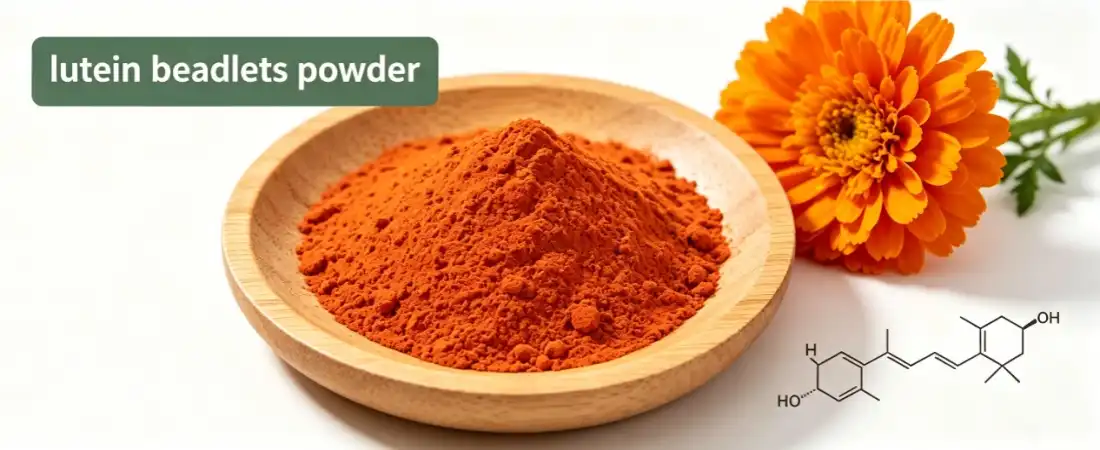
The Case for 10% Standardization: Why This Concentration Hits the Sweet Spot
Matching Dose to Clinical Evidence
When formulators pick a lutein beadlet standard, concentration isn't just a cost factor; it's also a formulation strategy choice that impacts pill size, dose flexibility, label claim power, and the difficulty of manufacturing. The 10% level of standardisation has become the most popular norm in business for very good reasons. Most studies on lutein's effects on eye health have found doses between 6 mg and 20 mg per day to be most effective. 10 mg has been used as a standard in many important studies, such as AREDS2. At 10% lutein content, a manufacturer can deliver 10 mg of lutein in just 100 mg of ingredient. This is a dose that fits easily into standard capsule or tablet formats and doesn't cause size or taste issues for end users. This is exactly why Lutein beadlets 10% have become the standard of choice for brands that want to be taken seriously by doctors and be easy to use in formulations.
Stability Advantages at This Concentration Level
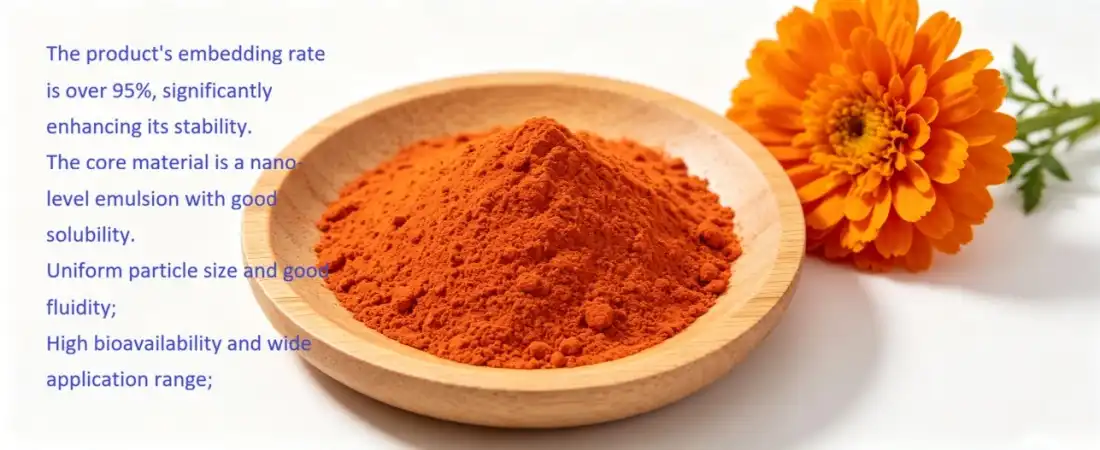
One of the less obvious reasons the 10% concentration holds particular appeal is the stability profile it enables within the beadlet matrix. Higher lutein concentrations within a microencapsulated format can create localized density that stresses the protective shell, potentially compromising its integrity under manufacturing conditions such as tablet compression or heat exposure during granulation. At 10%, the encapsulation matrix maintains its structural integrity more consistently across a wider range of processing conditions, making Lutein beadlets 10% a more forgiving ingredient to work with in tablet presses, capsule fillers, and food processing equipment. NT Biotech's proprietary encapsulation process is specifically optimized for this concentration, ensuring that the protective matrix delivers consistent performance across the product's intended shelf life.
Commercial Positioning and Label Claim Strategy
From a brand perspective, 10% standardization also offers clean label claim communication. A product delivering 10 mg of lutein per serving can make straightforward, consumer-friendly claims about daily lutein intake that align with commonly recognized reference values. This clarity matters in a retail environment where consumers are increasingly sophisticated about reading supplement labels and comparing products. For brands building in premium or science-backed supplement positioning, working with a verified Lutein beadlets 10% from a traceable, certified source like NT Biotech adds the documentation layer needed to support claims not just to consumers but to retailers, regulatory bodies, and quality auditors.

Understanding the Beadlet Technology Behind the Ingredient
What Microencapsulation Solves for Lutein
Lutein's chemical nature creates a set of formulation challenges that most experienced supplement manufacturers have encountered firsthand. As a fat-soluble carotenoid, it is prone to oxidative degradation when exposed to air, light, and moisture. It does not disperse in water-based systems without modification, and in its unprotected form, it can cause color bleed in finished products that undermines aesthetic quality. Microencapsulation — the technology that defines what a beadlet is — addresses all of these issues by surrounding the lutein within a protective shell material that isolates it from environmental stressors during manufacturing and storage, then releases it appropriately during digestion. NT Biotech's Lutein beadlets 10% uses a food-grade encapsulation matrix engineered to deliver this protection consistently across diverse manufacturing environments.
| Challenge with Unprotected Lutein | How Beadlet Technology Solves It |
|---|---|
| Oxidative degradation during storage | The encapsulation matrix acts as an oxygen barrier, extending active stability |
| Poor water dispersibility | Beadlet format enables even distribution in aqueous and dry matrices |
| Color bleed in finished products | The protective shell contains pigment until digestion begins |
| Compression instability in tablets | Controlled particle size ensures consistent flow and even distribution |
| Heat sensitivity during processing | Matrix shields the active compound from processing temperatures |
| Bioavailability variability | Controlled-release matrix supports a more consistent absorption profile |
NT Biotech's Proprietary Encapsulation Process
The difference between a generic beadlet product and NT Biotech's Lutein beadlets 10% lies in the engineering decisions made at every stage of production. The process begins with high-purity lutein extracted from premium Tagetes erecta flower petals using NT Biotech's proprietary extraction methodology, which prioritizes active compound yield without the use of harsh solvents that can compromise the final product's safety profile. The encapsulation stage uses carefully selected food-grade matrix materials and controlled process parameters to produce beadlets with a uniform particle size distribution — a property that directly affects flow characteristics in manufacturing equipment and uniformity in finished dosage forms. The result is a Lutein beadlets 10% that behaves predictably from batch to batch, something that manufacturers who have worked with inconsistent suppliers will immediately appreciate.
Quality Verification from Raw Material to Finished Batch
Every batch of NT Biotech's Lutein beadlets 10% goes through a multi-stage quality verification protocol before it is released for shipment. Raw material testing confirms the identity and quality of the marigold source material. In-process testing monitors the extraction yield and encapsulation efficiency. Final product testing uses HPLC analysis to verify the 10% lutein content and UV spectrophotometry to assess the overall carotenoid profile. The Certificate of Analysis that accompanies every batch is not a template document — it contains actual measurement results specific to that production lot, giving manufacturers the traceability data they need for their own quality systems. This level of documentation is increasingly expected by retailers, regulatory agencies, and third-party auditors across major markets.
If you are evaluating Lutein beadlets 10% for an upcoming formulation project, NT Biotech's technical team can provide product specifications, sample quantities, and formulation guidance tailored to your specific delivery format and market requirements. Contact us at info@newthingsbiotech.com — we respond to all technical inquiries within two hours, because we understand that your development timeline does not wait.
Formulation Applications: Where Lutein Beadlets 10% Performs Best
Tablets and Hard Capsules: The Core Application
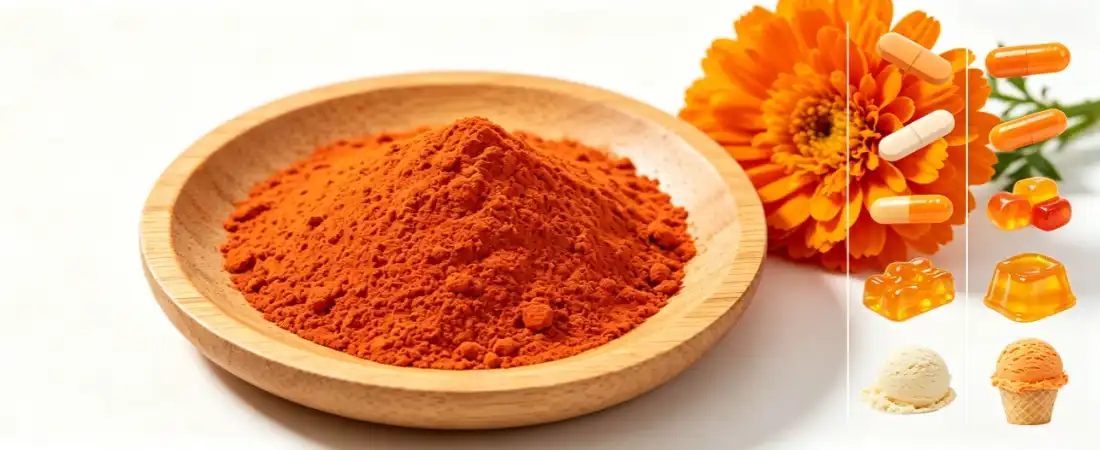
The vast majority of Lutein beadlets, 10% consumed globally, end up in tablet or hard capsule format, and it is easy to understand why this pairing works so well. The uniform particle size and free-flowing characteristics of NT Biotech's beadlets make them well-suited to both direct compression tablet manufacturing and capsule filling operations. In tablet production, consistent particle size translates into uniform blend distribution, predictable compression behavior, and tablet-to-tablet content uniformity that satisfies pharmacopoeial requirements. In hard capsule filling, the flow properties ensure accurate dosing without bridging or segregation issues that can plague ingredients with irregular morphology. For manufacturers running high-volume production lines, this kind of process reliability directly affects yield and reduces the cost of rework and rejection.
Softgel and Oil-Based Delivery Systems
While Lutein beadlets 10% is primarily a dry powder format, it can also be incorporated into certain softgel and oil-suspension systems where formulators want to combine dry beadlet advantages with the consumer familiarity and swallowability of softgel delivery. NT Biotech's technical team supports formulators in evaluating compatibility between the beadlet matrix and specific oil-based excipients, providing guidance based on empirical formulation data rather than theoretical assumptions. For brands building comprehensive eye health formulations that combine lutein with omega-3 fatty acids or fat-soluble vitamins in softgel format, this cross-format flexibility from a single ingredient supplier simplifies the supply chain and quality management considerably.
Functional Food and Beverage Fortification
The functional food and beverage market represents a compelling growth opportunity for Lutein beadlets 10%, particularly as brands look for ways to reach consumers who prefer to get their nutrition from food rather than traditional supplement formats. The beadlet format's improved water dispersibility relative to unprotected lutein makes it viable for incorporation into fortified dairy products, plant-based beverages, protein powders, and nutrition bars. Stability through heat processing — a prerequisite for most food manufacturing contexts — is built into NT Biotech's beadlet design. For food manufacturers looking to add an eye health positioning to their product range without compromising sensory qualities, Lutein beadlets 10% offers a practical and technically defensible solution.
| Delivery Format | Technical Suitability | Key Formulation Consideration |
|---|---|---|
| Compressed Tablets | Excellent | Confirm compression force compatibility with batch-specific CoA data |
| Hard Capsules | Excellent | Verify fill weight accuracy with particle size distribution data |
| Softgels | Good with guidance | Assess matrix compatibility with oil-phase excipients |
| Functional Beverages | Good | Use water-dispersible variant; test for stability under UHT conditions |
| Protein Powders | Good | Blend uniformity testing recommended; color contribution manageable |
| Nutrition Bars | Moderate | Assess matrix integrity under bar compression and storage |
| Chewable Gummies | Good | Confirm matrix stability under gummy processing temperatures |
Sourcing Lutein Beadlets 10% From NT Biotech: What the Partnership Looks Like
Certifications That Carry Weight in Global Markets
For supplement manufacturers selling into regulated markets — the United States, European Union, Japan, Australia, or the Gulf Cooperation Council region — the certification status of their ingredient suppliers is not a secondary consideration. NT Biotech's manufacturing operations are certified to ISO 9001 quality management standards, providing a documented quality system framework that aligns with the expectations of international buyers and regulatory inspectors. KOSHER and HALAL certifications extend the commercial reach of NT Biotech's Lutein beadlets 10% into markets and consumer segments where these designations are commercially necessary. For brands building products with broad market ambitions, sourcing from a Lutein beadlets 10% supplier that already holds these certifications eliminates a significant barrier to market entry.
Supply Chain Structure Built Around Manufacturer Needs
Supplement manufacturers operate in a timeline-sensitive environment where raw material delays cascade directly into launch delays, customer disappointment, and revenue loss. NT Biotech has structured its supply chain specifically to minimize this risk for clients working with Lutein beadlets 10%. Standard specification inventory is maintained to support shipment within one to three working days of order confirmation — a lead time that gives procurement teams real scheduling flexibility. For custom specifications or larger production orders requiring a full production cycle, the typical lead time of three to ten working days covers raw material sourcing, proprietary extraction, encapsulation, quality testing, and final packaging. The two-hour inquiry response commitment means that questions about availability, specifications, or lead times get answered before they become scheduling problems.
OEM Development and Custom Specification Services
Many of the most commercially successful supplement brands are built on proprietary formulations rather than off-the-shelf ingredient combinations, and NT Biotech's OEM and ODM capabilities support exactly this kind of product differentiation. For brands that need a Lutein beadlets 10% with a specific particle size range, a particular encapsulation matrix composition, or integration into a custom blend with other eye health ingredients like zeaxanthin or astaxanthin, NT Biotech's R&D team can work through the technical development process as a genuine partner. This collaborative model is backed by manufacturing infrastructure that spans from autonomous cultivation of source plant material through intelligent production systems and adaptive supply chain management — a fully integrated capability that most contract manufacturers cannot offer.
Logistics, Payment, and Commercial Flexibility
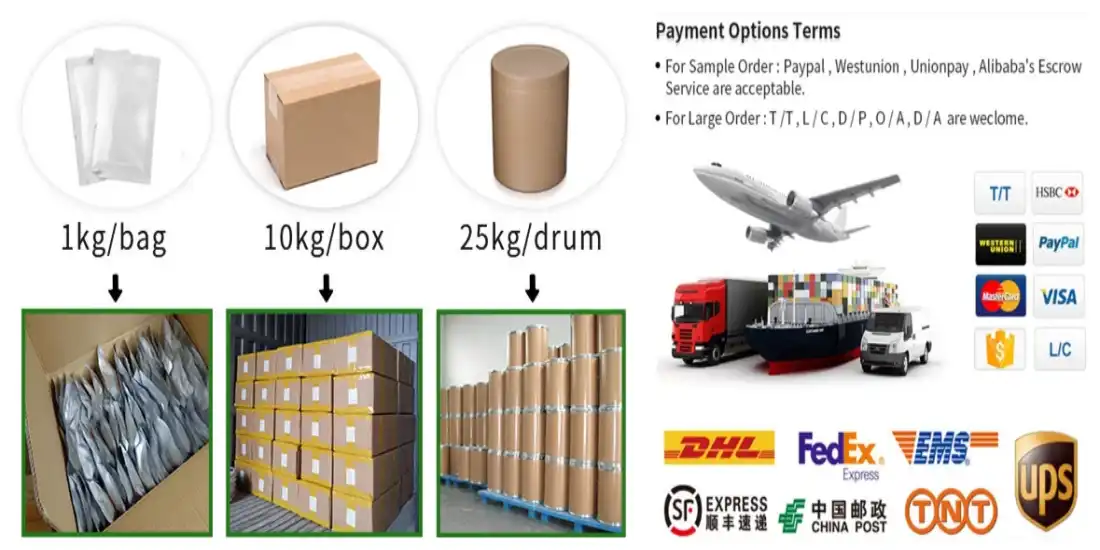
NT Biotech's logistical infrastructure is designed to match the actual shipping needs of international buyers rather than imposing a single-model approach. Direct factory shipment through NT Biotech's own FedEx and UPS accounts delivers speed and traceability for express and airfreight orders. Bulk shipments are handled through trusted freight forwarding partnerships with established protocols for safe, documented sea freight delivery. On the commercial side, NT Biotech accepts payment in the buyer's local currency — a meaningful accommodation that simplifies the procurement process for international buyers and removes currency risk from the purchasing equation. These are the kinds of operational details that experienced procurement professionals notice and value when building long-term supplier relationships.
Conclusion
Lutein beadlets 10% sits at the intersection of clinical credibility, formulation practicality, and commercial viability — which is exactly why it has become the specification that serious supplement manufacturers return to again and again. The 10% concentration delivers clinically meaningful doses in practical ingredient quantities, the beadlet format solves the stability and dispersibility challenges of raw lutein, and the right supplier partnership ensures that every batch performs exactly as documented. NT Biotech brings together proprietary encapsulation technology, rigorous quality verification, global certifications, and a genuinely responsive supply chain to offer formulators a Lutein beadlets 10% supplier relationship that goes well beyond commodity ingredient sourcing. For manufacturers who take product quality seriously, this is the starting point.
FAQ
Q1: What is the recommended use level of Lutein beadlets 10% in a standard eye health capsule?
To deliver a 10 mg lutein dose — a commonly referenced clinical benchmark — a manufacturer would incorporate 100 mg of Lutein beadlets 10% per capsule or tablet serving. This quantity fits comfortably within standard single-capsule fill weights.
Q2: Does the beadlet format affect the taste or appearance of finished supplement products?
NT Biotech's beadlet matrix contains the natural pigment within its protective shell during manufacturing, minimizing color bleed and flavor contribution to the finished product. Any color contribution is manageable through standard formulation adjustments.
Q3: Can Lutein beadlets 10% be combined with zeaxanthin or other carotenoids in a single formulation?
Yes. NT Biotech supports combination formulations and can provide technical guidance on blending Lutein beadlets 10% with complementary ingredients such as zeaxanthin, astaxanthin, or bilberry extract for comprehensive eye health products.
Q4: What is the shelf life of NT Biotech's Lutein beadlets 10%?
Shelf life data is provided in the product's Certificate of Analysis and is supported by stability testing conducted under standard storage conditions. The encapsulation matrix significantly extends stability compared to unprotected lutein powder.
Q5: Is NT Biotech's Lutein beadlets 10% suitable for vegetarian or vegan supplement products?
Encapsulation matrix composition — including suitability for vegetarian or vegan applications — can be discussed with NT Biotech's technical team based on specific project requirements. Custom matrix formulations may be available for brands with specific consumer positioning needs.
Source Your Lutein Beadlets 10% Through NT Biotech — Start the Conversation Today
Ingredient quality is the single most consequential decision in supplement manufacturing, and it deserves the attention of a supplier relationship built on science, transparency, and genuine responsiveness. NT Biotech is ready to be that partner for your Lutein beadlets 10% requirements — whether you are scaling an established eye health line, launching a new functional nutrition product, or developing a proprietary blend that needs custom specification support. From ISO 9001 certified manufacturing and KOSHER/HALAL credentials to two-hour inquiry responses and buyer-friendly payment terms, everything about how we work is designed to make your sourcing process simpler and your finished product better. Reach out today at info@newthingsbiotech.com and let's build your next product together.
References
1. Age-Related Eye Disease Study 2 Research Group. (2013). Lutein + zeaxanthin and omega-3 fatty acids for age-related macular degeneration: The AREDS2 randomized clinical trial. JAMA, 309(19), 2005–2015.
2. Bone, R. A., Landrum, J. T., Cao, Y., Howard, A. N., & Alvarez-Calderon, F. (2007). Macular pigment response to a supplement containing meso-zeaxanthin, lutein, and zeaxanthin. Nutrition & Metabolism, 4, 12.
3. Krinsky, N. I., Landrum, J. T., & Bone, R. A. (2003). Biologic mechanisms of the protective role of lutein and zeaxanthin in the eye. Annual Review of Nutrition, 23, 171–201.
4. Nwachukwu, I. D., Udenigwe, C. C., & Aluko, R. E. (2016). Lutein and zeaxanthin: Production technology, bioavailability, mechanisms of action, visual function, and health claim status. Trends in Food Science & Technology, 49, 74–84.
5. Boon, C. S., McClements, D. J., Weiss, J., & Decker, E. A. (2010). Factors influencing the chemical stability of carotenoids in foods. Critical Reviews in Food Science and Nutrition, 50(6), 515–532.
6. Ma, L., Lin, X. M., Zou, Z. Y., Xu, X. R., Li, Y., & Xu, R. (2009). A 12-week lutein supplementation improves visual function in Chinese people with long-term computer display light exposure. British Journal of Nutrition, 102(2), 186–190.