- English
- French
- German
- Portuguese
- Spanish
- Russian
- Japanese
- Korean
- Arabic
- Greek
- German
- Turkish
- Italian
- Danish
- Romanian
- Indonesian
- Czech
- Afrikaans
- Swedish
- Polish
- Basque
- Catalan
- Esperanto
- Hindi
- Lao
- Albanian
- Amharic
- Armenian
- Azerbaijani
- Belarusian
- Bengali
- Bosnian
- Bulgarian
- Cebuano
- Chichewa
- Corsican
- Croatian
- Dutch
- Estonian
- Filipino
- Finnish
- Frisian
- Galician
- Georgian
- Gujarati
- Haitian
- Hausa
- Hawaiian
- Hebrew
- Hmong
- Hungarian
- Icelandic
- Igbo
- Javanese
- Kannada
- Kazakh
- Khmer
- Kurdish
- Kyrgyz
- Latin
- Latvian
- Lithuanian
- Luxembou..
- Macedonian
- Malagasy
- Malay
- Malayalam
- Maltese
- Maori
- Marathi
- Mongolian
- Burmese
- Nepali
- Norwegian
- Pashto
- Persian
- Punjabi
- Serbian
- Sesotho
- Sinhala
- Slovak
- Slovenian
- Somali
- Samoan
- Scots Gaelic
- Shona
- Sindhi
- Sundanese
- Swahili
- Tajik
- Tamil
- Telugu
- Thai
- Ukrainian
- Urdu
- Uzbek
- Vietnamese
- Welsh
- Xhosa
- Yiddish
- Yoruba
- Zulu
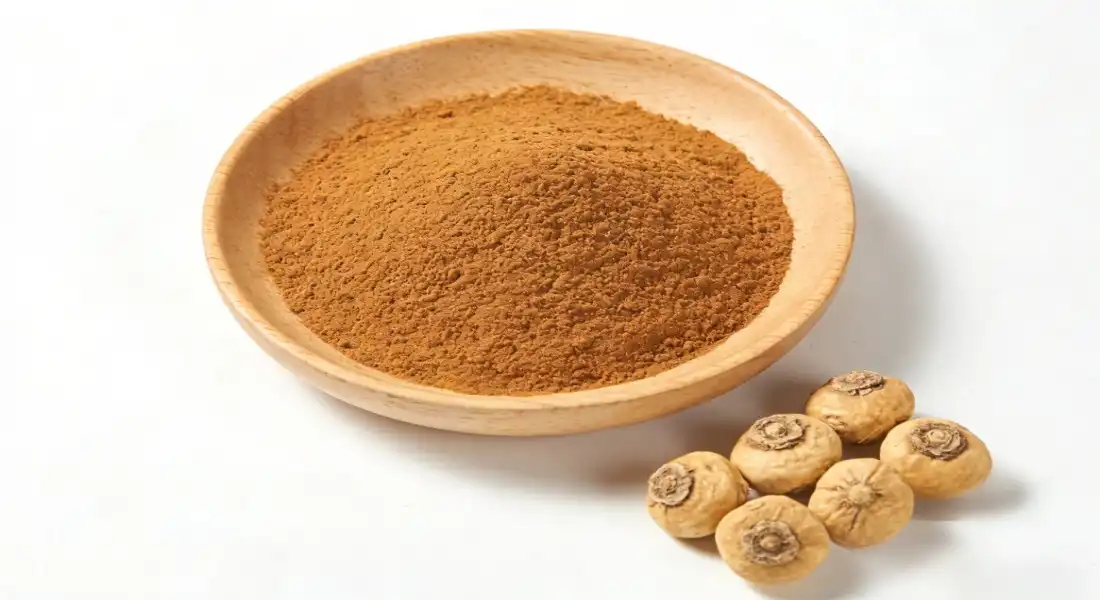
Ginseng and Maca Extract Powder is one of the most popular botanicals in nutritional supplements. They might be rather distinct in their chemistry, traditional applications and research. Maca Extract Powder is made from the roots of Lepidium meyenii, a plant that grows in the Peruvian Andes. It includes unusual chemicals such macamides, macaenes and glucosinolates. Ginseng, especially Panax ginseng, is appreciated for its ginsenosides, which have been researched for possible effects on cognitive function, fatigue and stress reactivity. There is no single chemical that has been shown to be the golden bullet for boosting energy. The decision between the two depends on the desired product function, clinical data available at the time and the needs for extract standardisation and delivery.
Maca vs Ginseng: Quick Head-to-Head Comparison
The main distinctions between maca and ginseng are the plants they come from, their active compounds, traditional uses, and studies. Globally , neither material can be claimed to be stronger than the other . Their potential advantages and constraints vary.
| Factor | Maca Extract Powder | Ginseng Extract |
|---|---|---|
| Botanical source | Lepidium meyenii | Panax species, depending on the product |
| Main active constituents | Macamides, macaenes, glucosinolates | Ginsenosides |
| Traditional applications | Nutritional support and reproductive health | Fatigue, vitality, and traditional herbal preparations |
| Research focus | Sexual well-being, menopause-related symptoms, and nutritional properties | Cognitive performance, fatigue, and stress-related responses |
| Onset of effects | Depends on the preparation and intended outcome | Depends on species, extract, dosage, and study conditions |
| Standardization | Based on the extract's specified chemical markers | Often based on total or individual ginsenoside content |
| Main quality considerations | Botanical identity, extraction method, and chemical profile | Species identification, ginsenoside profile, and processing method |
This maca vs ginseng comparison is the first step to choosing ingredients. For the makers, the most crucial are the planned formulation, standardised composition and accompanying quality documentation.
Understanding the Core Differences Between These Adaptogens
Maca and ginseng are both often advertised as adaptogenic botanicals, however they come from distinct plant families and have different bioactive ingredients. So, their traditional applications and scientific studies should be examined independently.
There are three key differences:
- Chemical makeup Maca comprises macamides, macaenes and glucosinolates while ginseng is characterised by ginsenosides.
- What they’ve studied: Researchers have examined maca’s effects on reproductive health, menopause-related symptoms and its nutritional values. Research on ginseng has included cognitive performance, tiredness and other physiological reactions.
- Product development Maca is often employed in nutritional supplement formulas, while ginseng is used in a wide variety of traditional herbal and functional food items.
There’s currently no proof that maca gives you lasting energy, and that ginseng gives everyone an instant mental boost. The results vary on the botanical preparation, the dose, the research population, and the period of usage.
Nutritional Profile Analysis: What Powers Each Supplement
The nutritional and phytochemical characteristics of maca and ginseng assist to explain their differing positions in the supplement industry. But don’t mistake the nutritional makeup of whole-root with the composition of a concentrated extract.
Maca Root nutrition highlights:
- Macamides and macaenes: Signature chemicals often studied in maca research.
- Glucosinolates: Plant chemicals containing sulphur that are part of the phytochemical profile of maca.
- Amino acids: There are many amino acids in maca, although the amounts of them may vary depending on the raw material and the processing circumstances.
- Minerals and carbohydrates: The nutritional content depends on the growth circumstances, the plant material and the processing.
Panax species. Ginsenosides, a type of triterpenoid saponins, are recognised as key chemical markers in ginseng. Ginsenosides have different chemical structures and their antioxidant, metabolic and neurological properties have been studied .
Use analytical methodologies appropriate for analysis of the nutritional content of maca and ginsenoside profile of ginseng. For those who buy ingredients, it's easier to compare exact specs than general statements that which botanical is more nutritionally dense.
Energy Mechanisms: How Each Supplement Fuels Your Body
Studies of maca and ginseng have looked at diverse biochemical routes, but neither has a completely proven mechanism that accounts for a guaranteed boost in human energy.
Characteristic components of Maca Extract Powder have been studied for possible biological activity in laboratory and animal investigations. But the notion that Maca Extract Powder directly boosts mitochondrial ATP synthesis, or optimises thyroid function, or stabilises cortisol levels, requires greater proof in humans.
Ginsenosides and their possible interactions with neurological, metabolic and stress-related pathways have been more intensively investigated in ginseng research. Some clinical studies have looked at the cognitive function of people using ginseng supplements, but the findings aren’t consistent enough to promise quick changes.
A Cochrane evaluation of Panax ginseng for cognitive function revealed that the data was inadequate to show a compelling cognitive enhancing effect in healthy subjects. Limitations in the results included differences in extract composition, dose, length of trial and outcome assessments.
These results have implications for product developers in terms of the need to differentiate between processes shown in the laboratory and verified consequences in humans. Maca can’t be promoted as a guarantyd source of energy, neither instant nor sustained. Neither can ginseng.
Stress Relief and Mood Enhancement Capabilities
Stress-related applications are also included in maca and ginseng studies. But we should not characterise their prospective impacts as the same or interchangeable.
Maca has been studied in relation to mood, sexual well-being, and menopausal symptoms. Brooks and colleagues performed a small randomised double-blind placebo-controlled crossover trial of 3.5 g of maca powder daily in postmenopausal women. The scientists observed improvements in several psychiatric symptoms and sexual dysfunction measurements, while the trial was modest and did not show a general hormone-balancing impact.
Ginseng has a longer history of usage in traditional medicines related to vitality and stress. Recent study has examined its possible effects on perceived weariness, cognitive function, and physiological stress responses. Clinical outcomes are mixed, however, and there is not sufficient data to suggest that ginseng is a helpful therapy for anxiety or stress in general.
Maca is frequently referred to be “Peruvian Ginseng” owing to its historic location and perceived parallels in vitality related uses. Botanically, maca is not related to Panax ginseng.
These differences are significant for manufacturers in the development of supplements with specific functionalities. Claims for products should be based on the data available for that particular botanical preparation, not on the general adaptogen nomenclature.
Physical Performance and Endurance Benefits
Both substances have also been of interest in studies on physical performance. But the quality and extent of the available evidence varied.
Maca has been investigated in relation to physical activity and sexual well-being. Some animal studies have also studied endurance-related benefits, although they cannot demonstrate comparable advantages to human sports performance.
Ginseng has been tested for tiredness, exercise performance and oxidative stress . Studies have shown conflicting results depending on the kind of ginseng, the standardisation of the extract, the duration of intake, and the exercise routine.
Manufacturers should keep the following in mind when comparing the two substances for sports nutrition formulations:
- Research population: Whether the investigations are conducted in healthy individuals, athletes or animal models.
- Length of study: Does the study look at a one-time consumption or regular supplementation?
- Extraction of characteristics: does the tested preparation correspond to the commercial constituent.
- Performance measures: If the results relate to endurance, fatigue perception, response time or any other specialised measure.
Maca and ginseng might be explored in the creation of sports nutrition products, but neither could be marketed as a proven performance enhancer without appropriate product-specific proof.
Safety Profile and Side Effects Comparison
When selecting botanicals such as Maca Extract Powder for use in dietary supplements, safety evaluation is essential. Both maca and ginseng have historical histories of use, however the safety profiles need to be considered for the unique preparation and intended use.
| Aspect | Maca Extract Powder | Ginseng Extract |
|---|---|---|
| Common evaluation points | Digestive tolerance and ingredient quality | Digestive tolerance, sleep effects, and medication interactions |
| Medication considerations | Limited clinical interaction data; assess individual circumstances | Potential interactions with certain medications |
| Pregnancy and breastfeeding | Insufficient evidence to establish safety | Insufficient evidence to establish safety |
| Long-term use | Long-term safety data remain limited | Long-term safety depends on the preparation and available evidence |
| Quality control | Botanical identity, chemical profile, and contaminants | Species identification, ginsenoside content, and contaminants |
Maca is usually utilised as a food botanical ingredient, but it doesn’t indicate that any concentrated extract is safe for unrestricted long-term intake. There is still little research on its safety, especially for certain formulations of the extract.
Ginseng may induce sleepiness, upset stomach and other undesirable reactions in some people. It might potentially interfere with drugs. Mixed outcomes have been reported in studies of interactions between Asian ginseng and warfarin, the National Center for Complementary and Integrative Health said. Other drugs must also be taken into account for possible interactions.
Quality documentation is key for manufacturers. HPLC analysis may be used to confirm specific chemical markers, while heavy metal, pesticide, and microbiological tests offer more information on raw material quality.
ISO certification could indicate certain characteristics of a supplier’s quality management system, but it does not, by itself, verify the safety or efficacy of a particular supplement component. Similarly, FDA and CE criteria cannot be seen as equivalent certifications for botanical raw materials.
Cost-Effectiveness and Supply Chain Considerations
When evaluating maca and ginseng, sourcing experts should consider the overall cost of sourcing, product specifications, supplier availability and production needs.
Maca is grown mostly in the Peruvian Andes, but commercial ginseng is produced in several countries including China, Korea and North America. Availability and price may vary due to differences in growing circumstances, processing, origin and standardisation of extract.
Key sourcing factors include
- Botanical origin: Verify the country of origin and traceability of the raw material.
- Processing method: Examine extraction solvents, concentration ratios, processing needs.
- Standardisation: Comparison of the chemical markers and analytical results given
- Consistency of supply: Look at production capacity, stock levels, lead times and batch records.
- papers: Request COAs, contaminant testing and appropriate certification papers.
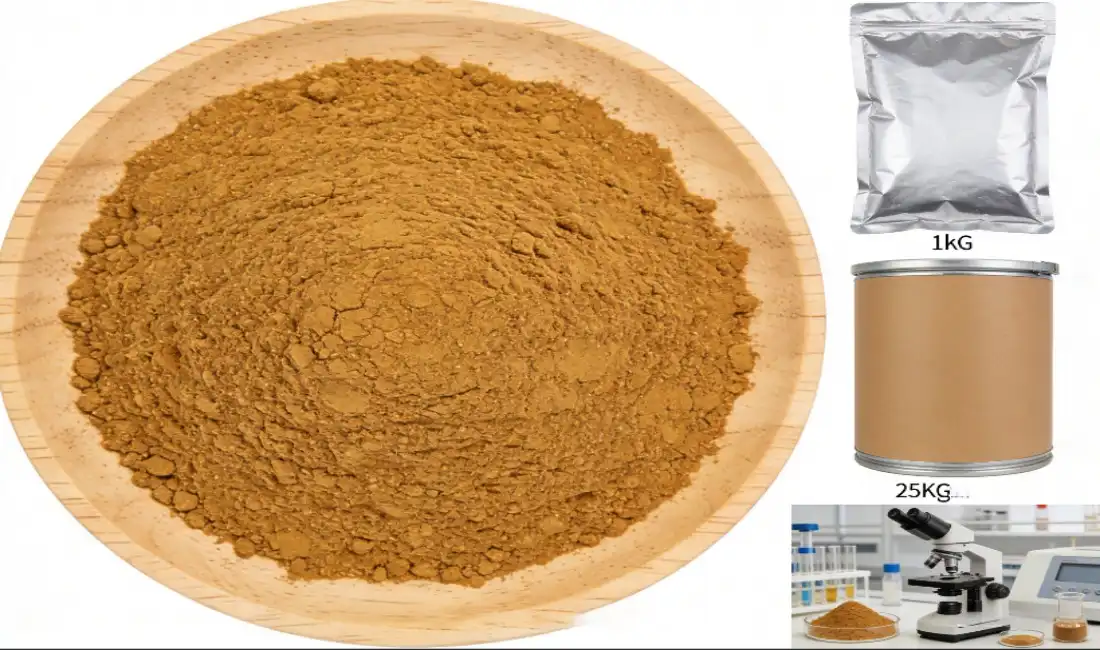
Maca Extract Powder is available in several forms and specifications such as whole-root powder and concentrated extracts. Composition and concentration may vary quite substantially and should not be compared on a weight basis alone.
Likewise, ginseng extracts with different levels of ginsenosides could also have different price and formulation characteristics. Buyers should measure things against a consistent set of criteria and not only the price per kilogram stated.
If you are purchasing in bulk quantities you may want to try a sample and confirm the specs before you accept a supplier for ongoing manufacture.
Conclusion
Researching the botanical properties of maca and ginseng, and the studies done on both, might help you choose which to take, based on the traits you’re looking to get from a supplement. Maca includes unique chemicals such as macamides, macaenes and glucosinolates and has been studied for its nutritional characteristics, reproductive health and menopausal uses. Ginseng includes ginsenosides which have been researched for their effects on cognitive function, tiredness and physiological reactions.
Neither chemical can be said to be generally better for energy, hormone balance or stress alleviation. Its appropriateness will rely on the composition of the extract, its standardisation, its intended use and the quality of the supporting study.
Supplement makers should consider botanical identification, extraction requirements, analytical testing and batch-to-batch consistency to find a dependable source of Maca Extract Powder . Procurement teams are enabled to make more educated sourcing selections by comparing these factors against the respective ginseng requirements.
FAQ
Q1: Maca vs ginseng — which is better for energy?
No substance definitively shown to be better to the other for increasing energy for all users. Maca has a history of use as a nutritious herb and ginseng has been explored for tiredness and cognition. The decision relies on the desired use, product formulation and supporting clinical data.
Q2: Can you take maca and ginseng together?
Maca and ginseng are sometimes used together in multi-ingredient dietary supplement formulations. However, compatibility and safety should be assessed according to the individual extracts, constituent concentrations and desired serving size. Also, think about possible drug interactions especially with ginseng. It’s up to manufacturers to do the proper formulation and safety testing before merging substances.
Q3: Which is safer for long-term, daily use?
There is not enough data to say maca or ginseng is safe for everyone to consume long-term without restriction. Safety depends on botanical preparations, dosages, product quality, individual health conditions and any drug interactions. The manufacturers should base their decisions on appropriate safety evaluations and not on unproven assertions of set cycles of use.
Partner with NT Biotech for Premium Maca Extract Powder Supply
Choosing a reliable botanical ingredient supplier is important for developing consistent dietary supplement products. NT Biotech provides botanical ingredient sourcing support for manufacturers interested in Maca Extract Powder and other plant extracts.
When evaluating maca ingredients, buyers should confirm the botanical identity, plant part, extract specifications, standardized chemical markers, and available analytical documentation. These details help determine whether the ingredient meets the requirements of a particular formulation.
NT Biotech welcomes inquiries from supplement manufacturers and ingredient procurement teams seeking product specifications, quality documentation, and sourcing information. Contact the team at info@newthingsbiotech.com to discuss your requirements for Maca Extract Powder, request available technical information, and explore potential supply arrangements.
References
1. Gonzales, G.F., et al. "Effect of Lepidium meyenii on sexual desire and its absent relationship with serum testosterone levels in adult healthy men." Andrologia, vol. 34, no. 6, 2002, pp. 367-372.
2. Shin, B.C., et al. "Herbal medicine for treating primary dysmenorrhoea." Cochrane Database of Systematic Reviews, no. 1, 2016, Article CD005288.
3. Brooks, N.A., et al. "Beneficial effects of Lepidium meyenii on psychological symptoms and measures of sexual dysfunction in postmenopausal women." Menopause, vol. 15, no. 6, 2008, pp. 1157-1162.
4. Reay, J.L. et al. "Single doses of Panax ginseng reduce blood glucose levels and improve cognitive performance during sustained mental activity." Journal of Psychopharmacology, vol. 19, no. 4, 2005, pp. 357-365.
5. Stone, M., et al. "A pilot investigation into the effect of maca supplementation on physical activity and sexual desire in sportsmen." Journal of Ethnopharmacology, vol. 126, no. 3, 2009, pp. 574-576.
6. Rhyu, M.R., et al. "Role of reactive oxygen species in TGF-β1-induced mitogen-activated protein kinase activation and epithelial-mesenchymal transition in renal tubular epithelial cells." Journal of the American Society of Nephrology, vol. 16, no. 3, 2005, pp. 667-675.