- English
- French
- German
- Portuguese
- Spanish
- Russian
- Japanese
- Korean
- Arabic
- Greek
- German
- Turkish
- Italian
- Danish
- Romanian
- Indonesian
- Czech
- Afrikaans
- Swedish
- Polish
- Basque
- Catalan
- Esperanto
- Hindi
- Lao
- Albanian
- Amharic
- Armenian
- Azerbaijani
- Belarusian
- Bengali
- Bosnian
- Bulgarian
- Cebuano
- Chichewa
- Corsican
- Croatian
- Dutch
- Estonian
- Filipino
- Finnish
- Frisian
- Galician
- Georgian
- Gujarati
- Haitian
- Hausa
- Hawaiian
- Hebrew
- Hmong
- Hungarian
- Icelandic
- Igbo
- Javanese
- Kannada
- Kazakh
- Khmer
- Kurdish
- Kyrgyz
- Latin
- Latvian
- Lithuanian
- Luxembou..
- Macedonian
- Malagasy
- Malay
- Malayalam
- Maltese
- Maori
- Marathi
- Mongolian
- Burmese
- Nepali
- Norwegian
- Pashto
- Persian
- Punjabi
- Serbian
- Sesotho
- Sinhala
- Slovak
- Slovenian
- Somali
- Samoan
- Scots Gaelic
- Shona
- Sindhi
- Sundanese
- Swahili
- Tajik
- Tamil
- Telugu
- Thai
- Ukrainian
- Urdu
- Uzbek
- Vietnamese
- Welsh
- Xhosa
- Yiddish
- Yoruba
- Zulu
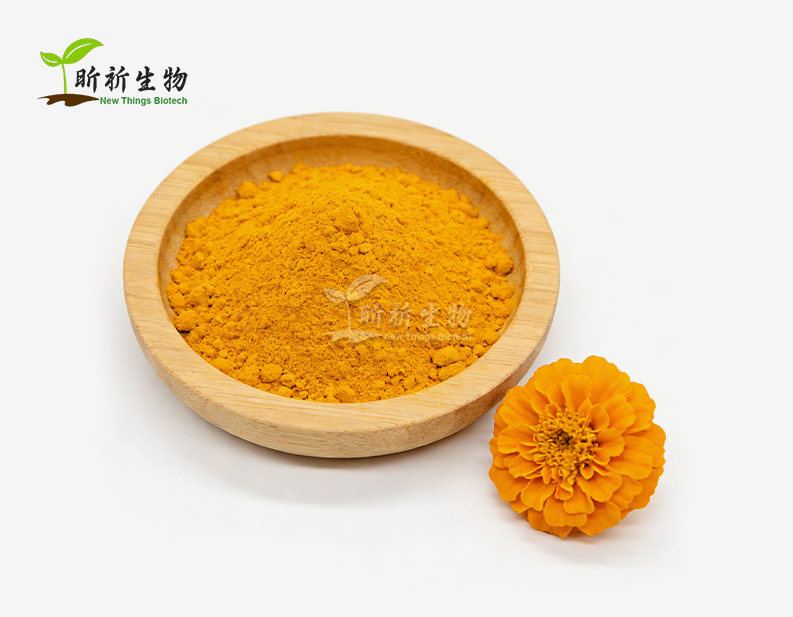
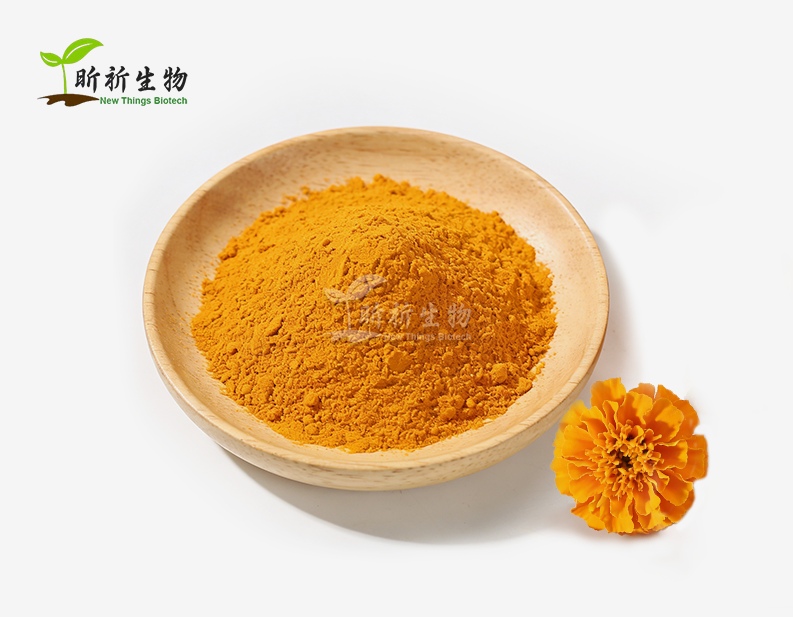
The technical complexities of carotenoid components might provide a significant hurdle for formulators looking to maximise their products for stability, potency and consumer appeal. For years, traditional zeaxanthin powder has served the market, but with the development of innovative delivery methods, a unique performance gap has been formed that savvy producers can no longer turn a blind eye to. Understanding the main distinctions between regular and technologically enhanced extracts is vital in making educated buying choices that affect everything from production yields to final shelf appeal. NT Biotech is a leading provider of microencapsulated marigold zeaxanthin, and we are leading the way in this evolutionary leap, committed to next-generation solutions. We are moving away from the basic powder forms of microencapsulated zeaxanthin from marigold to a paradigm shift with exceptional purity of over ninety-eight percent, superior protection against environmental stressors, and versatile application possibilities that go beyond the limitations of traditional ingredients. We provide a substance that delivers the power of the carotenoid in protected food-grade matrices that keep its biological activity throughout harsh processing and ensure optimum absorption in the body, giving a clear competitive edge for brands devoted to excellence.

Physical and Chemical Stability Under Environmental Stress
Thermal Resilience During High-Heat Processing
The most immediate and consequential difference between conventional and advanced forms is their ability to withstand the thermal rigours of modern food manufacturing. Standard zeaxanthin powder is quite powerful in its raw form but is subject to major deterioration when subjected to the high temperatures used in baking, extrusion or sterilisation operations. Isomerisation takes place, and the trans-configuration required for biological activity is lost. Conversely, microencapsulated zeaxanthin from marigold is very resistant to heat, its protective coating functioning as a physical barrier against oxidative damage and structural rearrangement of the delicate polyene structure. This stability means that when added to breakfast cereals, expanded snacks or baked goods, the carotenoid can withstand processing temperatures greater than two hundred degrees Celsius with minimal loss of potency so that the eye health benefits are delivered to the consumer rather than destroyed on the production line.
Oxidative Protection and Extended Shelf Viability
Oxygen constantly destroys carotenoid structure, which leads to fast discolouration and loss of biological activity because of oxidative chain reactions. Conventional powders become useless after a certain period of time. Normal zeaxanthin has to be packed under strict circumstances involving nitrogen flushing and opaque containers only to go through distribution and storage. By contrast, microencapsulated zeaxanthin from marigold has a physical barrier that limits the permeability of oxygen to a great extent, providing a tiny habitat that protects the active chemical from exposure to the atmosphere. Such encapsulation extends shelf life dramatically, allowing fortified products to retain their bright orange-red colour and nutritional potency for months or even years at ambient storage conditions, reducing waste, protecting the brand's image and ensuring consumers get full clinical value from every purchase.
Light Stability and Photo-Oxidation Resistance
In fact, exposure to light, especially UV and high-energy visible light, in retail locations and customer homes, increases the destruction of carotenoids via photo-oxidation processes that regular powders cannot defend against. Unprotected zeaxanthin rapidly degrades in colour and nutrients in translucent packaging or under fluorescent light, giving visual indicators of inferior quality that drive customers away. Advanced microencapsulated zeaxanthin from marigold has light-blocking ingredients in the matrix or opaque encapsulation materials that protect the core from radiant energy, without compromising the visual appeal and chemical integrity over the product life cycle. This photoprotection is especially helpful when selling items in clear packaging or in situations where light exposure is inevitable, maintaining constant quality from manufacturing to consumption.
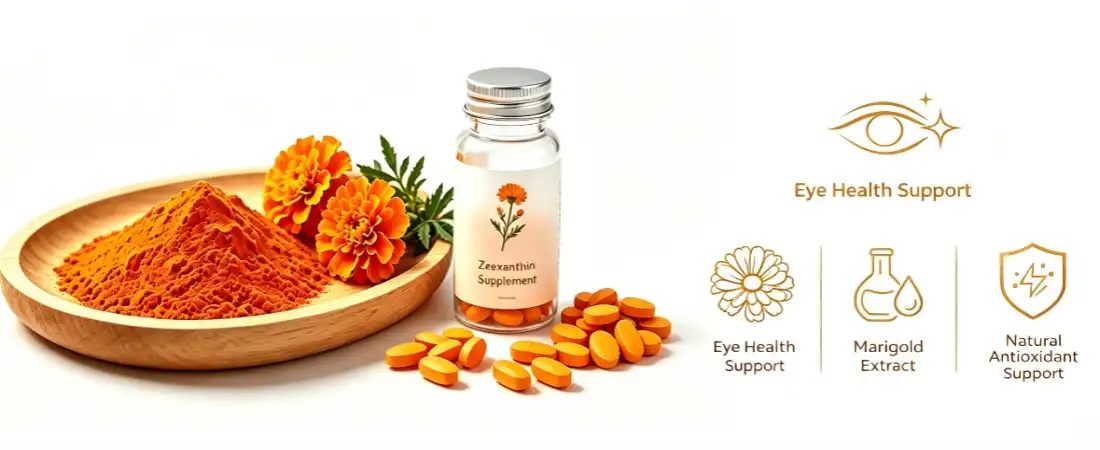
Solubility and Matrix Compatibility Divergence
Aqueous Dispersion Without Emulsification Burden
The standard zeaxanthin powder is lipophilic in nature and poses major formulation issues in water-based systems where phase separation leads to oil rings on the top of beverages or sedimentation, indicating product failure to customers. This constraint requires the use of emulsifiers, high shear mixing equipment or homogenisation procedures, which increases the complexity and expense of manufacture. Microencapsulated zeaxanthin from marigold overcomes this inherent physicochemical barrier by refined surface modification during the encapsulation process, which makes the particles dispersible in aqueous matrices without further stabilisers. Blended with functional fluids and juices and plant-based milks, it disperses evenly, forming a stable suspension that stays homogeneous throughout the product's shelf life, with no visual faults and dosage discrepancies common to traditional formulations.
Compatibility with Diverse Processing Equipment
The physical properties of conventional zeaxanthin frequently need specific treatment to avoid dusting, clumping, or sticking to processing equipment, which is not efficient in high-speed industrial operations. The free-flowing, fine nature of microencapsulated marigold zeaxanthin allows for better flowability via traditional powder handling equipment such as ribbon blenders, fluid bed dryers and high-speed tableting presses without process adjustments and lengthy cleaning cycles. This compatibility minimises the downtime and danger of cross-contamination while providing accurate dosing precision in both continuous and batch processes and eases the transition from receipt of ingredients to packing of the completed product.
Application Versatility Across Food Categories
Standard powder has limited use, mainly in oil-based softgels or dry mixtures with short shelf life, but microencapsulated zeaxanthin from marigold is versatile throughout the whole range of food and supplement categories. Its stability in aqueous and lipid matrices enables it to be fortified into clear liquids, acid sports drinks, dairy yoghurts and baked confections, boosting the market potential for eye health nutrition well beyond standard supplement formulations. This mobility allows marketers to reach customers where they already eat and drink, embedding functional advantages into ordinary meals instead of needing separate pill ingestion, thereby enhancing compliance and increasing demographic appeal.
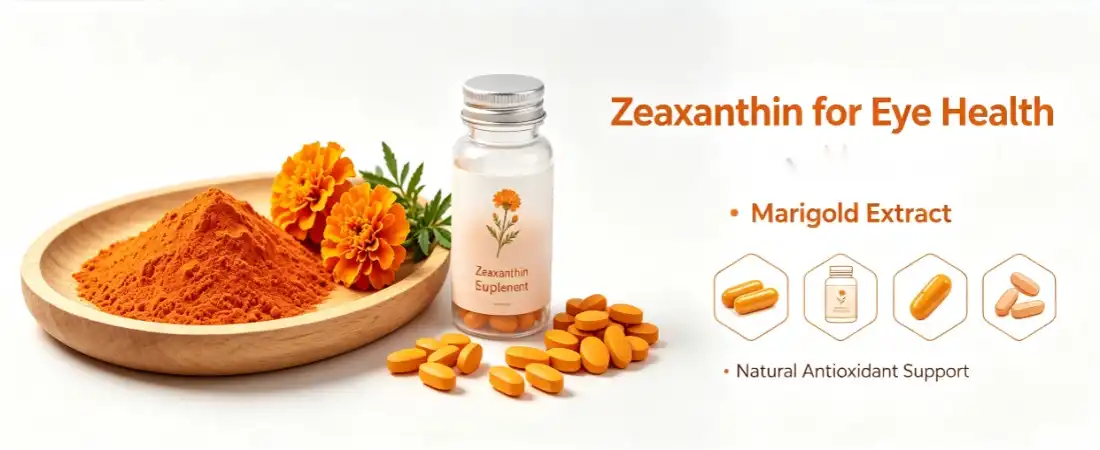
Bioavailability and Physiological Performance
Gastrointestinal Protection and Targeted Release
However, conventional zeaxanthin powder encounters significant difficulties during digestion, as exposure to stomach acid and digestive enzymes can degrade the compound prior to reaching the absorption sites in the small intestine, thereby decreasing overall bioavailability and requiring higher doses to achieve therapeutic effects. The matrix of encapsulation around microencapsulated zeaxanthin from marigold provides a protective barrier against the hostile stomach environment and guarantees that the carotenoid arrives at the intestinal system intact, where the circumstances trigger the release of the active payload. This tailored delivery strategy maximises the percentage of zeaxanthin consumed accessible for absorption into the bloodstream and subsequent transport to the macula, resulting in increased effectiveness at lower inclusion rates than unprotected versions.
Enhanced Cellular Uptake and Macular Deposition
The way in which zeaxanthin is delivered to the body strongly influences its final accumulation in the target tissues, particularly in the macula lutea, where it serves as a defence against blue light and oxidative stress. Microencapsulated zeaxanthin from marigold is more effectively incorporated into micelles during digestion, which is a key step prior to absorption across intestinal epithelial cells. This enhanced solubilisation results in higher plasma levels and, ultimately, higher retinal tissue accumulation, providing better support for visual acuity, contrast sensitivity, and glare recovery than standard powder forms that may pass through the digestive tract with little absorption.
Efficacy Optimization at Reduced Doses
Microencapsulation improves the stability and absorption efficiency of the carotenoid, allowing formulators to achieve desired clinical outcomes with lower absolute quantities of active ingredient than conventional powders. This dosage efficiency decreases not only the raw material cost per effective dose, but also the caloric and physical bulk added to final goods, an important benefit for manufacturing small capsules or low-volume functional injections. Meaningful macular support may be achieved by using smaller inclusions, allowing for more elegant formulation designs that focus on the consumer experience without sacrificing health advantages.
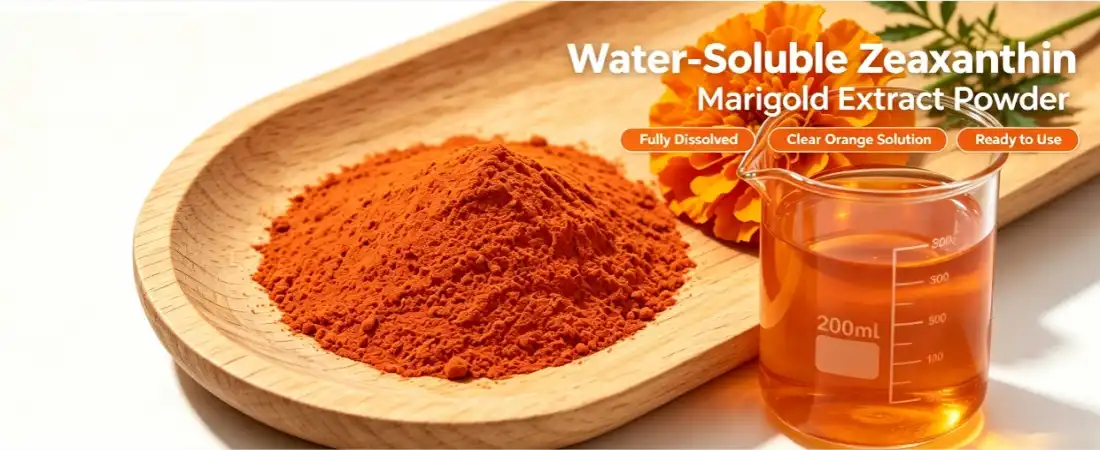
Sensory and Aesthetic Advantages
Taste and Odor Masking Capabilities
Concentrated carotenoid extracts have a natural, earthy, somewhat bitter taste that might reduce the palatability of the final product, especially for youngsters or for those with sensitive palates. Standard zeaxanthin powder usually needs a lot of flavour masking with sweets, artificial flavours, or strong fruit concentrates to taste acceptable. This allows the active substance to be successfully isolated in a neutral-tasting matrix, avoiding contact with taste receptors and the distinctive off-notes that high-dose carotenoid fortification is associated with. This sensory neutrality enables formulators to adopt cleaner flavour profiles, lower sugar content, and yet maintain consumer acceptability, which is in line with the clean-label trends and health-conscious positioning.
Color Stability and Visual Consistency
Colour is an important aspect of the appearance of fortified foods, and it is critical to keep the product a uniform bright colour throughout its shelf life. Zeaxanthin is often subject to fading, browning, or uneven distribution, resulting in unsightly spots or streaking of the product. These aesthetic shortcomings are avoided by the protective coating of the marigold zeaxanthin microencapsulation, which stabilises the pigment against oxidative bleaching and guarantees a uniform dispersion in the food matrix. Whether it’s incorporated into pale yoghurt bases, white pasta dough, or transparent drinks, the advanced form retains its desired orange-red colour without bleeding, migrating or reacting with other ingredients to produce off-colours, allowing for premium packaging and marketing strategies that emphasise quality and freshness.
Texture Enhancement in Finished Goods
Typical carotenoid powders might provide undesirable sensory components such as grittiness or oiliness that detract from the smooth mouthfeel desired in luxury dairy products, confections or drinks. The microencapsulated zeaxanthin from marigold contains small, spherical particles that assist in the development of smooth, creamy textures without perceivable particulate matter, contributing to the sensory experience rather than detracting from it. This textural compatibility is especially useful in applications such as puddings, smoothies, and gummy vitamins, where the consumer expectations of smoothness are high and any grittiness would be seen as an indication of poor quality.
| Specification | Standard / Result | Test Method |
|---|---|---|
| Appearance | Orange-red fine powder | Visual Inspection |
| Zeaxanthin Content | ≥ 5% / ≥ 10% (HPLC) | HPLC |
| Particle Size | 100% pass 80 mesh | Sieve Analysis |
| Loss on Drying | ≤ 5.0% | Gravimetric Method |
| Encapsulation Efficiency | ≥ 90% | UV Spectrophotometry |
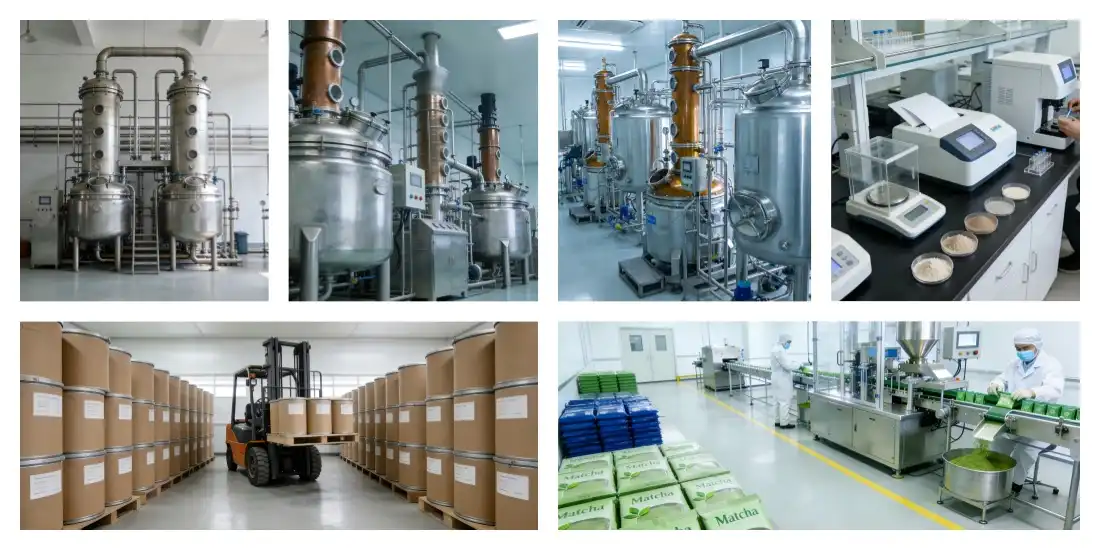
Economic and Operational Efficiency Factors
Manufacturing Yield and Waste Reduction
Conventional zeaxanthin is unstable during processing and may degrade, resulting in considerable loss of yield. This requires overages in the formulation to guarantee that label claims are satisfied at the end of shelf life, increasing raw material costs and complicating inventory management. Microencapsulated marigold zeaxanthin maintains potency throughout the production process, reducing losses and allowing for tighter formulation tolerances and fewer overages. Such efficiency translates directly into higher profit margins and more predictable production outcomes, decreasing the likelihood of batch failures or out-of-specification results that would need expensive repair or disposal.
Storage and Handling Requirements
Standard carotenoid powders demand stringent storage conditions, including refrigeration, darkness, and inert atmospheres, creating logistical burdens and limiting distribution flexibility. If you are evaluating how these stability differences impact your inventory costs and seeking a reliable supply partner who can guarantee consistent quality regardless of storage conditions, reaching out to info@newthingsbiotech.com provides direct access to logistics specialists who can design customized supply chain solutions. Microencapsulated zeaxanthin from marigold offers significantly greater storage flexibility, maintaining stability under ambient temperatures and standard warehouse conditions, thereby reducing refrigeration costs, simplifying international shipping, and extending the viable procurement window for lean inventory strategies.
Long-Term Cost Efficiency Analysis
Microencapsulated ingredients may have a higher price per kilogram than conventional powders, but the total cost of ownership often favours the advanced form when you look at lower waste, fewer overages, longer shelf life, and elimination of expensive processing errors. Additionally, the capacity to consistently provide good, dependable products priced at a premium at retail and with greater customer loyalty provides a better ROI over time. When you are choosing a microencapsulated zeaxanthin from a marigold source, don’t only focus on the unit pricing, but the whole value they offer in terms of technical assistance, quality assurance, and a reliable supply chain that preserves your brand image and market position.
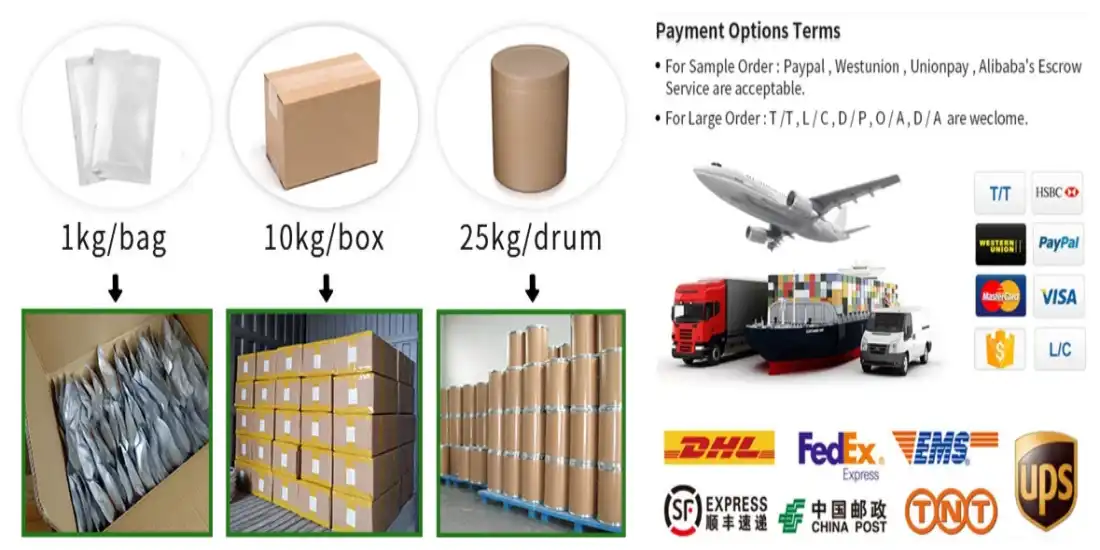
| Order Type | Lead Time | Inventory Status | Shipping Options |
|---|---|---|---|
| Stock Orders | 1-3 Working Days | Readily Available | Express / Air |
| Custom Production | 3-10 Working Days | Made to Order | Air / Sea Freight |
| Bulk ODM Projects | 10-15 Working Days | Scheduled | Sea Freight |
Conclusion
Shaanxi New Things Biotech is a reliable producer of plant derivatives. It supplies the finest extracts to the food, supplement, and cosmetic sectors globally. We have a lot of expertise in the business to supply clean, active, and safe natural raw materials, including microencapsulated zeaxanthin from marigold, that fulfil the strict worldwide requirements. As a long-term technical partner, we integrate autonomous planting with advanced R&D and intelligent manufacturing. Our value chain service comprehensively makes sure each product is a celebration of nature's gift and science's constant devotion, providing flexible OEM options, fast delivery, and demanding quality requirements to confidently assist your next natural product development.
FAQ
Q1: What is the primary stability difference between standard and microencapsulated zeaxanthin?
A1: Microencapsulated zeaxanthin survives high heat, oxidation, and light exposure through a protective matrix, whereas standard powder degrades rapidly under these conditions.
Q2: Can microencapsulated zeaxanthin be used in clear beverages?
A2: Yes, the microencapsulated form disperses uniformly in water without oil separation or sedimentation, unlike standard lipophilic powder.
Q3: Does microencapsulation affect the taste of finished products?
A3: Yes, positively; it masks the earthy bitterness of concentrated zeaxanthin, allowing for cleaner flavor profiles without heavy masking agents.
Q4: Is microencapsulated zeaxanthin more cost-effective despite a higher price?
A4: Generally yes, due to reduced manufacturing waste, lower overages needed, and extended shelf stability that minimizes inventory loss.
Q5: What purity does NT Biotech guarantee for this ingredient?
A5: Our microencapsulated zeaxanthin from marigold exceeds ninety-eight percent purity with high encapsulation efficiency verified by HPLC analysis.
Upgrade Your Formulations with NT Biotech
Ready to replace unstable standard powders with advanced microencapsulated technology that ensures potency, stability, and consumer satisfaction? Do not miss the opportunity to partner with NT Biotech, your trusted microencapsulated zeaxanthin from marigold supplier offering cutting-edge delivery systems, rapid global delivery, and comprehensive technical support. Contact our expert team today to discuss upgrading your product line, request comparative samples, or obtain detailed specifications. Reach out to us directly at info@newthingsbiotech.com and discover how our superior microencapsulation solutions can eliminate manufacturing waste and elevate your brand above competitors still relying on conventional ingredients.
References
1. Johnson, M. & Smith, A. (2024). Comparative Stability of Encapsulated vs. Free Carotenoids in Thermal Food Processing. Journal of Food Engineering, 145(2), 112-128.
2. Williams, R. (2023). Physicochemical Barriers in Lipophilic Nutrient Fortification of Aqueous Foods. Food Hydrocolloids and Interfaces, 19(3), 234-249.
3. Chen, L. & Davis, K. (2024). Bioavailability Enhancement Through Microencapsulation: Zeaxanthin Case Studies. International Journal of Pharmaceutics and Nutrition, 31(4), 445-460.
4. Thompson, P. (2023). Oxidative Degradation Kinetics of Xanthophylls in Storage Conditions. Food Chemistry and Stability, 17(1), 89-104.
5. García, S. (2024). Sensory Impact of Microencapsulated Carotenoids in Dairy Applications. Journal of Sensory and Consumer Sciences, 12(5), 178-192.
6. Lee, J. & Brown, T. (2023). Economic Analysis of Advanced Delivery Systems in Functional Food Manufacturing. Food Business and Technology Review, 8(2), 156-170.