- English
- French
- German
- Portuguese
- Spanish
- Russian
- Japanese
- Korean
- Arabic
- Greek
- German
- Turkish
- Italian
- Danish
- Romanian
- Indonesian
- Czech
- Afrikaans
- Swedish
- Polish
- Basque
- Catalan
- Esperanto
- Hindi
- Lao
- Albanian
- Amharic
- Armenian
- Azerbaijani
- Belarusian
- Bengali
- Bosnian
- Bulgarian
- Cebuano
- Chichewa
- Corsican
- Croatian
- Dutch
- Estonian
- Filipino
- Finnish
- Frisian
- Galician
- Georgian
- Gujarati
- Haitian
- Hausa
- Hawaiian
- Hebrew
- Hmong
- Hungarian
- Icelandic
- Igbo
- Javanese
- Kannada
- Kazakh
- Khmer
- Kurdish
- Kyrgyz
- Latin
- Latvian
- Lithuanian
- Luxembou..
- Macedonian
- Malagasy
- Malay
- Malayalam
- Maltese
- Maori
- Marathi
- Mongolian
- Burmese
- Nepali
- Norwegian
- Pashto
- Persian
- Punjabi
- Serbian
- Sesotho
- Sinhala
- Slovak
- Slovenian
- Somali
- Samoan
- Scots Gaelic
- Shona
- Sindhi
- Sundanese
- Swahili
- Tajik
- Tamil
- Telugu
- Thai
- Ukrainian
- Urdu
- Uzbek
- Vietnamese
- Welsh
- Xhosa
- Yiddish
- Yoruba
- Zulu
Whether you choose oyster mushroom extract or lion's mane doesn't matter. It's all about the product goal when choosing a supplement. Oyster mushroom is often associated with nutritional equilibrium, polysaccharides, immunological well-being and functional plant-based foods. Lion's Mane is often used in recipes for cognitive and neurological wellness. For ingredient sourcing or product development inquiries, you can contact NT Biotech at info@newthingsbiotech.com. NT Biotech offers standardised natural ingredients for nutritional supplements, functional meals, cosmetics and animal nutrition. Its oyster mushroom extract is backed by expert processing, batch documentation, flexible OEM/ODM development, and worldwide logistics. NT Biotech provides a realistic solution to businesses looking for an experienced provider of oyster mushroom extract to manufacture consistent mushroom products for varied markets and customer preferences.

The Real Difference Between These Two Mushrooms
Oyster mushroom at a glance
Oyster mushroom, also known as Pleurotus ostreatus is well recognised as culinary mushroom and as a useful ingredient. It is made up of dietary fibres, proteins, minerals, vitamins and polysaccharides naturally present. The content of the farmed mushroom is used by the supplement industry to manufacture oyster mushroom extract, which is then processed into a concentrated powder for capsules, tablets, drink powders or functional blends. A food identity is part of the appeal — oyster mushrooms are already seen by buyers as a wholesome, plant-forward snack. This makes the element a strong match for companies producing daily wellness, immunological support, healthy ageing and nutrition products. However, the actual composition is different depending on strain, culture circumstances, source material, extraction process, concentration ratio, drying technology and final specification.
Lion's mane at a glance
Lion's mane, generally known as Hericium erinaceus, has a very different visual appearance and commercial identity. Its long, white spines make it highly recognizable, while its reputation in the supplement market is strongly connected with cognition, focus, memory, and nerve-support positioning. Lion's mane contains beta-glucans and other mushroom compounds, including constituents commonly investigated in relation to nerve growth and brain health. As with oyster mushroom extract, the quality of lion's mane depends on whether the product is made from fruiting bodies, mycelium, or a combination, as well as the extraction and standardization process. A popular ingredient is not automatically a suitable ingredient; manufacturers must connect the mushroom's research profile with the intended product format and compliant claims.
Why "better" depends on the goal
The comparison becomes clearer when the desired outcome is defined first. A brand creating an everyday immune-wellness powder may prefer oyster mushroom extract because of its nutritional and polysaccharide story. A company developing a premium cognitive formula may consider lion's mane because of its strong consumer association with mental performance. This does not mean that one mushroom is universally superior. It means that each has a different marketing language, research emphasis, sensory profile, and formulation role. NT Biotech can help buyers compare mushroom materials according to identity, marker compounds, extraction method, dosage form, documentation, and target market. The most strategic choice is the ingredient that delivers a credible story and reliable manufacturing performance.
| Comparison point | Oyster mushroom | Lion’s mane |
|---|---|---|
| Common scientific name | Pleurotus ostreatus | Hericium erinaceus |
| Common product positioning | Nutrition, immune wellness, vitality, healthy aging | Cognitive wellness, focus, memory, nerve support |
| Typical material forms | Powder or extract from mushroom biomass | Fruiting-body powder, mycelium, or extract |
| Key development question | Which polysaccharide or beta-glucan specification applies? | Which material and cognitive-related markers are standardized? |
| Consumer familiarity | Strong culinary and plant-based food connection | Strong specialty-mushroom and nootropic connection |

Compare Their Main Health and Wellness Profiles
Oyster mushroom and nutritional functionality
Oyster mushrooms are prized not for a particular chemical but for their wide range of nutritional benefits. They may provide fibre, protein, B-group vitamins, minerals and different polysaccharides, although the amounts vary depending to cultivation and processing. This wide profile makes oyster mushroom extract a versatile ingredient in functional nutrition. It may be added to products marketed for general vitality, plant-based diets, daily immune support or good ageing. It must not be expected that an extract will include all of the nutrients present in a fresh mushroom. Constituents that are water soluble may be concentrated in the extract while others are diminished. Hence, companies should verify the real product specification and the Certificate of Analysis before making any nutritional claims. Its biggest virtue is its versatility: oyster mushroom can blend culinary familiarity with contemporary supplement convenience.
Lion's mane and cognitive positioning
Lion's mane has garnered interest as laboratory and preliminary human research has studied its link to cognitive function, memory, emotion, and nerve-related pathways. The mushroom includes chemicals that are typically addressed in relation to hericenones and erinacines, however the quantity and presence of these compounds may vary greatly between fruiting-body and mycelium products. This is why a lion's mane label alone does not reveal the full technical quality of the ingredient. Compared with oyster mushroom extract, lion's mane generally has a more specialized cognitive-wellness identity. That can be valuable for a focused product, but it may also require more careful education and claim review. Brands should avoid turning preliminary research into promises about treating neurological conditions or guaranteeing mental performance.
Immune wellness and mushroom polysaccharides
Both mushrooms are defined in terms of beta-glucans and polysaccharides but their biological profiles are not similar. The structure, molecular weight, solubility and biological activity of polysaccharides from mushrooms vary diverse. How the extract is made may also affect which compounds are in the finished powder. When purchasing oyster mushroom extract it is crucial for the buyer to state if the figure stated is total polysaccharides, beta-glucans or any other analytical marker. The same principle applies when comparing lion's mane. A higher numerical value is not automatically better if it was measured using a different method. From a formulation perspective, oyster mushroom may be more suitable for a broad immune and nutrition concept, while lion’s mane may fit a cognitive formula. Both require responsible, market-specific communication.
Antioxidant and metabolic research
Research on the oyster mushroom has investigated antioxidant properties, lipid metabolism, glucose-related pathways and overall cellular health. Research has investigated lion's mane for antioxidant qualities, and in cognitive and nerve-related regions. These findings are interesting but should be interpreted carefully. Results from cell or animal studies do not automatically predict the outcome of a finished human supplement. Product developers should focus on verified composition, realistic serving levels, and evidence relevant to the exact material being sold. Oyster mushroom extract may be a strong option for brands that want a broader nutritional and wellness story, especially in functional foods. Lion’s mane may be better for a narrower cognitive concept. The right decision depends on the evidence, formulation, consumer expectations, and regulatory environment.
| Product objective | Ingredient that may fit best | Reason |
|---|---|---|
| Everyday mushroom nutrition | Oyster mushroom extract | Strong culinary identity and broad nutritional story |
| Immune-wellness positioning | Oyster mushroom extract | Polysaccharide and beta-glucan discussion |
| Focus and memory concept | Lion’s mane | Established consumer association with cognitive wellness |
| Plant-based functional food | Oyster mushroom extract | Familiar food ingredient with flexible applications |
| Premium nootropic formula | Lion’s mane | More specialized brain-health market positioning |
Which Extract Is Easier to Formulate?
Capsules and tablets
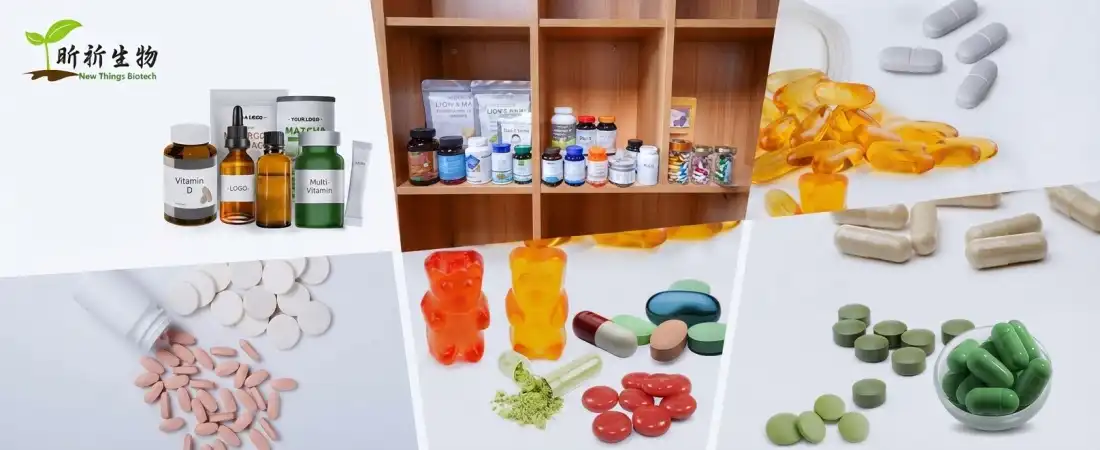
Both substances may be used for capsules and tablets but performance relies on powder density, particle size, moisture, flowability and concentration.Oyster mushroom extract may be effective in capsules when the manufacturer favours a small serving size and little flavour exposure. Lion's mane may be employed in the same way, particularly in cognitive-wellness goods. In the case of either extract being blended with vitamins, minerals, botanicals or other mushroom components, homogeneity of blending is critical. Manufacturers of tablets are also required to test for compression, hardness, friability and disintegration. A sample taken from the laboratory does not necessarily react the same way on a high speed manufacturing line. Flow or filling problems might be detected during pilot production, before the recipe is authorised for commercial production.
Powdered drinks and functional blends
The powdered drinks are more difficult since the customer will experience the product via flavour, scent, colour and texture. The oyster mushroom ingredients may provide some earthy notes and the lion's mane items can also influence scent and texture. Oyster mushroom extract should be tested with the actual sweetener, flavor, acidulant, carrier, and complementary ingredients used in the final formula. Water dispersibility and sedimentation should be evaluated under realistic preparation conditions. A product may perform differently in cold water, warm water, or a shaker bottle. If a brand wants a daily immune drink, oyster mushroom may provide a more natural food-oriented story. If it wants a focus beverage, lion’s mane may be easier to communicate, but its sensory performance still requires testing.
Functional foods and gummies
We already link oyster mushrooms with food and nourishment therefore in terms of culinary applications, oyster mushrooms have a natural edge. It might be used in soups, salty powders, nutrition bars, plant-based meals and functional-food mixes.Oyster mushroom extract may also be formulated into candies or chewable items, although taste, colour, heat exposure and moisture stability must be examined. You may use it as functional food, but you'll most commonly see lion's mane in nootropic mixes, drinks powders and capsules. Both materials might need flavour masking and compatibility testing in gummies. It should be driven by the product experience the business wishes to generate and not merely the popularity of the mushroom. A good product should taste nice, be stable and be consistently labelled.
Documentation for formulation decisions
The formulation team needs more than a sample bag. It should receive a specification sheet, product description, origin information, recommended storage conditions, and lot-specific CoA. NT Biotech highlights standardized processing, HPLC/UV analysis for relevant products, and Certificates of Analysis with batches where applicable. These documents help buyers understand what oyster mushroom extract contains and how it differs from a lion’s mane material. They also support communication with contract manufacturers and regulatory teams. Before committing to a large order, brands should confirm whether the extract contains carriers, which marker is declared, what testing method is used, and whether the material is suitable for vegan or clean-label claims.
Choosing the Better Commercial Ingredient
Match the ingredient to the consumer
Consumer intent should guide ingredient selection. The food-based identity, nutritional profile, and immune-support tale of oyster mushroom would appeal to a person seeking a daily mushroom health supplement. If you're seeking for attention, memory or mental clarity, you're probably more acquainted with lion's mane.Oyster mushroom extract may thus be particularly effective for businesses targeting families, active adults, plant-based consumers, and healthy-aging audiences. Students, professionals and customers interested in nootropic items may find the lion's mane more interesting. These are market trends not set in stone regulations. A brand may also blend both mushrooms providing the recipe has a defined purpose and the overall serving size, sensory profile, evidence and labelling remain manageable.
Evaluate standardization instead of relying on reputation
A famous mushroom name does not guarantee a superior raw material. Buyers should look to compare scientific identity, source material, extraction ratio, marker substances, test procedures, moisture, microbiological limits, heavy metals, pesticides and packaging. The provider should confirm if the oyster mushroom extract is derived from the fruiting bodies, the mycelium or other biomass and whether it is standardised to polysaccharides or beta-glucans. The same amount of attention should be paid to lion’s mane. NT Biotech emphasizes proprietary processing designed to improve active-compound yield and product stability, along with quality documentation. Buyers should confirm the exact specification for the grade they intend to purchase rather than generalizing from a company profile.
Consider regulatory and claim requirements
The marketing language for oyster mushroom and lion's mane might be quite different. Lion's mane is promoted around cognitive and mental performance, whereas the oyster mushroom is commonly employed in general health, nutrition or immune-support themes. But nations have different legislation and claims of treatment of diseases may be limited or forbidden. The completed product, dosage, ingredients, labelling, ads and evidence should be reviewed by certified regulatory specialists. A trustworthy oyster mushroom extract supplier can provide technical information, but the brand remains responsible for final compliance. NT Biotech’s OEM/ODM support may assist with market-oriented development, packaging, and documentation, helping customers adapt products to different regional requirements.
If you are unsure whether oyster mushroom or lion's mane fits your product concept, contact NT Biotech at info@newthingsbiotech.com. Share your target market, dosage form, intended claims, annual volume, and documentation requirements for a more useful comparison.
Why Supplier Capability Can Decide the Outcome
Quality systems and certifications
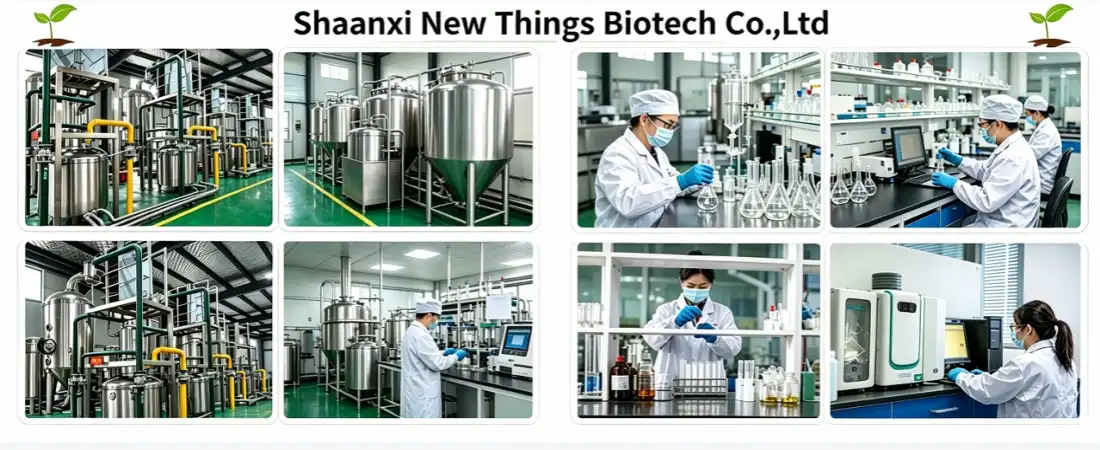
The strength of an ingredient selection lies in the provider behind it. NT Biotech is a technology-driven provider of plant extracts and natural ingredients for the nutraceutical, functional food, cosmetic and animal nutrition industries. Its competencies listed include ISO9001, Kosher and Halal-related certifications, standardised processes, laboratory testing and batch CoA documentation . These resources may assist customers with qualifying oyster mushroom extract for international product development. Verify certifications for scope, validity, issuing body and applicability to the particular facility. They enhance supplier trust, but do not substitute for destination-market regulatory evaluation. Buyers should also enquire about the control of changes in raw-material source, processing technique, or testing procedure.
Delivery planning and logistics
“An ingredient might be great on paper, but if it can't be delivered on time, it's not commercially viable. NT Biotech says it answers enquiries within two hours, has inventory for some standardised extracts and may send popular goods in stock within one to three working days after confirmation. Typical manufacturing orders take anywhere from 3 to 10 working days including sourcing, processing, laboratory testing, packing and final release. Actual time for oyster mushroom extract varies on specification, amount, packing and destination. Customers may balance speed, cost and volume using express, air, and sea shipment choices. Also, direct FEDEX or UPS shipping and bulk freight forwarder service may facilitate overseas delivery even more.
OEM and ODM flexibility
Some firms require raw material, others need help with private labelling, completed capsules, sachets, mixes or market specific packaging. NT Biotech provides OEM and ODM solutions to meet the needs of various nations and customers. This versatility might be useful for creating a product that mixes oyster mushroom extract with other botanicals or nutrients. Buyers should provide a full brief including target customer, serving size, dosage form, packaging, projected yearly volume, certifications, pricing range and launch date. Flexible payment methods, including local-currency payment when possible, may further facilitate international collaboration. A supplier who understands technical and commercial needs may help decrease the time from sample clearance to market launch.
| Supplier evaluation area | What to confirm |
|---|---|
| Product identity | Scientific name, source material, and processing description |
| Standardization | Marker compound, test method, and acceptance range |
| Quality documents | CoA, specification, origin statement, and storage guidance |
| Certifications | Current ISO9001, Kosher, Halal, or other relevant documents |
| Supply | Stock status, production lead time, MOQ, and packaging |
| Commercial support | OEM/ODM, shipping choices, technical assistance, and payment terms |

Conclusion
Neither oyster mushroom extract nor lion's mane is definitively "better." The most powerful option is the goal of the product, consumer it is intended for, formulation format, the proof, the claims and the marketing strategy. Oyster mushroom is frequently a good fit for general wellness, nutrition, immune-support, plant-based diet, and healthy-aging notions, while lion’s mane is more closely tied to cognitive and nootropic items. Regardless of the ingredient chosen, purchasers should always check species, source material, extraction process, marker testing, stability, certifications, and supply dependability. NT Biotech provides standardised natural ingredients, batch documentation, OEM/ODM support, flexible logistics and international customer service. Brands may work with NT Biotech to review specs and design a mushroom product that is legitimate and ready for sale.
FAQ
1. Is oyster mushroom extract better than lion’s mane?
Not universally. Oyster mushroom may suit nutrition and immune-wellness products, while lion’s mane may better fit cognitive-wellness formulas.
2. Can both mushrooms be used in one supplement?
Yes, but the formula should have a clear purpose and be tested for serving size, compatibility, sensory quality, stability, and regulatory compliance.
3. What is the main difference between the extracts?
Their species, naturally occurring compounds, research focus, consumer positioning, and formulation properties can differ.
4. What should buyers request from a supplier?
Request scientific identity, source information, specification, CoA, marker-testing method, storage conditions, certifications, and lead time.
5. Can NT Biotech provide customized mushroom products?
Yes. NT Biotech offers OEM/ODM support for different dosage forms, packaging concepts, markets, and customer requirements.
Compare Mushroom Ingredients with NT Biotech
NT Biotech helps brands make better ingredient decisions by connecting natural-material sourcing with processing, testing, formulation support, OEM/ODM development, and international logistics. Its oyster mushroom extract can support capsules, tablets, beverage powders, functional foods, cosmetics, and customized wellness products. Customers can also discuss specifications, polysaccharide or beta-glucan testing, packaging, certifications, delivery schedules, and private-label solutions. With responsive communication, selected inventory, flexible shipping by express, air, or sea, and buyer-friendly payment options, NT Biotech is prepared to support both pilot projects and long-term supply. If you are comparing oyster mushroom with lion’s mane, do not rely on popularity alone. Contact info@newthingsbiotech.com with your application, target market, volume, and technical requirements, and let NT Biotech help you choose a suitable, consistent ingredient.
References
1. Wasser, S. P. “Medicinal Mushroom Science: Current Perspectives, Advances, Evidences, and Challenges.” Biomedical Journal, 2014.
2. Patel, Y., R. Naraian, and V. K. Singh. “Medicinal Properties of Pleurotus Species.” International Journal of Medicinal Mushrooms, 2012.
3. Deepalakshmi, K., and S. Mirunalini. “Pleurotus ostreatus: An Oyster Mushroom with Nutritional and Medicinal Properties.” Journal of Biochemical Technology, 2014.
4. Friedman, M. “Chemistry, Nutrition, and Health-Promoting Properties of Hericium erinaceus Mushroom.” Journal of Agricultural and Food Chemistry, 2015.
5. Mori, K., et al. “Improving Effects of the Mushroom Yamabushitake on Mild Cognitive Impairment.” Phytotherapy Research, 2009.
6. Khan, M. A., et al. “The Medicinal Importance of Pleurotus Species.” International Journal of Medicinal Mushrooms, 2013.