- English
- French
- German
- Portuguese
- Spanish
- Russian
- Japanese
- Korean
- Arabic
- Greek
- German
- Turkish
- Italian
- Danish
- Romanian
- Indonesian
- Czech
- Afrikaans
- Swedish
- Polish
- Basque
- Catalan
- Esperanto
- Hindi
- Lao
- Albanian
- Amharic
- Armenian
- Azerbaijani
- Belarusian
- Bengali
- Bosnian
- Bulgarian
- Cebuano
- Chichewa
- Corsican
- Croatian
- Dutch
- Estonian
- Filipino
- Finnish
- Frisian
- Galician
- Georgian
- Gujarati
- Haitian
- Hausa
- Hawaiian
- Hebrew
- Hmong
- Hungarian
- Icelandic
- Igbo
- Javanese
- Kannada
- Kazakh
- Khmer
- Kurdish
- Kyrgyz
- Latin
- Latvian
- Lithuanian
- Luxembou..
- Macedonian
- Malagasy
- Malay
- Malayalam
- Maltese
- Maori
- Marathi
- Mongolian
- Burmese
- Nepali
- Norwegian
- Pashto
- Persian
- Punjabi
- Serbian
- Sesotho
- Sinhala
- Slovak
- Slovenian
- Somali
- Samoan
- Scots Gaelic
- Shona
- Sindhi
- Sundanese
- Swahili
- Tajik
- Tamil
- Telugu
- Thai
- Ukrainian
- Urdu
- Uzbek
- Vietnamese
- Welsh
- Xhosa
- Yiddish
- Yoruba
- Zulu
knowledge
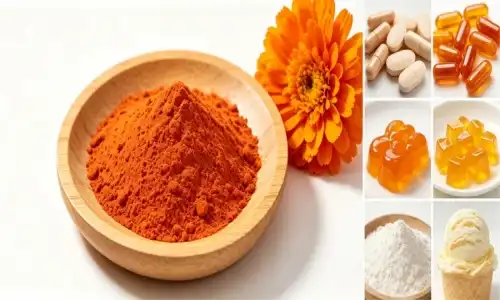
It's never been easier to find eye-healthy ingredients, and picking the right raw material can make or break your next capsule, gummy, or functional drink. This guide will tell you everything you need to know about getting high-quality lutein from marigold extract if you are looking for real botanical carotenoids. Smart procurement is more than just comparing prices. It also means checking for potency, understanding physical forms, and working with a manufacturer who can guarantee consistency from harvest to drum. We use NT Biotech (Shaanxi New Things Biotech) as an example of a great company because its lutein from marigold extract programme offers consistent grades ranging from 5% to 90%, proprietary extractions that achieve purity levels above 98% on key products, full HPLC/UV documentation, and a Certificate of Analysis with every batch.
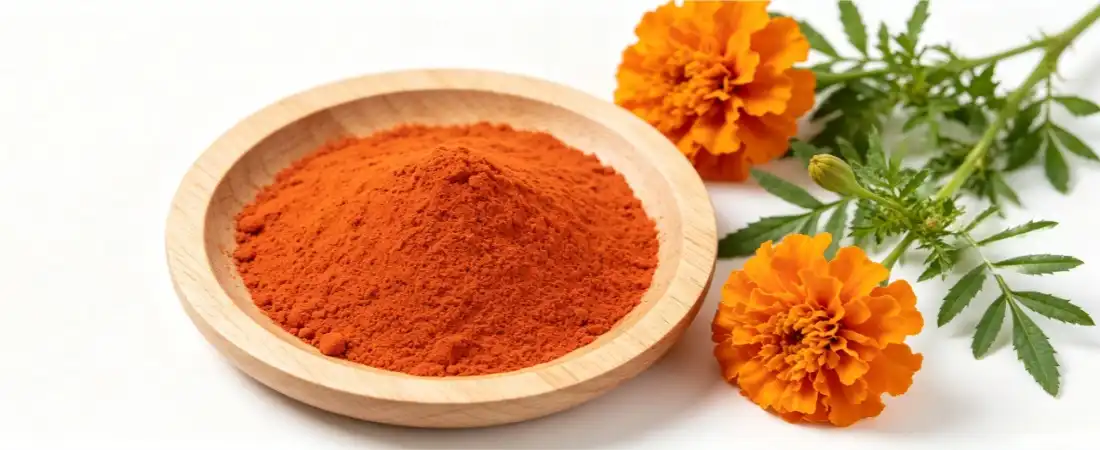
What Is Lutein from Marigold Extract Powder and Why Does It Dominate the Market?
Understanding the product's identity is the first step toward confident buying. Not all lutein is created equal, and origin determines bioactivity, clean-label appeal, and commercial viability.
The Botanical Origin: Why Marigold Is the Gold Standard
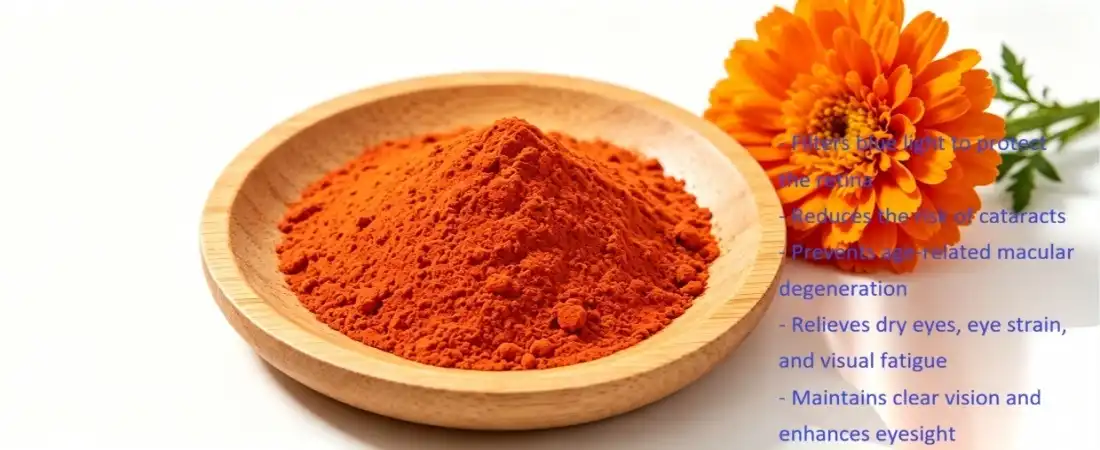
Marigold flowers, Tagetes erecta, concentrate lutein more abundantly than any common vegetable, intentionally producing the carotenoid to shield their own petals from intense sunlight. That natural protective function is precisely why lutein from marigold extract performs so well in human nutrition. While spinach and kale offer lutein in trace milligrams, marigold petals accumulate it at extraction-grade levels, making standardized commercial production possible. A reliable lutein from marigold extract supplier leverages this natural abundance, rather than attempting low-yield extraction from leafy greens, ensuring both economic scale and consistent carotenoid profiles.
Free Lutein vs Lutein Esters: What Buyers Must Know
Marigold naturally synthesizes lutein as esterified molecules bound to fatty acids. Through controlled saponification, these esters are converted into free lutein, the form that deposits directly into the macula and is typically preferred for dietary supplements. Lutein esters, meanwhile, remain popular for cost-effective food fortification due to greater intrinsic stability. When buying lutein from marigold extract, you must know which form your formula requires. NT Biotech offers both: free lutein powders (5%-90%) for precise supplement dosing and ester grades (10%-20%) for functional foods where extended stability matters.
The Science Behind Eye Health Demand
Lutein from marigold extract accumulates selectively in the macula lutea, forming macular pigment that filters high-energy blue light between 400-460 nm and quenches singlet oxygen in the highly oxygenated retina. Landmark studies, including AREDS2, have cemented its role in visual performance and glare recovery. This science now drives lifestyle categories beyond senior nutrition, with gamers, students, and office workers actively seeking blue-light protection. Buying an ingredient backed by this depth of research gives your finished product instant credibility.
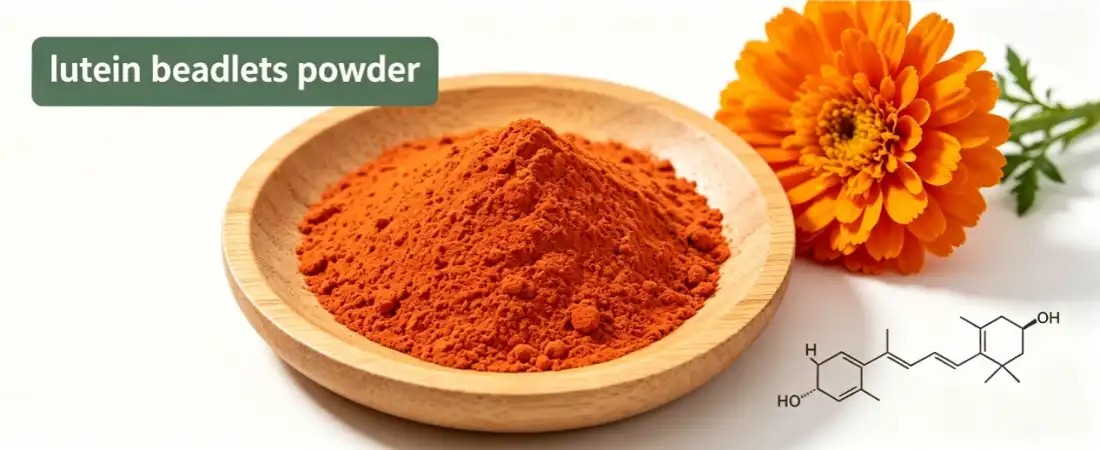
Decoding Specifications: How to Read a Lutein from Marigold Extract Data Sheet
A data sheet reveals manufacturing discipline. Learning to interpret it correctly protects you from inconsistent material that looks identical in a quotation.
Assay Grades from 5% to 90%: Matching Potency to Application
Standardization is the promise that every kilogram performs like the last. Premium lutein from marigold extract is offered in a ladder of HPLC-verified grades: 5%, 10%, and 20% for mainstream supplements and functional foods, and ultra-high 80% and 90% for premium nutraceuticals and R&D, where minimal excipient load is required. Complementary zeaxanthin grades (5%-40%) enable synergistic formulas mirroring the natural 5:1 macular ratio. When you source lutein from marigold extract, precise assay selection directly impacts your fill weight, dosage arithmetic, and cost-in-use, so a supplier offering the full range simplifies portfolio scaling.
Physical Forms: Powder, Beadlets, CWS, and Oil Explained
The same assay can travel in radically different physical formats, each engineered for specific processing realities. Fine powder suits direct-compression tablets. Beadlets — microencapsulated spheres — protect lutein from oxidation, flow dust-free, and distribute homogeneously. CWS (Cold Water Soluble) grades disperse uniformly in juices and dairy without oil rings. Oil suspensions remain ideal for softgels. Understanding which form your line needs is essential because conventional lutein from marigold extract is inherently hydrophobic and will clump in aqueous systems without proper microencapsulation engineered by the manufacturer.
Critical Quality Indicators Beyond Assay
A veteran buyer never stops at lutein content. Demand batch-specific evidence: HPLC chromatograms for isomer purity, UV for total carotenoids, and strict limits for heavy metals, residual solvents, and microbiology. Particle size and moisture govern flowability and shelf life. NT Biotech exemplifies discipline here, issuing comprehensive CoA documentation with HPLC/UV support for every lot of lutein from marigold extract and achieving exceptional purity above 98% through proprietary methods that maximize active yield while protecting stability.
Table 1: NT Biotech Lutein from Marigold Extract Powder Portfolio (per product page)
| Specification | Assay (HPLC/UV) | Physical Form | Typical Application |
|---|---|---|---|
| Lutein Powder 5% / 10% / 20% | ≥5%, 10%, 20% | Free-flowing powder | Daily eye-health capsules, tablets, gummies |
| Lutein Beadlets 5% / 10% / 20% | ≥5%, 10%, 20% | Microencapsulated beadlets | Heat-stable gummies, chewables, and baking |
| Lutein CWS 5% / 10% | ≥5%, 10% | Cold water-soluble powder | RTD beverages, drink mixes, dairy fortification |
| Lutein Oil 15% / 20% | ≥15%, 20% | Oil suspension | Softgel capsules |
| Lutein 80% / 90% | ≥80%, 90% | Crystalline powder | Premium high-potency nutraceuticals |
| Lutein Esters 10%–20% / Zeaxanthin 5%–40% | ≥10%–20% / ≥5%–40% | Powder / Oil | Fortified foods, synergistic macular blends |
Formulation Fit: Choosing the Right Grade for Your Product Line
The best specification is not the strongest, but the one that matches your processing and positioning. Smart grade selection accelerates stability success.
Capsules and Tablets: The Workhorse Application
For hard capsules and compressed tablets, standard free-flowing lutein from marigold extract at 10% or 20% remains the industry default. The 10% grade delivers beautifully clean math — 100 mg provides 10 mg lutein — fitting comfortably into standard capsule sizes while leaving room for zeaxanthin or bilberry. Beadlet formats survive compression friction and ensure homogeneous blending, so every tablet from first to last carries identical potency. Brands that source verified beadlet grades reduce segregation risk on high-speed lines.
Gummies and Functional Foods: The Need for Protected Stability
Gummy production exposes ingredients to heat, moisture, and acidity that degrade unprotected carotenoids. Here, microencapsulated lutein from marigold extract proves essential. Its hydrocolloid wall matrix shields the active core through cooking and molding cycles, distributes uniformly through pectin or gelatin, and simultaneously provides a natural golden hue that replaces synthetic dyes. The same thermal protection benefits nutrition bars and fortified biscuits, where oven temperatures would scorch raw extract.
Beverages and Natural Coloring: The CWS Advantage
Ready-to-drink eye-health beverages are the fastest-growing frontier. Conventional lutein floats, but CWS microencapsulated lutein from marigold extract hydrates instantly in cold liquid, creating stable colloidal dispersions without sediment. It functions as both an active and clean-label colorant, allowing one ingredient to deliver nutrition and visual appeal. The fastest way to lock the right grade for your matrix is to email your target format, dosage, and destination market to info@newthingsbiotech.com — NT Biotech guarantees a technical response within two hours with samples and batch documentation to support your trials.
Supplier Due Diligence: The Non-Negotiables for Global Buyers
Price means nothing without trust. Evaluating a lutein from marigold extract supplier requires looking beyond brochures into systems, fields, and logistics.
Certifications That Open Doors Worldwide
Global compliance starts with recognized certifications. ISO9001 confirms a disciplined, audited quality management system across procurement, extraction, and packaging. KOSHER and HALAL unlock retail and specialty channels that remain closed to uncertified material. NT Biotech maintains all three, enabling its clients to sell finished products across North America, Europe, the Middle East, and Southeast Asia without compliance detours. Always verify certificate scope, issuer, and validity date — expired paper reveals more than marketing language ever will.
Traceability from Seed to Drum: The Vertical Integration Edge
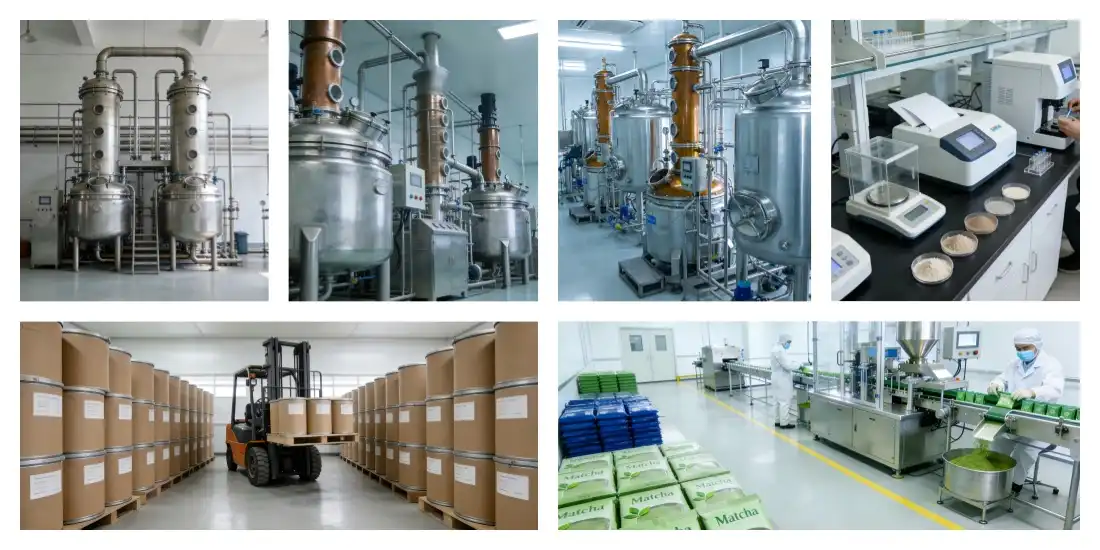
The most powerful question you can ask is: Can you trace this drum back to the marigold field? A true lutein from a marigold extract supplier can. NT Biotech operates autonomous planting bases integrated with R&D, intelligent production, and adaptive supply chains — a complete value chain from plant source to product application. This vertical control ensures consistent carotenoid content, pesticide-free cultivation, and an unbroken chain of custody that simplifies audits and regulatory filings for brand owners.
Service Metrics: Response Time, Inventory, and Logistics
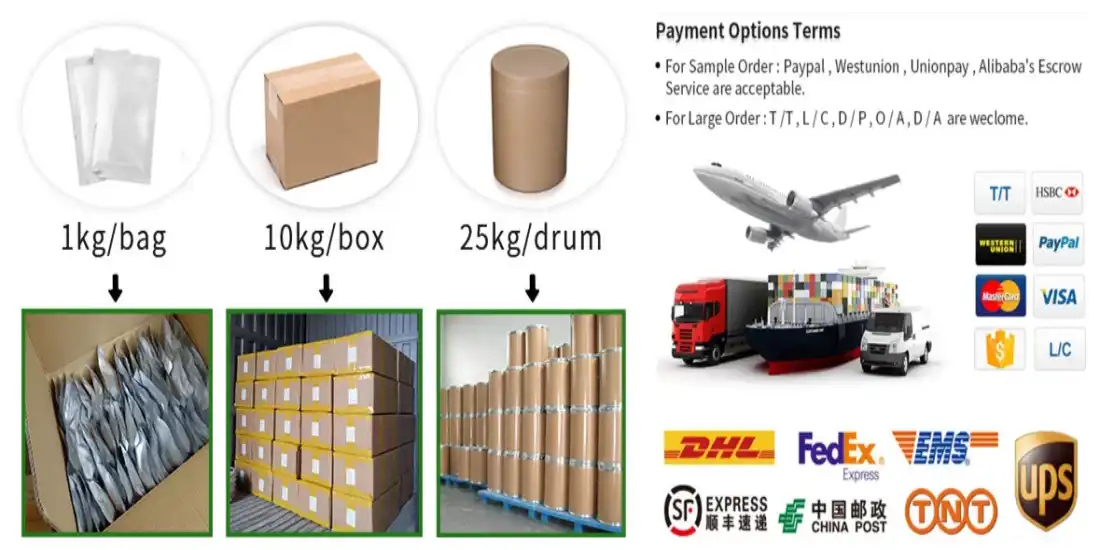
In fast-moving markets, speed is a quality parameter. NT Biotech guarantees initial inquiry replies within two hours, holds an inventory of popular standardized extracts allowing shipment within 1–3 working days after confirmation, and completes production orders within 3–10 working days, including procurement, proprietary extraction, stringent lab testing, and packaging. Logistics flex to your reality: own FedEx/UPS accounts for fast direct-from-factory sample and urgent shipments, and trusted freight forwarders for secure bulk air or sea cargo, balancing cost and urgency.
Table 2: Buyer Evaluation Checklist for Lutein from Marigold Extract Suppliers
| Due Diligence Area | What to Request | NT Biotech Benchmark |
|---|---|---|
| Assay verification | 3 recent batch HPLC/UV CoAs | Every batch tested, purity >98% on key products |
| Physical form | Particle size, CWS dispersibility data | Powder, beadlets, CWS, and oil available |
| Safety | Heavy metals, solvents, microbiology | Full-panel testing per batch |
| Certifications | Valid ISO9001, KOSHER, HALAL | All three current and scope-relevant |
| Traceability | Field origin documents | Autonomous marigold planting bases |
| Response & delivery | Written lead times | 2-hour reply; stock 1–3 days; production 3–10 days |
| Customization | OEM/ODM capability | Tailored specs, packaging, and docs for each market |
Commercial Strategy: Pricing, Customization, and Long-Term Partnership
The final decision is business strategy, not just chemistry. The right partner turns raw material into market advantage.
Understanding True Cost-in-Use
Judging lutein from marigold extract by kilo price alone is a costly mistake. True cost-in-use includes overage needed for stability compensation, handling losses, and compliance delays caused by incomplete documentation. Superior microencapsulation reduces overage, free-flowing beadlets cut production downtime, and batch-verified assays accelerate QA release. NT Biotech's proprietary processing delivers superior stability that preserves potency through warehousing and transit, lowering effective cost per delivered dose.
OEM/ODM Flexibility for Different Markets
Regulations, dosage preferences, and labeling rules differ sharply across regions. NT Biotech provides customized OEM solutions tailored to different countries and clients — adjusting specifications, wall materials for vegan or gelatin-free claims, packaging, and documentation to satisfy dietary supplements, functional foods, high-end cosmetics, and animal nutrition alike. This adaptability lets one qualified supplier support your global expansion roadmap without re-qualification cycles.
Partnership Beyond the Purchase Order
Lasting value comes from a partnership mindset. Beyond supplying pure and active raw materials, NT Biotech acts as a long-term technical advisor, offering formulation guidance, stability consultation, and buyer-friendly payment allowing settlement in local currency to eliminate foreign-exchange friction. Its service system, merging autonomous planting with state-of-the-art R&D and intelligent production, ensures each product reflects the gift of nature and the commitment of science — a philosophy that turns transactions into a durable advantage.
Conclusion
To successfully choose lutein from marigold extract powder, you need to understand the specifications, match the physical form to the application, and check out the supplier's background beyond price. The shape determines the performance, from 5% dietary grades to 90% crystalline strength, from CWS drinks to heat-stable beadlets for sweets. You can trust Shaanxi New Things Biotech to give you the best plant products for the food, nutrition, and cosmetics businesses. They also offer flexible OEM solutions. With self-sufficient growing, unique extraction above 98% pure, ISO9001, KOSHER, HALAL, and a two-hour response time, NT Biotech turns nature's golden carotenoid into a market success for you.
FAQ
Q1: What is the best-selling grade of lutein from marigold extract?
A: 10% and 20% beadlet or powder grades dominate supplements for clean dose math and production-friendly handling.
Q2: What is the difference between CWS and regular powder?
A: CWS is microencapsulated for cold-water dispersion in beverages; regular powder suits capsules and tablets.
Q3: How is quality verified per batch?
A: Reputable suppliers provide HPLC/UV CoA with assay, heavy metals, solvents, and microbiology for each batch.
Q4: Which certifications should a global supplier hold?
A: ISO9001 for quality systems plus KOSHER and HALAL for access to mainstream and specialty markets.
Q5: How fast can NT Biotech ship stock grades?
A: In-stock lutein ships within 1–3 working days; custom production within 3–10 working days.
Need a Verified Supply Chain? Trust NT Biotech for Your Lutein from Marigold Extract Powder
Your next eye-health launch deserves an ingredient partner who delivers verified potency, stable performance, and global documentation without delay. NT Biotech invites you to test our standards: request recent HPLC CoAs, compare beadlet and CWS dispersion, and time our guaranteed two-hour response. Whether you need fast stock shipment, customized OEM specs for your market, or technical guidance from marigold field to finished capsule, our team is ready to scale with you. Email your specification, sample request, or bulk quote to info@newthingsbiotech.com today — and let NT Biotech turn premium lutein from marigold extract powder into your brand's brightest competitive edge.
References
1. Age-Related Eye Disease Study 2 (AREDS2) Research Group. Lutein + Zeaxanthin and Omega-3 Fatty Acids for Age-Related Macular Degeneration: The AREDS2 Randomized Clinical Trial. JAMA, 2013.
2. Abdel-Aal, E.-S.M.; Akhtar, H.; Zaheer, K.; Ali, R. Dietary Sources of Lutein and Zeaxanthin Carotenoids and Their Role in Eye Health. Nutrients, 2013.
3. Bone, R.A.; Landrum, J.T.; Guerra, L.H.; Ruiz, C.A. Lutein and Zeaxanthin Dietary Supplements Raise Macular Pigment Density and Serum Concentrations. Journal of Nutrition, 2003.
4. Johnson, E.J. Role of Lutein and Zeaxanthin in Visual and Cognitive Function Throughout the Lifespan. Nutrition Reviews, 2014.
5. Buscemi, S.; Corleo, D.; Di Pace, F.; Petroni, M.L.; Satriano, A.; Marchesini, G. The Effect of Lutein on Eye and Extra-Eye Health. Nutrients, 2018.
6. Ranard, K.M.; Jeon, S.; Mohn, E.S.; Griffiths, J.C.; Johnson, E.J.; Erdman, J.W. Dietary Guidance for Lutein: Consideration for Intake Recommendations Is Scientifically Supported. European Journal of Nutrition, 2017.
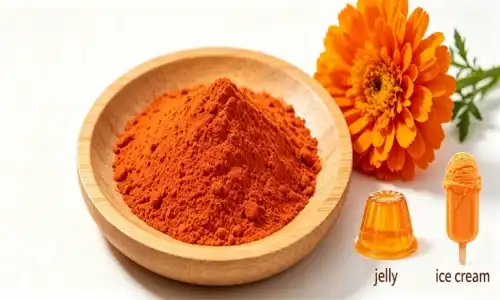
There have never been so many people or so many needs in the area of food supplements. People now want eye health products in every possible form, including traditional capsules, easy-to-chew tablets, fizzing tablets that dissolve in water, and powdered stick packs that they can mix into their morning routine. To live up to those standards, you need an ingredient that can do well in all of them. Lutein CWS 10% powder is that ingredient. CWS (cold water soluble) technology changes lutein from marigolds, which is a fat-soluble carotene with few format choices, into a microencapsulated powder that works well in water-based systems and stays stable in solid dose forms. So how exactly is Lutein CWS 10% powder used in vitamins, and what do formulators need to know before they include it? This article goes into great detail to answer both questions. We will compare the quality of all of our products to those made by NT Biotech (Shaanxi New Things Biotech). Their Lutein CWS 10% powder is guaranteed to have 10% lutein in it, as shown by HPLC/UV testing on every batch. It is made using a proprietary extraction method that achieves purity levels above 98% on key products, and they have ISO9001, KOSHER, and HALAL certifications, along with a Certificate of Analysis that comes with every shipment.
The Science Behind the Format: Why CWS Lutein Exists
Before you can use an item wisely, you need to know what problem it was made to fix. Lutein CWS 10% powder has a story that starts with a basic flaw in lutein and ends with a clever food science trick.
Lutein's Natural Limitation: A Carotenoid That Avoids Water
Lutein is a xanthophyll carotenoid that is taken from the leaves of the marigold flower (Tagetes erecta). It is lipophilic, which means it dissolves in fats and oils rather than water, like most carotenoids. That trait doesn't matter inside an oil-filled softgel. However, softgels are no longer the only type of supplement on the market. When regular lutein powder meets a water-based formulation, like an effervescent tablet, a powdered drink stick, a chewable gummy, or even a hard capsule that needs to release its contents in the stomach's watery environment, it doesn't mix well, sticks together, and gives mixed results. For years, formulators either didn't use these formats or were okay with them not working as well. CWS technology was created to get rid of that problem and let lutein go wherever modern supplement design needs it to go.
Microencapsulation: The Engineering That Makes Lutein Water-Friendly
The problem of solubility is solved by improved microencapsulation in lutein CWS 10% powder. To make a uniform, free-flowing powder with a normal 10% lutein load, purified marigold lutein is spread out on a microscopic level and inserted in a protected matrix of food-grade, water-dispersible wall materials. The powder is then dried. Each particle acts like a tiny delivery capsule: when it comes in contact with water, its hydrophilic shell softens, letting the lutein move freely through liquids and release in a predictable way during digestion. NT Biotech is in charge of the whole process, from the engineering of the encapsulation matrix to a special extraction method that gets the most active compounds out of the plant. Controlling both the active ingredient and the way it is delivered is a real scientific challenge, and it shows in how well the powder is dispersed, how regular the colour is, and how stable it is.
Two Benefits in One: Dispersion Plus Protection
The encapsulation that makes Lutein CWS 10% powder water-friendly also gives it another great benefit: it keeps the powder stable. Lutein is naturally sensitive to oxygen, heat, and light, and powders that aren't protected can lose a lot of their effectiveness during production, storage, and use. CWS lutein doesn't oxidise even when it's compressed into tablets, cooked into gummies, mixed with carbonated water, or left out in the open for months. For supplement brands, this means less waste, longer shelf lives, and claims on the label that are true until the customer opens the bottle. When every batch from NT Biotech comes with HPLC/UV verification, formulators can be sure that the potency that was measured in the lab is the same potency that is given in the final dose.
Application Pathways: Where Lutein CWS 10% Powder Performs in Supplements
Versatility is the reason CWS lutein has become a formulator favorite. One standardized ingredient can anchor an entire supplement portfolio across dosage forms that once required completely different lutein formats — or excluded lutein altogether.
Effervescent Tablets and Powdered Drink Mixes: The Flagship Applications
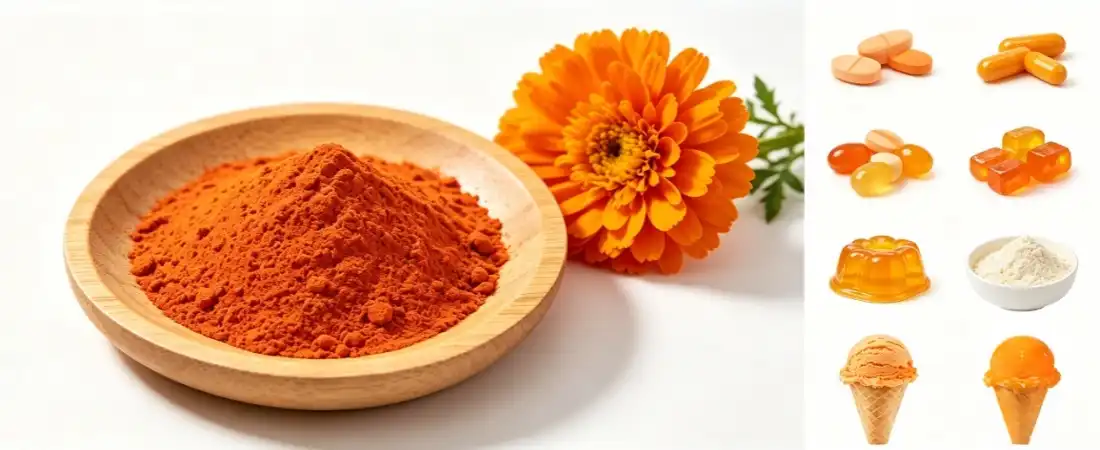
If any supplement format was born for Lutein CWS 10% powder, it is the effervescent tablet. Drop the tablet into a glass of water, and the CWS particles disperse uniformly as the tablet fizzes, creating a clear, evenly dosed eye-health drink without residue ringing the glass or settling at the bottom. The same logic powers powdered stick packs and drink mixes — single-serve sachets that consumers stir into water, juice, or smoothies. These on-the-go formats are among the fastest-growing segments in the supplement industry, and they were technically inaccessible to conventional lutein. CWS technology also contributes a natural golden hue to the finished drink, turning the ingredient into both a nutritionally active and a clean-label colorant. For brands building lifestyle-oriented eye-health lines, this is where Lutein CWS 10% powder delivers its most visible competitive advantage.
Gummies and Chewables: Eye Health Consumers Actually Enjoy
Gummy supplements have transformed from a children's novelty into the preferred format for adults of all ages, and eye-health gummies sit squarely in that growth wave. The challenge: gummy manufacturing involves heat, moisture, and long cooking cycles — a hostile environment for unprotected carotenoids. Lutein CWS 10% powder meets this challenge head-on. Its encapsulation matrix shields the lutein through the cooking process, while its water-dispersible nature allows it to blend uniformly through the gel matrix rather than floating or streaking. The result is a gummy in which every piece carries a consistent, verified dose and an appealing natural color. Chewable tablets benefit identically, gaining both dose uniformity and oxidative stability. For formulators targeting the gummy segment, CWS lutein is less an option than a prerequisite for credible label claims.
Capsules and Tablets: The Classics, Improved
Even in traditional hard capsules and compressed tablets — formats where conventional lutein has long been used — Lutein CWS 10% powder offers meaningful upgrades. Its free-flowing, dust-free character keeps high-speed encapsulation and tableting lines running cleanly, while uniform particle size ensures homogeneous blending with vitamins, minerals, and excipients, so the first capsule and the hundred-thousandth carry the same dose. More importantly, the water-dispersible matrix supports predictable release once the capsule dissolves in the aqueous digestive environment, rather than relying on dietary fat for dispersion. Standardized at 10%, the powder allows precise dose calculations across entry-level daily formulas and high-strength vision complexes alike. One ingredient, one supplier qualification, one documentation package — serving the entire solid-dose range from classic capsules to modern hybrid formats.
Table 1: Lutein CWS 10% Powder Across Supplement Formats — Application Guide
| Supplement Format | How CWS Lutein Performs | Key Formulation Advantage |
|---|---|---|
| Effervescent tablets | Disperses uniformly as the tablet dissolves | Clear, evenly dosed eye-health drinks |
| Powdered stick packs/drink mixes | Blends smoothly into water or juice | On-the-go convenience, natural golden color |
| Gummies & chewables | Survives the heat and moisture of cooking | Consistent dose in every piece |
| Hard capsules | Free-flowing, dust-free filling | Predictable release in digestive fluids |
| Compressed tablets | Uniform blending, excellent compressibility | Stable potency through shelf life |
| Functional shots & liquid supplements | Stable aqueous dispersion | Enables ready-to-drink formats |
Formulating for Success: Practical Considerations for Product Developers
Knowing where an ingredient works is only half the equation; knowing how to work with it determines whether a product launches on time, passes stability, and delights consumers. Here is what experienced developers keep in mind when formulating with Lutein CWS 10% powder.
Dosage Planning With a Standardized 10% Grade
Standardization simplifies the mathematics of formulation. With a verified 10% lutein content, delivering a 10 mg lutein dose requires 100 mg of Lutein CWS 10% powder; a 20 mg dose requires 200 mg. This clean arithmetic lets formulators design around the dosage levels most commonly referenced in clinical research and competitive products, then scale across a product family without re-qualifying ingredients. The encapsulation matrix contributes bulk that actually aids tableting and stick-pack filling, and because the assay is confirmed by HPLC/UV on every batch, quality teams can approve incoming material quickly. For multi-ingredient vision formulas pairing lutein with zeaxanthin, bilberry, or vitamin A, the free-flowing CWS powder blends homogeneously, protecting dose uniformity across the entire formula rather than acting as the weak link in the blend.
Stability Strategy: Let the Matrix Do the Heavy Lifting
Stability planning separates amateur formulations from professional ones, and Lutein CWS 10% powder gives developers a head start. The encapsulation matrix already shields lutein from oxygen and light, so formulations typically require smaller overages than those built on unprotected powders — a direct cost saving at scale. Best practices still apply: opaque or amber packaging for light-sensitive formats, moisture control in effervescent and stick-pack applications, and sensible storage guidance on labels. With those fundamentals in place, brands routinely achieve confident shelf lives backed by clean stability data. NT Biotech's proprietary processing is engineered specifically for superior stability, which means the protection built at the factory survives the journey through warehousing, ocean freight, and retail display — a chain of integrity that cheaper, loosely encapsulated alternatives frequently fail to maintain.
Compliance and Documentation: The Paperwork Behind the Product
Every successful supplement launch rests on a foundation of documentation, and this is where supplier choice becomes decisive. A premium Lutein CWS 10% powder supplier provides a Certificate of Analysis with every batch — covering assay, heavy metals, microbiological parameters and physical characteristics — supported by HPLC/UV chromatograms rather than summary claims. Certifications complete the picture: ISO9001 for quality management discipline, plus KOSHER and HALAL credentials that open mainstream and specialty markets worldwide. NT Biotech maintains all three and attaches full documentation to every lot as standard practice. The fastest way to evaluate this standard before committing is simply to request the files: email your target format, dosage, and destination market to info@newthingsbiotech.com, and NT Biotech guarantees an initial reply within two hours with specification sheets, sample support, and the technical documentation your regulatory team needs to move forward.
Table 2: Quality Benchmarks for Lutein CWS 10% Powder in Supplement Manufacturing
| Quality Indicator | What Supplement Brands Should Require | NT Biotech Standard |
|---|---|---|
| Lutein assay | Verified 10%, batch-specific testing | HPLC/UV on every batch, CoA included |
| Dispersion quality | Rapid, uniform cold-water dispersion | Engineered encapsulation matrix |
| Stability performance | Potency retained through processing & shelf life | Proprietary protective processing |
| Purity benchmark | High active-content integrity | >98% purity on key products |
| Safety testing | Heavy metals & microbiology within strict limits | Full-panel batch testing |
| Certifications | Recognized international credentials | ISO9001, KOSHER, HALAL |
| Traceability | Unbroken field-to-product chain | Autonomous marigold planting bases |
| Service responsiveness | Fast, documented communication | 2-hour reply; 1–3 day stock shipment |
Conclusion
Lutein CWS 10% powder has expanded the boundaries of what eye-health supplements can be. By solving lutein's natural resistance to water, microencapsulation unlocks effervescent tablets, drink mixes, gummies, and liquid formats — while upgrading the stability and dose uniformity of classic capsules and tablets. Successful application depends on disciplined formulation: clean dosage mathematics from a verified 10% standard, stability strategies that leverage the protective matrix, and documentation that keeps compliance effortless. NT Biotech delivers the complete package — proprietary extraction and encapsulation, purity above 98% on key products, batch-level HPLC/UV verification, triple international certification, and two-hour responsiveness. For supplement innovators, the right CWS lutein partner turns format imagination into market reality.
FAQ
Q1: What is Lutein CWS 10% powder used for in supplements?
A: It is used in effervescent tablets, drink mixes, gummies, capsules, and tablets — anywhere a water-dispersible, stable lutein ingredient is required.
Q2: Why choose CWS lutein over conventional lutein powder?
A: CWS lutein disperses uniformly in water-based systems and carries built-in oxidative protection, enabling formats that conventional fat-soluble lutein cannot support.
Q3: How do I calculate dosage with a 10% standardized powder?
A: Simply multiply: a 10 mg lutein dose requires 100 mg of Lutein CWS 10% powder; a 20 mg dose requires 200 mg, verified by batch-specific HPLC/UV data.
Q4: What certifications support NT Biotech's product?
A: ISO9001, KOSHER, and HALAL certifications, with a Certificate of Analysis accompanying every batch.
Q5: How quickly can NT Biotech supply orders?
A: Inquiries are answered within two hours; in-stock material ships within 1–3 working days, and production orders are completed within 3–10 working days.
Formulate Without Limits — Partner With NT Biotech Today
Your next eye-health supplement deserves an ingredient that performs in every format your customers want — and a supplier that performs at every stage of your project. NT Biotech's Lutein CWS 10% powder combines proprietary microencapsulation, verified 10% standardization, superior stability, and complete international certification, backed by autonomous marigold cultivation and a guaranteed two-hour response to every inquiry. Whether you are developing effervescent tablets, gummies, stick packs, or classic capsules, our technical team is ready with samples, documentation, and OEM/ODM support tailored to your market. Send your project brief or sample request to info@newthingsbiotech.com today — and let NT Biotech turn cold water-soluble lutein into your supplement line's strongest advantage.
References
1. Age-Related Eye Disease Study 2 (AREDS2) Research Group. "Lutein + Zeaxanthin and Omega-3 Fatty Acids for Age-Related Macular Degeneration: The AREDS2 Randomized Clinical Trial." JAMA, 2013.
2. Abdel-Aal, E.-S.M.; Akhtar, H.; Zaheer, K.; Ali, R. "Dietary Sources of Lutein and Zeaxanthin Carotenoids and Their Role in Eye Health." Nutrients, 2013.
3. Boon, C.S.; McClements, D.J.; Weiss, J.; Decker, E.A. "Factors Influencing the Chemical Stability of Carotenoids in Foods." Critical Reviews in Food Science and Nutrition, 2010.
4. Granado-Lorencio, F.; Olmedilla-Alonso, B.; Herrero-Barbudo, C.; Blanco-Navarro, I.; Pérez-Sacristán, B.; Blázquez-García, S. "In Vitro Bioaccessibility of Lutein and Zeaxanthin from the Commercially Available Food Supplements." Journal of Agricultural and Food Chemistry, 2009.
5. Ranard, K.M.; Jeon, S.; Mohn, E.S.; Griffiths, J.C.; Johnson, E.J.; Erdman, J.W. "Dietary Guidance for Lutein: Consideration for Intake Recommendations Is Scientifically Supported." European Journal of Nutrition, 2017.
6. Buscemi, S.; Corleo, D.; Di Pace, F.; Petroni, M.L.; Satriano, A.; Marchesini, G. "The Effect of Lutein on Eye and Extra-Eye Health." Nutrients, 2018.
Walk through any supplement trade show, scan any contract manufacturer's ingredient list, or browse the best-selling eye-health products online, and you will notice a recurring specification: Lutein beadlets 10%. Among all the forms in which marigold-derived lutein is sold — oils, powders, suspensions, high-purity crystals — this particular format has quietly become the industry's workhorse, powering everything from mass-market multivitamins to premium vision formulas. Popularity on this scale is never accidental. It is earned through a rare combination of scientific credibility, manufacturing practicality and commercial logic that serves everyone in the value chain: formulators, production managers, brand owners, and, ultimately, consumers. This article unpacks the reasons behind the format's dominance — why the beadlet matters, why the 10% standardization hits the industry's sweet spot, and why the choice of supplier determines whether those advantages actually reach your finished product. As our quality benchmark, we will reference NT Biotech (Shaanxi New Things Biotech), whose Lutein beadlets 10% are standardized at a verified 10% lutein content, tested by HPLC/UV on every batch, produced through proprietary extraction, achieving purity above 98% on key products, and supported by ISO9001, KOSHER and HALAL certifications with a Certificate of Analysis accompanying every shipment.
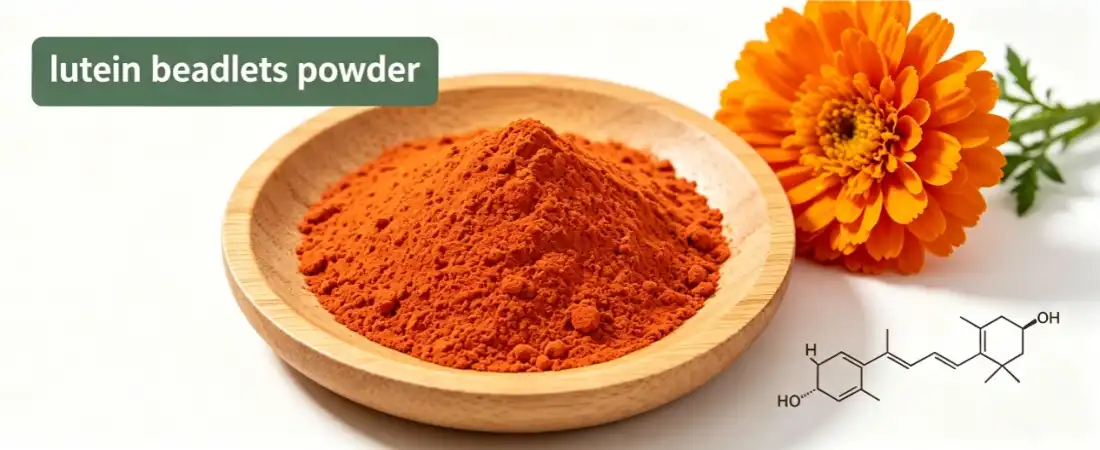
The Beadlet Advantage: Protection and Practicality in Every Sphere
To understand the popularity of Lutein beadlets 10%, start with the beadlet itself — because this tiny sphere solves two of the supplement industry's oldest headaches simultaneously: ingredient fragility and production difficulty.
Solving Lutein's Fragility Problem at the Source
Lutein is a nutritional superstar with a delicate constitution. As a carotenoid extracted from the petals of Tagetes erecta (the marigold flower), it is highly vulnerable to oxygen, heat, and light — the three forces that quietly erode potency from the moment an ingredient leaves the factory. Unprotected lutein powders can lose meaningful strength during manufacturing, storage, and shelf life, forcing brands into expensive overages and anxious stability studies. Beadlet technology attacks this problem structurally. Through microencapsulation, purified lutein is embedded within a protective matrix of food-grade wall materials, forming uniform spheres in which every particle carries its own shield. The result is Lutein beadlets 10% that survive tablet compression, gummy cooking, warehouse summers, and long ocean freight routes with potency intact — a resilience that directly protects label claims and brand reputations.
Free-Flowing, Dust-Free: A Production Line's Best Friend
Ask any production manager why they prefer beadlets, and you will hear a story about machines, not molecules. Lutein beadlets 10% are engineered for the realities of high-speed manufacturing: the uniform spherical particles flow smoothly through hoppers and feeders, generate virtually no dust, resist caking in humid conditions, and blend evenly with vitamins, minerals, and excipients. This physical discipline has profound consequences on the factory floor. Encapsulation machines run cleaner and longer between maintenance stops. Tablet blends remain homogeneous from the first compression to the last, so every unit carries the same verified dose. Waste drops, batch release accelerates, and quality teams stop firefighting. In an industry where production efficiency quietly determines margins, these operational advantages explain why beadlets — not raw powders — became the default specification in so many master formulas.
Dose Uniformity: The Quality Consumers Never See but Always Feel
The most important benefit of beadlet technology is invisible to consumers and indispensable to brands: uniformity. Because every beadlet in Lutein beadlets 10% shares approximately the same size, density, and lutein content, the active ingredient distributes homogeneously through any blend. The first capsule off the line and the hundred-thousandth carry the same dose; the gummy at the top of the bottle matches the one at the bottom. This consistency is what allows brands to make confident label claims, pass third-party testing, and earn the repeat purchases that define successful products. NT Biotech engineers this uniformity at the process level, combining proprietary extraction that maximizes active-compound yield with encapsulation technology built for consistent particle formation — and then proving the result with HPLC/UV verification on every batch. When uniformity is manufactured rather than hoped for, quality stops being a variable and becomes a feature.
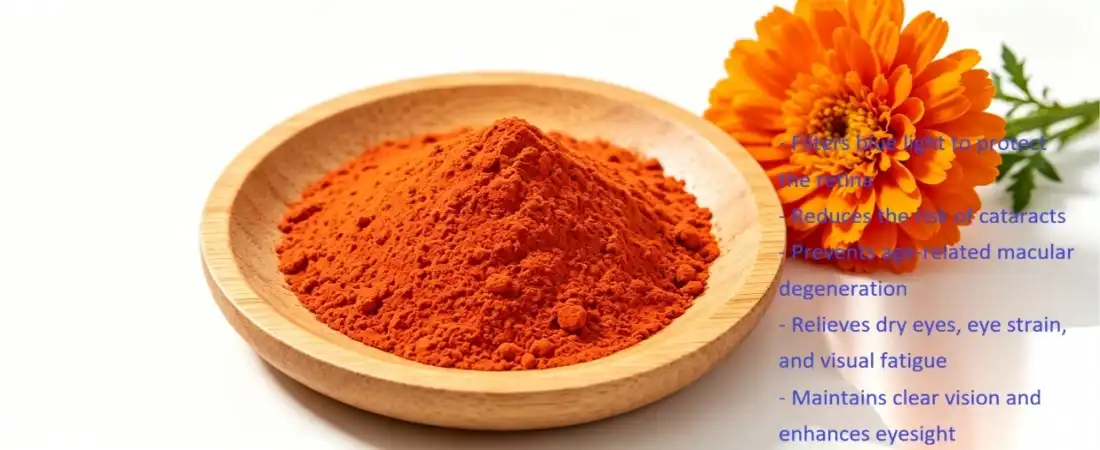
Why 10% Hits the Sweet Spot: The Commercial Logic Behind the Specification
Beadlets come in many strengths, so why has 10% emerged as the industry's favorite? The answer lies in an elegant alignment of dosage science, formulation economics and product-line strategy.
Dosage Mathematics That Just Works
The 10% standardization creates beautifully clean formulation arithmetic. Delivering a 10 mg lutein dose — a level widely used in daily eye-health products — requires exactly 100 mg of Lutein beadlets 10%; a 20 mg dose requires 200 mg. These quantities fit comfortably inside standard capsule and tablet sizes, leaving room for complementary ingredients like zeaxanthin, bilberry extract, or vitamin A in multi-nutrient vision formulas. Lower-potency formats would force larger fill weights and crowded capsules; ultra-high-potency grades would demand sub-100 mg precision that complicates blending and increases segregation risk. At 10%, the dosage math aligns with both clinical reference points and the physical constraints of real dosage forms — a sweet spot that simplifies development for formulators and keeps production forgiving at commercial scale.
One Specification, an Entire Product Portfolio
The strategic brilliance of Lutein beadlets 10% is its range. A single standardized specification can anchor an entire product family: entry-level daily eye-health capsules at 10 mg, premium vision complexes at 20 mg, multivitamin inclusion at lower inclusion rates, gummies, chewables, and even functional food applications. This versatility carries enormous commercial value. Brands qualify one ingredient from one supplier, with one documentation package and one inventory stream, then deploy it across multiple SKUs, price points, and market segments. Procurement simplifies, quality systems streamline, and line extensions launch faster because the core ingredient is already validated. For growing brands, this portfolio leverage is a decisive advantage — and it explains why purchasing teams so often standardize on the 10% grade when building long-term supply agreements.
The Economics: Performance Without Premium-Grade Costs
Popularity ultimately obeys economics, and Lutein beadlets 10% occupies the value zone where performance and cost efficiency intersect. The specification delivers full beadlet benefits — encapsulation protection, flowability, dose uniformity, verified potency — without the premium pricing of 20% grades or the formulation bulk of 5% alternatives. Because the encapsulation matrix protects potency through shelf life, brands typically require smaller overages than with unprotected powders, reducing the effective cost per delivered dose. Add the operational savings from dust-free, free-flowing handling, and the total cost of ownership becomes compelling. When a Lutein beadlets 10% supplier like NT Biotech combines this value equation with inventory-backed availability and 1–3 working day stock shipment, the specification becomes not just the popular choice but the rational one.
Table 1: Why the 10% Grade Wins — Lutein Format Comparison for Supplement Brands
| Comparison Point | Lutein Beadlets 10% | Lower-Grade Beadlets (5%) | High-Potency Grades (20%+) | Conventional Powder |
|---|---|---|---|---|
| Dose mathematics (10 mg lutein) | Clean 100 mg fill | 200 mg fill the crowd's capsule | Sub-100 mg, precision-sensitive | Variable, unstable |
| Protection from oxidation | Full encapsulation shield | Full shield | Full shield | Minimal |
| Flowability & dust | Free-flowing, dust-free | Good | Good | Dusty, prone to caking |
| Multi-SKU versatility | Excellent across formats | Limited to economy lines | Premium lines only | Limited |
| Cost per delivered dose | Optimized sweet spot | Higher fill costs | Premium pricing | Hidden stability costs |
| Typical applications | Capsules, tablets, gummies, multivitamins | Economy supplements | High-strength formulas | Basic blends |
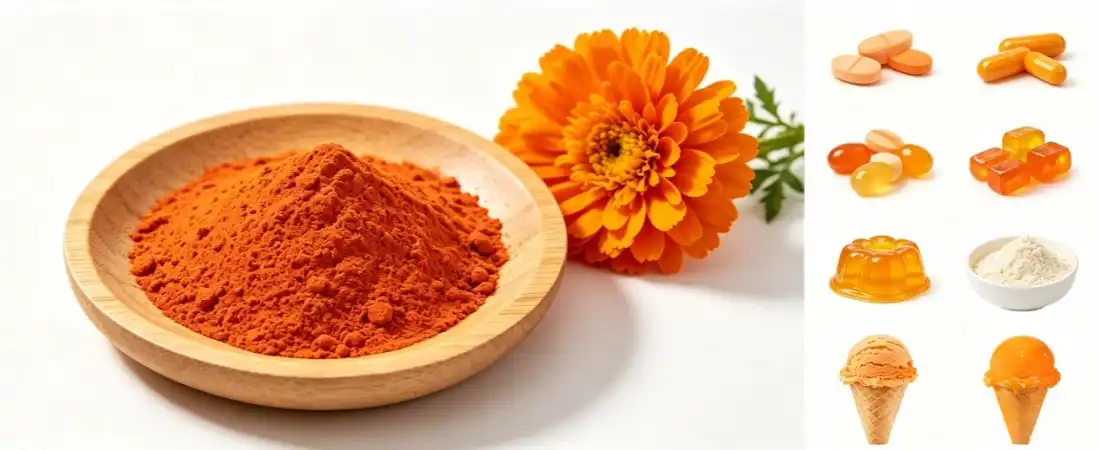
The Supplier Factor: Why Popularity Demands Provenance
A popular specification attracts every kind of vendor — excellent manufacturers and opportunistic traders alike. The final reason Lutein beadlets 10% dominates the industry is also a warning: the format performs only as well as the company behind it. This is where provenance separates genuine value from expensive disappointment.
Technology That Starts in the Marigold Field
Premium beadlets begin long before encapsulation — in the soil. NT Biotech operates autonomous marigold planting bases integrated with state-of-the-art research and development, intelligent production, and adaptive supply chains, creating a complete value chain from plant source to product application. Cultivation timing and harvest conditions are optimized for carotenoid content; proprietary extraction then maximizes the yield of active compounds, achieving purity above 98% on key products; and engineered encapsulation locks that quality into every beadlet. This vertical integration means NT Biotech's Lutein beadlets 10% carries an unbroken chain of custody from field to finished drum — traceability that transforms audits, regulatory filings, and retailer questionnaires from stressful exercises into routine documentation. Traders who buy bulk beadlets for relabeling simply cannot offer this depth, no matter how polished their brochures appear.
Documentation and Certification as Standard Practice
The popularity of the 10% specification makes batch documentation even more critical, because high-volume ingredients invite corner-cutting. A credible Lutein beadlets 10% supplier counters that risk with disciplined transparency: a comprehensive Certificate of Analysis with every batch, covering assay, heavy metals, microbiological parameters, and physical characteristics, supported by HPLC/UV chromatographic evidence. Certifications complete the foundation — ISO9001 for quality management discipline, plus KOSHER and HALAL credentials that open global markets. NT Biotech maintains all three and attaches full documentation to every lot as standard practice, not a special request. The most efficient way to verify this standard is simply to test it: email your target specification and destination market to info@newthingsbiotech.com, and NT Biotech guarantees an initial reply within two hours, complete with specification sheets, sample support, and the technical files your quality team needs.
Service Speed That Matches the Market's Pace
Popular ingredients move fast, and brands need suppliers who move faster. NT Biotech's service structure is built for this tempo: initial replies to all inquiries within two hours, guaranteed; inventory of popular standardized extracts held for shipment within 1–3 working days after order confirmation; and production orders completed within 3–10 working days, a cycle that already includes raw material procurement, proprietary extraction, laboratory testing, and packaging. Logistics flex to each order — direct-from-factory delivery via the company's own FedEx/UPS accounts for urgent shipments, and trusted freight forwarders for secure bulk cargo by air or sea. Customized OEM/ODM solutions adapt specifications and documentation to different countries, and payment is accepted in the buyer's local currency. When a Lutein beadlets 10% supplier operates at this standard, the industry's most popular ingredient becomes its most dependable one, too.
Table 2: What Premium Supply Looks Like — NT Biotech Service Benchmarks
| Service Dimension | Industry Expectation for a Leading Supplier | NT Biotech Standard |
|---|---|---|
| Inquiry response | Same-day, technically complete | Within 2 hours, guaranteed |
| Stock availability | Inventory for popular grades | Ships in 1–3 working days |
| Production lead time | Transparent, reliable cycle | 3–10 working days, CoA included |
| Quality documentation | Batch-specific CoA with chromatograms | HPLC/UV verified, every batch |
| Certifications | Internationally recognized credentials | ISO9001, KOSHER, HALAL |
| Traceability | Field-to-product chain of custody | Autonomous marigold planting bases |
| Logistics flexibility | Express and bulk options | Own FedEx/UPS accounts + freight forwarders |
| Buyer-friendly terms | Flexible international payment | Local-currency payment accepted |
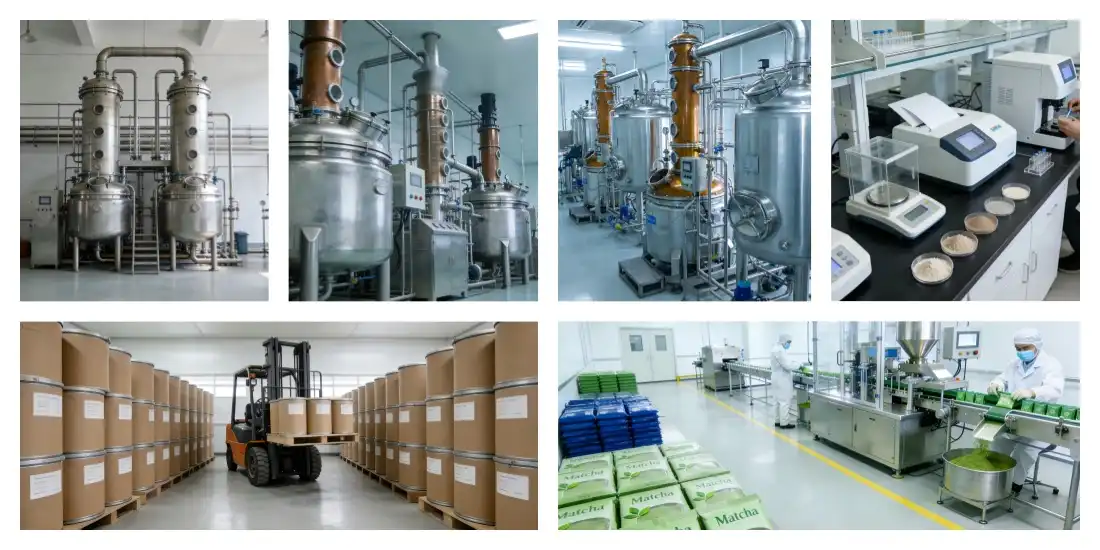
Conclusion
The popularity of Lutein beadlets 10% in dietary supplements rests on a rare triple alignment: beadlet technology that shields fragile lutein from oxygen, heat and light; a 10% standardization that delivers clean dosage mathematics, portfolio-wide versatility, and optimized cost per dose; and production-friendly handling that keeps manufacturing lines efficient. Yet the specification only fulfills its promise when backed by genuine manufacturing depth. NT Biotech provides exactly that — autonomous marigold cultivation, proprietary extraction and encapsulation, purity above 98% on key products, batch-level HPLC/UV verification, triple international certification, and two-hour responsiveness. For brands seeking the industry's most proven lutein format, provenance turns popularity into performance.
FAQ
Q1: Why are lutein beadlets preferred over regular lutein powder?
A: Beadlets protect lutein from oxygen, heat, and light through microencapsulation, while offering free-flowing, dust-free handling and uniform dosing that conventional powders cannot match.
Q2: Why is the 10% grade so widely used?
A: It offers clean dosage mathematics (100 mg delivers 10 mg lutein), fits standard capsule and tablet sizes, and serves entire product portfolios at an optimized cost per dose.
Q3: What product formats use Lutein beadlets 10%?
A: Capsules, tablets, gummies, chewables, multivitamins, and functional food applications all benefit from the format's stability and flowability.
Q4: What quality documentation should accompany each batch?
A: A Certificate of Analysis with HPLC/UV verification covering assay, heavy metals, microbiology, and physical characteristics — plus ISO9001, KOSHER, and HALAL certification support.
Q5: How quickly can NT Biotech supply Lutein beadlets 10%?
A: Inquiries are answered within two hours; in-stock material ships within 1–3 working days, and production orders are completed within 3–10 working days.
Join the Brands Choosing Proven Quality — Contact NT Biotech Today
Now you know why Lutein beadlets 10% powers the world's most successful eye-health supplements — and why the supplier behind the specification makes all the difference. NT Biotech invites you to experience that difference firsthand: request batch Certificates of Analysis, test our two-hour response guarantee, or send your toughest formulation question to our plant-extraction specialists. With verified 10% standardization, proprietary encapsulation technology, ISO9001, KOSHER, and HALAL certifications, flexible OEM/ODM solutions, and payment in your local currency, we are ready to support your next product from first sample to global scale. Email your specification or sample request to info@newthingsbiotech.com today — and let the industry's most trusted lutein format power your brand's next chapter.
References
1. Age-Related Eye Disease Study 2 (AREDS2) Research Group. "Lutein + Zeaxanthin and Omega-3 Fatty Acids for Age-Related Macular Degeneration: The AREDS2 Randomized Clinical Trial." JAMA, 2013.
2. Abdel-Aal, E.-S.M.; Akhtar, H.; Zaheer, K.; Ali, R. "Dietary Sources of Lutein and Zeaxanthin Carotenoids and Their Role in Eye Health." Nutrients, 2013.
3. Boon, C.S.; McClements, D.J.; Weiss, J.; Decker, E.A. "Factors Influencing the Chemical Stability of Carotenoids in Foods." Critical Reviews in Food Science and Nutrition, 2010.
4. Buscemi, S.; Corleo, D.; Di Pace, F.; Petroni, M.L.; Satriano, A.; Marchesini, G. "The Effect of Lutein on Eye and Extra-Eye Health." Nutrients, 2018.
5. Ranard, K.M.; Jeon, S.; Mohn, E.S.; Griffiths, J.C.; Johnson, E.J.; Erdman, J.W. "Dietary Guidance for Lutein: Consideration for Intake Recommendations Is Scientifically Supported." European Journal of Nutrition, 2017.
6. Stahl, W.; Sies, H. "Bioactivity and Protective Effects of Natural Carotenoids." Biochimica et Biophysica Acta, 2005.
The rules of diet are being changed by functional foods. People today want the ingredients in their daily yoghurt, juice, nutrition bar or breakfast drink to do more than just make them feel full. They want these ingredients to actively support their health, and eye health is near the top of that list. But here's the problem that formulators have had for years: lutein, which is the most important carotene for eye health, dissolves naturally in fat. If you put regular lutein powder into a drink or dairy product, it will rise, clump, and separate. The beautiful answer? Lutein CWS 10% powder is a microencapsulated form of lutein that comes from marigolds and is soluble in cold water. It was made to dissolve easily in water. This guide tells you everything you need to know about this new nutrient, including what CWS technology does, why it opens up new uses for useful foods that weren't possible before, and how to safely get it. We will use NT Biotech (Shaanxi New Things Biotech) as a standard for quality. Their Lutein CWS 10% powder is guaranteed to have 10% lutein, as shown by HPLC/UV testing on every batch. It is made using a proprietary extraction method that achieves purity levels above 98% on key products, and comes with ISO9001, KOSHER, and HALAL certifications as well as a Certificate of Analysis with every shipment.
Understanding CWS Technology: Why "Cold Water Soluble" Changes Everything
Before looking into uses, it's important to know what those three letters (CWS) really mean, since they're not just a marketing term but a real engineering breakthrough.
The Fat-Solubility Problem That Held Lutein Back
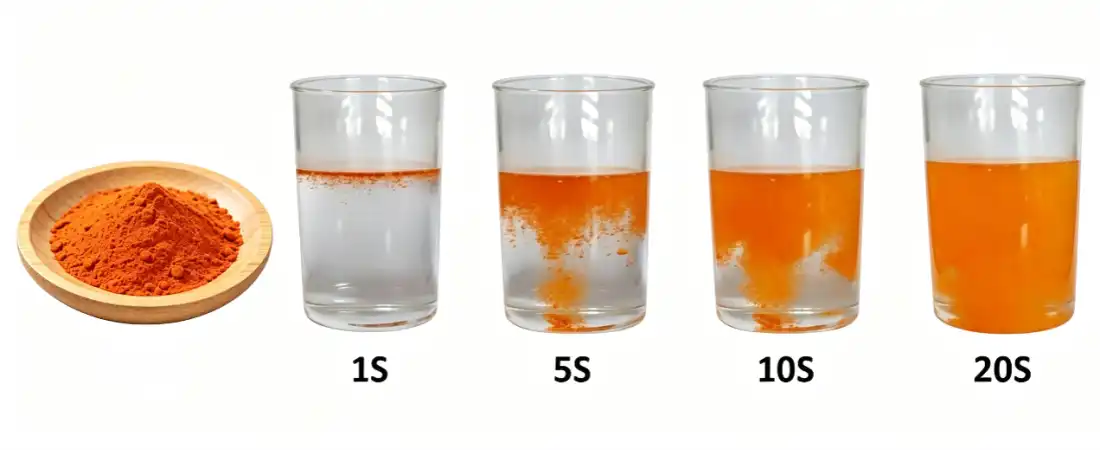
Lutein is a type of carotene, and like most carotenoids, it dissolves in fats and oils instead of water. That's fine in a softgel tablet that's full of oil. But when formulators try to add lutein to a juice, dairy drink, powdered drink, or candy, regular lutein powder doesn't work well because it doesn't mix well, forms obvious clumps, wrings the neck of bottles, and gives different doses from sip to sip. Because of this one physical feature, lutein was mostly only available in oil-based supplements for years, even though people wanted eye-health benefits in regular foods and drinks in huge amounts. The functional food business needed lutein that could act like an element that didn't react with water. This need led to the creation of cold water-soluble technology.
How Microencapsulation Makes Lutein Water-Friendly
An advanced microencapsulation process in lutein CWS 10% powder solves the solubility puzzle. Purified lutein, which comes from the petals of the marigold flower (Tagetes erecta), is spread out on a microscopic level and embedded in a protective matrix of food-grade, water-dispersible wall materials. The end result is a powder that doesn't stick together, and each particle has a standard 10% lutein load wrapped in a water-loving shell. When this powder comes in contact with cold water, juice, or milk, the shell softens, and the particles spread out evenly in the liquid, making a stable mixture that doesn't clump or float. At this very important stage, NT Biotech uses its own special processing to engineer both the extraction of the active compound and the encapsulation matrix itself. This creates a technological barrier that directly affects the finished product's dispersion quality, colour uniformity, and shelf life.
The Bonus Benefit: Stability Built Into Every Particle
Lutein CWS 10% powder is water-friendly because it is encapsulated, which also protects it. Lutein is naturally sensitive to air, heat, and light, which are all things that weaken carotenoids. The CWS form of lutein is much more resistant to oxidation than exposed powders because it is sealed inside a protective matrix. It can withstand the heat of pasteurisation, the rough handling of making drinks, and months of keeping at room temperature. For functional food brands, this steadiness means smaller overages, longer shelf lives, and claims on the label that are true from the day the food is made until it goes bad. When a provider of Lutein CWS 10% powder, like NT Biotech, tests each batch for HPLC/UV to make sure it is effective, formulators can be sure that the lutein that was tested in the lab is the same lutein that their customers will eat.
Where Lutein CWS 10% Powder Shines: Functional Food Applications
Cold water solubility is not an abstract technical feature — it is a key that unlocks entire product categories. Here is where Lutein CWS 10% powder is making the biggest commercial impact today.
Beverages: The Category Lutein Could Never Enter Before
Ready-to-drink juices, enhanced waters, dairy beverages, plant-based milks, and powdered drink mixes represent the most exciting frontier for Lutein CWS 10% powder. Because the ingredient disperses evenly in cold liquids, it can fortify beverages without sediment, cloudiness problems or uneven dosing — while simultaneously contributing a natural golden-yellow hue that signals quality to consumers. Imagine a morning orange juice that supports eye health, or a protein shake with a vision-support story on its label. These concepts were technically impractical with conventional lutein; with CWS technology, they are production-line realities. Beverage formulators should note that uniform dispersion also simplifies quality control, since every bottle in a batch carries the same verified dose without the stratification issues that plague poorly dispersible ingredients.
Dairy, Bakery, and Confectionery: Everyday Foods, Elevated
Beyond beverages, Lutein CWS 10% powder integrates smoothly into yogurts, dairy desserts, baked goods, gummies, and confectionery — product types where moisture-rich matrices once excluded fat-soluble actives. In yogurt and dairy applications, the powder blends into the aqueous phase without affecting texture or mouthfeel. In gummies, it withstands the heat and moisture of the cooking process while distributing uniformly through the gel matrix, ensuring each piece delivers consistent potency. In bakery applications, the encapsulation matrix protects lutein through oven temperatures that would degrade unprotected carotenoids. For brands pursuing the "functional everyday food" trend, this versatility means one standardized ingredient can support an entire product family — from breakfast to snack to dessert — all carrying the same credible eye-health message.
The Clean-Label Advantage: Color and Nutrition in One Ingredient
Modern functional food development faces a constant tension: consumers demand both natural ingredients and appealing appearance. Lutein CWS 10% powder resolves that tension elegantly. As a marigold-derived carotenoid, it functions simultaneously as a nutritional active and a natural food coloring, lending products a warm golden tone that synthetic dyes once provided. Labels can declare a plant-based ingredient with a recognizable botanical origin — a powerful advantage in clean-label positioning. This dual functionality also streamlines formulations: instead of sourcing a separate colorant and a separate eye-health active, developers achieve both with a single, fully documented ingredient. For procurement teams, that means fewer suppliers to qualify, fewer labels to manage, and a simpler regulatory file — practical benefits that quietly accelerate product launches.
Table 1: Functional Food Applications for Lutein CWS 10% Powder
| Application Category | Typical Product Examples | Why CWS Technology Matters |
|---|---|---|
| Beverages | Juices, enhanced waters, drink mixes, plant milks | Uniform cold-liquid dispersion, no sediment |
| Dairy products | Yogurts, dairy drinks, desserts | Blends into aqueous phase, texture unchanged |
| Gummies & confectionery | Eye-health gummies, chews | Survives the heat and moisture of processing |
| Bakery & cereals | Fortified bars, baked goods | Encapsulation protects potency through baking |
| Nutritional powders | Meal replacements, protein blends | Free-flowing, dust-free, even distribution |
| Natural coloring | Golden-hued foods and drinks | Plant-based color plus nutrition in one |
Sourcing With Confidence: What Defines a Premium Lutein CWS 10% Powder Supplier
The technology behind CWS lutein is demanding, which means supplier quality varies enormously across the market. Knowing what separates excellence from mediocrity protects both your formulations and your brand reputation.
Standardization and Verification: The 10% Must Be Real
In a standardized ingredient, the number on the label is a promise. A premium Lutein CWS 10% powder delivers a verified 10% lutein content, confirmed by HPLC or UV analysis on every production batch — not estimated, not averaged, but measured. Equally important are the supporting parameters that determine real-world performance: particle size distribution for dispersion quality, moisture content for shelf stability, and strict limits on heavy metals and microbiological contaminants. NT Biotech anchors its quality system in exactly this rigor, issuing a comprehensive Certificate of Analysis with every batch and achieving purity above 98% on its key standardized extracts through proprietary extraction methods. For buyers, this documentation discipline transforms ingredient approval from a leap of faith into a routine verification.
Table 2: Key Quality Indicators When Evaluating Lutein CWS 10% Powder
| Quality Parameter | What Premium Looks Like | NT Biotech Standard |
|---|---|---|
| Lutein assay | Verified 10% (HPLC/UV), batch-specific | Every batch tested, CoA included |
| Dispersion performance | Rapid, uniform cold-water dispersion | Engineered encapsulation matrix |
| Stability | Potency retained through processing & shelf life | Proprietary protective processing |
| Purity benchmark | High active-content integrity | >98% purity on key products |
| Safety parameters | Heavy metals & micro within strict limits | Full-panel batch testing |
| Certifications | Recognized international credentials | ISO9001, KOSHER, HALAL |
| Traceability | Field-to-finished-product chain | Autonomous marigold planting bases |
Certifications and Traceability: Your Passport to Global Markets
Functional foods cross borders, and every border brings its own regulatory expectations. A credible Lutein CWS 10% powder supplier supports your market access with recognized certifications: ISO9001 for quality management discipline, plus KOSHER and HALAL credentials that open mainstream and specialty consumer segments worldwide. Traceability matters just as much. NT Biotech operates autonomous marigold planting bases integrated with its research, intelligent production, and adaptive supply chain — a complete value chain from plant source to product application. Every drum of finished powder can be traced back to the fields where its journey began, giving your quality team an unbroken chain of custody for audits, regulatory filings, and retailer questionnaires. In an era of heightened supply-chain scrutiny, that transparency is not a luxury; it is a prerequisite.
Service Speed and Partnership: The Supplier Behind the Spec Sheet
Even the finest ingredient underperforms when the company behind it cannot deliver. Before committing to any Lutein CWS 10% powder supplier, test its service systems — and the simplest test is to send a real inquiry. Email your target application, quantity, and destination market to info@newthingsbiotech.com, and NT Biotech guarantees an initial reply within two hours, complete with technical documentation and sample support. That responsiveness continues through fulfillment: popular standardized extracts ship from inventory within 1–3 working days, production orders complete within 3–10 working days (including extraction, testing, and packaging), and logistics flex between direct-from-factory FedEx/UPS shipments and secure bulk freight by air or sea. Add customized OEM/ODM solutions for different countries and buyer-friendly payment in local currency, and you have a supplier engineered around your success — a long-term technical partner, not a one-off vendor.
Conclusion
Lutein CWS 10% powder solves the issue of fat solubility that kept lutein out of useful foods for a long time. It spreads evenly in cold water and watery systems thanks to improved microencapsulation. This makes it possible to use it in drinks, dairy products, sweets, baked goods, and nutritional powders. It can also be used as a natural golden colourant for clean-label positioning. But sourcing is what makes the difference: 10% standardisation that has been checked, batch-level HPLC/UV documentation, recognised certifications, full traceability, and quick service. NT Biotech does everything they say they will, with two-hour response times, ISO9001, KOSHER, and HALAL certifications, and their own extraction and encapsulation technology. Key products are also purified above 98%. For people who want to make useful foods, finding the right CWS lutein partner can turn problems with formulation into market possibilities.
FAQ
Q1: What does CWS mean in Lutein CWS 10% powder?
A: CWS stands for "cold water soluble" — a microencapsulated form of lutein that disperses uniformly in cold water and aqueous food systems, unlike conventional fat-soluble lutein.
Q2: Why is CWS lutein important for functional foods?
A: It enables lutein fortification in beverages, dairy products, gummies, and other water-based applications that ordinary lutein powder cannot enter without clumping or separation.
Q3: What is the lutein content of this ingredient?
A: It is standardized to 10% lutein content, verified by HPLC/UV testing on every batch, with a Certificate of Analysis provided.
Q4: What certifications does NT Biotech hold?
A: ISO9001, KOSHER, and HALAL certifications, supporting compliance and market access across major global regions.
Q5: How quickly can orders be shipped?
A: In-stock extracts ship within 1–3 working days; production orders are completed within 3–10 working days, with inquiries answered within two hours.
Bring Water-Soluble Innovation to Your Next Product — Contact NT Biotech Today
The functional food market rewards brands that combine credible nutrition with technical excellence — and Lutein CWS 10% powder delivers both, provided it comes from a supplier who has mastered the technology behind it. NT Biotech unites proprietary microencapsulation, autonomous marigold cultivation, verified 10% standardization, and complete international certification into an ingredient partnership built for global innovators. Whether you are developing a fortified beverage, a functional gummy, a clean-label dairy product or a natural coloring solution, our technical team responds to every inquiry within two hours. Send your specification or sample request to info@newthingsbiotech.com today — and let NT Biotech turn cold water-soluble lutein into your brand's next breakthrough.
References
1. Age-Related Eye Disease Study 2 (AREDS2) Research Group. "Lutein + Zeaxanthin and Omega-3 Fatty Acids for Age-Related Macular Degeneration: The AREDS2 Randomized Clinical Trial." JAMA, 2013.
2. Abdel-Aal, E.-S.M.; Akhtar, H.; Zaheer, K.; Ali, R. "Dietary Sources of Lutein and Zeaxanthin Carotenoids and Their Role in Eye Health." Nutrients, 2013.
3. Boon, C.S.; McClements, D.J.; Weiss, J.; Decker, E.A. "Factors Influencing the Chemical Stability of Carotenoids in Foods." Critical Reviews in Food Science and Nutrition, 2010.
4. Granado-Lorencio, F.; Olmedilla-Alonso, B.; Herrero-Barbudo, C.; Blanco-Navarro, I.; Pérez-Sacristán, B.; Blázquez-García, S. "In Vitro Bioaccessibility of Lutein and Zeaxanthin from the Commercially Available Food Supplements." Journal of Agricultural and Food Chemistry, 2009.
5. Ranard, K.M.; Jeon, S.; Mohn, E.S.; Griffiths, J.C.; Johnson, E.J.; Erdman, J.W. "Dietary Guidance for Lutein: Consideration for Intake Recommendations Is Scientifically Supported." European Journal of Nutrition, 2017.
6. Stahl, W.; Sies, H. "Bioactivity and Protective Effects of Natural Carotenoids." Biochimica et Biophysica Acta, 2005.
Here is a paradox that frustrates nutrition scientists and delights engineers: lutein is one of the most important nutrients for human vision, yet in its natural state, it is remarkably bad at surviving the journey from factory to eye. Heat degrades it, oxygen oxidizes it, light breaks it down, and its fat-soluble nature limits where it can even be used. The breakthrough that changed everything is microencapsulated lutein powder — a format in which marigold-derived lutein is sealed inside microscopic protective spheres, transforming a fragile carotenoid into a stable, versatile ingredient that actually delivers on its eye-health promise. But how exactly does this technology work, and why does it matter so much for the quality of vision supplements? This article traces the complete story: the science of lutein's role in the eye, the engineering that protects it, and the manufacturing discipline that determines whether protection survives to the final dose. As our benchmark, we will reference NT Biotech (Shaanxi New Things Biotech), whose microencapsulated lutein powder is standardized across grades from 5% to 20%, verified by HPLC/UV on every batch, produced through proprietary extraction, achieving purity above 98% on key products, and backed by ISO9001, KOSHER, and HALAL certifications with a Certificate of Analysis accompanying every shipment.
First, the Science: Why Your Eyes Depend on Lutein
Before appreciating what microencapsulation protects, it helps to understand what is at stake. Lutein is not just another antioxidant — it is a structural component of healthy vision, concentrated precisely where your eyes need it most.
The Macula's Golden Guardian
Deep inside your retina sits the macula, a small region responsible for the sharp central vision you use to read, drive, and recognize faces. Remarkably, this tissue concentrates lutein to levels far higher than anywhere else in the body, forming what scientists call the macular pigment. This pigment performs a task no other nutrient can replicate: it absorbs high-energy blue light — the wavelengths emitted most intensely by digital screens and modern lighting — before that light can stress the delicate photoreceptor cells beneath. Think of it as a pair of sunglasses built into the architecture of the eye itself. Because the human body cannot synthesize lutein, this protective pigment depends entirely on dietary intake, which is why microencapsulated lutein powder has become such a critical ingredient: it delivers the raw material your macula needs, in a form designed to arrive intact.
Antioxidant Defense Where It Matters Most
Light filtering is only half of lutein's contribution. The retina is among the most metabolically active tissues in the human body, and its constant exposure to light and oxygen generates free radicals — unstable molecules that gradually challenge cellular integrity. Lutein's molecular structure, a long chain of conjugated double bonds, makes it exceptionally effective at neutralizing these reactive compounds and quenching singlet oxygen. In essence, the same pigment that shields marigold petals from harsh sunlight in the field goes on to defend retinal cells in the human eye. Landmark clinical research, including the AREDS2 trial, has established lutein as a cornerstone nutrient in macular health strategies, transforming it from a botanical curiosity into one of the most scientifically validated ingredients in the entire supplement industry.
The Delivery Dilemma: A Nutrient That Degrades Before It Delivers
Here is where the story takes its engineering turn. The very properties that make lutein effective — its light-reactive, oxygen-quenching molecular structure — also make it unstable outside the body. Exposed to heat during tablet compression, oxygen during storage, or light on a retail shelf, unprotected lutein steadily degrades. A capsule labeled "10 mg lutein" may deliver considerably less by the time it reaches the consumer, and fat-soluble raw lutein resists use in the water-based formats modern consumers prefer. The gap between lutein's promise and its practical delivery is precisely the problem that microencapsulated lutein powder was invented to solve — and the quality of that solution determines whether eye-health products fulfill their purpose or merely claim it.
The Engineering Solution: How Microencapsulation Protects and Delivers
Microencapsulation is where food science becomes molecular architecture. By wrapping each lutein particle in a purpose-built protective shell, the technology converts lutein's weaknesses into strengths — and understanding this process reveals why not all encapsulated products perform equally.
Building a Microscopic Shield Around Every Particle
In the microencapsulation process, purified lutein — extracted from the petals of Tagetes erecta, the marigold flower — is dispersed at a microscopic scale and embedded within a protective matrix of food-grade wall materials, typically built from gelatin, starch, or plant-based alternatives. The mixture is then formed into uniform beadlets or fine particles and dried into a free-flowing powder. Each particle functions as an independent vault: the wall material blocks oxygen and light, the spherical or uniform geometry minimizes exposed surface area, and the lutein inside remains sealed until the moment of release. NT Biotech approaches this as an integrated discipline, pairing proprietary extraction methods that maximize the yield of active compounds with encapsulation engineering designed for superior stability. When both capabilities live under one roof, the resulting microencapsulated lutein powder carries protection that is designed in, not added on.
Stability That Survives the Real World
The true test of encapsulation is not the laboratory — it is the supply chain. Quality microencapsulated lutein powder endures the heat of tablet compression, the moisture and cooking cycles of gummy manufacturing, months of ambient warehouse storage, and long international freight journeys, emerging with its verified potency intact. For brands, this resilience translates into smaller overages, longer confident shelf lives, and stability studies that pass with a margin to spare. For consumers, it means something simpler and more important: the dose on the label is the dose in the capsule, on the last day of shelf life, as surely as the first. When NT Biotech verifies every batch by HPLC/UV and ships it with a Certificate of Analysis, that documentation represents potency engineered to survive — a claim cheaper, loosely encapsulated alternatives routinely fail to sustain.
Format Freedom: One Ingredient, Every Dosage Form
Microencapsulation does more than protect — it liberates. Free-flowing, dust-free microencapsulated lutein powder behaves beautifully on high-speed production lines, blending homogeneously with vitamins, minerals, and excipients so that every tablet, capsule, or gummy carries a uniform dose. Depending on the wall system, encapsulated lutein can serve hard capsules, compressed tablets, chewables, gummies, powdered drink mixes, and fortified foods — formats that unprotected, fat-soluble lutein either tolerates poorly or cannot enter at all. This versatility lets brands build entire eye-health product families around a single qualified ingredient, accelerating line extensions and simplifying supply chains. The format freedom that consumers experience as convenient gummies and on-the-go stick packs begins, invisibly, inside the encapsulation matrix.
Table 1: Microencapsulated Lutein Powder vs. Unprotected Lutein — What the Technology Delivers
| Performance Dimension | Microencapsulated Lutein Powder | Conventional Unprotected Lutein |
|---|---|---|
| Resistance to oxidation | Excellent — sealed protective matrix | Poor — direct exposure degrades potency |
| Stability through processing | Survives compression, gummy cooking, and blending | Significant losses during manufacturing |
| Shelf-life performance | Potency retained to expiry | Requires large overages to compensate |
| Flowability & handling | Free-flowing, dust-free, uniform | Dusty, prone to caking and segregation |
| Dose uniformity | Homogeneous distribution in blends | Variable dosing between units |
| Format versatility | Capsules, tablets, gummies, drink mixes | Limited to oil-based or simple formats |
| Typical standardized grades | 5%, 10%, 20% (HPLC/UV verified) | Often unstandardized or inconsistent |
The Partner Behind the Powder: Why Manufacturing Depth Determines Eye-Health Outcomes
Technology alone does not guarantee quality — execution does. The difference between microencapsulated lutein powder that protects vision health and powder that merely claims to lie in the manufacturer's control over every stage, from the marigold field to the finished drum.
From Autonomous Fields to Intelligent Production
NT Biotech operates a complete value chain that begins in its own autonomous marigold planting bases, where cultivation timing and harvest conditions are optimized for carotenoid content, and extends through state-of-the-art research and development, intelligent production, and adaptive supply chains. This vertical integration means the lutein inside every encapsulated particle is cultivated, extracted, and protected under one quality system — not purchased on the spot market and repackaged. The company's proprietary processing achieves purity above 98% on its key standardized products, and every batch of microencapsulated lutein powder can be traced back to the field where its journey began. For brands facing retailer audits or regulatory filings, that unbroken chain of custody transforms traceability from a marketing phrase into a documented, defensible fact.
Documentation and Certification: The Proof Behind the Promise
In eye-health nutrition, trust is built on paper as much as on chemistry. A credible microencapsulated lutein powder supplier provides comprehensive documentation as standard practice: a Certificate of Analysis with every batch, covering assay, heavy metals, microbiological parameters, and physical characteristics, supported by HPLC/UV chromatographic evidence. Certifications complete the foundation — ISO9001 for disciplined quality management, plus KOSHER and HALAL credentials that open global markets from North America to the Middle East and Southeast Asia. NT Biotech maintains all three and attaches full documentation to every lot it ships. The most direct way to evaluate this standard is simply to test it: send your target grade, application, and destination market to info@newthingsbiotech.com, and NT Biotech guarantees an initial reply within two hours, complete with specification sheets, sample support, and the technical files your quality team needs to begin meaningful evaluation.
Service That Keeps Eye-Health Innovation Moving
Even the finest ingredient underperforms when the company behind it cannot deliver at the market's pace. NT Biotech's service structure is engineered for momentum: initial replies to all inquiries within two hours, guaranteed; inventory of popular standardized extracts held for shipment within 1–3 working days after order confirmation; and production orders completed within 3–10 working days — a cycle that already includes premium raw material procurement, proprietary extraction, stringent laboratory testing with batch CoA, and final packaging. Logistics flex to each order, with direct-from-factory delivery through the company's own FedEx/UPS accounts for urgent shipments and trusted freight forwarders for secure bulk cargo by air or sea. Customized OEM/ODM solutions adapt specifications and documentation to different countries, and payment is accepted in the buyer's local currency. This is what distinguishes a true microencapsulated lutein powder supplier from a vendor: every system is built around the customer's next launch.
Table 2: Evaluating a Microencapsulated Lutein Powder Supplier — The NT Biotech Benchmark
| Evaluation Criterion | What Buyers Should Require | NT Biotech Standard |
|---|---|---|
| Assay verification | Batch-specific HPLC/UV testing | Every batch verified, CoA included |
| Standardized grades | Multiple options for formulation needs | 5%, 10%, 20% beadlet grades |
| Purity capability | High active-content integrity | >98% on key products |
| Encapsulation quality | Engineered stability and uniformity | Proprietary protective processing |
| Certifications | Globally recognized credentials | ISO9001, KOSHER, HALAL |
| Traceability | Field-to-product chain of custody | Autonomous marigold planting bases |
| Inquiry response | Hours, not days | Within 2 hours, guaranteed |
| Delivery performance | Testable, transparent timelines | Stock: 1–3 days; production: 3–10 days |
| Buyer-friendly terms | Flexible international payment | Local-currency payment accepted |

Conclusion
Microencapsulated lutein powder bridges the gap between lutein's proven eye-health benefits and their reliable delivery. By sealing marigold-derived lutein inside protective microscopic spheres, the technology shields the macula's golden guardian from oxygen, heat, and light — preserving potency through manufacturing, shipping, and shelf life, while unlocking formats from capsules to gummies and drink mixes. Yet the technology only fulfills its promise through manufacturing excellence. NT Biotech delivers that excellence: autonomous marigold cultivation, proprietary extraction and encapsulation, purity above 98% on key products, batch-level HPLC/UV verification, triple international certification, and two-hour responsiveness. Better eye health begins with better protection — and better protection begins with the right partner.
FAQ
Q1: What is microencapsulated lutein powder?
A: It is marigold-derived lutein sealed inside microscopic, food-grade protective spheres — a format that shields the carotenoid from oxygen, heat, and light while enabling versatile supplement applications.
Q2: How does microencapsulation support eye health?
A: By preserving lutein's potency through manufacturing and shelf life, it ensures the dose on the label reaches the consumer — delivering the blue-light filtering and antioxidant support the macula depends on.
Q3: Which product formats can use this ingredient?
A: Capsules, tablets, gummies, chewables, powdered drink mixes, and fortified foods all benefit from its stability, flowability, and dose uniformity.
Q4: What grades does NT Biotech offer?
A: Standardized beadlet grades including 5%, 10%, and 20%, each verified by HPLC/UV with a Certificate of Analysis for every batch.
Q5: How quickly can orders be fulfilled?
A: Inquiries are answered within two hours; in-stock material ships within 1–3 working days, and production orders are completed within 3–10 working days.
Protect Every Dose, Empower Every Product — Contact NT Biotech Today
The science is clear: lutein protects vision, and microencapsulated lutein powder protects lutein. What remains is choosing a partner whose engineering, documentation, and service turn that protection into your product's promise. NT Biotech invites you to verify every claim — request batch Certificates of Analysis, time our two-hour response guarantee, or discuss your next eye-health formulation with our plant-extraction specialists. With standardized grades, proprietary encapsulation technology, ISO9001, KOSHER and HALAL certifications, flexible OEM/ODM solutions, and payment in your local currency, we are ready to support your vision from first sample to global scale. Email your specification or sample request to info@newthingsbiotech.com today — and let NT Biotech help you deliver better eye health, one protected particle at a time.
References
1. Age-Related Eye Disease Study 2 (AREDS2) Research Group. "Lutein + Zeaxanthin and Omega-3 Fatty Acids for Age-Related Macular Degeneration: The AREDS2 Randomized Clinical Trial." JAMA, 2013.
2. Abdel-Aal, E.-S.M.; Akhtar, H.; Zaheer, K.; Ali, R. "Dietary Sources of Lutein and Zeaxanthin Carotenoids and Their Role in Eye Health." Nutrients, 2013.
3. Boon, C.S.; McClements, D.J.; Weiss, J.; Decker, E.A. "Factors Influencing the Chemical Stability of Carotenoids in Foods." Critical Reviews in Food Science and Nutrition, 2010.
4. Buscemi, S.; Corleo, D.; Di Pace, F.; Petroni, M.L.; Satriano, A.; Marchesini, G. "The Effect of Lutein on Eye and Extra-Eye Health." Nutrients, 2018.
5. Ranard, K.M.; Jeon, S.; Mohn, E.S.; Griffiths, J.C.; Johnson, E.J.; Erdman, J.W. "Dietary Guidance for Lutein: Consideration for Intake Recommendations Is Scientifically Supported." European Journal of Nutrition, 2017.
6. Stahl, W.; Sies, H. "Bioactivity and Protective Effects of Natural Carotenoids." Biochimica et Biophysica Acta, 2005.

There is a generation that spends their days staring at screens and their evenings looking for natural ways to protect their eyes. This generation is the one that has been steadily increasing interest in lutein from marigold extract for years. But behind the buzzword is a really great ingredient: a golden carotenoid that is extracted from Tagetes erecta petals using modern technology, and it has been shown to work in clinical studies for decades. You will make better choices if you know the benefits, uses, and buying factors of this plant wonder, whether you are a brand formulator, a purchasing manager, or just a curious customer. This guide shows you how to do all three in order. We will talk about NT Biotech (Shaanxi New Things Biotech) a lot because they have high-quality lutein from marigold extract: standardised grades from 5% to 90% confirmed by HPLC/UV; a proprietary extraction process that achieves purity above 98% on key products; ISO9001, KOSHER, and HALAL certifications; and a Certificate of Analysis sent with every batch.
Part One: The Benefits That Made Marigold Lutein Famous
Every successful ingredient earns its reputation through results, and lutein from marigold extract built its global fame on three science-backed pillars that continue to drive consumer demand today.
A Natural Filter for the Screen-Saturated Age
The human eye wasn't made to be in front of a screen for ten hours a day, but that's what modern life requires. Lutein solves this problem in a very simple way: after being eaten, it enters the bloodstream and focuses in the macula, the small area of the retina that controls clear central vision. There, it forms a protective pigment layer. This macular pigment soaks up strong blue light before it can damage the sensitive photoreceptor cells below. It works a lot like sunglasses inside the eye. To build and keep up this natural filter, the best way is to take lutein supplements made from marigold extract. This is because the body can't make it itself. The important AREDS2 trial, which was one of the biggest nutritional studies ever done on eye health, proved that lutein is an important part of macular nutrition plans and brought it to the public's attention.
Antioxidant Armor for Lifelong Vision
Only half of lutein's defensive resume is made up of blocking light. The retina is one of the body's most chemically active organs. It is constantly exposed to light and air, which creates free radicals that damage cells over time. Lutein is very good at stopping these unstable molecules and cooling singlet oxygen because its molecules are made up of a long chain of conjugated double bonds. Basically, the same chemical that protects marigold leaves from direct sunlight in the field also protects cells in the retina of the eye. Taking lutein from marigold extract on a regular basis helps the eye's defence system by making cells stronger. This gives people a natural way to take charge of their long-term eye health that they can easily fit into their daily lives.
Emerging Benefits Beyond the Eyes
Lutein's most famous benefit is still its role in vision, but scientists are still finding uses for it in other body parts. Lutein builds up in the skin, where its antioxidant and light-absorbing properties help the skin fight off environmental stress. This discovery has made lutein a rising star in beauty-from-within products. The brain also specifically stores lutein, and research has linked higher levels of lutein with better cognitive function across all ages. As science grows, lutein from marigold extract goes from being a one-use ingredient to a flexible platform nutrient that can support eye health, skin health, and healthy ageing product lines all at the same time. This means that brands can make more money from every kilogram they source.
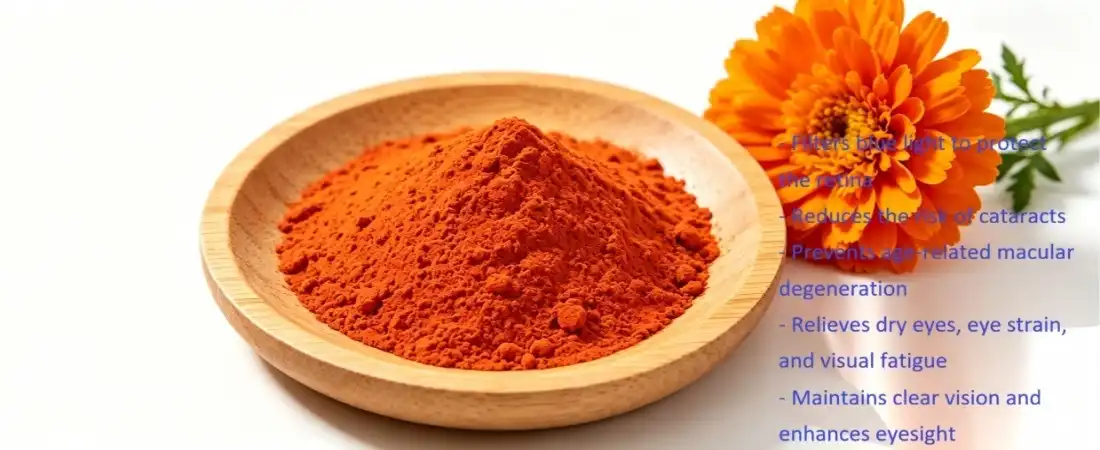
Part Two: From Petal to Product — How Lutein From Marigold Extract Is Used
Benefits create demand, but versatility creates markets. One reason lutein from marigold extract dominates its category is the sheer breadth of applications it serves, from daily supplements to functional foods and beyond.
Dietary Supplements: The Heartland Application
Capsules, tablets, softgels, and gummies remain the primary home of marigold lutein, and for good reason. Standardized powder grades — typically 5%, 10%, and 20% — allow formulators to hit precise label claims across entry-level daily formulas and high-strength vision complexes alike. High-purity 80% and 90% grades serve premium nutraceuticals where minimal excipient load and maximum active content matter most. Complementary ingredients such as zeaxanthin, lutein's macular partner carotenoid, enable synergistic blends that mirror the eye's natural pigment composition. A capable lutein from marigold extract supplier will offer this full ladder of specifications, each verified by HPLC/UV, so that one trusted source can support your entire supplement portfolio without compromise.
Functional Foods and Beverages: Nutrition Consumers Actually Enjoy
The fastest-growing frontier for lutein from marigold extract lies beyond the supplement aisle. Powdered drink mixes, nutrition bars, fortified dairy products, and functional beverages increasingly feature lutein as a differentiating ingredient, riding the consumer shift toward foods that do more than fill stomachs. Success in these formats depends on ingredient stability — lutein is naturally sensitive to heat, light, and oxygen — which is why proprietary processing matters so much. NT Biotech's extraction technology is engineered specifically to protect active compounds through the stresses of food manufacturing and long shelf lives, delivering lutein from marigold extract with superior stability that keeps label claims honest from the production line to the consumer's kitchen.
Cosmetics and Animal Nutrition: The Surprising Frontiers
Lutein's golden color and antioxidant character have earned it roles far from the vitamin shelf. In high-end cosmetics, it appears in formulations targeting environmental skin defense and natural radiance. In animal nutrition, lutein from marigold extract is valued for enriching the color and nutritional profile of poultry products, egg yolks, and aquaculture feeds — applications where consistent potency and easy blending are essential. NT Biotech supplies pure, active natural raw materials across all of these sectors, providing flexible OEM solutions that adapt specifications and documentation to each industry's distinct requirements. This cross-category versatility is precisely why buyers increasingly treat lutein not as a niche purchase but as a strategic, multi-market ingredient investment.
Table 1: Where Lutein From Marigold Extract Works — Applications and Recommended Grades
| Application Category | Recommended Grade | Why It Fits |
|---|---|---|
| Daily eye-health supplements | Lutein powder 5%–10% | Cost-effective, precise daily dosing |
| High-strength vision capsules/tablets | Lutein powder 20% | Concentrated potency per unit |
| Premium nutraceuticals | Lutein 80%–90% | Maximum active content, minimal load |
| Functional foods & beverages | Lutein powder 5%–20% | Stability through processing and shelf life |
| Fortified food blends | Lutein esters 10%–20% | Economical fortification at scale |
| Synergistic macular formulas | Zeaxanthin 5%–40% | Complements lutein's natural profile |
| Cosmetics & animal nutrition | Custom specifications | Flexible OEM/ODM adaptation |
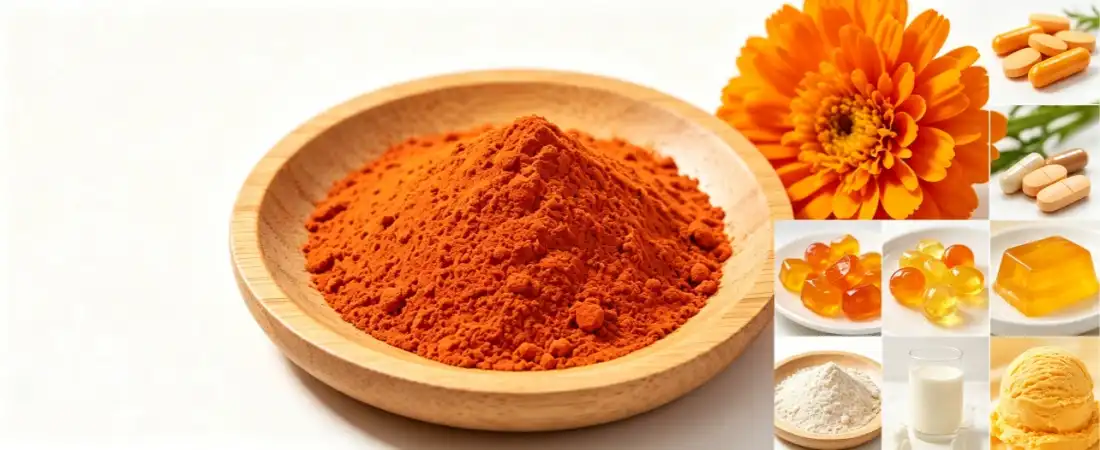
Part Three: The Smart Buyer's Guide to Sourcing With Confidence
Here is where knowledge turns into purchasing power. The market is full of drums labeled "lutein," but only a disciplined buying process separates premium lutein from marigold extract from disappointing substitutes. These are the four checks experienced buyers never skip.
Check One: Demand Standardized, Verified Specifications
Never accept vague potency claims. A professional lutein from marigold extract supplier states precise grades — 5%, 10%, 20%, 80%, 90% — and proves them with HPLC or UV analysis on every batch, not just a flattering certificate from years ago. Ask for assay data across several recent lots; consistency between batches reveals process control far better than any single result. NT Biotech sets a strong benchmark here, achieving purity above 98% on its key standardized extracts through proprietary extraction methods that maximize the yield of active compounds. When the number on the label reliably matches the number in the laboratory, formulation becomes predictable, stability studies run smoothly, and your brand's promises remain trustworthy batch after batch.
Check Two: Audit the Documentation and Certifications
Paperwork reveals culture. Insist on a Certificate of Analysis with every shipment, covering assay, heavy metals, microbiological limits, and residual solvents, ideally supported by chromatographic evidence. Then verify the certification framework: ISO9001 confirms a disciplined quality management system, while KOSHER and HALAL certifications unlock consumer markets that remain closed to uncertified ingredients. NT Biotech maintains all three and attaches comprehensive HPLC/UV documentation to every lot of lutein from marigold extract it ships. The simplest way to evaluate this standard before committing is to request a sample CoA and specification sheet — email your target grade and destination market to info@newthingsbiotech.com, and NT Biotech's team guarantees an initial reply within two hours with the technical files your quality department needs.
Check Three: Follow the Supply Chain Back to the Field
Premium extract begins in premium soil, so ask every candidate a disarming question: Can you trace this drum back to the field where the marigolds grew? Vertically integrated producers can; traders cannot. NT Biotech operates autonomous marigold planting bases merged with state-of-the-art R&D, intelligent production, and adaptive supply chains — a complete value chain running from plant source to product application. Cultivation timing, harvest conditions, and post-harvest handling are all optimized for carotenoid content, and every batch carries an unbroken chain of custody. For buyers, this traceability is practical insurance during audits, regulatory inspections, and retailer due diligence, and a decisive advantage over suppliers whose sourcing story dissolves under scrutiny.
Check Four: Test the Service Before You Test the Sample
A supplier's responsiveness during the inquiry stage predicts its reliability during the production stage. Benchmark the answers you receive against NT Biotech's published standards: initial replies within two hours; in-stock standardized extracts shipped within 1–3 working days after order confirmation; production orders completed within 3–10 working days, including raw material procurement, proprietary extraction, laboratory testing, and packaging. Examine logistics flexibility too — NT Biotech ships urgent orders directly from its factory through its own FedEx/UPS accounts, while trusted freight forwarders handle secure bulk cargo by air or sea. Add customized OEM/ODM capability for different countries and buyer-friendly payment in local currency, and you have the profile of a genuine long-term technical partner rather than a one-off vendor.
Table 2: Buyer Evaluation Checklist — What to Ask vs. NT Biotech's Answer
| Buying Criterion | The Question to Ask | NT Biotech Benchmark |
|---|---|---|
| Assay verification | "How is each batch tested?" | HPLC/UV verified; purity >98% on key products |
| Batch documentation | "What ships with each lot?" | Full Certificate of Analysis, every batch |
| Certifications | "Which markets can I enter?" | ISO9001, KOSHER, HALAL |
| Inquiry response | "How fast will you reply?" | Within 2 hours, guaranteed |
| Stock shipment | "Can you ship from inventory?" | 1–3 working days after confirmation |
| Production lead time | "How long for fresh batches?" | 3–10 working days, CoA included |
| Logistics | "How will my order travel?" | FedEx/UPS direct, air, or sea freight |
| Payment terms | "Can I pay in my currency?" | Local-currency payment accepted |
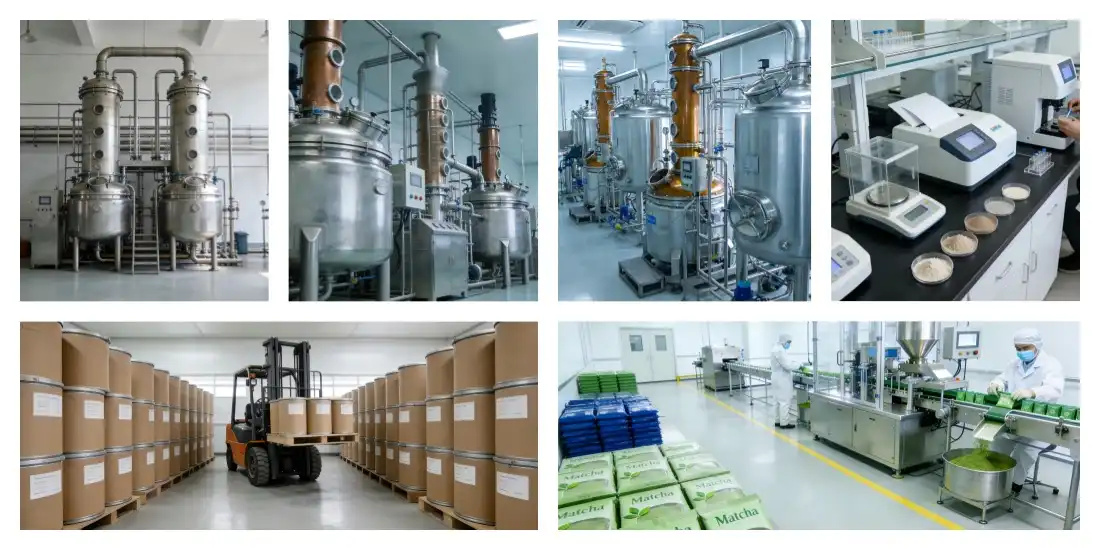
Conclusion
Lutein from marigold extract has earned its place at the center of modern eye-health nutrition through proven blue-light filtration, antioxidant defense, and expanding benefits for skin and cognitive wellness. Its versatility spans supplements, functional foods, cosmetics, and animal nutrition — but those benefits only materialize when the ingredient is standardized, stable, and fully documented. The smart buyer's path is clear: demand verified assays, audit certifications, trace the supply chain to the field, and test service speed before signing. NT Biotech meets every criterion, uniting proprietary extraction, purity above 98% on key products, triple certification, and two-hour responsiveness into one integrated partnership built from marigold field to finished powder.
FAQ
Q1: What are the main benefits of lutein from marigold extract?
A: It filters high-energy blue light in the macula, provides antioxidant protection for retinal cells, and shows emerging benefits for skin and cognitive wellness.
Q2: Which grades are available for different applications?
A: Standardized lutein powders from 5% to 90%, plus lutein esters (10%–20%) and zeaxanthin (5%–40%), each matched to specific formulation needs.
Q3: How can I verify a supplier's quality claims?
A: Request batch-specific Certificates of Analysis with HPLC/UV data across multiple recent lots, and confirm ISO9001, KOSHER, and HALAL certifications.
Q4: Why does supply chain traceability matter?
A: Traceability from the marigold field to the finished extract ensures consistent raw material quality and provides an unbroken chain of custody for audits and regulatory filings.
Q5: How quickly does NT Biotech fulfill orders?
A: Inquiries are answered within two hours; in-stock extracts ship within 1–3 working days, and production orders are completed within 3–10 working days.
Source Smarter Today — Let NT Biotech Power Your Next Product
You now have the complete picture: the benefits that drive demand, the applications that expand markets, and the buying criteria that separate premium lutein from marigold extract from the rest. The final step is choosing a partner who delivers on every one of them. NT Biotech combines autonomous marigold cultivation, proprietary extraction technology, triple international certification, and guaranteed two-hour responsiveness into an ingredient partnership trusted across the globe. Whether you need a standard grade shipped within days, a customized OEM specification for your target market, or technical guidance from genuine plant-extraction specialists, our team is ready. Send your inquiry or sample request to info@newthingsbiotech.com now — and turn nature's golden carotenoid into your brand's next success story.
References
1. Age-Related Eye Disease Study 2 (AREDS2) Research Group. "Lutein + Zeaxanthin and Omega-3 Fatty Acids for Age-Related Macular Degeneration: The AREDS2 Randomized Clinical Trial." JAMA, 2013.
2. Abdel-Aal, E.-S.M.; Akhtar, H.; Zaheer, K.; Ali, R. "Dietary Sources of Lutein and Zeaxanthin Carotenoids and Their Role in Eye Health." Nutrients, 2013.
3. Buscemi, S.; Corleo, D.; Di Pace, F.; Petroni, M.L.; Satriano, A.; Marchesini, G. "The Effect of Lutein on Eye and Extra-Eye Health." Nutrients, 2018.
4. Johnson, E.J. "Role of Lutein and Zeaxanthin in Visual and Cognitive Function Throughout the Lifespan." Nutrition Reviews, 2014.
5. Ranard, K.M.; Jeon, S.; Mohn, E.S.; Griffiths, J.C.; Johnson, E.J.; Erdman, J.W. "Dietary Guidance for Lutein: Consideration for Intake Recommendations Is Scientifically Supported." European Journal of Nutrition, 2017.
6. Granado, F.; Olmedilla, B.; Blanco, I. "Nutritional and Clinical Relevance of Lutein in Human Health." British Journal of Nutrition, 2003.
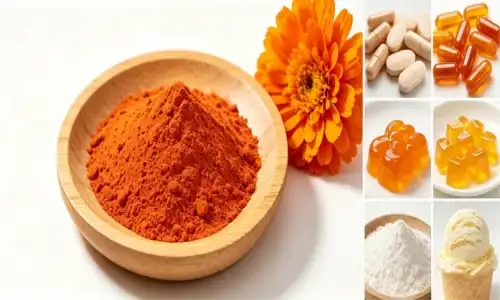
Somewhere in the world right now, a promising eye-health product is quietly failing — not because its formula was wrong, but because the ingredient behind it came from the wrong supplier. Potency faded before expiry, a batch arrived off-spec, an audit uncovered missing documentation, or a shipment simply never showed up on time. These are the invisible costs of a poor sourcing decision, and they land hardest on brands that treated lutein from marigold extract as a commodity rather than a critical raw material. Choosing a reliable supplier is not about finding the cheapest quote; it is about protecting your formulation, your compliance, and your reputation for years to come. This guide takes a risk-based approach, showing you the warning signs to avoid and the proof points to demand. Throughout, we reference NT Biotech (Shaanxi New Things Biotech), a technology-based plant derivatives company whose lutein from marigold extract is standardized from 5% to 90%, verified by HPLC/UV on every batch, produced through proprietary extraction, achieving purity above 98% on key products, and backed by ISO9001, KOSHER and HALAL certifications with a Certificate of Analysis shipped with every order.

Start by Understanding the Risks You're Trying to Avoid
Great sourcing decisions begin with clear-eyed awareness of what can go wrong. Before evaluating any supplier, understand the specific failure modes that make lutein from marigold extract a higher-risk purchase than ordinary ingredients.
The Stability Trap That Ruins Shelf Life
Lutein is a carotenoid, and carotenoids are fragile by nature — vulnerable to oxygen, heat, and light. The most common and costly sourcing failure is stability collapse: a batch that tests perfectly on arrival but loses significant potency months into shelf life, leaving your finished product below its label claim exactly when a consumer or regulator checks it. This failure traces directly to weak extraction and processing. A reliable lutein from marigold extract supplier engineers stability from the start, protecting the active compound throughout production. NT Biotech's proprietary processing is designed specifically for superior stability, so the potency verified in its laboratory remains intact through warehousing, shipping, and retail display — closing the trap that catches so many brands.
The Standardization Illusion
The second major risk is the standardization illusion — products labeled "20% lutein" that don't actually deliver 20% when independently tested. Some suppliers estimate assays on paper, use imprecise UV-only testing, or quote ester assays against free-lutein expectations. The result is formulation chaos: your dosage mathematics collapses, overages become guesswork, and label claims become indefensible. Genuine standardization requires HPLC verification on every batch, with results that match the label consistently. When evaluating lutein from marigold extract, treat any supplier who cannot provide batch-specific HPLC data as an immediate risk. NT Biotech anchors its entire portfolio in verified standardization, achieving purity above 98% on key products and documenting every assay transparently.
The Traceability Gap That Fails Audits
The third risk surfaces during audits, recalls, and regulatory inspections: the traceability gap. When a supplier cannot trace a finished drum back to the field where the marigolds grew, your entire compliance story rests on faith rather than fact. Retailers increasingly demand chain-of-custody documentation, and regulators expect it. Traders who buy bulk oleoresin on the spot market simply cannot provide this. NT Biotech eliminates the gap through vertical integration — autonomous marigold planting bases merged with research, intelligent production, and adaptive supply chains, creating a complete value chain from plant source to product application. Every batch carries an unbroken chain of custody, transforming audits from anxiety into routine.
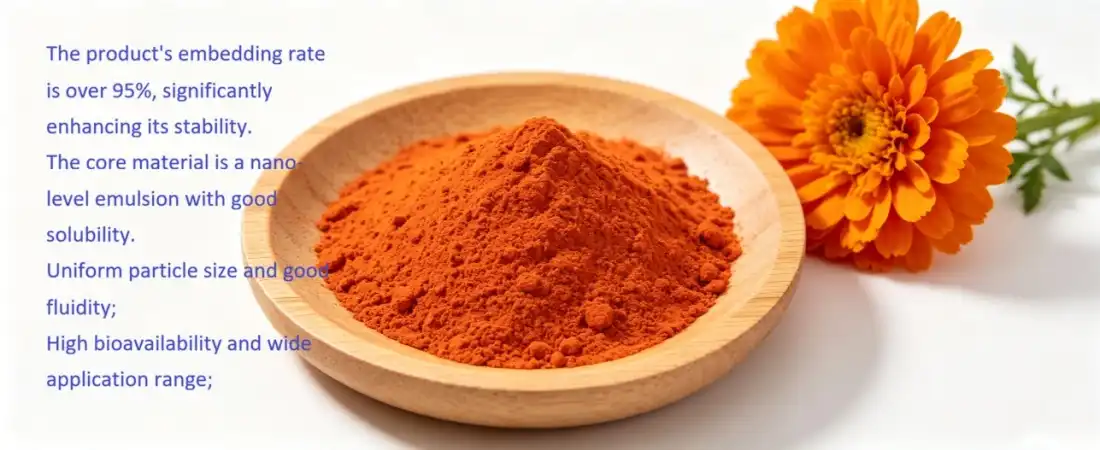
Verify Manufacturing Depth Before Anything Else
Once you understand the risks, the most effective single filter is manufacturing depth. This is where genuine producers separate themselves from middlemen who add cost while removing accountability.
The Manufacturer Test: Ask Where and How
The clearest way to assess a lutein from marigold extract supplier is to ask direct, specific questions: Where is your extraction performed? Do you own the facility? Can you share process documentation? Genuine manufacturers answer with detail — extraction methods, saponification processes, quality controls — because they live these operations daily. Traders deflect toward glossy brochures and vague reassurances. NT Biotech is a technology-based company with wide experience in plant extraction, operating proprietary processing that maximizes the yield of active compounds. This depth means it can customize specifications, troubleshoot formulation challenges, and guarantee batch-to-batch consistency — capabilities no relabeling middleman can genuinely offer, regardless of how polished the sales pitch appears.
Purity Capability as a Proxy for Competence
A supplier's ability to consistently produce high-purity grades reveals its true technical mastery. Manufacturing 80% or 90% lutein from marigold extract, batch after batch, demands sophisticated extraction and purification technology that many vendors simply lack. Even if your application only needs a 10% grade, a supplier capable of high-purity production has demonstrated process control that reassures you about every specification it offers. NT Biotech's achievement of purity above 98% on its key products signals exactly this level of capability. When comparing suppliers, treat high-purity competence as a proxy for overall reliability — a company that masters the hardest grades will rarely stumble on the easier ones.
Documentation as a Window Into Culture
How a supplier handles paperwork reveals how it handles everything. A reliable lutein from marigold extract supplier provides a comprehensive Certificate of Analysis with every batch — covering assay, heavy metals, residual solvents, microbiology, and physical characteristics — supported by HPLC/UV chromatographic evidence, and delivers it promptly without excuses. Request CoAs from several recent batches and compare them: tight, consistent results demonstrate genuine process control, while wide fluctuations expose instability. NT Biotech attaches full documentation to every lot as standard practice, reflecting a quality culture that operates even when nobody is watching. Complete, transparent, readily available documentation is one of the most honest signals of a trustworthy partner.
Table 1: Red Flags vs. Green Flags When Evaluating a Supplier
| Evaluation Area | Red Flag (Walk Away) | Green Flag (NT Biotech Standard) |
|---|---|---|
| Manufacturing | Vague answers, no facility details | In-house proprietary extraction, documented |
| Assay verification | UV-only or paper estimates | HPLC/UV on every batch |
| Purity capability | Cannot supply high grades | >98% purity on key products |
| Documentation | Incomplete or delayed CoA | Full CoA with every batch |
| Traceability | Chain ends at the trading desk | Field-to-drum via autonomous planting |
| Certifications | Expired or generic | Current ISO9001, KOSHER, HALAL |
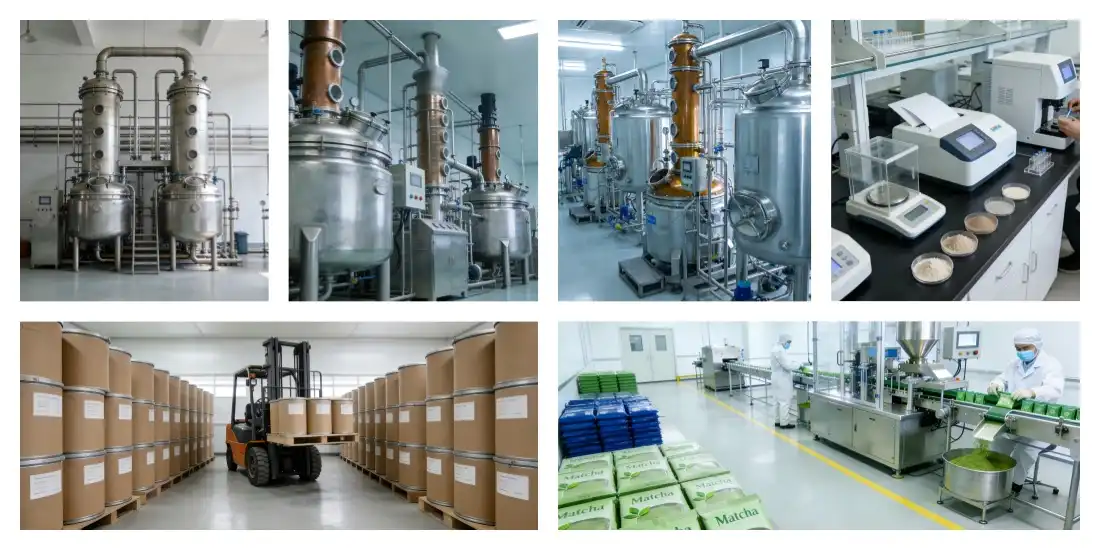
Confirm Certifications and Regulatory Readiness
With manufacturing depth verified, the next checkpoint is compliance. For any brand selling internationally, a supplier's certifications and regulatory readiness determine which markets you can enter — and how smoothly.
The Three Certifications That Open Markets
Three credentials form the foundation of supplier credibility for lutein from marigold extract. ISO9001 confirms a disciplined, audited quality management system governing the entire production process. KOSHER and HALAL certifications unlock diverse consumer markets and retail channels across North America, Europe, the Middle East, and Southeast Asia — segments that remain firmly closed to uncertified ingredients. NT Biotech maintains all three, current and scope-relevant, enabling clients to move across mainstream and specialty markets without compliance detours. Always verify certificates directly: check issuing bodies, validity dates, and product scope. A certificate that cannot survive five minutes of scrutiny reveals more about a supplier's real compliance culture than any presentation.
Market-Specific Documentation Support
Regulations differ sharply between regions, and a truly reliable lutein from marigold extract supplier helps you navigate them rather than leaving you to struggle alone. Beyond core certifications, look for allergen statements, non-GMO declarations, specification sheets formatted for regulatory filings, and technical dossiers tailored to your destination market. The smartest way to test a supplier's regulatory competence is simply to ask a market-specific question and evaluate the answer. In fact, the fastest route to confirming everything in this section is to email your target market and specification to info@newthingsbiotech.com — NT Biotech guarantees an initial reply within two hours, complete with the certification documents and technical files your compliance team needs to move forward confidently.
Safety Testing That Protects Consumers and Brands
Because marigolds are an agricultural crop, rigorous safety testing is non-negotiable. A dependable supplier screens aggressively for heavy metals (lead, arsenic, mercury, cadmium), pesticide residues, residual solvents, and microbiological contamination, documenting results well within international limits. Weak or incomplete safety data is a serious warning sign — it suggests either limited testing capability or reluctance to disclose. NT Biotech's full-panel batch testing ensures every shipment of lutein from marigold extract meets stringent global food-safety standards, protecting both consumers and the brands that trust its material. In a category where a single contamination failure can trigger costly recalls, comprehensive safety documentation is essential insurance.
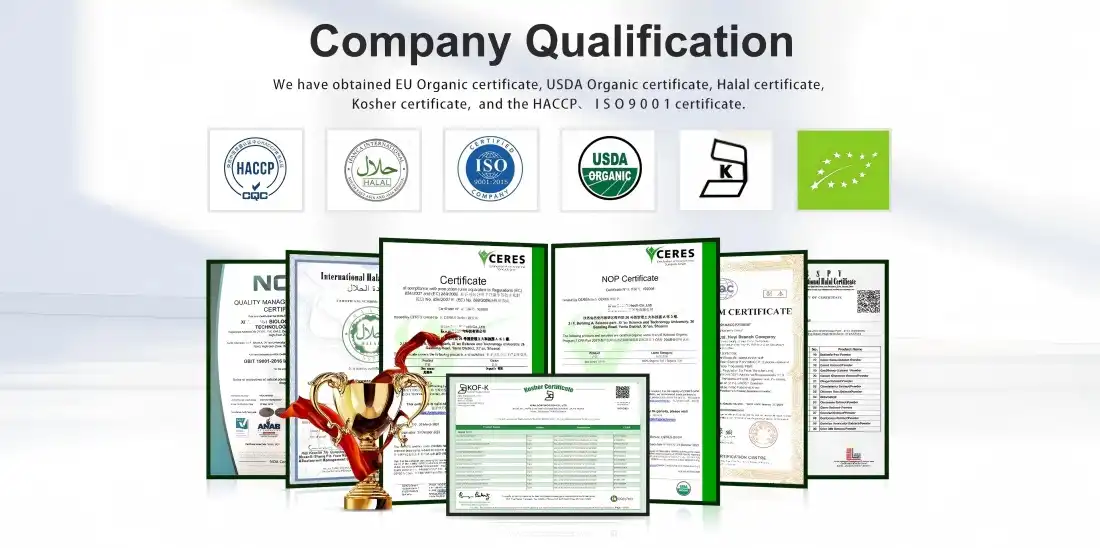
Stress-Test Supply Chain and Service Performance
A flawless specification means nothing if the powder arrives late, degraded, or inconsistent. This checkpoint examines the operational reality of working with a supplier — the performance that determines whether your production runs smoothly.
Response Speed and Delivery Benchmarks
A supplier's responsiveness during inquiry predicts its reliability during production. Demand concrete, testable numbers rather than vague promises of "fast service." NT Biotech's published benchmarks set a demanding industry standard: initial replies to all inquiries within two hours; inventory of popular standardized extracts held for shipment within 1–3 working days after order confirmation; and production orders completed within 3–10 working days — a cycle that already includes raw material procurement, proprietary extraction, laboratory testing, and packaging. These commitments are verifiable, and the simplest stress-test costs nothing: send a real inquiry and measure the response yourself. A lutein from marigold extract supplier that answers within hours, with documentation attached, has demonstrated genuine reliability.
Inventory Depth and Supply Security
Reliable supply is the foundation of reliable production. A supplier with thin inventory and vague timelines exposes your business to stockouts and rush-order premiums, while one with genuine buffer stock protects your schedule. Before committing, clarify inventory depth for your target grades and the supplier's ability to absorb sudden demand spikes. NT Biotech holds a buffer inventory of popular standardized extracts, enabling rapid 1–3 working day shipment for stock items, while custom orders are completed within a predictable window. Establishing clear expectations around supply security — ideally supported by a rolling forecast arrangement — is one of the most practical steps you can take to safeguard your production continuity.
Logistics and Payment Flexibility
International sourcing lives in the details of freight and finance. A flexible lutein from marigold extract supplier matches shipping to your needs — direct-from-factory courier via dedicated FedEx/UPS accounts for urgent samples and top-offs, and trusted freight forwarders for secure bulk air or ocean cargo, balancing speed, volume, and cost. On the financial side, buyer-friendly terms matter more than they first appear: NT Biotech accepts payment in the buyer's local currency, eliminating foreign-exchange friction and simplifying accounting for international brands. These operational conveniences reduce cost, risk, and administrative burden over the life of a supply relationship — practical advantages that distinguish a customer-focused partner from a transaction-focused vendor.
Table 2: Supply Chain Performance Checklist — What Reliable Looks Like
| Performance Area | What to Require | NT Biotech Benchmark |
|---|---|---|
| Inquiry response | Hours, not days | Within 2 hours, guaranteed |
| Stock availability | Ready inventory for standard grades | Ships in 1–3 working days |
| Production lead time | Transparent, testable cycle | 3–10 working days, CoA included |
| Express logistics | Trackable, factory-direct | Own FedEx/UPS accounts |
| Bulk freight | Secure, documented air/sea | Trusted freight forwarders |
| Payment terms | Buyer-friendly international options | Local-currency payment accepted |
| Customization | Market-specific OEM/ODM | Tailored specs, packaging, documents |
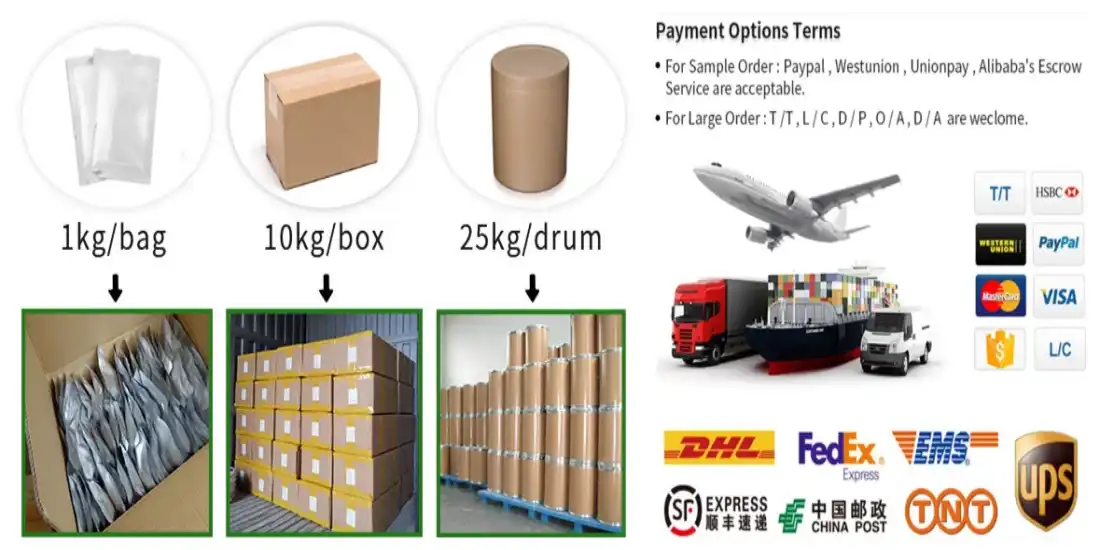
Choose a Partner Built for the Long Term
The final consideration transcends any single transaction. The best sourcing decisions anticipate years of collaboration, choosing a supplier whose capabilities and philosophy will strengthen your business as it grows.
Customization That Grows With Your Ambition
Markets evolve, product lines expand, and new export destinations bring new requirements. A supplier capable of customized OEM/ODM solutions — adjusting specifications, particle formats, packaging, and documentation for different countries and clients — becomes a partner you grow with rather than a vendor you outgrow. NT Biotech provides this flexibility across dietary supplements, functional foods, high-end cosmetics, and animal nutrition, adapting its lutein from marigold extract to each market's distinct needs. Choosing this depth at the outset spares you the painful re-qualification cycles that follow when a limited supplier can no longer support your evolving portfolio.
Technical Support Beyond the Sale
The most valuable suppliers act as technical partners, not order-takers. When your R&D team hits a formulation snag, needs application guidance, or must adapt documentation for a novel regulatory filing, having genuine plant-extraction specialists on your side shortens development cycles and de-risks launches. NT Biotech positions itself explicitly as a long-term technical partner rather than a mere provider, offering the accessible expertise that turns supply relationships into strategic advantages. This support is precisely where the difference between a good lutein from a marigold extract supplier and a great one becomes tangible — in the moments when problems arise, and expertise matters most.
A Philosophy That Aligns With Your Values
Ultimately, you are choosing not just a product but a partner whose approach to business aligns with yours. NT Biotech has built a complete value-chain service system — merging autonomous planting with cutting-edge research, intelligent production, and adaptive supply chains — designed to ensure that every product reflects the gift of nature and the commitment of science. Suppliers who think this holistically tend to anticipate problems, invest in quality, and treat customer success as their own. For brands seeking a lutein from a marigold extract supplier they can trust for the long haul, this philosophical alignment is the final, decisive checkpoint.
Conclusion
Choosing a reliable lutein from marigold extract supplier is fundamentally an exercise in risk management: avoid the stability trap, the standardization illusion, and the traceability gap by demanding verified proof at every stage. Prioritize genuine manufacturing depth, confirm certifications and safety testing, stress-test supply chain performance, and select a partner built for the long term. NT Biotech satisfies every checkpoint — proprietary extraction, purity above 98% on key products, standardized grades from 5% to 90% verified by HPLC/UV, ISO9001, KOSHER and HALAL certifications, autonomous marigold cultivation, two-hour responsiveness, and buyer-friendly terms. In a market where quality claims are cheap and consistency is rare, verifiable proof turns supplier selection into a strategy.
FAQ
Q1: What is the biggest risk when sourcing lutein from marigold extract?
A: Stability collapse — a batch that tests fine on arrival but loses potency before expiry. Choose suppliers whose proprietary processing guarantees superior stability.
Q2: How do I confirm a supplier is a genuine manufacturer?
A: Ask where extraction is performed, request process documentation, and compare CoAs across multiple recent batches for consistency.
Q3: Which certifications should a reliable supplier hold?
A: ISO9001 for quality management, plus KOSHER and HALAL certifications to access mainstream and specialty global markets.
Q4: Why does traceability matter so much?
A: Field-to-drum traceability provides the chain-of-custody documentation required for audits, recalls, and regulatory filings — assurance that traders cannot offer.
Q5: How fast should a reliable supplier respond and deliver?
A: NT Biotech's benchmarks: replies within two hours, in-stock shipment within 1–3 working days, and production orders within 3–10 working days with CoA included.
Choose Your Lutein Partner Wisely — Contact NT Biotech Today
You now have a complete, risk-based framework for choosing a reliable lutein from a marigold extract supplier — and NT Biotech invites you to test it against us. Send your toughest technical questions, request CoAs from our recent batches, verify our ISO9001, KOSHER, and HALAL certifications, or simply time our guaranteed two-hour response with a real inquiry. With proprietary extraction technology, purity above 98% on key products, standardized grades from 5% to 90%, flexible OEM/ODM solutions, and payment in your local currency, we are built to serve buyers worldwide as a long-term technical partner. Email your specification or sample request to info@newthingsbiotech.com today — and turn careful sourcing into your brand's quietest, strongest competitive advantage.
References
1. Age-Related Eye Disease Study 2 (AREDS2) Research Group. "Lutein + Zeaxanthin and Omega-3 Fatty Acids for Age-Related Macular Degeneration: The AREDS2 Randomized Clinical Trial." JAMA, 2013.
2. Abdel-Aal, E.-S.M.; Akhtar, H.; Zaheer, K.; Ali, R. "Dietary Sources of Lutein and Zeaxanthin Carotenoids and Their Role in Eye Health." Nutrients, 2013.
3. Granado, F.; Olmedilla, B.; Blanco, I. "Nutritional and Clinical Relevance of Lutein in Human Health." British Journal of Nutrition, 2003.
4. Boon, C.S.; McClements, D.J.; Weiss, J.; Decker, E.A. "Factors Influencing the Chemical Stability of Carotenoids in Foods." Critical Reviews in Food Science and Nutrition, 2010.
5. Ranard, K.M.; Jeon, S.; Mohn, E.S.; Griffiths, J.C.; Johnson, E.J.; Erdman, J.W. "Dietary Guidance for Lutein: Consideration for Intake Recommendations Is Scientifically Supported." European Journal of Nutrition, 2017.
6. Alves-Rodrigues, A.; Shao, A. "The Science Behind Lutein." Toxicology Letters, 2004.
You are asking the right question if you have ever thought about why so many eye-health products happily show a golden marigold flower on their packages. Why has marigold extract become the gold standard for eye nutrition around the world? What is the benefit of lutein from marigold extract? You can find the answer in biology, clinical science, and smart preparation. The marigold flower (Tagetes erecta) is nature's most concentrated and commercially viable source of lutein, a pigment that your eyes actively crave. This piece explains the health benefits of lutein derived from marigold extract, why it works better than lutein derived from other sources, and what makes a premium extract different from a regular one. We will use NT Biotech (Shaanxi New Things Biotech) as an example of a company that does great work. Their lutein from marigold extract is standardised from 5% to 90%, checked by HPLC/UV on every batch, and certified under the ISO9001, KOSHER, and HALAL systems. It is also made using a proprietary extraction method that makes key products more than 98% pure.
The Core Benefit: Lutein Is Your Eyes' Built-In Defense System
Before we get into sources and specs, let's answer the main question right away. Lutein from marigold extract starts to help the eye right away. This golden pigment does two amazing jobs to protect the eye that no artificial replacement can match.
Filtering Blue Light Before It Does Damage
High-energy blue light fills your eyes every time you look at a screen, like a phone, laptop, or TV. The macula is a small area deep in your retina that gives you clear central vision. This is also where lutein focuses after being eaten, creating what scientists call the macular pigment. This pigment takes in blue light like sunglasses inside the cell, stopping it from damaging the sensitive photoreceptor cells that are behind it. It is better to have thick macular pigment because it protects your eyes more. Because the body can't make lutein on its own, the only way to build this defence is through food. Lutein from marigold extract gives you concentrated, standard amounts that food alone doesn't usually give you. Lutein is one of the most researched plant-based nutrients in the world, thanks to the important AREDS2 clinical trial that proved its role in eye health.
Neutralizing Free Radicals Where Vision Happens
What light filtering does is only half of the story. The eye is one of the most biologically active parts of the body. It is constantly exposed to air and light, which creates free radicals that can damage retinal cells over time. Lutein is a very good antioxidant because it has a long chain of conjugated double bonds that stop singlet oxygen and waste energy before it causes damage to cells. When people take supplements with lutein from marigold extract, they are adding to the eye's natural antioxidant shield with the same pigment that plants use to keep their own tissues safe from the sun. It's a beautiful example of how botanical knowledge can be used directly to make food for people. It's like nature's defence mechanism in a bottle.
Beyond the Eyes: Skin, Brain, and Whole-Body Wellness
Lutein's main benefit is still its effect on vision, but more studies are showing that it has other uses in the body as well. Lutein builds up in the skin, where its antioxidant and light-filtering properties help the skin fight off environmental stressors. This is why it's becoming more common in high-end beauty-from-within products. Studies have also linked lutein levels to cognitive function across all ages, since this vitamin is also specifically stored in the brain. Because science is growing, lutein from marigold extract is no longer just an ingredient with one benefit. It is now a platform nutrient that can be used to support eye health, skin health, and healthy ageing product lines, making every sourcing decision more profitable.
Why Marigold? The Source Makes the Difference
Lutein can be found in egg yolks, spinach, and kale, so why does the global industry mostly use marigolds? The answer lies in quantity, uniformity, and the fact that it has a clean label. This is why picky buyers insist on lutein from marigold extract over generic options.
Nature's Most Concentrated Lutein Factory
There is more lutein in the marigold flower than in any other popular food source. Leafy veggies only have a few milligrams of lutein per dose, but marigold flowers have extract-level amounts of the carotene. This makes commercial purification easy and cheap. This level of concentration lets sellers offer uniform powders with purity levels of 5%, 10%, 20%, and even 80% to 90%, which are levels that can't be made from vegetables. When you choose lutein from marigold extract, you are choosing the only organic source that can offer pharmaceutical-grade precision on a large scale. This is based on decades of research into how to improve farming and extracting plants.
Table 1: Why Marigold Dominates — Lutein Sources Compared
| Lutein Source | Relative Lutein Concentration | Practical for Standardized Extracts? | Clean-Label Appeal |
|---|---|---|---|
| Marigold petals (Tagetes erecta) | Highest known among cultivated plants | Yes — industry standard (5%–90% grades) | Excellent — "from marigold flowers" |
| Kale/spinach | Moderate (mg per 100 g fresh) | No — too dilute for commercial extraction | Good, but impractical |
| Egg yolk | Trace (~0.2–0.3 mg per yolk) | No | Limited |
| Synthetic lutein | N/A (chemically produced) | Possible, but | Poor — consumers prefer natural |
A Clean-Label Story Consumers Instantly Trust
People who buy supplements today read labels with the care of a detective, and "lutein from marigold extract" passes their test with flying colours. The source is a well-known and happy flower; the extraction is a physical cleaning rather than a chemical synthesis; and the story is simple enough to be written on labels and other marketing materials. Compared to manufactured options, which need to be explained in awkward ways. For companies that want to sell green, plant-based, or clean-label products, lutein from marigolds gives them a story edge that helps them place themselves as more expensive. Certifications make the story even stronger: NT Biotech's lutein from marigold extract is certified as ISO9001, KOSHER, and HALAL. This means that one ingredient can meet the needs of both general and niche customer markets at the same time.
Consistency: Only Vertical Integration Can Deliver
Because the area where the flower grows is so important, the most trusted growers are directly in charge of the fields. NT Biotech has its own research, intelligent production, and adaptive supply chain that works with its own autonomous marigold planting bases. This creates a full value chain from the plant source to the product application. For maximum carotene content, the soil is managed, the harvest is timed, and the fruit is handled afterward. Each batch of finished extract can be traced back to its farm where it came from. For buyers, this traceability isn't just a romantic story; it's a practical safety measure that helps during audits, regulatory filings, and retailer due diligence. This is a big reason why experienced formulators choose a supplier that is vertically integrated for lutein from marigold extract over traders who can only see what's in their own warehouse.
From Flower to Formula: Benefits for Product Developers
The benefits of lutein from marigold extract extend beyond human biology — they reach deep into the practical world of product development, where the right ingredient specification can make or break a launch.
Standardized Grades for Every Product Vision
One of marigold lutein's quiet superpowers is its flexibility. A professional lutein from marigold extract supplier offers a ladder of standardized grades, each verified by HPLC or UV analysis: 5% powders for everyday supplements and functional foods, 10% and 20% for capsules, tablets, and gummies, and high-purity 80% to 90% grades for premium nutraceuticals and advanced formulations. Lutein esters and complementary zeaxanthin grades round out the toolkit. This range lets a single supplier support your entire product architecture — from an entry-level daily eye-health capsule to a flagship high-strength formula — without forcing you to qualify multiple vendors or compromise on documentation standards.
Table 2: NT Biotech Lutein from Marigold Extract — Grade Selection Guide
| Specification | Assay (HPLC/UV) | Best-Suited Applications |
|---|---|---|
| Lutein Powder 5% | ≥5% | Daily supplements, fortified foods, and beverages |
| Lutein Powder 10% | ≥10% | Capsules, tablets, gummies |
| Lutein Powder 20% | ≥20% | High-strength vision formulas |
| Lutein 80% | ≥80% | Premium nutraceuticals |
| Lutein 90% | ≥90% | Pharmaceutical-grade, research use |
| Lutein Esters 10%–20% | ≥10%–20% | Cost-effective fortified foods |
| Zeaxanthin 5%–40% | ≥5%–40% | Synergistic macular-support blends |
Stability That Protects Your Label Claim
Here is a benefit few marketing brochures mention: formulation survival. Lutein is naturally sensitive to heat, light, and oxygen, so the true test of an extract is whether its potency survives production, shipping, and shelf life. NT Biotech's proprietary extraction technology is engineered precisely for this challenge, maximizing the yield of active compounds while delivering superior stability that keeps label claims honest from manufacture to expiry. For product developers, this translates into smaller overages, smoother stability studies, and fewer reformulation emergencies. If you are evaluating grades for a specific application, the fastest way to match the right specification to your formula is to email your target dosage form and market to info@newthingsbiotech.com — NT Biotech guarantees an initial reply within two hours, complete with technical documentation and sample support.
Documentation That Accelerates Time to Market
Every experienced developer knows that paperwork, not science, is usually the bottleneck. A premium lutein from marigold extract arrives with a complete documentation package: a Certificate of Analysis for every batch covering assay, heavy metals, and microbiological parameters, backed by HPLC/UV chromatograms, plus certification files supporting regulatory submissions across the United States, Europe, the Middle East, and Southeast Asia. NT Biotech issues this documentation as standard practice, not special request — meaning your quality team can approve incoming material quickly, your regulatory consultants can file with confidence, and your launch calendar stays intact. In competitive categories like eye health, that administrative velocity is a genuine commercial advantage.
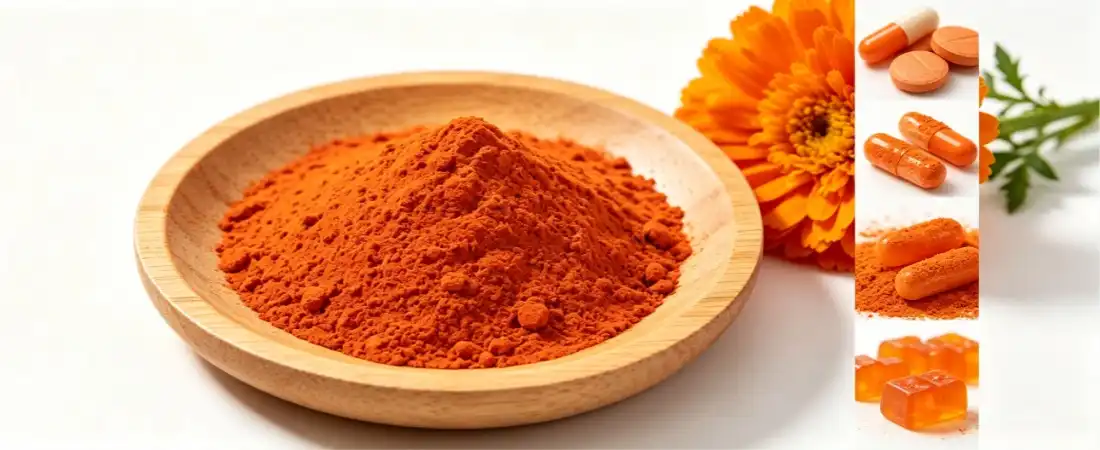
The Partner Behind the Petal: Why Supplier Choice Multiplies the Benefits
Even the finest extract underperforms when the company behind it cannot deliver consistently. The final layer of benefit comes from choosing a supplier whose service systems are as strong as its science.
Speed and Reliability You Can Plan Around
NT Biotech's service benchmarks read like a buyer's wish list. Initial replies to all inquiries arrive within two hours, guaranteed. Popular standardized extracts ship from inventory within 1–3 working days after order confirmation. Production orders are complete within 3–10 working days — a cycle that already includes premium raw material procurement, proprietary extraction, stringent laboratory testing, and final packaging. Logistics adapt to your priorities: the company's own FedEx/UPS accounts handle fast, trackable direct-from-factory shipments, while trusted freight forwarders manage secure bulk delivery by air or sea. When your lutein from marigold extract supplier operates at this tempo, ingredient sourcing stops being a risk factor and becomes a competitive weapon.
Customization and Partnership for Global Brands
No two markets want exactly the same product, and NT Biotech builds flexibility into every relationship. Customized OEM/ODM solutions adapt specifications, grades, packaging, and documentation to the requirements of different countries and clients across dietary supplements, functional foods, high-end cosmetics, and animal nutrition. Technical support extends beyond the sale, with formulation guidance from genuine plant-extraction specialists. Even payment is designed around the buyer, with local-currency options that eliminate foreign-exchange friction. This is the difference between purchasing an ingredient and gaining a long-term technical partner — one committed to ensuring that every product reflects the gift of nature and the commitment of science.
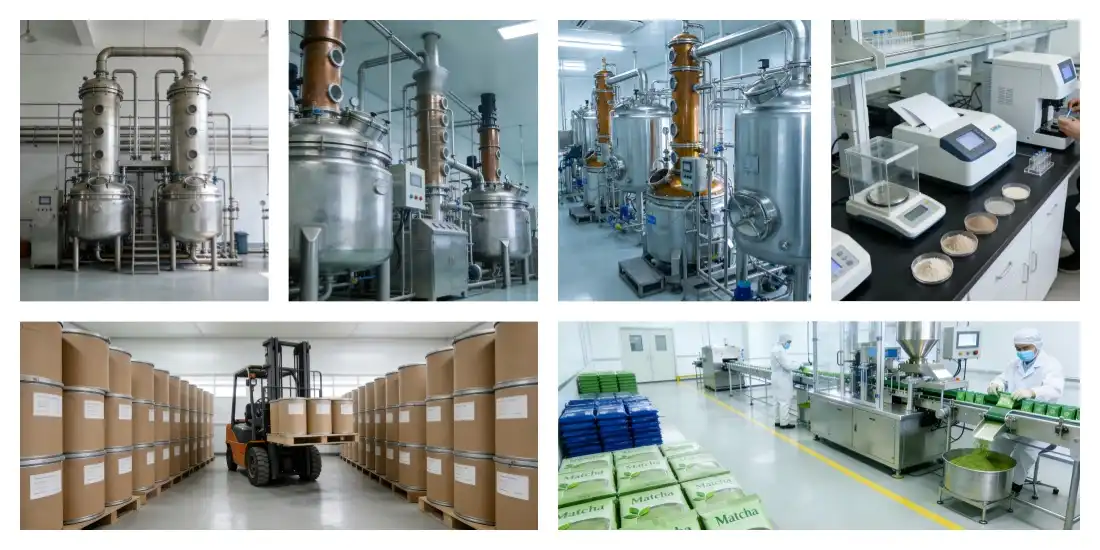
Conclusion
So, what is the benefit of lutein from marigold extract? In short: nature's most concentrated lutein source, delivering science-backed blue-light filtration, antioxidant defense for the macula, and emerging support for skin and cognitive wellness — all wrapped in a clean-label story consumers trust. The benefits multiply when the extract is standardized, stabilized, and fully documented. NT Biotech delivers exactly that: proprietary extraction achieving purity above 98% on key products, grades from 5% to 90% verified by HPLC/UV, ISO9001, KOSHER, and HALAL certifications, and a fully integrated value chain from marigold field to finished powder. The right ingredient, from the right partner, turns benefits into market success.
FAQ
Q1: What is the main benefit of lutein from marigold extract?
A: It supports eye health by filtering high-energy blue light and providing antioxidant protection to the macula, the region responsible for sharp central vision.
Q2: Why is marigold considered the best lutein source?
A: Marigold petals contain the highest natural lutein concentration of any cultivated plant, enabling standardized extracts from 5% to 90% purity.
Q3: Does lutein offer benefits beyond eye health?
A: Yes. Research links lutein to skin antioxidant support and cognitive wellness, making it a versatile multi-benefit ingredient.
Q4: What grades does NT Biotech supply?
A: Lutein powders from 5% to 90%, plus lutein esters and zeaxanthin grades, each verified by HPLC/UV with a batch-specific Certificate of Analysis.
Q5: How fast can NT Biotech ship orders?
A: In-stock extracts ship within 1–3 working days; production orders are completed within 3–10 working days, with inquiries answered within two hours.
Experience the Golden Benefit — Partner With NT Biotech Today
Now that you know what lutein from marigold extract can do for eyes, skin, and whole-body wellness, the next step is securing a supply that delivers those benefits without compromise. NT Biotech unites autonomous marigold cultivation, proprietary extraction technology, purity above 98% on key products, and complete ISO9001, KOSHER, and HALAL certification into one seamless ingredient partnership. Whether you need a standard grade shipped within days, a customized OEM specification for your market, or expert guidance on your next formulation, our team guarantees a response within two hours. Send your inquiry or sample request to info@newthingsbiotech.com today — and let NT Biotech transform nature's golden nutrient into your brand's brightest advantage.
References
1. Age-Related Eye Disease Study 2 (AREDS2) Research Group. "Lutein + Zeaxanthin and Omega-3 Fatty Acids for Age-Related Macular Degeneration: The AREDS2 Randomized Clinical Trial." JAMA, 2013.
2. Abdel-Aal, E.-S.M.; Akhtar, H.; Zaheer, K.; Ali, R. "Dietary Sources of Lutein and Zeaxanthin Carotenoids and Their Role in Eye Health." Nutrients, 2013.
3. Buscemi, S.; Corleo, D.; Di Pace, F.; Petroni, M.L.; Satriano, A.; Marchesini, G. "The Effect of Lutein on Eye and Extra-Eye Health." Nutrients, 2018.
4. Johnson, E.J. "Role of Lutein and Zeaxanthin in Visual and Cognitive Function Throughout the Lifespan." Nutrition Reviews, 2014.
5. Ranard, K.M.; Jeon, S.; Mohn, E.S.; Griffiths, J.C.; Johnson, E.J.; Erdman, J.W. "Dietary Guidance for Lutein: Consideration for Intake Recommendations Is Scientifically Supported." European Journal of Nutrition, 2017.
6. Roberts, R.L.; Green, J.; Lewis, B. "Lutein and Zeaxanthin in Eye and Skin Health." Clinics in Dermatology, 2009.
It's becoming clear to formulators all over the world that the way an ingredient is packaged is just as important as the ingredient itself. Because of this, lutein beadlets powder, which is microencapsulated, free-flowing, and very stable, is now the best choice for pills, capsules, sweets, and foods that have been supplemented. But there are so many sellers out there that want your business. How do you tell the difference between a real, reputable lutein beadlets powder supplier and a fake one with a nice website? Using NT Biotech (Shaanxi New Things Biotech) as an example, this guide walks you through the four questions that will show you a supplier's real strengths. NT Biotech's lutein beadlets powder has their own special extraction and packaging technology, as well as standardised tests that are backed by HPLC/UV, ISO9001, KOSHER, and HALAL certifications. Each batch also comes with a Certificate of Analysis, which shows what "reliable" really means in real life.
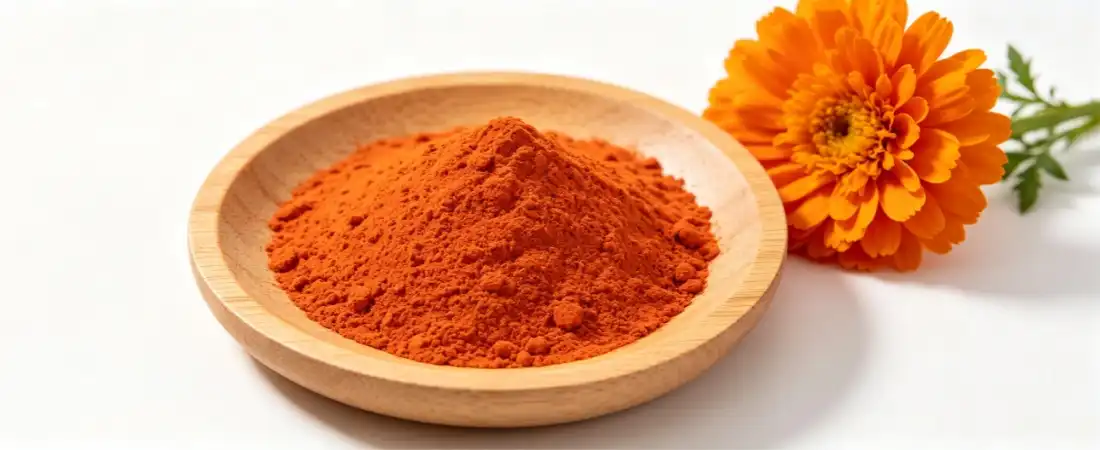
Question One: Does the Supplier Truly Understand the Beadlet Format?
A surprising number of vendors sell beadlets without understanding why the format exists. A credible lutein beadlets powder supplier should be able to explain, in technical detail, what makes beadlets different — and why those differences matter to your finished product.
What Exactly Are Lutein Beadlets?
Lutein beadlets are tiny, uniform spheres in which lutein — extracted from the petals of Tagetes erecta (marigold) — is embedded inside a protective matrix, typically built from food-grade gelatin, starch, or plant-based wall materials. The result is a free-flowing, dust-free lutein beadlets powder that handles beautifully on high-speed production lines. Unlike coarse crystalline powders, beadlets disperse evenly throughout a blend, which means every tablet or capsule in your batch carries the same dose. When a supplier describes its beadlets only as "orange powder," that vague language should raise your first red flag about its technical depth.
The Stability Advantage That Protects Your Shelf Life
Lutein is a carotenoid, and carotenoids are famously fragile — heat, light, and oxygen steadily erode their potency. Microencapsulation wraps each lutein particle in a protective wall, dramatically slowing oxidation and extending shelf life in the finished product. This is precisely why premium brands pay attention to lutein beadlets powder rather than cheaper, unprotected alternatives. A knowledgeable supplier will happily discuss beadlet wall composition, assay retention over time, and storage recommendations. NT Biotech's proprietary processing is engineered specifically for superior stability, so the potency on your label remains the potency in your customer's hands, even after months in the distribution chain.
One Ingredient, Many Delivery Formats
The commercial magic of lutein beadlets powder lies in its versatility. Because beadlets are uniform, compressible, and dispersible, a single ingredient grade can serve hard capsules, compressed tablets, chewables, gummies, powdered drink mixes, and fortified foods — a flexibility that oil suspensions and raw powders simply cannot match. When evaluating a lutein beadlets powder supplier, ask which applications its beadlets have been validated in, and request typical assay options such as 5%, 10%, and 20%. Suppliers with real application experience, like NT Biotech, will guide you toward the grade that fits your dosage form rather than pushing whatever happens to be sitting in the warehouse.
Table 1: Lutein Beadlets vs. Other Lutein Formats — A Formulator's Comparison
| Comparison Point | Lutein Beadlets Powder | Conventional Lutein Powder | Lutein Oil Suspension |
|---|---|---|---|
| Oxidation resistance | Excellent (protective wall) | Moderate | Moderate (requires dark, sealed packaging) |
| Flowability and dust | Free-flowing, dust-free | Prone to dust and caking | Not applicable (liquid) |
| Suitability for tablets/capsules | Excellent | Limited | Softgels only |
| Suitability for dry food fortification | Excellent | Limited | Not suitable |
| Does uniformity in blends | High (uniform particle size) | Variable | High |
| Typical assay range | 5%–20% | 5%–90% | 10%–20% |
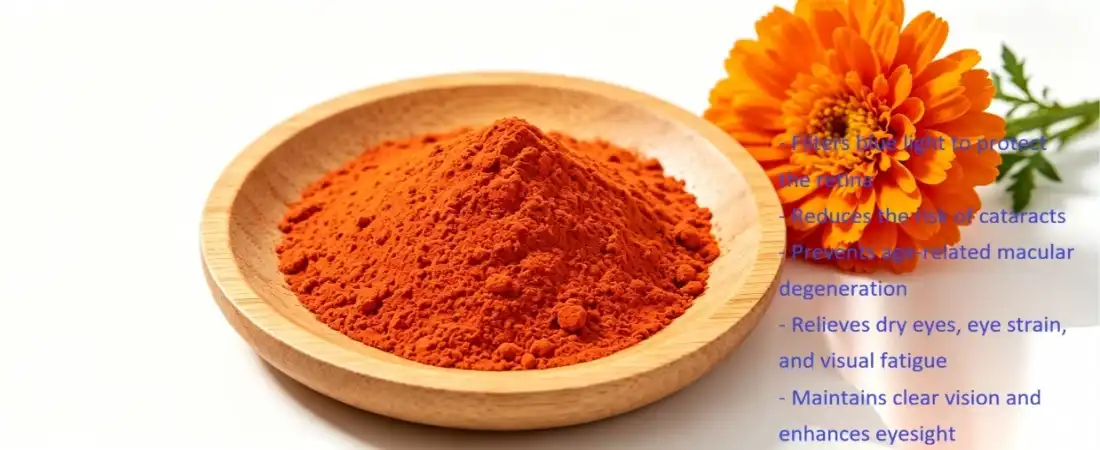
Question Two: Can the Supplier Prove Its Manufacturing Strength?
Every lutein beadlets powder supplier claims advanced technology. Far fewer can prove it. This second question separates genuine manufacturers with technological barriers from middlemen relabeling someone else's product.
Proprietary Extraction and Encapsulation Technology
True manufacturing strength begins at the molecular level. Proprietary extraction methods maximize the yield of active lutein from marigold oleoresin, while controlled encapsulation determines beadlet integrity, dissolution behavior, and stability. These are genuine technological barriers that take years of R&D to develop — not certificates that can be purchased. NT Biotech, a technology-based company with deep experience in plant extraction, operates proprietary processing that achieves exceptional purity (above 98% for its key products) and superior stability. When you interview a potential lutein beadlets powder supplier, ask who owns the technology behind the beadlets. If the answer is vague, the product probably is too.
Standardized Content and Particle Uniformity
Consistency is the silent promise behind every successful supplement brand. A reliable lutein beadlets powder supplier delivers standardized assays — batch after batch, year after year — verified by HPLC or UV testing rather than estimated on paper. Particle size distribution matters just as much: uniform beadlets flow predictably, blend homogeneously, and compress without segregation during tableting. Ask candidates for assay data across multiple recent batches, not just one flattering certificate. A supplier confident in its process control will share this data willingly, because consistent numbers are the loudest proof of manufacturing discipline you will ever see.
Documentation That Speaks Before Salespeople Do
Paperwork reveals culture. Before any commercial discussion, request a sample Certificate of Analysis and study what it covers: assay, heavy metals, microbiological limits, residual solvents, and physical characteristics. A serious lutein beadlets powder supplier attaches comprehensive quality documentation — including HPLC/UV chromatograms — to every single batch, not merely to the batches that customers question. NT Biotech follows exactly this practice, issuing a full CoA with each lot of lutein beadlets powder it ships. When documentation arrives promptly, completely, and without excuses, you are looking at a company whose quality system works even when nobody is watching.
Question Three: Does the Compliance Paperwork Hold Up Under Scrutiny?
A beautiful product means nothing if it cannot legally enter your target market. The third question examines certifications, traceability, and regulatory readiness — the unglamorous foundations on which international brands are built.
The Three Certificates That Open Global Doors
When shortlisting any lutein beadlets powder supplier, three certifications deserve immediate attention. ISO9001 demonstrates a disciplined, audited quality management system governing the entire production process. KOSHER and HALAL certifications unlock consumer markets and retail channels that remain firmly closed to uncertified ingredients. NT Biotech holds all three, giving its clients immediate access to mainstream Western markets and rapidly growing specialty segments alike. Always verify that certificates are current, scope-relevant, and issued by recognized bodies — an expired or generic certificate tells you more about a supplier's real compliance culture than any sales presentation ever will.
From Marigold Field to Finished Beadlet
Traceability has quietly become one of the most valuable assets in the botanical ingredients industry. Can your lutein beadlets powder supplier trace a finished drum back to the field where the marigolds were grown? NT Biotech can, because it operates autonomous planting bases integrated with its own R&D and intelligent production — a complete value chain running from plant source to product application. This vertical integration means raw material quality is controlled rather than gambled on, harvest timing is optimized for carotenoid content, and every link in the chain answers to one quality system. During audits or regulatory inspections, that unbroken chain of custody becomes your strongest defense.
Market-Specific Regulatory Readiness
Regulations differ sharply between the United States, Europe, the Middle East, and Southeast Asia, covering everything from permitted claims to labeling formats and documentation requirements. The smartest way to test a supplier's regulatory competence is simply to ask. In fact, the fastest way to verify everything discussed in this section is to send your target market, desired specification, and quantity to info@newthingsbiotech.com — NT Biotech guarantees an initial reply within two hours, complete with the certification documents and product files your compliance team needs. A lutein beadlets powder supplier that responds with precise, market-specific answers has clearly done this before; one that replies with generic brochures has not.
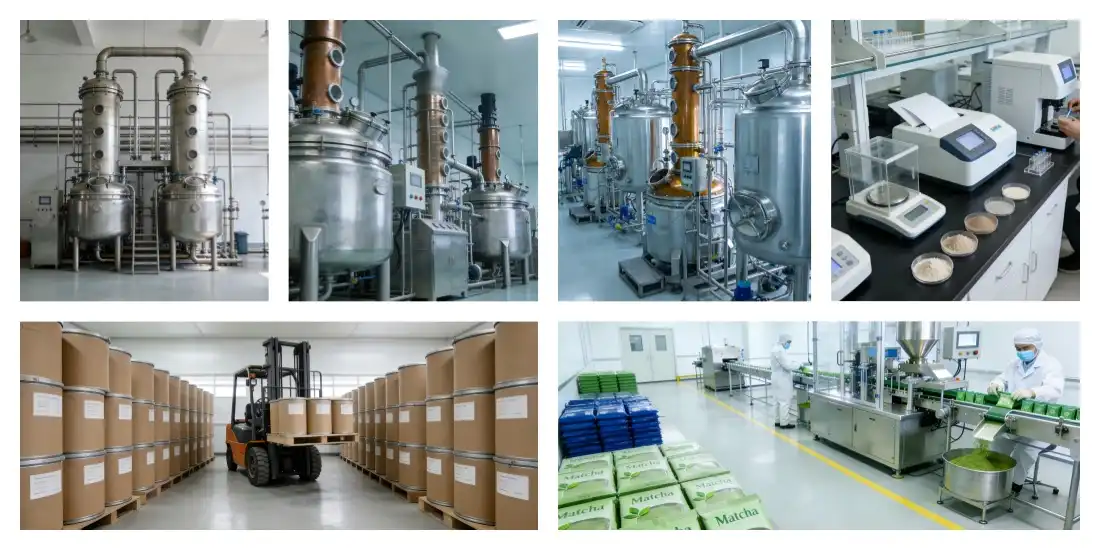
Question Four: Will the Supplier Perform After You Sign?
The final question is about the relationship itself. Samples are easy; sustained performance is hard. This is where a lutein beadlets powder supplier proves whether it is a vendor or a partner.
Response Time and Delivery Benchmarks
Demand concrete numbers, not reassuring adjectives. NT Biotech's published service structure offers a useful benchmark for the entire industry: initial replies to all inquiries within two hours; inventory of popular standardized extracts held for shipment within 1–3 working days after order confirmation; and production orders completed within 3–10 working days — a cycle that already includes premium raw material procurement, proprietary extraction, stringent laboratory testing with batch CoA, and final packaging. When a lutein beadlets powder supplier commits to figures like these in writing, you gain something rare in global sourcing: a supply chain you can actually plan your launches around.
OEM/ODM Customization and Buyer-Friendly Terms
No two markets want exactly the same product. NT Biotech provides customized OEM/ODM solutions tailored to different countries and clients — adjusting beadlet specifications, assay levels, packaging formats, and documentation to fit local requirements, whether your destination is dietary supplements, functional foods, high-end cosmetics, or animal nutrition. Equally refreshing is its payment philosophy: buyer-friendly terms that include accepting payment in the buyer's local currency, removing foreign-exchange friction from international transactions. A lutein beadlets powder supplier willing to adapt its product, packaging, and payment terms around your business is one that views your success as its own.
Logistics Engineered Around the Buyer
Great logistics are invisible until something goes wrong. NT Biotech matches the shipping method to each order's needs: its own FedEx/UPS accounts enable fast, trackable, direct-from-factory delivery for smaller and urgent orders, while trusted freight forwarders handle large shipments securely by air or sea. Express, air, and ocean options are balanced against your priorities for speed, volume, and cost. This flexibility matters more than it first appears — a lutein beadlets powder supplier with mature logistics protects your beadlets from the heat, humidity, and delays that quietly degrade carotenoid ingredients in transit, ensuring the stability built in the factory survives the journey to your door.
Table 2: Supplier Evaluation Scorecard — Criteria vs. NT Biotech Benchmarks
| Evaluation Criterion | What Buyers Should Ask | NT Biotech Benchmark |
|---|---|---|
| Inquiry response speed | "How fast will you reply?" | Within 2 hours, guaranteed |
| Stock availability | "Can you ship from inventory?" | 1–3 working days after confirmation |
| Production lead time | "How long for a fresh batch?" | 3–10 working days, CoA included |
| Quality documentation | "What comes with each batch?" | Full CoA with HPLC/UV data |
| Certifications | "Which markets can I enter?" | ISO9001, KOSHER, HALAL |
| Payment flexibility | "Can I pay in my currency?" | Buyer's local currency accepted |
| Shipping options | "How will my order travel?" | FedEx/UPS direct, air, or sea freight |
Conclusion
Choosing a reliable lutein beadlets powder supplier comes down to four honest questions: Does it understand beadlet technology? Can it prove manufacturing strength with data? Does its compliance paperwork survive scrutiny? And will it perform long after the contract is signed? Shaanxi New Things Biotech answers all four with proprietary extraction and encapsulation technology, standardized lutein beadlets powder verified by HPLC/UV, ISO9001, KOSHER, and HALAL certifications, two-hour response times, and a fully integrated value chain from autonomous marigold planting to finished product. Suppliers meeting this standard deserve your shortlist — and your next inquiry.
FAQ
Q1: What is lutein beadlets powder?
A: A microencapsulated, free-flowing form of marigold-derived lutein in which protective beadlet walls shield the carotenoid from oxidation, heat, and light.
Q2: What assay grades are available?
A: Common beadlet grades include 5%, 10%, and 20% lutein content, with custom specifications available through OEM/ODM services.
Q3: Which certifications does NT Biotech hold?
A: ISO9001, KOSHER, and HALAL, enabling access to major global markets and specialty consumer segments.
Q4: How fast can orders be delivered?
A: In-stock beadlets ship within 1–3 working days; production orders typically require 3–10 working days, with a CoA for every batch.
Q5: Can beadlet specifications be customized for my market?
A: Yes. NT Biotech offers OEM/ODM customization of assays, packaging, and documentation to meet country-specific requirements.
Partner With NT Biotech: Source Lutein Beadlets Powder With Confidence
Your next eye-health product deserves an ingredient partner that delivers verified stability, documented purity, and dependable speed — and that is precisely what NT Biotech builds into every batch of its lutein beadlets powder. Whether you need a standard beadlet grade shipped from inventory within days, a customized OEM formulation for your target market, or expert guidance on choosing the right assay for your dosage form, our technical team responds within two hours. Send your specification, sample request, or project brief to info@newthingsbiotech.com today, and discover why brands worldwide trust NT Biotech as their long-term lutein beadlets powder supplier. Let nature's most trusted carotenoid, protected by science, power your next product launch — contact us now.
References
1. Age-Related Eye Disease Study 2 (AREDS2) Research Group. "Lutein + Zeaxanthin and Omega-3 Fatty Acids for Age-Related Macular Degeneration: The AREDS2 Randomized Clinical Trial." JAMA, 2013.
2. Abdel-Aal, E.-S.M.; Akhtar, H.; Zaheer, K.; Ali, R. "Dietary Sources of Lutein and Zeaxanthin Carotenoids and Their Role in Eye Health." Nutrients, 2013.
3. Boon, C.S.; McClements, D.J.; Weiss, J.; Decker, E.A. "Factors Influencing the Chemical Stability of Carotenoids in Foods." Critical Reviews in Food Science and Nutrition, 2010.
4. Buscemi, S.; Corleo, D.; Di Pace, F.; Petroni, M.L.; Satriano, A.; Marchesini, G. "The Effect of Lutein on Eye and Extra-Eye Health." Nutrients, 2018.
5. Ranard, K.M.; Jeon, S.; Mohn, E.S.; Griffiths, J.C.; Johnson, E.J.; Erdman, J.W. "Dietary Guidance for Lutein: Consideration for Intake Recommendations Is Scientifically Supported." European Journal of Nutrition, 2017.
6. Eisenhauer, B.; Natoli, S.; Liew, G.; Flood, V.M. "Lutein and Zeaxanthin — Food Sources, Bioavailability and Dietary Variety in Age-Related Macular Degeneration Protection." Nutrients, 2017.
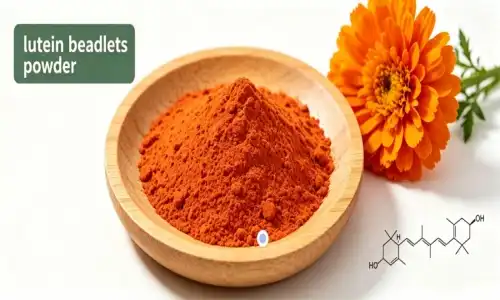
Things have changed in the vitamin business. People today don't want simple bottles full of dirty, unstable powders. Instead, they want clean labels, easy-to-use forms like sweets and chewables, and recipes that stay effective from the factory floor to the last day of shelf life. To meet those expectations, you need to choose your ingredients more carefully, and lutein beadlets powder is one of the best ways to do that. This microencapsulated format gives the stability, flowability, and formulation flexibility that modern product development needs by enclosing lutein from marigolds in tiny protective spheres. This article talks about why beadlet technology has become the best way to eat for eye health and how NT Biotech (Shaanxi New Things Biotech) takes it even further by using their own extraction and encapsulation methods, as well as standard tests that are approved by HPLC/UV, ISO9001, KOSHER, and HALAL, and giving each batch a Certificate of Analysis.
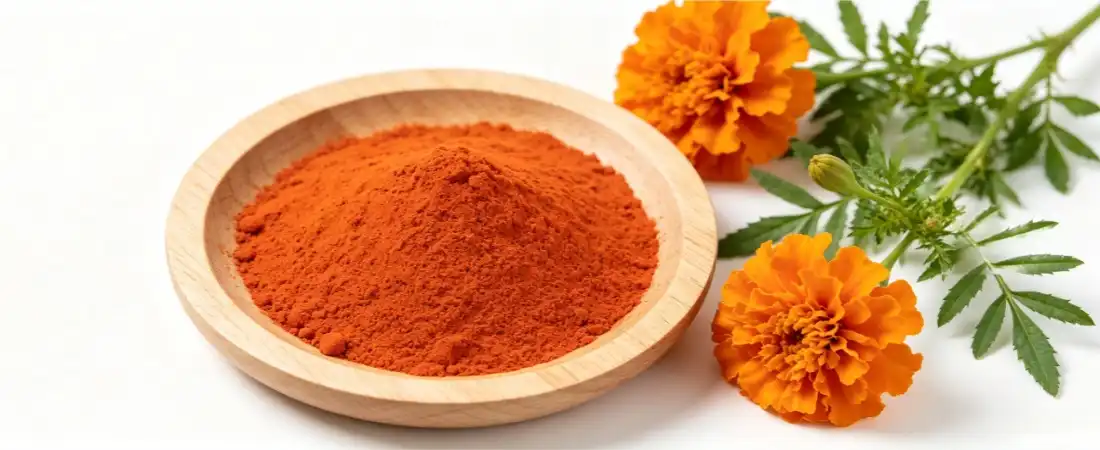
The Fragility Problem: Why Traditional Lutein Struggles in Modern Formulas
Before you can enjoy beadlets, you need to know what problem they fix. Even though lutein is a very good nutrient, it is surprisingly fragile as a raw material. This has quietly harmed many supplement formulations.
A Powerful Carotenoid With a Sensitive Nature
Lutein is a natural pigment that plants make to receive light and fight toxic stress. It is in the carotenoid family. Lutein is mostly found in the center of the human eye, where it helps block high-energy blue light and improves long-term vision. In a strange way, the molecular structure that makes lutein so useful also makes it weak: oxygen, heat, humidity, and light all break it down slowly. A regular lutein powder that is stored in a building, moved through a hot supply chain, or left on a store shelf can lose a lot of its effectiveness before the customer even opens the bottle. That loss of accuracy is more than just a bothersome technicality for brands that promise a precise dose on the label; it's a threat to their credibility.
The Hidden Costs of Ingredient Degradation
The damage that happens when an active ingredient breaks down affects the whole business. To make sure the label claims are true at expiration, formulators have to add expensive extras. It takes longer and fails more often to test for stability. Complaints from customers about results that don't match up hurt trust. And in markets that are controlled, goods that test lower than their claimed strength can get into a lot of problems for not following the rules. Anyone who sells lutein beadlets powder will tell you the same thing: brands usually only get to beadlets after having a bad time with lutein that wasn't protected. Picking a stable style from the start is not a nice-to-have; it's a safety net for your ideas, your schedule, and your image.
What Modern Consumers Expect From Eye-Health Products
Even so, the market keeps setting new standards. Screen time has turned eye health from a niche issue for seniors into a lifestyle issue that students, gamers, and office workers all care about. These younger customers want dosage forms that are very hard on unstable chemicals, like sweets, chewables, and drink mixes. They read labels, compare awards, and give prizes to names that always make good products. Lutein beadlets powder isn't just a technical improvement in this setting; it's the form that lets lutein live happily in the goods that current customers actually want to buy.
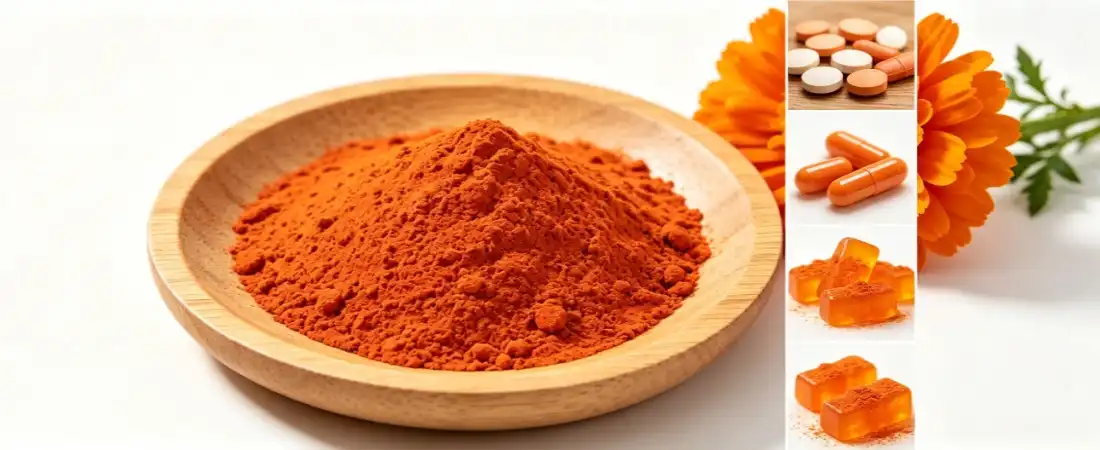
Beadlet Technology Explained: A Microscopic Shield Around Every Dose
What does the beadlet structure do to make such a fragile food work? Microencapsulation is the answer. It's a beautiful piece of food engineering that turns something weak into something strong.
How Microencapsulation Transforms Lutein
The beadlet process spreads and embeds pure lutein from the blooms of Tagetes erecta, the marigold flower, into a protected matrix made of food-grade wall materials like gelatin, starch, or plant-based replacements. After being mixed, the lutein beadlets powder is made by rolling it into small, even rounds and then letting it dry. Each beadlet is like a tiny vault: the wall material keeps oxygen and light out, and the sphere shape keeps the surface from getting too much light. At this point, NT Biotech uses its own extraction and packaging technology to get the most active chemicals out of plants while also making beadlets to make them more stable. This is a real technological barrier that was built over years of plant-extraction research and development, not just mixing.
Free-Flowing, Dust-Free, and Production-Friendly
The advantages go far beyond chemistry. Lutein beadlets powder works like a dream on the production line. It mixes evenly with vitamins, minerals, and excipients as it flows through hoppers and feeders without making much dust. The lutein is spread out evenly in a batch because each beadlet is about the same size and density. This means that the first tablet and the ten-thousandth tablet both have the same confirmed amount. This uniformity means that manufacturers with high-speed equipment will have fewer stoppages, less waste, cleaner facilities, and faster batch release. This is the kind of quiet operational edge that both purchasing teams and production managers come to trust.
Stability That Survives the Real World
In the end, beadlets prove their worth on the shelf. Because they are enclosed in walls, lutein beadlets powder keeps its test results for a much longer time than other types that aren't protected. This is true even in warm warehouses, during long ocean freight trips, and after months of being on show in stores. This real-world toughness lets brands set expiration dates with confidence, cut down on or get rid of costly overages, and pass stable tests with plenty of room to spare. When NT Biotech sends you lutein beadlets powder with batch-specific HPLC/UV documentation, you can be sure that the powder is effective, both on the day it was made and on the day your customer takes the last dose.
Table 1: Lutein Delivery Formats Compared — Why Beadlets Lead for Modern Supplements
| Key Attribute | Lutein Beadlets Powder | Conventional Lutein Powder | Lutein Oil Suspension |
|---|---|---|---|
| Resistance to oxidation | Excellent (protective wall) | Moderate | Moderate (needs dark, sealed packaging) |
| Flowability/dust control | Free-flowing, dust-free | Prone to dust and caking | Not applicable (liquid) |
| Does uniformity in blends | High (uniform spheres) | Variable | High |
| Tablets, capsules, chewables | Excellent | Limited | Softgels only |
| Gummies and dry drink mixes | Excellent | Limited | Not suitable |
| Typical assay options | 5%–20% | 5%–90% | 10%–20% |
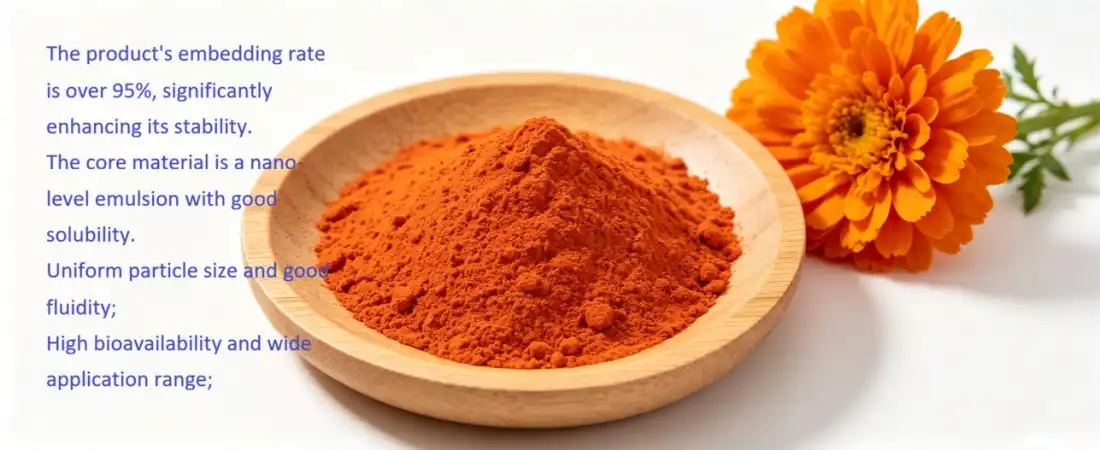
One Ingredient, Endless Possibilities: Application Versatility
Beadlets are appealing because they are stable, but what really makes them popular is how versatile they are. A single, well-made lutein beadlets powder can hold together a whole line of products that used to need very different types of ingredients.
Tablets and Capsules That Compress Beautifully
Beadlets shine when they are used in solid dosage forms. Because the particles are managed in size and shape, lutein beadlets powder is very good at being compressed for direct-compression pills. They also don't make dust, which keeps machines that make capsules clean. Standardised grades, like 5%, 10%, and 20% lutein content, help formulators make accurate label claims, whether they're making a gentle daily-maintenance pill or a strong capsule for eye health. Every batch of the test is checked by HPLC/UV, so quality teams can quickly and safely accept new material. This helps keep product launches on schedule.
The Gummy and Functional Food Revolution
The growing market for gummies, chewables, and foods with added lutein may be the most exciting new area for lutein beadlets powder. These forms have heat, wetness, and long shelf lives, which are all bad for normal lutein. Because they are protected by an encapsulation matrix, beadlets can handle gummy cooking and dry-blend fortification much better. This means that consumers can get reliable eye-health dosing in products they enjoy. It becomes possible to make powdered drink mixes, protein bars, meal swaps, and even enriched dairy products. For companies that want to get in on the functional food trend, working with a good lutein beadlets powder provider opens up new product ideas that weren't possible with older ingredient generations.
Beyond Supplements: Cosmetics and Animal Nutrition
The versatility story does not end with human nutrition. Lutein's antioxidant character and natural golden hue have earned it a place in high-end cosmetic formulations, while in animal nutrition, it is valued for enriching the color and nutritional profile of poultry products and aquaculture feeds. NT Biotech supplies pure, active natural raw materials across all of these sectors — dietary supplements, functional foods, premium cosmetics, and animal nutrition — and provides flexible OEM solutions to support product development in each. If you are sketching out a product concept and wondering which beadlet grade fits your application, the fastest route to a concrete answer is to email your target format and specification to info@newthingsbiotech.com — NT Biotech guarantees an initial reply within two hours, complete with technical documentation and sample support.
Table 2: Application Guide — Matching Lutein Beadlets Powder Grades to Product Formats
| Product Format | Recommended Grade | Why Beadlets Excel Here |
|---|---|---|
| Hard capsules | Lutein beadlets 10%–20% | Dust-free filling, uniform dosing |
| Compressed tablets | Lutein beadlets 10% | Excellent compressibility and blend uniformity |
| Gummies / chewables | Lutein beadlets 5%–10% | Withstands heat and moisture during processing |
| Powdered drink mixes | Lutein beadlets 5% | Disperses evenly, stable in dry blends |
| Fortified foods | Lutein beadlets 5%–20% | Survives shelf life without potency loss |
| Animal nutrition | Custom grades | Consistent fortification, easy feed mixing |
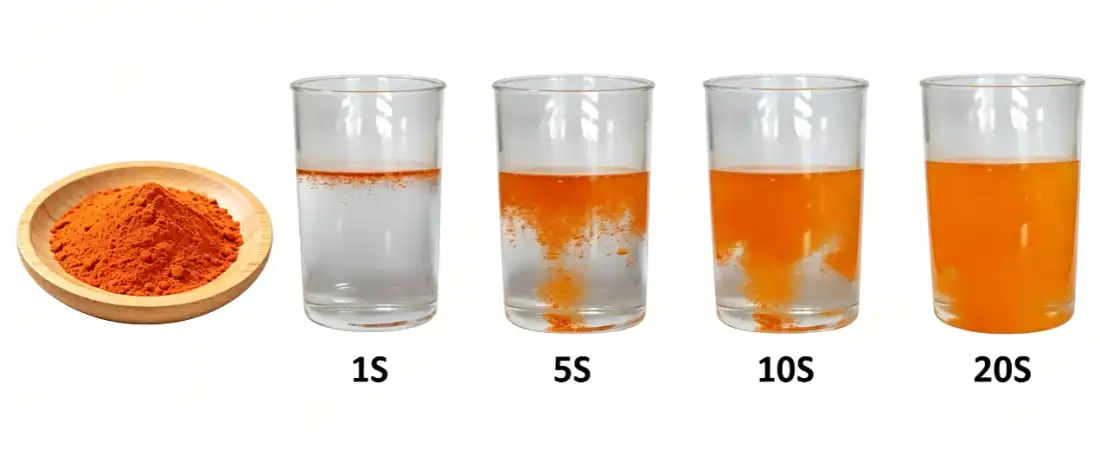
The Supplier Behind the Beadlet: Why NT Biotech Makes the Difference
Even the best technology underperforms in the wrong hands. The final reason lutein beadlets powder works so well in modern supplements is what happens when a fully integrated, certification-backed manufacturer stands behind it.
A Complete Value Chain From Marigold Field to Finished Beadlet
NT Biotech operates a complete value-chain service system that runs from plant source to product application. Autonomous marigold planting secures consistent, carotenoid-rich raw material; state-of-the-art R&D drives its proprietary extraction and encapsulation; intelligent production standardizes every batch; and an adaptive supply chain delivers the finished beadlets worldwide. This vertical integration means the company does not gamble on spot-market oleoresin — it controls quality at every link. The result is lutein beadlets powder with exceptional purity (above 98% on key products), superior stability, and complete traceability from field to drum, giving brands a defensible quality story their competitors cannot easily copy.
Certifications and Documentation That Open Global Markets
Compliance is where promises become paperwork, and NT Biotech's paperwork is built for global trade. The company holds ISO9001, KOSHER, and HALAL certifications, clearing the path into mainstream Western markets and fast-growing specialty segments alike. Every batch of lutein beadlets powder ships with a comprehensive Certificate of Analysis supported by HPLC/UV data, covering assay, heavy metals, and microbiological parameters. For brands selling across the United States, Europe, the Middle East, or Southeast Asia, this documentation package removes friction from regulatory filings, retailer audits, and customer due diligence — turning what is often the slowest part of sourcing into one of the fastest.
Speed, Flexibility, and Partnership Built Around the Buyer
Finally, there is the experience of actually working with the company. NT Biotech guarantees initial replies to all inquiries within two hours; holds inventory of popular standardized extracts for shipment within 1–3 working days; and completes production orders within 3–10 working days, a cycle that already includes raw material procurement, extraction, laboratory testing, and packaging. Logistics flex to your needs — direct-from-factory FedEx/UPS shipments for urgent orders, trusted freight forwarders for bulk sea or air cargo. Customized OEM/ODM solutions adapt specifications and packaging to different countries, and payment is accepted in the buyer's local currency. This is what distinguishes a true lutein beadlets powder supplier from a mere vendor: every system is engineered around the buyer's success.
Conclusion
Today's vitamins need ingredients that are stable, flexible, clean, and exactly dosed. Lutein beadlets powder meets all of these needs. The fragile lutein is protected from oxygen, heat, and light by microencapsulation. Even beadlets move smoothly through production lines, and one grade of an ingredient can be used in drinks, foods that are fortified, tablets, capsules, and gummies. Beadlets are more than just an ingredient when they come from NT Biotech's integrated value chain, proprietary processing, ISO9001, KOSHER, and HALAL certifications, batch-level COA documentation, and buyer-first service. They give any modern eye-health brand a competitive edge.
FAQ
Q1: What is lutein beadlets powder?
A: A microencapsulated form of marigold-derived lutein in which protective beadlet walls guard the carotenoid against oxygen, heat, and light, creating a stable, free-flowing powder.
Q2: Why are beadlets better for gummies and drink mixes?
A: The encapsulation matrix tolerates heat and moisture during processing, keeping the lutein potent in formats that degrade ordinary powders.
Q3: What grades does NT Biotech offer?
A: Standardized beadlet grades such as 5%, 10%, and 20% lutein content, with custom specifications available through OEM/ODM services.
Q4: What quality documentation is provided?
A: Every batch ships with a Certificate of Analysis backed by HPLC/UV testing, alongside ISO9001, KOSHER, and HALAL certifications.
Q5: How fast can NT Biotech deliver?
A: Inquiries are answered within two hours; in-stock beadlets ship in 1–3 working days, and production orders take 3–10 working days.
Build Your Next Bestseller With NT Biotech Lutein Beadlets Powder
The future of eye-health nutrition belongs to brands that combine consumer-friendly formats with uncompromising ingredient quality — and NT Biotech's lutein beadlets powder delivers both. Backed by proprietary encapsulation technology, fully traceable marigold sourcing, ISO9001, KOSHER, and HALAL certifications, and a two-hour response guarantee, our team is ready to support your project from first sample to full-scale production. Whether you are formulating gummies, tablets, capsules, or functional foods, send your specification or sample request to info@newthingsbiotech.com today. Let NT Biotech turn the gift of nature and the commitment of science into your brand's next success story — contact us now and put beadlet technology to work for you.
References
1. Age-Related Eye Disease Study 2 (AREDS2) Research Group. "Lutein + Zeaxanthin and Omega-3 Fatty Acids for Age-Related Macular Degeneration: The AREDS2 Randomized Clinical Trial." JAMA, 2013.
2. Abdel-Aal, E.-S.M.; Akhtar, H.; Zaheer, K.; Ali, R. "Dietary Sources of Lutein and Zeaxanthin Carotenoids and Their Role in Eye Health." Nutrients, 2013.
3. Boon, C.S.; McClements, D.J.; Weiss, J.; Decker, E.A. "Factors Influencing the Chemical Stability of Carotenoids in Foods." Critical Reviews in Food Science and Nutrition, 2010.
4. Buscemi, S.; Corleo, D.; Di Pace, F.; Petroni, M.L.; Satriano, A.; Marchesini, G. "The Effect of Lutein on Eye and Extra-Eye Health." Nutrients, 2018.
5. Ranard, K.M.; Jeon, S.; Mohn, E.S.; Griffiths, J.C.; Johnson, E.J.; Erdman, J.W. "Dietary Guidance for Lutein: Consideration for Intake Recommendations Is Scientifically Supported." European Journal of Nutrition, 2017.
6. Lakshminarayana, R.; Raju, M.; Krishnakantha, T.P.; Baskaran, V. "Enhanced Lutein Bioavailability by Lyso-Phosphatidylcholine in Rats." Molecular and Cellular Biochemistry, 2006.
Lutein is the ingredient that everyone is talking about at any nutraceutical trade show right now. Brands all over the world are rushing to release eye-health formulas as the amount of time people spend in front of screens rises and people become more serious about protecting their eyesight. But here's the difficult truth: your finished product will never be better than the raw materials that went into it. That's why it's so important for buyers and formulators to know how to pick a reliable marigold extract lutein powder provider. In this guide, the real differences between reliable partners and risky vendors are broken down. We will compare each factor to NT Biotech (Shaanxi New Things Biotech), a supplier whose marigold extract lutein powder is standard, batch-tested by HPLC/UV, certified under ISO9001, KOSHER, and HALAL systems, and always shipped with a Certificate of Analysis. This is an example of what "reliable" really means in the real world.
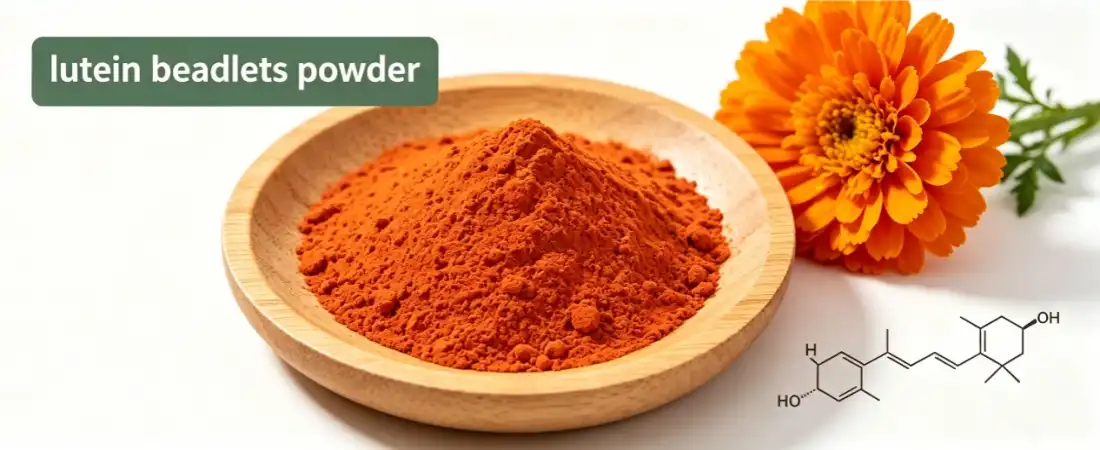
Start With the Product: What Premium Marigold Extract Lutein Powder Actually Looks Like
You need to know what "quality" means in this case before you go to any plant and check it out. A professional marigold extract lutein powder seller never sells "lutein" as an abstract idea; they sell exact, measurable details backed up by lab results.
Standardized Lutein Content You Can Verify
Serious sellers offer a wide range of grades, including 5%, 10%, and 20% powders for everyday vitamins and functional foods, as well as high-purity 80% to 90% grades for study and high-end nutraceuticals. HPLC or UV testing should be used to measure the amount in each batch, and the test on the label must match the test in the lab report. NT Biotech goes even further by making sure that the quality of its key standardised extracts is above 98%. This gives formulators more control over dose and better labels.
It All Begins With the Marigold Flower
The field is where great powder begins. Tagetes erecta is used to get lutein, and the amount of carotenoids in the petals depends a lot on the soil, the weather, when they are picked, and how they are handled after they are picked. A company that grows its own marigold extract lutein powder, as NT Biotech does with its autonomous cultivation system, can be sure of the quality of its raw materials year after year without having to risk it on the open market.
Extraction Method Determines Stability
Lutein is a weak carotene that breaks down in heat, light, and air. It is not a marketing phrase that proprietary extraction technology protects active chemicals from oxidation and increases their output. This is a real technological barrier. Better stability means that your pills, tablets, and candies will work better, and you'll have fewer headaches when checking their shelf life.
Table 1: Typical Specifications Offered by a Professional Marigold Extract Lutein Powder Supplier
| Specification | Assay (HPLC/UV) | Typical Application |
|---|---|---|
| Lutein Powder 5% | ≥5% | Daily eye-health supplements, functional foods |
| Lutein Powder 10% | ≥10% | Capsules, tablets, gummies |
| Lutein Powder 20% | ≥20% | High-strength formulations |
| Lutein 80% | ≥80% | Premium nutraceuticals, R&D |
| Lutein 90% | ≥90% | Pharmaceutical-grade applications |
| Lutein Esters 10%–20% | ≥10%–20% | Fortified foods, cost-effective blends |
| Zeaxanthin 5%–40% | ≥5%–40% | Synergistic eye-health formulas |
Verify Certifications and Documentation Before Anything Else
Once you know what the product should look like, the next step is proving the supplier can actually deliver it — legally, consistently, and transparently. This is where many deals fall apart, and where a qualified marigold extract lutein powder supplier quietly distinguishes itself.
Certifications That Actually Matter
ISO9001 confirms that a supplier runs a disciplined quality management system, while KOSHER and HALAL certifications unlock entire consumer markets that would otherwise remain closed to your brand. When evaluating any marigold extract lutein powder partner, ask whether these certificates are current, scope-relevant, and issued by recognized bodies. NT Biotech maintains all three, giving its clients immediate access to mainstream and specialty markets alike.
Batch-Level Proof: CoA, HPLC, and UV Reports
Certifications describe a system; a Certificate of Analysis describes a specific batch. Insist on a CoA with every shipment, covering assay, heavy metals, microbiological limits, and residual solvents. NT Biotech attaches comprehensive quality documentation — including HPLC/UV chromatograms — to every lot of marigold extract lutein powder it ships, so your quality team never has to take purity on faith.
Traceability From Field to Drum
Ask a simple question: "Can you trace this drum back to the field where the marigolds grew?" A supplier with a complete value chain — from plant source to product application — can answer yes. That level of traceability is your safety net during audits, recalls, and regulatory inspections, and it is increasingly demanded by retailers and regulators worldwide.
Evaluate Supply Chain Strength and Delivery Performance
Even the purest marigold extract, lutein powder, is worthless if it arrives three months late. Supply chain reliability is where a supplier's promises meet reality. Of course, the fastest way to verify everything discussed so far is simply to ask: send your target specification and quantity to info@newthingsbiotech.com — NT Biotech guarantees an initial reply within two hours, and that response speed alone tells you a great deal about how a marigold extract lutein powder supplier treats its customers.
Response Speed and Inventory Depth
Look for concrete numbers, not vague assurances. NT Biotech holds an inventory of popular standardized extracts, enabling shipment within 1–3 working days after order confirmation, while production orders typically require just 3–10 working days — a cycle that already includes premium raw material procurement, proprietary extraction, stringent laboratory testing, and final packaging.
Logistics That Fit Your Business
A flexible marigold extract lutein powder supplier matches the shipping method to your needs. NT Biotech uses its own FedEx/UPS accounts for fast, trackable direct-from-factory delivery of smaller orders, and trusted freight forwarders for secure, on-time bulk shipments by air or sea.
Vertical Integration Is the Real Safety Net
When planting, R&D, intelligent production, and adaptive supply chains live under one roof, disruptions get absorbed internally instead of being passed on to you. That integration is what turns a vendor into a dependable long-term source.
Table 2: What Reliable Delivery Looks Like — NT Biotech Service Benchmarks
| Service Item | Benchmark |
|---|---|
| Initial inquiry response | Within 2 hours |
| In-stock product shipment | 1–3 working days |
| Production order lead time | 3–10 working days |
| Quality documentation | CoA with every batch (HPLC/UV verified) |
| Shipping options | FedEx/UPS direct, air freight, sea freight |
| Payment flexibility | Buyer's local currency accepted |
Choose a Long-Term Technical Partner, Not a One-Off Vendor
The final criterion is mindset. The best marigold extract lutein powder supplier does not simply fill purchase orders — it invests in your product's success across its entire lifecycle.
OEM/ODM Flexibility for Global Markets
Regulations, dosage preferences, and labeling rules differ dramatically between the United States, Europe, the Middle East, and Southeast Asia. NT Biotech provides customized OEM/ODM solutions tailored to the specific requirements of different countries and clients, adjusting specifications, packaging, and documentation so your product launches smoothly wherever it lands.
Technical Support That Extends Beyond the Sale
Positioning itself as a long-term technical partner rather than a mere provider, NT Biotech supports customers with formulation guidance, application know-how, and complete documentation packages across the dietary supplement, functional food, high-end cosmetics, and animal nutrition sectors. When your R&D team hits a snag, having an extraction specialist on your side shortens development cycles dramatically.
Payment and Communication Built Around the Buyer
Friction kills deals. Buyer-friendly terms — such as accepting payment in your local currency — remove foreign-exchange headaches and simplify accounting. Combined with two-hour response times and fluent technical communication, these details reveal a supplier that was genuinely designed around its customers.
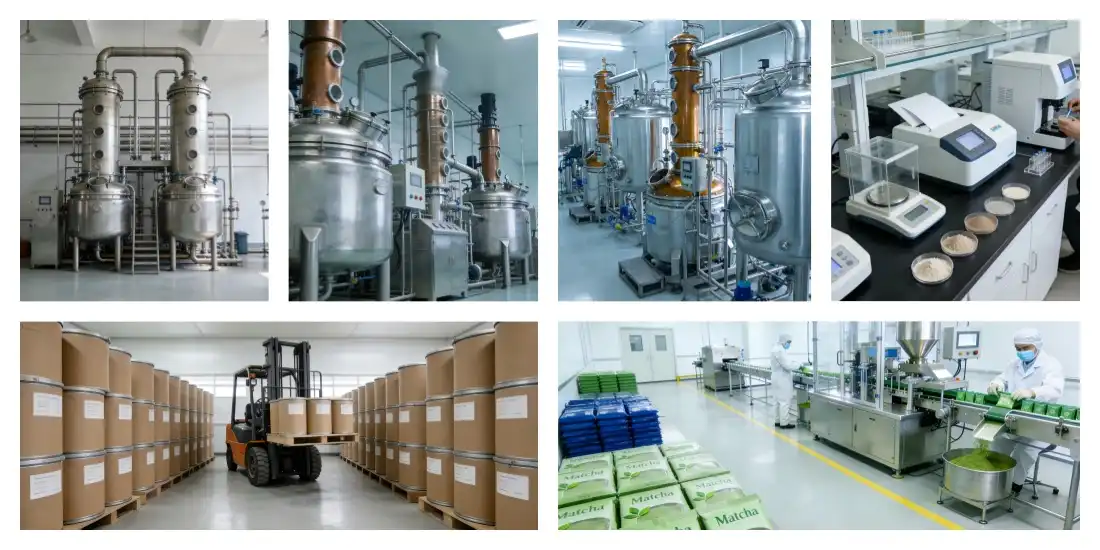
Conclusion
There are four questions that will help you find a dependable marigold extract lutein powder supplier: Is the product checked and standardised? Are all the batch documents and certifications filled out? Can the supply chain always and quickly deliver? Also, will the seller be there for you as an expert partner? Shaanxi New Things Biotech can answer all four questions because it has its own extraction technology, important goods that are purer than 98%, ISO9001, KOSHER, and HALAL certifications, two-hour response times, and a fully integrated value chain that goes from self-growing marigolds to finished marigold extract lutein powder. They should get your trust and your next sale if they meet this level.
FAQ
Q1: What specifications of marigold extract lutein powder does NT Biotech offer?
A: Lutein powders from 5% to 90%, plus lutein esters and zeaxanthin grades, all verified by HPLC/UV testing.
Q2: What certifications does the company hold?
A: ISO9001, KOSHER, and HALAL, supporting compliance in major global markets.
Q3: How quickly can orders be shipped?
A: In-stock items ship within 1–3 working days; production orders take approximately 3–10 working days.
Q4: Is a Certificate of Analysis provided with every batch?
A: Yes. Every batch of marigold extract lutein powder ships with a full CoA and chromatographic documentation.
Q5: Does NT Biotech support OEM/ODM projects?
A: Absolutely. Customized specifications, packaging, and formulations are available for different countries and market needs.
Ready to Source Smarter? Contact NT Biotech Today
Your eye-health product deserves a foundation of verified purity, documented quality, and dependable delivery — and that is exactly what NT Biotech builds into every kilogram of marigold extract lutein powder it produces. Whether you need a stock specification shipped within days, a customized OEM formulation for your target market, or simply expert advice on selecting the right lutein grade, our team is ready to move at your speed. Send your inquiry, specification sheet, or sample request to info@newthingsbiotech.com and receive a guaranteed response within two hours. Let NT Biotech turn nature's most trusted carotenoid into your brand's next success story — reach out today and experience what a true technical partner feels like.
References
1. Age-Related Eye Disease Study 2 (AREDS2) Research Group. "Lutein + Zeaxanthin and Omega-3 Fatty Acids for Age-Related Macular Degeneration: The AREDS2 Randomized Clinical Trial." JAMA, 2013.
2. Abdel-Aal, E.-S.M.; Akhtar, H.; Zaheer, K.; Ali, R. "Dietary Sources of Lutein and Zeaxanthin Carotenoids and Their Role in Eye Health." Nutrients, 2013.
3. Ma, L.; Lin, X.-M. "Effects of Lutein and Zeaxanthin on Aspects of Eye Health." Journal of the Science of Food and Agriculture, 2010.
4. Granado, F.; Olmedilla, B.; Blanco, I. "Nutritional and Clinical Relevance of Lutein in Human Health." British Journal of Nutrition, 2003.
5. Ranard, K.M.; Jeon, S.; Mohn, E.S.; Griffiths, J.C.; Johnson, E.J.; Erdman, J.W. "Dietary Guidance for Lutein: Consideration for Intake Recommendations Is Scientifically Supported." European Journal of Nutrition, 2017.
6. Bone, R.A.; Landrum, J.T.; Guerra, L.H.; Ruiz, C.A. "Lutein and Zeaxanthin Dietary Supplements Raise Macular Pigment Density and Serum Concentrations of These Carotenoids in Humans." Journal of Nutrition, 2003.
There is a quiet hero story in the supplement business that is worth telling. The golden carotenoid lutein protects vision and should be one of the easiest ingredients to formulate with, since it has a lot of scientific support and is well known by consumers. But formulators had to deal with its stubborn flaws for decades: it broke down in heat, oxidised while stored, wouldn't mix with water, and lost its effectiveness long before it reached customers. When microencapsulated lutein powder came along, that story changed totally. By putting lutein from marigolds inside tiny safe spheres, this technology made a fragile vitamin into one of the most useful and reliable ingredients used in modern supplement making. This article goes over the whole picture, including what microencapsulated lutein powder is, how it helps both consumers and brands, the different dosage formats it can be used in, and what makes a great supplier different from a bad one. We will use NT Biotech (Shaanxi New Things Biotech) as a standard for quality. Their microencapsulated lutein powder is standardised across beadlet grades from 5% to 20%, checked by HPLC/UV on every batch, made through a proprietary extraction process that achieves purity above 98% on key products, and comes with ISO9001, KOSHER, and HALAL certifications as well as a Certificate of Analysis with every shipment.
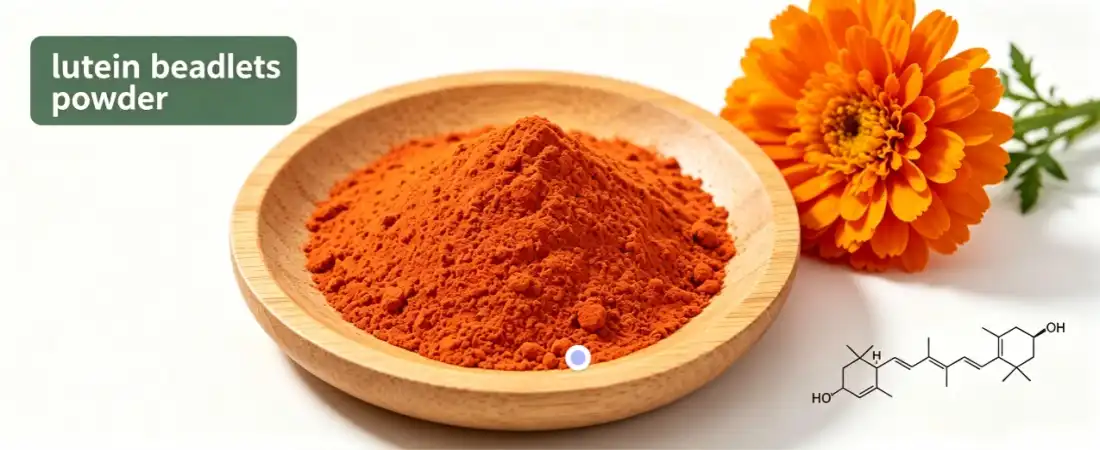
Understanding the Technology: What Microencapsulation Actually Does
Before exploring benefits and applications, it is worth understanding the engineering itself, because everything this ingredient achieves flows from one elegant idea executed at a microscopic scale.
From Fragile Carotenoid to Protected Particle
Lutein begins its journey in the petals of Tagetes erecta, the marigold flower, where nature concentrates it more abundantly than in any other cultivated plant. Once extracted and purified, however, this valuable carotenoid faces a hostile world: oxygen oxidizes it, light degrades it, and heat dismantles its molecular structure. Microencapsulation answers each threat with architecture. Purified lutein is dispersed at a microscopic scale and embedded within a protective matrix of food-grade wall materials — typically gelatin, starch, or plant-based alternatives — then formed into uniform beadlets and dried into a free-flowing powder. Every particle becomes an independent protective unit, with the wall material blocking oxygen and light while the lutein waits, sealed and stable, for its moment of release. The result is microencapsulated lutein powder: the same golden nutrient, re-engineered for survival.
Why the Wall Material System Matters
Not all encapsulation is equal, and the difference lies in the details of the wall system. The composition, thickness, and uniformity of the protective matrix determine how quickly particles disperse, how completely they resist oxidation, and how predictably they release their payload. A well-engineered matrix hydrates appropriately, protects through the stresses of manufacturing, and delivers consistent performance across thousands of production batches. NT Biotech treats this as core technology rather than a commodity process, pairing proprietary extraction methods that maximize the yield of active compounds with encapsulation engineering designed for superior stability. This integrated control — over both the active ingredient and its protective shell — is a genuine technological barrier, and it explains why two powders with identical label claims can perform so differently in real-world formulations.
Standardization: The Numbers Behind the Quality
Professional-grade microencapsulated lutein powder is defined by standardized potency. Industry-standard beadlet grades typically include 5%, 10%, and 20% lutein content, each verified by HPLC or UV analysis rather than estimated on paper. This standardization transforms formulation mathematics: a 10 mg lutein dose requires exactly 100 mg of 10% beadlets, with no guesswork and no drift between batches. For quality teams, standardized grades mean incoming material can be approved against clear specifications; for brands, they mean label claims built on verified numbers. When every batch ships with chromatographic documentation — as NT Biotech provides as standard practice — standardization stops being a marketing word and becomes a measurable, auditable reality.
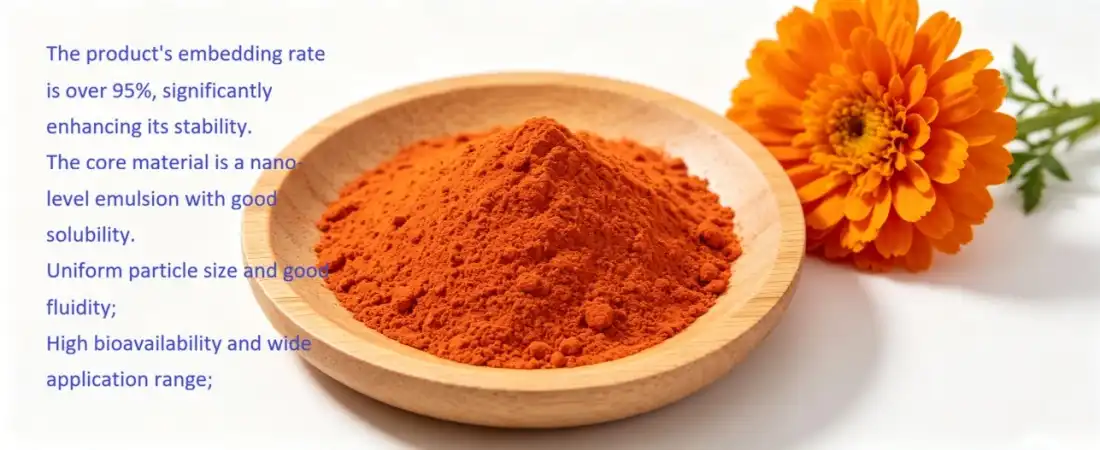
The Core Benefits: Why Brands and Consumers Both Win
The popularity of microencapsulated lutein powder rests on a rare alignment: the same technology that protects the nutrient also improves manufacturing, economics, and the consumer experience simultaneously.
Stability That Protects Potency From Factory to Final Dose
The headline benefit is stability. Sealed inside its protective matrix, lutein survives the challenges that destroy unprotected carotenoids: the heat of tablet compression, the cooking cycles of gummy production, months of ambient warehouse storage, and long international freight journeys. For brands, this resilience translates into smaller overages, longer confident shelf lives, and stability studies that pass with a margin to spare. For consumers, it means something simpler and more powerful — the dose printed on the label is the dose in the capsule, on the last day of shelf life, as surely as the first. In a category where trust is everything, microencapsulated lutein powder turns label honesty from an aspiration into an engineered outcome, protecting not just the nutrient but the brand promise wrapped around it.
Flowability and Dose Uniformity on the Production Line
Ask production managers why they prefer encapsulated formats, and they will describe machines, not molecules. Microencapsulated lutein powder flows smoothly through hoppers and feeders, generates virtually no dust, resists caking in humid conditions, and blends homogeneously with vitamins, minerals, and excipients. Because every beadlet shares approximately the same size, density, and lutein content, the active ingredient distributes evenly through any blend — the first tablet and the hundred-thousandth carry the same verified dose. This uniformity accelerates batch release, reduces waste, and keeps high-speed lines running clean. The operational savings are real: less downtime, fewer rejected batches, and quality teams who spend their time verifying excellence rather than firefighting inconsistency.
A Better Consumer Experience, From Gummies to Drink Mixes
Ultimately, supplement success is decided at the moment of consumption — and microencapsulated lutein powder improves that moment in ways consumers genuinely notice. The encapsulation matrix masks the taste and odor that raw carotenoids can carry, enabling pleasant-tasting gummies, chewables, and powdered drink mixes. The uniform particles disperse smoothly, and the natural golden hue contributes visual appeal without synthetic colorants. These sensory advantages may sound subtle, but they drive the metric that matters most: repeat purchase. Products that look appealing, taste clean, and deliver consistent results earn loyalty. When a single ingredient technology improves stability, manufacturability, and consumer experience together, its dominance in the eye-health category stops being surprising and starts looking inevitable.
Table 1: Microencapsulated Lutein Powder vs. Conventional Lutein Formats
| Performance Dimension | Microencapsulated Lutein Powder | Conventional Lutein Powder | Lutein Oil Suspension |
|---|---|---|---|
| Oxidation resistance | Excellent — sealed matrix | Poor to moderate | Moderate (needs dark packaging) |
| Stability through processing | Survives compression, cooking, and blending | Significant losses | Limited format compatibility |
| Flowability & dust | Free-flowing, dust-free | Dusty, prone to caking | Not applicable (liquid) |
| Dose uniformity | Homogeneous in blends | Variable | Good within softgels only |
| Format versatility | Capsules, tablets, gummies, drink mixes | Limited | Softgels only |
| Taste & odor masking | Yes — matrix-enclosed | No | Partial |
| Standardized grades | 5%, 10%, 20% (HPLC/UV verified) | Often inconsistent | Typically 10%–20% |
Applications Across Every Supplement Format
Versatility is where microencapsulated lutein powder truly earns its reputation. One qualified ingredient can anchor an entire product portfolio — a strategic advantage that simplifies sourcing, accelerates launches, and compounds value across every SKU.
Capsules and Tablets: The Classics, Perfected
Hard capsules and compressed tablets remain the backbone of the supplement industry, and microencapsulated lutein powder elevates both. In capsules, the dust-free, free-flowing particles fill cleanly at high speed, with uniform content from the first unit to the last. In tablets, the beadlets' controlled particle size supports excellent compressibility and blend homogeneity, surviving compression forces that would degrade unprotected lutein. Standardized grades make dose design effortless: 5% beadlets suit multivitamin inclusion, 10% serves mainstream eye-health formulas, and 20% enables high-strength products in compact tablet sizes. Because every batch arrives with HPLC/UV verification, quality teams approve material quickly, keeping production schedules intact and launch dates credible.
Gummies and Chewables: Eye Health Consumers Actually Enjoy
Gummies have transformed from a children's novelty into the preferred supplement format for adults of all ages — and they are brutally unforgiving to fragile ingredients. Heat, moisture, and long cooking cycles destroy unprotected carotenoids, which is precisely why microencapsulated lutein powder has become essential to this category. The protective matrix shields lutein through the cooking process, while the uniform beadlets distribute evenly through the gel matrix, ensuring every gummy carries a consistent dose. The encapsulation also masks any carotenoid taste, supporting the pleasant flavor profiles that drive repeat purchases. Chewable tablets benefit identically, gaining both dose uniformity and oxidative stability. For brands targeting the gummy boom, encapsulated lutein is not an upgrade — it is the entry requirement.
Powdered Drink Mixes and Beyond: The Expanding Frontier
The fastest-growing supplement formats are the ones that fit modern lifestyles: single-serve stick packs stirred into water, powdered drink mixes, and functional blends consumed on the go. These water-adjacent applications were once closed to fat-soluble lutein, but microencapsulated lutein powder — particularly grades engineered for dispersion — opens them wide. The same technology extends into functional foods, from fortified bars to nutritional powders, where stability through processing and shelf life remains paramount. One ingredient, one supplier qualification, one documentation package, serving formats from classic capsules to cutting-edge drink mixes: this portfolio leverage is why experienced formulators increasingly specify encapsulated lutein as their default, reserving other formats only for specialized needs.
Table 2: Application Guide — Matching Grades to Supplement Formats
| Supplement Format | Recommended Grade | Why Microencapsulation Matters Here |
|---|---|---|
| Multivitamin capsules/tablets | Lutein beadlets 5% | Compact inclusion, uniform blending |
| Mainstream eye-health formulas | Lutein beadlets 10% | Clean dose math (100 mg = 10 mg lutein) |
| High-strength vision complexes | Lutein beadlets 20% | Maximum potency in compact sizes |
| Gummies & chewables | Lutein beadlets 10% | Survives cooking heat and moisture |
| Powdered stick packs & drink mixes | Dispersion-engineered grades | Smooth mixing, natural golden hue |
| Functional foods & bars | Lutein beadlets 5%–10% | Stability through processing and shelf life |
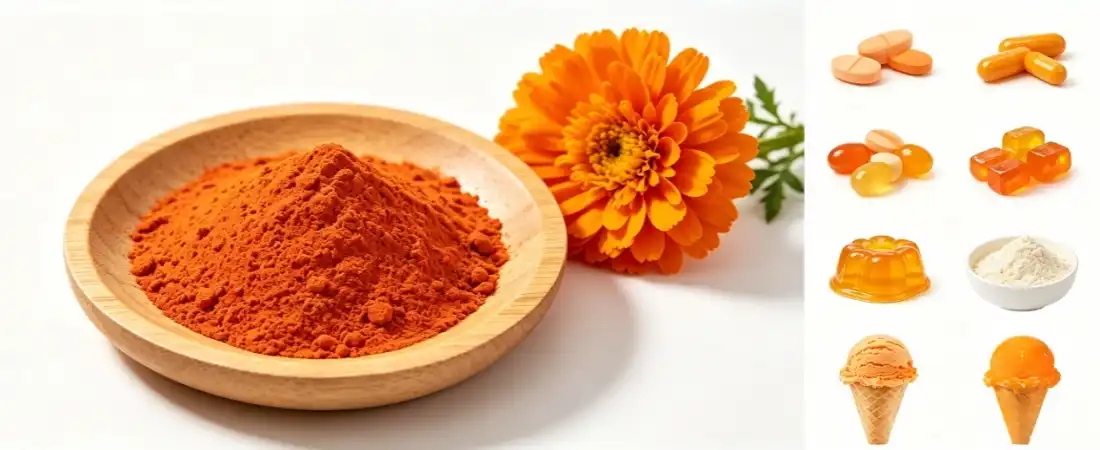
Choosing a Supplier: Where Quality Is Actually Decided
Here is the uncomfortable truth of the category: the same specification name can hide vastly different products. Choosing the right microencapsulated lutein powder supplier is therefore not a procurement detail — it is the decision on which all the benefits above depend.
Verify the Technology, Not Just the Label
The market divides sharply between manufacturers who own their encapsulation technology and traders who relabel bulk material. A genuine manufacturer controls the variables that determine performance — oleoresin quality, dispersion fineness, wall-material composition, drying parameters — and can customize, troubleshoot, and guarantee consistency because it owns the process. NT Biotech is a technology-based company operating proprietary extraction and encapsulation under one roof, achieving purity above 98% on its key standardized products. When interviewing candidates, ask where encapsulation is performed and request process documentation. Manufacturers answer with specifics; traders answer with brochures. This single question filters your shortlist more effectively than any price comparison ever will.
Documentation, Certification, and Traceability
Proof must be paper-backed. A credible microencapsulated lutein powder supplier issues a comprehensive Certificate of Analysis with every batch — covering assay, heavy metals, microbiological parameters, and physical characteristics, supported by HPLC/UV chromatograms — and maintains ISO9001, KOSHER, and HALAL certifications that open global markets. Traceability adds the final layer: NT Biotech operates autonomous marigold planting bases integrated with research, intelligent production, and adaptive supply chains, so every drum can be traced back to the field where its journey began. The most efficient way to verify these standards is simply to test them. Send your target grade, application, and destination market to info@newthingsbiotech.com, and NT Biotech guarantees an initial reply within two hours, complete with specification sheets, batch documentation, and sample support for your evaluation.
Service Speed as a Quality Signal
Responsiveness during the inquiry stage predicts reliability during the production stage. NT Biotech's published benchmarks set a demanding industry standard: initial replies to all inquiries within two hours, guaranteed; inventory of popular standardized extracts shipped within 1–3 working days after order confirmation; and production orders completed within 3–10 working days, including raw material procurement, proprietary extraction, laboratory testing, and packaging. Logistics flex to each order — direct-from-factory delivery via the company's own FedEx/UPS accounts for urgent shipments, and trusted freight forwarders for secure bulk cargo by air or sea. Add customized OEM/ODM solutions for different countries and payment accepted in the buyer's local currency, and you have the profile of a long-term technical partner rather than a one-off vendor.
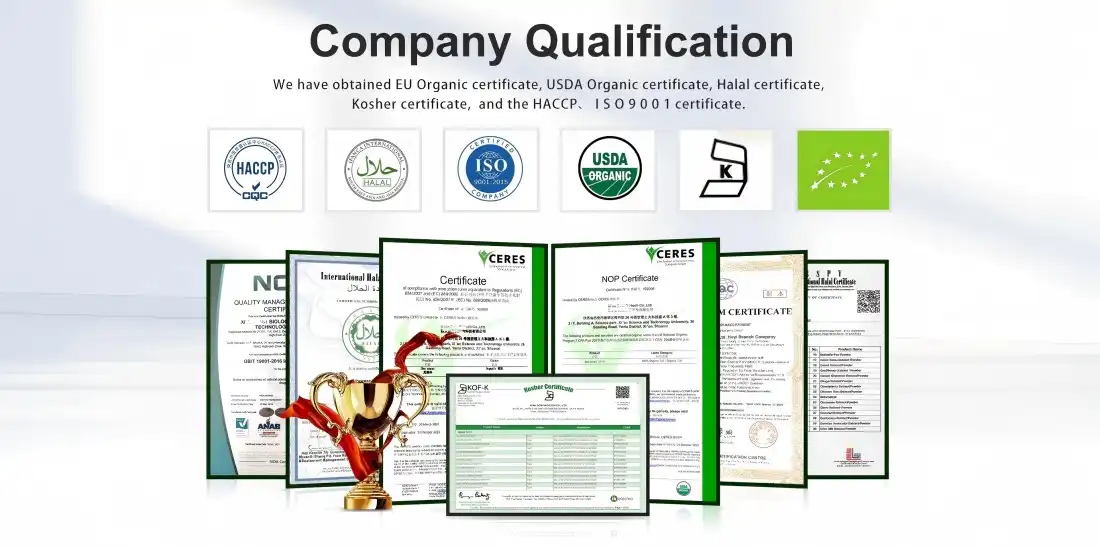
Conclusion
Microencapsulated lutein powder has earned its central role in modern supplements by solving the problems that once limited lutein's potential: it shields the carotenoid from oxygen, heat, and light, flows cleanly through production lines, delivers uniform doses across every format, and supports the gummies, drink mixes, and tablets consumers actually want. Yet these benefits materialize only when the technology is executed with genuine manufacturing depth. NT Biotech provides exactly that — autonomous marigold cultivation, proprietary extraction and encapsulation, purity above 98% on key products, batch-level HPLC/UV verification, triple international certification, and two-hour responsiveness. For brands building the next generation of eye-health products, the right encapsulated ingredient, from the right partner, is where better supplements begin.
FAQ
Q1: What is microencapsulated lutein powder?
A: It is marigold-derived lutein sealed inside microscopic, food-grade protective beadlets — a format that protects the carotenoid from oxygen, heat, and light while enabling versatile supplement applications.
Q2: What are its main benefits for supplement brands?
A: Superior stability through processing and shelf life, free-flowing dust-free handling, uniform dosing, taste masking, and compatibility with capsules, tablets, gummies, and drink mixes.
Q3: Which grades are available?
A: Standardized beadlet grades including 5%, 10%, and 20% lutein content, each verified by HPLC/UV with a batch-specific Certificate of Analysis.
Q4: What certifications does NT Biotech hold?
A: ISO9001, KOSHER, and HALAL certifications, supporting compliance and market access across major global regions.
Q5: How fast can orders be delivered?
A: Inquiries are answered within two hours; in-stock material ships within 1–3 working days, and production orders are completed within 3–10 working days.
Formulate With Confidence — Partner With NT Biotech Today
The benefits of microencapsulated lutein powder are proven; the applications are limitless; and the supplier behind your ingredient determines whether those advantages reach your customers. NT Biotech invites you to verify everything in this article — request batch Certificates of Analysis, take advantage of our two-hour response guarantee, or discuss your next formulation with our plant-extraction specialists. With standardized beadlet grades, proprietary encapsulation technology, ISO9001, KOSHER, and HALAL certifications, flexible OEM/ODM solutions, and payment in your local currency, we are ready to support your project from first sample to global scale. Email your specification or sample request to info@newthingsbiotech.com today — and let NT Biotech turn protected lutein into your brand's most reliable advantage.
References
1. Age-Related Eye Disease Study 2 (AREDS2) Research Group. "Lutein + Zeaxanthin and Omega-3 Fatty Acids for Age-Related Macular Degeneration: The AREDS2 Randomized Clinical Trial." JAMA, 2013.
2. Abdel-Aal, E.-S.M.; Akhtar, H.; Zaheer, K.; Ali, R. "Dietary Sources of Lutein and Zeaxanthin Carotenoids and Their Role in Eye Health." Nutrients, 2013.
3. Boon, C.S.; McClements, D.J.; Weiss, J.; Decker, E.A. "Factors Influencing the Chemical Stability of Carotenoids in Foods." Critical Reviews in Food Science and Nutrition, 2010.
4. Buscemi, S.; Corleo, D.; Di Pace, F.; Petroni, M.L.; Satriano, A.; Marchesini, G. "The Effect of Lutein on Eye and Extra-Eye Health." Nutrients, 2018.
5. Ranard, K.M.; Jeon, S.; Mohn, E.S.; Griffiths, J.C.; Johnson, E.J.; Erdman, J.W. "Dietary Guidance for Lutein: Consideration for Intake Recommendations Is Scientifically Supported." European Journal of Nutrition, 2017.
6. Stahl, W.; Sies, H. "Bioactivity and Protective Effects of Natural Carotenoids." Biochimica et Biophysica Acta, 2005.