- English
- French
- German
- Portuguese
- Spanish
- Russian
- Japanese
- Korean
- Arabic
- Greek
- German
- Turkish
- Italian
- Danish
- Romanian
- Indonesian
- Czech
- Afrikaans
- Swedish
- Polish
- Basque
- Catalan
- Esperanto
- Hindi
- Lao
- Albanian
- Amharic
- Armenian
- Azerbaijani
- Belarusian
- Bengali
- Bosnian
- Bulgarian
- Cebuano
- Chichewa
- Corsican
- Croatian
- Dutch
- Estonian
- Filipino
- Finnish
- Frisian
- Galician
- Georgian
- Gujarati
- Haitian
- Hausa
- Hawaiian
- Hebrew
- Hmong
- Hungarian
- Icelandic
- Igbo
- Javanese
- Kannada
- Kazakh
- Khmer
- Kurdish
- Kyrgyz
- Latin
- Latvian
- Lithuanian
- Luxembou..
- Macedonian
- Malagasy
- Malay
- Malayalam
- Maltese
- Maori
- Marathi
- Mongolian
- Burmese
- Nepali
- Norwegian
- Pashto
- Persian
- Punjabi
- Serbian
- Sesotho
- Sinhala
- Slovak
- Slovenian
- Somali
- Samoan
- Scots Gaelic
- Shona
- Sindhi
- Sundanese
- Swahili
- Tajik
- Tamil
- Telugu
- Thai
- Ukrainian
- Urdu
- Uzbek
- Vietnamese
- Welsh
- Xhosa
- Yiddish
- Yoruba
- Zulu
knowledge
Lutein is the ingredient that everyone is talking about at any nutraceutical trade show right now. Brands all over the world are rushing to release eye-health formulas as the amount of time people spend in front of screens rises and people become more serious about protecting their eyesight. But here's the difficult truth: your finished product will never be better than the raw materials that went into it. That's why it's so important for buyers and formulators to know how to pick a reliable marigold extract lutein powder provider. In this guide, the real differences between reliable partners and risky vendors are broken down. We will compare each factor to NT Biotech (Shaanxi New Things Biotech), a supplier whose marigold extract lutein powder is standard, batch-tested by HPLC/UV, certified under ISO9001, KOSHER, and HALAL systems, and always shipped with a Certificate of Analysis. This is an example of what "reliable" really means in the real world.
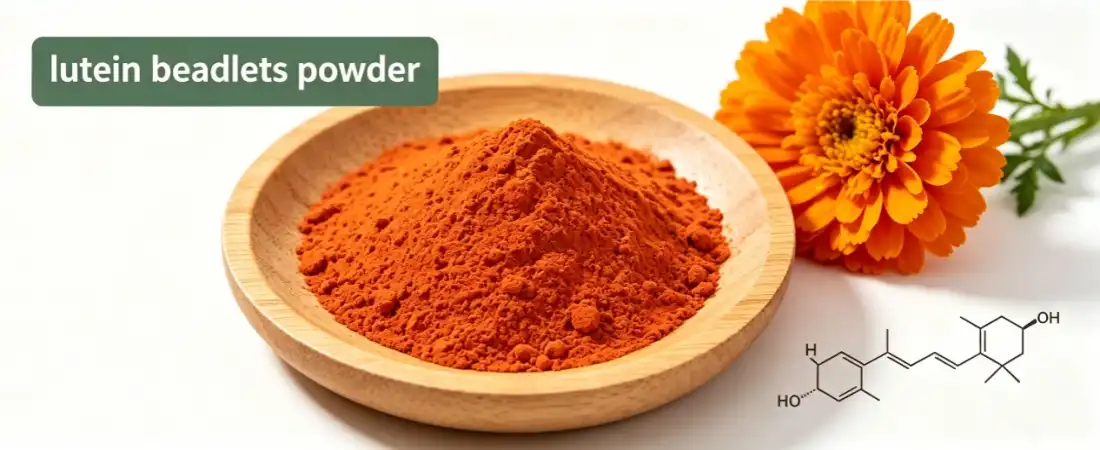
Start With the Product: What Premium Marigold Extract Lutein Powder Actually Looks Like
You need to know what "quality" means in this case before you go to any plant and check it out. A professional marigold extract lutein powder seller never sells "lutein" as an abstract idea; they sell exact, measurable details backed up by lab results.
Standardized Lutein Content You Can Verify
Serious sellers offer a wide range of grades, including 5%, 10%, and 20% powders for everyday vitamins and functional foods, as well as high-purity 80% to 90% grades for study and high-end nutraceuticals. HPLC or UV testing should be used to measure the amount in each batch, and the test on the label must match the test in the lab report. NT Biotech goes even further by making sure that the quality of its key standardised extracts is above 98%. This gives formulators more control over dose and better labels.
It All Begins With the Marigold Flower
The field is where great powder begins. Tagetes erecta is used to get lutein, and the amount of carotenoids in the petals depends a lot on the soil, the weather, when they are picked, and how they are handled after they are picked. A company that grows its own marigold extract lutein powder, as NT Biotech does with its autonomous cultivation system, can be sure of the quality of its raw materials year after year without having to risk it on the open market.
Extraction Method Determines Stability
Lutein is a weak carotene that breaks down in heat, light, and air. It is not a marketing phrase that proprietary extraction technology protects active chemicals from oxidation and increases their output. This is a real technological barrier. Better stability means that your pills, tablets, and candies will work better, and you'll have fewer headaches when checking their shelf life.
Table 1: Typical Specifications Offered by a Professional Marigold Extract Lutein Powder Supplier
| Specification | Assay (HPLC/UV) | Typical Application |
|---|---|---|
| Lutein Powder 5% | ≥5% | Daily eye-health supplements, functional foods |
| Lutein Powder 10% | ≥10% | Capsules, tablets, gummies |
| Lutein Powder 20% | ≥20% | High-strength formulations |
| Lutein 80% | ≥80% | Premium nutraceuticals, R&D |
| Lutein 90% | ≥90% | Pharmaceutical-grade applications |
| Lutein Esters 10%–20% | ≥10%–20% | Fortified foods, cost-effective blends |
| Zeaxanthin 5%–40% | ≥5%–40% | Synergistic eye-health formulas |
Verify Certifications and Documentation Before Anything Else
Once you know what the product should look like, the next step is proving the supplier can actually deliver it — legally, consistently, and transparently. This is where many deals fall apart, and where a qualified marigold extract lutein powder supplier quietly distinguishes itself.
Certifications That Actually Matter
ISO9001 confirms that a supplier runs a disciplined quality management system, while KOSHER and HALAL certifications unlock entire consumer markets that would otherwise remain closed to your brand. When evaluating any marigold extract lutein powder partner, ask whether these certificates are current, scope-relevant, and issued by recognized bodies. NT Biotech maintains all three, giving its clients immediate access to mainstream and specialty markets alike.
Batch-Level Proof: CoA, HPLC, and UV Reports
Certifications describe a system; a Certificate of Analysis describes a specific batch. Insist on a CoA with every shipment, covering assay, heavy metals, microbiological limits, and residual solvents. NT Biotech attaches comprehensive quality documentation — including HPLC/UV chromatograms — to every lot of marigold extract lutein powder it ships, so your quality team never has to take purity on faith.
Traceability From Field to Drum
Ask a simple question: "Can you trace this drum back to the field where the marigolds grew?" A supplier with a complete value chain — from plant source to product application — can answer yes. That level of traceability is your safety net during audits, recalls, and regulatory inspections, and it is increasingly demanded by retailers and regulators worldwide.
Evaluate Supply Chain Strength and Delivery Performance
Even the purest marigold extract, lutein powder, is worthless if it arrives three months late. Supply chain reliability is where a supplier's promises meet reality. Of course, the fastest way to verify everything discussed so far is simply to ask: send your target specification and quantity to info@newthingsbiotech.com — NT Biotech guarantees an initial reply within two hours, and that response speed alone tells you a great deal about how a marigold extract lutein powder supplier treats its customers.
Response Speed and Inventory Depth
Look for concrete numbers, not vague assurances. NT Biotech holds an inventory of popular standardized extracts, enabling shipment within 1–3 working days after order confirmation, while production orders typically require just 3–10 working days — a cycle that already includes premium raw material procurement, proprietary extraction, stringent laboratory testing, and final packaging.
Logistics That Fit Your Business
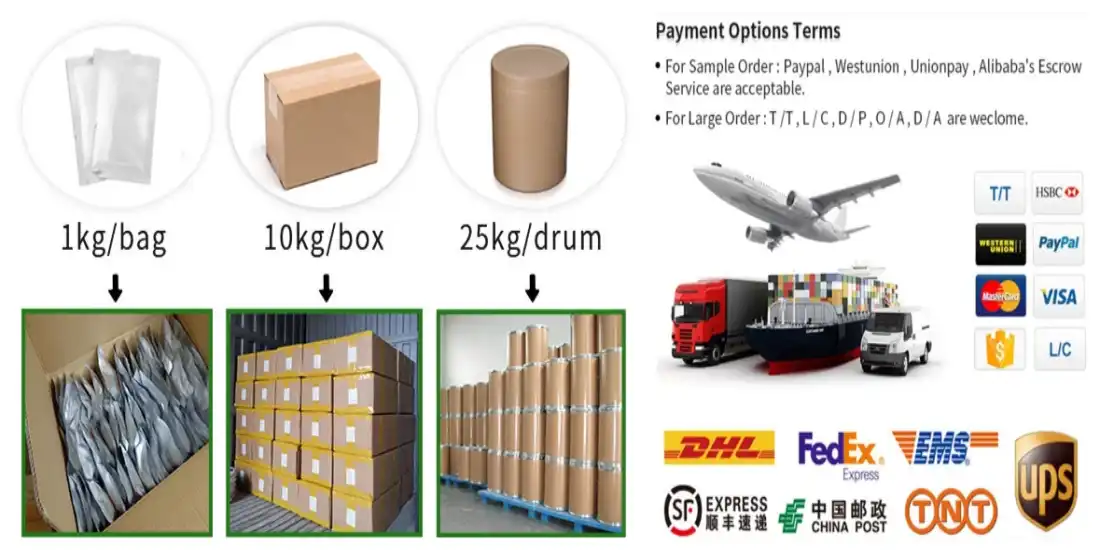
A flexible marigold extract lutein powder supplier matches the shipping method to your needs. NT Biotech uses its own FedEx/UPS accounts for fast, trackable direct-from-factory delivery of smaller orders, and trusted freight forwarders for secure, on-time bulk shipments by air or sea.
Vertical Integration Is the Real Safety Net
When planting, R&D, intelligent production, and adaptive supply chains live under one roof, disruptions get absorbed internally instead of being passed on to you. That integration is what turns a vendor into a dependable long-term source.
Table 2: What Reliable Delivery Looks Like — NT Biotech Service Benchmarks
| Service Item | Benchmark |
|---|---|
| Initial inquiry response | Within 2 hours |
| In-stock product shipment | 1–3 working days |
| Production order lead time | 3–10 working days |
| Quality documentation | CoA with every batch (HPLC/UV verified) |
| Shipping options | FedEx/UPS direct, air freight, sea freight |
| Payment flexibility | Buyer's local currency accepted |
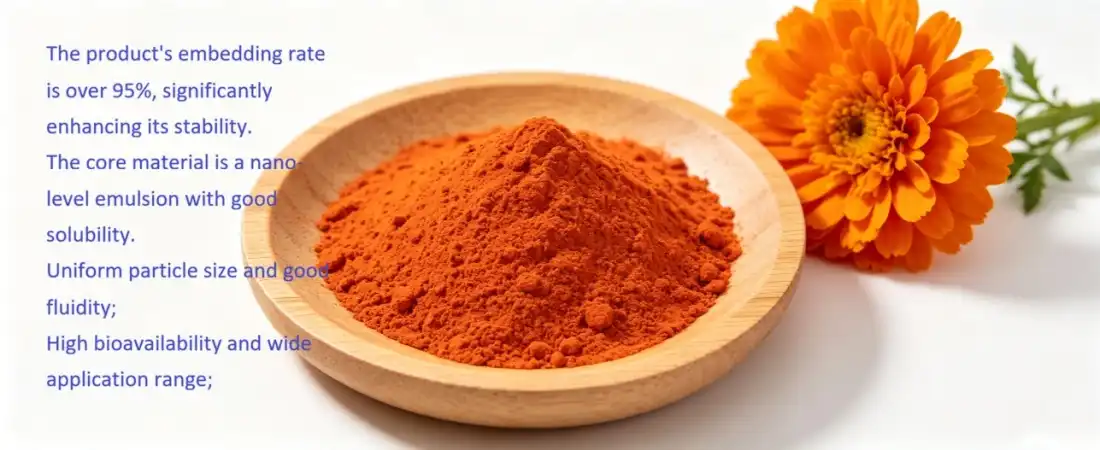
Choose a Long-Term Technical Partner, Not a One-Off Vendor
The final criterion is mindset. The best marigold extract lutein powder supplier does not simply fill purchase orders — it invests in your product's success across its entire lifecycle.
OEM/ODM Flexibility for Global Markets
Regulations, dosage preferences, and labeling rules differ dramatically between the United States, Europe, the Middle East, and Southeast Asia. NT Biotech provides customized OEM/ODM solutions tailored to the specific requirements of different countries and clients, adjusting specifications, packaging, and documentation so your product launches smoothly wherever it lands.
Technical Support That Extends Beyond the Sale
Positioning itself as a long-term technical partner rather than a mere provider, NT Biotech supports customers with formulation guidance, application know-how, and complete documentation packages across the dietary supplement, functional food, high-end cosmetics, and animal nutrition sectors. When your R&D team hits a snag, having an extraction specialist on your side shortens development cycles dramatically.
Payment and Communication Built Around the Buyer
Friction kills deals. Buyer-friendly terms — such as accepting payment in your local currency — remove foreign-exchange headaches and simplify accounting. Combined with two-hour response times and fluent technical communication, these details reveal a supplier that was genuinely designed around its customers.
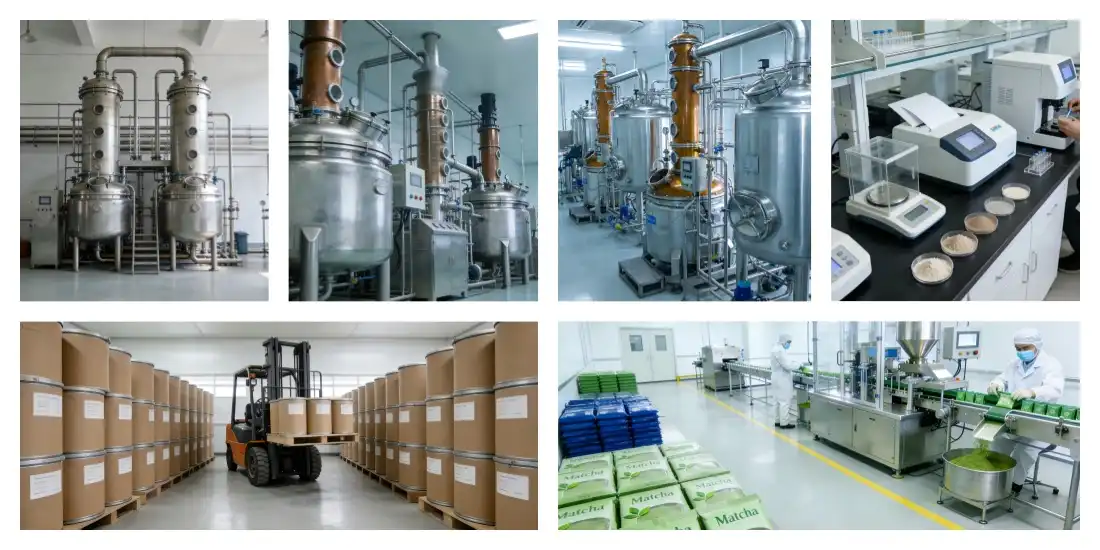
Conclusion
There are four questions that will help you find a dependable marigold extract lutein powder supplier: Is the product checked and standardised? Are all the batch documents and certifications filled out? Can the supply chain always and quickly deliver? Also, will the seller be there for you as an expert partner? Shaanxi New Things Biotech can answer all four questions because it has its own extraction technology, important goods that are purer than 98%, ISO9001, KOSHER, and HALAL certifications, two-hour response times, and a fully integrated value chain that goes from self-growing marigolds to finished marigold extract lutein powder. They should get your trust and your next sale if they meet this level.
FAQ
Q1: What specifications of marigold extract lutein powder does NT Biotech offer?
A: Lutein powders from 5% to 90%, plus lutein esters and zeaxanthin grades, all verified by HPLC/UV testing.
Q2: What certifications does the company hold?
A: ISO9001, KOSHER, and HALAL, supporting compliance in major global markets.
Q3: How quickly can orders be shipped?
A: In-stock items ship within 1–3 working days; production orders take approximately 3–10 working days.
Q4: Is a Certificate of Analysis provided with every batch?
A: Yes. Every batch of marigold extract lutein powder ships with a full CoA and chromatographic documentation.
Q5: Does NT Biotech support OEM/ODM projects?
A: Absolutely. Customized specifications, packaging, and formulations are available for different countries and market needs.
Ready to Source Smarter? Contact NT Biotech Today
Your eye-health product deserves a foundation of verified purity, documented quality, and dependable delivery — and that is exactly what NT Biotech builds into every kilogram of marigold extract lutein powder it produces. Whether you need a stock specification shipped within days, a customized OEM formulation for your target market, or simply expert advice on selecting the right lutein grade, our team is ready to move at your speed. Send your inquiry, specification sheet, or sample request to info@newthingsbiotech.com and receive a guaranteed response within two hours. Let NT Biotech turn nature's most trusted carotenoid into your brand's next success story — reach out today and experience what a true technical partner feels like.
References
1. Age-Related Eye Disease Study 2 (AREDS2) Research Group. "Lutein + Zeaxanthin and Omega-3 Fatty Acids for Age-Related Macular Degeneration: The AREDS2 Randomized Clinical Trial." JAMA, 2013.
2. Abdel-Aal, E.-S.M.; Akhtar, H.; Zaheer, K.; Ali, R. "Dietary Sources of Lutein and Zeaxanthin Carotenoids and Their Role in Eye Health." Nutrients, 2013.
3. Ma, L.; Lin, X.-M. "Effects of Lutein and Zeaxanthin on Aspects of Eye Health." Journal of the Science of Food and Agriculture, 2010.
4. Granado, F.; Olmedilla, B.; Blanco, I. "Nutritional and Clinical Relevance of Lutein in Human Health." British Journal of Nutrition, 2003.
5. Ranard, K.M.; Jeon, S.; Mohn, E.S.; Griffiths, J.C.; Johnson, E.J.; Erdman, J.W. "Dietary Guidance for Lutein: Consideration for Intake Recommendations Is Scientifically Supported." European Journal of Nutrition, 2017.
6. Bone, R.A.; Landrum, J.T.; Guerra, L.H.; Ruiz, C.A. "Lutein and Zeaxanthin Dietary Supplements Raise Macular Pigment Density and Serum Concentrations of These Carotenoids in Humans." Journal of Nutrition, 2003.
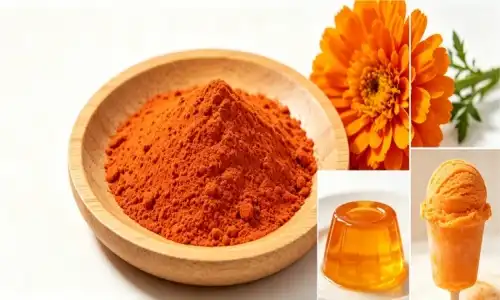
There is a quiet hero story in the supplement business that is worth telling. The golden carotenoid lutein protects vision and should be one of the easiest ingredients to formulate with, since it has a lot of scientific support and is well known by consumers. But formulators had to deal with its stubborn flaws for decades: it broke down in heat, oxidised while stored, wouldn't mix with water, and lost its effectiveness long before it reached customers. When microencapsulated lutein powder came along, that story changed totally. By putting lutein from marigolds inside tiny safe spheres, this technology made a fragile vitamin into one of the most useful and reliable ingredients used in modern supplement making. This article goes over the whole picture, including what microencapsulated lutein powder is, how it helps both consumers and brands, the different dosage formats it can be used in, and what makes a great supplier different from a bad one. We will use NT Biotech (Shaanxi New Things Biotech) as a standard for quality. Their microencapsulated lutein powder is standardised across beadlet grades from 5% to 20%, checked by HPLC/UV on every batch, made through a proprietary extraction process that achieves purity above 98% on key products, and comes with ISO9001, KOSHER, and HALAL certifications as well as a Certificate of Analysis with every shipment.
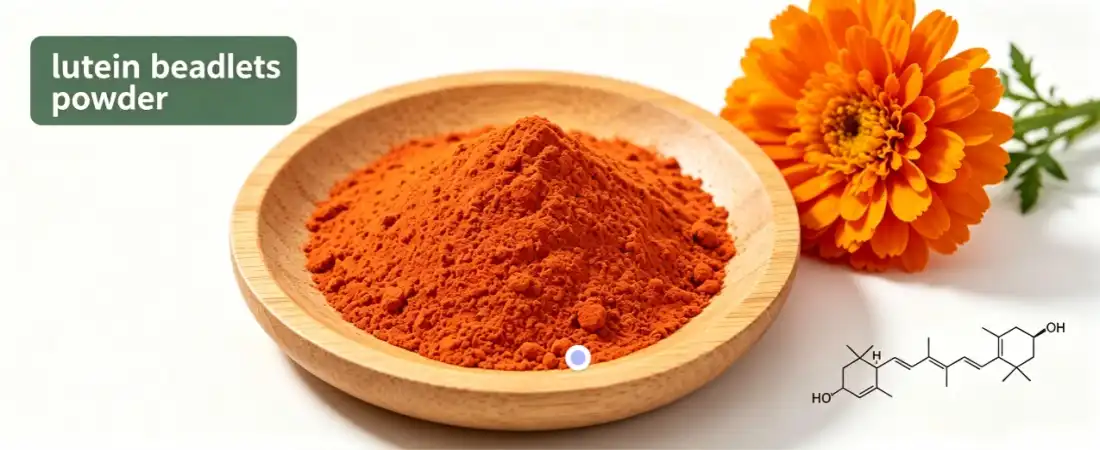
Understanding the Technology: What Microencapsulation Actually Does
Before exploring benefits and applications, it is worth understanding the engineering itself, because everything this ingredient achieves flows from one elegant idea executed at a microscopic scale.
From Fragile Carotenoid to Protected Particle
Lutein begins its journey in the petals of Tagetes erecta, the marigold flower, where nature concentrates it more abundantly than in any other cultivated plant. Once extracted and purified, however, this valuable carotenoid faces a hostile world: oxygen oxidizes it, light degrades it, and heat dismantles its molecular structure. Microencapsulation answers each threat with architecture. Purified lutein is dispersed at a microscopic scale and embedded within a protective matrix of food-grade wall materials — typically gelatin, starch, or plant-based alternatives — then formed into uniform beadlets and dried into a free-flowing powder. Every particle becomes an independent protective unit, with the wall material blocking oxygen and light while the lutein waits, sealed and stable, for its moment of release. The result is microencapsulated lutein powder: the same golden nutrient, re-engineered for survival.
Why the Wall Material System Matters
Not all encapsulation is equal, and the difference lies in the details of the wall system. The composition, thickness, and uniformity of the protective matrix determine how quickly particles disperse, how completely they resist oxidation, and how predictably they release their payload. A well-engineered matrix hydrates appropriately, protects through the stresses of manufacturing, and delivers consistent performance across thousands of production batches. NT Biotech treats this as core technology rather than a commodity process, pairing proprietary extraction methods that maximize the yield of active compounds with encapsulation engineering designed for superior stability. This integrated control — over both the active ingredient and its protective shell — is a genuine technological barrier, and it explains why two powders with identical label claims can perform so differently in real-world formulations.
Standardization: The Numbers Behind the Quality
Professional-grade microencapsulated lutein powder is defined by standardized potency. Industry-standard beadlet grades typically include 5%, 10%, and 20% lutein content, each verified by HPLC or UV analysis rather than estimated on paper. This standardization transforms formulation mathematics: a 10 mg lutein dose requires exactly 100 mg of 10% beadlets, with no guesswork and no drift between batches. For quality teams, standardized grades mean incoming material can be approved against clear specifications; for brands, they mean label claims built on verified numbers. When every batch ships with chromatographic documentation — as NT Biotech provides as standard practice — standardization stops being a marketing word and becomes a measurable, auditable reality.
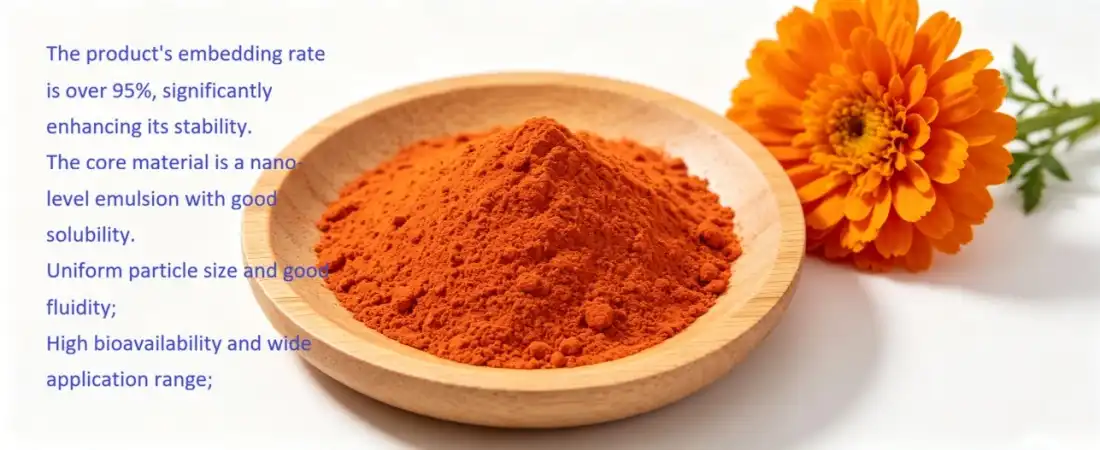
The Core Benefits: Why Brands and Consumers Both Win
The popularity of microencapsulated lutein powder rests on a rare alignment: the same technology that protects the nutrient also improves manufacturing, economics, and the consumer experience simultaneously.
Stability That Protects Potency From Factory to Final Dose
The headline benefit is stability. Sealed inside its protective matrix, lutein survives the challenges that destroy unprotected carotenoids: the heat of tablet compression, the cooking cycles of gummy production, months of ambient warehouse storage, and long international freight journeys. For brands, this resilience translates into smaller overages, longer confident shelf lives, and stability studies that pass with a margin to spare. For consumers, it means something simpler and more powerful — the dose printed on the label is the dose in the capsule, on the last day of shelf life, as surely as the first. In a category where trust is everything, microencapsulated lutein powder turns label honesty from an aspiration into an engineered outcome, protecting not just the nutrient but the brand promise wrapped around it.
Flowability and Dose Uniformity on the Production Line
Ask production managers why they prefer encapsulated formats, and they will describe machines, not molecules. Microencapsulated lutein powder flows smoothly through hoppers and feeders, generates virtually no dust, resists caking in humid conditions, and blends homogeneously with vitamins, minerals, and excipients. Because every beadlet shares approximately the same size, density, and lutein content, the active ingredient distributes evenly through any blend — the first tablet and the hundred-thousandth carry the same verified dose. This uniformity accelerates batch release, reduces waste, and keeps high-speed lines running clean. The operational savings are real: less downtime, fewer rejected batches, and quality teams who spend their time verifying excellence rather than firefighting inconsistency.
A Better Consumer Experience, From Gummies to Drink Mixes
Ultimately, supplement success is decided at the moment of consumption — and microencapsulated lutein powder improves that moment in ways consumers genuinely notice. The encapsulation matrix masks the taste and odor that raw carotenoids can carry, enabling pleasant-tasting gummies, chewables, and powdered drink mixes. The uniform particles disperse smoothly, and the natural golden hue contributes visual appeal without synthetic colorants. These sensory advantages may sound subtle, but they drive the metric that matters most: repeat purchase. Products that look appealing, taste clean, and deliver consistent results earn loyalty. When a single ingredient technology improves stability, manufacturability, and consumer experience together, its dominance in the eye-health category stops being surprising and starts looking inevitable.
Table 1: Microencapsulated Lutein Powder vs. Conventional Lutein Formats
| Performance Dimension | Microencapsulated Lutein Powder | Conventional Lutein Powder | Lutein Oil Suspension |
|---|---|---|---|
| Oxidation resistance | Excellent — sealed matrix | Poor to moderate | Moderate (needs dark packaging) |
| Stability through processing | Survives compression, cooking, and blending | Significant losses | Limited format compatibility |
| Flowability & dust | Free-flowing, dust-free | Dusty, prone to caking | Not applicable (liquid) |
| Dose uniformity | Homogeneous in blends | Variable | Good within softgels only |
| Format versatility | Capsules, tablets, gummies, drink mixes | Limited | Softgels only |
| Taste & odor masking | Yes — matrix-enclosed | No | Partial |
| Standardized grades | 5%, 10%, 20% (HPLC/UV verified) | Often inconsistent | Typically 10%–20% |
Applications Across Every Supplement Format
Versatility is where microencapsulated lutein powder truly earns its reputation. One qualified ingredient can anchor an entire product portfolio — a strategic advantage that simplifies sourcing, accelerates launches, and compounds value across every SKU.
Capsules and Tablets: The Classics, Perfected
Hard capsules and compressed tablets remain the backbone of the supplement industry, and microencapsulated lutein powder elevates both. In capsules, the dust-free, free-flowing particles fill cleanly at high speed, with uniform content from the first unit to the last. In tablets, the beadlets' controlled particle size supports excellent compressibility and blend homogeneity, surviving compression forces that would degrade unprotected lutein. Standardized grades make dose design effortless: 5% beadlets suit multivitamin inclusion, 10% serves mainstream eye-health formulas, and 20% enables high-strength products in compact tablet sizes. Because every batch arrives with HPLC/UV verification, quality teams approve material quickly, keeping production schedules intact and launch dates credible.
Gummies and Chewables: Eye Health Consumers Actually Enjoy
Gummies have transformed from a children's novelty into the preferred supplement format for adults of all ages — and they are brutally unforgiving to fragile ingredients. Heat, moisture, and long cooking cycles destroy unprotected carotenoids, which is precisely why microencapsulated lutein powder has become essential to this category. The protective matrix shields lutein through the cooking process, while the uniform beadlets distribute evenly through the gel matrix, ensuring every gummy carries a consistent dose. The encapsulation also masks any carotenoid taste, supporting the pleasant flavor profiles that drive repeat purchases. Chewable tablets benefit identically, gaining both dose uniformity and oxidative stability. For brands targeting the gummy boom, encapsulated lutein is not an upgrade — it is the entry requirement.
Powdered Drink Mixes and Beyond: The Expanding Frontier
The fastest-growing supplement formats are the ones that fit modern lifestyles: single-serve stick packs stirred into water, powdered drink mixes, and functional blends consumed on the go. These water-adjacent applications were once closed to fat-soluble lutein, but microencapsulated lutein powder — particularly grades engineered for dispersion — opens them wide. The same technology extends into functional foods, from fortified bars to nutritional powders, where stability through processing and shelf life remains paramount. One ingredient, one supplier qualification, one documentation package, serving formats from classic capsules to cutting-edge drink mixes: this portfolio leverage is why experienced formulators increasingly specify encapsulated lutein as their default, reserving other formats only for specialized needs.
Table 2: Application Guide — Matching Grades to Supplement Formats
| Supplement Format | Recommended Grade | Why Microencapsulation Matters Here |
|---|---|---|
| Multivitamin capsules/tablets | Lutein beadlets 5% | Compact inclusion, uniform blending |
| Mainstream eye-health formulas | Lutein beadlets 10% | Clean dose math (100 mg = 10 mg lutein) |
| High-strength vision complexes | Lutein beadlets 20% | Maximum potency in compact sizes |
| Gummies & chewables | Lutein beadlets 10% | Survives cooking heat and moisture |
| Powdered stick packs & drink mixes | Dispersion-engineered grades | Smooth mixing, natural golden hue |
| Functional foods & bars | Lutein beadlets 5%–10% | Stability through processing and shelf life |
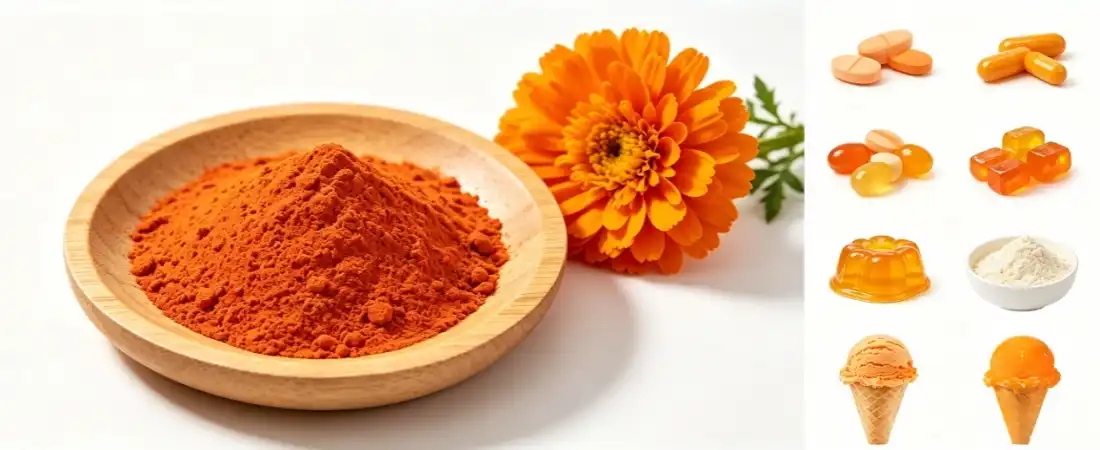
Choosing a Supplier: Where Quality Is Actually Decided
Here is the uncomfortable truth of the category: the same specification name can hide vastly different products. Choosing the right microencapsulated lutein powder supplier is therefore not a procurement detail — it is the decision on which all the benefits above depend.
Verify the Technology, Not Just the Label
The market divides sharply between manufacturers who own their encapsulation technology and traders who relabel bulk material. A genuine manufacturer controls the variables that determine performance — oleoresin quality, dispersion fineness, wall-material composition, drying parameters — and can customize, troubleshoot, and guarantee consistency because it owns the process. NT Biotech is a technology-based company operating proprietary extraction and encapsulation under one roof, achieving purity above 98% on its key standardized products. When interviewing candidates, ask where encapsulation is performed and request process documentation. Manufacturers answer with specifics; traders answer with brochures. This single question filters your shortlist more effectively than any price comparison ever will.
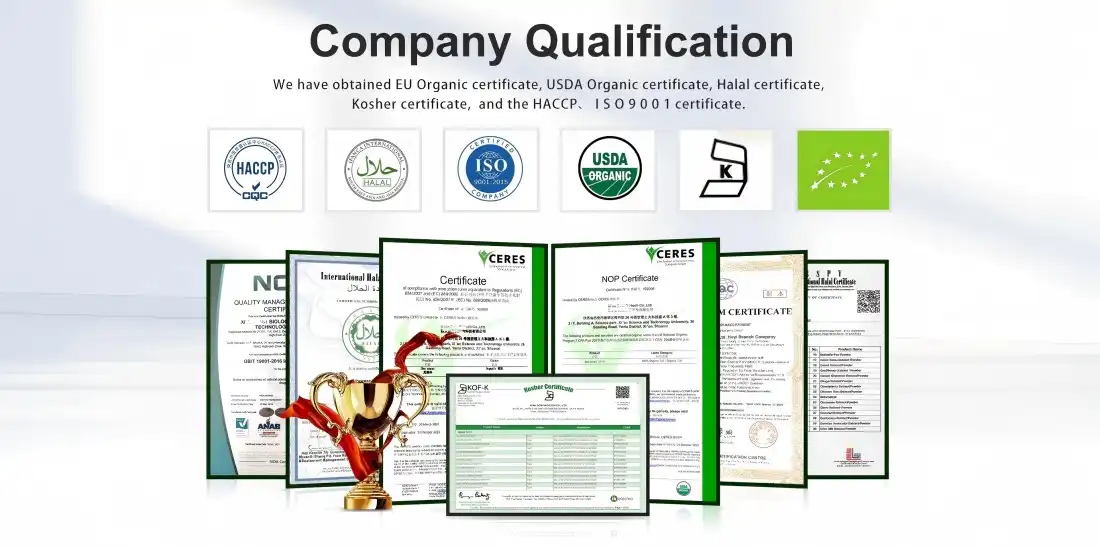
Documentation, Certification, and Traceability
Proof must be paper-backed. A credible microencapsulated lutein powder supplier issues a comprehensive Certificate of Analysis with every batch — covering assay, heavy metals, microbiological parameters, and physical characteristics, supported by HPLC/UV chromatograms — and maintains ISO9001, KOSHER, and HALAL certifications that open global markets. Traceability adds the final layer: NT Biotech operates autonomous marigold planting bases integrated with research, intelligent production, and adaptive supply chains, so every drum can be traced back to the field where its journey began. The most efficient way to verify these standards is simply to test them. Send your target grade, application, and destination market to info@newthingsbiotech.com, and NT Biotech guarantees an initial reply within two hours, complete with specification sheets, batch documentation, and sample support for your evaluation.
Service Speed as a Quality Signal
Responsiveness during the inquiry stage predicts reliability during the production stage. NT Biotech's published benchmarks set a demanding industry standard: initial replies to all inquiries within two hours, guaranteed; inventory of popular standardized extracts shipped within 1–3 working days after order confirmation; and production orders completed within 3–10 working days, including raw material procurement, proprietary extraction, laboratory testing, and packaging. Logistics flex to each order — direct-from-factory delivery via the company's own FedEx/UPS accounts for urgent shipments, and trusted freight forwarders for secure bulk cargo by air or sea. Add customized OEM/ODM solutions for different countries and payment accepted in the buyer's local currency, and you have the profile of a long-term technical partner rather than a one-off vendor.
Conclusion
Microencapsulated lutein powder has earned its central role in modern supplements by solving the problems that once limited lutein's potential: it shields the carotenoid from oxygen, heat, and light, flows cleanly through production lines, delivers uniform doses across every format, and supports the gummies, drink mixes, and tablets consumers actually want. Yet these benefits materialize only when the technology is executed with genuine manufacturing depth. NT Biotech provides exactly that — autonomous marigold cultivation, proprietary extraction and encapsulation, purity above 98% on key products, batch-level HPLC/UV verification, triple international certification, and two-hour responsiveness. For brands building the next generation of eye-health products, the right encapsulated ingredient, from the right partner, is where better supplements begin.
FAQ
Q1: What is microencapsulated lutein powder?
A: It is marigold-derived lutein sealed inside microscopic, food-grade protective beadlets — a format that protects the carotenoid from oxygen, heat, and light while enabling versatile supplement applications.
Q2: What are its main benefits for supplement brands?
A: Superior stability through processing and shelf life, free-flowing dust-free handling, uniform dosing, taste masking, and compatibility with capsules, tablets, gummies, and drink mixes.
Q3: Which grades are available?
A: Standardized beadlet grades including 5%, 10%, and 20% lutein content, each verified by HPLC/UV with a batch-specific Certificate of Analysis.
Q4: What certifications does NT Biotech hold?
A: ISO9001, KOSHER, and HALAL certifications, supporting compliance and market access across major global regions.
Q5: How fast can orders be delivered?
A: Inquiries are answered within two hours; in-stock material ships within 1–3 working days, and production orders are completed within 3–10 working days.
Formulate With Confidence — Partner With NT Biotech Today
The benefits of microencapsulated lutein powder are proven; the applications are limitless; and the supplier behind your ingredient determines whether those advantages reach your customers. NT Biotech invites you to verify everything in this article — request batch Certificates of Analysis, take advantage of our two-hour response guarantee, or discuss your next formulation with our plant-extraction specialists. With standardized beadlet grades, proprietary encapsulation technology, ISO9001, KOSHER, and HALAL certifications, flexible OEM/ODM solutions, and payment in your local currency, we are ready to support your project from first sample to global scale. Email your specification or sample request to info@newthingsbiotech.com today — and let NT Biotech turn protected lutein into your brand's most reliable advantage.
References
1. Age-Related Eye Disease Study 2 (AREDS2) Research Group. "Lutein + Zeaxanthin and Omega-3 Fatty Acids for Age-Related Macular Degeneration: The AREDS2 Randomized Clinical Trial." JAMA, 2013.
2. Abdel-Aal, E.-S.M.; Akhtar, H.; Zaheer, K.; Ali, R. "Dietary Sources of Lutein and Zeaxanthin Carotenoids and Their Role in Eye Health." Nutrients, 2013.
3. Boon, C.S.; McClements, D.J.; Weiss, J.; Decker, E.A. "Factors Influencing the Chemical Stability of Carotenoids in Foods." Critical Reviews in Food Science and Nutrition, 2010.
4. Buscemi, S.; Corleo, D.; Di Pace, F.; Petroni, M.L.; Satriano, A.; Marchesini, G. "The Effect of Lutein on Eye and Extra-Eye Health." Nutrients, 2018.
5. Ranard, K.M.; Jeon, S.; Mohn, E.S.; Griffiths, J.C.; Johnson, E.J.; Erdman, J.W. "Dietary Guidance for Lutein: Consideration for Intake Recommendations Is Scientifically Supported." European Journal of Nutrition, 2017.
6. Stahl, W.; Sies, H. "Bioactivity and Protective Effects of Natural Carotenoids." Biochimica et Biophysica Acta, 2005.
Every day, our eyes fight a battle we can't see. Overuse of screens for long periods of time, harsh artificial lighting, and constant exposure to blue light have turned eye strain from a rare problem into an epidemic, and people are looking for natural solutions. There are many nutrients that have been tested to help eyesight, but lutein from marigold extract stands out as the best. This plant-based nutrient comes from the colourful leaves of Tagetes erecta. It is used as the main ingredient in eye health products all over the world because it is pure, effective, and has a clean label. This piece goes from the marigold field to the finished pill. It talks about the science behind lutein, why marigold is still the best natural source of it, and what makes premium extract different from regular powder. We will see how NT Biotech (Shaanxi New Things Biotech) sets the standard by providing lutein from marigold extract with standardised assays confirmed by HPLC/UV, a proprietary extraction technology that achieves purity above 98% on key products, ISO9001, KOSHER, and HALAL certifications, and a Certificate of Analysis with every batch.
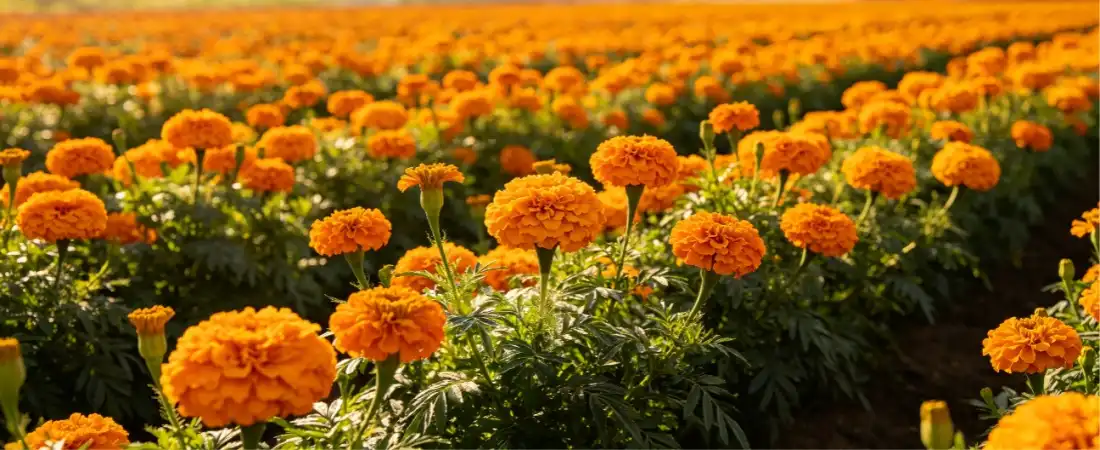
The Golden Flower: Why Marigold Is Nature's Richest Lutein Source
Lutein starts out as sunshine caught inside a flower and never makes it to a capsule. Figuring out how the marigold became the best source of lutein in the world helps you understand why this plant route makes such a better nutrient.
A Carotenoid Concentrated by Nature
The flower of the marigold (Tagetes erecta), which is grown in gardens, has the highest known concentration of lutein. It has a lot more than leafy greens like spinach and kale. A dose of veggies may only have a few milligrams of lutein, but marigold flowers have so much of the carotenoid that it is possible and affordable to remove it for industrial use. There is a good reason for this natural abundance: the flower makes lutein to protect its own tissues from strong sunlight, which is pretty much the same job it does in our eyes. When you choose lutein from marigold extract, you are picking a nutrient that nature made to protect against light, and it comes from the plant source that stores it most abundantly.
From Petal to Powder: The Art of Extraction
Science and art come together when tiny flowers are turned into a stable, powerful powder. The process starts with carefully planned harvests that happen at the peak of the blossoms' carotenoid content. The flowers are then dried and turned into marigold oleoresin, which is a concentrated product high in lutein. This oleoresin is then put through special steps of extraction and purification to make standardised powder grades. Each step needs to be done carefully, because too much heat or oxygen can break down the compounds that are being captured. This is why there is such a wide range in the quality of lutein from marigold extract. NT Biotech deals with this problem by using special extraction methods that are designed to get the most active compounds out of plants while also keeping them from breaking down. This turns the plants' potential into potency that can be tested and stored for a long time.
Traceability Starts in the Field
Even the best extraction technology can't fix bad raw materials. That's why serious makers keep an eye on their supply from the ground up. The amount of carotenoids in a crop depends on its climate, how it was grown, when it was harvested, and the quality of the soil. NT Biotech has self-sufficient plant nurseries that are directly connected to its research, production, and supply chain systems. This creates a full value chain that goes from the plant source to the product use. For buyers, this vertical integration means that every drum of lutein from marigold extract can be tracked back to the fields where it started. This provides the kind of clear chain of custody that regulators, inspectors, and brands that care about quality are asking for more and more.
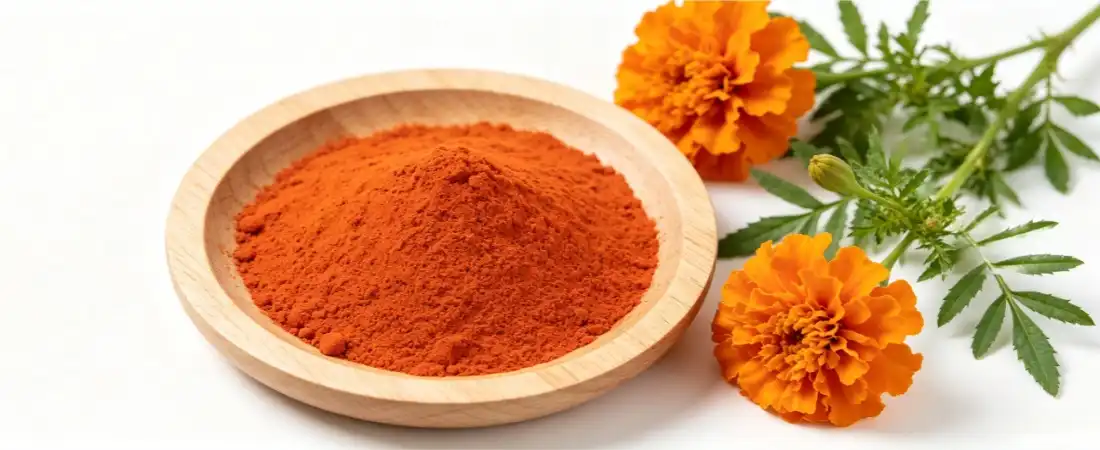
The Science of Sight: How Lutein Supports Your Eyes
The image of lutein is not based on catchy ads, but on decades of study that have been reviewed by experts in the field. This carotenoid has become an important part of modern vision nutrition because scientists have figured out how it works inside the eye.
The Macula's Natural Sunglasses
The macula is a small area deep inside the eye that gives you clear central vision for things like reading, driving, and recognising people. After being eaten, lutein from marigold extract is carried through the bloodstream and deposited only in this tissue, where it builds up as part of the macular pigment. There, it works a lot like a pair of sunglasses inside the eye, blocking wavelengths that cause vision strain and absorbing high-energy blue light before it can reach photoreceptor cells. Lutein is one of the most scientifically proven botanical ingredients in the supplement industry. It has been shown to be important for eye health in clinical studies, such as the groundbreaking AREDS2 trial.
Antioxidant Defense Where It Matters Most
Lutein does more than just block light; it also protects eye cells from damage. Light and oxygen are always hitting the eye, which makes free radicals. Free radicals are unstable molecules that slowly damage cell structures. Lutein helps to neutralise these reactive compounds, which helps retinal cells stay strong over time. Its long chain of conjugated double bonds makes its molecular structure very good at blocking singlet oxygen and getting rid of extra energy. When people take lutein from marigold extract every day, they are basically strengthening the eye's own defence system with the same plant-based pigment that plants use to stay alive in the sun. This is a beautiful example of how botanical knowledge can be used to improve human nutrition.
A Nutrient for the Digital Generation
People used to think that this was good for eyes that were getting older, but now the screen youth wants it. Students, players, artists, and people who work in offices now spend eight, ten, or even twelve hours a day in front of digital screens, which is why there is more interest than ever in blue-light safety. Supplements for eye health that contain lutein from marigold extract are now available in most stores. They come in capsules, gummies, chewables, and functional drinks for people in their twenties and thirties. This change in the population is a huge chance for brands, but only if they can offer lutein in safe, appealing forms that are backed up by solid quality paperwork. The market is ready, and science has settled it.
Table 1: Lutein Content Across Natural Sources — Why Marigold Leads
| Natural Source | Typical Lutein Content | Commercial Viability for Extraction |
|---|---|---|
| Marigold petals (Tagetes erecta) | Highest known concentration (extract-grade) | Excellent — the global industry standard |
| Kale | ~11–26 mg per 100 g (fresh) | Limited — low concentration, high water content |
| Spinach | ~12 mg per 100 g (fresh) | Limited — impractical for large-scale extraction |
| Egg yolk | ~0.2–0.3 mg per yolk | Poor — trace amounts only |
| Corn | ~0.6–1 mg per 100 g | Poor — insufficient for standardized extracts |
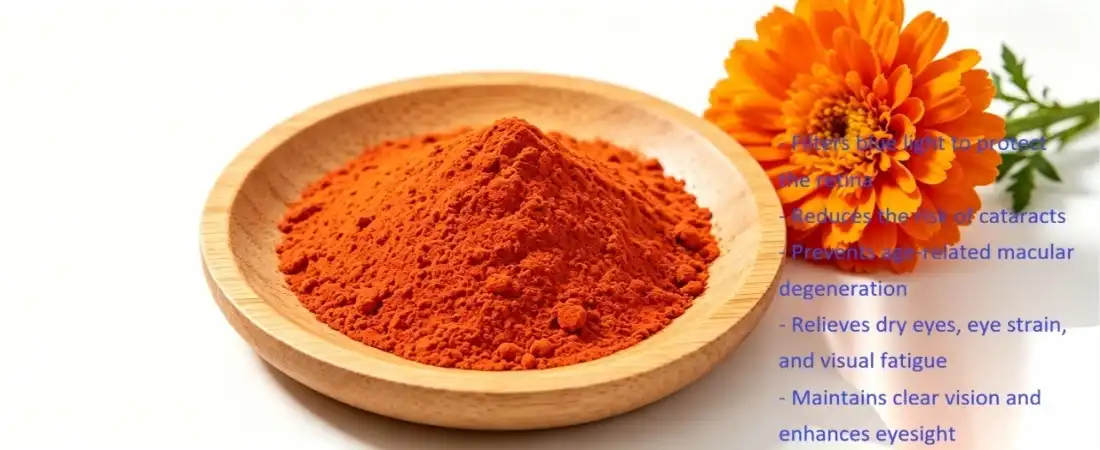
Not All Extracts Are Equal: The Anatomy of a Premium Product
Here is a truth the industry sometimes whispers: two drums labeled "lutein 20%" can deliver dramatically different real-world performance. Discerning buyers evaluate lutein from marigold extract across several dimensions that marketing brochures rarely mention.
Standardization and Verified Purity
Standardization is the difference between an ingredient and a guess. Premium lutein from marigold extract is offered in precisely defined grades — commonly 5%, 10%, and 20% powders for supplements and functional foods, with high-purity 80% to 90% grades for advanced nutraceutical applications — each quantified by HPLC or UV analysis rather than estimated on paper. The assay printed on the label must match the assay measured in the laboratory, batch after batch. NT Biotech pushes this discipline further, achieving purity above 98% on its key standardized extracts and attaching comprehensive HPLC/UV documentation to every lot. For formulators, that rigor translates into tighter dosage control, cleaner labels, and far fewer surprises during stability testing.
Stability, Solubility, and Formulation Performance
Lutein is a lipophilic carotenoid, which makes its physical form critically important. A premium lutein from marigold extract supplier engineers its powders for the realities of production: consistent particle size for uniform blending, stability against heat and oxidation for long shelf lives, and compatibility with tablets, capsules, gummies, powdered beverages, and fortified foods. Superior stability is not a convenience — it directly determines whether the potency promised on your label survives warehousing, ocean freight, and months on a retail shelf. Proprietary processing that protects active compounds through these stresses is a genuine technological barrier, and it is precisely where NT Biotech's extraction expertise delivers measurable value to client formulations.
The Paperwork Behind the Powder
Certificates reveal culture. A trustworthy lutein from marigold extract supplier treats documentation not as an afterthought but as a core product feature: a Certificate of Analysis with every batch, covering assay, heavy metals, microbiological limits, and residual solvents, supported by chromatographic evidence. NT Biotech ships every batch with a full CoA and maintains ISO9001, KOSHER, and HALAL certifications, opening doors to mainstream Western markets and specialty segments alike. If you want to see what professional documentation looks like before committing to a purchase, the simplest step is to request a sample specification sheet — email info@newthingsbiotech.com with your target grade and market, and NT Biotech's team will respond within two hours with the technical files your quality team needs.
Table 2: NT Biotech Lutein from Marigold Extract — Product Portfolio and Applications
| Specification | Assay (HPLC/UV) | Typical Applications |
|---|---|---|
| Lutein Powder 5% | ≥5% | Daily eye-health supplements, functional foods |
| Lutein Powder 10% | ≥10% | Capsules, tablets, gummies |
| Lutein Powder 20% | ≥20% | High-strength vision formulas |
| Lutein 80% | ≥80% | Premium nutraceuticals, advanced formulations |
| Lutein 90% | ≥90% | Pharmaceutical-grade and research applications |
| Lutein Esters 10%–20% | ≥10%–20% | Fortified foods, cost-effective blends |
| Zeaxanthin 5%–40% | ≥5%–40% | Synergistic macular-support formulas |
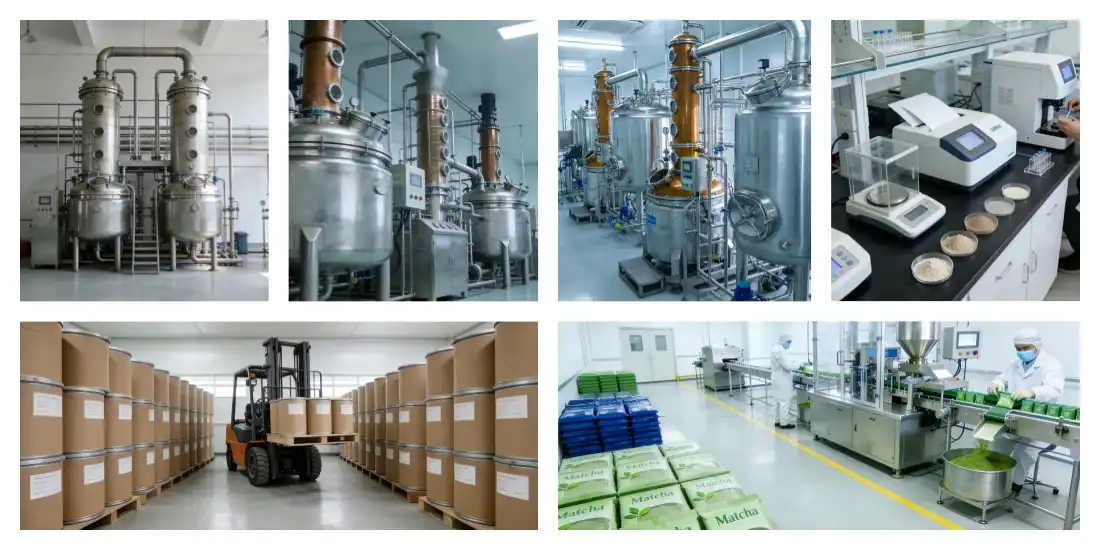
Choosing a Partner, Not Just a Powder: The NT Biotech Difference
By now, the criteria for excellence are clear — but criteria only matter when a company actually lives them. This final section shows how NT Biotech turns sourcing from a transaction into a long-term advantage.
Quality Certified Across Global Markets
NT Biotech (Shaanxi New Things Biotech) is a technology-based plant derivatives company supplying pure, active natural raw materials to the dietary supplement, functional food, high-end cosmetics, and animal nutrition industries worldwide. Its lutein from marigold extract is produced under an ISO9001-certified quality management system and carries KOSHER and HALAL certifications, enabling brands to enter regulated and specialty markets without compliance detours. Combined with batch-level CoA documentation and full traceability from autonomous marigold planting bases, this certification framework gives procurement teams something rare: an ingredient whose quality story survives every audit, from retailer questionnaires to regulatory inspections.
Speed That Respects Your Launch Calendar
In the supplement business, timing is money, and NT Biotech's service structure is engineered for momentum. The company guarantees initial replies to all inquiries within two hours. Popular standardized extracts ship from inventory within 1–3 working days after order confirmation, while production orders typically complete within 3–10 working days — a cycle that already includes premium raw material procurement, proprietary extraction, stringent laboratory testing, and final packaging. Logistics flex to each buyer's needs: direct-from-factory delivery via the company's own FedEx/UPS accounts for urgent shipments, and trusted freight forwarders for secure, on-time bulk cargo by air or sea. Your launch date stops being a hope and becomes a plan.
Partnership Beyond the Purchase Order
The main thing that sets NT Biotech apart from other companies that sell lutein from marigold extract is its business philosophy: it sees itself as a long-term technical partner rather than a one-time vendor. Specifications, grades, packing, and paperwork can be changed to fit the needs of different countries and clients with customised OEM/ODM solutions. Technical help covers both composition questions and problems with the application. The terms of payment are good for the buyer, and the buyer's local currency can be used to avoid problems with foreign exchange. Every system, from the field to the finished extract, is built around one idea: that every product should show the gift of nature and the dedication of science. This is true from the first sample request to the hundredth production batch.
Conclusion
Lutein from marigold extract is nature's best source of lutein, and it has been carefully extracted to become a vitamin that protects the macula, blocks blue light, and meets the vision needs of all generations. However, the ingredient only works as well as the other part that goes with it. One integrated value chain is made up of NT Biotech's own planting, unique extraction, standard purity checks by HPLC/UV, ISO9001, KOSHER, and HALAL certifications, two-hour response times, and batches that are fully recorded. When brands want natural eye-health products that they can count on, the seller they choose is very important.
FAQ
Q1: Why is marigold the preferred source of lutein?
A: Marigold petals (Tagetes erecta) contain the highest natural lutein concentration of any cultivated plant, making standardized, high-purity extraction practical and economical.
Q2: How does lutein from marigold extract support eye health?
A: Lutein accumulates in the macula, where it filters high-energy blue light and provides antioxidant defense for retinal cells.
Q3: What specifications does NT Biotech offer?
A: Lutein powders from 5% to 90%, plus lutein esters and zeaxanthin grades — all standardized and verified by HPLC/UV testing.
Q4: What certifications back the product?
A: ISO9001, KOSHER, and HALAL certifications, with a Certificate of Analysis accompanying every batch.
Q5: How quickly can orders be fulfilled?
A: In-stock extracts ship within 1–3 working days; production orders take approximately 3–10 working days, with inquiries answered within two hours.
Bring Nature's Golden Nutrient to Your Brand — Contact NT Biotech Today
Your customers are searching for natural, science-backed eye health — and lutein from marigold extract delivers exactly that, provided it comes from a source you can trust. NT Biotech combines autonomous marigold cultivation, proprietary extraction technology, purity above 98% on key products, and complete ISO9001, KOSHER, and HALAL certification into an ingredient partnership built for global brands. Whether you need a standard grade shipped within days, a customized OEM specification for your market, or technical guidance on your next formulation, our team guarantees a response within two hours. Send your inquiry or sample request to info@newthingsbiotech.com now, and let NT Biotech turn the gift of nature into your product's brightest competitive advantage.
References
1. Age-Related Eye Disease Study 2 (AREDS2) Research Group. "Lutein + Zeaxanthin and Omega-3 Fatty Acids for Age-Related Macular Degeneration: The AREDS2 Randomized Clinical Trial." JAMA, 2013.
2. Abdel-Aal, E.-S.M.; Akhtar, H.; Zaheer, K.; Ali, R. "Dietary Sources of Lutein and Zeaxanthin Carotenoids and Their Role in Eye Health." Nutrients, 2013.
3. Buscemi, S.; Corleo, D.; Di Pace, F.; Petroni, M.L.; Satriano, A.; Marchesini, G. "The Effect of Lutein on Eye and Extra-Eye Health." Nutrients, 2018.
4. Granado, F.; Olmedilla, B.; Blanco, I. "Nutritional and Clinical Relevance of Lutein in Human Health." British Journal of Nutrition, 2003.
5. Ranard, K.M.; Jeon, S.; Mohn, E.S.; Griffiths, J.C.; Johnson, E.J.; Erdman, J.W. "Dietary Guidance for Lutein: Consideration for Intake Recommendations Is Scientifically Supported." European Journal of Nutrition, 2017.
6. Bone, R.A.; Landrum, J.T.; Guerra, L.H.; Ruiz, C.A. "Lutein and Zeaxanthin Dietary Supplements Raise Macular Pigment Density and Serum Concentrations of These Carotenoids in Humans." Journal of Nutrition, 2003.
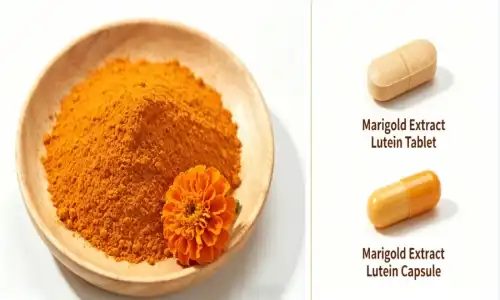
The lutein powder in marigold extract comes from the flowers of the marigold plant and is standardised for lutein, a carotenoid that is used in eye-health, beauty-from-within, functional food, and cosmetic formulas. Brands that need reliable active-content control, clear HPLC/UV testing records, and adjustable OEM support can get this ingredient from NT Biotech. Our marigold extract lutein powder gives buyers a place to start looking at how the product can be used and what they need to do to get it. The real benefit isn't just a powder that is bright yellow. It is a proven source of lutein that can help products work consistently, make formulation decisions more easily, and have a stronger natural product story.

Why Marigold Extract Lutein Powder Is in High Demand
A Natural Source of a Valuable Carotenoid
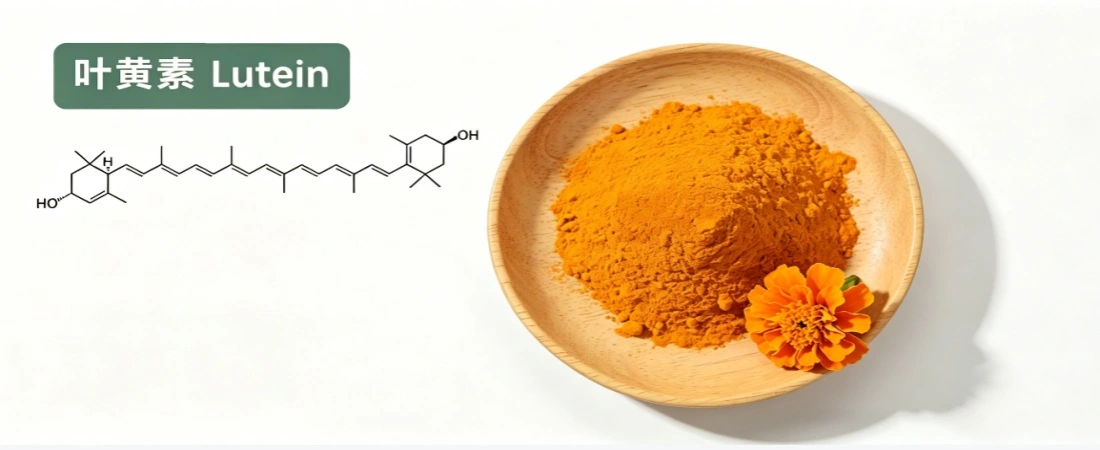
The lutein powder used in marigold extract is usually made from Tagetes erecta flowers. Lutein esters are found in these flowers and can be removed, cleaned, and standardised so that they can be used in industrial goods. There is a type of carotene called lutein. It happens normally in the macula, a small part of the eye that controls center and fine vision. Because of this link, lutein is often found in vitamins for eye health. Marigold is great for production because it is a plant-based source of lutein that can be scaled up and is more consistent for use in food than many other food-based sources.
Lutein Fits Eye-Health and Beauty Product Categories
Lutein is commonly found in eye-health products, but it has other uses in business besides helping with vision. Marigold extract lutein powder is often mixed with collagen, vitamin C, hyaluronic acid, ceramides, or fruit extracts that are high in antioxidants. This provides a "beauty from within" position that people who want to improve the look of their skin and age in a healthy way will like. Researchers have looked into how lutein and zeaxanthin affect eye colour and antioxidant activity in the skin. This means that product makers can still use these carotenoids [1, 4].
| Product Information Area | Why It Matters | Buyer Action |
|---|---|---|
| Botanical source | Marigold offers a plant-based lutein story. | Confirm botanical identity and source traceability. |
| Key active compound | Lutein is the main standardization marker. | Request the lutein assay in the current CoA. |
| Physical format | Powder can suit capsules, tablets, gummies, and blends. | Check particle size, carrier system, and flow behavior. |
| Main applications | Supplements, functional foods, cosmetics, and animal nutrition may use different grades. | Confirm the intended application before ordering. |
A Recognizable Ingredient Helps Product Marketing
Consumers often understand “lutein from marigold” more easily than a long chemical ingredient name. That recognition helps brands explain why a specific active appears in a capsule, gummy, sachet, or beauty drink. The best product messaging stays clear and compliant. It can explain that lutein is a naturally occurring carotenoid and that marigolds are a practical plant source. It should not make disease-treatment claims. The AREDS2 study increased global awareness of lutein and zeaxanthin in nutrition research, giving formulators a credible scientific foundation for responsible eye-health product positioning [2].
How Does Marigold Extract Lutein Powder Work in the Body?
Lutein Reaches the Macular Region of the Eye
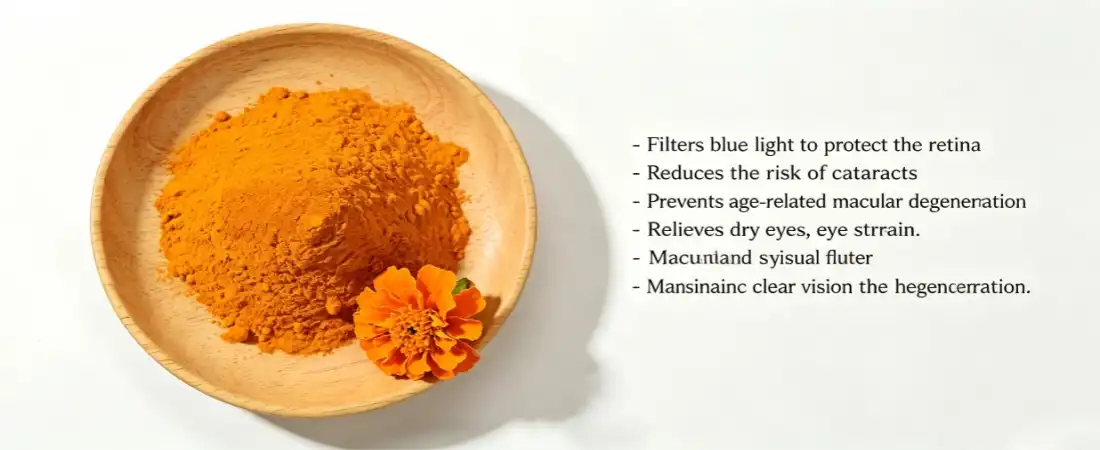
The macula is the central part of the retina that helps people see fine detail. Lutein and zeaxanthin are found in macular pigment, where they contribute to the pigment’s optical properties. After ingestion, lutein is absorbed with dietary fats, transported through the body, and can accumulate in eye tissues. This is why many premium eye-support products pair marigold extract lutein powder with oil-based delivery systems or recommend taking finished products with meals. Research has linked lutein supplementation with increased macular pigment optical density, although the final outcome depends on dosage, diet, individual biology, and product design [3].
Its Antioxidant Story Supports Modern Wellness Formulas
Lutein is valued for more than its yellow-orange color. It has antioxidant characteristics, meaning it can help support the body’s defense against oxidative processes. Product developers often connect this story with digital-screen lifestyles, healthy aging, and beauty support. However, a good formulation should avoid making broad promises that cannot be supported in the target market. Marigold extract lutein powder works best when the brand uses clear language, reliable dosage control, and evidence-aware labeling. This creates trust with consumers and gives distributors fewer compliance questions.
Absorption Depends on Formula Design
Lutein is fat-soluble, so the final product format can affect how the ingredient performs. Softgels can be useful because they place lutein in an oil-based environment. Capsules and tablets can also work when formulators use suitable carriers, blending controls, and stability checks. A powder product may need emulsification or compatibility review if the finished formula is intended for beverages. NT Biotech can help buyers discuss ingredient format, target application, and technical documents before production. This saves time when marigold extract lutein powder moves from sample testing to a commercial order.
If you are comparing lutein formats, active levels, or private-label options, contact info@newthingsbiotech.com. NT Biotech can help you select a material that suits your formula, target market, and production timeline.
What Should Buyers Evaluate Before Selecting a Supplier?
The Certificate of Analysis Is a Core Buying Tool
A serious buyer should never select marigold extract lutein powder based only on color or price. The Certificate of Analysis, often called a CoA, should show the batch-specific results that matter to the agreed specification. HPLC or UV testing can help verify lutein content. Other documents may cover appearance, moisture, microbiological limits, heavy metals, storage requirements, packaging, and shelf life. NT Biotech provides HPLC/UV documentation and CoAs to support technical review. This level of detail helps contract manufacturers, quality teams, and importers avoid confusion between an early sample and the final production batch.
Cost Per Gram of Verified Lutein Is More Useful
Low price per kilogram can be misleading. One powder may have a different lutein concentration, carrier level, stability profile, or documentation package than another. Buyers should calculate the cost per gram of verified lutein rather than comparing only the bulk price. NT Biotech specializes in standardized, high-value plant extracts. Some key extracts in our portfolio reach purity levels above 98%, while every marigold grade should be evaluated against its own approved lutein specification. This is a more honest way to compare suppliers and protect finished-product consistency.
| Supplier Review Point | What a Strong Supplier Should Provide | Why It Protects Your Brand |
|---|---|---|
| Active-content verification | HPLC/UV test information and a batch CoA. | Confirms the ingredient matches the ordered lutein specification. |
| Quality-system evidence | ISO 9001 documentation and applicable quality records. | Supports a controlled production and documentation process. |
| Market-support documents | Current Kosher or Halal documents, where applicable. | Helps serve customers with specific market or dietary needs. |
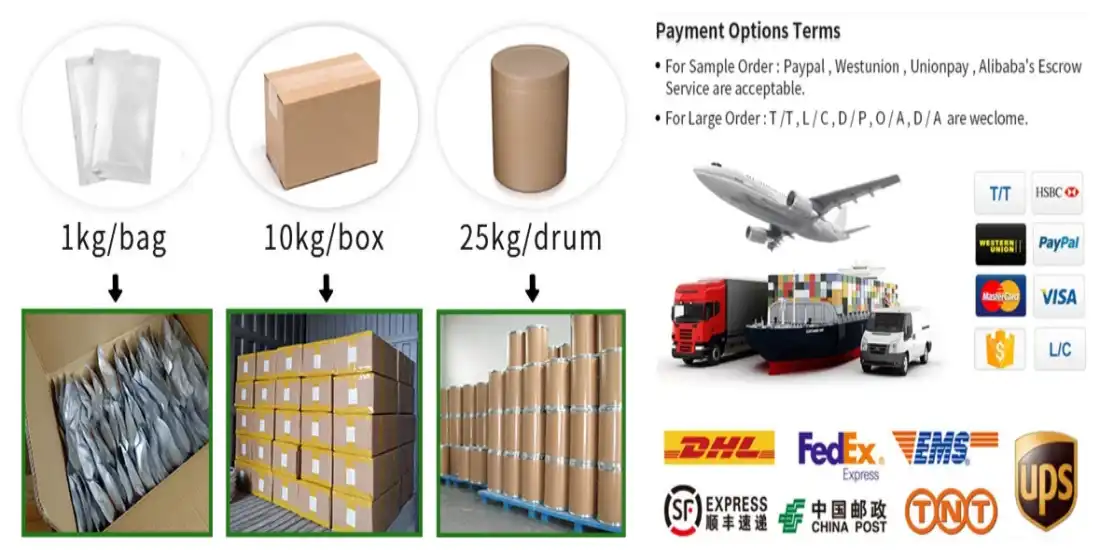
| Logistics plan | Express, air, or sea freight choices. | Balances speed, order volume, and landed cost. |
Documentation Must Match the Intended Market
Buyers should ask what each certificate actually covers. ISO 9001 relates to a quality-management system. Kosher and Halal documents may help when relevant to the product and the current certificate scope. CE marking and FDA approval should not be used casually for botanical ingredients because their legal meaning depends on the specific product category and market. A responsible marigold extract lutein powder supplier explains what documents are available, what they cover, and what the buyer must confirm locally. That transparency helps prevent regulatory delays when the finished product enters a new country.
How Can NT Biotech Support a Lutein Product From Concept to Delivery?
Technical Support Starts Before the Purchase Order
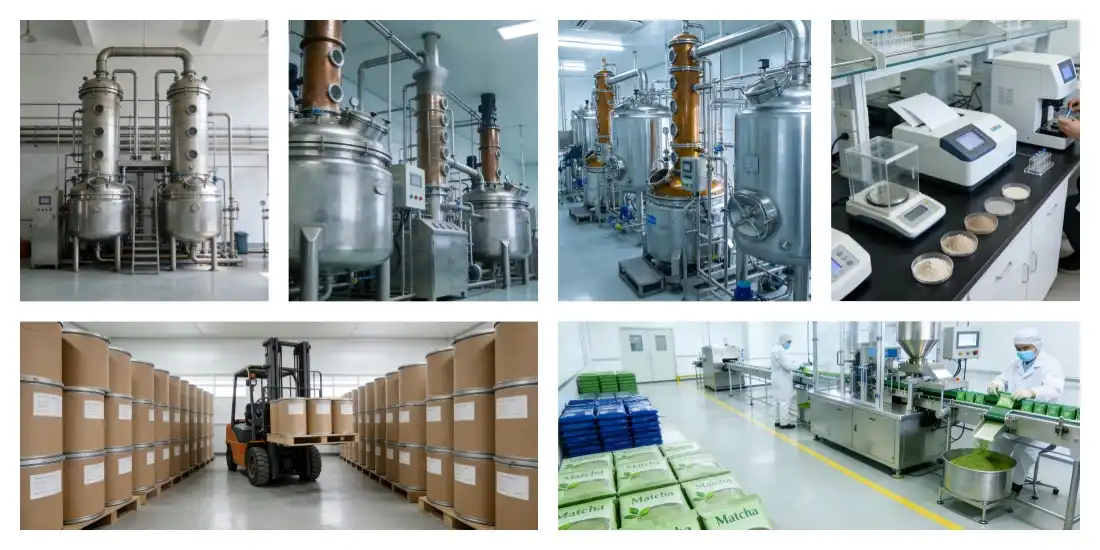
NT Biotech is a plant-derivative supplier and a long-term technical partner for supplement, food, cosmetic, and animal nutrition customers. We combine plant-source management, extraction research, intelligent production, laboratory control, and adaptive supply-chain planning. This structure helps us support marigold extract lutein powder from raw material selection through finished product application. A buyer may need support with active-content selection, packaging size, documentation, shipping method, or formula direction. Our team works through these practical decisions early, when changes are easier and less expensive.
OEM and ODM Options Make Local Launches Easier
A lutein product in Southeast Asia may need different packaging, dosage forms, language, and price points than a similar product in the Middle East, Europe, or North America. NT Biotech offers flexible OEM and ODM solutions for brands that need a more localized approach. You may need bulk ingredient supply for your own factory, private-label capsules for a new brand, or a customized beauty-support formula. Marigold extract lutein powder can fit each route when the specification matches the commercial plan. We also discuss flexible payment solutions, including local-currency arrangements when available and appropriate.
Fast Response and Flexible Logistics Protect Launch Plans
Ingredient supply affects marketing schedules, production bookings, and retail launches. NT Biotech aims to respond to new inquiries within two hours. Popular standardized extracts held in stock may ship within one to three working days after order confirmation. Production orders usually take three to ten working days, including material preparation, extraction, laboratory testing, CoA release, and packaging. We can use FedEx or UPS for direct express delivery and work with freight partners for secure air or sea shipments. This gives buyers more control over cost, speed, and shipment volume.
Conclusion
Marigold extract lutein powder is a standardized botanical ingredient that helps brands create eye-health, beauty, functional food, and nutrition products with a recognizable lutein story. Its performance depends on verified active content, suitable formulation design, complete documentation, and dependable supply support. NT Biotech combines extraction experience, HPLC/UV testing, batch CoAs, flexible OEM options, and responsive logistics to help global buyers move from product concept to market launch. Choosing the right lutein supplier means choosing more than a powder. It means choosing consistency, technical clarity, and a partner that understands commercial deadlines.
FAQ
1. What is marigold extract lutein powder?
It is a plant-derived powder made from marigold flowers and standardized for lutein, a carotenoid used in eye-health and beauty-support products.
2. What is lutein mainly used for?
Lutein is widely used in visual-wellness supplements, beauty-from-within formulas, functional foods, and selected cosmetic applications.
3. Can NT Biotech provide a Certificate of Analysis?
Yes. NT Biotech can provide batch-specific CoAs and HPLC/UV testing documentation for approved orders.
4. Is the ingredient suitable for OEM products?
Yes. NT Biotech offers OEM and ODM options for capsules, powders, gummies, softgels, and customized product concepts.
5. How fast can NT Biotech ship orders?
In-stock standardized extracts may ship within one to three working days. Production orders commonly take three to ten working days.
Build Your Lutein Product With NT Biotech
NT Biotech can help turn your lutein concept into a stable, market-ready product with trusted marigold extract lutein powder, clear testing documentation, and flexible supply options. Whether you need bulk material, private-label support, customized packaging, or an OEM formula for eye health and beauty, our team can guide the next step. We provide HPLC/UV records, Certificates of Analysis, practical logistics support, and responsive communication from inquiry through shipment. Email info@newthingsbiotech.com today to request specifications, samples, pricing, or a tailored supply plan for your target market.
References
1. Krinsky, N. I., Landrum, J. T., and Bone, R. A. “Biologic Mechanisms of the Protective Role of Lutein and Zeaxanthin in the Eye.” Annual Review of Nutrition, 2003.
2. Age-Related Eye Disease Study 2 Research Group. “Lutein + Zeaxanthin and Omega-3 Fatty Acids for Age-Related Macular Degeneration.” JAMA, 2013.
3. Ma, L., Liu, R., Du, J. H., Liu, T., Wu, S. S., and Liu, X. H. “Lutein, Zeaxanthin and Meso-Zeaxanthin Supplementation Associated With Macular Pigment Optical Density.” PLOS ONE, 2016.
4. Juturu, V., and Kruger, C. L. “Lutein and Zeaxanthin: Effects on Eye and Skin Health.” Journal of the American College of Nutrition, 2017.
5. Palombo, P., Fabrizi, G., Ruocco, V., et al. “Beneficial Long-Term Effects of Combined Oral and Topical Antioxidant Treatment With the Carotenoids Lutein and Zeaxanthin on Human Skin.” Skin Pharmacology and Physiology, 2007.
6. Kijlstra, A., Tian, Y., Kelly, E. R., and Berendschot, T. T. J. M. “Lutein: More Than Just a Filter for Blue Light.” Progress in Retinal and Eye Research, 2012.
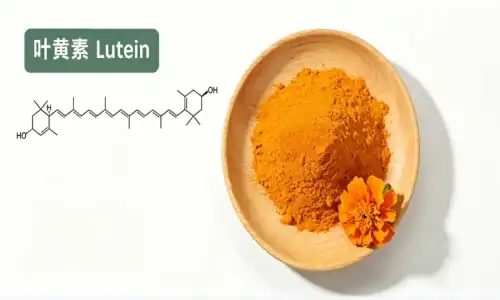
Marigold extract powder has become one of the world’s most widely used natural lutein sources because it combines plant-based origin, concentrated active content, scalable supply, and strong formulation flexibility. Lutein is valued in eye-health supplements, beauty-from-within products, functional foods, and selected cosmetic applications. NT Biotech supplies standardized marigold ingredients designed for brands that need dependable assay results, batch documentation, and flexible production support. Our marigold extract powder highlights its role as a practical ingredient for global dietary supplement development. For buyers, the advantage is clear: a recognizable botanical source that can become a credible, high-value product story.
Why Marigold Is a Leading Commercial Source of Lutein
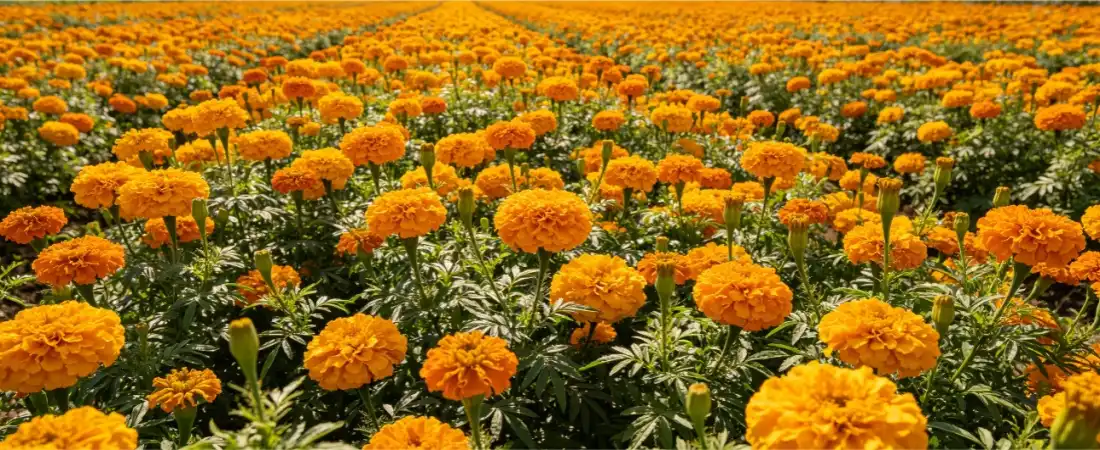
Marigold Flowers Offer a Concentrated Botanical Starting Point
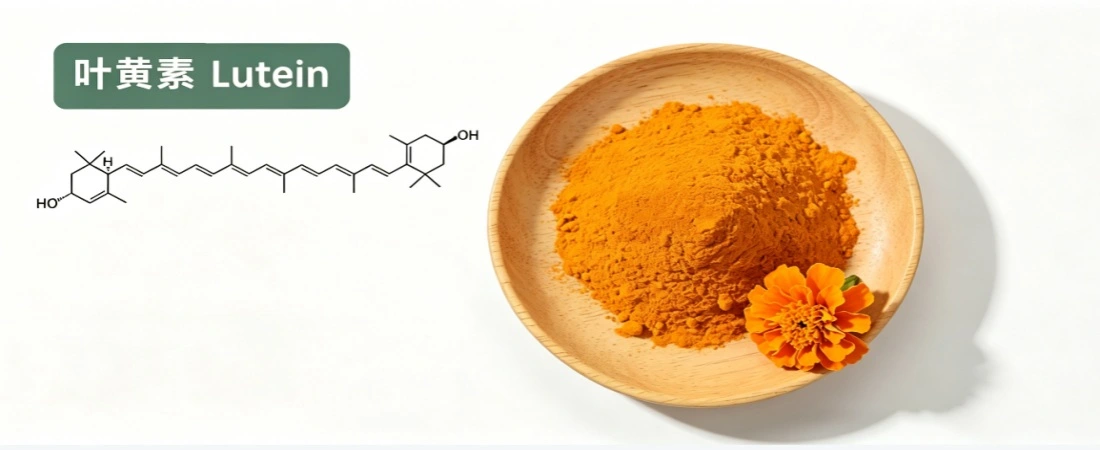
Marigold leaves, especially Tagetes erecta, which is known for having naturally occurring lutein esters, are often used to make marigold extract powder. There is lutein in leafy vegetables as well, but marigold flowers are often used for commercial extraction because the pigment profile is more concentrated and easier to standardise on a large scale. This makes the ingredient useful for companies that need consistent levels of activity instead of the natural changes that happen with fresh vegetables. Carotenoid research has shown that lutein and related xanthophylls are important for human health, especially when it comes to eye health [1]. As a supplement brand, Marigold sends a clear message: the lutein comes from flowers, is carefully extracted, and can be made into a daily product that works.
| Commercial Factor | Why It Matters to Buyers | What to Confirm With the Supplier |
|---|---|---|
| Botanical source | Marigold gives brands a plant-based lutein story. | Botanical identity and raw-material traceability. |
| Active compound | Lutein is the main carotenoid used in eye-health formulas. | Current lutein assay on the Certificate of Analysis. |
| Ingredient format | Powder format can fit capsules, tablets, gummies, and blends. | Carrier materials, particle size, and flow properties. |
| Product category | The ingredient is positioned for dietary supplement use. | Local compliance for food, supplements, or cosmetics. |
Standardized Lutein Gives Formulators Better Control
Not only is marigold extract powder pretty, but it also works well in industrial recipes. A standard amount of lutein is the most important value. A deep orange-yellow powder might look good, but its looks can't tell you anything about its active concentration. People who want to buy something should depend on HPLC or UV testing, a written test method, and a Certificate of Analysis that is specific to the batch. NT Biotech gives buyers HPLC/UV quality reports for accepted batches so they can look at the active-content results before putting the material to use in production. This is important when a brand needs every pill, softgel, bag, or candy to have the same amount of lutein in it. Studies on lutein and zeaxanthin supplements have also linked changes in macular pigment optical density. This supports the ongoing need for carotenoid ingredients that are properly standardised [2].
Eye Health and Beauty Demand Keep Lutein Relevant
As people spend more time in front of computers and more healthy-aging goods hit the market, interest in visual fitness has grown around the world.This need can be met by marigold extract powder because lutein is naturally found in the macula, the part of the retina that controls central vision. The AREDS2 clinical study program used lutein and zeaxanthin in a vitamin formula that was studied. This helped eye-health formulators get to know these carotenoids [3]. At the same time, beauty brands use lutein in ideas like "beauty from within," "skin glow," and "antioxidant support." This dual placement makes marigold extract more valuable in the business world. One ingredient can help a product that is focused on eye health or be used in a recipe that is more general and helps with looks and healthy ageing.
What Should Buyers Check Before Choosing Marigold Extract Powder?
Assay Results Matter More Than a Low Price
When a skilled buyer wants to buy marigold extract powder, they should look at the lutein analysis, testing method, stability, carrier content, packing, and paperwork. A smaller quote could mean that the concentration is lower, the recipe base is different, or there isn't as much expert help. So, price per kilogram might not tell you the whole story. A better way to compare is to look at the price per gram of confirmed lutein. NT Biotech specialises in standardising plant extracts and has its own processing methods that are meant to increase the yield of active compounds and make products more stable. Some of our key extracts are purer than 98%, and the approved lutein standard should always be used to check the specifications of marigold extract. Not a general marketing sheet, but the exact CoA for the lot that was bought should be used for every job.
| Quality Document | What It Proves | Why It Supports Better Procurement |
|---|---|---|
| Certificate of Analysis | Batch-specific assay and quality results. | Helps verify that the delivered material matches the agreed specification. |
| HPLC/UV test record | Analytical method for lutein or related markers. | Gives technical teams a clearer basis for formulation approval. |
| Product specification | Physical, chemical, and microbiological limits. | Reduces confusion between sample material and production material. |
| Packaging and shelf-life data | Storage and transport requirements. | Helps protect ingredient quality during shipping and warehousing. |
The Best Format Depends on the Finished Product
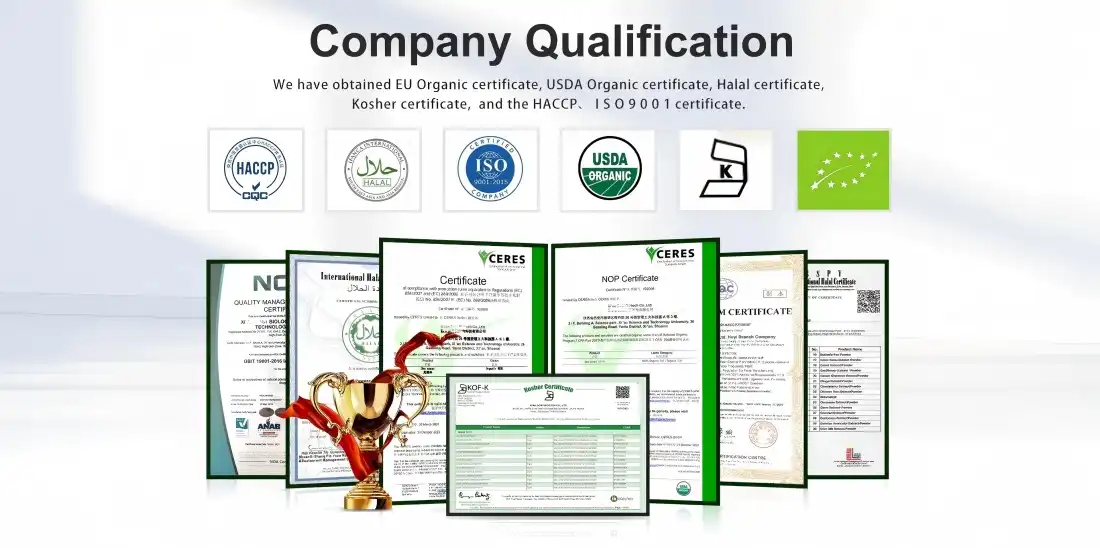
It's possible for marigold extract powder to work with many forms, but each one needs a different way of being developed. People still like softgels because lutein naturally dissolves in fat and works well in a method that uses oil. Capsules and tablets require that the powder flows well and the blend is uniform. Taste, colour, heat exposure, and the way ingredients are spread out need to be carefully thought out when making gummies. For beauty goods, powder packs may contain lutein along with collagen, vitamin C, ceramides, or fruit extracts. After making sure they meet cosmetic-grade standards, cosmetic developers may look into using marigold-derived ingredients in creams or serums. Which option is best relies on the dose, the target price, what the customer wants, the goals for steadiness, and the rules in your area.
Choosing the right specification should feel straightforward, not confusing. If you are deciding between a lutein softgel, capsule, gummy, or powder blend, contact NT Biotech at info@newthingsbiotech.com. We can help review the intended formula, active target, packaging style, and supply schedule before you commit to a larger production order.
Certificates Need a Clear Scope and Current Validation
Certifications are important, but buyers should know what each one means. NT Biotech uses ISO 9001 quality management standards and can help with Kosher and Halal paperwork based on the current product and certificate scope. These records can help brands serve customers in places where cultural, dietary, or quality-system needs affect what people buy. It's not legal to say that a raw material is "FDA certified" or "CE certified" without a clear legal reason, because those terms don't always apply to all plant ingredients. A trustworthy marigold extract powder provider gives you paperwork that shows the element, the market it's going to, and how it will be used when it's finished. This method keeps brands clear of confusion about compliance and makes technical review easier for import teams, distributors, and contract manufacturers.
Where Does Marigold Extract Powder Create the Most Product Value?
Eye-Support Supplements Remain the Core Application
Supplements for eye health are still the main way that marigold extract powder is sold. Lutein is often mixed with zeaxanthin, vitamins, minerals, omega-3 ingredients, or antioxidant chemicals in products that are meant to improve daily eye health. The best product ideas don't depend on making big claims. They say that lutein is a vitamin that is linked to eye pigment and is used in recipes that help with nutrients. This is easier for customers to understand and easier for regulators to look over. Lutein and zeaxanthin are still being talked about as important carotenoids found in food when it comes to eye health [4]. A verified lutein assay, clean packaging, clear sourcing, and a clear message to the consumer can help a brand stand out.
Beauty-From-Within Products Add New Growth Potential
Marigold extract powder has found another important use in beauty products. Along with collagen peptides, hyaluronic acid, vitamin C, biotin, ceramides, and plant-based antioxidants, lutein can be found in food. Its natural yellow-orange colour also helps brands tell a story about skin health, radiance, and daily antioxidant support. Lutein and zeaxanthin have been studied for their role in protecting the skin from free radicals and improving the state of the skin [5]. This doesn't mean that all products should claim to work as medicine or beauty aids. It means that formulators can use ingredients that they know are good for looks. People who want one product that connects screen-heavy habits, healthy ageing, and inner beauty may be interested in a well-designed recipe.
Functional Foods and Animal Nutrition Expand the Opportunity
Marigold extract powder can be used for more than just pills and beauty products. It can also be used in useful food and animal nutrition projects where colour, vitamin value, and plant placement are important. After looking at local food laws, food makers can use the right grades in nutrition mixes, drinks with added vitamins and minerals, or speciality health powders. Animal feeding companies may use carotenoids that come from marigolds in situations where natural colour support is important. NT Biotech has clients in the fields of functional foods, high-end cosmetics, dietary supplements, and animal nutrition. This means that buyers can talk about a wider range of applications. When a project goes from a small product idea to a plan for a return order, this experience helps. The ingredient might be the same, but the packaging, specifications, and paperwork that are needed can be very different from one industry to the next.
How NT Biotech Supports Long-Term Lutein Product Development
Plant Source, Extraction, and Application Support Work Together
NT Biotech does more than just sell raw materials. Shaanxi New Things Biotech manages plant sources, develops extraction methods, and supports smart production, testing, and an adaptable supply chain. This full-chain approach helps keep the consistency of the marigold extract powder safe from the time the raw flowers are chosen until they are delivered. When buying, testing, and shipping are handled by different people who don't talk to each other much, buyers often run into problems. These steps fit together better in our model. We want to give you plant ingredients that are pure, active, stable, and good for real formulation needs. This is especially helpful for companies making a new lutein product, since the quality of the ingredients affects both what the label says and how the customer feels about the product.
OEM and ODM Options Help Brands Enter Local Markets
Different countries have different tastes when it comes to flavours, pack sizes, dosage forms, and where products are placed on store shelves. NT Biotech supports OEM and ODM, which means customers can change ideas for marigold extract powder to fit their local market. A new business might need a small run of capsules with its own label on them. A retailer that has been around for a while might need large quantities, custom boxes, and a plan for placing repeat orders. A beauty brand might want a high-end bag mix with plant-based chemicals and collagen. We don't force every job into a single style; instead, we help customers talk about choices that will work. We can also talk about buyer-friendly payment options, such as using local currency when it's available and makes sense.
Responsive Delivery Helps Brands Protect Their Launch Timeline
When a supplier takes too long to respond or can't explain lead times, a product launch can lose steam. When someone calls NT Biotech, they try to answer within two hours. If you buy popular standardised extracts that are already in stock, you can get them shipped within one to three business days. Production orders usually take between three and ten working days, which includes getting the raw materials ready, extracting them, testing them in the lab, releasing the COA, and packaging them. We can set up fast delivery through FedEx or UPS accounts, and our trusted freight partners can handle bigger packages by air and sea. Marigold extract powder supply that you can count on isn't just about how fast it arrives. It's about making sure that paperwork, shipping, testing, and coordinating goods are all done in the same way.
Conclusion
Marigold extract powder is a top source of lutein because it comes from plants, can be used on a large scale, can be used in a variety of ways, and has a clear customer story. Its real value depends on how much lutein is in it, how stable the processing is, how much documentation there is, and how well the supplier knows what the finished product is. Standardised plant extracts, HPLC/UV tests, COAs, OEM support, and quick shipping are some of the things that NT Biotech offers to people who buy supplements, foods, cosmetics, and animal nutrition. If you are making a pill for eye health, a beauty supplement, a useful powder, or a specialised nutrition product, lutein from marigolds can help you make a more believable and competitive recipe.
FAQ
1. What is marigold extract powder mainly used for?
It is mainly used as a natural lutein source in eye-health supplements, beauty supplements, functional foods, and selected cosmetic or animal nutrition products.
2. Why is marigold used for lutein extraction?
Marigold flowers contain lutein esters in concentrations that support commercial extraction and standardization.
3. Can NT Biotech provide batch testing documents?
Yes. NT Biotech can provide HPLC/UV testing information and a batch-specific Certificate of Analysis for approved orders.
4. Is marigold extract powder suitable for softgels?
Yes. Lutein is commonly used in softgel formats, although the final formula should be reviewed for oil compatibility and dosage requirements.
5. How quickly can NT Biotech ship an order?
Popular in-stock extracts may ship within one to three working days. Production orders generally require three to ten working days.
Source Better Lutein Ingredients With NT Biotech
NT Biotech is ready to support your next eye-health, beauty-from-within, functional food, or nutrition project with reliable marigold extract powder and practical technical service. We offer standardized botanical ingredients, HPLC/UV documentation, Certificates of Analysis, flexible OEM and ODM development, and shipping options by express, air, or sea. Our team responds quickly because product development decisions often cannot wait. If you need a dependable lutein partner, contact info@newthingsbiotech.com for specifications, samples, pricing, packaging options, and a tailored supply plan. Let NT Biotech help turn your botanical ingredient idea into a market-ready product.
References
1. Krinsky, N. I., Landrum, J. T., and Bone, R. A. “Biologic Mechanisms of the Protective Role of Lutein and Zeaxanthin in the Eye.” Annual Review of Nutrition, 2003.
2. Ma, L., Liu, R., Du, J. H., Liu, T., Wu, S. S., and Liu, X. H. “Lutein, Zeaxanthin and Meso-Zeaxanthin Supplementation Associated With Macular Pigment Optical Density.” PLOS ONE, 2016.
3. Age-Related Eye Disease Study 2 Research Group. “Lutein + Zeaxanthin and Omega-3 Fatty Acids for Age-Related Macular Degeneration.” JAMA, 2013.
4. Kijlstra, A., Tian, Y., Kelly, E. R., and Berendschot, T. T. J. M. “Lutein: More Than Just a Filter for Blue Light.” Progress in Retinal and Eye Research, 2012.
5. Palombo, P., Fabrizi, G., Ruocco, V., et al. “Beneficial Long-Term Effects of Combined Oral and Topical Antioxidant Treatment With the Carotenoids Lutein and Zeaxanthin on Human Skin.” Skin Pharmacology and Physiology, 2007.
6. Juturu, V., and Kruger, C. L. “Lutein and Zeaxanthin: Effects on Eye and Skin Health.” Journal of the American College of Nutrition, 2017.
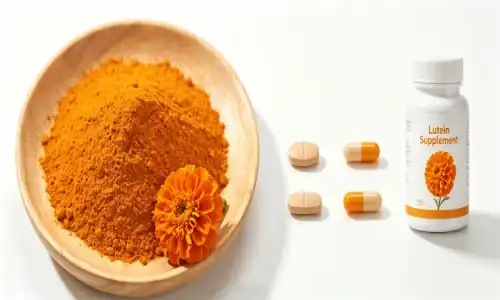
Marigold extract lutein powder helps the development of eye-health products by providing a standardised source of lutein, a carotenoid that is found in the macular pigment of the eye. This ingredient is sold by NT Biotech to supplement, functional food, and beauty brands that need more than just a pretty yellow-orange powder. Controlled extraction, active-content verification, HPLC/UV testing, batch Certificates of Analysis, and flexible OEM support are what set us apart. Brands can make eye health products with better technical bases and a clearer natural origin story when they use a reliable lutein ingredient.
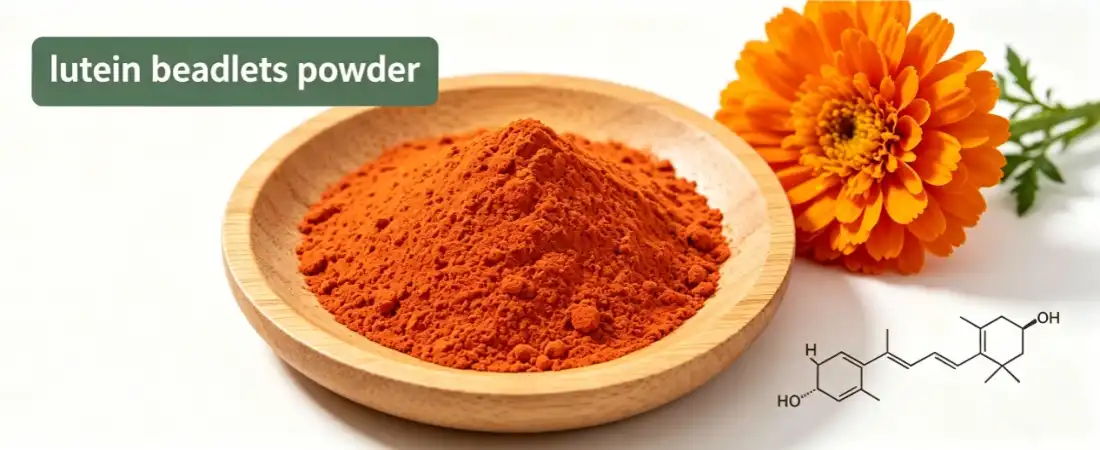
Why Global Eye-Health Brands Use Marigold as a Lutein Source
Marigold Flowers Provide a Scalable Natural Source
The flowers of the Tagetes erecta plant are usually used to make marigold extract lutein powder because they naturally contain lutein esters. Leafy vegetables also have lutein, but marigolds are a more concentrated source that can be used on a large scale for business reasons. This is important for supplement brands that need the same amount of active ingredients in each batch. How fresh veggies are grown, transported, and stored can change depending on the time of year. The amount of lutein in pills, tablets, chews, softgels, and powder sticks can be better controlled when the marigold ingredient is standardised. Because of this, marigolds have become a popular plant source for making lutein around the world.
Lutein Has a Clear Connection to Macular Pigment
The macula is the part of the eye in the middle that helps you see details. Both lutein and zeaxanthin are naturally found in macular pigment, which gives it its yellow colour and helps it filter light. Many people may have higher macular pigment optical density after taking lutein supplements, but the effects depend on their food, amount, age, and biology [1]. Based on this proof, marigold extract lutein powder can be used in responsible recipes for eye health. Brands should use legal language that focuses on health benefits rather than illness cures. A trustworthy label talks about lutein's role as a natural vitamin instead of making claims that the supplement can't legally back up.
| Buyer Question | Practical Answer | Documentation to Request |
|---|---|---|
| What is the botanical source? | Marigold flowers, usually Tagetes erecta, provide lutein esters for extraction. | Botanical identity and traceability records. |
| What is the key active compound? | Lutein is the main standardized carotenoid in the ingredient. | HPLC or UV assay in the current CoA. |
| Which finished products can use it? | Capsules, softgels, tablets, gummies, powder blends, and selected cosmetic concepts. | Application guidance and stability information. |
| Why is standardization important? | It helps control the lutein amount in every serving. | Product specification and batch test report. |
Consumer Interest Extends Beyond Traditional Eye Supplements
The main market for marigold extract lutein powder is still eye health, but it is now also popular with people who want to look younger and healthier. People use their phones, monitors, and tablets for long periods of time. Also, the products they want should fit in with their daily health habits. Depending on the idea behind the product, lutein can work with zeaxanthin, vitamin C, zinc, omega-3 ingredients, collagen peptides, or ceramides. People learned more about lutein and zeaxanthin in eye-health diet studies thanks to the AREDS2 clinical trial [2]. Not every product can make medical claims because of this. It does give people who make products a well-known scientific point of reference for placing lutein carefully.
What Happens When Lutein Enters an Eye-Health Formula?
Formula Design Influences Lutein Delivery
Lutein is an antioxidant that dissolves in fat. In other words, the form of the end product can change how the ingredient is used and consumed. Lutein is often put in softgels because they can hold it in an oil-based state. When formulators use the right carriers, blend controls, and stable tests, capsules and pills can also work. Powder drinks and packs might need more work to make them more evenly distributed and to keep the colour safe while they're being stored. Formulators have a lot of options with marigold extract lutein powder, but it should never be used as a one-size-fits-all ingredient. The final standard should be based on the dose goal, other chemicals, package shape, moisture exposure, and shelf-life plan.
Lutein Travels Through the Body With Dietary Lipids
When you eat lutein, your body absorbs it along with fats and moves it around in lipoproteins. It can build up in tissues, like the skin and eyes. This is why some signs on finished goods say to take lutein vitamins with food. Reviews in the scientific community talk about lutein as a part of the macular pigment system and its biological role in how our eyes work [3]. But even so, a formula should be looked at as a whole. How well marigold extract lutein powder works may depend on how it is mixed, what other ingredients are used, and how it is stored. Responsible brands shouldn't copy generic claims without first checking the rules in their own country.
Eye Wellness Works Best as a Long-Term Category
Lutein isn't an easy food to use right away. It works with both daily nutrition plans and long-term health plans. This makes it appealing for companies that want to make subscription products, supplement packs that last more than one month, and programs for healthy ageing. A well-thought-out product can help people understand why healthy eating is important without making false claims. Marigold extract lutein powder also gives marketing a well-known ingredient story: it is a flower-derived pigment that was created to help with eye health. More research reviews are being done on lutein and zeaxanthin and how they affect vision, macular pigment, and an eye-healthy diet [4]. This shows that science backs up careful teaching over big claims.
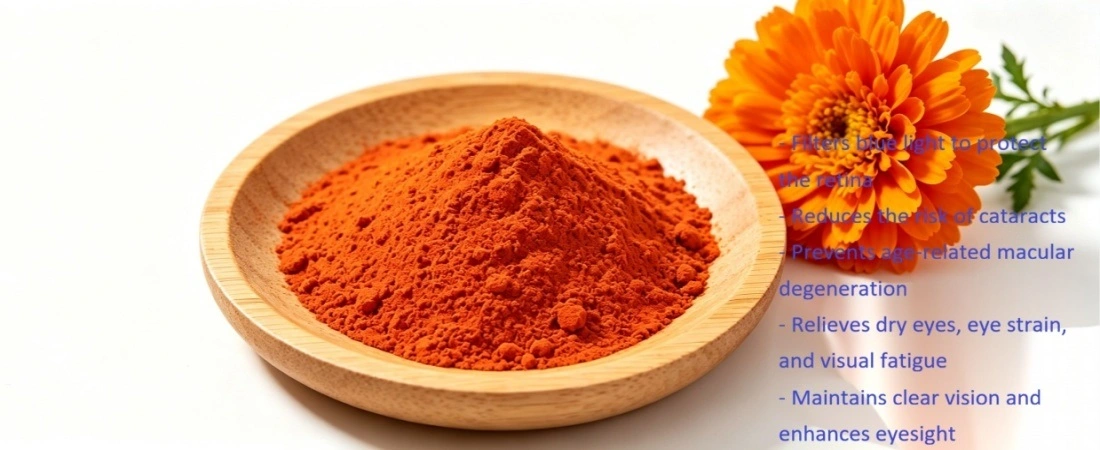
How Should Buyers Evaluate Marigold Lutein Powder Quality?
Test Results Matter More Than Powder Color
A bright yellow powder may look rich in carotenoids, but appearance alone does not confirm lutein content. Buyers should request a batch-specific Certificate of Analysis before approving commercial material. The CoA should show the agreed assay result, test method, physical description, moisture level, microbiological limits, heavy-metal information, packaging details, and storage conditions where applicable. NT Biotech supports marigold extract lutein powder orders with HPLC/UV documentation and quality records. This helps quality teams compare ingredient batches with the approved specification. It also reduces the risk of receiving material that looks similar but does not deliver the intended active content.
Cost Per Gram of Verified Lutein Gives a Fairer Comparison
The cheapest ingredient is not always the best commercial choice. One supplier may quote a low price because the powder contains less lutein, more carrier material, weaker documentation, or a different stability profile. Buyers should compare the cost per gram of verified lutein rather than price per kilogram alone. This approach gives procurement teams a more accurate view of formula value. NT Biotech develops standardized plant extracts with technical controls designed to support purity and stability. Some key extracts in our portfolio reach purity above 98%, while each marigold extract lutein powder grade should be assessed by its specific lutein standard and current CoA.
| Quality Checkpoint | What It Helps Confirm | Why It Matters |
|---|---|---|
| HPLC or UV assay | The agreed lutein content in the batch. | Supports accurate label claims and formula consistency. |
| Certificate of Analysis | Lot-specific quality results. | Connects the delivery to the approved specification. |
| Product specification | Limits for appearance, moisture, and microbiology. | Helps contract manufacturers set acceptance criteria. |
| Packaging guidance | Protection from heat, light, and moisture. | Supports stability during transport and storage. |
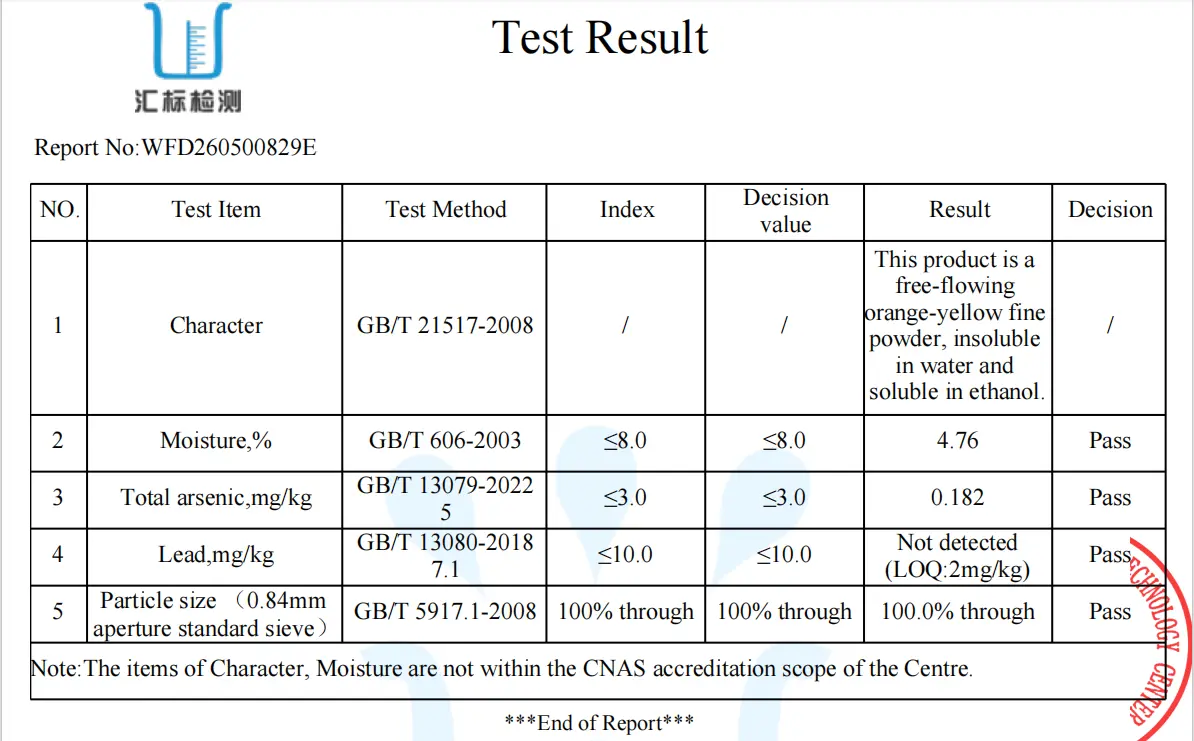
Supplier Documentation Should Match the Target Market
A reliable marigold extract lutein powder supplier should explain which documents are available and what each one means. NT Biotech operates under ISO 9001 quality-management practices and can provide current Kosher and Halal documents when relevant to the requested ingredient and certificate scope. Buyers should not assume that terms such as “FDA certified” or “CE certified” apply automatically to every botanical raw material. Regulatory status depends on the product category, intended use, formula, and destination market. Clear documentation gives importers, brand owners, and contract manufacturers a better starting point for local compliance review.
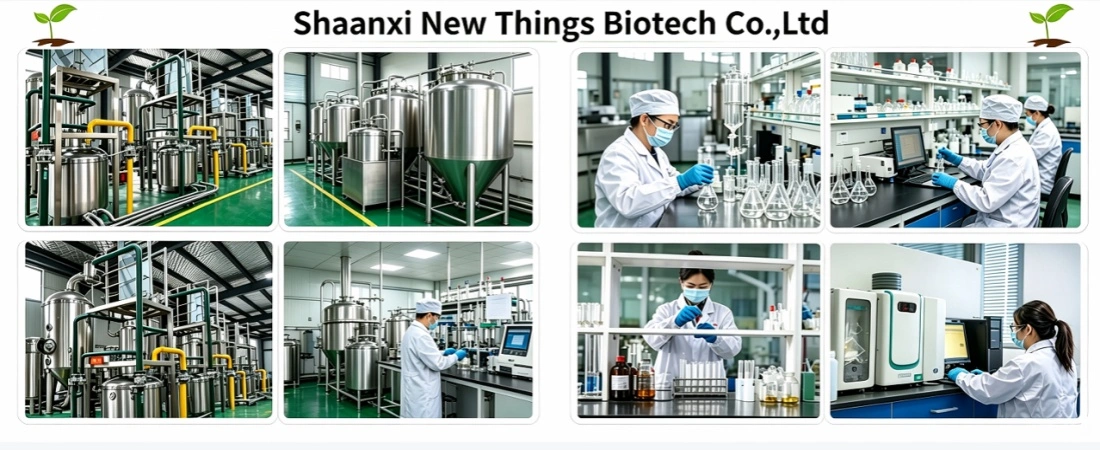
How NT Biotech Helps Brands Move From Ingredient to Launch
Technical Support Begins Before a Large Order
NT Biotech is not only a supplier of plant extracts. Shaanxi New Things Biotech works as a technical partner for dietary supplements, functional foods, high-end cosmetics, and animal nutrition products. We combine plant-source management, extraction development, laboratory testing, intelligent production, and supply-chain coordination. This helps buyers connect marigold extract lutein powder with their actual product goal. A startup may need sample evaluation and capsule advice. A distributor may need a stable bulk supply with technical documents. A beauty brand may need a lutein blend that fits its wider ingredient story. Early technical communication can prevent expensive changes later.
OEM and ODM Services Support Local Product Strategies
A lutein product sold in Southeast Asia may need different packaging, labels, price points, and dosage forms than one sold in Europe, the Middle East, or North America. NT Biotech provides flexible OEM and ODM support so customers can adapt a concept to local demand. We can support bulk ingredient supply, private-label projects, customized packaging, and formulation discussions. Marigold extract lutein powder can become part of a softgel, capsule, gummy, sachet, or beauty supplement when the specification matches the product plan. We also discuss buyer-friendly payment solutions, including local-currency payment options when available and appropriate.
Choosing a lutein supplier should not feel like guesswork. If you need help comparing assays, product formats, documents, or order quantities, contact info@newthingsbiotech.com. Our team can review your project and recommend a practical starting point.
Responsive Logistics Protect Product Launch Schedules
The arrival of ingredients changes the times of production bookings, marketing campaigns, and store launches. NT Biotech promises to answer questions in two hours or less. Standardised versions of popular extracts may be ready to ship one to three business days after the order is confirmed. Production orders usually take between three and ten working days, which includes getting the materials ready, extracting them, testing them, releasing the COA, and packaging them up. We can set up fast shipping through FedEx or UPS accounts, and for bigger orders, we have trusted freight partners who take care of air and sea goods. When it comes to marigold extract lutein powder, reliable logistics means more than just quick shipping. It means correct paperwork, the right packing, and reliable contact from the workplace to the location.
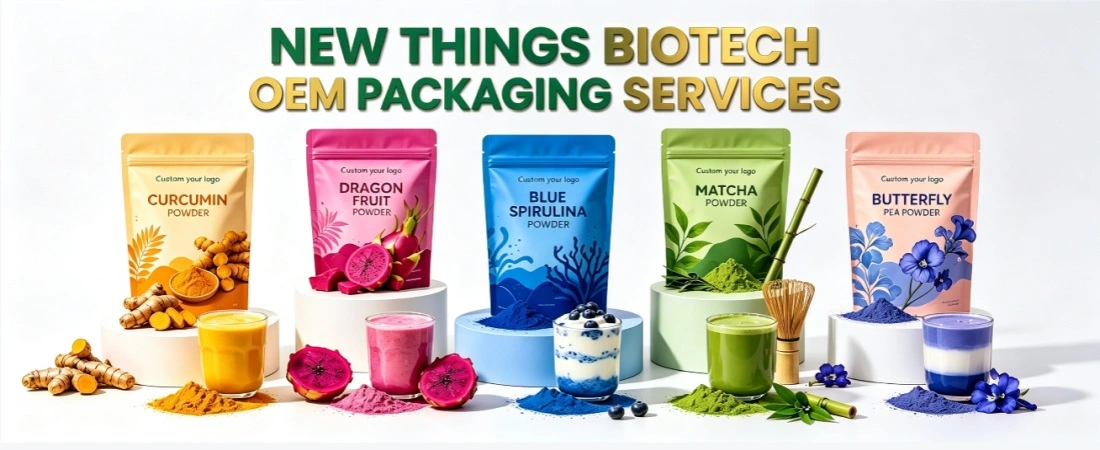
Conclusion
Marigold extract lutein powder helps the development of eye-health products by giving a standard natural source of lutein that can be easily mixed with other ingredients. Its worth comes from current content that has been checked, responsible product positioning, the right shipping forms, and reliable paperwork from the provider. Through HPLC/UV testing, batch COAs, flexible OEM support, and quick shipping, NT Biotech helps buyers around the world make lutein-based vitamins, functional foods, and beauty products. We help brands choose the right raw materials and get their products on the market with more confidence and better quality control by combining our experience with plant extraction with real-world business support.
FAQ
1. What is marigold extract lutein powder?
It is a plant-derived ingredient made from marigold flowers and standardized for lutein, a carotenoid used in eye-health, beauty, and nutrition formulas.
2. Why is lutein used in eye-health supplements?
Lutein is naturally found in macular pigment and is widely used in visual-wellness formulas designed for daily nutritional support.
3. Can NT Biotech provide a Certificate of Analysis?
Yes. NT Biotech can provide batch-specific Certificates of Analysis and HPLC/UV testing information for approved orders.
4. Is marigold lutein suitable for OEM products?
Yes. It can be used in OEM and ODM projects such as capsules, softgels, tablets, gummies, sachets, and customized wellness formulas.
5. How fast can NT Biotech ship orders?
In-stock standardized extracts may ship within one to three working days. Production orders usually require three to ten working days.
Build Your Eye-Health Product With NT Biotech
NT Biotech can help turn your eye-health concept into a market-ready product with dependable marigold extract lutein powder, clear quality documents, and flexible supply support. We provide HPLC/UV testing, batch Certificates of Analysis, OEM and ODM coordination, packaging options, and shipping by express, air, or sea. Whether you need bulk lutein material, a private-label supplement, or a customized beauty-from-within formula, our team can help you choose the right path. Contact info@newthingsbiotech.com today for specifications, samples, pricing, and a supply plan designed around your target market.
References
1. Ma, L., Liu, R., Du, J. H., Liu, T., Wu, S. S., and Liu, X. H. “Lutein, Zeaxanthin and Meso-Zeaxanthin Supplementation Associated With Macular Pigment Optical Density.” PLOS ONE, 2016.
2. Age-Related Eye Disease Study 2 Research Group. “Lutein + Zeaxanthin and Omega-3 Fatty Acids for Age-Related Macular Degeneration.” JAMA, 2013.
3. Krinsky, N. I., Landrum, J. T., and Bone, R. A. “Biologic Mechanisms of the Protective Role of Lutein and Zeaxanthin in the Eye.” Annual Review of Nutrition, 2003.
4. Kijlstra, A., Tian, Y., Kelly, E. R., and Berendschot, T. T. J. M. “Lutein: More Than Just a Filter for Blue Light.” Progress in Retinal and Eye Research, 2012.
5. Juturu, V., and Kruger, C. L. “Lutein and Zeaxanthin: Effects on Eye and Skin Health.” Journal of the American College of Nutrition, 2017.
6. Stringham, J. M., and Hammond, B. R. “The Glare Hypothesis of Macular Pigment Function.” Optometry and Vision Science, 2007.
Supplement and beauty product companies can use marigold extract powder to get a concentrated plant source of lutein, a yellow-orange antioxidant that is good for eye health and facial beauty. As NT Biotech, we focus on safe, standardised plant ingredients that help brands make useful foods, cosmetics, pills, softgels, sweets, powders, and more with clear technical support. Our marigold ingredient has a controlled extraction process, HPLC/UV recording at the batch level, a variety of OEM choices, and variable supply planning. Before asking for a custom quote, buyers can look at the current marigold extract powder product information.
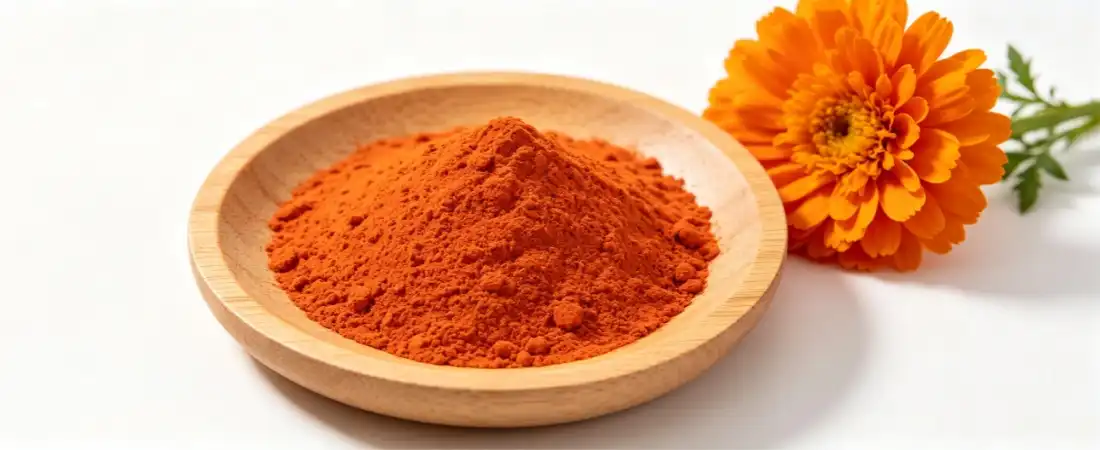
Why Lutein From Marigold Creates Value for Eye and Beauty Brands
Marigold extract powder is good for business because it naturally has lutein in it. Lutein is a xanthophyll carotenoid that is found in the macula, the part of the retina in the middle that is in charge of fine details. It is also used in nutricosmetic formulas that focus on making the skin look better, protecting it from damage, and promoting beauty from the inside out. Brands can make money by offering more than just yellow powder. It's making a clear ingredient story that links botanical sourcing, standardised active content, formulations that are based on evidence, and product formats that are easy for customers to understand.
Lutein Supports a Recognized Eye-Health Ingredient Story
Because they are found in retinal pigment, lutein and zeaxanthin are often talked about in eye health studies. Macular pigment helps block harmful visible light before it gets to the retina, which has delicate cells. The AREDS2 clinical study looked at lutein and zeaxanthin as part of a vitamin recipe for eye health tied to getting older. This shows why supplement makers still value these carotenoids [1]. Market-specific claims that are legal should always be used on a finished product, but the study base gives formulators a good idea of what to do. Marigold extract powder lets brands base eye-support ideas on a well-known plant-based active instead of just using ingredients that look like they come from a lab.
Beauty-From-Within Formulas Gain a Botanical Advantage
More and more, nutrients for the skin mix carotenoids with collagen, hyaluronic acid, vitamin C, ceramides, or plant antioxidants. Because carotenoids are studied for their role in skin antioxidant defences and visible skin conditions, lutein can be used in this way. A double-blind study on humans looked at how lutein and zeaxanthin can be used in skin care, showing that people are still interested in using these ingredients for beauty purposes [4]. Marigold extract powder is useful because it can be used in different ways. It can back up a high-end "eye and skin" idea, a daily beauty pill, or a healthy-aging mix with a clear plant identity.
| Formulation Question | Practical Answer for Buyers | Evidence or Documentation to Request |
|---|---|---|
| What is the botanical source? | Marigold flower extract is commonly associated with Tagetes erecta. | Botanical identification and raw-material traceability. |
| What active compound matters most? | Lutein is the key standardized carotenoid for most product concepts. | HPLC or UV assay data in the Certificate of Analysis. |
| Which markets can use it? | Dietary supplements, functional foods, and cosmetic formulations may use different grades. | Market-specific technical and regulatory review. |
| How should quality be compared? | Compare active assay, carrier system, color, stability, and batch records. | Current CoA, specifications, and microbiological documentation. |
The table shows why clients shouldn't just look at price per kilogram when deciding which provider to buy from. If the price is lower, it could mean that the active amount is lower, the transport material is different, the paperwork is weaker, or the powder performance is less stable. A good marigold extract powder seller should be able to explain how the powder's test results, particle behaviour, packing, and preservation instructions fit the dose form that is being sought.
Lutein Positioning Works Best With Honest Product Language
Instead of making disease-treatment claims, I think lutein should be marketed around daily visual health, screen-heavy lives, good ageing, and skin-supporting habits. People like it when brands describe the chemical in simple terms. They want to know where it comes from, why it's there, and how it fits into their daily lives. Taking lutein supplements has been linked to changes in the optical density of macular pigment, which is one reason why the ingredient is still so important in formulas that help with vision [2]. Brands can tell a clean plant-to-product story with marigold extract powder while keeping claims honest and ready for the market.
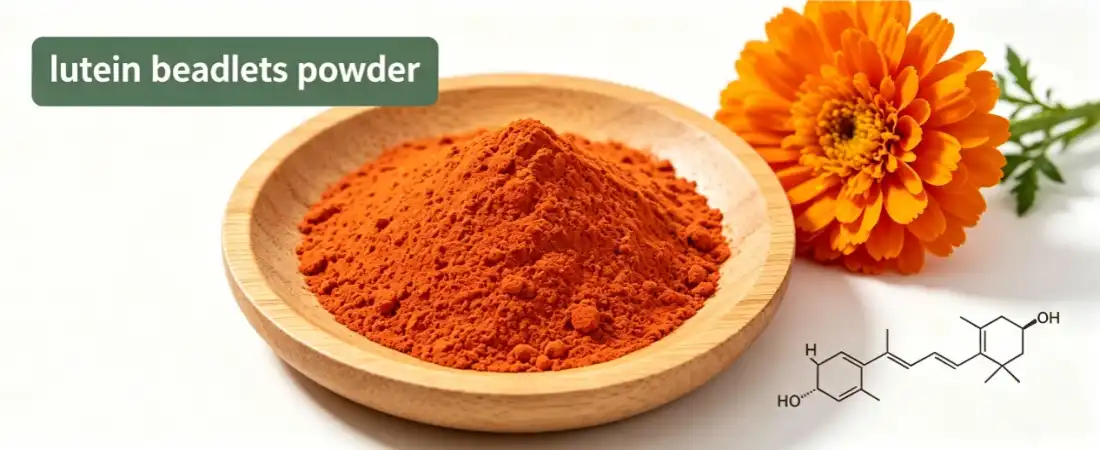
What Gives NT Biotech Marigold Extract Powder a Practical Edge?
NT Biotech works with projects in dietary supplements, healthy foods, skincare, and animal nutrition to provide plant-based ingredients and be a long-term technical partner. We manage plant sources, do research on extraction, use smart production, and coordinate the supply chain. This full value-chain method is important because the flower itself is not the only thing that makes a good marigold extract powder program. It depends on the consistency of the active ingredient, quality control, shipping dependability, packaging choices, and customer service after the sample stage.
Standardization Protects the Value of Every Batch
It's not enough to look at an ingredient's orange colour; it should also be judged by its lutein assay. Even though colour may look nice, it can't be used instead of analytical proof. NT Biotech has its own special ways of extracting chemicals that are meant to get the most useful active ingredients while keeping product performance stable. A Certificate of Analysis and HPLC/UV tests can be done on each run. Key goods on our wider standardized-extract platform are pure at least 98% of the time. For marigold extract powder, the quality number that matters is the accepted lutein standard found in the batch paperwork.
Documentation Helps Buyers Reduce Formulation Risk
A full supplier package can save a team working on a new product weeks of back-and-forth work. People who want to buy something should ask about its features, test methods, Certificates of Analysis, material safety paperwork, food statements, package information, shelf-life advice, and information about the place where the product came from. NT Biotech supports ISO 9001 quality-management practices and can provide appropriate Kosher and Halal paperwork when applicable to the requested product and current certificate scope. We don't use broad claims like "FDA-certified ingredient" because the compliance of an ingredient depends on the product's target market, its final form, and its local regulatory pathway.
When a product launch is imminent, supply speed is important.
If the company doesn't get a good ingredient on time, it may lose its value. NT Biotech aims to answer the first question within two hours. Standardised versions of popular extracts may be ready to ship one to three business days after the order is confirmed. Production orders usually take between three and ten working days, which includes getting the raw materials ready, extracting them, checking them in the lab, releasing the COA, and packing them up. We can set up fast delivery through FedEx or UPS accounts, as well as freight by air or sea for bigger packages.
Send an email to info@newthingsbiotech.com with your target market and desired product format if you want to compare lutein specs, dosage forms, and minimum order amounts. If you don't want a stock grade, our team can help you find a marigold extract powder that works with your recipe.
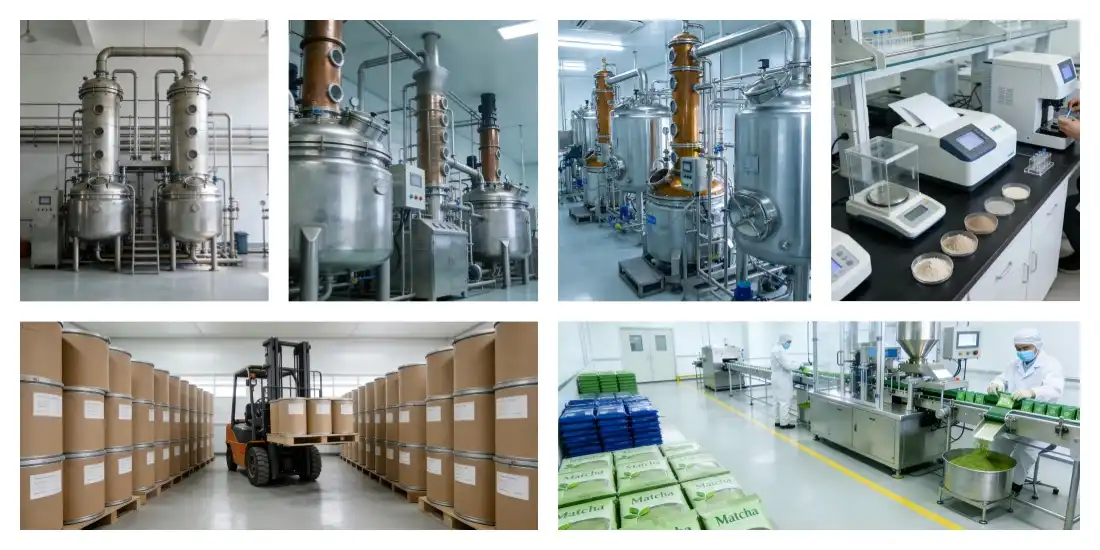
How to Turn Marigold Extract Powder Into a Strong Finished Product
The best commercial results come when ingredient selection and finished-product design happen together. A capsule formula needs different powder flow and blending behavior than a gummy, sachet, drink mix, tablet, or topical cosmetic. Marigold extract powder can support several product categories, but each one needs a defined active target, delivery format, sensory plan, and stability approach. I encourage buyers to decide what consumers should experience before finalizing the raw material specification.
Match the Ingredient to the Dosage Form
Lutein is naturally oil-soluble, so softgels are a common option for high-end eye-health products. Capsules and tablets can also work well when the powder flows evenly and blends properly with excipients. Beauty powders and stick packs may combine lutein with collagen peptides or fruit extracts. Cosmetic brands may use suitable marigold derivatives in creams, serums, masks, or sun-care concepts after confirming cosmetic-grade requirements. The practical point is simple: marigold extract powder should be selected for its measured active content and formulation fit, not only for its appearance.
| Product Direction | Suitable Product Format | Why Marigold Extract Powder Fits | Key Development Check |
|---|---|---|---|
| Eye-support supplement | Softgel, capsule, tablet | Supports a lutein-centered daily wellness concept. | Confirm lutein assay and blend uniformity. |
| Beauty-from-within product | Capsule, gummy, sachet powder | Pairs well with collagen, vitamin C, and hyaluronic acid concepts. | Review taste, color, and storage stability. |
| Functional food concept | Powder blend or fortified nutrition product | Adds botanical carotenoid value to a broader wellness story. | Confirm dispersion and local food compliance. |
| Cosmetic ingredient project | Cream, serum, mask, or lotion | Supports botanical skin-care storytelling when a suitable grade is selected. | Confirm cosmetic specification and compatibility testing. |
A good formula does not need to be overloaded with ingredients. One clear benefit direction often performs better than a complicated label. Eye-health buyers may prefer lutein with zeaxanthin and antioxidant nutrients. Beauty buyers may prefer lutein with collagen or ceramides. The product must still use lawful claims and meet local label rules.
OEM and ODM Flexibility Supports Local Market Needs
Different markets have different preferred pack sizes, label languages, dosage forms, claims, and price points. NT Biotech provides flexible OEM and ODM support so buyers can adapt a marigold extract powder concept for Southeast Asia, the Middle East, Africa, Europe, or North America. A local brand may need small trial runs and private-label packaging. A larger distributor may need bulk drums, consistent documentation, and repeat-order planning. We also offer buyer-friendly payment discussions, including support for payments in the buyer’s local currency when available.
Reliable Partnership Extends Beyond the Shipment
A raw material supplier should remain available after the cargo leaves the factory. NT Biotech supports customers with technical communication, document coordination, packaging options, application discussions, and responsive follow-up. Our work covers the path from plant source to finished-product application. That approach is especially useful when a buyer is developing a new eye-and-skin line and needs help connecting active content, dosage form, manufacturing process, and market launch timing. Lutein research continues to support interest in carotenoids as functional nutritional ingredients, particularly for visual and skin-related wellness concepts [3][6].
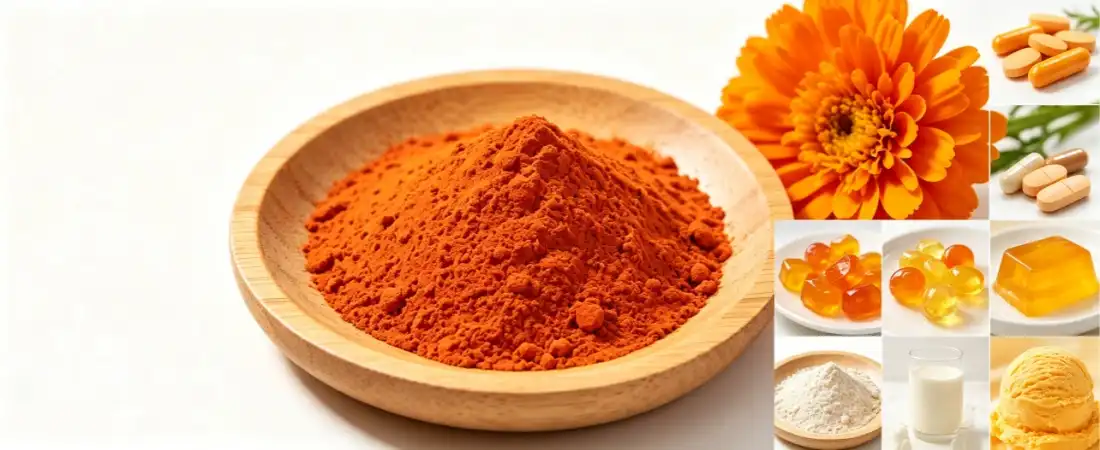
Conclusion
Marigold extract powder gives supplement and cosmetic brands a practical route to lutein-based eye-health and skin-support products. Its value comes from more than its botanical origin. Strong results depend on standardized lutein content, HPLC/UV verification, stable processing, complete documentation, and a supplier that understands formulation needs. NT Biotech combines plant-extraction experience, responsive supply planning, flexible OEM solutions, and quality-focused service for global buyers. Whether you are developing a softgel, beauty capsule, gummy, powder blend, or cosmetic concept, the right marigold ingredient can help your brand create a clearer and more competitive product story.
FAQ
1. What is marigold extract powder used for?
It is commonly used as a natural lutein ingredient in dietary supplements, functional foods, beauty-from-within products, and selected cosmetic formulations.
2. Is lutein from marigolds suitable for eye-health formulas?
Yes. Lutein from marigolds is widely used in visual-wellness supplements because lutein is naturally present in macular pigment.
3. Can NT Biotech provide OEM support?
Yes. NT Biotech offers flexible OEM and ODM support for different dosage forms, packaging styles, markets, and customer requirements.
4. How can I confirm lutein content?
Request the current Certificate of Analysis. NT Biotech can provide HPLC/UV documentation for batch-level quality review.
5. How quickly can marigold extract powder be shipped?
Popular standardized ingredients may ship within one to three working days. Production orders commonly require three to ten working days.
Develop Your Lutein Product With NT Biotech
Bring your eye-health, beauty-from-within, or cosmetic concept to NT Biotech and build it with a supplier that understands both botanical quality and commercial timing. We can support your project with standardized marigold extract powder, HPLC/UV testing documents, Certificates of Analysis, flexible OEM or ODM service, packaging coordination, and shipping options by express, air, or sea. Our team responds quickly and works with buyers who need practical answers, not generic promises. Contact info@newthingsbiotech.com today to request specifications, samples, a quotation, or a tailored supply plan for your next lutein-based product.
References
1. Age-Related Eye Disease Study 2 Research Group. “Lutein + Zeaxanthin and Omega-3 Fatty Acids for Age-Related Macular Degeneration: The AREDS2 Randomized Clinical Trial.” JAMA, 2013.
2. Ma, L., Liu, R., Du, J. H., Liu, T., Wu, S. S., and Liu, X. H. “Lutein, Zeaxanthin and Meso-Zeaxanthin Supplementation Associated With Macular Pigment Optical Density.” PLOS ONE, 2016.
3. Juturu, V., and Kruger, C. L. “Lutein and Zeaxanthin: Effects on Eye and Skin Health.” Journal of the American College of Nutrition, 2017.
4. Palombo, P., Fabrizi, G., Ruocco, V., et al. “Beneficial Long-Term Effects of Combined Oral and Topical Antioxidant Treatment With the Carotenoids Lutein and Zeaxanthin on Human Skin.” Skin Pharmacology and Physiology, 2007.
5. Kijlstra, A., Tian, Y., Kelly, E. R., and Berendschot, T. T. J. M. “Lutein: More Than Just a Filter for Blue Light.” Progress in Retinal and Eye Research, 2012.
6. Krinsky, N. I., Landrum, J. T., and Bone, R. A. “Biologic Mechanisms of the Protective Role of Lutein and Zeaxanthin in the Eye.” Annual Review of Nutrition, 2003.
Manufacturers of supplements for eye health, healthy ageing, or functional nutrition all end up with the same question: which form of lutein works best in real-world production conditions? Lutein beadlets 10% are the answer for more and more serious formulators. They are a microencapsulated ingredient that strikes a good balance between an active concentration that can be used in business and the physical and chemical stability that is needed for large-scale production. Because of its consistently active content, verified batch documentation, proprietary encapsulation technology, and supply chain built to keep up with the speed of modern product development, NT Biotech (Shaanxi New Things Biotech) has made a Lutein beadlets 10% that stands out in a crowded ingredient market. These are things that procurement teams and formulation scientists care about. This guide tells supplement makers everything they need to know about this ingredient, from the science behind it to the practical decisions about where to get it that will affect whether the end product lives up to what it says on the label.
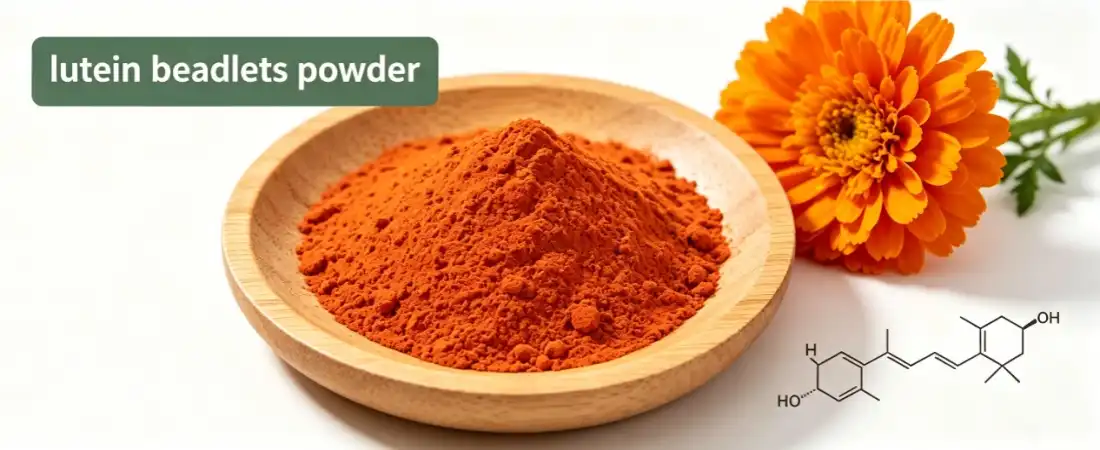
The Case for 10% Standardization: Why This Concentration Hits the Sweet Spot
Matching Dose to Clinical Evidence
When formulators pick a lutein beadlet standard, concentration isn't just a cost factor; it's also a formulation strategy choice that impacts pill size, dose flexibility, label claim power, and the difficulty of manufacturing. The 10% level of standardisation has become the most popular norm in business for very good reasons. Most studies on lutein's effects on eye health have found doses between 6 mg and 20 mg per day to be most effective. 10 mg has been used as a standard in many important studies, such as AREDS2. At 10% lutein content, a manufacturer can deliver 10 mg of lutein in just 100 mg of ingredient. This is a dose that fits easily into standard capsule or tablet formats and doesn't cause size or taste issues for end users. This is exactly why Lutein beadlets 10% have become the standard of choice for brands that want to be taken seriously by doctors and be easy to use in formulations.
Stability Advantages at This Concentration Level
One of the less obvious reasons the 10% concentration holds particular appeal is the stability profile it enables within the beadlet matrix. Higher lutein concentrations within a microencapsulated format can create localized density that stresses the protective shell, potentially compromising its integrity under manufacturing conditions such as tablet compression or heat exposure during granulation. At 10%, the encapsulation matrix maintains its structural integrity more consistently across a wider range of processing conditions, making Lutein beadlets 10% a more forgiving ingredient to work with in tablet presses, capsule fillers, and food processing equipment. NT Biotech's proprietary encapsulation process is specifically optimized for this concentration, ensuring that the protective matrix delivers consistent performance across the product's intended shelf life.
Commercial Positioning and Label Claim Strategy
From a brand perspective, 10% standardization also offers clean label claim communication. A product delivering 10 mg of lutein per serving can make straightforward, consumer-friendly claims about daily lutein intake that align with commonly recognized reference values. This clarity matters in a retail environment where consumers are increasingly sophisticated about reading supplement labels and comparing products. For brands building in premium or science-backed supplement positioning, working with a verified Lutein beadlets 10% from a traceable, certified source like NT Biotech adds the documentation layer needed to support claims not just to consumers but to retailers, regulatory bodies, and quality auditors.

Understanding the Beadlet Technology Behind the Ingredient
What Microencapsulation Solves for Lutein
Lutein's chemical nature creates a set of formulation challenges that most experienced supplement manufacturers have encountered firsthand. As a fat-soluble carotenoid, it is prone to oxidative degradation when exposed to air, light, and moisture. It does not disperse in water-based systems without modification, and in its unprotected form, it can cause color bleed in finished products that undermines aesthetic quality. Microencapsulation — the technology that defines what a beadlet is — addresses all of these issues by surrounding the lutein within a protective shell material that isolates it from environmental stressors during manufacturing and storage, then releases it appropriately during digestion. NT Biotech's Lutein beadlets 10% uses a food-grade encapsulation matrix engineered to deliver this protection consistently across diverse manufacturing environments.
| Challenge with Unprotected Lutein | How Beadlet Technology Solves It |
|---|---|
| Oxidative degradation during storage | The encapsulation matrix acts as an oxygen barrier, extending active stability |
| Poor water dispersibility | Beadlet format enables even distribution in aqueous and dry matrices |
| Color bleed in finished products | The protective shell contains pigment until digestion begins |
| Compression instability in tablets | Controlled particle size ensures consistent flow and even distribution |
| Heat sensitivity during processing | Matrix shields the active compound from processing temperatures |
| Bioavailability variability | Controlled-release matrix supports a more consistent absorption profile |
NT Biotech's Proprietary Encapsulation Process
The difference between a generic beadlet product and NT Biotech's Lutein beadlets 10% lies in the engineering decisions made at every stage of production. The process begins with high-purity lutein extracted from premium Tagetes erecta flower petals using NT Biotech's proprietary extraction methodology, which prioritizes active compound yield without the use of harsh solvents that can compromise the final product's safety profile. The encapsulation stage uses carefully selected food-grade matrix materials and controlled process parameters to produce beadlets with a uniform particle size distribution — a property that directly affects flow characteristics in manufacturing equipment and uniformity in finished dosage forms. The result is a Lutein beadlets 10% that behaves predictably from batch to batch, something that manufacturers who have worked with inconsistent suppliers will immediately appreciate.
Quality Verification from Raw Material to Finished Batch
Every batch of NT Biotech's Lutein beadlets 10% goes through a multi-stage quality verification protocol before it is released for shipment. Raw material testing confirms the identity and quality of the marigold source material. In-process testing monitors the extraction yield and encapsulation efficiency. Final product testing uses HPLC analysis to verify the 10% lutein content and UV spectrophotometry to assess the overall carotenoid profile. The Certificate of Analysis that accompanies every batch is not a template document — it contains actual measurement results specific to that production lot, giving manufacturers the traceability data they need for their own quality systems. This level of documentation is increasingly expected by retailers, regulatory agencies, and third-party auditors across major markets.
If you are evaluating Lutein beadlets 10% for an upcoming formulation project, NT Biotech's technical team can provide product specifications, sample quantities, and formulation guidance tailored to your specific delivery format and market requirements. Contact us at info@newthingsbiotech.com — we respond to all technical inquiries within two hours, because we understand that your development timeline does not wait.
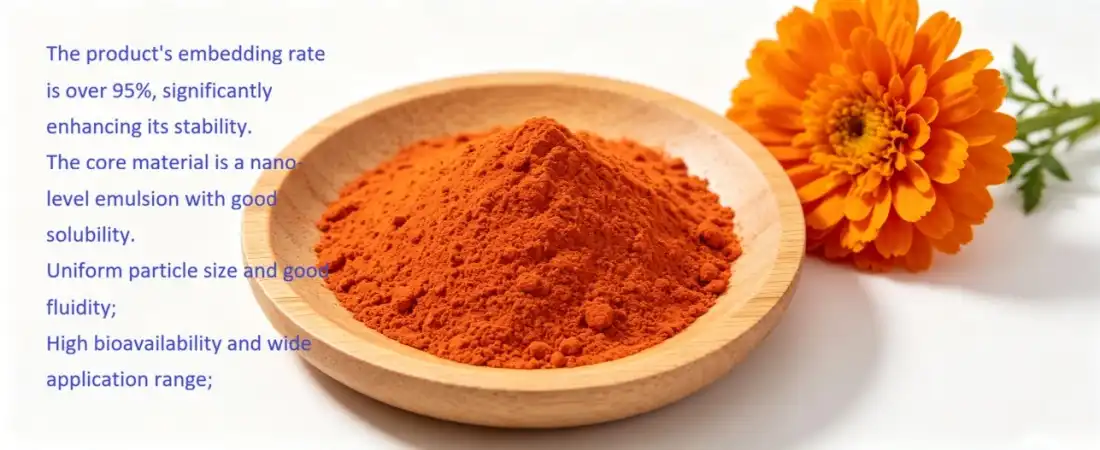
Formulation Applications: Where Lutein Beadlets 10% Performs Best
Tablets and Hard Capsules: The Core Application
The vast majority of Lutein beadlets, 10% consumed globally, end up in tablet or hard capsule format, and it is easy to understand why this pairing works so well. The uniform particle size and free-flowing characteristics of NT Biotech's beadlets make them well-suited to both direct compression tablet manufacturing and capsule filling operations. In tablet production, consistent particle size translates into uniform blend distribution, predictable compression behavior, and tablet-to-tablet content uniformity that satisfies pharmacopoeial requirements. In hard capsule filling, the flow properties ensure accurate dosing without bridging or segregation issues that can plague ingredients with irregular morphology. For manufacturers running high-volume production lines, this kind of process reliability directly affects yield and reduces the cost of rework and rejection.
Softgel and Oil-Based Delivery Systems
While Lutein beadlets 10% is primarily a dry powder format, it can also be incorporated into certain softgel and oil-suspension systems where formulators want to combine dry beadlet advantages with the consumer familiarity and swallowability of softgel delivery. NT Biotech's technical team supports formulators in evaluating compatibility between the beadlet matrix and specific oil-based excipients, providing guidance based on empirical formulation data rather than theoretical assumptions. For brands building comprehensive eye health formulations that combine lutein with omega-3 fatty acids or fat-soluble vitamins in softgel format, this cross-format flexibility from a single ingredient supplier simplifies the supply chain and quality management considerably.
Functional Food and Beverage Fortification
The functional food and beverage market represents a compelling growth opportunity for Lutein beadlets 10%, particularly as brands look for ways to reach consumers who prefer to get their nutrition from food rather than traditional supplement formats. The beadlet format's improved water dispersibility relative to unprotected lutein makes it viable for incorporation into fortified dairy products, plant-based beverages, protein powders, and nutrition bars. Stability through heat processing — a prerequisite for most food manufacturing contexts — is built into NT Biotech's beadlet design. For food manufacturers looking to add an eye health positioning to their product range without compromising sensory qualities, Lutein beadlets 10% offers a practical and technically defensible solution.
| Delivery Format | Technical Suitability | Key Formulation Consideration |
|---|---|---|
| Compressed Tablets | Excellent | Confirm compression force compatibility with batch-specific CoA data |
| Hard Capsules | Excellent | Verify fill weight accuracy with particle size distribution data |
| Softgels | Good with guidance | Assess matrix compatibility with oil-phase excipients |
| Functional Beverages | Good | Use water-dispersible variant; test for stability under UHT conditions |
| Protein Powders | Good | Blend uniformity testing recommended; color contribution manageable |
| Nutrition Bars | Moderate | Assess matrix integrity under bar compression and storage |
| Chewable Gummies | Good | Confirm matrix stability under gummy processing temperatures |
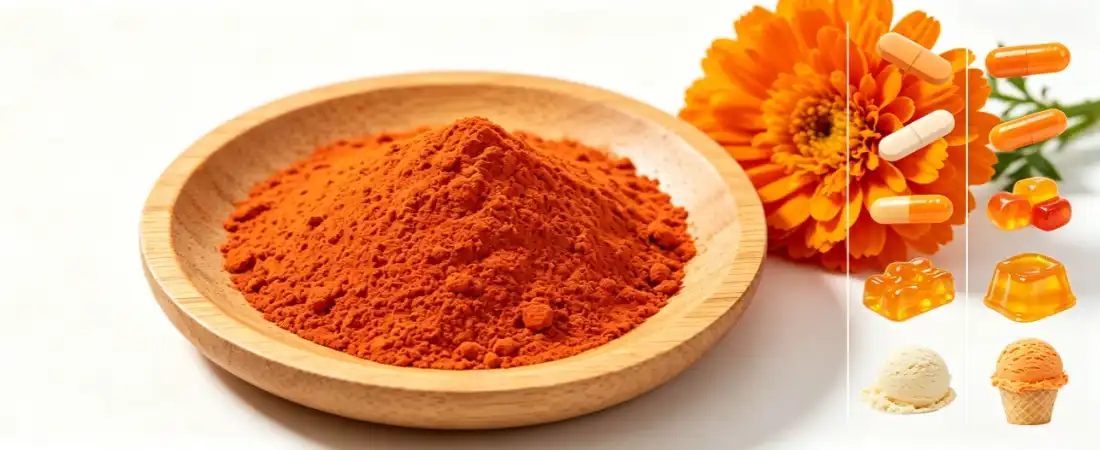
Sourcing Lutein Beadlets 10% From NT Biotech: What the Partnership Looks Like
Certifications That Carry Weight in Global Markets
For supplement manufacturers selling into regulated markets — the United States, European Union, Japan, Australia, or the Gulf Cooperation Council region — the certification status of their ingredient suppliers is not a secondary consideration. NT Biotech's manufacturing operations are certified to ISO 9001 quality management standards, providing a documented quality system framework that aligns with the expectations of international buyers and regulatory inspectors. KOSHER and HALAL certifications extend the commercial reach of NT Biotech's Lutein beadlets 10% into markets and consumer segments where these designations are commercially necessary. For brands building products with broad market ambitions, sourcing from a Lutein beadlets 10% supplier that already holds these certifications eliminates a significant barrier to market entry.
Supply Chain Structure Built Around Manufacturer Needs
Supplement manufacturers operate in a timeline-sensitive environment where raw material delays cascade directly into launch delays, customer disappointment, and revenue loss. NT Biotech has structured its supply chain specifically to minimize this risk for clients working with Lutein beadlets 10%. Standard specification inventory is maintained to support shipment within one to three working days of order confirmation — a lead time that gives procurement teams real scheduling flexibility. For custom specifications or larger production orders requiring a full production cycle, the typical lead time of three to ten working days covers raw material sourcing, proprietary extraction, encapsulation, quality testing, and final packaging. The two-hour inquiry response commitment means that questions about availability, specifications, or lead times get answered before they become scheduling problems.
OEM Development and Custom Specification Services
Many of the most commercially successful supplement brands are built on proprietary formulations rather than off-the-shelf ingredient combinations, and NT Biotech's OEM and ODM capabilities support exactly this kind of product differentiation. For brands that need a Lutein beadlets 10% with a specific particle size range, a particular encapsulation matrix composition, or integration into a custom blend with other eye health ingredients like zeaxanthin or astaxanthin, NT Biotech's R&D team can work through the technical development process as a genuine partner. This collaborative model is backed by manufacturing infrastructure that spans from autonomous cultivation of source plant material through intelligent production systems and adaptive supply chain management — a fully integrated capability that most contract manufacturers cannot offer.
Logistics, Payment, and Commercial Flexibility
NT Biotech's logistical infrastructure is designed to match the actual shipping needs of international buyers rather than imposing a single-model approach. Direct factory shipment through NT Biotech's own FedEx and UPS accounts delivers speed and traceability for express and airfreight orders. Bulk shipments are handled through trusted freight forwarding partnerships with established protocols for safe, documented sea freight delivery. On the commercial side, NT Biotech accepts payment in the buyer's local currency — a meaningful accommodation that simplifies the procurement process for international buyers and removes currency risk from the purchasing equation. These are the kinds of operational details that experienced procurement professionals notice and value when building long-term supplier relationships.
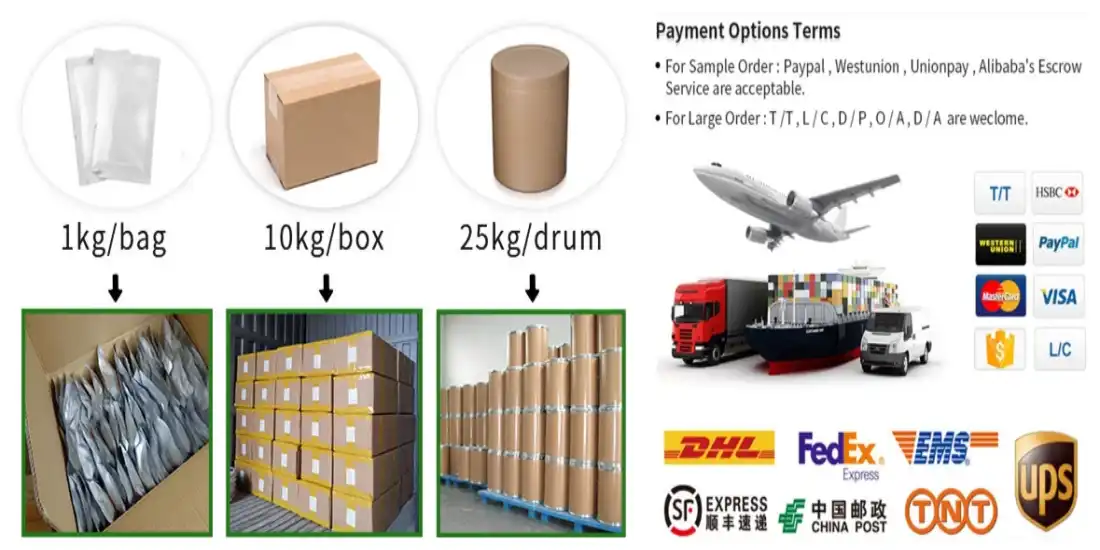
Conclusion
Lutein beadlets 10% sits at the intersection of clinical credibility, formulation practicality, and commercial viability — which is exactly why it has become the specification that serious supplement manufacturers return to again and again. The 10% concentration delivers clinically meaningful doses in practical ingredient quantities, the beadlet format solves the stability and dispersibility challenges of raw lutein, and the right supplier partnership ensures that every batch performs exactly as documented. NT Biotech brings together proprietary encapsulation technology, rigorous quality verification, global certifications, and a genuinely responsive supply chain to offer formulators a Lutein beadlets 10% supplier relationship that goes well beyond commodity ingredient sourcing. For manufacturers who take product quality seriously, this is the starting point.
FAQ
Q1: What is the recommended use level of Lutein beadlets 10% in a standard eye health capsule?
To deliver a 10 mg lutein dose — a commonly referenced clinical benchmark — a manufacturer would incorporate 100 mg of Lutein beadlets 10% per capsule or tablet serving. This quantity fits comfortably within standard single-capsule fill weights.
Q2: Does the beadlet format affect the taste or appearance of finished supplement products?
NT Biotech's beadlet matrix contains the natural pigment within its protective shell during manufacturing, minimizing color bleed and flavor contribution to the finished product. Any color contribution is manageable through standard formulation adjustments.
Q3: Can Lutein beadlets 10% be combined with zeaxanthin or other carotenoids in a single formulation?
Yes. NT Biotech supports combination formulations and can provide technical guidance on blending Lutein beadlets 10% with complementary ingredients such as zeaxanthin, astaxanthin, or bilberry extract for comprehensive eye health products.
Q4: What is the shelf life of NT Biotech's Lutein beadlets 10%?
Shelf life data is provided in the product's Certificate of Analysis and is supported by stability testing conducted under standard storage conditions. The encapsulation matrix significantly extends stability compared to unprotected lutein powder.
Q5: Is NT Biotech's Lutein beadlets 10% suitable for vegetarian or vegan supplement products?
Encapsulation matrix composition — including suitability for vegetarian or vegan applications — can be discussed with NT Biotech's technical team based on specific project requirements. Custom matrix formulations may be available for brands with specific consumer positioning needs.
Source Your Lutein Beadlets 10% Through NT Biotech — Start the Conversation Today
Ingredient quality is the single most consequential decision in supplement manufacturing, and it deserves the attention of a supplier relationship built on science, transparency, and genuine responsiveness. NT Biotech is ready to be that partner for your Lutein beadlets 10% requirements — whether you are scaling an established eye health line, launching a new functional nutrition product, or developing a proprietary blend that needs custom specification support. From ISO 9001 certified manufacturing and KOSHER/HALAL credentials to two-hour inquiry responses and buyer-friendly payment terms, everything about how we work is designed to make your sourcing process simpler and your finished product better. Reach out today at info@newthingsbiotech.com and let's build your next product together.
References
1. Age-Related Eye Disease Study 2 Research Group. (2013). Lutein + zeaxanthin and omega-3 fatty acids for age-related macular degeneration: The AREDS2 randomized clinical trial. JAMA, 309(19), 2005–2015.
2. Bone, R. A., Landrum, J. T., Cao, Y., Howard, A. N., & Alvarez-Calderon, F. (2007). Macular pigment response to a supplement containing meso-zeaxanthin, lutein, and zeaxanthin. Nutrition & Metabolism, 4, 12.
3. Krinsky, N. I., Landrum, J. T., & Bone, R. A. (2003). Biologic mechanisms of the protective role of lutein and zeaxanthin in the eye. Annual Review of Nutrition, 23, 171–201.
4. Nwachukwu, I. D., Udenigwe, C. C., & Aluko, R. E. (2016). Lutein and zeaxanthin: Production technology, bioavailability, mechanisms of action, visual function, and health claim status. Trends in Food Science & Technology, 49, 74–84.
5. Boon, C. S., McClements, D. J., Weiss, J., & Decker, E. A. (2010). Factors influencing the chemical stability of carotenoids in foods. Critical Reviews in Food Science and Nutrition, 50(6), 515–532.
6. Ma, L., Lin, X. M., Zou, Z. Y., Xu, X. R., Li, Y., & Xu, R. (2009). A 12-week lutein supplementation improves visual function in Chinese people with long-term computer display light exposure. British Journal of Nutrition, 102(2), 186–190.
There are few botanical compounds that are as well-rounded as grape seed extract, a single raw material that can be found in heart-health capsules, anti-aging serums, cognitive support mixes and functional drinks all at the same time. That adaptability is no marketing accident. It is the result of a dense class of antioxidant compounds that may assist a number of bodily systems concurrently, assuming the extract itself is standardised and validated. NT Biotech, a technology-driven plant derivatives provider, has earned its name on providing just that type of reliable, pure grape seed extract, so formulators can count on consistent performance no matter which category they are developing for. In this essay we will detail the advantages that are behind this multitasking reputation of the substance, as well as the purity criteria that make those benefits achievable in the first place.
A Natural Multitasker: What Makes Grape Seed Extract So Versatile
Before we look at specific advantages, it's useful to understand why one botanical extract may support so many distinct formulation categories in the first place. The solution is oligomeric proanthocyanidins, or OPCs, a family of compounds with extremely wide antioxidant activity that interacts with oxidative stress pathways crucial to skin, cardiovascular tissue and cellular health more broadly. A pure grape seed extract concentrates this class of compounds to a specified, measurable level. This is precisely what permits the same raw material to work reliably in supplement, culinary and cosmetic applications. Without its uniformity, adaptability would be nothing more than a marketing promise rather than a verifiable, batch-verified quality.
Meet the OPCs Behind the Multitasking
OPCs are polyphenols based on catechin and abundant in grape seeds, and have been recognised in scientific literature for antioxidant activity that researchers have linked to several physiological systems.
Why One Ingredient Can Support So Many Systems
Oxidative stress may impact skin ageing, vascular health and cellular wear in general, which is why one class of antioxidant-rich compounds can be reasonably supportive of many unrelated formulation categories at the same time.
The Purity Threshold That Makes Multitasking Possible
“Standardized OPC concentration is required for consistent multitasking performance—usually 95 percent or more—because underconcentrated extracts cannot reliably deliver the antioxidant activity formulators are counting on.”
NT Biotech's Role in Verified Potency
NT Biotech’s innovative extraction procedures are designed to maximise the output of active compounds with purity levels of more than 98 percent for important products and offering formulators a reliable base to build claims on.
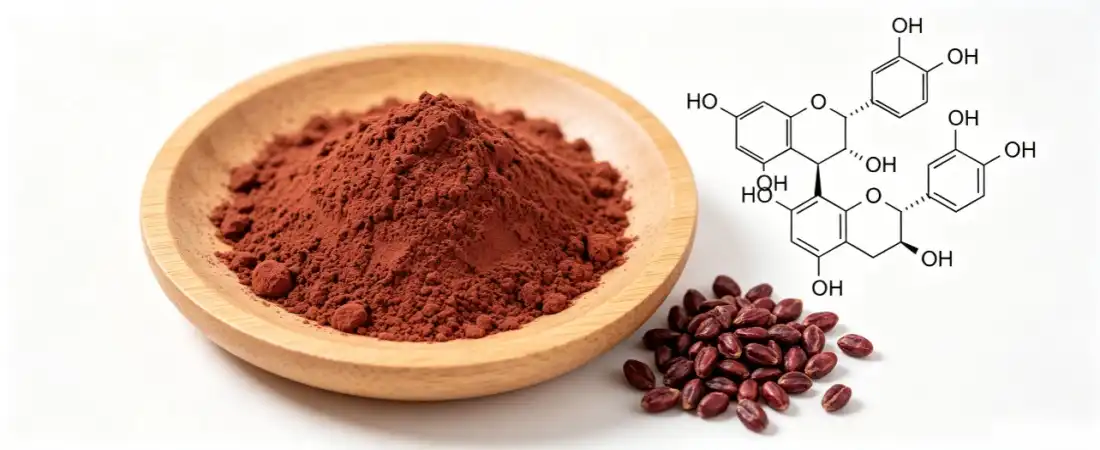
Skin Deep: Antioxidant Support for a Resilient Complexion
The most obvious category in which the multitasking reputation of grape seed extract is obvious is skincare, primarily because oxidative stress is a well-documented contributor to noticeable skin ageing. Formulators of serums, creams and masks go to a pure grape seed extract for its antioxidant chemicals that are thought to help preserve collagen and elastin from the daily pressures of the environment, helping to create a plumper, more robust appearance over time. This category also explains why purity is so important in practice: a topical formulation needs a predictable chemical concentration to provide consistent performance batch after batch, and an unstandardised extract simply can’t provide that dependability at scale.
Protecting Collagen and Elastin
These antioxidant chemicals are explored for their ability to help protect skin structural proteins from oxidative damage, which is a major mechanism behind many anti-aging cosmetic claims.
Everyday Environmental Defense
Together with the structural support of the proteins, the antioxidant profile of the extract is set to aid in the fight against daily oxidative exposure from the sun, pollution and general environmental stress.
A Staple in Premium Skincare Formulations
Its compatibility with serums, creams and masks, has made grape seed extract a staple ingredient in luxury skin care brands seeking organically derived antioxidant positioning.
Why Formulators Choose Standardized Extract for Topicals
The potency is standardised so that topical formulations will work consistently from batch to batch, which is why real skincare companies indicate assured OPC concentration rather than generic grape seed powder.
Heart and Circulation: The Cardiovascular Connection
Cardiovascular support is likely the best-studied benefit category connected with grape seed extract, and still one of the key reasons supplement companies use the ingredient for heart-health formulations. OPCs are often linked to good blood vessel function and circulation. They seem to operate via antioxidant pathways that aid to counteract oxidative stress in vascular tissue. If you have a pure grape seed extract that has been proven by lab testing, rather than just assuming that the pure extract is present based on the raw seed material, then you have a reliable basis for these cardiovascular-oriented product claims. If the potency were inconsistent, it would undermine the very research that the claims are based on.
Supporting Healthy Blood Vessel Function
OPCs have frequently been researched for their function in maintaining vessel flexibility and good circulation, and this is the science behind several heart-health supplements.
Antioxidant Defense Against Oxidative Stress
Grape seed extract contains antioxidant chemicals that are researched particularly with regard to oxidative stress in vascular tissue, an area of interest that is recognised in cardiovascular research.
A Common Ingredient in Heart-Health Formulas
Grape seed extract has become a staple in heart-health capsule and tablet products found in supplement marketplaces across the world, due to its proven scientific background.
Why Verified Potency Matters for Cardiovascular Claims
And consistent OPC concentration, verified by HPLC or UV analysis, provides brands with the proof necessary to back cardiovascular-related claims with certainty, not speculation.
Brands developing cardiovascular or skin-focused formulations are welcome to request full technical documentation, including HPLC data, by writing to info@newthingsbiotech.com before finalizing a formula.
Beyond Skin and Heart: Cognitive, Metabolic, and Everyday Wellness Roles
Skin and cardiovascular uses get the greatest focus, but the antioxidant profile of grape seed extract has broadened its appeal into a number of other health areas, further establishing its reputation as a true multitasker. Interest in the extract has grown among researchers investigating OPCs interaction with brain tissue, sparking interest in cognitive support formulations. Metabolic wellness products are also increasingly using the extract with balanced diet and lifestyle guidelines. General immunological and cellular defence claims complete the picture, again based on the same underlying antioxidant process. This breadth only works if the raw material itself is standardised. This is why a pure grape seed extract is the baseline need for each and every one of these categories.
Emerging Cognitive Support Research
Grape seed extract has been gaining increased attention in formulations for cognitive support, because of its antioxidant properties that may aid to preserve brain tissue from oxidative stress.
Metabolic Wellness Positioning
Some formulators are positioning grape seed extract as part of larger metabolic health solutions, often in conjunction with food and lifestyle advice, rather than as a stand-alone answer.
General Immune and Cellular Defense
More generally, antioxidant activity aids cellular defence against oxidative stress, a process cited in the marketing of general wellness and immune-support products.
A Single Ingredient, Multiple Formulation Categories
There are few botanical compounds that can support claims for supplements, food and cosmetics at the same time. This is exactly why the demand for standardised grape seed extract is high across the globe.
Table 1: Grape Seed Extract Across Formulation Categories
|
Application Category |
Typical Use of Grape Seed Extract |
|
Dietary Supplements |
Capsules, tablets, and powder blends for antioxidant and cardiovascular support |
|
Functional Foods & Beverages |
Fortified drinks and foods leveraging water/alcohol solubility |
|
Cosmetics & Skincare |
Serums, creams, and masks targeting environmental skin defense |
|
Animal Nutrition |
Antioxidant support formulations for livestock and companion animals |
The Purity Behind the Multitasking: Sourcing, Testing, and Supply Reliability
But none of these advantages convert into trustworthy final goods without focused sourcing and testing behind the scenes. NT Biotech has brought together autonomous planting and cutting-edge research & development, intelligent manufacturing and adaptive supply chains to create a holistic value-chain system from the plant source to the end application. This provides the firm with a pure grape seed extract with constant potency that is tested batch by batch instead of the varying raw material quality. For customers looking for a pure grape seed extract supplier, this end-to-end control paired with prompt communication and flexible logistics is frequently the difference between a one-off purchase and a long-term formulation cooperation.
From Vineyard to Verified Extract
Directly affecting the purity of the final product are the regulated extraction conditions and careful selection of raw materials, which maintain the OPC fraction and reduce the presence of undesirable plant material.
Laboratory Testing and Certificates of Analysis
Each batch is tested for potency using HPLC and UV testing and the findings are put into a Certificate of Analysis enabling customers to independently verify potency before formulation starts.
Certifications That Open Global Markets
ISO 9001, KOSHER and HALAL certification gives companies the regulatory footing they need to sell with confidence across a wide range of international markets and retail channels.
Delivery, OEM Support, and Working with a Pure Grape Seed Extract Supplier
In-stock extracts are sent within 1-3 working days, and bespoke extracts within 3-10 working days. OEM Support: We provide flexible OEM support, formulating and packaging to your market demands.
Table 2: Certifications Supporting Global Market Access
|
Certification |
What It Confirms |
|
ISO 9001 |
Audited, documented quality management across sourcing and production |
|
KOSHER |
Suitable for Kosher-certified supplement and food formulations |
|
HALAL |
Suitable for Halal-certified finished products |
|
Certificate of Analysis |
Batch-specific confirmation of OPC content and contaminant limits |
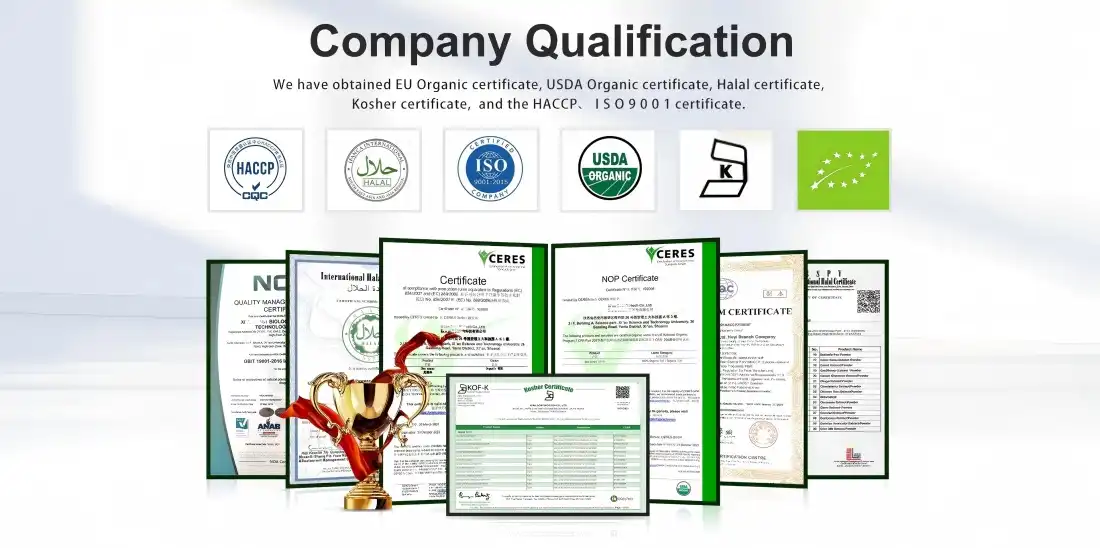
Conclusion
Pure grape seed extract earns its reputation as nature's master multitasker through a single antioxidant compound class capable of supporting skin, cardiovascular, cognitive, and general wellness formulations alike. That versatility only holds up when the raw material is genuinely pure, tested, and documented rather than assumed. NT Biotech's full value-chain approach gives global buyers a dependable path to that standard. Brands ready to formulate with confidence should start the conversation soon, before their next development cycle begins.
FAQ
1. Why is grape seed extract described as a multitasking ingredient?
Its antioxidant constituents, OPCs, have been researched for skin, cardiovascular, cognitive and general wellness uses, therefore one raw material may support numerous formulation categories.
2. What OPC concentration should buyers look for?
Most reliable formulations are standardised to 95 percent OPC or higher and validated by HPLC or UV testing rather than label claims alone.
3. Can the same extract be used in both supplements and cosmetics?
Yes, standardised grape seed extract is also often produced as capsules, functional foods and topical skincare treatments.
4. How fast can NT Biotech fulfill an order?
Standardised extracts stored in stock are usually sent within a period of one to three working days, while bespoke manufacturing orders take between three to ten working days.
5. What certifications back NT Biotech's grape seed extract?
Products are backed by ISO 9001, KOSHER and HALAL certification and a Certificate of Analysis for each batch
Partner with NT Biotech for a Pure Grape Seed Extract That Delivers
A truly versatile ingredient still depends on a pure grape seed extract supplier capable of backing every claim with documentation and delivering it on schedule. NT Biotech combines verified 95 percent OPC standardization, full batch documentation, flexible OEM support, and responsive global logistics to give supplement, food, and cosmetic brands a partner they can build multiple product lines around. Whether you are formulating a skin-focused serum, a heart-health capsule, or a functional beverage, our technical team can help match the right specification to your project. Contact us today at info@newthingsbiotech.com to request documentation, certificates of analysis, or a tailored quote.
References
1. Gupta, M., Dey, S., Marbaniang, D., Pal, P., Ray, S., & Mazumder, B. (2020). Grape seed extract: having potential health benefits. Journal of Food Science and Technology.
2. Bagchi, D., et al. (2000). Free radicals and grape seed proanthocyanidin extract: importance in human health and disease prevention. Toxicology.
3. Natella, F., et al. (2002). Grape seed proanthocyanidins prevent plasma postprandial oxidative stress in humans. Journal of Agricultural and Food Chemistry.
4. Calapai, G., et al. (2017). A randomized, double-blinded, clinical trial on effects of a Vitis vinifera extract on cognitive function. Phytotherapy Research.
5. Zhang, H., et al. (2016). Effects of grape seed proanthocyanidin extract on blood pressure and vascular function. Journal of Cardiovascular Pharmacology.
6. Sharif, A., et al. (2015). Topical grape seed extract and its effects on skin wound healing. Journal of Cosmetic Dermatology.
Today, in a climate where customers are demanding ingredients that provide apparent beauty benefits and protect long-term health, pure grape seed extract has quietly emerged as the botanical hero that bridges both worlds. It is packed with oligomeric proanthocyanidins (OPCs) to shield skin cells from environmental stress, to encourage healthy circulation and slow down the visible clock of ageing - all from one single natural source.NT Biotech (Shaanxi New Things Biotech) is a prominent pure grape seed extract provider, providing 95% OPC standardised material by patented low-temperature extraction. Our pure grape seed extract is formulated for improved bioavailability, excellent stability, and performance in formulations, so supplement manufacturers, cosmetic laboratories and functional food innovators can create products customers can really trust.
The Beauty-From-Within Revolution: How Grape Seed Extract Transforms Skin
Grape seed extract is in the thick of it, blurring the lines between nourishment and skincare. Consumers nowadays don’t want to have to pick between a glowing skin and inner vigour - they want both, and they want evidence. NT Biotech’s pure grape seed extract standardised to 95% OPC provides polyphenolic chemicals that have been scientifically shown to maintain skin structure at the cellular level, making it a vital ingredient in today’s ingestible beauty formulations and topical serums alike.
Collagen Preservation and Elastic Renewal
OPCs link directly to collagen fibres and protect them from enzymatic degradation by MMPs (matrix metalloproteinases). This structural protection allows the skin to preserve its bounce, diminishes fine wrinkles and helps keep the dermal matrix robust to the stress and strain of everyday life.
UV Defense and Pigmentation Balance
Grape seed proanthocyanidins protect against photo-oxidative stress from UVA and UVB radiation. Studies have shown that oral supplementation taken regularly for 6 – 12 weeks will clearly decrease melasma and hyperpigmentation, and can be used as a natural addition to sun-care routines.
Hydration and Barrier Function
Grape seed extract may help quiet low-level inflammation and strengthen capillary walls in the skin’s microcirculation, boosting the transport of nutrients to skin cells, while aiding the barrier seal in moisture—a cornerstone of any anti-aging approach.
Cardiovascular Wellness: The Heart of Grape Seed Extract's Legacy
Cardiologists and nutrition specialists were investigating the extraordinary impact grape seed extract has on vascular health long before it entered the beauty debate. The French Paradox – communities with polyphenol-rich diets had less heart disease – brought OPCs into the forefront decades ago. Today NT Biotech's pure grape seed extract continues that scientific history, providing standardised potency that formulators can rely on for heart-focused supplements for people 35+.
Blood Pressure and Vascular Tone
Clinical research have shown that regular consumption of standardised grape seed extract supports healthy systolic and diastolic pressure levels by improving endothelial function and increasing nitric oxide availability, which maintain a healthy, smooth, responsive blood vessel lining.
Cholesterol Balance and Lipid Protection
OPCs are known to suppress LDL oxidation, an important stage in the development of atherosclerosis. Grape seed extract helps maintain cholesterol particles in a healthy form and helps promote a more favourable long-term cardiovascular risk profile.
Circulatory Support for Legs and Veins
Grape seed extract is a classic element in venotonic formulas in Europe, relieving the feeling of heavy legs and improving the microcirculation that keeps tissues oxygenated and alive.
| Health Target | Active Mechanism | Suggested OPC Dosage | Typical Format |
|---|---|---|---|
| Skin Radiance | Collagen protection | 100–200 mg/day | Capsule, gummy |
| Heart & Circulation | Endothelial support | 150–300 mg/day | Tablet, softgel |
| Anti-Aging (systemic) | Free radical scavenging | 100–150 mg/day | Powder, beverage |
| Venous Support | Capillary reinforcement | 200–400 mg/day | Capsule |
Anti-Aging From the Inside Out: The OPC Advantage
Aging is fundamentally an oxidative process, and grape seed extract offers one of nature's most concentrated defenses. If you're developing a longevity-focused product line and want to source material that consistently performs, we invite you to reach out to our technical team at info@newthingsbiotech.com for detailed specifications, samples, and OEM discussions. Working with an experienced pure grape seed extract supplier dramatically shortens your R&D timeline and elevates your finished product quality.
Cellular Longevity and Mitochondrial Support
OPCs defend mitochondrial membranes against oxidative damage, therefore supporting continuous cellular energy generation. This is the key to feeling and looking younger from the inside out.
Cognitive Sharpness Preservation
New study suggests that proanthocyanidins may pass the blood-brain barrier and help preserve neurones and maintain memory as we age. As a result, grape seed extract is becoming a star ingredient in formulas related to nootropics.
Systemic Inflammation Modulation
Chronic low-grade inflammation, or “inflammaging,” speeds up just about every element of ageing, both apparent and unseen. The polyphenols in grape seed extract may assist control inflammatory signalling and may help to maintain a more balanced internal environment.
Why NT Biotech Sets the Benchmark as a Pure Grape Seed Extract Supplier
Brand success hinges on sourcing selections. Amidst a sea of generic extracts and conflicting OPC claims, NT Biotech elevates itself by vertical integration, scientific rigour, and true collaboration. Our pure grape seed extract is not simply another ingredient on a spec sheet – it is cultivated autonomously, extracted proprietary, multi-layer quality verified and developed to enhance every recipe it is a part of.
Proprietary Extraction Excellence
Our solvent-controlled, low temperature extraction maintains the fragile OPC structure, which is the medicinal identity of grape seed extract. Each batch is determined by HPLC and UV testing to have more than 95% OPC content. A Certificate of Analysis is included with each shipment.
Certifications That Open Global Markets
NT Biotech is ISO 9001 certified, KOSHER and HALAL certified and meets many regulatory and religious dietary requirements. This paperwork streamlines your entrance into the North American, European, Middle Eastern and Southeast Asian markets – saving your staff from compliance difficulties.
Responsive Service and Flexible Logistics
Initial inquiry response time 2 hours. Stock goods ship between 1-3 business days. Production orders ship within 3-10 business days. Depending on your priority you have the option of FEDEX/UPS express, air freight or sea transportation. We also accept payment in your native currency so that transactions are completely smooth.
| NT Biotech Capability | Client Benefit |
|---|---|
| 95% OPC standardization | Reliable formulation potency |
| HPLC + UV batch testing | Full transparency and traceability |
| Proprietary low-temp extraction | Preserved bioactivity |
| ISO 9001, KOSHER, HALAL | Global market compliance |
| 2-hour inquiry response | Accelerated project timelines |
| Custom OEM/ODM services | Market-specific formulations |
| Local currency payment | Frictionless global transactions |
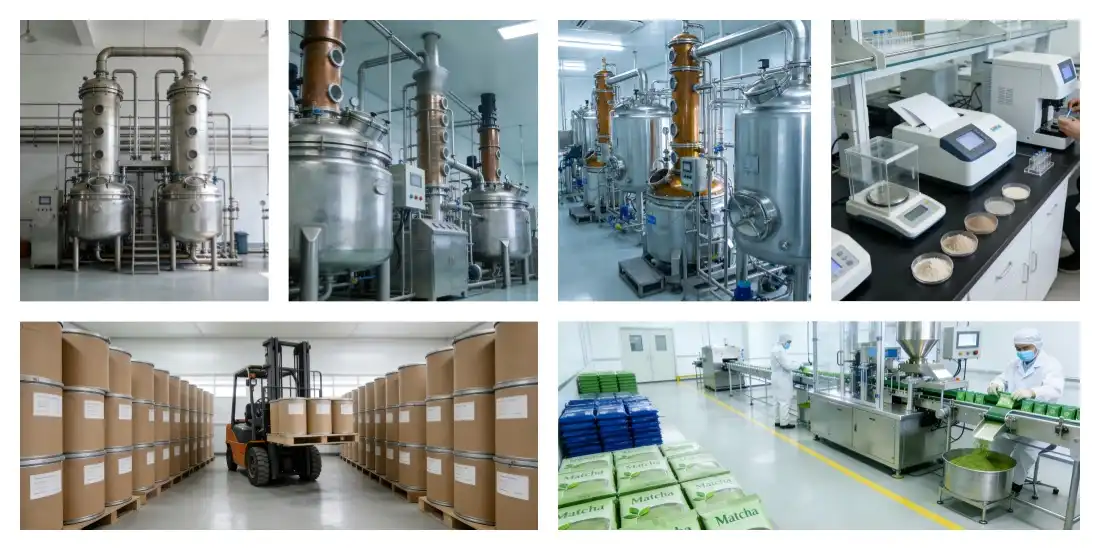
Formulation Applications: Where Pure Grape Seed Extract Shines
Grape seed extract is a formulator’s dream in terms of adaptability. From capsules to serums to functional shots, its neutral flavour profile, water dispersibility and heat stability make it suitable for practically any administration method without sacrificing performance. NT Biotech backs up every application with technical help, sample creation and small-batch flexibility.
Dietary Supplements and Nutraceuticals
Standardised 95% OPC powder that easily fills capsules, tablets, gummies and stick packs. It works well with vitamin C, resveratrol and CoQ10 for antioxidant synergistic mixes.
Cosmeceuticals and Topical Formulations
Grape seed extract used to serums, creams and masks at 0.5-2% levels gives obvious improvement in skin tone and firmness Its stability in usual cosmetic pH ranges facilitates formulation.
Functional Foods and Beverages
Thanks to its low profile, grape seed extract may be used to improve teas, wellness shots and premium juices. It appeals to clean-label companies that are promoting goods around cardiovascular or cosmetic advantages.
Pet Nutrition and Animal Wellness
Botanical antioxidants are becoming more popular in pet wellness, particularly in senior pet formulas, since grape seed extract supports cardiovascular and musculoskeletal health.
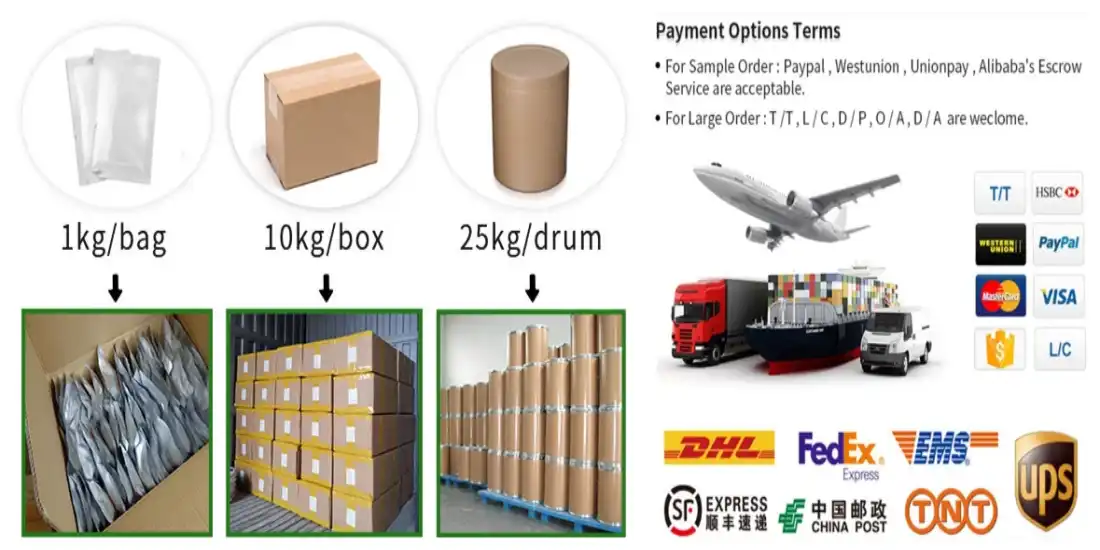
Conclusion
Pure grape seed extract has earned its status as a foundational botanical for skin radiance, heart wellness, and comprehensive anti-aging support. Partnering with a specialized pure grape seed extract supplier like NT Biotech ensures your formulations benefit from verified 95% OPC potency, proprietary extraction technology, and full traceability from vineyard to finished product. Combined with certifications like ISO 9001, KOSHER, and HALAL, plus responsive logistics and flexible OEM services, NT Biotech empowers brands to launch confidently in competitive global markets. Elevate your next beauty, cardiovascular, or longevity product with an ingredient — and a partner — that treats your success as our own.
FAQ
Q1: What makes NT Biotech's pure grape seed extract different from generic options?
Our extract is standardised to 95% OPC utilising patented low temperature extraction, and is HPLC/UV verified on each batch for efficacy and purity.
Q2: Can pure grape seed extract be used in both supplements and topical cosmetics?
Yes. Its stability, neutral profile and water dispersibility make it a great fit for use in capsules, gummies, serums, creams and functional drinks.
Q3: What certifications does NT Biotech hold?
NT Biotech is ISO 9001, KOSHER and HALAL certified to provide worldwide regulatory and religious dietary compliance.
Q4: How quickly can I receive my order?
Stock orders ship in 1-3 business days. Production orders normally take 3-10 business days to fulfil.
Q5: Do you offer customized OEM solutions?
Yeah. We customise OPC concentrations, particle sizes, packaging and formulations to your market and brand requirements.
Build Your Next Bestseller With NT Biotech — Your Trusted Pure Grape Seed Extract Partner
Ready to launch a skin-glow supplement, a heart-health capsule, or an anti-aging beauty formula that consumers will love and repurchase? NT Biotech is your dedicated pure grape seed extract supplier from raw cultivation to finished product. Our technical experts stand ready to provide free samples, detailed Certificates of Analysis, competitive pricing, and OEM formulation support tailored to your target market. Whether you're a startup exploring your first product or an established brand scaling globally, we bring the purity, consistency, and responsiveness your project deserves. Contact us today at info@newthingsbiotech.com to request samples and start your next winning formulation. Let's grow your brand — naturally, reliably, and beautifully.
References
1. Bagchi, D., Sen, C. K., Ray, S. D., et al. "Molecular mechanisms of cardioprotection by a novel grape seed proanthocyanidin extract." Mutation Research, 2003.
2. Yamakoshi, J., Sano, A., Tokutake, S., et al. "Oral intake of proanthocyanidin-rich extract from grape seeds improves chloasma." Phytotherapy Research, 2004.
3. Sivaprakasapillai, B., Edirisinghe, I., Randolph, J., et al. "Effect of grape seed extract on blood pressure in subjects with the metabolic syndrome." Metabolism, 2009.
4. Sano, A. "Safety assessment of 4-week oral intake of proanthocyanidin-rich grape seed extract in healthy subjects." Food and Chemical Toxicology, 2017.
5. Kalin, R., Righi, A., Del Rosso, A., et al. "Activin, a grape seed-derived proanthocyanidin extract, reduces plasma levels of oxidative stress and adhesion molecules." Free Radical Research, 2002.
6. Sharif, A., Akhtar, N., Khan, M. S., et al. "Formulation and evaluation on human skin of a water-in-oil emulsion containing Muscat Hamburg grape seed extract." International Journal of Cosmetic Science, 2015
There is a whole shelf in any well-stocked vitamin shop today that is just for eye health. There is a good reason why lutein shows up over and over again on those bottles as an element. And not every lutein ingredient is made the same way. In fact, the difference between a regular lutein extract and a properly engineered lutein beadlets powder is bigger than most formulators think at first. For many years, NT Biotech (Shaanxi New Things Biotech) has been working on a lutein beadlets powder that solves the main problems that come up when dealing with carotenoids: making the powder stable, easy to disperse, and bioavailable. For companies making products for eye health, functional nutrition, or high-end cosmetics, the first step to making a product that really works is to understand what makes this ingredient structure unique.
What Are Lutein Beadlets Powder and How Is It Different?
The Problem with Standard Lutein Extracts
Lutein is a fat-soluble carotenoid, which means it doesn't dissolve in water. It also breaks down in heat and light, and it's hard to use in formulations that are water-based or have more than one ingredient. Even when they have a lot of lutein in them, standard lutein powders often don't mix well, aren't spread out evenly in finished goods, and oxidise quickly when stored. These aren't small problems; they're formulation flaws that hurt the effectiveness of the product and the user experience. People who have worked with brands that use raw lutein ingredients in drinks or tablets know how frustrating this can be.
What Beadlet Technology Actually Does
With microencapsulation, the beadlet structure gets rid of these issues. Lutein beadlets powder has lutein enclosed in a protected matrix made of food-grade materials like gelatin or starch. This matrix protects the active substance from air, moisture, and light while also making it easier for it to dissolve in water. The end result is a powder that works like a normal dry ingredient but contains fat-soluble carotenoids in a form that mixes evenly, stays stable during normal processing and storage, and releases its active compounds effectively in the digestive system. This is not a small improvement in the technology; it is a completely new and better way to deliver the content.
NT Biotech's Proprietary Processing Advantage
The unique separation and packaging method that NT Biotech uses for every batch is what makes them stand out as a lutein beadlets powder seller. Starting with high-quality Tagetes erecta flower material, the process increases the amount of free lutein before encapsulation. This makes sure that the beadlets carry a really high active content and not just filler that has been watered down. The special capsule matrix is designed to protect and release the lutein beadlets powder selectively. Before any batch leaves the facility, it is tested using HPLC and UV methods to make sure it still has the right amount of active ingredient. Each shipment comes with a full Certificate of Analysis. This is not required by law, but because clients of NT Biotech need it to make their own strong cases.
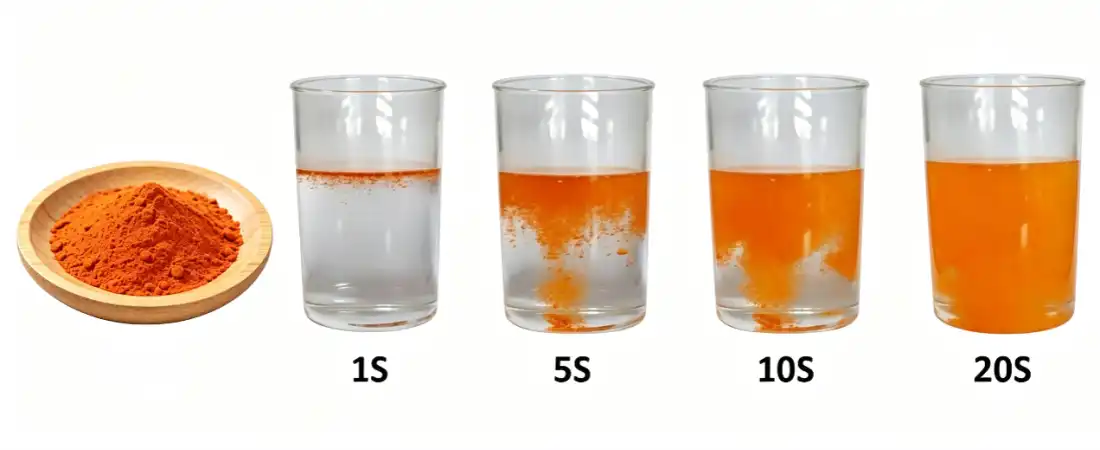
The Science Behind Lutein's Role in Eye and General Health
Lutein in the Human Eye: What the Research Shows
Lutein is one of only two carotenoids — alongside zeaxanthin — that selectively accumulate in the human macula, the central region of the retina responsible for high-acuity vision. Within the macula, lutein functions as a biological optical filter, absorbing high-energy blue light before it can reach and damage photoreceptor cells. This photoprotective function is supported by decades of peer-reviewed research, including large-scale clinical trials such as AREDS2, which demonstrated that lutein and zeaxanthin supplementation meaningfully supports macular pigment optical density and reduce the risk of progression in age-related macular degeneration. For a consumer population spending increasing hours in front of screens, this kind of evidence-backed protection has never been more relevant.
| Eye Health Benefit | Mechanism | Supporting Evidence Level |
|---|---|---|
| Macular pigment density support | Blue light filtration by lutein/zeaxanthin in the macula | Strong (multiple RCTs including AREDS2) |
| Reduced AMD progression risk | Antioxidant protection of photoreceptors | Strong (AREDS2, Lutein Antioxidant Supplement Trial) |
| Digital eye strain relief | Reduced high-energy visible light transmission | Moderate (emerging clinical data) |
| Visual acuity maintenance | Macular pigment optical density improvement | Strong (multiple observational and clinical studies) |
| Contrast sensitivity improvement | Photoreceptor protection and macular health | Moderate (clinical studies in healthy adults) |
Lutein's Antioxidant Activity Beyond the Eye
The story of how lutein works doesn't begin and end in the eye. Lutein from lutein beadlets powder is a strong antioxidant that can help get rid of free radicals that are made by UV light, external pollutants, and the body's internal processes. In skin biology, lutein has been shown to build up in the dermis and epidermis. There, it helps protect against UV rays and may make skin more hydrated, stretchy, and toned if taken regularly. This puts lutein-based products in an interesting commercial space—they contain an ingredient that can truly support both eye health and skin health in a single formulation. The nutricosmetics market is actively exploring this convergence.
Emerging Research: Cognitive and Systemic Benefits
More and more studies are looking into lutein's possible role in brain health, especially in older people. Lutein builds up in both the brain and the eyes. Early research suggests a link between higher levels of lutein and better brain function in older people. Even though this area of science is still new and should be talked about with the right amount of nuance in product communications, it does point to a bigger story about lutein's functions that could help supplement lines that promote healthy ageing become more popular. With its improved solubility profile, NT Biotech's lutein beadlets powder is a good choice as the ingredient of choice as this study moves from the lab to the real world.
Whether you are formulating an eye health supplement, a nutricosmetic product, or a functional food, NT Biotech's lutein beadlets powder is engineered to perform where it matters most. Get in touch with our technical team at info@newthingsbiotech.com to request product specifications, sample quantities, or a formulation consultation — we respond to all inquiries within two hours.
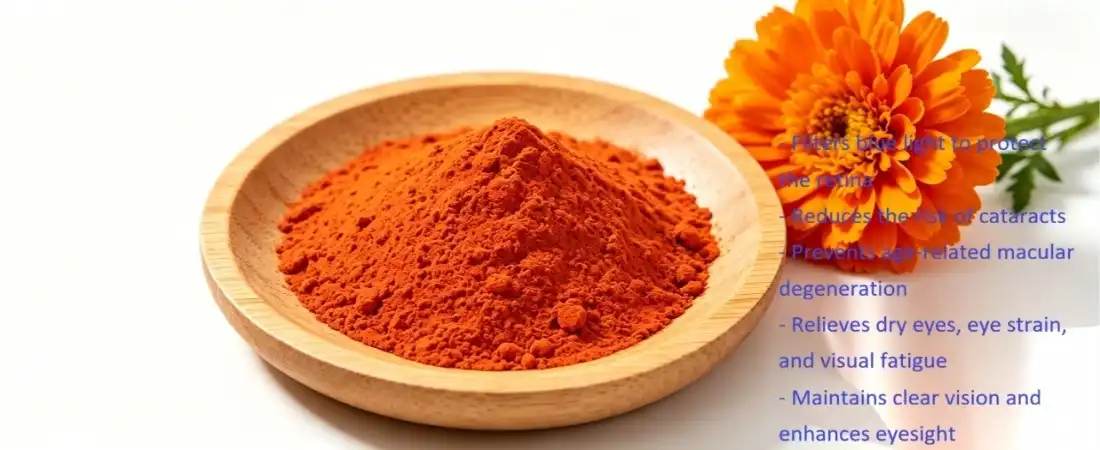
Applications of Lutein Beadlets Powder Across Product Categories
Dietary Supplements: The Core Market
The main business use for lutein beadlets powder is still in the food supplement industry. This is because the world's populations are getting older, more people are learning about preventative eye care, and more people of all ages are using digital devices. The beadlet shape works especially well for making tablets and capsules because it flows smoothly through the machinery, flattens evenly in tablet presses, and keeps its protective matrix integrity during the encapsulation process. NT Biotech has different types of lutein that are best for different types of pills and softgels. The lutein content can be anywhere from 5% to 20%, so brands can use different label claims and dose tactics.
Functional Foods and Fortified Beverages
Normal lutein extracts don't work well in useful food and drink uses because they need to be mixed into water-based mixtures, be able to handle high processing temperatures, and give the end product a uniform colour and stability. All of these problems can be solved directly with lutein beadlets powder. The capsule matrix keeps the pigment safe during heat processing, stops the flavour and colour problems that come with lutein that isn't protected, and spreads out evenly in liquid mixtures without settling. This means that it can really be used in fortified dairy products, plant-based drinks, nutritional bars, and breakfast cereals, all of which are popular with people who are interested in functional nutrition but don't take supplements.
| Application Category | Technical Requirement | Why Beadlet Format Wins |
|---|---|---|
| Tablets & Capsules | Uniform flow, compression stability | Consistent particle size, intact matrix under pressure |
| Soft Capsules | Oil-compatibility or dry fill versatility | Available in both oil-suspension and dry beadlet formats |
| Functional Beverages | Water dispersibility, heat stability | Encapsulation ensures even dispersion and protects against oxidation |
| Fortified Foods | Color neutrality, processing stability | Protective matrix prevents color bleed and active degradation |
| Nutricosmetic Products | Bioavailability, skin accumulation | Enhanced absorption supports both systemic and topical efficacy |
| Chewable Gummies | Uniform distribution, taste neutrality | Even dispersion in a gummy matrix without flavor impact |
Cosmetic and Nutricosmetic Formulations
The nutricosmetics category — products that work on skin and appearance from the inside out — represents one of the most exciting growth frontiers for lutein beadlets powder. As consumers increasingly understand that what they eat affects how their skin looks, demand for ingestible beauty ingredients with legitimate scientific backing has surged. Lutein fits this profile exceptionally well. Its documented accumulation in skin tissue, combined with its antioxidant and photoprotective properties, gives formulators a credible mechanism to communicate to consumers. NT Biotech's cosmetic-grade lutein beadlets powder meets the purity and documentation requirements of prestige beauty brands and is available with full regulatory support documentation for submissions in the EU, US, and Asian markets.
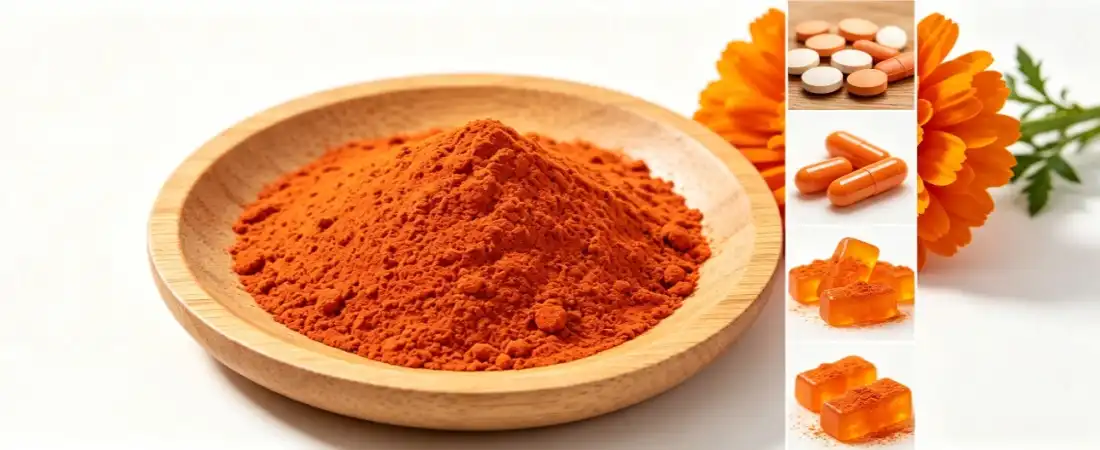
Why NT Biotech Is the Right Lutein Beadlets Powder Supplier for Your Brand
Certifications That Open Global Markets
In the ingredient supply business, certifications are not just paperwork — they are market access keys. NT Biotech's manufacturing operations are certified to ISO 9001 quality management standards, and the product range carries both KOSHER and HALAL certifications, enabling clients to reach consumer segments in markets where these designations are commercially essential. For brands building in North America, Europe, the Middle East, or Southeast Asia, these certifications eliminate significant regulatory friction at the import and retail listing stage. Combined with NT Biotech's comprehensive batch documentation — including HPLC and UV analysis results and full Certificates of Analysis — the compliance foundation is solid from day one.
Supply Chain Performance That Matches Real Business Timelines
Formulators and procurement managers say that the dependability of the supply chain is one of the most important things they look for in an ingredient provider. NT Biotech has made structural investments in this area on purpose. Standard lutein beadlets powder requirements are met by keeping enough in stock to ship within one to three business days of order confirmation. Custom production orders, which may include specific levels of standardisation, particle size requirements, or packaging needs, are finished within three to ten working days. This includes getting the raw materials, extracting them, testing for quality, and finally packaging them. The promise to answer questions in two hours is backed up by a bilingual team set up to serve clients in different time zones without delay.
OEM and ODM Partnership for Differentiated Products
For many of NT Biotech's most popular clients, the partnership goes far beyond just getting ingredients. NT Biotech is a seller of lutein beadlets powder and has a lot of experience with research and development. They help OEM and ODM development projects when clients need a special blend, help with formulating for a certain market, or delivery method. In the botanical extract industry, this kind of technical partnership—where the supplier becomes a real partner in product development instead of just a raw material vendor—isn't seen very often. It gives brands trying to make unique products in the supplement and cosmetic categories a big advantage over their competitors.
Logistics Flexibility and Buyer-Friendly Commercial Terms
NT Biotech has its own FedEx and UPS accounts so that express and air freight orders can be shipped directly from the plant. This gives customers speed and transparency that many ingredient providers can't match. For large orders, trusted freight handling relationships make sure that sea freight arrives safely, on time, and with all the necessary paperwork. On the business side, NT Biotech will accept payment in the buyer's local currency. This is a useful feature that gets rid of the hassle of converting currencies and speeds up the buying process for international clients, especially those who are on a tight budget or need to get specific financial approvals.
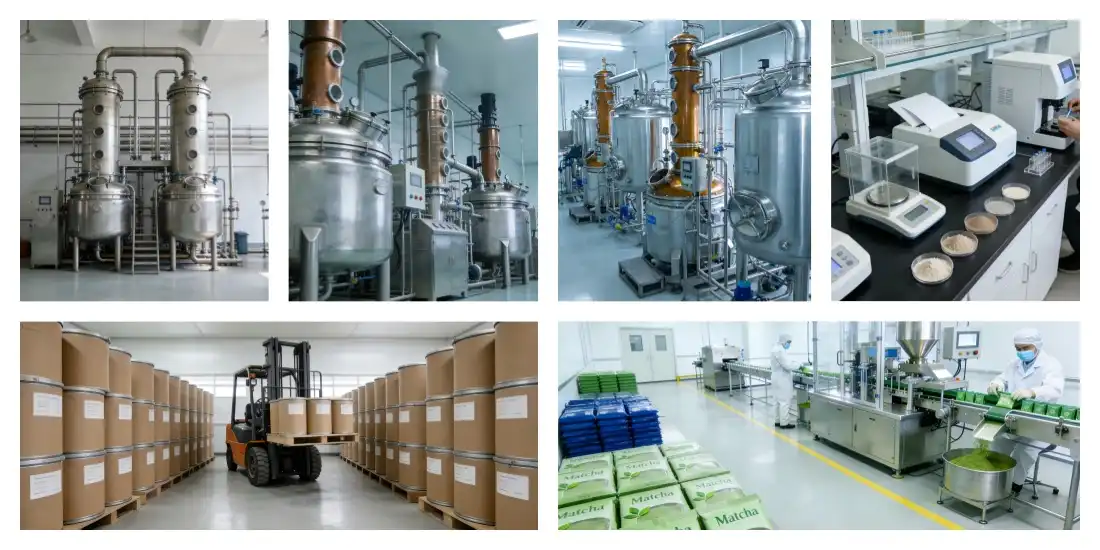
Conclusion
Lutein beadlets powder is the most advanced and financially practical way to give lutein's proven health and fitness benefits for the eyes in a wide range of product forms. The beadlet shape solves the problems of stability and dispersibility that plague regular lutein extracts. This means that it can be used in tablets, capsules, functional foods, drinks, and nutricosmetics. NT Biotech offers brands a lutein beadlets powder provider connection based on science, trust, and a real partnership. This is made possible by their own processing technology, strict quality paperwork, global certifications, and flexible supply chain performance. This is where brands that care about the quality of their ingredients start talking.
FAQ
Q1: What lutein concentration levels are available in NT Biotech's lutein beadlets powder?
NT Biotech offers lutein beadlets powder standardized at multiple levels, commonly ranging from 5% to 20% lutein content, with custom concentrations available based on specific formulation and label claim requirements.
Q2: Is lutein beadlets powder suitable for use in water-based beverages and food products?
Yes. The encapsulation technology used in NT Biotech's lutein beadlets powder is specifically designed to improve water dispersibility and heat stability, making it well-suited for functional beverages, fortified foods, and similar aqueous applications.
Q3: How does the beadlet format improve lutein bioavailability compared to standard lutein powder?
The protective matrix in lutein beadlets powder shields the active carotenoid from oxidation and facilitates more consistent release in the digestive environment, supporting better absorption compared to unprotected lutein powder forms.
Q4: What certifications does NT Biotech's lutein beadlets powder carry?
The product is manufactured under ISO 9001 certified quality systems and carries KOSHER and HALAL certifications. Every batch is accompanied by HPLC/UV analysis results and a Certificate of Analysis.
Q5: Can NT Biotech develop a custom lutein beadlets powder specification for my product?
Yes. NT Biotech offers full OEM and ODM development services, including custom standardization levels, particle size specifications, and formulation support for specific delivery formats or market requirements.
Work Directly with NT Biotech — Your Trusted Lutein Beadlets Powder Supplier
Your product's performance starts with the quality of its ingredients. If lutein beadlets powder is part of your formulation strategy — whether for an eye health supplement, a functional food, or a nutricosmetic line — NT Biotech is ready to be the technical and commercial partner that helps you get it right. From certified quality systems and proprietary beadlet technology to responsive supply chain operations and genuine OEM development support, everything is built around making your product better and your sourcing process simpler. Take the first step today — reach out to the NT Biotech team at info@newthingsbiotech.com and let's discuss exactly what your formulation needs and how we can deliver it.
References
1. Age-Related Eye Disease Study 2 Research Group. (2013). Lutein + zeaxanthin and omega-3 fatty acids for age-related macular degeneration: The AREDS2 randomized clinical trial. JAMA, 309(19), 2005–2015.
2. Krinsky, N. I., Landrum, J. T., & Bone, R. A. (2003). Biological mechanisms of the protective role of lutein and zeaxanthin in the eye. Annual Review of Nutrition, 23, 171–201.
3. Palombo, P., Fabrizi, G., Ruocco, V., Ruocco, E., Fluhr, J., Roberts, R., & Morganti, P. (2007). Beneficial long-term effects of combined oral/topical antioxidant treatment with the carotenoids lutein and zeaxanthin on human skin. Skin Pharmacology and Physiology, 20(4), 199–210.
4. Johnson, E. J., McDonald, K., Caldarella, S. M., Chung, H. Y., Troen, A. M., & Snodderly, D. M. (2008). Cognitive findings of an exploratory trial of docosahexaenoic acid and lutein supplementation in older women. Nutritional Neuroscience, 11(2), 75–83.
5. Nwachukwu, I. D., Udenigwe, C. C., & Aluko, R. E. (2016). Lutein and zeaxanthin: Production technology, bioavailability, mechanisms of action, visual function, and health claim status. Trends in Food Science & Technology, 49, 74–84.
6. Boon, C. S., McClements, D. J., Weiss, J., & Decker, E. A. (2010). Factors influencing the chemical stability of carotenoids in foods. Critical Reviews in Food Science and Nutrition, 50(6), 515–532.
Grape seed extract is one of the most sought after botanical ingredients of the decade as consumers become more aware of oxidative stress and its role in premature ageing, cardiovascular decline and cellular damage. This powerhouse compound is filled with oligomeric proanthocyanidins (OPCs), and is revolutionising the way supplement brands, cosmetic formulators and functional food innovators approach antioxidant defence. Led by NT Biotech (Shaanxi New Things Biotech), a reliable source of pure grape seed extract offering standardised 95% OPC material with unparalleled purity, confirmed activity and complete traceability. Our pure grape seed extract is manufactured utilising proprietary low-temperature extraction technology which ensures bioactive integrity, consistent batch-to-batch quality, and superior formulation performance for global brands entering the 2026 wellness market.
Why Grape Seed Extract Is Dominating the 2026 Antioxidant Market
The worldwide antioxidant supplement industry is predicted to exceed $8 billion, and grape seed extract is well positioned to be one of the top three ingredients driving that increase. It’s a formulator’s favourite because of its flexibility in nutraceuticals, skincare and functional drinks. NT Biotech’s pure grape seed extract excels in this area, being standardised to 95% OPC and each batch is HPLC and UV tested to confirm the standardisation, providing brands with a consistent efficacy that they can market with confidence.
The Science Behind OPCs and Free Radical Neutralization
Oligomeric proanthocyanidins are polyphenolic compounds that are 50 times stronger than vitamin E and 20 times stronger than vitamin C in scavenging free radicals. They act synergistically with other antioxidants that recycle them in the body and increase their window of protection. So this makes grape seed extract not just an antioxidant but an antioxidant amplifier.
Consumer Trends Fueling Demand
Millennials and Gen Z buyers want “clean beauty from within” and preventive health. Grape seed extract's dual role in skin radiance and cardiovascular protection makes it a natural fit for multi-benefit formulations, from gummies to serums to fortified waters.
Why Sourcing Purity Matters
Not all grape seed extracts are identical. The cheaper ones are often adulterated with peanut skin, fillers or low levels of OPC. By selecting a verified pure grape seed extract you will have label accuracy, regulatory compliance and true therapeutic value for the end consumer.
| Market Segment | 2024 Share | Projected 2026 Growth | Primary Application |
|---|---|---|---|
| Dietary Supplements | 42% | +18% CAGR | Capsules, tablets, gummies |
| Functional Beverages | 21% | +24% CAGR | Antioxidant drinks, shots |
| Cosmeceuticals | 27% | +21% CAGR | Serums, creams, masks |
| Animal Nutrition | 10% | +14% CAGR | Pet wellness formulas |
Health Benefits Backed by Modern Research
Hundreds of clinical research have been performed on grape seed extract and the findings have consistently shown advantages to heart health, skin elasticity, cognitive function and vascular integrity. NT Biotech’s pure grape seed extract is produced to maintain the fragile proanthocyanidin structure and maximise the clinically confirmed advantages of these compounds in your final product. Our high-OPC extract provides measured performance and dependable bioavailability in the form of a heart-health capsule or anti-aging serum.
Cardiovascular and Circulatory Support
OPCs also help your body produce nitric oxide, which strengthens the walls of your capillaries, improves the tone of your veins and helps maintain healthy blood pressure. This means grape seed extract is a core element for nutraceuticals targeting circulation in persons over 40.
Skin Radiance and Collagen Protection
OPCs block the collagenase and elastase enzymes to help maintain skin firmness and minimise apparent indications of ageing. Both topical and oral treatments resulted in substantial increases in skin elasticity and hydration after 8-12 weeks of constant usage.
Cognitive and Cellular Longevity
New study reveals that grape seed proanthocyanidins may pass the blood brain barrier and give neuroprotection against oxidative stress associated to age-related cognitive loss.
Why NT Biotech Is Your Preferred Pure Grape Seed Extract Supplier
Choosing the right raw material partner defines the success of your finished product. If you're evaluating suppliers for your 2026 launch, we invite you to reach out directly at info@newthingsbiotech.com for samples, technical documentation, and OEM discussions. As a specialized pure grape seed extract supplier, NT Biotech combines autonomous raw material sourcing with intelligent production and adaptive supply chain solutions, ensuring your project runs smoothly from concept to shelf.
Proprietary Extraction Technology
Our low temperature solvent controlled extraction technique maximises the OPC output while removing contaminants. Our innovative technique produces >95% purity and our trademark grape seed extract gives a technological advantage for your products that rivals depending on generic material cannot match.
Certifications and Compliance
NT Biotech is ISO 9001, KOSHER and HALAL certified and adheres to rigorous international quality standards. Every lot includes a Certificate of Analysis and HPLC/UV verification to facilitate your regulatory filings for FDA, EU and Asian markets.
Flexible OEM and Private Label Services
Custom particle size Tailored OPC concentrations (60%, 80%, 95%) to meet your market requirements. Our ODM/OEM capabilities enable brands entering North America, Europe, Middle East and South East Asia with formulation ready material.
| NT Biotech Service Feature | Specification | Client Benefit |
|---|---|---|
| OPC Standardization | 60% / 80% / 95% | Application flexibility |
| Purity Testing | HPLC + UV per batch | Full transparency |
| Inquiry Response | Within 2 hours | Faster project timelines |
| Stock Shipment | 1–3 business days | Rapid restocking |
| Production Lead Time | 3–10 business days | Predictable planning |
| Shipping Options | FEDEX/UPS, air, sea | Cost-speed optimization |
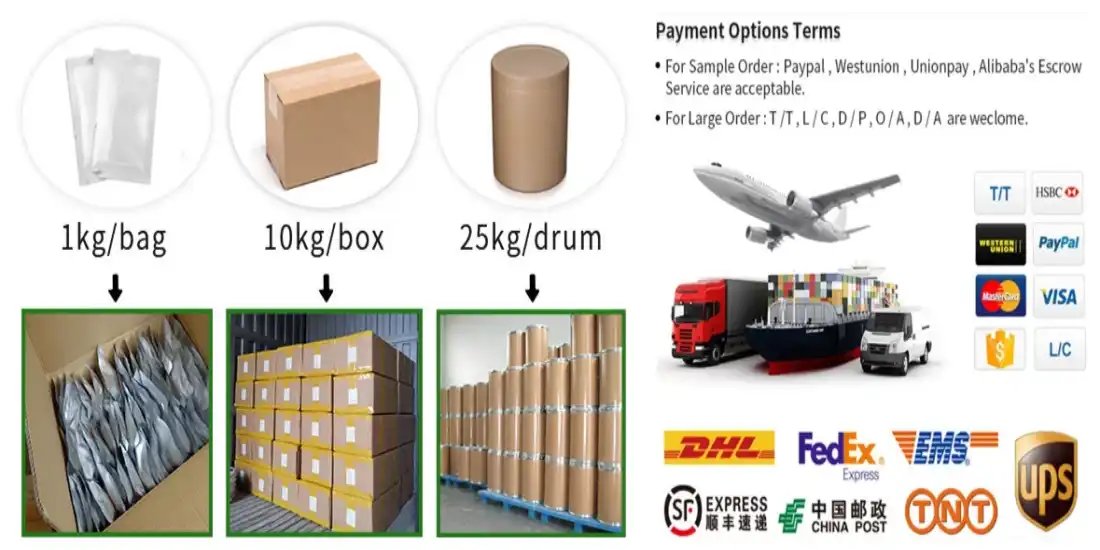
From Raw Vineyard to Finished Product: Our Value Chain Advantage
What is the differentiator for NT Biotech? Our vertically integrated value chain concept. We don’t only extract and export, we grow, study, manufacture and support. This comprehensive control ensures that your pure grape seed extract is always a reflection of “the gift of nature and the commitment of science,” as stated in our founding philosophy. This level of supervision enables us to provide quality resellers and traders just can’t match.
Autonomous Planting and Traceability
We have collaborations with designated grape cultivation zones in China’s prime growing areas, ensuring the consistency of raw material. Each batch of seeds is tracked from harvest to extraction for an exciting traceability narrative your business can share with health-minded customers.
Intelligent Production and Quality Assurance
Advanced extraction facilities with automation and strict laboratory supervision. OPC concentration, heavy metals, microbiological safety and pesticide residues are checked during each manufacturing cycle and reported in detailed documentation.
Logistics Built for Global Brands
Fast direct shipping using our own FEDEX/UPS accounts. Reliable freight forwarders for large ocean containers. Buyer-friendly payment arrangements, including local currency alternatives, ease financial friction for overseas customers.
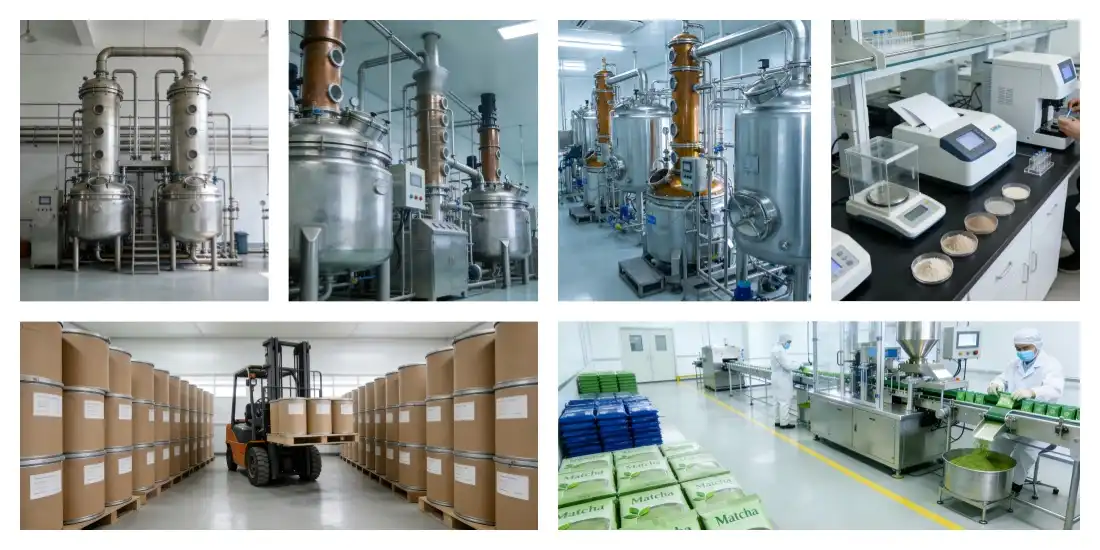
Conclusion
Grape seed extract stands as one of 2026's most versatile and scientifically validated antioxidants, delivering measurable benefits across heart health, skin vitality, and cellular protection. Partnering with a specialized pure grape seed extract supplier like NT Biotech ensures your formulations achieve superior purity, verified 95% OPC potency, and reliable batch-to-batch consistency. From proprietary extraction and full traceability to flexible OEM support and rapid global logistics, we empower brands to launch with confidence. Elevate your next antioxidant product with a partner who treats your success as our own — because the right raw material transforms good products into category leaders.
FAQ
Q1: What is the OPC content of NT Biotech's pure grape seed extract?
We evaluate every batch of our flagship grape seed extract by HPLC and UV testing standardised to 95% OPC.
Q2: Do you provide samples before bulk ordering?
Yes, we provide free assessment samples with a complete Certificate of Analysis to qualifying brands and formulators.
Q3: What certifications does NT Biotech hold?
We are accredited ISO 9001, KOSHER and HALAL in compliance with worldwide quality and religious dietary requirements.
Q4: What is your typical production lead time?
Stock goods ship within 1-3 business days; bespoke manufacturing orders normally finish between 3-10 business days.
Q5: Can you customize OPC concentrations for specific formulations?
You got it. We provide 60%, 80% and 95% OPC standardisations, customised particle sizes and OEM formulation assistance.
Partner With NT Biotech — Your Trusted Pure Grape Seed Extract Supplier for 2026
Ready to elevate your next antioxidant formulation with premium 95% OPC grape seed extract? NT Biotech is your dedicated partner from vineyard to finished product. Whether you're launching a heart-health supplement, a radiance-boosting cosmetic, or a functional beverage, our technical team is ready to support your vision with samples, documentation, and OEM solutions tailored to your market. Reach out today at info@newthingsbiotech.com to request pricing, technical specifications, and a free consultation. Join the growing family of global brands that trust NT Biotech for purity, performance, and partnership. Let's build your 2026 bestseller together — naturally, reliably, and with the science your consumers deserve.
References
1. Bagchi, D., Bagchi, M., Stohs, S. J., et al. "Free radicals and grape seed proanthocyanidin extract: importance in human health and disease prevention." Toxicology, 2000.
2. Shi, J., Yu, J., Pohorly, J. E., & Kakuda, Y. "Polyphenolics in grape seeds — biochemistry and functionality." Journal of Medicinal Food, 2003.
3. Nassiri-Asl, M., & Hosseinzadeh, H. "Review of the pharmacological effects of Vitis vinifera (grape) and its bioactive constituents." Phytotherapy Research, 2016.
4. Feringa, H. H., Laskey, D. A., Dickson, J. E., & Coleman, C. I. "The effect of grape seed extract on cardiovascular risk markers: a meta-analysis." Journal of the American Dietetic Association, 2011.
5. Kar, P., Laight, D., Rooprai, H. K., et al. "Effects of grape seed extract in Type 2 diabetic subjects at high cardiovascular risk." Diabetic Medicine, 2009.
6. Yamakoshi, J., Sano, A., Tokutake, S., et al. "Oral intake of proanthocyanidin-rich extract from grape seeds improves chloasma." Phytotherapy Research, 2004.