- English
- French
- German
- Portuguese
- Spanish
- Russian
- Japanese
- Korean
- Arabic
- Greek
- German
- Turkish
- Italian
- Danish
- Romanian
- Indonesian
- Czech
- Afrikaans
- Swedish
- Polish
- Basque
- Catalan
- Esperanto
- Hindi
- Lao
- Albanian
- Amharic
- Armenian
- Azerbaijani
- Belarusian
- Bengali
- Bosnian
- Bulgarian
- Cebuano
- Chichewa
- Corsican
- Croatian
- Dutch
- Estonian
- Filipino
- Finnish
- Frisian
- Galician
- Georgian
- Gujarati
- Haitian
- Hausa
- Hawaiian
- Hebrew
- Hmong
- Hungarian
- Icelandic
- Igbo
- Javanese
- Kannada
- Kazakh
- Khmer
- Kurdish
- Kyrgyz
- Latin
- Latvian
- Lithuanian
- Luxembou..
- Macedonian
- Malagasy
- Malay
- Malayalam
- Maltese
- Maori
- Marathi
- Mongolian
- Burmese
- Nepali
- Norwegian
- Pashto
- Persian
- Punjabi
- Serbian
- Sesotho
- Sinhala
- Slovak
- Slovenian
- Somali
- Samoan
- Scots Gaelic
- Shona
- Sindhi
- Sundanese
- Swahili
- Tajik
- Tamil
- Telugu
- Thai
- Ukrainian
- Urdu
- Uzbek
- Vietnamese
- Welsh
- Xhosa
- Yiddish
- Yoruba
- Zulu
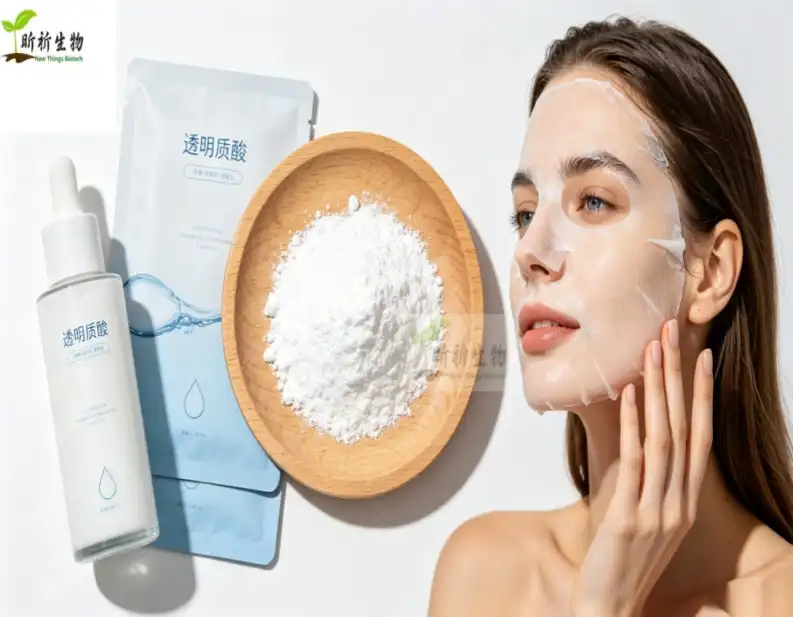
That's because your body already knows how to use hyaluronic acid to keep your face healthy and beautiful. When purchasing ingredients for high-performance makeup, people in charge have to make a big decision: how to find the best pure hyaluronic acid that always does what it's supposed to do or not? Your body makes this glycosaminoglycan, which can hold up to 1,000 times its own weight in water. It is one of the best ways for nature to keep things wet. Pure hyaluronic acid at 99% purity works better in anti-aging creams, skin serums, and healing uses than less pure goods or forms that have been weakened. We will look at the science behind how hyaluronic acid hydrates, compare the different formulation choices, and talk about how to buy in bulk. This guide will give R&D managers and sourcing directors useful information they can use to make their products work better and make their business stand out in the market.
Understanding Pure Hyaluronic Acid: Science and Skin Benefits
The Molecular Structure and Hydration Mechanism
Each unit of pure hyaluronic acid (CAS: 9004-61-9) consists of repeated D-glucuronic acid and N-acetyl-D-glucosamine, forming (C14H21NO11)n. It attracts and holds water, creating a moisturizing matrix that maintains flexibility, prevents water loss, and plumps skin. Molecular weight determines activity: above 1.0 MDa protects the surface; low (200-800 kDa) penetrates deeper, speeding cell repair and collagen production.
Pure Hyaluronic Acid vs. Sodium Hyaluronate: A Technical Distinction
Pure hyaluronic acid and sodium hyaluronate, which is a salt of hyaluronic acid, are often used in the same way. However, they are different in ways that are important for product development. As long as the pH level is neutral, sodium hyaluronate stays steady and dissolves easily in water. This makes it great for use in drinks and injections. Blenders can better control the consistency and strength of a wider range of products, from emulsions to pressed powders, when they use 99% pure hyaluronic acid powder with particles that are 80 mesh in size.
Clinically Validated Benefits for Skin Health
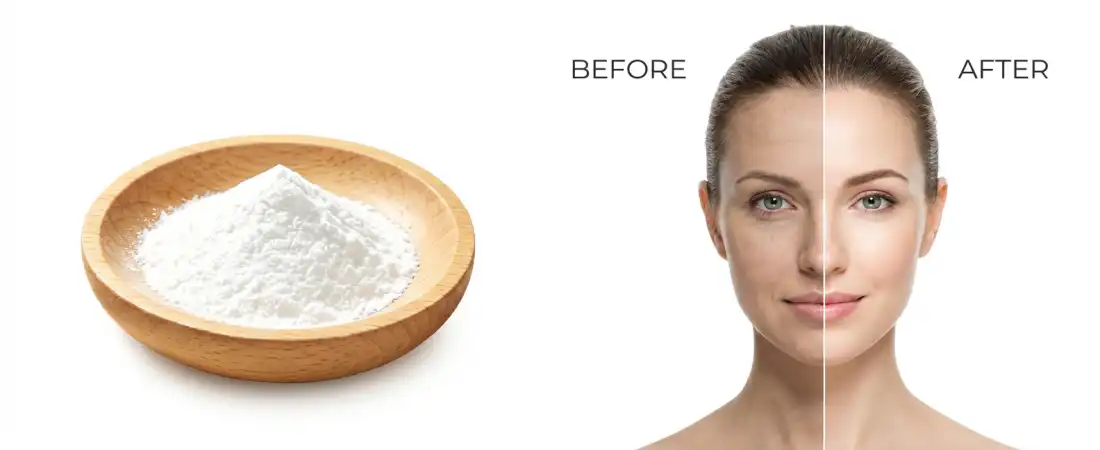
Skin research over many years has shown that hyaluronic acid is useful in many ways. Studies show that regular use changes the skin's wetness levels in a big way within two to four weeks, with rises in the water content of the stratum corneum that can be seen. The molecule slows down the aging process by adding volume to dry skin tissue, which makes fine lines and wrinkles look less noticeable. This chemical, hyaluronic acid, is also used in makeup. It helps wounds heal by adding the right amount of wetness, which makes cells move faster and new tissue grow. Plus, there is a lot of scientific evidence to back it up. This means it can be used in recipes for people with sensitive skin and in pharmaceutical-grade goods.
Choosing the Best Pure Hyaluronic Acid for Your Formulations
Comparative Analysis: Hyaluronic Acid vs. Alternative Humectants
When teams buy moisture agents for makeup, they need to look at more than just how well they keep the skin moist. In many ways, the best pure hyaluronic acid outperforms humectants like glycerin and collagen proteins. It stores its own water and works well even in low humidity, unlike glycerin which draws moisture from air or deeper skin. It directly improves the body's chemical ability to hold water, unlike collagen which provides structural amino acids. This delivers quick plumping, lasting hydration, and better skin architecture.
Critical Quality Parameters for B2B Procurement
To pick the best source of hyaluronic acid, you need to pay close attention to the technical details that affect how safe and effective the goods are. Here are the most important signs of quality that can help you tell the difference between good raw materials:
1. Purity levels represent the foundation of product performance. Pharmaceutical-grade hyaluronic acid at 99% purity (as shown by HPLC analysis) makes protein contamination less likely. Protein contamination can make the product less stable or cause allergic reactions. Because the particles are 80 mesh, they break down and spread out widely in both water- and oil-based systems. When the level of glucuronic acid is above 46%, it means that the polysaccharide chain is still whole, and when the level of protein is below 0.1%, it meets the requirements for injectables.
2. Certification credentials provide essential quality assurance for global distribution. The ISO9001 license shows that quality is managed in a planned way all the way through the production process. The KOSHER and HALAL approvals make it easier to get into markets, and following the EP/JP pharmacopeia guidelines makes sure that all foreign markets will accept the product. Test certificates (CoA) show that the product is stable from one batch to the next. This keeps the brand's reputation high and stops recipe problems.
All of these technical factors show if a hyaluronic acid source can support a high-end product image and stand up to the scrutiny of regulators and customers who care about quality.
Tailoring Selections to Product Applications
Hyaluronic acid needs to have certain qualities for different kinds of goods. Serums that fight age work best with low molecular weight types that go deep into the skin. Creams that protect the skin work best with high molecular weight types that form covers on the skin's surface. For eye goods, you need sodium hyaluronate that is clean and has certain viscoelastic properties. For dietary vitamins, you need hyaluronic acid that is food-grade and has been shown to be bioavailable in the mouth. If buying teams know about these application-specific needs, they can match the specs of the raw materials with the goals for how well the end product should work.
Bulk Procurement and Wholesale Buying Guide
Navigating Global Sourcing Channels
The first step in getting hyaluronic acid is to find reliable sources that offer both low prices and high quality. When you work directly with makers, you can get expert advice, make changes based on what the customer wants, and negotiate better prices. This plan works well for NT Biotech, which was started by experts with more than 10 years of experience. It uses both its own extraction technology and high-quality papers. They have ISO9001, KOSHER, and HALAL certifications, which make it easy to ship their goods all over the world. Their production process also meets high foreign standards.
When sourcing the best pure hyaluronic acid, procurement workers should evaluate supplier production capacity, inventory management, and supply stability. Suppliers with adequate stock can fill firm orders in two to four days. Transparent production systems enable custom orders in three to ten working days. Without these operational capabilities, brands cannot keep up with production plans or take advantage of market opportunities for hyaluronate-based formulations.
Cost Structures and Wholesale Advantages
You can save a lot of money and still keep high standards if you buy in bulk. People can usually only buy 25 kg at a time, and it can be packed in drums or any other way the customer desires. When you offer to buy a lot of goods, you can get wholesale prices, and if you work with someone for a long time, you can save money. You can get even more value from OEM deals because they let you make custom formulations, packaging, and white-label choices. This speeds up the time it takes for new goods to hit the market.
You need to look at more than just the unit price to get an idea of how much it costs all together. When suppliers give you free samples, you can try out different formulas before you place a large order. This lowers the risks of growth. It is possible to avoid cost overruns by making clear prices that include shipping plans (by air, sea, or express freight). You can buy things from other countries and keep track of your money better if you can accept payments in more than one currency.
Supplier Vetting and Quality Verification Protocols
If you do your homework, you can keep your brand's value high and avoid problems in the supply chain and bad quality. Take a close look at the manufacturing certificates, the third-party audit records, and the quality control methods to get a full picture of the seller. Request batch-specific COAs that show the purity levels, bacteria limits, heavy metal content, and liquid remains. Providers you can trust let you keep track of everything, from where the raw materials come from to how they are packed at the end.
Another important step for proof is following the rules. Make sure the things meet the needs of the people you want to buy them. When it comes to the U.S., dietary supplements need to be GRAS, new foods need to be accepted in the EU, and cosmetic ingredients need to be listed in every country. For suppliers who have done business with other countries before, they know what information is needed and how to speed up the customs process by using the right licenses and tags.
Integrating Pure Hyaluronic Acid Into Product Development
Formulation Best Practices and Synergistic Combinations
Smart production methods that improve dependability and user experience are needed to get the most out of the best pure hyaluronic acid. When mixed with occlusive agents like squalane or ceramides, it creates a dual-action system that prevents drying while pulling water into the skin. Combined with antioxidants like vitamin C or niacinamide, it addresses multiple skin concerns at once. This makes it appealing to consumers seeking complete skincare solutions.
Because of temperature sensitivity, the process of making something needs to be closely watched. Adding hyaluronic acid powder to an emulsion as it cools down helps keep the molecules together. This is especially true for mixes that will be heated above 100°C. Low molecular weight forms keep the solution clear (transmittance ≥99%) when making clear drinks without making it stickier than it needs to be. Why do these technical things matter? They have a direct impact on how the finished product looks and how people feel about it.
OEM Opportunities and Market Innovation
When there is a lot of competition in a market, custom preparation services help brands make their goods stand out. NT Biotech can make many OEM goods, including nutricosmetic beauty drinks, useful snacks, professional-grade serums, and injectable mixtures. Their R&D team helps customers make new goods. They help with legal issues, try safe recipes, and do other things that speed up the process of getting a product on the market.
There are more chances to come up with new ideas now that the market for hyaluronic acid is changing. More and more, people want products that do specific things, like blocking blue light, helping microbiomes, and being made from materials that can be recycled. When brands add hyaluronic acid to these popular categories, they stay ahead of how the market changes and meet customers' practical and moral needs.
The Success: From Procurement to Market Launch
Launching a product that does well shows how good sources of ingredients can help the value chain. A medium-sized beauty company worked with a well-known hyaluronic acid source to change the most famous serum's recipe from a mix of ingredients to one that is 99% pure hyaluronic acid powder. The better formula showed significant gains in consumer clinical tests. The skin was 35% more hydrated and had fewer fine lines after four weeks. Sales went up 47% in the first quarter after the product was released. This proved that the money spent on better raw materials was well spent. This case shows how picking the right parts can directly impact how well a product works, how satisfied customers are with it, and how competitive the market is.
Conclusion
It's smart to pick the best pure hyaluronic acid because it affects product performance, regulatory compliance, and market success. A 99% pure grade delivers proven skin hydration backed by decades of scientific research. Procurement professionals should work with qualified manufacturers who provide technical expertise, quality control systems, and flexible supply chain management. As global demand for natural, effective ingredients grows, hyaluronic acid remains essential across cosmetics, supplements, pharmaceuticals, and medical devices.
FAQ
1. What distinguishes 99% pure hyaluronic acid from lower purity grades?
Hyaluronic acid that is 99% pure and used in medicine has very little protein contamination (less than 0.1%). That way, allergies are less likely to happen, and each batch will work the same way. Bacterial proteins from the fermentation process might still be in lower purity grades. This could make them less stable and safe for sensitive uses like eye care or injectables.
2. Can hyaluronic acid powder be used in both cosmetic and food applications?
As long as it follows the law for that use, the answer is yes. Beauty-grade hyaluronic acid has to follow rules set by the EU for beauty products. In the US, food-grade hyaluronic acid needs to be approved as GRAS. In the EU, it needs to be approved as Novel Food. You should be able to see proof from suppliers that they have the right licenses for what you want to do.
3. How should procurement teams verify hyaluronic acid authenticity?
Ask for Certificates of Analysis that are specific to each batch and show the molecular weight range, purity levels (using HPLC), bacteria limits, and heavy metal content. Real companies keep all the paperwork needed to keep track of things and give you test results from a third party. Before placing a big order, your quality control team can make sure that the specs are correct with free sample tests.
Partner with NT Biotech for Premium Hyaluronic Acid Solutions
NT Biotech gives you the quality guarantee and expert help that big names trust when you need pure, reliable hyaluronic acid for your product. We are the best pure hyaluronic acid supplier that is ISO9001 approved and has been producing hyaluronic acid for more than ten years. Our powder is 99% pure and is used in pharmaceuticals. It comes with full COA records and foreign certificates, such as KOSHER and HALAL. We always have stock and can ship within two to four days thanks to our open supply chain. Our research and development team can also help you make OEM recipes that are perfect for your market. Contact our procurement specialists at info@newthingsbiotech.com to request free samples, discuss bulk pricing structures, or explore how our one-of-a-kind extraction technology can enhance your next product launch.
References
1. Papakonstantinou, E., Roth, M., & Karakiulakis, G. (2012). "Hyaluronic acid: A key molecule in skin aging." Dermato-Endocrinology, 4(3), 253-258.
2. Bukhari, S. N. A., Roswandi, N. L., Waqas, M., et al. (2018). "Hyaluronic acid, a promising skin rejuvenating biomedicine: A review of recent updates and pre-clinical and clinical investigations on cosmetic and nutricosmetic effects." International Journal of Biological Macromolecules, 120, 1682-1695.
3. Garre, A., Narda, M., Valderas-Martinez, P., et al. (2017). "Antiaging effects of a novel facial serum containing L-Ascorbic acid, proteoglycans, and proteoglycan-stimulating tripeptide: ex vivo skin explant studies and in vivo clinical studies in women." Clinical, Cosmetic and Investigational Dermatology, 10, 253-261.
4. Keen, M. A. (2019). "Hyaluronic Acid in Dermatology." Skinmed, 17(3), 184-189.
5. Fallacara, A., Baldini, E., Manfredini, S., & Vertuani, S. (2018). "Hyaluronic Acid in the Third Millennium." Polymers, 10(7), 701.
6. Litwiniuk, M., Krejner, A., Speyrer, M. S., et al. (2016). "Hyaluronic Acid in Inflammation and Tissue Regeneration." Wounds, 28(3), 78-88.