- English
- French
- German
- Portuguese
- Spanish
- Russian
- Japanese
- Korean
- Arabic
- Greek
- German
- Turkish
- Italian
- Danish
- Romanian
- Indonesian
- Czech
- Afrikaans
- Swedish
- Polish
- Basque
- Catalan
- Esperanto
- Hindi
- Lao
- Albanian
- Amharic
- Armenian
- Azerbaijani
- Belarusian
- Bengali
- Bosnian
- Bulgarian
- Cebuano
- Chichewa
- Corsican
- Croatian
- Dutch
- Estonian
- Filipino
- Finnish
- Frisian
- Galician
- Georgian
- Gujarati
- Haitian
- Hausa
- Hawaiian
- Hebrew
- Hmong
- Hungarian
- Icelandic
- Igbo
- Javanese
- Kannada
- Kazakh
- Khmer
- Kurdish
- Kyrgyz
- Latin
- Latvian
- Lithuanian
- Luxembou..
- Macedonian
- Malagasy
- Malay
- Malayalam
- Maltese
- Maori
- Marathi
- Mongolian
- Burmese
- Nepali
- Norwegian
- Pashto
- Persian
- Punjabi
- Serbian
- Sesotho
- Sinhala
- Slovak
- Slovenian
- Somali
- Samoan
- Scots Gaelic
- Shona
- Sindhi
- Sundanese
- Swahili
- Tajik
- Tamil
- Telugu
- Thai
- Ukrainian
- Urdu
- Uzbek
- Vietnamese
- Welsh
- Xhosa
- Yiddish
- Yoruba
- Zulu
Echinacea purpurea is a botanical ingredient with a large amount of investigations on its phytochemical content and possible immune-related, antioxidant, and anti-inflammatory effects. It mostly consists of alkylamides, polysaccharides, and caffeic acid derivatives such as chicoric acid, although the concentrations of these depend on the section of the plant used and how it is extracted. For B2B formulators, echinacea purpurea extract powder is best assessed by its botanical source, standardised marker chemicals, analytical standards and intended use, rather than by general statements about the complete plant. Echinacea extract powder from Echinacea purpurea aerial parts with standardised polyphenol and chicoric acid standards for dietary supplement and other formulation uses.
So, what is the practical use of echinacea purpurea extract? It is a recognised botanical ingredient for immune-health, antioxidant and anti-inflammatory support and is also being investigated in cosmetics, functional food and beverage ideas. "The real value is in the standardised marker profile and the final product—not the plant name by itself.
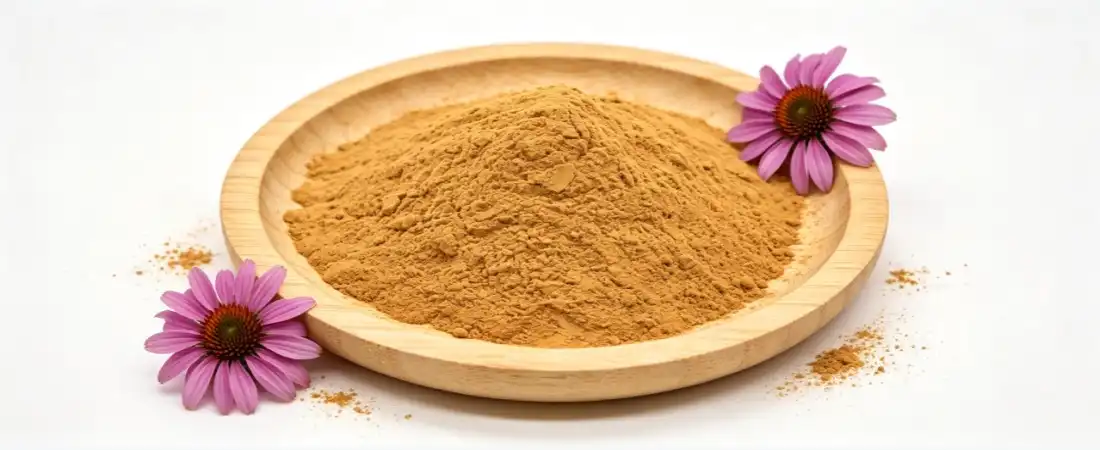
Echinacea Purpurea Extract for Robust Immune System Support
Activating Innate and Adaptive Immune Responses
Echinacea purpurea has been studied for its interaction with immune-related pathways. Particular categories of chemicals, such as alkylamides, polysaccharides and caffeic acid derivatives have been the focus of the research. Laboratory and animal research reveal that various Echinacea preparations may affect the function of immune cells, and inflammatory signalling.
But the impact should not be limited to a mere “immune booster” claim. The extract content changes according to the species, plant portion, extraction solvent and processing conditions. Research also indicates that various elements of Echinacea may result in distinct biological effects. That is why standardisation is so crucial with supplement producers when choosing an echinacea purpurea extract powder for repeatable composition.
Reducing the Duration and Severity of Seasonal Discomfort
Echinacea has been widely investigated for the common cold and upper respiratory tract symptoms. Clinical investigations have revealed some possible advantages but comprehensive evaluations have shown variable outcomes across preparations and trials. Because of variability in plant material, type of extract, dosage and research approach, one result cannot be extrapolated to other Echinacea products.
Therefore, formulators should not tout Echinacea as a panacea or a substitute for medical care. Rather, it may be marketed as a botanical ingredient for immune-health formulas provided the claims of the completed product are substantiated by adequate research and regulatory scrutiny.
Supporting Post-Exercise Recovery and Physical Wellness
Interest in botanical compounds has also increased in sports and active-lifestyle goods. While Echinacea has been studied for immunological and inflammatory responses, direct evidence for increased sports recovery is less extensive than the original article claims.
An Echinacea extract may still be considered for health powders, pills, tablets or botanical mixes. Formulation should be based on the desired consumer benefit, not on the assumption that what is seen in the laboratory would necessarily lead to speedier recovery or enhanced athletic performance.
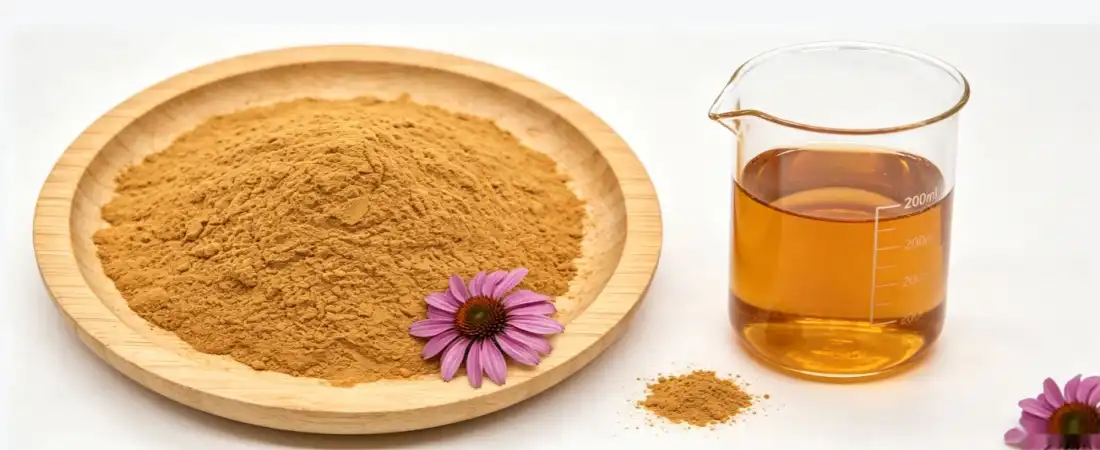
Antioxidant and Anti-Inflammatory Benefits of Echinacea Purpurea Extract
Combating Oxidative Stress at the Cellular Level
Echinacea purpurea includes many phenolic chemicals, including chicoric acid, a major derivative of caffeic acid, which is used in research and quality testing. Antioxidant activity has been demonstrated for Echinacea extracts and isolated ingredients in experimental experiments.
How powerful this works relies on what the extract is made of. Plant part, extraction procedures, storage and processing might change the concentration of phenolic chemicals. Also research has shown that not every Echinacea formulation has the same antioxidant profile.
A standardised echinacea purpurea extract powder offers a more defined starting point for producers than an indeterminate botanical powder, since marker chemicals can be set and monitored during quality control.
Modulating Inflammatory Pathways Naturally
Inflammatory signalling has also been investigated for Echinacea. Research on pathways like NF-κB and inflammatory mediators has explored extracts and single constituents, however these results originate from diverse animal models and do not provide confirmation of a therapeutic benefit in people.
This is important for the creation of nutraceuticals. Echinacea may be used in a product as part of a botanical wellness mix. Claims should be in line with the evidence and requirements of the target market.
Echinacea purpurea extract is researched throughout immunological, antioxidant and inflammatory pathways which is why it occurs in supplement, food, beverage and cosmetic forms. Each application should be matched to the correct extract specification and confirmed by formulation and stability studies.
Echinacea Purpurea Extract in Skincare and Cosmetic Formulations
Revitalizing Skin Health with Botanical Actives
Echinacea purpurea is more than just a nutritional supplement. The phenolic compounds and other phytochemicals have been of interest to cosmetic research due to their antioxidant and inflammation-related effects.
Echinacea extracts have been tested in experimental research for effects on oxidative stress, skin enzymes and cellular responses. While these results may give a starting point for future cosmetic formulation studies, they do not imply that any Echinacea powder may be sold as an anti-aging or skin healing therapy.
An element from Echinacea may be used in cosmetic compositions for serums, lotions, masks and botanical blends. Commercialisation should not occur until compatibility, colour, odour, stability and finished-product safety have been tested.
Accelerating Wound Healing and Skin Regeneration
Echinacea is used topically in traditional medicine, and laboratory research has studied its possible impact in skin processes. One research reports antioxidant activity and impact on collagenase, elastase, tyrosinase and scratch closure in cultured keratinocytes of glycerolic Echinacea purpurea extracts . These results are helpful for cosmetics research, but they do not equate to clinical proof that Echinacea powder heals wounds in individuals.
Thus, cosmetic makers should avoid making therapeutic claims for wound healing without sufficient final product data and regulatory backing. For general skin care development the ingredient is best seen as a botanical active performance is dependent on the whole formulation.
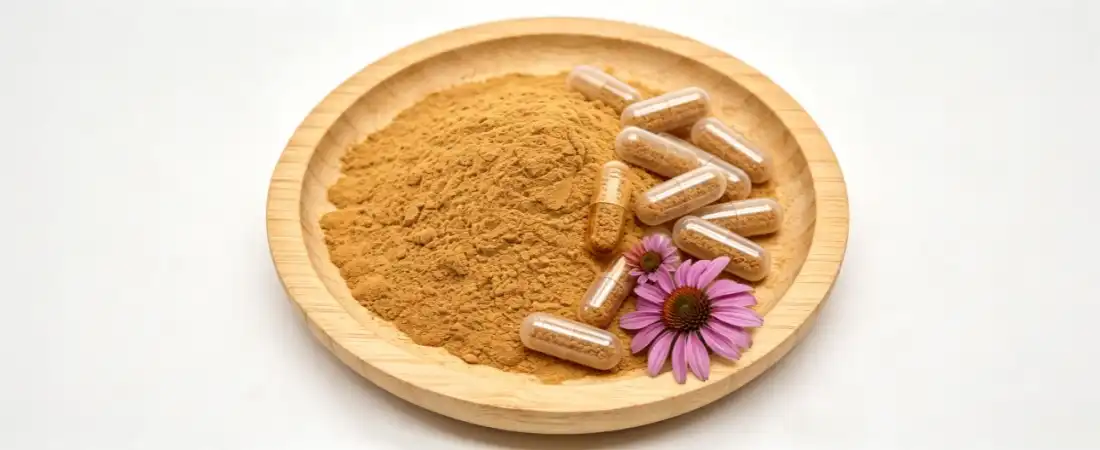
Echinacea Purpurea Extract in Functional Food and Beverage Innovation
Enhancing Nutritional Value in Everyday Foods
Echinacea extracts are present in a variety of botanical product forms including capsules, pills, powders and herbal mixes. The use of functional foods requires greater consideration to flavour, colour, dispersibility, stability and allowed usage levels than a simple powder mix.
Manufacturers should choose extract specifications consistent with the end product. If these indicators are critical to the product idea, an extract of aerial parts standardised to polyphenols and chicoric acid may be suitable. The specific amount to be used should be based on formulation and regulatory evaluation, and not on copying from a generic dose table.
Pioneering Next-Generation Wellness Beverages
Echinacea is also useful for botanical beverage ideas such as herbal beverages, health shots and powdered drink mixes. May be used in combination with other botanical ingredients but compatibility should be evaluated in the real beverage system.
The botanical ingredients may be affected by heat treatment, pH, oxygen, light and storage duration. Thus, technical information should be made available by a provider before a beverage producer picks a certain extract.
Table 1: Comprehensive Application and Formulation Guide for Echinacea Purpurea Extract
| Application | Potential Product Format | Key Formulation Considerations | Relevant Quality Marker |
|---|---|---|---|
| Dietary Supplements | Capsules, tablets, gummies, powders | Standardization, dosage design, regulatory requirements | Chicoric acid, polyphenols |
| Functional Foods | Powdered mixes, nutrition products | Taste, color, dispersibility, stability | Polyphenols |
| Functional Beverages | Herbal drinks, powdered beverages, wellness shots | Solubility, pH, heat and storage stability | Chicoric acid, polyphenols |
| Cosmetics & Skincare | Serums, creams, masks | Color, odor, compatibility, finished-product stability | Phenolic compounds |
| Botanical Blends | Multi-herb formulas | Ingredient compatibility and marker consistency | Specified botanical markers |

Selecting a Reliable Echinacea Purpurea Extract Powder Supplier
Uncompromising Standards and Quality Assurance
The supplier qualification should begin with the botanical identification and the batch documentation. Buyers should verify the Latin name, plant part used, method of extraction, marker components, analytical procedures, microbiological parameters, heavy-metal limitations, and packaging information.
Echinacea extract according to NT Biotech's current standard uses Echinacea purpurea as the botanical source and aerial portions as the plant material. It is a brown-yellow powder in 80 mesh, containing 4% Echinacea polyphenols and 2–3% chicoric acid. The certifications provided include ISO, Kosher, and Halal.
For recurrent purchase, buyers should also verify the supplier’s specification with the batch-specific Certificate of Analysis. This is more helpful than vague remarks like "high purity" or "high potency."
Proprietary Technology and Competitive Differentiation
The final phytochemical profile is directly affected by the extraction conditions. Research has shown that the quantities of chicoric acid and alkylamides fluctuate depending on plant part, extraction process and storage circumstances.
So producers should not compare Echinacea goods on the basis of their name exclusively. 3 A standardised extract with a predetermined chicoric acid content, a 10:1 extract and a 1:1 botanical extract are not interchangeable requirements.
NT Biotech presents the customised extraction ratios and marker specifications for varied formulation needs. Buyers may utilise these alternatives to design a material around the demands of their end product instead of the generic Echinacea powder.
Flexible Logistics, Rapid Delivery, and Customized Solutions
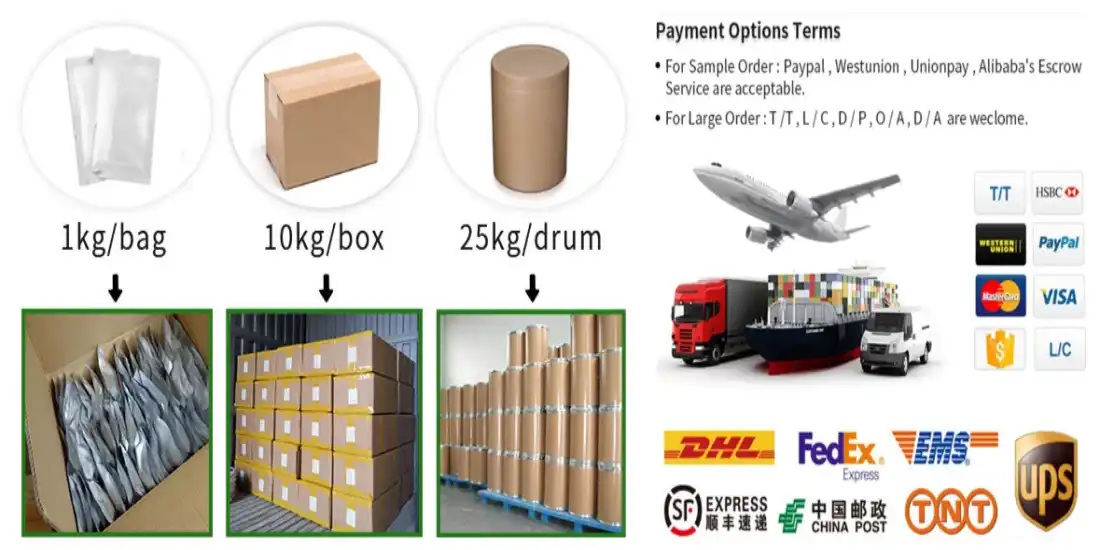
When an Echinacea recipe is developed from lab testing to commercial manufacturing, the question of supply dependability arises. NT Biotech offers the product indicated in 25 kilogram drums or other packaging; the minimum order is 25 kg, and they provide free samples. The product is in stock and will ship within 2-4 days following payment.
For a new project, a feasible buying approach is to request a sample and spec first, assess the material in the proposed formulation, and then confirm the bulk spec and packaging needs. This strategy minimises the possibility of switching between extracts with differing marker profiles during product development.
As you consider these critical factors for your sourcing strategy, the next logical step is to engage directly with an expert team that can support your specific business objectives. We warmly invite you to contact NT Biotech at info@newthingsbiotech.com to discuss your formulation requirements, request premium samples, and receive a customized quotation tailored to your unique market needs.
Table 2: Supplier Quality, Logistics, and Service Standards
| Evaluation Parameter | What B2B Buyers Should Verify | NT Biotech Listed Information |
|---|---|---|
| Botanical Identity | Latin name and plant part | Echinacea purpurea, aerial part |
| Standardization | Marker compounds and test methods | Polyphenols 4%; chicoric acid 2–3% |
| Particle Size | Mesh specification | 80 mesh |
| Certifications | Applicable quality/religious certifications | ISO, Kosher, Halal |
| Packaging | Standard and customized options | 25 kg drum or customized |
| MOQ | Minimum commercial order | 25 kg |
| Sample | Availability for formulation testing | Free sample available |
| Stock & Delivery | Current inventory and lead time | In stock; listed delivery within 2–4 days after payment |

Animal Nutrition Applications: A Growing Market Opportunity
Strengthening Immune Defenses in Livestock
Echinacea has been studied in animal models of immune-related and inflammatory reactions, however the original publication overstates the data, suggesting that adding the extract to cattle feed decreases infections, increases growth and improves feed conversion.
Species-specific feeding studies are needed before assuming such results. Animal nutrition makers should examine the botanical in terms of the target species, level of inclusion, extract specification, feed matrix and relevant feed requirements.
An echinacea purpurea extract powder might be seen as part of a wider botanical feed plan, but any performance claims must be backed by suitable studies, not generalised Echinacea research.
Elevating Pet Health and Wellness Products
Pet products may also be made from plant extracts. Echinacea may be considered in pet supplements and botanical blends, but claims such as pain alleviation, joint support or illness prevention must be supported by specific studies and not given as proven advantages of the raw material.
Pet product makers often use botanical identification, marker standardisation, microbiological quality, heavy-metal testing, packaging, and batch-to-batch uniformity as practical selection factors.
Conclusion
The botanical constituent, echinacea purpurea extract powder is interesting for study in the areas of immune associated activities, antioxidant capabilities, inflammatory pathways and selected cosmetic applications. However, its composition is highly dependent on the plant part and extraction procedure and the study results should not be extrapolated to universal medicinal claims. Therefore, for B2B formulators, standardisation and documentation are as crucial as the botanical source itself. NT Biotech offers Echinacea purpurea aerial-part extract with specified polyphenol and chicoric acid standards as well as commercial packaging and customised needs.
To summarise, echinacea purpurea extract is ideal for supporting a botanical wellness positioning – immunological, antioxidant and anti-inflammatory – in supplements, meals, drinks and cosmetics. The safe route for B2B purchasers is to pick a standardised extract, verify the COA and formulate claims based on product-specific data rather than general plant claims.
FAQ
Q1: What is the primary active compound in Echinacea purpurea extract?
Chicoric acid is a key phenolic marker in Echinacea purpurea , however it is not the sole relevant element . Other caffeic acid derivatives such as alkylamides, polysaccharides, etc. add to the phytochemical profile of the plant. The relative concentration varies on the species, plant component and extraction procedure.
Q2: How does Echinacea purpurea extract support the immune system?
Research indicates that several ingredients of Echinacea may affect immune cells and immune cell signalling. However, outcomes differ among extract kinds and research models. Therefore, a final product should not be represented as having a guarantyd immunological response just because it includes Echinacea.
Q3: Can this extract be used in both food and cosmetic products?
The botanical is being evaluated for nutritional supplements, functional formulations and selected cosmetic uses, however applicability relies on the precise extract specification and restrictions of the target market. Formulators should examine stability, compatibility, sensory qualities and approved usage before commercialisation.
Q4: What certifications does NT Biotech hold for its Echinacea extract?
The current product information from NT Biotech shows ISO, Kosher and Halal certifications for the Echinacea extract. When qualifying the ingredient buyers should obtain the current certification papers and quality documentation for the individual batch.
Q5: How quickly can NT Biotech fulfill a custom production order?
As per the current product listing, the Standard Echinacea Extract is available in stock and will be sent within 2-4 days of the purchase. Ordering Information NT Biotech recommends you check with us to confirm custom specs, packaging and manufacturing needs.
Partner with NT Biotech to Revolutionize Your Wellness Products
For brands developing botanical supplements, functional formulations, or selected cosmetic products, NT Biotech provides echinacea purpurea extract powder based on Echinacea purpurea aerial parts. The listed specification includes 4% polyphenols and 2–3% chicoric acid, with 80-mesh powder, 25 kg MOQ, free samples, and customized packaging options.
Rather than choosing an extract based only on broad health claims, buyers can evaluate the botanical source, marker specification, COA, packaging, and formulation requirements together. To request a sample, confirm current specifications, or discuss a customized echinacea purpurea extract powder requirement, contact info@newthingsbiotech.com.
References
1. Barrett, B. (2003). Medicinal properties of Echinacea: a critical review. Phytomedicine, 10(1), 66-86.
2. Bauer, R., & Wagner, H. (1991). Echinacea species as potential immunostimulatory drugs. Economic and Medicinal Plant Research, 5, 253-321.
3. Dalby-Brown, L., Jensen, C. J. B., & Bredmose, L. (2005). Synergistic antioxidative effects of alkamides, caffeic acid derivatives, and polysaccharide fractions from Echinacea purpurea. Journal of Agricultural and Food Chemistry, 53(13), 5203-5207.
4. Hudson, J. B. (2012). Applications of the phytomedicine Echinacea purpurea (Purple Coneflower) in infectious diseases. Journal of Biomedicine and Biotechnology, 2012, 769896.
5. Linde, K., Barrett, B., Wölkart, K., Bauer, R., & Melchart, D. (2006). Echinacea for preventing and treating the common cold. Cochrane Database of Systematic Reviews, (1), CD000530.
6. Pellati, F., Benvenuti, S., Magro, L., Melegari, M., & Soragni, F. (2004). Analysis of phenolic compounds and radical scavenging activity of Echinacea spp. Journal of Pharmaceutical and Biomedical Analysis, 35(2), 289-301.