- English
- French
- German
- Portuguese
- Spanish
- Russian
- Japanese
- Korean
- Arabic
- Greek
- German
- Turkish
- Italian
- Danish
- Romanian
- Indonesian
- Czech
- Afrikaans
- Swedish
- Polish
- Basque
- Catalan
- Esperanto
- Hindi
- Lao
- Albanian
- Amharic
- Armenian
- Azerbaijani
- Belarusian
- Bengali
- Bosnian
- Bulgarian
- Cebuano
- Chichewa
- Corsican
- Croatian
- Dutch
- Estonian
- Filipino
- Finnish
- Frisian
- Galician
- Georgian
- Gujarati
- Haitian
- Hausa
- Hawaiian
- Hebrew
- Hmong
- Hungarian
- Icelandic
- Igbo
- Javanese
- Kannada
- Kazakh
- Khmer
- Kurdish
- Kyrgyz
- Latin
- Latvian
- Lithuanian
- Luxembou..
- Macedonian
- Malagasy
- Malay
- Malayalam
- Maltese
- Maori
- Marathi
- Mongolian
- Burmese
- Nepali
- Norwegian
- Pashto
- Persian
- Punjabi
- Serbian
- Sesotho
- Sinhala
- Slovak
- Slovenian
- Somali
- Samoan
- Scots Gaelic
- Shona
- Sindhi
- Sundanese
- Swahili
- Tajik
- Tamil
- Telugu
- Thai
- Ukrainian
- Urdu
- Uzbek
- Vietnamese
- Welsh
- Xhosa
- Yiddish
- Yoruba
- Zulu
The transition from ruby red beetroot to the bright powder seen in smoothie bowls, supplement capsules and functional food labelling is one of the most graceful preservation procedures in food science. Freeze dried beetroot powder provides the nutrients and colour of fresh beetroot without the spoiling issues and prep challenges that challenge fresh food utilisation. This transition happens by lyophilization, a complex technique that eliminates moisture while retaining the cellular structure and medicinal substances with incredible accuracy. By understanding premium freeze dried beetroot powder production, customers and product creators are able to discern between really excellent items and marketing imitations. NT Biotech have perfected this technique of preservation, and are creating freeze dried beetroot powder that leads the market in nutritional integrity, colour retention and formulation diversity. Their vertically integrated process combines organic farming with state-of-the-art freeze-drying technology and rigors quality assurance to guarantee that every batch produces the compound levels that research has shown and formulations need.
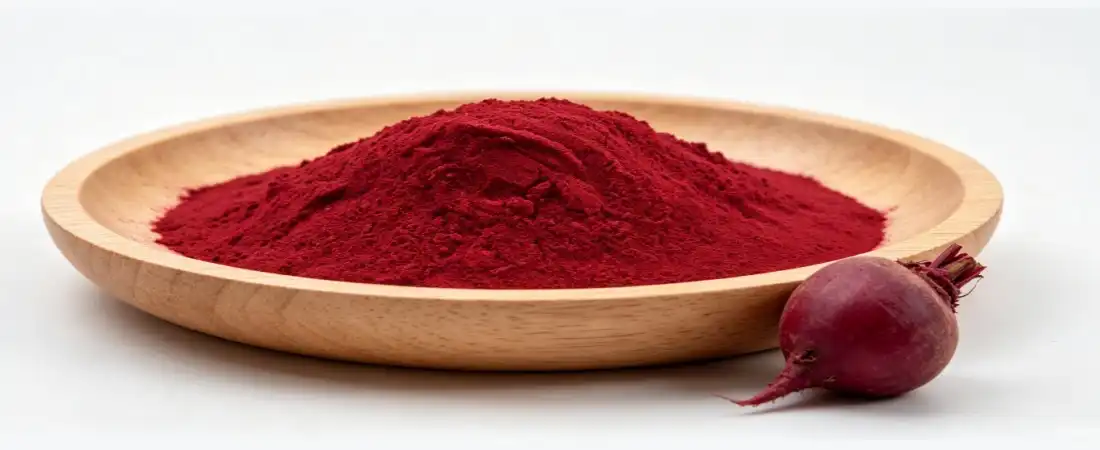
The Freeze Drying Process: From Fresh Root to Stable Powder
The conversion of fresh beetroot into freeze dried beetroot powder is a sequence of precisely regulated steps which conserve the nutritious components and result in final goods that are stable for storage. Knowing each of the stages will help you understand why this strategy is superior to the usual ones.
Pre-Freezing: Preparing the Cellular Foundation
Before the lyophilization process starts, the fresh beetroot should be prepared to maximise the results of the upcoming freeze drying process. Washed and peeled beetroots are sliced or diced into uniform pieces so that they freeze uniformly and dry at uniform rates throughout each particle. This homogeneity is important because if the pieces were not uniform, some would get overly wet, and others would become over-dried and deteriorate, resulting in inconsistent removal of moisture. The beetroot is then rapidly frozen at temperatures normally between minus 40 and minus 50 degrees Celsius, which forms ice crystals in the cellular structure. The speed of this initial freezing dictates the size of the crystals formed. Slow freezing results in the formation of bigger crystals which may harm the cell membrane, while fast freezing causes little structural damage. NT Biotech implements controlled-rate freezing that optimises crystal formation to maximised preservation of cellular integrity and nutritional ingredients.
Primary Drying: Sublimation Removes Frozen Moisture
The secret of lyophilization is in primary drying where low pressure and controlled heat allow frozen water to turn straight from solid ice to vapour, skipping the melt step. This sublimation process takes place at temperatures much below freezing, therefore preserving heat-sensitive chemicals that would be destroyed during traditional drying procedures. The low pressure environment (usually 0.1 to 1 millibar) allows water molecules to easily escape while dissolved chemicals and cellular frameworks are mostly left intact. For several hours, primary drying occurs, sensors continuously monitoring the moisture levels to guarantee full removal without overexposure that might compromise the temperature-sensitive ingredients. This results in a partly dried beetroot with little fluid left , but the cellular structure still intact.
Secondary Drying: Eliminating Bound Moisture
Although initial drying is complete, beetroot tissue still contains some moisture coupled to cellular components by hydrogen bonding and other chemical interactions. Secondary drying removes this leftover moisture. Controlled temperature rises aid the release of bound water molecules from the product. This last stage is performed at greater temperatures than primary drying, often up to 40 to 50 degrees Celsius, but for a short period to minimise thermal stress on the residual chemicals. Quality manufacturers meticulously adjust secondary drying settings to reach a moisture content of less than 5% while retaining the entire range of nutrients available in fresh beetroot. The result is freeze dried beetroot powder with moisture levels that allow for long shelf life, but still retain the re-hydration qualities that make it useful for culinary applications.
Quality Assessment and Specification Verification
Each batch of production is thoroughly tested to ensure the freeze dry procedure produced the desired results. Moisture content measurement ensured that the secondary drying achieved target levels and appearance evaluation ensured that appropriate texture and colour characteristics were achieved. The betalain pigment concentrations are documented by HPLC analysis and the nitrate content that gives beetroot’s functional advantages is verified by ion chromatography. NT Biotech provides full Certificates of Analysis with every shipment, including these parameters, allowing clients to confirm they have received genuine premium freeze dried beetroot powder that satisfies specified quality criteria.
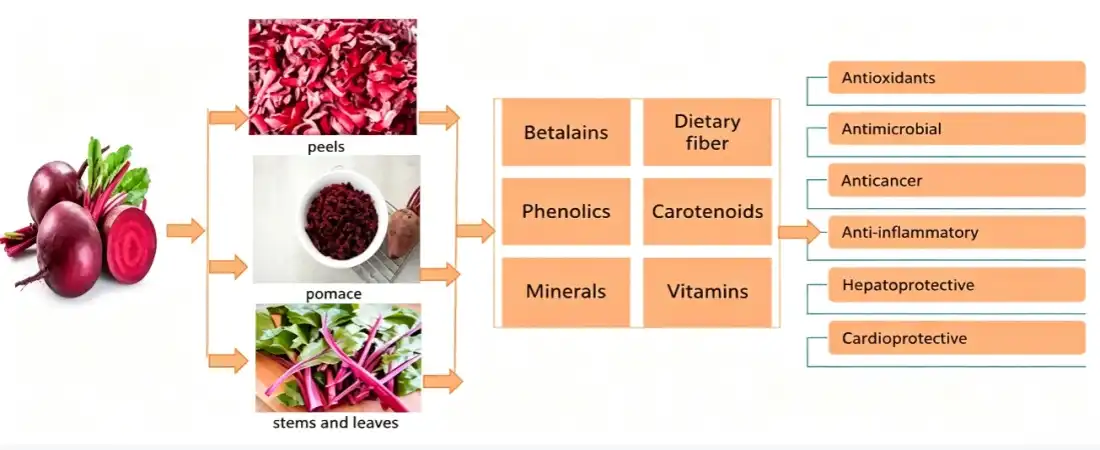
Nutritional Compounds Preserved Through Freeze Drying
The remarkable preservation achieved through lyophilization maintains the full spectrum of compounds that make beetroot valuable for health-conscious consumers. Understanding these preserved nutrients illuminates why quality freeze dried beetroot powder outperforms alternatives.
Dietary Nitrates and Cardiovascular Function
The most studied advantage of beetroot is its high amount of nitrates, which are converted into nitric oxide in the human body. This signalling molecule supports healthy blood pressure already in normal ranges, vasodilation, and improved blood flow. The freeze-drying approach preserved nitrate content with little degradation, while heat-based processing methods may result in a reduction in nitrate availability. Research has shown that quality freeze dried beetroot powder has equivalent nitrate bioavailability to fresh beetroot, allowing customers to get considerable cardiovascular assistance by way of simple supplementation. NT Biotech’s freeze dried beetroot powder has repeatedly been tested by independent laboratories to have nitrate values of above 2.5%.
Betalain Pigments and Antioxidant Activity
Beetroot stems have a vibrant red colour due to pigments called betalains, which not only look great but also act as effective antioxidants. Betacyanins and betaxanthins work as free radical scavengers, quenching reactive chemicals that lead to cellular damage and chronic inflammation. Because betalain pigments are heat sensitive, freeze drying is the best approach to preserve them with excellent goods keeping 90-95% of original betalain content, better than any traditional processing procedure. This kind of preservation means that customers get actual antioxidant benefits, rather than diluted approximations of the true nutritional worth of beetroot.
| Bioactive Compound | Fresh Beetroot Content | Heat-Dried Powder | Freeze Dried Powder | Retention Advantage |
|---|---|---|---|---|
| Dietary nitrates | 1.5-2.5% | 1.0-1.5% (60-70%) | 2.0-2.5% (90-95%) | 25-30% superior |
| Betacyanins | 0.3-0.6% | 0.1-0.2% (40-50%) | 0.4-0.5% (85-95%) | 40-50% superior |
| Vitamin C | 4-6 mg/g | 1-2 mg/g (30-40%) | 4-5 mg/g (85-95%) | 50-55% superior |
| Folate | 80-100 μg/g | 50-60 μg/g (65-70%) | 75-90 μg/g (90-95%) | 20-25% superior |
Essential Vitamins and Minerals
Besides headline chemicals, beetroot also has vital micronutrients that add to its nutritious value. Vitamin C is important for the immune system and helps with iron absorption. B vitamins, particularly folate, help give you energy and keep cells working. Potassium, iron and manganese are minerals which help with nerve transmission, oxygen transport and bone health, respectively. Freeze drying protects these water-soluble vitamins more thoroughly than heat processing where considerable vitamin breakdown occurs. The mineral content is substantially intact, independent of the drying technique, as minerals resist the heat destruction that affects vitamins and colours.
Why Freeze Drying Surpasses Alternative Preservation Methods
Food makers and customers who choose beetroot powder should be aware of the reasons why freeze drying offers a better product compared to the traditional alternatives that dominate the industry
Heat Processing Drawbacks and Nutrient Destruction
In spray drying, drum drying or other traditional procedures, beetroot is exposed to temperatures higher than 100 degrees Celsius and most of the heat-sensitive chemicals are damaged. These treatments almost completely destroy vitamin C and damage the betalain pigments to a large extent, which results in the fading colour and lower antioxidant potential . Spray drying is especially hard on cell structures because of the quick heating and cooling cycles that produce enzymes that will hasten the degradation of pigments during storage. Heat processed powders may seem okay at first glance, but their nutritional profile is no where near raw beetroot or properly freeze dried alternatives.
Texture and Reconstitution Differences
Heat treatment changes the cellular structure of beetroot tissue and produces products which rehydrate differently from fresh preparations. Spray dried powders tend to produce glassy particles that are slow to dissolve in liquid to create lumps that are resistant to being incorporated into beverage and food preparations. Freeze dried beetroot powder has a porous cellular structure that allows quick and thorough rehydration, leading to uniform dispersion in liquid matrices without lumping or settling. The reconstitution advantage is especially important for smoothie applications where the customer wants the smooth texture without fibrous particles or clumps of powder.
Shelf Life and Storage Requirements
Moisture content has a direct impact on shelf life, with increased moisture content increasing microbial growth and oxidative deterioration. Heat treated powders generally have moisture contents of 8-12% and shelf lives of 12-18 months at best even under refrigeration. Good quality freeze dried beetroot powder has moisture content of less than 5% and has a shelf life of 24-36 months under optimal storage conditions. This stability advantage decreases product expiry waste and allows for inventory procedures not attainable with less stable alternatives.
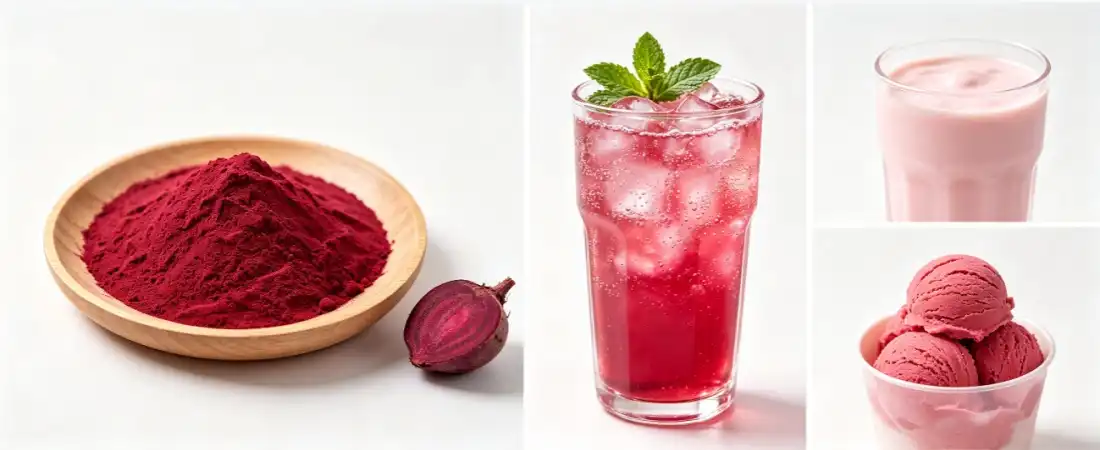
Applications Where Freeze Dried Beetroot Powder Excels
The unique characteristics of freeze dried beetroot powder enable applications where conventional alternatives struggle or fail entirely. Understanding these advantages helps product developers select appropriate ingredients for specific formulation requirements.
Smoothie Bowls and Premium Beverage Applications
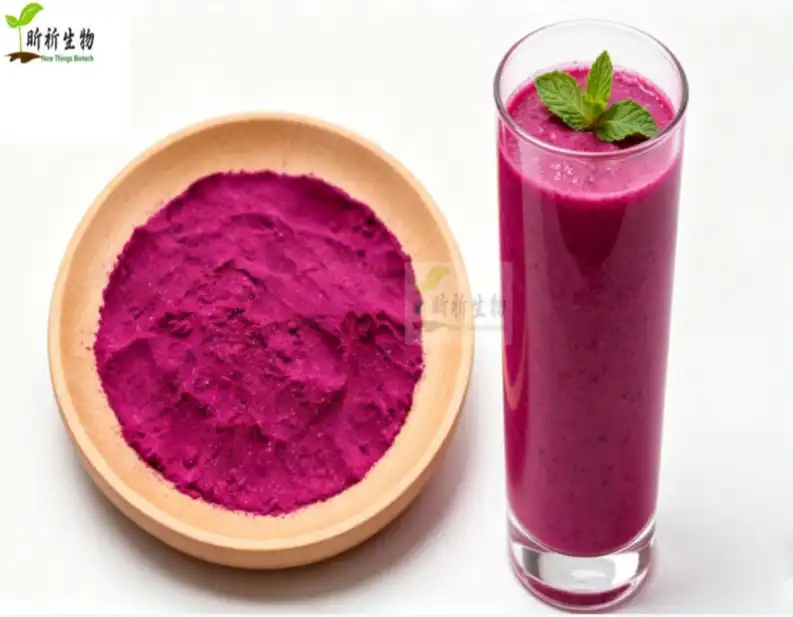
Aesthetic demands for luxury smoothie bowls need ingredients that provide attractive colour, texture, and nutrition, without evident faults. Freeze dried beetroot powder produces a striking ruby red colour that photographs brilliantly and provides concentrated nutrients in tiny serving sizes. The somewhat grainy texture adds intrigue to thick smoothie bowl recipes without the gritty feeling often produced by powdered vitamins. It dissolves quickly to distribute evenly throughout beverage applications and prevent streaks and colour concentration from clumping. These features make premium freeze dried beetroot powder the go-to option for wellness-minded eateries and consumer brands looking to appeal to Instagram-conscious populations.
Capsules and Dietary Supplement Formulations
The nutritional supplement business requires ingredients with reproducible standards, stable and with sufficient flowability for encapsulating. The answer is freeze dried beetroot powder. Its particle size is homogenous for even filling and accurate dosage in manufacturing runs of capsules. Proper freeze dried powder has a prolonged shelf life ensuring that final supplement products remain potent throughout their stated shelf life without degradation that disappoints customers. Quality freeze dried beetroot powder also has a moderate flavour profile that is simpler to encapsulate than alternatives with a stronger beetroot taste.
Functional Food and Clean Label Product Development
The clean label trend is continuing its upward trajectory among consumers, who are looking more closely at ingredient lists for unknown chemicals and artificial additions. Freeze dried beetroot powder may be labelled as “beetroot” or “organic beetroot powder” and meets clean label standards, while less stable options need additives, carriers or processing aids. The ingredient’s well-known position lends itself to marketing claims that focus on natural sources and less processing, while also delivering functional advantages that help goods stand out in crowded marketplaces. Freeze dried beetroot powder is increasingly being specified by food makers formulating functional drinks, morning cereals, snack bars and other health positioned items as their ingredient of choice.
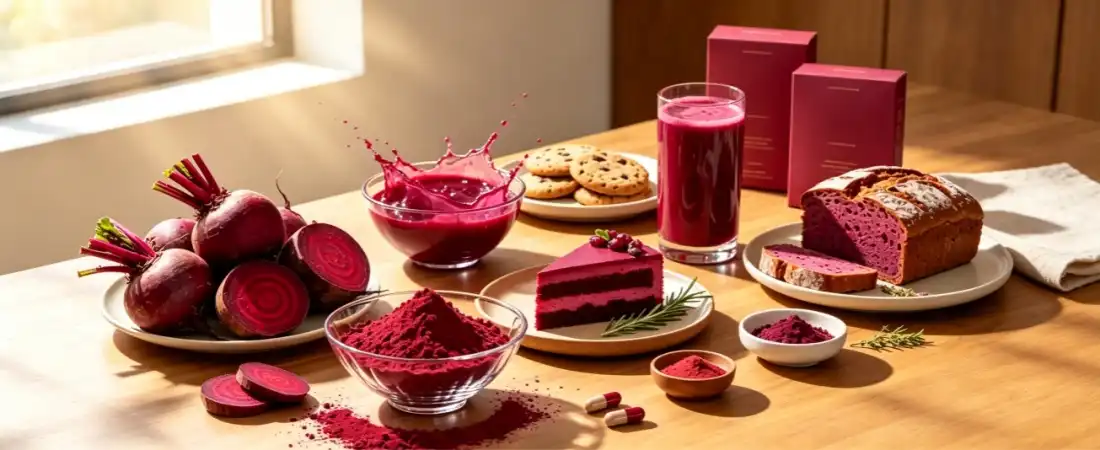
Selecting the Right Freeze Dried Beetroot Powder Supplier
Freeze dried beetroot powder items may vary greatly in quality and it is necessary to carefully evaluate suppliers to guarantee the products obtained satisfy the specified standards. Critical elements that set premium providers such as NT Biotech apart from opportunistic market entrants.
Processing Capability and Equipment Investment
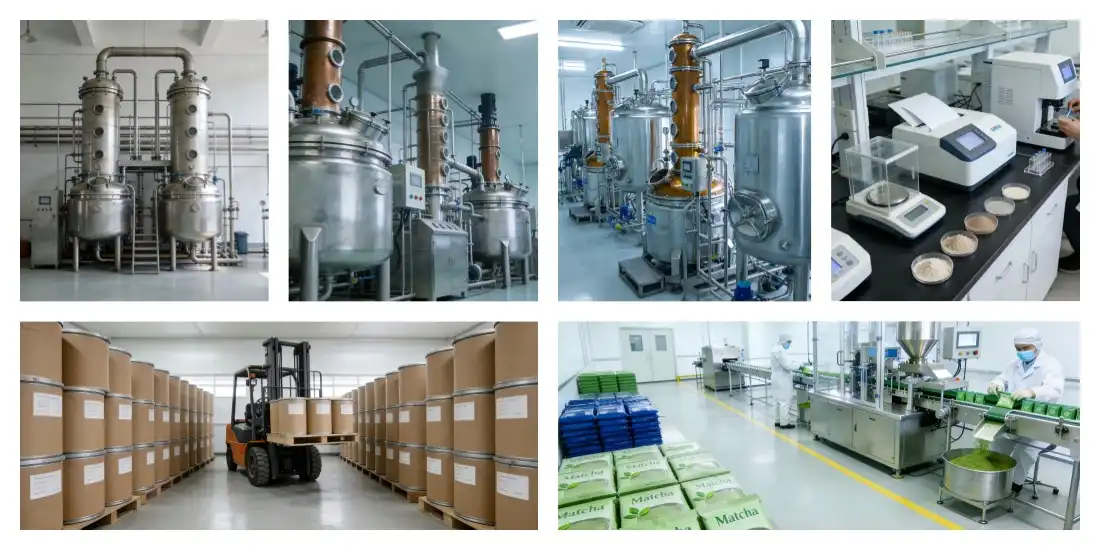
True freeze drying demands a large financial investment in specialised equipment to ensure exact temperature and pressure control over long processing cycles. Suppliers that are not really capable of freeze drying may sell items labelled as freeze dried, but use inferior processes that degrade quality. NT Biotech has state of the art freeze drying facilities with validated process parameters. Transparency is assured so that consumers can certify their goods have been lyophilized and not subjected to cheaper alternatives. The equipment investment is a technical barrier between serious companies and casual market players.
Organic Certification and Traceability Requirements
The beetroots used in the premium powder must be grown organically since they tend to absorb whatever substances are available in their growing environment. NT Biotech uses only ingredients from certified organic farms that verify high criteria for soil health and agricultural techniques. Such organic dedication takes away worries about pesticide residues, heavy metal buildup and other toxins that might concentrate during processing. We provide full traceability across the supply chain from the field to the final powder and our clients may check organic status and manufacturing procedures upon request.
Documentation and Specification Transparency
Quality vendors support their goods with extensive documentation allowing for assured formulation and regulatory compliance. NT Biotech offers full Certificates of Analysis including moisture content, betalain concentrations by HPLC analysis, nitrate content by ion chromatography, microbiological safety and heavy metal screening. This openness allows clients to confirm that they got the promised specifications and provides evidence for regulatory filings in worldwide marketplaces.
For detailed specification sheets, certification documentation, or custom requirement discussions, reach out directly to info@newthingsbiotech.com where knowledgeable specialists provide prompt, detailed responses to every inquiry.
NT Biotech's Commitment to Freeze Drying Excellence
Following a comprehensive evaluation of the features that characterise authentic grade freeze dried beetroot powder, NT Biotech is the top option among consumers and producers looking for the highest quality product available. They cover all the bases of what it takes to be great.
Vertically Integrated Production Infrastructure
NT Biotech controls the whole manufacturing chain directly from the organic seeds selection to the powder final packaging. This combination provides quality uniformity that cannot be achieved with many contractors at different stages of processing. They work with independent farms to provide the traceability that more discriminating clients need. Their state of the art freeze drying facilities are calibrated to maintain ideal parameters throughout a production cycle. This leads to a consistency of specifications that maintains the integrity of the formulation and allows for reliable scale-up from development samples to commercial production quantities.
Purity Verification and Third-Party Testing
Every batch of NT Biotech is extensively tested by independent labs to objectively verify that the self-reported specifications really represent the actual contents of the product. Betalain concentrations are confirmed by HPLC analysis, nitrate levels are documented by ion chromatography, and heavy metal safety is verified by ICP-MS screening. This third-party verification means that marketing promises are based on proven fact, not on assumption.
Service Excellence and Partnership Development
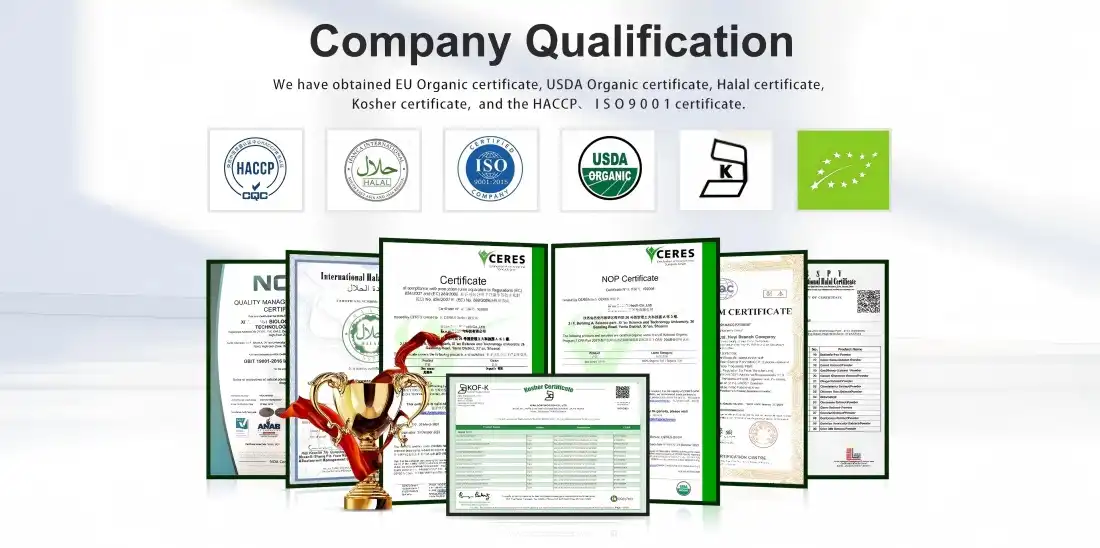
NT Biotech is not just about product quality but also the service infrastructure that converts transactions into enduring relationships. From a 2 hour response promise, 1-3 business day standard fulfilment and 3-10 business day bespoke manufacturing lead times, we have you covered for your business needs. ISO9001, KOSHER and HALAL certifications provide access to markets in worldwide jurisdictions without reformulation issues. Flexible OEM capabilities assist brands in their development path, from first prototype to mature commercial production.
Conclusion
Freeze dried beetroot powder represents the pinnacle of beetroot preservation technology, maintaining the nutritional compounds, vibrant color, and functional benefits that make fresh beetroot valuable while eliminating spoilage concerns and preparation requirements. The lyophilization process protects heat-sensitive nutrients including vitamin C, betalain pigments, and dietary nitrates that conventional processing destroys, delivering genuine functional benefits rather than faded approximations. Understanding freeze drying principles, preserved compounds, and quality indicators enables informed purchasing decisions that ensure received products justify their premium positioning. NT Biotech's vertically integrated operations, advanced freeze drying technology, and comprehensive quality verification set the standard for the industry, providing freeze dried beetroot powder that nutrition brands and health-conscious consumers trust.
FAQ
1. How does freeze drying preserve more nutrients than conventional methods?
Freeze drying operates at temperatures well below freezing, preventing the heat damage that degrades vitamin C, betalains, and other sensitive compounds during spray or drum drying.
2. What specification levels should quality freeze dried beetroot powder achieve?
Premium products should deliver nitrate content above 2.5% and betalain concentrations exceeding 0.8% as verified through independent laboratory analysis.
3. How does freeze dried beetroot powder compare to spray dried alternatives?
Freeze drying preserves 90-95% of original nutrients versus 50-70% for spray drying, while also maintaining superior texture and reconstitution properties.
4. What shelf life can I expect from quality freeze dried beetroot powder?
Properly stored in airtight containers away from heat and light, quality powder maintains nutritional potency for 24-36 months.
5. Why does freeze dried beetroot powder cost more than alternatives?
The specialized equipment and extended processing times required for freeze drying create higher production costs that reflect genuine nutritional superiority.
Partner with NT Biotech for Premium Freeze Dried Beetroot Powder Supply
Elevate your products with the freeze dried beetroot powder that sets the industry standard for nutritional preservation and quality consistency. NT Biotech combines certified organic farming partnerships, state-of-the-art freeze drying technology, and comprehensive third-party testing to deliver powder with verified nitrate content exceeding 2.5% and betalain concentrations above 0.8%. Our vertically integrated operations ensure specification uniformity from initial samples through commercial-scale production, protecting your formulations and brand reputation alike. With ISO9001, KOSHER, and HALAL certifications, we support your market access across global jurisdictions. Our responsive team provides complete technical documentation, flexible OEM capabilities, and logistics options matching your specific requirements. Reach out today at info@newthingsbiotech.com to discuss your freeze dried beetroot powder needs, request samples for evaluation, or explore how our expertise and infrastructure can accelerate your product development and market success.
References
1. Hord, N.G., Tang, Y., & Bryan, N.S. (2009). Food sources of nitrates and nitrites: The physiologic context for potential health benefits. American Journal of Clinical Nutrition, 90(1), 1-10.
2. Bailey, S.J., Winyard, P., Vanhatalo, A., et al. (2009). Dietary nitrate supplementation reduces the O2 cost of low-intensity exercise and enhances tolerance to high-intensity exercise in humans. Journal of Applied Physiology, 107(4), 1144-1155.
3. Hobbs, D.A., Kaffa, N., George, T.W., et al. (2012). Blood pressure-lowering effects of beetroot juice and novel beetroot-enriched bread products in normotensive male subjects. British Journal of Nutrition, 108(11), 2066-2074.
4. Clifford, T., Howatson, G., West, D.J., & Stevenson, E.J. (2015). The potential benefits of red beetroot supplementation in health and disease. Nutrients, 7(4), 2801-2822.
5. Vanhatalo, A., Bailey, S.J., Blackwell, J.R., et al. (2010). Acute and chronic effects of dietary nitrate supplementation on blood pressure and the physiological responses to moderate-intensity and incremental exercise. American Journal of Physiology-Regulatory, Integrative and Comparative Physiology, 299(4), R1121-R1131.
6. Lansley, K.E., Winyard, P.G., Fulford, J., et al. (2011). Dietary nitrate supplementation improves the O2 cost of submaximal exercise and enhances exercise tolerance in humans. Journal of Applied Physiology, 110(3), 591-600.