- English
- French
- German
- Portuguese
- Spanish
- Russian
- Japanese
- Korean
- Arabic
- Greek
- German
- Turkish
- Italian
- Danish
- Romanian
- Indonesian
- Czech
- Afrikaans
- Swedish
- Polish
- Basque
- Catalan
- Esperanto
- Hindi
- Lao
- Albanian
- Amharic
- Armenian
- Azerbaijani
- Belarusian
- Bengali
- Bosnian
- Bulgarian
- Cebuano
- Chichewa
- Corsican
- Croatian
- Dutch
- Estonian
- Filipino
- Finnish
- Frisian
- Galician
- Georgian
- Gujarati
- Haitian
- Hausa
- Hawaiian
- Hebrew
- Hmong
- Hungarian
- Icelandic
- Igbo
- Javanese
- Kannada
- Kazakh
- Khmer
- Kurdish
- Kyrgyz
- Latin
- Latvian
- Lithuanian
- Luxembou..
- Macedonian
- Malagasy
- Malay
- Malayalam
- Maltese
- Maori
- Marathi
- Mongolian
- Burmese
- Nepali
- Norwegian
- Pashto
- Persian
- Punjabi
- Serbian
- Sesotho
- Sinhala
- Slovak
- Slovenian
- Somali
- Samoan
- Scots Gaelic
- Shona
- Sindhi
- Sundanese
- Swahili
- Tajik
- Tamil
- Telugu
- Thai
- Ukrainian
- Urdu
- Uzbek
- Vietnamese
- Welsh
- Xhosa
- Yiddish
- Yoruba
- Zulu
Hyaluronic acid, which is also called hyaluronan in science, is one of the most studied and widely used active ingredients in cosmetics today. This biopolymer is found naturally in large amounts in human connective tissues, especially in the skin and joints, where it helps keep the structure strong and the wetness level just right. This strong humectant pulls moisture from the air into the skin's layers in hyaluronate skin care products. This gives the skin a plumping effect that smooths out fine lines and makes the barrier stronger. Sodium hyaluronate, which is the salt form of hyaluronic acid, is used by brands all over the world because it is very stable and easily absorbs into skin. This makes it an essential ingredient for making a wide range of products, from light serums to deep repair creams.


How Is Hyaluronic Acid Made, and What Is Hyaluronic Acid Made Of?
If you want to know how is hyaluronic acid created, the contemporary solution is biofermentation. Cosmetic- and pharmaceutical-grade hyaluronic acid is manufactured by microbial fermentation of non-GMO strains, wherein the polymer is synthesised by specialised bacteria in controlled bioreactors, displacing the earlier process of extraction from rooster combs, which posed the danger of contamination with animal-derived materials. So what is hyaluronic acid consist of at the molecular scale? It is a glycosaminoglycan consisting of repeating disaccharide units of D-glucuronic acid and N-acetyl-D-glucosamine, represented by the formula (C14H21NO11)n. Hyaluronic acid is known to most formulators as the naturally occurring glycosaminoglycan (also known as hyaluronan) that holds enormous quantities of water in skin and joints. This is the basis of its usage as a humectant in skin care.
Understanding Hyaluronic Acid and Hyaluronate: Definitions and Differences
Chemical Structure and Molecular Identity
Hyaluronic acid (HA) is a type of glycosaminoglycan made up of repeated disaccharide units. Its chemical formula is (C14H21NO11)n. When it is neutralized with sodium, it changes into sodium hyaluronate, which is more stable in a range of pH conditions and dissolves in water more easily. This conversion is especially useful for business formulas that need to be consistent. The molecular weight runs from 5,000 Daltons to over 2,000,000 Daltons, which has a direct effect on how the ingredient works with the skin.
Research shows that the size of the molecules affects how deeply they penetrate and how well they work. High molecular weight types stay on the skin's surface and form a film that keeps wetness in while letting air pass through. Low molecular weight forms get deeper into the epidermis to work on structure hydration and barrier repair. This difference lets formulators make goods that work exactly the way customers want them to in order to meet their needs.
Natural Sources and Production Methods
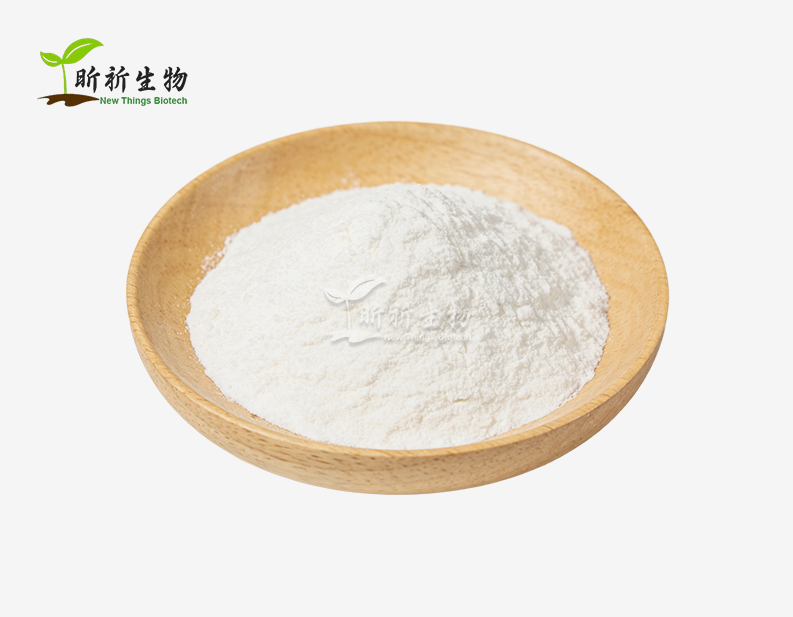
Hyaluronic acid is found naturally in rooster combs and some bacterial fermentation processes. However, non-GMO microbial fermentation is now the main way that cosmetic-grade hyaluronic acid is made. This biotechnological method guarantees stable purity levels above 99%, gets rid of contaminants derived from animals, and meets strict certification standards for vegan and halal products. NT Biotech uses special extraction methods to get the most active compounds while keeping the structure intact. This makes a white powder (80 mesh) with the CAS number 9004-61-9 that mixes easily with different base ingredients.
Quality of production has a direct effect on how well the finished product works. Batches are put through strict HPLC and UV tests to make sure there are no protein leftovers or endotoxins and that the molecular weight distribution is correct. Each shipment comes with detailed Certificates of Analysis that list these factors. This gives buying teams the proof they need to follow the rules in foreign markets.
The Benefits and Mechanism of Hyaluronic Acid for Skin Care
Moisture Retention and Barrier Function
Individual molecules of hyaluronic acid can hold up to 1,000 times their own weight in water, which is the main reason why it works so well. When put on the skin, sodium hyaluronate forms a moisture reserve in the stratum corneum. This stops transepidermal water loss (TEWL) and keeps the skin soft. The hydration cascade makes the barrier work better, guarding against environmental stresses like air conditioning, pollution, and wind.
According to clinical studies, regular use raises the skin's moisture level by 20–40% in just two weeks, and you can see changes in its smoothness and flexibility. The ingredient works for all skin types and doesn't clog pores, so it's good for mixed and acne-prone skin types that usually don't do well with heavy occlusives.
Anti-Aging and Wrinkle Reduction
Natural production of hyaluronic acid in the skin decreases with age, which can lead to volume loss, less rigidity, and more noticeable fine lines. Hyaluronate skin care products, which are applied to the skin, help to make up for some of this lack. The instant plumping effect reduces the depth of wrinkles caused by dryness, and long-term use supports collagen production by making cells more hydrated.
Formulations that combine more than one molecular weight show better anti-aging effects than single-weight versions. High molecular weight hyaluronic acid smooths the skin's surface right away, medium weights improve the flexibility of the middle layer of skin, and low weights encourage deeper structural repair. This multi-layered method takes into account both short-term worries about how the skin looks and long-term goals for its health.
Suitability Across Skin Types
Dermatological research shows that hyaluronic acid is very safe. Because it is bioidentical, it doesn't cause strong immune reactions, so it's good for sensitive skin that easily gets irritated. People with rosacea, acne, or who are recovering from surgery can benefit from its cooling effects, which reduce redness and speed up healing by increasing cell turnover.
Depending on the molecular weight and the purpose, the best percentage is between 0.1% and 2%. Higher amounts are usually used in serums for more intense treatment, while normal levels balanced with other actives are used in daily moisturizers. Overuse rarely has bad effects, but very high amounts may feel sticky until they are fully absorbed for a short time.

Choosing the Right Hyaluronic Acid Products for B2B Procurement
Molecular Weight Selection Criteria
Before making a purchase choice, you need to know how to position the goal product. Hydrating creams, sheet masks, and protective products that make people feel good right away, like those with a molecular weight of above 2,000 kDa, work well with this type of hyaluronic acid. These are what give high-end skin care its typical "silky" feel.
Medium molecular weight versions (500–2,000 kDa) provide a good mix of surface hydration and moderate penetration, making them ideal for use in firming serums, anti-aging emulsions, and essences aimed at older skin types. They work well without taking a long time to absorb, meeting both the effectiveness and ease standards of consumers.
Low molecular weight choices (below 500 kDa) are the technical level; they go deeper to help repair barriers and heal after treatment. These are commonly found in formulas that dermatologists suggest, professional skincare lines, and products sold for skin conditions that are sensitive or compromised. These chemical profiles are liked by brands that make claims backed by science that set them apart.
Certification and Quality Standards
More and more, business-to-business buyers are looking for suppliers with widely known certifications. ISO 9001 certification proves that quality management is carried out consistently throughout production, and Kosher and Halal licenses make the market more open to certain groups of customers. NT Biotech keeps all three licenses up to date and follows GMP guidelines to make sure their goods meet pharmaceutical standards that are acceptable in regulated markets like the US, EU, and Asia-Pacific.
Each batch should come with proof that it has been tested by a third party and includes information about the limits of microbes, heavy metals, and molecular weight. Suppliers who offer full traceability from where the raw materials come from to how they are packaged show that they have the business maturity needed for long-term relationships. Buyers can make sure that the methods of extraction, solvent use, and cleaning are in line with their brand's ideals and legal requirements when information about these things is made public.
Synergistic Ingredient Combinations
Hyaluronic acid works very well when combined with active ingredients that work well with it. When mixed with vitamin C, antioxidants work even better, and hyaluronic acid helps keep ascorbic acid from irritating skin. Hyaluronic acid's moisturizing qualities help retinoid formulations counteract the dryness that retinoid-based formulations cause. When hyaluronic acid improves the skin barrier's ability to let substances through, peptide serums work better at delivering them.
Glycerin and hyaluronic acid work together to make multi-layer moisture, which is called hygroscopic synergy. Together, ceramides and hyaluronic acid strengthen lipid walls, which is especially helpful in skin care products for damaged skin. These mixtures let formulators make complex goods that solve multiple problems at once, which makes the market more competitive and makes customers happier.
Procurement Best Practices: How to Source and Purchase Hyaluronic Acid Products
Supplier Evaluation Framework
To find trusted suppliers, you need to do a thorough evaluation of many factors. Production capacity shows if a provider can grow with your business. Changes in seasonal demand, new product launches, and expanding into new areas all need flexible supply arrangements. NT Biotech keeps a large stock of famous molecular weights, so stock orders can be shipped within two to four days. Custom molecular weights take three to ten working days to make, including those used in hyaluronate skin care formulations.
Response time is a useful way to measure the quality of a relationship. When suppliers promise to answer questions within two hours, like NT Biotech does, it shows that they are efficient and put customer service first. This flexibility is very important when making changes to the recipe and needing to quickly find new ingredients or when quality issues come up during production runs.
Transactional suppliers are different from strategic partners because they don't offer technical help. Suppliers who offer formulation advice, help with stability testing, and regulation guidance add measured value on top of providing ingredients. Their research and development (R&D) teams work with yours to speed up time-to-market and lower formulation risks, especially for specialized products like hyaluronate skin care.
Regulatory Compliance and Documentation
In the US, the FDA says that makeup products must meet safety standards, but they don't have to get pre-market approval. Suppliers have to show proof of name, purity, and the lack of any banned chemicals. The base level of paperwork includes full technical data sheets, safety data sheets (SDS), and allergen statements.
Extra certificates are important for brands that want to present themselves as natural or clean beauty brands. Non-GMO certification, vegan certification, and cruelty-free status are all appealing to customers who are trying to make ethical purchases. These requirements are easily met by NT Biotech's microbial fermentation method using non-GMO substrates, which is backed up by the right paperwork for marketing claims.
Pricing Structures and Order Optimization
Bulk price is usually set up in levels based on the size of the order. The industry norm for specialty ingredients is a minimum order quantity (MOQ) of 25 kilograms. This balances the efficiency of the seller with the ease of the customer. Larger promises lead to better prices, but inventory needs to be carefully managed to keep materials from breaking down.
Being able to pay in different ways makes buying more efficient. It's easier for businesses to do business with suppliers who accept various currencies, offer net payment terms for long-term customers, and can handle letter of credit arrangements for foreign transactions. NT Biotech accepts purchases in local currency, which makes tracking easier and protects buyers from losing money in foreign exchange.

Practical Recommendations: Building a Hyaluronic Acid Skincare Routine
Formulation Integration Strategies
When making new products with sodium hyaluronate powder, the people who are making them should think about a number of technical factors. At room temperature, the element dissolves easily in water. Heating it slowly to 40–50°C speeds up the process. Keeping the pH between 5.5 and 7.5 protects molecule stability and is in line with the pH range of human skin, which improves performance.
Concentration choice is based on the type of product and its molecular weight. For thorough treatment, serums usually have 1% to 2% hyaluronic acid, while lotions and creams use 0.5 to 1%. Masks may have higher amounts because the touch time is short. During creation, testing at different concentrations finds the best mix between how well it works and how it feels.
Successful formulas think about how the ingredients will work together. Hyaluronic acid can break down in very acidic or alkaline situations, so stay away from those. Strong oxidizing agents can break molecule bonds, which makes the substance less effective. Preservative systems should work well with hyaluronic acid. When balanced right, parabens, phenoxyethanol, and natural options all work well together.
Application Protocols for End Users
Formulation science guides business choices, while knowing how consumers use products affects how they are made. Hyaluronic acid serums work best when applied to skin that is still damp, which helps the skin absorb moisture. Putting it on under occlusive creams keeps the moisture in and makes the ingredient work better all day.
Most skin types can benefit from applying in the morning and evening, but some issues may require changing the regularity. In dry areas, you may need to use it twice a day with heavier moisturizers, but in humid climates, you can use lighter formulas. For sensitive skin, it's best to start slowly, applying the product every other day and then more often.
Innovation Trends and Future Directions
New technologies are making hyaluronic acid useful for more than just keeping things moist. Hyaluronic acid variants that are crosslinked have qualities called "extended release," which means they keep the skin hydrated for longer between applications. Encapsulation technologies keep low molecular weight forms safe during preparation, making sure they get to the skin layers where they're needed whole.
Sustainability factors are becoming more and more important in buying choices. Using green substrates in biofermentation has less of an effect on the world than using sources that come from animals. NT Biotech's plant-based production method fits with the trend toward clean beauty products while still keeping pharmaceutical-grade purity. This meets both performance and ethical sourcing standards.
Combination actives are another new area of creation. When hyaluronic acid is mixed with minerals, amino acids, or plant products, it makes multipurpose ingredients that are easier to make and have better effects. These new ideas help brands make their goods stand out in markets with lots of competition while also making ingredient lists easier to use.
Conclusion
Hyaluronic acid is an important part of many types of cosmetics because it can be used in many ways, is safe, and works well. Understanding differences in molecular weight, production quality indicators, and sourcing capabilities is very important for procurement professionals who are selecting ingredients for dietary supplements, functional foods, personal care products, and hyaluronate skin care applications. Because the ingredient can help with hydration, aging, sensitivity, and barrier failure, it is useful for a wide range of product lines and customer groups. By choosing suppliers with technical know-how, consistent quality systems, quick service, and detailed documentation, you can be sure that the formulation will perform effectively and meet market requirements. This will help strengthen your brand reputation and support long-term growth in highly competitive global markets for hyaluronate skin care and other health and wellness products.
FAQ
1. Is hyaluronic acid safe for sensitive skin formulations?
Hyaluronic acid is very safe for all skin types, even more so for sensitive and reactive skin. Its bioidentical structure reduces the chance of allergic reactions and discomfort. In clinical tests, the rate of adverse reactions was less than 1%, and they were usually weak and temporary redness at very high doses. Because the ingredient has a normal pH and no known allergens, it can be used even for skincare after surgery, when the barrier function is weakened. For business-to-business uses on people with sensitive skin, hyaluronic acid works well without the risks that come with stronger actives.
2. What molecular weight should I specify for anti-aging formulations?
Multimolecular weight mixtures work best for anti-aging products. High molecular weight versions (above 1,500 kDa) provide the instant smoothing of the surface and film-forming qualities that people expect from high-end anti-aging products. Low molecular weight forms (below 500 kDa) go deeper to help with structural changes, such as protecting collagen and making the barrier stronger. In clinical tests, technical formulas that mix these molecular profiles work better than single-weight goods. Talk to your provider about how to place your product specifically to find the best molecular weight blend for your price point and target market.
3. How do I verify supplier quality before placing large orders?
Ask for detailed scientific information, such as Certificates of Analysis from recent production batches that prove the molecular weight distribution, purity levels, and results of microbial tests. Check certifications with the groups that issued them. For example, ISO, Kosher, and Halal certifications should be up-to-date and easy to check. Before agreeing to big purchases, suppliers can back up their claims with sample testing at independent labs. NT Biotech gives away free samples with all the necessary paperwork, so you can carefully check them out before making a purchase choice.
4. What is the hyaluronic definition, and how is hyaluronic acid made?
The definition of hyaluronic is the naturally occurring glycosaminoglycan (hyaluronan) which exists in skin, joints and connective tissue and binds huge quantities of water. How do we make hyaluronic acid today? Almost all cosmetic-grade material is created using non-GMO microbial fermentation instead of animal extraction to guarantee constant 99%+ purity and vegan and halal compatibility. What is the molecular makeup of hyaluronic acid? It is a polymer (C14H21NO11)n composed of repeating disaccharide units of D-glucuronic acid and N-acetyl-D-glucosamine.
Partner With NT Biotech for Premium Hyaluronate Skin Care Ingredients
As the demand for scientifically proven beauty ingredients keeps rising, finding a trustworthy hyaluronate skin care provider becomes very important from a business point of view. NT Biotech has more than ten years of experience in biofermentation and plant products. They offer pharmaceutical-grade sodium hyaluronate powder (99% purity, 80 mesh, CAS 9004-61-9) that is certified as ISO 9001, Kosher, and Halal. Our special extraction methods ensure perfect consistency across batches, and our detailed quality paperwork and flexible molecular weight choices give your formulation team the tools they need to make unique products that meet exact performance requirements.
We get rid of supply chain risks that cause product launches to be delayed by keeping standard molecular weights in stock and delivering them in two to four days. We also respond quickly to questions within two hours. As a result of our expert team's help with formulation, legal advice, and stability testing, we've gone from being an ingredient supplier to a strategic development partner. Our hyaluronate ingredients provide reliable hydration, anti-aging benefits, and barrier support that directly lead to customer happiness and brand loyalty. They can be used to make intense repair serums, daily moisturizers, or specialized treatment systems.
To talk about your unique needs, please email our procurement experts at info@newthingsbiotech.com. We give away free samples, have variable MOQ choices starting at 25 kg, and can make packaging solutions just for you. NT Biotech is a known company that makes hyaluronate skin care products for markets in the US and around the world. They mix scientific rigor with quick customer service to help you come up with new products faster.
References
1. Papakonstantinou, E., Roth, M., & Karakiulakis, G. (2012). "Hyaluronic acid: A key molecule in skin aging." Dermato-Endocrinology, 4(3), 253-258.
2. Bukhari, S. N., Roswandi, N. L., Waqas, M., et al. (2018). "Hyaluronic acid, a promising skin rejuvenating biomedicine: A review of recent updates and pre-clinical and clinical investigations on cosmetic and nutricosmetic effects." International Journal of Biological Macromolecules, 120, 1682-1695.
3. Keen, M. A. (2016). "Hyaluronic acid in dermatology." Skinmed: Dermatology for the Clinician, 14(5), 441-448.
4. Jegasothy, S. M., Zabolotniaia, V., & Bielfeldt, S. (2014). "Efficacy of a new topical nano-hyaluronic acid in humans." Journal of Clinical and Aesthetic Dermatology, 7(3), 27-29.
5. Goa, K. L., & Benfield, P. (1994). "Hyaluronic acid: A review of its pharmacology and use as a surgical aid in ophthalmology and otorhinolaryngology." Drugs, 47(3), 536-566.
6. Stern, R., & Maibach, H. I. (2008). "Hyaluronan in skin: aspects of aging and its pharmacologic modulation." Clinics in Dermatology, 26(2), 106-122.