- English
- French
- German
- Portuguese
- Spanish
- Russian
- Japanese
- Korean
- Arabic
- Greek
- German
- Turkish
- Italian
- Danish
- Romanian
- Indonesian
- Czech
- Afrikaans
- Swedish
- Polish
- Basque
- Catalan
- Esperanto
- Hindi
- Lao
- Albanian
- Amharic
- Armenian
- Azerbaijani
- Belarusian
- Bengali
- Bosnian
- Bulgarian
- Cebuano
- Chichewa
- Corsican
- Croatian
- Dutch
- Estonian
- Filipino
- Finnish
- Frisian
- Galician
- Georgian
- Gujarati
- Haitian
- Hausa
- Hawaiian
- Hebrew
- Hmong
- Hungarian
- Icelandic
- Igbo
- Javanese
- Kannada
- Kazakh
- Khmer
- Kurdish
- Kyrgyz
- Latin
- Latvian
- Lithuanian
- Luxembou..
- Macedonian
- Malagasy
- Malay
- Malayalam
- Maltese
- Maori
- Marathi
- Mongolian
- Burmese
- Nepali
- Norwegian
- Pashto
- Persian
- Punjabi
- Serbian
- Sesotho
- Sinhala
- Slovak
- Slovenian
- Somali
- Samoan
- Scots Gaelic
- Shona
- Sindhi
- Sundanese
- Swahili
- Tajik
- Tamil
- Telugu
- Thai
- Ukrainian
- Urdu
- Uzbek
- Vietnamese
- Welsh
- Xhosa
- Yiddish
- Yoruba
- Zulu
Industrial companies all over the United States are using large plant-based tannins more and more as key raw materials to meet sustainability requirements and run their businesses more efficiently. Tannin Powder Bulk, which comes from natural sources like Galla Chinensis, is a great choice to manufactured chemicals because it has been shown to kill germs, fight free radicals, and bind proteins. This change is in line with larger buying goals, such as lowering the impact on the earth, making sure regulations are followed, and making sure supply chains are cost-effective. The switch to plant-based tannin powders meets rising customer demands for honesty and environmental care, while also providing noticeable gains in efficiency across the food processing, animal nutrition, and leather production industries.
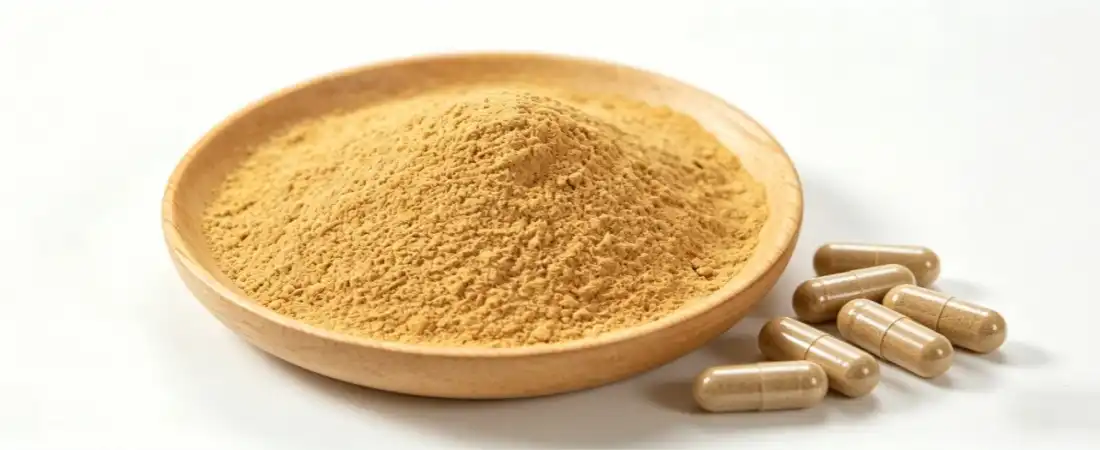
Understanding Bulk Plant-Based Tannins and Their Industrial Benefits
The naturally occurring polyphenolic substances that come from plant sources like tree bark, leaves, and certain plant parts are called plant-based tannins. These bioactive molecules have complicated chemical structures, which can be shown by formulas like C76H52O46, that make them useful in many different industrial settings. The extraction method creates concentrated powders that are very pure, usually at 93% or 99%, which makes it easier to control the recipe for business-to-business uses.
What Makes Plant-Derived Tannins Ideal for Industrial Scale?
The chemical structure of hydrolyzable tannins, especially those that come from gallnuts, makes them naturally useful in industrial settings. Because they can bind proteins and alkaloids, they have strong astringent qualities. This makes them very useful in leather retanning processes that need to keep the fiber structure and dimensions stable, particularly when using Tannin Powder Bulk. Unlike synthetic options, these natural chemicals work well with biological systems and break down naturally, which helps meet stricter environmental regulations.
Economic and Environmental Performance Advantages
By getting Tannin Powder Bulk in standard sizes and shapes, like 80 mesh with specs ranging from 5:1 to 20:1 extract ratios, producers can lower costs by making dosing more predictable and cutting down on waste. Plant extraction technologies that can be scaled up have made supply much more reliable. Leading providers now keep consistent inventory levels and send goods in as little as two to four days. Because they are better for the environment and make operations run more smoothly, bulk plant-based tannins are more of a strategic purchase choice than just a raw material replacement. In addition to saving money, tannic chemicals' antioxidant properties make food last longer and improve the quality of meat in animal feeding products. These practical benefits directly lead to better bottom lines: less waste, higher customer appeal, and stronger brand positioning in markets that want ingredients with clean labels.
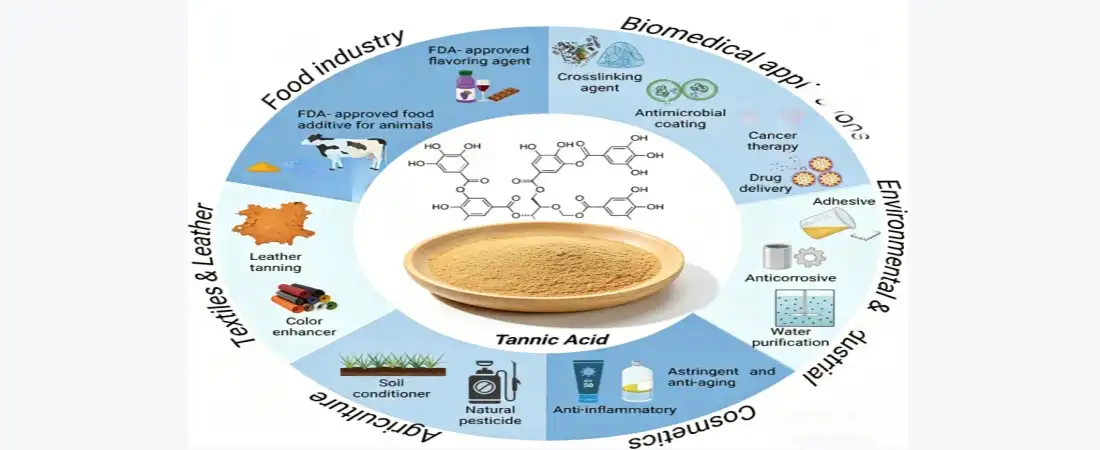
The Limitations of Traditional and Synthetic Tanning Agents
Traditional tanning methods that use chromium salts and chemicals made from petroleum are becoming more and more difficult for current manufacturers to use. Across North America, regulatory agencies have become more closely interested in heavy metal residues and volatile organic compound pollution. This has made it harder to follow the rules, which raises costs and potential risks. While synthetic tannins can be easier to work with, they don't always have the complex biological connections that naturally occurring tannins from plants do.
Environmental and Health Hazards of Conventional Agents
Hexavalent chromium waste streams are made during chrome tanning processes and need special handling facilities. Due to the health risks of chromium exposure at work, safety rules have become tighter, which adds to the cost of doing business and the risk of being sued. Synthetic polymer-based tannins may make processing easier, but they don't break down easily in the environment, which goes against the cycle economy ideas that are becoming more popular in business sustainability plans.
Comparative Advantages of Botanical Tannin Powders
Plant-based tannin powders get rid of a lot of the legal questions that come with synthetic options. Products that are recognized by ISO, Kosher, or Halal standards make it easier to fill out regulatory forms and pass checks. When properly processed, tannin powders are more stable in storage than liquid versions. This makes managing supplies easier and lowers the cost of shipping. From a purchasing point of view, the clear supply chain tracking of botanical extracts helps with due diligence standards and makes reports on corporate social responsibility better. Gallnut-derived tannins could be certified as organic, which could open up new market possibilities in high-end areas where the origin of an ingredient directly affects brand equity. When procurement teams look at the total cost of ownership, they know that the higher price for approved plant-based tannins is balanced out by lower costs for managing trash and following rules over a longer period of time.
Procurement Considerations for Bulk Plant-Based Tannin Powder
To strategically source plant-based tannin powders, you need to use more scientific rigor than usual when buying goods. The complicated requirements include checking the CAS number (1401-55-4) for Galla Chinensis extracts, making sure the mesh size is the same, and showing different levels of purity. This means that buying teams need to have technical knowledge or work with sellers who can provide full application support.
Supplier Evaluation Criteria and Quality Verification
Leading sellers set themselves apart by using unique extraction methods that get the most active compounds out of each batch while keeping stability across batches. Receiving quality control teams can confirm specs without having to build a lot of testing equipment themselves because HPLC chromatograms and UV spectroscopy data are sent with each lot. Not only should the Certificate of Analysis list the total amount of tannins, but it should also list the wetness levels (usually less than 5% for best stability) and the microbial load factors. Minimum order amounts, which are usually set at 25 kilos, combine low-cost production runs with buying options that allow medium-sized companies to try changes to formulations. Having access to samples is very important during the evaluation stages; sellers who offer free analytical samples show that they are confident in the stability of their products and lower the buyer's risk exposure.
Pricing Dynamics and Total Cost Analysis
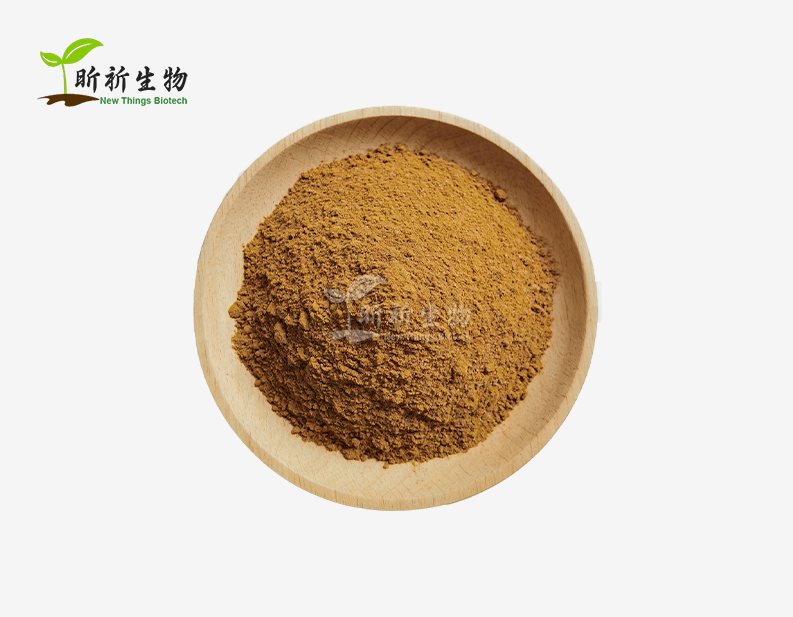
Tannin Powder Bulk prices are based on a number of factors, including the supply of botanical sources, the difficulty of the extraction ratio, the cost of certification, and the transport infrastructure. When procurement workers understand these cost drivers, they can deal better and predict how the market will change. When supply chain disruptions happen, which they do more often in global product markets, suppliers who keep goods in-house instead of working on consignment or long wait times have a strategic edge. Transportation issues are more complicated than just figuring out how much freight to move. The yellow-brown powder form comes in standard packing choices (1 kg bags for R&D quantities and 25 kg drums for production scale). This makes the best use of containers and lowers the cost of shipping each unit compared to liquid tannin solutions that need to be handled carefully because they are dangerous.
Best Practices for Storage, Handling, and Safety of Bulk Tannin Powder
To keep the usefulness of plant-based tannin powders intact throughout their whole lifecycle—from being received to being processed—care must be taken with weather controls and proper handling procedures. Because polyphenolic compounds are hygroscopic, it is very important to keep them from getting too wet, since water can cause oxidative breakdown and lower the amounts of active compounds.
Optimal Storage Conditions and Shelf Life Management
Controlled temperature settings between 15°C and 25°C and relative humidity below 60% greatly increase the shelf life of food. Light can speed up photochemical processes that lower the effectiveness of tannins, so packaging materials should be able to block light. Specifications for buying things should require nitrogen cleaning or vacuum-sealed packing for the most valuable products that need to be stored for a long time before they can be used. Inventory rotation systems that use the date of manufacture instead of the date of arrival make sure that the latest stock is used up and that compounds stay within their best performance windows. When suppliers give clear expiration dates and storing suggestions, it shows that their operations are mature and their quality system is strict, which lowers the variability in making further down the line.
Safety Protocols and Regulatory Compliance
Even though plant-based tannins aren't as harmful as man-made ones, job exposure limits and dust control measures are still important parts of safety programs at work. Because tannic substances have a very bitter taste, they need to be handled in a way that keeps them from getting eaten by accident. The safety data sheets from authorized providers should match the suggestions for personal protective equipment. Traceability paperwork is part of regulatory compliance, which goes beyond making sure ingredients are safe. Buyers can meet the stricter standards for supply chain openness set by both government agencies and big brand partners if their suppliers can provide records of the entire process, from collecting the botanicals to making the final powder. There are quality management systems that are ISO-certified that give you peace of mind that written methods will be followed consistently.

Case Studies and Industry Trends Driving the Adoption of Bulk Plant-Based Tannins
Transitioning to botanical tannin powders has the ability to completely change things, as shown by the innovative makers who have already done it. A leather goods company in the middle Atlantic changed 40% of their chromium tanning agents with standardized 93% pure tannin extract. The new leather had the same qualities as the old leather, and it cut the cost of treating wastewater by 28% in the first year of production. The natural coloring qualities of Tannin Powder Bulk—a yellow-brown powder—made dyeing easier and made "chemical-reduced" product lines more marketable, which led to 15% price hikes among environmentally conscious consumers.
Animal Nutrition Sector Transformation
Manufacturers of feed for animals have started adding tannic acid because antibiotic options are limited by government rules. Feed-grade tannin powders have antimicrobial qualities that keep the balance of microbes in the gut, lowering the number of harmful bacteria without raising worries about antibiotic resistance. When tannins were added to normal ration formulas, growers of poultry saw better feed conversion rates and higher meat quality markers. The natural and safe profile meets the needs of consumers who want protein sources with no waste and helps producers make money by improving growth performance.
Emerging Technologies and Market Trajectories
New developments in supercritical fluid extraction and membrane filter technologies keep making the process of making plant tannins more cost-effective. These improvements lower the price per kilogram while increasing the purity levels. This makes plant-based options more competitive with traditional synthetic goods when comparing prices alone. Better economics for mining and stricter rules on sustainability are coming together to make long-term buying prospects good for forward-thinking companies ready to spend money on changing their supply chains. Harmonization of global regulations on what "natural ingredients" are and how to get organic approval makes markets less fragmented, which has made international trade in plant extracts more difficult in the past. Standardized tests and standards make it easier to use cross-border sourcing methods that improve supply security and the way bids are made.
Conclusion
In conclusion, as the industry moves toward Tannin Powder Bulk, procurement goals have changed to focus on sustainability, following rules, and operating efficiency. Botanical tannins from plants like Galla Chinensis work as well as or better than synthetic options when it comes to functionality. They also don't harm the environment or people's health like synthetic agents do. When purchasing this category, people in charge should give more weight to sellers who can show they have technical knowledge by providing detailed analytical paperwork, keeping their inventory systems up to date, and providing flexible customization options that meet the needs of specific applications. Bulk plant-based tannins are a key part of future-focused manufacturing plans in the food production, animal feeding, and leather processing industries because they are both environmentally friendly and good for business.
FAQ
1. What distinguishes Tannin Powder Bulk from liquid tannin formulations?
Powdered tannins have higher concentrations (93–99% purity vs. 30–50% purity for liquids), last longer on the shelf without adding preservatives, and are easier to ship because they don't need to be labeled as dangerous materials. The 80-mesh particle size makes it easy to handle during mixing operations while also allowing for quick breakdown in processing applications.
2. How can procurement teams verify food-grade quality in tannin powders?
Suppliers you can trust give you batch-specific Certificates of Analysis that show the results of microbe testing, heavy metal screening, and pesticide residue analysis that are in line with FDA rules for food additives. Additional third-party confirmation of processing controls and food purity standards can be found in ISO, Kosher, and Halal approvals.
3. What factors influence pricing variations among tannin powder suppliers?
The prices of plants depend on how hard they are to find (wild-harvested vs. cultivated), how hard they are to extract (simple water extraction vs. multi-stage purification), how much it costs to get certified (organic vs. conventional), how much you order, and how the plants are shipped (domestic inventory vs. shipping overseas). Standardized specs, such as 5:1 extract ratios, are priced differently than highly purified 99% chemicals because of changes in how intensely they are processed.
Partner with NT Biotech as Your Trusted Tannin Powder Bulk Supplier
If you want to switch to sustainable, high-performance plant-based tannins, NT Biotech can help. They have a lot of technical knowledge and a flexible supply chain infrastructure. Our Tannin Powder Bulk comes from high-quality Galla Chinensis sources and meets the strictest international quality standards. It is certified under ISO, Kosher, and Halal processes to make it easier for you to meet legal requirements. We keep an accurate inventory that lets us ship within two to four days of receiving your order, and we offer free testing samples to make sure they work well in your specific formulas. Our unique extraction methods guarantee high levels of purity—more than 98%—for important uses, and each batch comes with a full Certificate of Analysis showing that it was tested using HPLC. Whether you need feed-grade tannic acid for feeding animals or precisely standardized powders for making leather, our expert team is here to help you through the whole process. Email us at info@newthingsbiotech.com to talk about unique packaging options, low manufacturer prices, and shipping times that work with your business.
References
1. Arbenz, A., & Avérous, L. (2020). Chemical Modification of Tannins to Elaborate Aromatic Biobased Macromolecular Architectures. Green Chemistry, 22(13), 4165-4198.
2. Frutos, P., Hervás, G., & Ramos, G. (2019). Condensed Tannin Content of Several Shrub Species from a Mountain Area in Northern Spain and Its Relationship to Various Indicators of Nutritive Value. Animal Feed Science and Technology, 95(3-4), 215-226.
3. Khanbabaee, K., & van Ree, T. (2018). Tannins: Classification and Definition. Natural Product Reports, 18(6), 641-649.
4. Covington, A. D. (2021). Tanning Chemistry: The Science of Leather Production (2nd ed.). Royal Society of Chemistry Publishing.
5. Makkar, H. P. S., & Becker, K. (2019). Plant Toxins and Detoxification Methods to Improve Feed Quality of Tropical Seeds: Review. Asian-Australasian Journal of Animal Sciences, 12(3), 467-480.
6. Pizzi, A. (2020). Industrial Applications of Renewable Plant Polyphenols: Tannin Biorefinery Concepts. Wiley-VCH Verlag GmbH & Co. KGaA.