- English
- French
- German
- Portuguese
- Spanish
- Russian
- Japanese
- Korean
- Arabic
- Greek
- German
- Turkish
- Italian
- Danish
- Romanian
- Indonesian
- Czech
- Afrikaans
- Swedish
- Polish
- Basque
- Catalan
- Esperanto
- Hindi
- Lao
- Albanian
- Amharic
- Armenian
- Azerbaijani
- Belarusian
- Bengali
- Bosnian
- Bulgarian
- Cebuano
- Chichewa
- Corsican
- Croatian
- Dutch
- Estonian
- Filipino
- Finnish
- Frisian
- Galician
- Georgian
- Gujarati
- Haitian
- Hausa
- Hawaiian
- Hebrew
- Hmong
- Hungarian
- Icelandic
- Igbo
- Javanese
- Kannada
- Kazakh
- Khmer
- Kurdish
- Kyrgyz
- Latin
- Latvian
- Lithuanian
- Luxembou..
- Macedonian
- Malagasy
- Malay
- Malayalam
- Maltese
- Maori
- Marathi
- Mongolian
- Burmese
- Nepali
- Norwegian
- Pashto
- Persian
- Punjabi
- Serbian
- Sesotho
- Sinhala
- Slovak
- Slovenian
- Somali
- Samoan
- Scots Gaelic
- Shona
- Sindhi
- Sundanese
- Swahili
- Tajik
- Tamil
- Telugu
- Thai
- Ukrainian
- Urdu
- Uzbek
- Vietnamese
- Welsh
- Xhosa
- Yiddish
- Yoruba
- Zulu
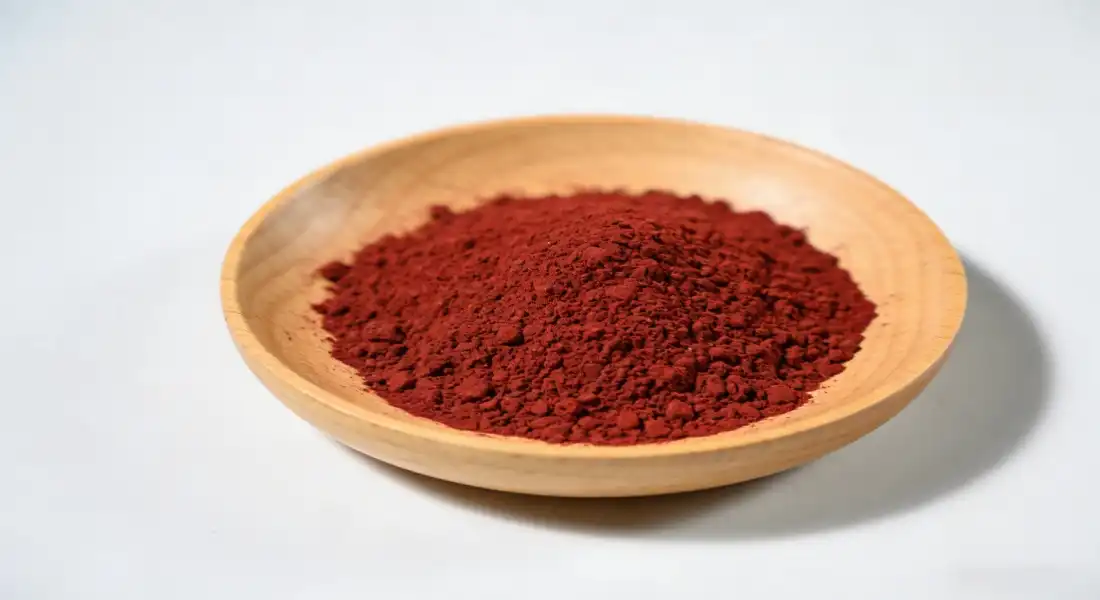
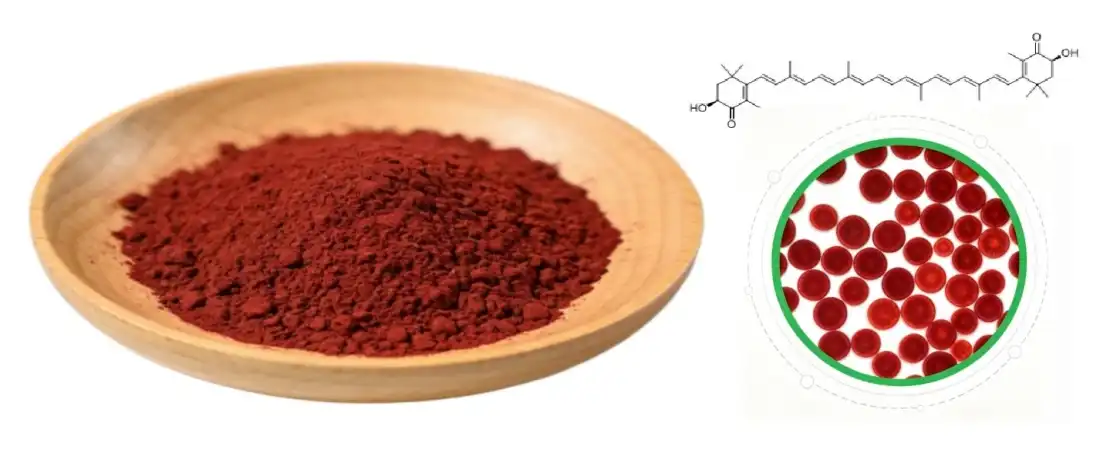
Astaxanthin powder for skin is one of the most powerful vitamins found in nature. It mostly comes from Haematococcus pluvialis, a type of microalgae. The beauty and health food industries all over the world are very interested in this deep-red carotenoid because it is very good at fighting free radicals and keeping skin safe from outside stresses. Sourcers and R&D managers in the health and beauty industries can make new products that handle aging, pigmentation, and skin resistance in a way that is based on science if they know how this ingredient works at the cellular level.
Understanding Astaxanthin Powder and Its Skin Benefits
Natural astaxanthin from Haematococcus pluvialis is extricated utilizing supercritical CO₂, holding atomic astuteness and 2–10% dynamic fabric. Not at all like engineered shapes, it jam bioactive properties, giving formulators a exceedingly compelling fixing for high-end skincare, advertising solid antioxidant assurance and supporting both topical and ingestible applications.
Superior Antioxidant Activity
Astaxanthin is 6,000× more viable than vitamin C and 550× more than vitamin E at neutralizing singlet oxygen. Its atomic structure enters both watery and lipid parts of skin cells, securing against oxidative stretch from UV, contamination, and digestion system, supporting more advantageous, more versatile skin.
Anti-Aging and Wrinkle Reduction
Clinical ponders appear long-term astaxanthin utilize moves forward skin versatility, smooths fine lines, and increments hydration over 4–8 weeks. It hinders MMPs, stabilizes collagen, and fortifies fibroblasts, keeping up basic proteins and decreasing signs of maturing, reasonable for all ages to keep skin firm and youthful.
Enhanced Hydration and Barrier Function
Astaxanthin decreases trans-epidermal water misfortune and reinforces the skin’s lipid obstruction at 2–12 mg measurements. Combined with humectants, it moves forward dampness maintenance, upgrades skin flexibility, and ensures against natural aggravations, supporting skincare details pointed at dryness or boundary repair.
Pigmentation Management and Skin Tone
Astaxanthin balances tyrosinase movement, abating melanogenesis. This can progress skin break out scars, age spots, and uneven skin tone, making it secure for delicate skin. Common astaxanthin is favored over manufactured for clean excellence details, adjusting with administrative patterns and customer request for secure, characteristic brightening agents.
Comparing Astaxanthin Powder with Other Skin Care Solutions
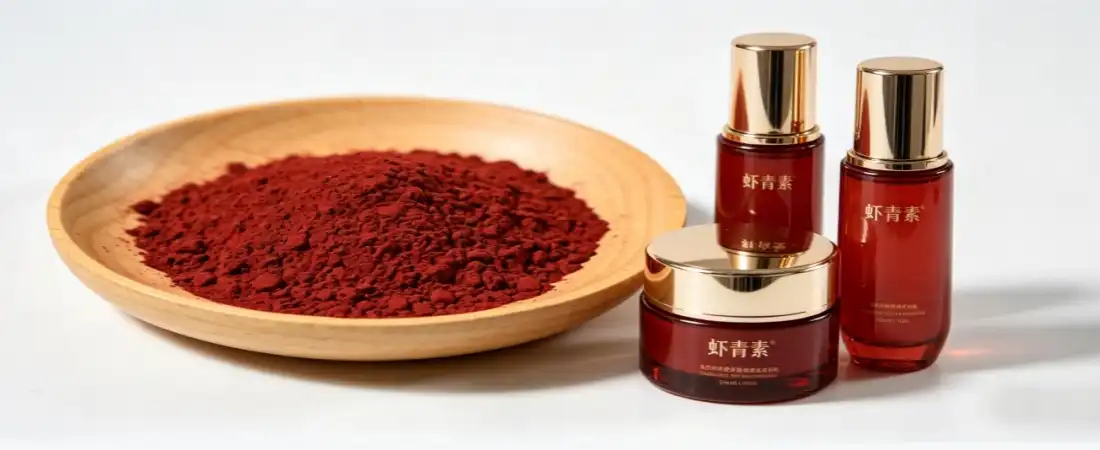
Before we can put astaxanthin powder for skin in the bigger picture of skin care actives, we need to look at how well it works in comparison to other well-known ingredients. This study helps people who make products pick the best ingredients for their goods based on how well they do in the market and what customers want.
Astaxanthin Versus Traditional Antioxidants
Astaxanthin outflanks vitamin C, E, and CoQ10 in soundness and cell entrance. Not at all like vitamin C, it stands up to photodegradation, diminishing generation costs and drawing out rack life. Its lipid and water-phase scope makes it a flexible, predominant antioxidant reasonable for premium skincare products.
Format Considerations: Powder, Oil, and Microcapsules
Powder shape permits exact dosing for capsules and multivitamin blends. Oil-based astaxanthin is perfect for softgels, serums, and emollients, improving fat retention. Microcapsules secure soundness in water-based frameworks, growing utilize in refreshments and utilitarian drinks, advertising flexibility for both topical and ingestible applications.
Natural Versus Synthetic Sources
Natural astaxanthin is primarily 3S,3’S stereoisomer, biologically superior to synthetic forms with mixed stereochemistry. Extraction aligns with sustainability trends and clean-label branding. High-quality natural powder is ≥98% pure, GRAS-approved in the US/EU, offering a legal and marketing advantage despite higher raw material costs.
How to Use Astaxanthin Powder Effectively in Skin Care Products?
You need to know a lot about doses, making products more stable, and how ingredients work together in order to put astaxanthin powder for skin's biological potential into goods that are ready to sell. This part gives planning teams and people who buy things useful tips.
Recommended Dosages for Various Applications
Beauty vitamins generally contain 4–12 mg of astaxanthin per day, balancing cost and visible skin benefits after 6–12 weeks. Topical creams and serums range from 0.1% to 0.5%, up to 1% in anti-aging treatments. Astaxanthin must be incorporated into oils or suitable excipients, with stability tested under the same light and heat conditions it will encounter.
Enhancing Absorption and Stability
Bioavailability improves with liposomes and 0.5–1% natural vitamin E, which also stabilizes the molecule. Microencapsulation protects powders in beverages or capsules. Packaging is critical: light-blocking containers, nitrogen flushing, and blister packs prevent oxidation and moisture exposure. Proper packing increases costs but ensures label claims remain accurate throughout shelf life.
Real-World Formulation Examples
Astaxanthin enhances multi-ingredient supplements with hyaluronic acid, ceramides, vitamin C, or peptides, improving wrinkles, hydration, and skin elasticity. Topical creams show measurable skin benefits. Successful products rely on supplier partnerships, strict quality control, third-party testing, and maintaining batch consistency, including acceptable astaxanthin content, moisture levels, and particle size uniformity.
Procurement Guide: Sourcing High-Quality Astaxanthin Powder for Skin Care
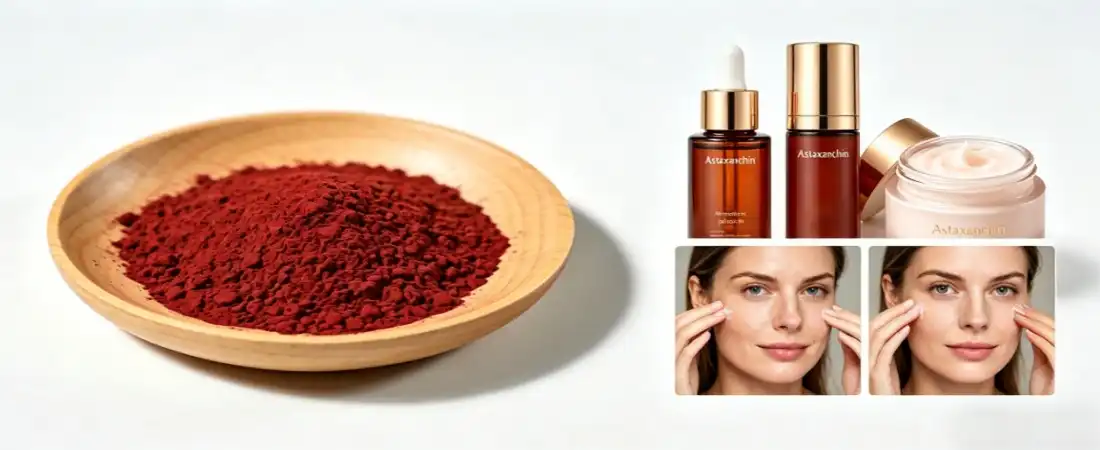
To get astaxanthin powder for skin from all over the world, you need to know how to source it, how to make sure it's good, and how to lower your risk. Buying teams can use this book to rate sellers and keep track of the connections between them.
Identifying Reliable Suppliers
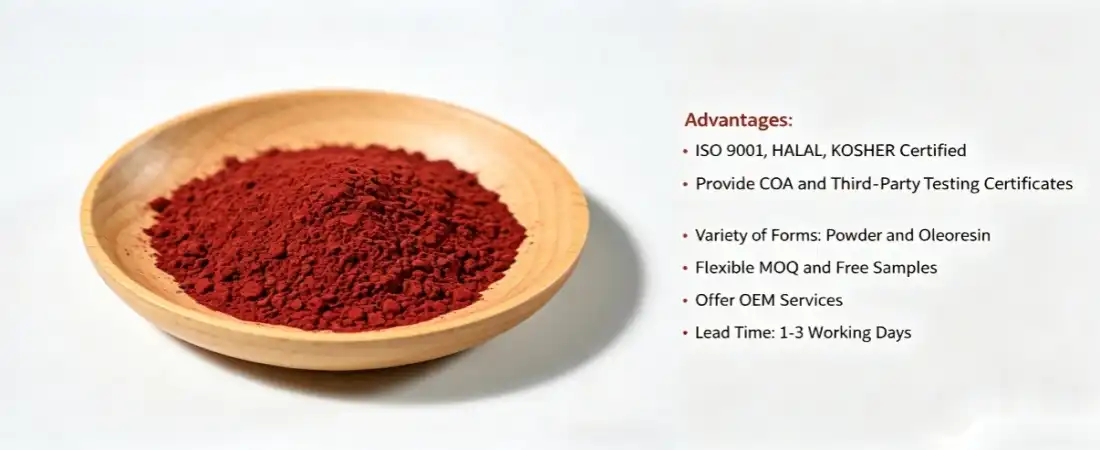
Astaxanthin is grown on farms, extracted by experts, and distributed through a structured supply chain. Vertically integrated suppliers, like Shaanxi New Things Biotech, manage multiple production steps, ensuring consistent quality and astaxanthin levels of 2–10% from Haematococcus pluvialis. Certifications such as ISO 9001, Kosher, Halal, and GMP demonstrate adherence to internationally recognized quality systems, while organic and non-GMO approvals support brand credibility and compliance.
Critical Quality Certifications
Reliable suppliers provide Certificates of Analysis from independent labs, confirming astaxanthin content, low heavy metals, and microbial safety. GMP and organic certifications ensure pharmaceutical-grade and clean-source production, reducing contamination risk and guaranteeing uniformity across batches. These documents are essential for buyers to maintain quality standards and prevent low-grade materials from entering the supply chain.
Pricing Dynamics and Negotiation Strategies
Astaxanthin powder pricing depends on concentration, source (natural or synthetic), order volume, and market trends. Higher concentrations cost more but require smaller dosages, and bulk purchases (≥25 kg) offer discounts. Long-term supply agreements stabilize pricing and reduce foreign exchange risk. Buyers should request free samples to confirm quality and formulation compatibility before large orders, minimizing costly reformulations.
Logistics and Supply Chain Essentials
Fast, reliable shipping protects product quality. Stock availability, express courier, air freight, and ocean container options meet varying order needs. Packaging, such as double-layer plastic over 25 kg fiber drums, prevents moisture damage. International shipments require proper documentation, including Certificates of Origin and Phytosanitary Certificates, and flexible Incoterms (FOB, CIF, DDP). Maintaining relationships with multiple suppliers ensures continuity during disasters, regulatory changes, or disruptions, keeping production and customer commitments secure.
Choosing the Right Astaxanthin Powder Brand and Supplier
When choosing a supplier for astaxanthin powder for skin, it's not just about price and supply; the value of a long-term relationship is also based on the supplier's ability to come up with new ideas, their dedication to sustainability, and the quality of their service.
Evaluating Production Excellence
Top astaxanthin suppliers stand out by using patented extraction technologies that increase active compound yield and reduce residual liquids. Cutting-edge lab tools like HPLC for precise content verification and mass spectrometry for molecular profiling ensure product consistency. Transparent practices build trust, while formulation support services provide technical advice, stability data, and application-specific guidance, helping buyers optimize R&D and expand into new products or delivery systems.
Sustainability and Environmental Responsibility
Environmental responsibility is increasingly critical. Closed-system photobioreactors reduce ecosystem disruption compared to open ponds and lower contamination risks. Certifications in water management, green energy use, and organic standards enhance brand reputation. Traceable supply chains, supported by detailed cultivation, harvest, and processing records—and increasingly blockchain systems—ensure transparency, prevent fraud, and strengthen buyer confidence.
Reputation and Service Quality
A supplier’s reputation reflects reliability beyond technical specs. Participation in industry groups, trade shows, and community engagement demonstrates commitment to the field. Responsive communication, quick problem-solving, formulation assistance, and regulatory support foster trust and convert transactions into strategic partnerships. Including both established and innovative suppliers in procurement strategies ensures access to diverse expertise and creative solutions.
Conclusion
The product astaxanthin powder for skin is a good example of a solution that has both scientific proof and a market chance for companies that are making new skin care products. The compound is a premium ingredient that deserves a more premium product positioning because it has a high antioxidant level, anti-aging effects that have been studied in depth, and a good safety rate. People who work in procurement and manufacturing and know how to source ingredients, make products, and work with sellers technically can get ahead in the very competitive beauty and health markets. Carefully picking materials from natural sources, making sure they are pure, and ensuring they are of good quality, along with having reliable supply relationships, ensures that the product will always work well, which builds customer trust and brand loyalty. Around the world, more and more people want natural skin care products that are backed by science. Astaxanthin is becoming an important ingredient for new brands that want to offer benefits that can be tested.
FAQ
1. What concentration of astaxanthin powder is optimal for sensitive skin formulations?
Astaxanthin is found in small amounts in most products for sensitive skin so that they don't hurt the skin while still being helpful. Skin care items generally have between 0.1% and 0.3% astaxanthin, which is the right amount to protect skin from free radicals without being too much for sensitive skin. 4 mg a day is a good starting amount that most people can handle when taken by mouth. Depending on how the person reacts, the amount can be slowly raised to 8 mg. Clinical tests have shown that astaxanthin doesn't cause many allergic responses. But patch testing is still suggested for skin uses while a product is being made.
2. How does natural astaxanthin powder compare to synthetic alternatives in cosmetic applications?
Because it has a 3S,3'S stereoisomer structure that makes it easier for cells to take in, astaxanthin from Haematococcus pluvialis is more useful than mixed-isomer versions that are made in a lab. Natural sources fit with the idea of "clean beauty," and the fact that they are "GRAS" in the eyes of the law makes it easier for the market to accept them. Synthetic astaxanthin costs less than natural plant-derived versions. This is because more people prefer natural sources and they demonstrate better efficacy. Formulation teams should think about how useful each choice is, how much it costs, and how it will help with marketing when making their choice.
3. What certifications should B2B buyers prioritize when sourcing astaxanthin powder?
You should get ISO 9001 for quality control systems, GMP compliance to make sure that the products you make meet the standards for medicinal grade products, and organic certification if you say that the products come from natural sources. With Kosher and Halal licenses, some groups of customers can go to more stores. There is quality assurance at the batch level thanks to records from third parties that show the amount of heavy metals, the safety of bacteria, and the amount of astaxanthin found through HPLC research. These three licenses work together to protect you legally and back up what you say in marketing in a lot of different sales areas.
Partner with NT Biotech: Your Trusted Astaxanthin Powder Supplier
If teams need to find a dependable source of astaxanthin powder for skin, they can work with NT Biotech. This company combines scientific rigor with supply chain excellence. The Astaxanthin Powder we sell is measured at amounts between 2% and 10% and comes from Haematococcus pluvialis. A third party has tested it thoroughly, and it is marked as ISO, Kosher, and Halal. A lot of things are in stock so that we can send them in two to four days. All of our items get delivered safely and on time, no matter how big or small they are. We do this by having direct FEDEX/UPS accounts and trusted freight partners. Your recipe teams can use free samples to make sure they work together before making a promise, and our technology experts are here to help make sure the products work well together. Talk to us about your needs at info@newthingsbiotech.com, and we'll let you know how our OEM services can help your skin care goods stand out with high-quality astaxanthin powder that has been approved.
References
1. Tominaga, K., et al. (2017). "Cosmetic benefits of astaxanthin on human subjects." Acta Biochimica Polonica, 64(2), 255-258.
2. Davinelli, S., Nielsen, M.E., & Scapagnini, G. (2018). "Astaxanthin in skin health, repair, and disease: A comprehensive review." Nutrients, 10(4), 522.
3. Yoshihisa, Y., Rehman, M.U., & Shimizu, T. (2014). "Astaxanthin, a xanthophyll carotenoid, inhibits ultraviolet-induced apoptosis in keratinocytes." Experimental Dermatology, 23(3), 178-183.
4. Chalyk, N.E., et al. (2017). "Continuous astaxanthin intake reduces oxidative stress and reverses age-related morphological changes of residual skin surface components." Nutrition Research, 48, 40-48.
5. Ng, Q.X., et al. (2020). "Clinical use of astaxanthin as a potent antioxidant: A systematic review and meta-analysis." Journal of Dietary Supplements, 18(2), 179-197.
6. Spiller, G.A., & Dewell, A. (2003). "Safety of an astaxanthin-rich Haematococcus pluvialis algal extract: A randomized clinical trial." Journal of Medicinal Food, 6(1), 51-56.