- English
- French
- German
- Portuguese
- Spanish
- Russian
- Japanese
- Korean
- Arabic
- Greek
- German
- Turkish
- Italian
- Danish
- Romanian
- Indonesian
- Czech
- Afrikaans
- Swedish
- Polish
- Basque
- Catalan
- Esperanto
- Hindi
- Lao
- Albanian
- Amharic
- Armenian
- Azerbaijani
- Belarusian
- Bengali
- Bosnian
- Bulgarian
- Cebuano
- Chichewa
- Corsican
- Croatian
- Dutch
- Estonian
- Filipino
- Finnish
- Frisian
- Galician
- Georgian
- Gujarati
- Haitian
- Hausa
- Hawaiian
- Hebrew
- Hmong
- Hungarian
- Icelandic
- Igbo
- Javanese
- Kannada
- Kazakh
- Khmer
- Kurdish
- Kyrgyz
- Latin
- Latvian
- Lithuanian
- Luxembou..
- Macedonian
- Malagasy
- Malay
- Malayalam
- Maltese
- Maori
- Marathi
- Mongolian
- Burmese
- Nepali
- Norwegian
- Pashto
- Persian
- Punjabi
- Serbian
- Sesotho
- Sinhala
- Slovak
- Slovenian
- Somali
- Samoan
- Scots Gaelic
- Shona
- Sindhi
- Sundanese
- Swahili
- Tajik
- Tamil
- Telugu
- Thai
- Ukrainian
- Urdu
- Uzbek
- Vietnamese
- Welsh
- Xhosa
- Yiddish
- Yoruba
- Zulu
For companies looking for dependable, high-potency raw materials, navigating the astaxanthin powder bulk buying market requires informed decision-making. This guide gives procurement workers the tools they need to look at a supplier's skills, check the details of a product, and choose natural keto-carotenoid powders that are sure to meet strict legal and formulation standards. Knowing how to get bulk astaxanthin is important for making sure the quality of your products and setting them apart in the market, whether you're making food supplements, functional cosmetics, or feed additives. We'll show you how to improve your supply chain by going over quality standards, criteria for evaluating suppliers, and best practices for buying things.
Understanding Astaxanthin Powder Bulk
What Is Astaxanthin and Why Does Sourcing Matter?
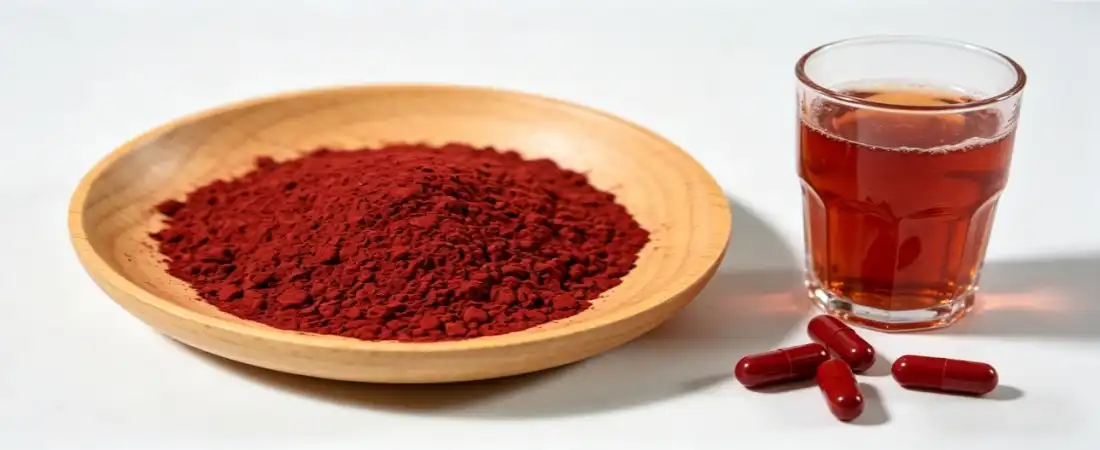
Astaxanthin is a ketone carotenoid that is found naturally and is mostly taken from Haematococcus pluvialis microalgae. People call it the "King of Carotenoids," and its antioxidant power is about 6,000 times greater than Vitamin C's. This makes it a popular ingredient in both nutraceuticals and cosmetics. The powder form, which usually comes in amounts between 2% and 10%, gives formulators a lot of options for using it in different ways, such as in softgel capsules, functional beverage formulations, and topical skin care products.
Astaxanthin that comes from microalgae is biologically active because it has the (3S,3'S) stereoisomer, which has been linked to anti-inflammatory effects and photoprotection in clinical studies. Synthetic versions, on the other hand, that come from industrial processes produce a racemic mixture that is less bioavailable. To make sure the stereoisomers are real, procurement teams must look closely at the origin paperwork and ask for Chiral HPLC analysis. This difference has a direct effect on how well the product works and how much people believe it, especially in markets that value clean labels.
Health Benefits and a Wide Range of Uses
Researchers have found that astaxanthin helps lower oxidative stress, keep joints healthy, and make skin more elastic. Studies in peer-reviewed journals show that taking 4–12 mg every day for eight weeks makes the skin more hydrated and reduces fine lines. Based on these results, bulk astaxanthin powder should be used as a main ingredient in anti-aging products and nutricosmetics.
The powder shape works well with a wide range of industrial processes. Because it flows better, companies that make dietary supplements like using it to crush tablets and fill capsules. It is stable in emulsion systems, which is why cosmetic R&D teams like it. It can be used as both an active agent and a natural colorant. Formulators of animal feed add it to aquafeed to help fish and shrimp get darker colors. Because it can be used in many different industries, bulk astaxanthin is a smart investment for brands that want to expand their product lines.
Dosage and Safety Considerations
Different places have different rules about how much is allowed, but data shows that people can safely take up to 12 mg per day. Formulators have to figure out exact inclusion rates based on the concentration of the powder. For example, 80 mg of a 5% astaxanthin powder gives you 4 mg of the active compound. Suppliers of good quality give thorough Certificates of Analysis (CoA) that list assay levels via HPLC, which lets you do accurate formulation estimates.
The drug's safety rating is still strong, and even at higher doses, clinical studies have shown that it has few side effects. But brands need to make sure that their sources test for heavy metals, microbial contaminants, and chemical leftovers with a third party. This care keeps the supply chain safe and is in line with FDA cGMP rules for dietary supplements and EU Novel Food rules.
Comparing Astaxanthin Powder Bulk Options for Smart Purchasing
Format Comparison: Powder Versus Alternatives
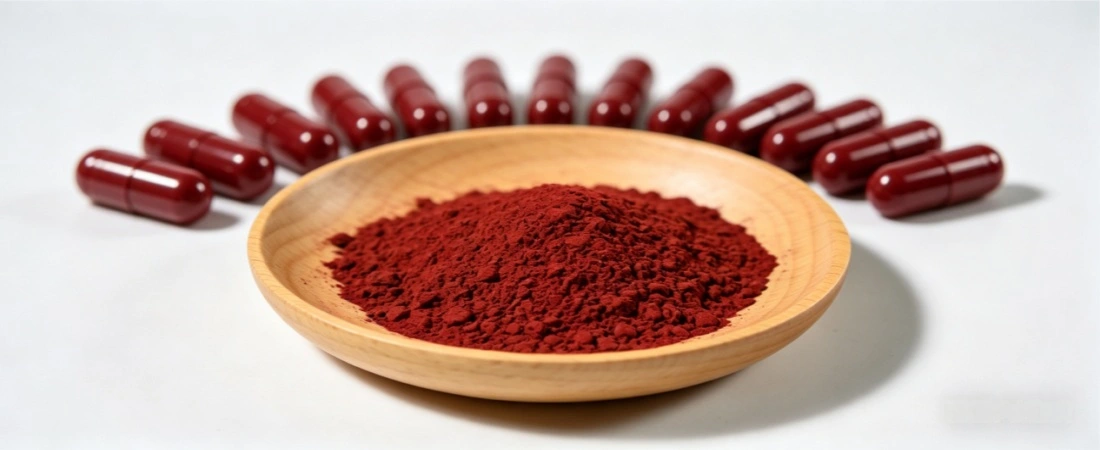
People who work in procurement often compare astaxanthin powder bulk to other ways of delivering drugs, such as oleoresin solutions and cold-water-dispersible beadlets. Powder forms are the most cost-effective and flexible because they can handle being processed at high temperatures and can be mixed with dry ingredients without separating the phases. Oleoresins have better solubility because they are carried by lipids, but they are hard to formulate in water-based systems and need special care to keep them from oxidizing.
Cold-water-dispersible (CWD) beadlets get around problems with solubility by encasing astaxanthin in starch or gum arabic. These work well in functional drinks and stick packs, and the color stays the same from pH 3.0 to 7.0. But because they go through more steps of processing, CWD forms cost more—often 30–40% more than regular powder. Brands that want to make ready-to-drink drinks should set aside enough money and know that steady, aesthetically pleasing formulas are popular with customers.
Natural Versus Synthetic: Quality and Market Perception
The price of natural astaxanthin from Haematococcus pluvialis is higher, but the marketing stories are better. Consumer study shows that 68% of supplement buyers prefer natural sources over manufactured ones. Natural forms are also more stable in lipid environments, which means they are less likely to break down due to oxidation in omega-3 combination products, which is a popular way to make supplements for joint health.
Chemical processing makes synthetic astaxanthin, which costs about 40% less but comes with image risks in high-end markets. Both types are legal according to the European Food Safety Authority, but the claim that natural astaxanthin comes "from algae" appeals more to people who care about their health. Sourcing choices need to be in line with how the brand is positioned. For example, cheap stores may accept synthetic inputs, but high-end health brands need to make sure their sources are natural.
Critical Quality Metrics and Documentation
Full paperwork is needed to evaluate suppliers. For every batch, ask for the following:
- HPLC Assay Reports: Confirming the amount of astaxanthin with a difference of less than 5% from what the label says.
- Stereoisomer Analysis: Checking the majority of the (3S,3'S) isomer in natural goods using stereoisomer analysis.
- Microbial Testing: The total plate count was less than 1,000 CFU/g, and the yeast/mold count was less than 100 CFU/g.
- Heavy Metal Screening: Screening for heavy metals: lead less than 0.5 ppm and cadmium less than 0.5 ppm, as required by USP.
- Allergen Declarations: Brands that want to sell to people who are sensitive to allergens need to include allergy statements.
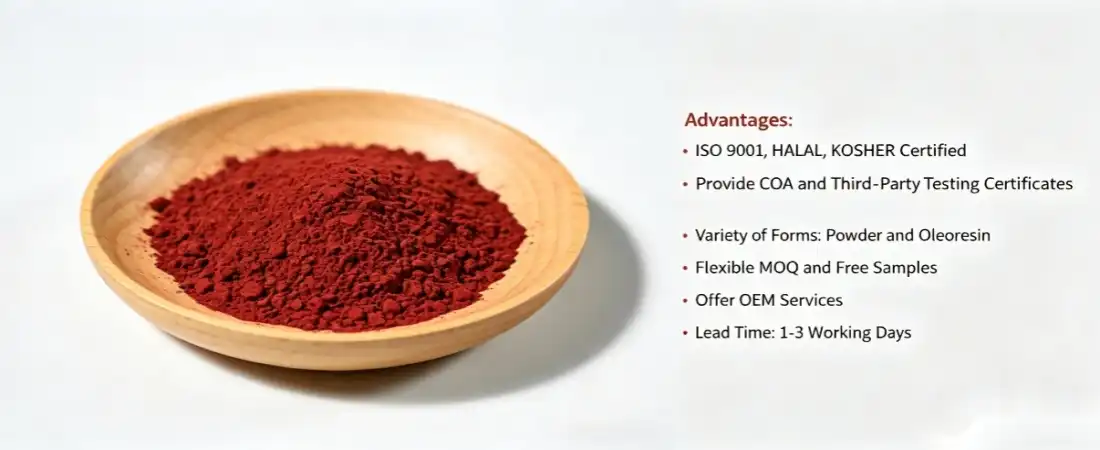
Good providers, like Shaanxi New Things Biotech, include a Certificate of Analysis (CoA) with every package. This is because they are ISO 9001 certified. This openness makes compliance checks easier and speeds up the time it takes to get new products on the market.
Navigating the Procurement Process of Astaxanthin Powder Bulk
Identifying Reputable Suppliers
China makes most of the world's astaxanthin because it has the most advanced infrastructure for growing plants and the most cost-effective methods for extracting the chemical. When compared to open-pond systems, closed-loop photobioreactors used by major providers reduce the chance of contamination. When checking out Chinese makers, look for building certifications like GMP, ISO 9001, Kosher, and Halal. These show that the business is mature and ready to sell.
Global buying teams should give more weight to sellers who offer expert help in addition to selling goods. This plan is shown by Shaanxi New Things Biotech, which helps clients improve product performance by giving formulation advice and stable testing data. Partnering in this way cuts down on the time it takes to develop new products and the number of recipe fails that happen in relationships where people buy goods.
Understanding Pricing and MOQ Structures
The price of bulk astaxanthin changes depending on the quantity, the way of extraction, and the size of the order. Standard 2% powder costs $400 to $600 per kg for 25 kg orders, and 10% concentrates cost $1,200 to $1,800 per kg. Supercritical CO2 extraction, which is best for pharmaceutical-grade uses, raises costs by 20–30% but gets rid of worries about solvent waste.
The costs of production are reflected in minimum order numbers. Shaanxi New Things Biotech keeps its MOQ at 25 kg, which makes it easy for new brands to get their products while also keeping operations running smoothly. Larger buyers who negotiate contracts for 500 kg or more get bulk savings of 15 to 25 percent. This makes strategic inventory planning financially beneficial for established supplement lines with steady demand curves.
Logistics and Delivery Considerations
Astaxanthin is sensitive to temperature, so it needs special shipping. Reliable sellers put powder in metal foil bags that are flushed with nitrogen to keep it from going bad during shipping. For small orders, express shipping through FedEx or UPS keeps the cold chain intact. Ocean freight containers use temperature loggers to keep track of storage conditions during 30–40 day journeys.
Shaanxi New Things Biotech's delivery system strikes a good mix between speed and low cost. Once payment is received, stock things are shipped within two to four days, meeting pressing needs for reformulation. Custom production orders are finished in 3–10 working days, which includes getting the raw materials, extracting them, having them tested by a third party, and packing them. This quick turn-around sets responsive sellers apart from commodity traders who don't have control over production.
The company accepts multiple currencies for payments, which makes things even easier for buyers in North America by getting rid of the complicated foreign exchange rules that make cross-border deals harder. With different shipping choices, like express for samples, air freight for pilot batches, and sea freight for production amounts, this organizational freedom helps a range of buying strategies.
Decision-Making Framework for B2B Buyers of Astaxanthin Powder Bulk
Evaluating Purity and Concentration Levels
Concentration choice depends on how much it costs to make and how well it can be processed. For astaxanthin powder bulk, powders with a lower concentration (2–5%) work well for high-volume uses like animal feed, where the cost per piece is what drives the choice to buy. Higher concentrations (10% or more) help softgel formulas that are limited on space by lowering the weight of the ingredients per tablet while still meeting dose goals.
Beyond the amount of astaxanthin, purity also includes the make-up of the transport material. Some sellers water down the active ingredient with maltodextrin or starch to get the amounts they want, which can affect how well it flows and how long it lasts on the shelf. Ask carriers to fully disclose all ingredients and make sure they follow clean-label rules. This is especially important for organic-certified product lines.
Balancing Cost Efficiency With Quality Assurance
Buying things based on price comes with secret risks. Cheaper than supercritical CO2 solvent extraction, missing microbial testing, or mixing synthetic astaxanthin into natural materials are ways that low-quality providers save money. These actions come to light during government inspections or customer complaints, which leads to expensive product returns and damage to the brand.
Set up source scorecards that give quality metrics and price metrics the same amount of weight. Trending CoA data, on-time delivery performance, and quick responses to technical questions can help you keep track of batch-to-batch consistency. Shaanxi New Things Biotech's promise to answer questions within two hours and provide full technical paperwork is an example of the kind of service standards that make buying things less risky.
Building Long-Term Supply Partnerships
When there aren't enough raw materials or there are quality issues, transactional seller ties make you vulnerable. Supply chain robustness comes from strategic relationships with providers that are tightly integrated. Companies that handle farming, extraction, and quality tests are more open and can solve problems faster than trade middlemen.
Find providers that are putting money into research and development and new ways of doing things. Competitive benefits come from using unique extraction methods that increase output while maintaining the integrity of stereoisomer. The fact that Shaanxi New Things Biotech focuses on top grades with purity levels above 98% shows technical difference that leads to better end-product performance.
Best Practices for Bulk Astaxanthin Powder Buyers
Proper Storage and Handling Protocols
Because astaxanthin is easily damaged by light, air, and heat, it needs to be stored in a very specific way. As soon as you get the powder, put it in amber glass cases or foil bags that have been vacuum-sealed. Store it below 25°C. UV light speeds up the breakdown process, so warehouses should use LED lighting and storage bins that are dark.
Set up first-in, first-out (FIFO) inventory rotation methods, especially for sales that cover more than one production batch. Date-code all packages that come in, and test the security of old stock every three months. This method finds degradation trends before they hurt the quality of the finished product, which protects the brand's image and makes sure that regulations are followed.
Transportation and Shelf Life Management
Standard bulk astaxanthin powder stays effective for 24 to 36 months when kept in the right circumstances. But delays in transportation in wet places or changes in temperature during port storage speed up the breakdown. In buy deals, make sure that climate-controlled shipping is included, and ask for temperature logger data upon delivery to make sure that the cold chain is being maintained.
When bringing goods from Asia to North America, you should allow 45 to 60 days for production, quality testing, export paperwork, and shipping across the ocean. Safety stock plans should protect against problems with the supply chain. Keeping 90–120 days of inventory on hand keeps you from running out of stock during busy times of the year or when there are unexpected delays in shipping.
Regulatory Compliance and Import Requirements
Imports into the United States must follow FDA cGMP rules for food supplements (21 CFR Part 111). Make sure that sellers give you Proof of Compliance for Food Additive Status and Supplement Fact Panel data to back up their claims. Kosher and Halal approvals allow more specialty stores to sell your products, while organic recognition means higher prices but fewer source choices.
Novel Food Regulations in the European Union control how astaxanthin is used, and new uses need to be approved before they can go on the market. Make sure that providers know what the standards are for the final market and can provide the necessary paperwork for customs clearance. The ISO, Kosher, and Halal licenses that Shaanxi New Things Biotech has made it easier to follow the rules in many different places.
Conclusion
Natural vs. synthetic sources, concentration levels, seller dependability, and total cost of ownership must all be taken into consideration when sourcing astaxanthin powder bulk. Brands that care about quality choose providers that have clear documentation, advanced extraction tools, and quick expert support. Even though it costs more, natural astaxanthin from Haematococcus pluvialis has better bioactivity and marketing appeal. The quantity you choose should match your formulation goals and dose targets. Partnering with certified, fully integrated suppliers like NT Biotech lowers supply chain risks and speeds up product development, setting up your brand for long-term growth in the health market, which is very competitive.
FAQ
1. What concentration of astaxanthin powder should brands choose?
Concentration choice is based on how the product is designed and how much it needs to cost. A 2-5% powder works well for high-volume uses like functional foods, where lower amounts can be used in bigger serving sizes. When it comes to premium vitamins, 10% concentrates help reduce the size of capsules and the amount of fillers that are used. Figure out how much of each ingredient is needed to give the desired doses, taking bioavailability into account. Lipid-based delivery methods improve absorption compared to dry powder formulas.
2. How can you be sure that natural astaxanthin is real?
Ask for a Chiral HPLC study to confirm that Haematococcus pluvialis sources have a high (3S,3'S) stereoisomer content. Racemic mixes with equal (3R,3'R) and meso forms can be seen in synthetic goods. Also, look at the cultivation records that the seller has. Legitimate makers keep photobioreactors and can give you harvest records. Botanical origin comments on CoAs should talk about algae instead of just "natural sources."
3. Can astaxanthin powder withstand high-temperature processing?
Standard astaxanthin powder breaks down above 60°C, which means it can't be used for baking or high-heat extrusion. Microencapsulated beadlets are more resistant to heat, which keeps the core substance safe during short heat exposures. Softgel encapsulating takes place between 50°C and 55°C, which is a safe temperature range. If your production method includes long periods of thermal processing, ask your providers about heat-stable formulations.
Partner With NT Biotech for Premium Astaxanthin Powder Bulk Supply
NT Biotech is ready to help you find astaxanthin by providing the highest quality standards and putting the needs of the customer first. As a specialist provider of astaxanthin powder bulk, we keep our ISO 9001, Kosher, and Halal certifications up to date and use our own extraction technologies to ensure that our top grades of astaxanthin powder are >98% pure. Standard orders can be delivered in two to four days if they are in stock, and special orders can be finished in one week. This timeliness helps you keep your product launches on schedule.
In addition to supplying goods, we are also your expert partner. With every package, our team includes recipe advice, data from stability tests, and full CoAs. MOQs that are flexible and start at 25 kg can handle new names, and volume discounts reward partnerships that have been around for a while. Free samples let you try before you buy, and the fact that we accept multiple currencies makes foreign purchases easier. You can talk to our procurement experts at info@newthingsbiotech.com about your unique needs and find out how NT Biotech's fully integrated supply chain can give your brand the reliability it needs.
References
1. Ambati, R.R., Phang, S.M., Ravi, S., & Aswathanarayana, R.G. (2014). Astaxanthin: Sources, extraction, stability, biological activities and its commercial applications. Marine Drugs, 12(1), 128-152.
2. Capelli, B., Bagchi, D., & Cysewski, G.R. (2013). Synthetic astaxanthin is significantly inferior to algal-based astaxanthin as an antioxidant and may not be suitable as a human nutraceutical supplement. Nutrafoods, 12(4), 145-152.
3. Higuera-Ciapara, I., Felix-Valenzuela, L., & Goycoolea, F.M. (2006). Astaxanthin: A review of its chemistry and applications. Critical Reviews in Food Science and Nutrition, 46(2), 185-196.
4. Tominaga, K., Hongo, N., Karato, M., & Yamashita, E. (2012). Cosmetic benefits of astaxanthin on humans subjects. Acta Biochimica Polonica, 59(1), 43-47.
5. Yuan, J.P., Peng, J., Yin, K., & Wang, J.H. (2011). Potential health-promoting effects of astaxanthin: A high-value carotenoid mostly from microalgae. Molecular Nutrition & Food Research, 55(1), 150-165.
6. Guerin, M., Huntley, M.E., & Olaizola, M. (2003). Haematococcus astaxanthin: Applications for human health and nutrition. Trends in Biotechnology, 21(5), 210-216.