- English
- French
- German
- Portuguese
- Spanish
- Russian
- Japanese
- Korean
- Arabic
- Greek
- German
- Turkish
- Italian
- Danish
- Romanian
- Indonesian
- Czech
- Afrikaans
- Swedish
- Polish
- Basque
- Catalan
- Esperanto
- Hindi
- Lao
- Albanian
- Amharic
- Armenian
- Azerbaijani
- Belarusian
- Bengali
- Bosnian
- Bulgarian
- Cebuano
- Chichewa
- Corsican
- Croatian
- Dutch
- Estonian
- Filipino
- Finnish
- Frisian
- Galician
- Georgian
- Gujarati
- Haitian
- Hausa
- Hawaiian
- Hebrew
- Hmong
- Hungarian
- Icelandic
- Igbo
- Javanese
- Kannada
- Kazakh
- Khmer
- Kurdish
- Kyrgyz
- Latin
- Latvian
- Lithuanian
- Luxembou..
- Macedonian
- Malagasy
- Malay
- Malayalam
- Maltese
- Maori
- Marathi
- Mongolian
- Burmese
- Nepali
- Norwegian
- Pashto
- Persian
- Punjabi
- Serbian
- Sesotho
- Sinhala
- Slovak
- Slovenian
- Somali
- Samoan
- Scots Gaelic
- Shona
- Sindhi
- Sundanese
- Swahili
- Tajik
- Tamil
- Telugu
- Thai
- Ukrainian
- Urdu
- Uzbek
- Vietnamese
- Welsh
- Xhosa
- Yiddish
- Yoruba
- Zulu
Astaxanthin bulk supplements are becoming a popular choice among sports nutrition firms looking to provide athletes and other busy individuals with additional antioxidant assistance. Haematococcus pluvialis microalgae are primarily responsible for the rich red hue. It is helpful for reducing oxidative stress, promoting muscle healing, and increasing physical strength. In the constantly expanding sports nutrition sector, B2B procurement specialists must grasp everything about the sourcing the formulation of these ingredients. This information allows the creation of competitive lines of business that adhere to both performance criteria and regulatory regulations.

Understanding Astaxanthin Bulk Supplements in Sports Nutrition
The Science Behind Astaxanthin's Performance Benefits
Astaxanthin is distinguished from other carotenoids by the structure its molecules. It has the capacity to infiltrate cells and protect them from internal and external threats. Researchers showed that astaxanthin bulk supplements are about 6,000 times more effective than vitamin C and 800 times stronger than CoQ10. As a consequence, it is most beneficial for athletes who are experiencing a lot of response pressure from strenuous activity. Free radicals are created during exercise, and this potent antioxidant helps to neutralize them, reducing muscle damage and helping the body to heal faster.
Natural vs. Synthetic: Critical Distinctions for B2B Buyers
To make informed purchase decisions, procurement teams must grasp the primary differences between synthetic and conventional forms of astaxanthin. Astaxanthin, derived from a microbe called Ha pluvialis, are organic and has a complex variety of stereoisomers, the bulk of which are 3S, 3'S. It also includes more lutein and fatty acids, which makes it easier for the human system to absorb. While synthetic reproductions are less expensive, they often use different stereoisomer ratios and omit synergistic chemicals. Natural astaxanthin has a better absorption rate and is more often recognized by regulatory organizations in dietary supplement applications.
Bulk Raw Materials vs. Finished Dosage Forms
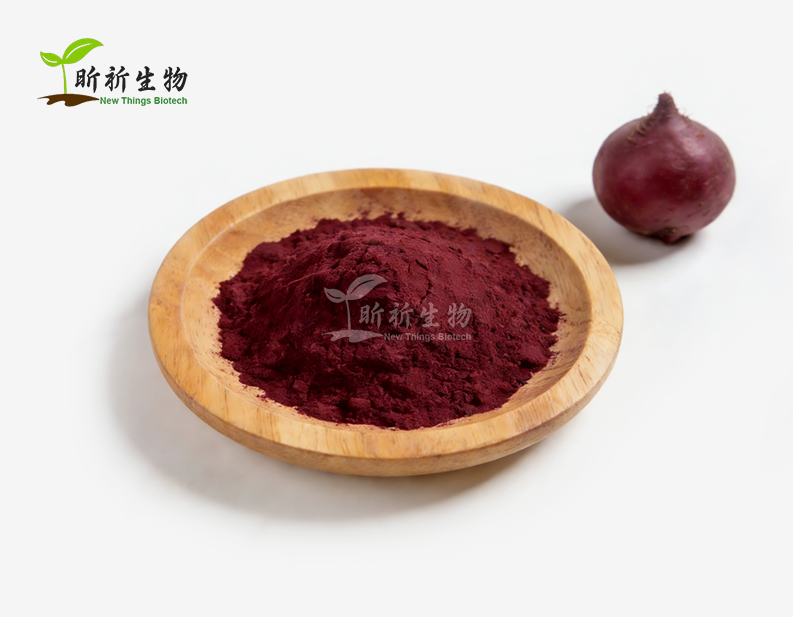
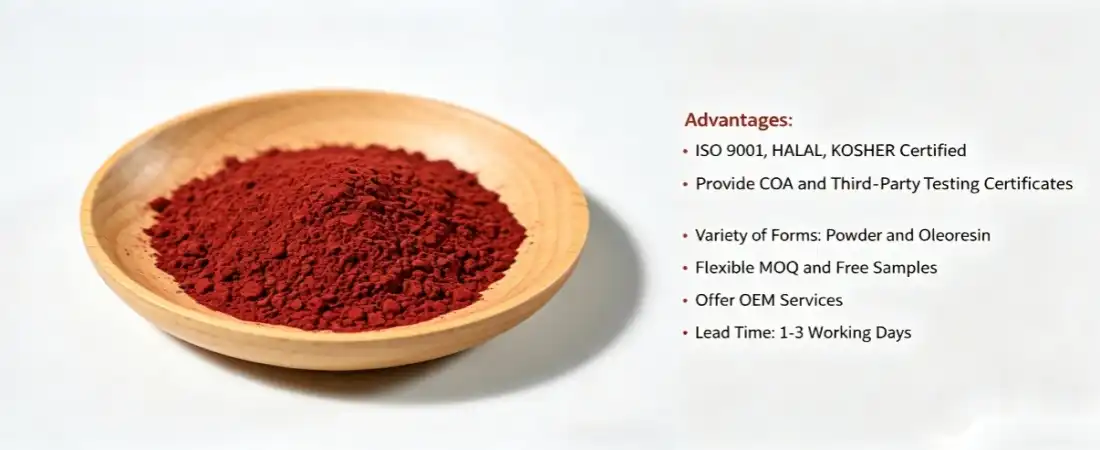
Understanding the distinction between bulk raw nutrients and finished items reduces costs and increases formulation flexibility. Astaxanthin flour in bulk is the principal substance used by firms to manufacture capsules, pills, and functional beverages. This powder is often found in purity ranges of 2% to 10%. High-quality powder from reputable firms such as NT Biotech is dark red in color, has been validated by HPLC analysis, and is ISO, Kosher, and Halal certified. Bulk materials provide producers more flexibility over dose levels, excipient choice, and delivery system structure.

How to Choose the Right Astaxanthin Bulk Supplement Supplier
Selecting the best provider for astaxanthin bulk supplements requires careful consideration across several dimensions. These factors affect the quality of the goods you buy, the reliability of your supply chain, and the long-term viability of your business. We have worked with numerous sports nutrition brands to identify the criteria that separate exceptional suppliers from average ones.
Certification and Quality Assurance Parameters
The first step in evaluating a supplier is to look for well-known certifications. ISO 9001 certification implies that management of quality is conducted methodically, whilst Kosher and Halal certification expose the market to a broader range of clients. Procurement specialists should also review the supplier's testing processes. Each batch should provide a complete Certificate of Research (CoA) that details tests such as metal screening, microbiological testing, and liquid residue analysis. When merchants use third-party lab testing, customers may be certain that the data is accurate and the items are consistent.
Technical Specifications and Product Forms
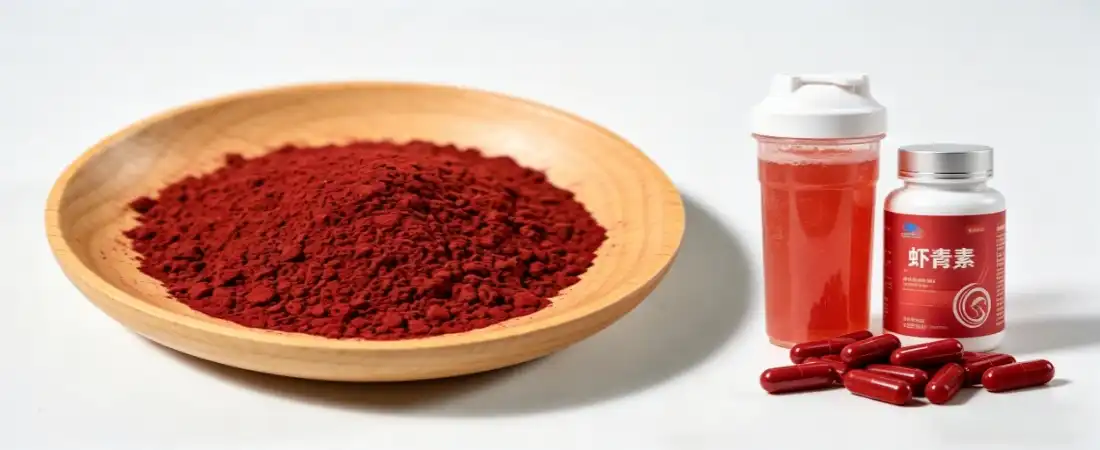
Astaxanthin bulk goods are available in a variety of forms, each designed for a particular purpose. Powders with concentrations ranging from 2% to 10% are ideal for encapsulation and tablet production. Oleoresin solutions are favored for softgel formulations because to their stability, although cold-water-soluble (CWS) beadlets may be used in functional beverages and stick packs. When deciding what to purchase, match the product form to the anticipated production procedure. A a rich red powder with homogeneous particle dispersion is an excellent first quality indication, although lab testing is still required.
Minimum Order Quantities and Pricing Structures
To succeed in company, you must strike a balance amongst quality and cost objectives. Smaller firms may try new recipes without committing too much cash when the MOQ is as modest as 25 kg, but bigger clients benefit from volume-based reporting pricing. You may save 15-30% on expenses by purchasing straight from the manufacturer rather than a reseller, since this removes middlemen markups. Clear pricing approaches that account for variations in specifications, customized packaging, and shipping conditions aid in the creation of realistic cost models for the creation of goods.
Supply Chain Reliability and Response Time
Supply consistency is an important consideration that is sometimes disregarded throughout the selecting process. When merchants have common normal extracts on the other hand, they may ship within 1 to 3 working days of getting an order, keeping manufacturing on track. Lead times for special orders or bigger production runs are generally 3 to 10 business days, which include raw material purchase, extraction, lab testing, and final packing. The time takes for a vendor to react to a question is a strong measure of service overall quality; top suppliers often pledge to a twenty-hour response time.
Optimizing Usage and Dosage of Bulk Astaxanthin for Sports Nutrition Products
Evidence-Based Dosage Recommendations for Athletic Performance
Clinical studies give unambiguous recommendations on the optimal dose amounts for sports nutrition. Doses of 4 to 12 mg per person for endurance-training participants are often utilized in research investigating exercise-induced muscle injury. Higher doses of as many as 20 mg are being studied in elite athletes undergoing intense training. Product creators must strike a balance between effectiveness, customer approval, and price. A daily intake of 6 mg is a reasonable compromise, providing quantifiable benefits while retaining competitive cost with astaxanthin bulk supplements.
Formulation Integration Techniques for Enhanced Bioavailability
Astaxanthin is lipophilic, which means it must be properly combined with other compounds to be effectively absorbed. Adding healthy fats such as phospholipids,. fatty acids like omega-3, or medium- chain t to a dish increases its bioavailability. Microencapsulation methods prevent the chemical from oxidative destruction while allowing for regulated release. Lecithin and other emulsifiers increase dispersion in powder-based products. Many formulators mix astaxanthin with synergistic ingredients such as vitamin E, CoQ10, vitamin E, or curcumin to generate antioxidant compounds that protect cells in numerous ways.
Stability Considerations and Safety Protocols
It is critical to treat bulk materials properly so that they remain effective for the length of the shelf life of the item. Light, heat, and air all accelerate the breakdown process, therefore materials should be kept in cold, light-resistant containers and flushed with nitrogen. Leading firms advocate keeping storage temperatures at 25°C and relative moisture below 60%. Toxicology research should be conducted both in the short and long term. Natural astaxanthin derived from algae is typically safe, and prescribed levels have not been related to significant adverse effects; nevertheless, allergy warnings should include possible fish allergies in certain manufacturing circumstances.
Market Trends and Future Outlook for Astaxanthin in Sports Nutrition
Consumer Demand Drivers in the Natural Sports Nutrition Sector
There is a considerable change in the sporting goods nutrition industry towards items made from plants with clean labeling. According to research, people prefer natural antioxidants over synthetic ones by 23%. Athletes are increasingly looking for substances with solid scientific evidence, which is being matched by a growing body of literature for astaxanthin bulk supplements for endurance, recuperation, and joint health. Because the chemical functions as both a booster of performance and naturally occurring colorant, it improves formulations by reducing the need or synthetic colors in final goods.
Innovation in Extraction and Processing Technologies
Advances in closed-system culture and supercritical extraction of CO2 have increased the amount and quality of astaxanthin while lowering manufacturing costs. These technical advancements assist B2B customers by enhancing pricing stability and supply dependability. New delivery technologies, such as liposomal formulations and nanoemulsions, offer improved solubility and might enable for lower therapeutic dosages. Procurement managers should keep an eye on developing technologies since early adoption might provide them a competitive advantage. The introduction of water-soluble forms broadens the use to sports drinks with ready-to-mix powders.
Strategic Sourcing for Market Positioning
Advances in closed-system culture and supercritical extraction of CO2 have increased the amount and quality of astaxanthin while lowering manufacturing costs. These technical advancements assist B2B customers by enhancing pricing stability and supply dependability. New delivery technologies, such as liposomal formulations and nanoemulsions, offer improved solubility and might enable for lower therapeutic dosages. Procurement managers should keep an eye on developing technologies since early adoption might provide them a competitive advantage. The introduction of water-soluble forms broadens the use to sports drinks with ready-to-mix powders.
Conclusion
Astaxanthin bulk supplements have been developed demonstrated to boost performance, making them an attractive alternative for sports nutrition companies looking to employ natural, clean-label ingredients. To ensure a seamless purchasing process, carefully consider seller licenses, product specifications, supply chain expertise, and the best techniques to manufacture the goods. What made a product run or sell often is the distinction between natural and synthetic products, as well as the appropriate quantity and methods for making the commodity more bioavailable. As the demand for plant-based performance products develops, businesses may expand and remain ahead of the competition across the rapid-fire sports nutrition sector by collaborating closely with quality-conscious suppliers.
FAQ
1. What distinguishes powder form from other astaxanthin formats?
Astaxanthin powder, usually sold in concentrations between 2% and 10%, gives manufacturers the most choices for making capsules and tablets. Powder types are better than oils or oleoresins for controlling exact dosage and mixing in dry processes. While they may have lower bioavailability than oil-suspended formats, this can be addressed by mixing them with lipid carriers or using modern delivery methods like microencapsulation.
2. How can buyers verify astaxanthin purity and authenticity?
Verification begins with requesting batch-specific Certificates of Analysis (CoA) showing HPLC or UV-Vis spectroscopy readings. Natural astaxanthin absorbs light in a specific way that is different from synthetic versions. Testing by a third-party laboratory gives independent proof of quality, and transparency regarding extraction methods indicates a reliable provider. A physical check should show a uniform dark red color without lumps or spots that could suggest degradation.
3. What storage conditions maintain optimal product stability?
The best way to store bulk astaxanthin is in sealed, light-resistant containers under cool conditions (below 25°C) with controlled humidity. Oxygen speeds up oxidation, so nitrogen flushing and keeping minimal air in the storage cases help the product last longer. Under proper conditions, high-quality powder maintains its potency for 24 to 36 months. Once a package is opened, it should be resealed promptly and used within the recommended time limit to maintain quality.
Partner with NT Biotech for Premium Astaxanthin Bulk Supplements
You can trust NT Biotech as your reliable astaxanthin bulk supplements supplier, offering factory-direct access to high-quality powder derived from Haematococcus pluvialis with verified purity from 2% to 10%. We ensure follow-through on all global regulations with our ISO, Kosher, and Halal standards. Our unique extraction processes ensure that your sports nutrition items remain stable and bioavailable. With ready-to-ship inventory enabling 2 to 4-day delivery, flexible OEM solutions tailored to your needs, and free samples for formulation testing, we are the responsive partner your product development demands. Contact our technical team at info@newthingsbiotech.com to discuss your requirements and discover how our documentation, competitive pricing, and dedicated support can strengthen your supply chain.
References
1. Brendler, T., Williamson, E.M. (2019). Astaxanthin: Clinical Applications in Cardiovascular Health and Exercise Performance. Phytotherapy Research, 33(6), 1531-1539.
2. Fassett, R.G., Coombes, J.S. (2021). Natural Astaxanthin from Microalgae: Bioavailability, Safety, and Application in Sports Nutrition. Marine Drugs, 19(8), 461.
3. Guerin, M., Huntley, M.E., Olaizola, M. (2003). Haematococcus Astaxanthin: Applications for Human Health and Nutrition. Trends in Biotechnology, 21(5), 210-216.
4. Nishida, Y., Yamashita, E., Miki, W. (2020). Comparative Analysis of Natural and Synthetic Astaxanthin in Dietary Supplements: Stereoisomer Distribution and Antioxidant Capacity. Journal of Agricultural and Food Chemistry, 68(35), 9366-9374.
5. Park, J.S., Chyun, J.H., Kim, Y.K., Line, L.L., Chew, B.P. (2018). Astaxanthin Supplementation on Exercise-Induced Oxidative Stress and Muscle Damage in Athletes: A Systematic Review. Critical Reviews in Food Science and Nutrition, 58(11), 1798-1808.
6. Yuan, J.P., Peng, J., Yin, K., Wang, J.H. (2022). Processing Technologies and Quality Specifications for Bulk Astaxanthin in Nutraceutical Applications. Food Chemistry Advances, 1, 100067.