- English
- French
- German
- Portuguese
- Spanish
- Russian
- Japanese
- Korean
- Arabic
- Greek
- German
- Turkish
- Italian
- Danish
- Romanian
- Indonesian
- Czech
- Afrikaans
- Swedish
- Polish
- Basque
- Catalan
- Esperanto
- Hindi
- Lao
- Albanian
- Amharic
- Armenian
- Azerbaijani
- Belarusian
- Bengali
- Bosnian
- Bulgarian
- Cebuano
- Chichewa
- Corsican
- Croatian
- Dutch
- Estonian
- Filipino
- Finnish
- Frisian
- Galician
- Georgian
- Gujarati
- Haitian
- Hausa
- Hawaiian
- Hebrew
- Hmong
- Hungarian
- Icelandic
- Igbo
- Javanese
- Kannada
- Kazakh
- Khmer
- Kurdish
- Kyrgyz
- Latin
- Latvian
- Lithuanian
- Luxembou..
- Macedonian
- Malagasy
- Malay
- Malayalam
- Maltese
- Maori
- Marathi
- Mongolian
- Burmese
- Nepali
- Norwegian
- Pashto
- Persian
- Punjabi
- Serbian
- Sesotho
- Sinhala
- Slovak
- Slovenian
- Somali
- Samoan
- Scots Gaelic
- Shona
- Sindhi
- Sundanese
- Swahili
- Tajik
- Tamil
- Telugu
- Thai
- Ukrainian
- Urdu
- Uzbek
- Vietnamese
- Welsh
- Xhosa
- Yiddish
- Yoruba
- Zulu
Astaxanthin oil for skin has become an important part of high-end makeup because it deeply moisturizes and repairs cells in a way that can't be beat. This lipid-soluble carotenoid mostly comes from Haematococcus pluvialis microalgae. It is able to pass through the skin layer and improve the body's defenses against oxidative stress and moisture loss. It has been shown in studies to stop water loss through the epidermis, increase collagen production, and soften the skin. Astaxanthin oil is a great choice for formulators and people who work with ingredients who want to find useful ingredients that have been shown to work by science. It is a strong natural ingredient that can help with both wrinkles and dry skin.
What Is Astaxanthin Oil and How Does It Benefit Skin Health?
Understanding Natural Astaxanthin Oil from Microalgae
Astaxanthin oil for skin is created by watery microalgae Haematococcus pluvialis to defend itself from outside stress. The stable and fatty acid-accessible (3S, 3'S) stereoisomer of natural astaxanthin is most common. This differs from petrochemical-made versions. Separation commonly uses supercritical CO2 technology. Nature makes it safe for skin and more protective. For "clean." cosmetics, this generates a dark crimson, thick liquid without solvents. Astaxanthin molecules have lengthy cell membrane-crossing conjugated double bonds. This eliminates free radicals on the top and bottom skin layers. Structure-wise, the molecule fights oxidative damage better than water-soluble antioxidants like vitamin C. Vitamin C only works in water-filled cells.
Strengthening the Skin Barrier Through Enhanced Moisture Retention
Lipids and ceramides stabilize cells in the skin barrier. Astaxanthin oil strengthens walls in several ways. It boosts aquaporin-3, a protein channel that admits water into keratinocytes, according to a research. First, this moisturizes skin. Because it decreases inflammation, it minimizes the harm cytokines inflict to walls from long-term sun exposure or pollution. In controlled transepidermal water loss experiments, astaxanthin improves skin care products. Improvements occur after two weeks of everyday usage. The oil matrix prevents water from leaving the stratum corneum, and active carotene repairs cell damage that causes skin dry.
Anti-Aging Mechanisms: Elasticity and UV Protection
Photoaging causes 80% of facial aging. UV light-induced reactive oxygen species degrade collagen and stretchable fibers. This process is stopped by astaxanthin oil in two ways. Before UV exposure, astaxanthin dramatically lowers redness and DNA damage. It may heal and protect. This inhibits matrix metalloproteinase-1. This is the major collagen-degrading enzyme. It boosts fibroblasts and procollagen production. Long-term research shows that supplements make skin more flexible and wrinkle-free. Astaxanthin alters the NF-κB pathway, preventing UV radiation from causing skin swelling and aging.
Scientific Research and Evidence Supporting Astaxanthin Oil for Skin
Superior Antioxidant Capacity Relative to Conventional Ingredients
Astaxanthin oil for skin performs best in oxygen radical testing. In moles, it functions 6,000 times better than vitamin C and 100 times better than vitamin E. It blocks singlet oxygen better than beta-carotene or lycopene due to its molecules. UV radiation creates highly reactive singlet oxygen. Astaxanthin and retinol don't cancel each other out. Retinoids speed up the cell cycle by activating retinoic acid receptors, while astaxanthin protects newly created cells from oxygen damage. These two items operate better together than separately. Thus, astaxanthin benefits fragile skin that can't tolerate vitamin A. It doesn't damage skin like retinoids.
Clinical Validation of Collagen Synthesis and Wrinkle Reduction
Taking astaxanthin pills orally and applying them to the skin daily after 12 weeks reduced many markers of aging statistically in 65 persons aged 35 to 60. Most people's crow's feet shrank 13.2% and skin elasticity improved 18.7%. High-frequency ultrasonography exhibited greater echogenicity, indicating stronger fiber structure, when checking skin collagen density. A gene expression investigation of skin biopsy samples found that collagen types I and III mRNA increased whereas IL-6 and TNF-alpha decreased. The clinic benefits are due to molecular alterations. This proves astaxanthin slows aging. Both oral and topical astaxanthin oil performed better than either alone. Because of this, formulators should consider incorporating astaxanthin oil in food and cosmetics products.
Hydration Enhancement and Skin Barrier Recovery Data
The quantity of astaxanthin oil tablets ingested affects skin water. People that utilized 2–4% astaxanthin oil products were 24–31% wetter after four weeks. This outperformed hyaluronic acid alone. It seems natural that transepidermal water loss decreased. The barrier function was restored, not surface hydration. Histology of treated skin samples demonstrates that the stratum corneum has expanded and lipid lamellae have improved. This is why it retains moisture efficiently. Astaxanthin production seems to accelerate. It treats the cause of barrier failure rather than merely treating the symptoms with fluid-blocking medicines.
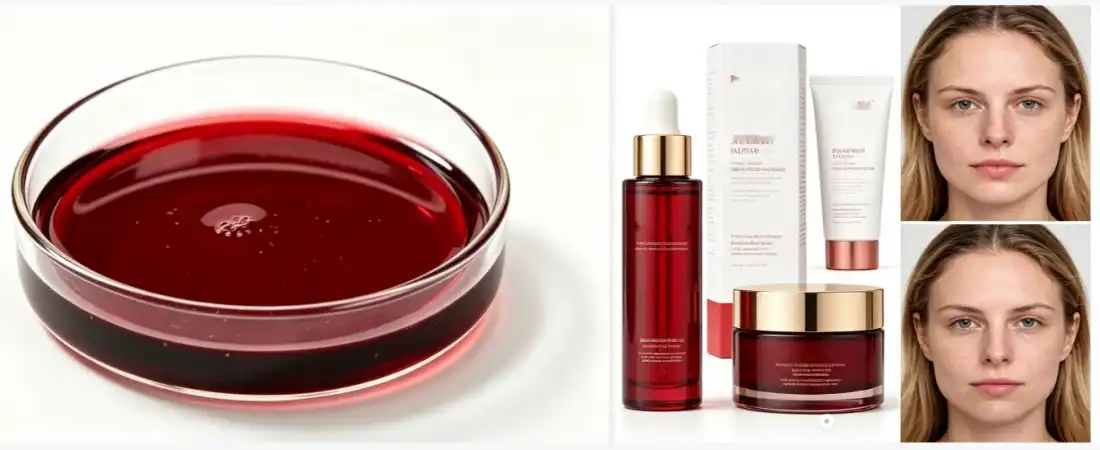
How Astaxanthin Oil Compares to Other Popular Skin Oils and Ingredients
Astaxanthin Oil Versus Vitamin E and Retinol
As an antioxidant, skin care products have included vitamin E (tocopherol) for years. Fatty peroxyl radicals are reduced, protecting cell membranes. Vitamin E levels drop after fighting free radicals and must be raised with ascorbic acid or similar reducing agent. Astaxanthin oil for skin recycles efficiently and retains antioxidant action after multiple oxidation and reduction cycles. This protects products and skin in harsh situations. Retinol is still the best way to speed up cellular turnover and produce more collagen, but it may make your skin sensitive to light and irritating and takes time to adjust to. The anti-inflammatory compound works with retinol to expedite healing and decrease inflammation. Some products are safe for sensitive skin because they employ both components in the right amounts. Retinol helps cells communicate, astaxanthin protects.
Natural Plant Oils: Rosehip and Sea Buckthorn Comparisons
Rosehip and sea buckthorn oils include omega-3, omega-6, and omega-7 fats. These fatty acids preserve the skin barrier with carotenoids and tocopherols. These lotion-friendly oils heal and include vitamin A. Astaxanthin oil protects better because to its concentrated pigments. Astaxanthin oil addresses bioactivities, not nutrition. Seed oils restore lipid membranes by transferring fatty acids. However, pharmaceutical astaxanthin changes inflammation and aging-related cellular processes. Formulators get molecular activity and shape support from astaxanthin and carrier oils. High-quality products for numerous skin problems may then be made.
Synthetic Versus Natural Astaxanthin: Quality Differentials
Petrochemically manufactured astaxanthin has a different structure than natural astaxanthin due to the stereoisomer. Wild astaxanthin from Haematococcus pluvialis is mostly the (3S, 3'S) isomer with esterified fatty acids, whereas man-made is a racemic mix. Shape affects how well cells absorb and use chemicals. At the same doses, natural esterified astaxanthin has 1.7 times the plasma level of man-made free-form astaxanthin. Natural esterification may improve body translocation by making chylomicron mixing easier during gut absorption. Astaxanthin penetrates the skin's lipophilic stratum corneum due to its lipid composition. More active component reaches photoaging damage areas.
Procurement Guide for Astaxanthin Oil: Sourcing and Buying Considerations
Essential Supplier Certifications and Quality Markers
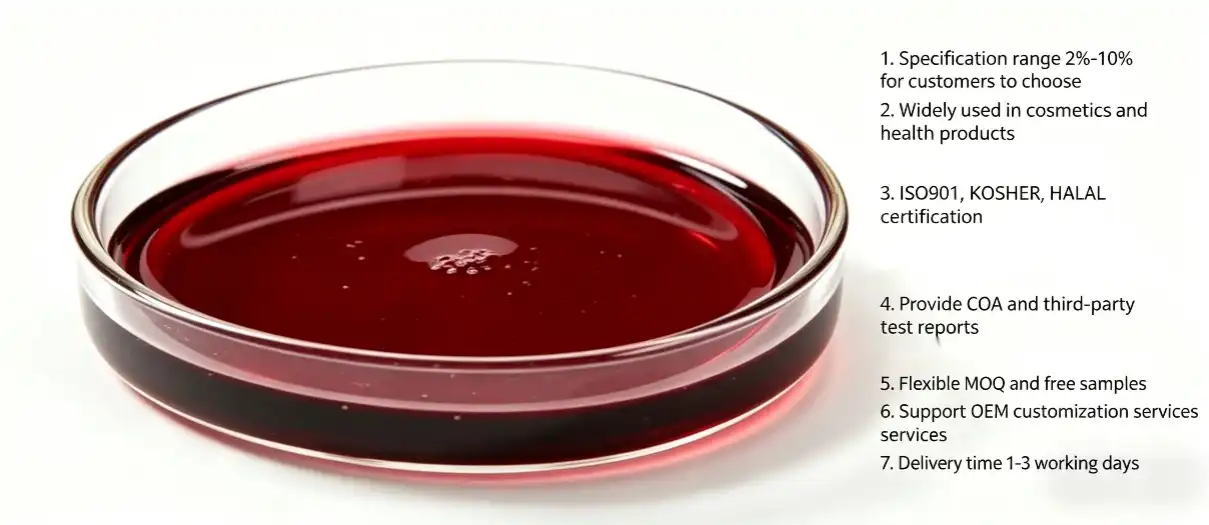
Buyers should choose sellers with several quality and ingredient certifications. Quality management systems certified by ISO 9001 meet worldwide standards. However, Kosher and Halal certifications assure religiously acceptable vitamins and other products. Assessing astaxanthin oil for skin dose and quality requires third-party testing records and basic qualifications. A reliable service provides a detailed Certificate of Analysis with each batch. Besides HPLC astaxanthin levels, these COAs include microbiological safety considerations, heavy metal screening, and solvent residue testing. Product COAs should verify company claims. Powders contain 2%–10% astaxanthin, whereas oils contain more. It should also show that the product is free of impurities that might impair safety or compliance. To meet these standards, Shaanxi New Things Biotech has strict quality standards. The residual liquid is extracted using supercritical CO2. This meets luxury cosmetics industries' rising requirement for clean brands. To facilitate international buying, each batch of output is analyzed using standard analytical methods and documented in many languages.
Understanding Product Forms and Formulation Compatibility
Different astaxanthin molecules work in different situations. Powder contains 2–10% astaxanthin. Pills or pills may augment meals. This product doesn't dissolve in water and can't be used on the face. Disintegrate it first using particular methods. Astaxanthin in oil is more stable, avoids carotene oxidation, and blends well with other ingredients, making it ideal for skin care. In microcapsule powders, protected maltodextrin or modified starches store astaxanthin. The powder mixes easily with water to melt drinks or cosmetics. Teams should choose styles based on their objective. Oil forms are good for creams and serums, whereas powder forms are easy to apply and color cosmetics.
Pricing Strategies and Supply Chain Reliability
How many microalgae are collected, how well the extraction process works, and how nutrition and beauty demand change affect natural astaxanthin costs. One kilogram of 5% astaxanthin powder costs $800–$1,200. Buy over 100 kilogram and save. Work makes oil mixtures costlier than oil. They cost $1,500–$2,000 per kilogram at the same strength. Multi-method strategic buying is possible. Vendors may provide 6- to 12-month price locking. This maintains supply independent of market circumstances. Suppliers that manage growth, extraction, and processing decrease supply chain risks from raw material shortages and quality issues. Smart production and self-driving farms are part of Shaanxi New Things Biotech's value chain. This gives them supply security that most basic goods vendors lack. They ship in-stock products in two to four business days due to their large inventory. This lets people get what they need quickly without long lines. Longer production runs for special needs require 3-10 days. As instructed by the customer, raw materials must be prepared, removed, checked, and put.
Top Brands and Suppliers of Astaxanthin Oil for Skin: Market Leaders and Reviews
Evaluating Supplier Reputation and Technical Capabilities
Top astaxanthin oil for skin providers have vertical integration, new extraction methods, and batch-to-batch quality. Companies that control the whole value chain, from microalgae growth to product manufacture, better meet customer expectations and quality standards. Testing labs, formulation support, and basic supplies are crucial. Customers routinely say response time, document quality, and professional support separate premium providers from commodity merchants. OEM agreements require providers to go beyond order fulfillment. Writing and law need assistance. This connection works well when making cosmetics for limited markets like the US, where components must fulfill FDA requirements and may include allergies. Shaanxi New Things Biotech wants to provide and collaborate. Their team responds to queries within two hours with basic scientific expertise to help customers choose the best product forms and amounts. Consultations accelerate product development and eliminate errors.
Sustainability and Ethical Sourcing Trends
More shoppers concern about ethics and the environment. This has made sustainability a business requirement, not a marketing strategy. Astaxanthin from wild krill or salmon poses environmental and poaching problems. Cosmetics manufacturers use photobioreactor-grown Haematococcus pluvialis microalgae (regulated). Due to their closed loop design, these methods utilize less water, don't produce agricultural runoff, and preserve quality even in bad weather or ocean conditions. Organic microalgae standards are hard to acquire, but they show your environmental care and want to use minimum synthetic inputs. Eco-friendly companies should use third-party carbon-neutral output claims. Sustainability reporting and supply chain traceability increase transparency. Such initiatives build customer trust and help retailers compete in increasingly competitive sectors. From field to factory, Shaanxi New Things Biotech's self-sufficient agriculture is eco-friendly. Their photobioreactors recycle water and use nutrients more effectively than open-pond farming. Environmentalism parallels the tendency toward long-lasting sources. Client firms may promote green goods.
Conclusion
Astaxanthin oil for skin is a new health ingredient that has been proven by science to work. There is a way to measure how well it improves water, barrier function, and anti-aging factors. Clinical tests have shown that it has a lot of antioxidant power and many skin benefits. This makes it an important ingredient in high-end goods for picky customers. People who work in buying who are making competitive product lines need to know the difference between natural and synthetic versions and pick sources based on their quality standards and levels of technical support. Demands for sustainability and clean labels are changing where products come from. Astaxanthin oil from microalgae is a great choice that meets standards for both performance and being good to the environment.
FAQ
1. What concentration of astaxanthin oil is optimal for skincare formulations?
The best ones for the skin have between 0.5 and 4% astaxanthin oil for skin, which is a good amount of color and bioactivity. Concentrations between 0.5 and 1% work best for daily products that only need a light tint. Concentrations between 2 and 4% work best for heavy treatment serums. It needs the right emulsification systems to stay stable and make sure it spreads evenly through cream or lotion bases since it dissolves in lipids. Between 5.0 and 7.0 should be the pH range for astaxanthin to stay stable.
2. Can astaxanthin oil cause skin irritation or allergic reactions?
Clinical tests have shown that natural astaxanthin is very safe and has only a small chance of making people sick. Astaxanthin's anti-inflammatory properties make pain less likely, while retinoids often make the skin red and peel during the change time. Even though algae are where astaxanthin comes from, very few people are immune to it. A patch test should be done on people who know they are allergic to crabs. The combination is good for people with acne-prone skin because it doesn't cause acne.
3. How should astaxanthin oil be stored to maintain potency?
You need to store astaxanthin in a way that keeps it safe because it breaks down in light, heat, and air. Packages that are sealed and kept in a dark place at temperatures below 25°C (77°F) work for 24 months. If you clean it with nitrogen or freeze it, it will last longer after you open it. When formulators package finished goods without air, they should add antioxidant synergists like vitamin E to make sure they last as long as possible and keep their bioactivity.
Partner With a Trusted Astaxanthin Oil for Skin Supplier
If you need help with your next high-performance skin care recipe, NT Biotech can give you expensive astaxanthin oil for skin ingredients, make sure the quality is good, and work with you quickly on technical issues. We offer standardized extracts that are very pure, as shown by careful testing by a third party. Our company is well-known for making astaxanthin oil for skin. We also offer OEM options that can be changed to fit the needs of your specific market. We have a lot of stock, so it only takes two to four days to ship. As a business grows, our skills in combined production make sure that there is a steady supply. You can try out a recipe with free samples before you decide to buy the whole thing. Get in touch with us at info@newthingsbiotech.com to talk about the ingredients you need, get more information, and learn how our plant-based bioactive compounds can help your makeup brand stand out.
References
1. Tominaga K., Hongo N., Karato M., Yamashita E. (2012). "Cosmetic benefits of astaxanthin on human subjects." Acta Biochimica Polonica, 59(1), 43-47.
2. Camera E., Mastrofrancesco A., Fabbri C., et al. (2009). "Astaxanthin, canthaxanthin and beta-carotene differently affect UVA-induced oxidative damage and expression of oxidative stress-responsive enzymes." Experimental Dermatology, 18(3), 222-231.
3. Yoshihisa Y., Rehman M.U., Shimizu T. (2014). "Astaxanthin, a xanthophyll carotenoid, inhibits ultraviolet-induced apoptosis in keratinocytes." Experimental Dermatology, 23(3), 178-183.
4. Ito N., Seki S., Ueda F. (2018). "The protective role of astaxanthin for UV-induced skin deterioration in healthy people—a randomized, double-blind, placebo-controlled trial." Nutrients, 10(7), 817.
5. Park J.S., Chyun J.H., Kim Y.K., Line L.L., Chew B.P. (2010). "Astaxanthin decreased oxidative stress and inflammation and enhanced immune response in humans." Nutrition & Metabolism, 7, 18.
6. Ng Q.X., De Deyn L.L.E.J., Loke W., Foo N.X., Chan H.W., Yeo W.S. (2020). "Effects of astaxanthin supplementation on skin health: A systematic review of clinical studies." Journal of Dietary Supplements, 18(2), 169-182.