- English
- French
- German
- Portuguese
- Spanish
- Russian
- Japanese
- Korean
- Arabic
- Greek
- German
- Turkish
- Italian
- Danish
- Romanian
- Indonesian
- Czech
- Afrikaans
- Swedish
- Polish
- Basque
- Catalan
- Esperanto
- Hindi
- Lao
- Albanian
- Amharic
- Armenian
- Azerbaijani
- Belarusian
- Bengali
- Bosnian
- Bulgarian
- Cebuano
- Chichewa
- Corsican
- Croatian
- Dutch
- Estonian
- Filipino
- Finnish
- Frisian
- Galician
- Georgian
- Gujarati
- Haitian
- Hausa
- Hawaiian
- Hebrew
- Hmong
- Hungarian
- Icelandic
- Igbo
- Javanese
- Kannada
- Kazakh
- Khmer
- Kurdish
- Kyrgyz
- Latin
- Latvian
- Lithuanian
- Luxembou..
- Macedonian
- Malagasy
- Malay
- Malayalam
- Maltese
- Maori
- Marathi
- Mongolian
- Burmese
- Nepali
- Norwegian
- Pashto
- Persian
- Punjabi
- Serbian
- Sesotho
- Sinhala
- Slovak
- Slovenian
- Somali
- Samoan
- Scots Gaelic
- Shona
- Sindhi
- Sundanese
- Swahili
- Tajik
- Tamil
- Telugu
- Thai
- Ukrainian
- Urdu
- Uzbek
- Vietnamese
- Welsh
- Xhosa
- Yiddish
- Yoruba
- Zulu
Buyers looking for the best krill oil with astaxanthin need more than a strong product description. Before ordering they should look at the EPA and DHA concentration, astaxanthin level, oxidative stability, paperwork and supplier consistency. Antarctic krill oil is a natural source of phospholipids, omega-3 fatty acids and carotenoids such as astaxanthin. But the exact composition might depend on the source material and the processing. So the proper purchase selection for supplement, functional food and personal care formulations should be made based on batch testing and application needs, not color or marketing promises.
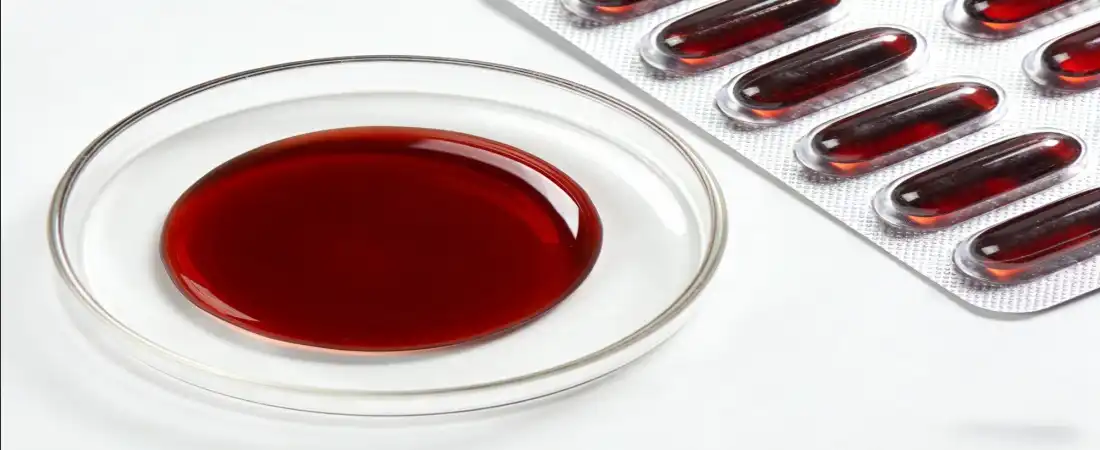
Understanding Krill Oil with Astaxanthin and Its Benefits
Krill oil is extracted from Antarctic krill (Euphausia superba) and includes EPA and DHA in a phospholipid-rich marine lipid matrix with naturally occurring astaxanthin. This combination provides the formulators an omega-3 element with an added carotenoid component.
The amount of astaxanthin will vary based on the raw material, season and processing circumstances. Color may be useful in giving a first impression of the substance but should not be used in place of an analytical analysis. Where a final product specification calls for a set astaxanthin level throughout the shelf life of the product, the supplier and manufacturer should agree on the standard and any manufacturing overage based on stability data.
Those who want to buy astaxanthin from krill oil should know that the carotenoid is not added separately, but is naturally present in the Antarctic krill lipid. That is to say, krill oil astaxanthin is a co-existing component of the same marine extract, hence the two are addressed together rather than as independent actives. The actual concentration varies on species, season and processing, thus a batch test is more important than the color of the oil.
Cardiovascular and Cognitive Support
Human studies support krill oil as a source of EPA and DHA, however the data does not support krill oil as being categorically better than fish oil.
In a 7 week randomized research, subjects received 3.0 g/day krill oil (containing 543 mg EPA+DHA) or 1.8 g/day fish oil (containing 864 mg EPA+DHA). The increases in plasma EPA and DHA were similar in the two groups despite the lower dosage of EPA+DHA in the krill oil group.
Another research, in which the incorporation of EPA and DHA into plasma phospholipids was measured, showed that the maximum amount of EPA and DHA was obtained from krill oil, although the differences between treatments were not statistically significant. The authors called for further and longer investigations.
These results suggest that krill oil may be offered to B2B formulators as a phospholipid-bound source of omega-3s. These should not be turned into an all-embracing assertion of superiority in therapeutic effects of krill oil.
Skin Health and Anti-Inflammatory Properties
Beauty from inside and wellness formulas also include krill oil and astaxanthin. EPA and DHA are significant in lipid nutrition and astaxanthin has been investigated for antioxidant and oxidative-stress related outcomes. Human investigations of astaxanthin include skin studies, ocular function and other areas. The evidence varies by dosage, study type and outcome.
It is preferable for product development to characterize these constituents based on their proven qualities than to claim that a krill oil ingredient may cure a skin issue or other ailment.
When formulating beauty-from-within or wellness products, formulators typically want to know about krill oil astaxanthin advantages and krill oil with astaxanthin benefits. The synergy is between EPA and DHA (lipid nutrition) and a naturally occurring carotenoid, not the individual ingredients. Any consumer-facing benefit claim should be based on the tested completed formulation and the lot-specific COA, not on the general reputation of the marine oil.
Comparing Krill Oil with Astaxanthin to Other Omega-3 Supplements
The distinction between such elements is what they add to a formulation. EPA and DHA come mostly from fish oil, a carotenoid is supplied by solo astaxanthin, and krill oil contains marine phospholipids and omega-3 fatty acids, together with naturally occurring astaxanthin.
Bioavailability Advantages Over Fish Oil
When you compare krill oil to fish oil, it’s worth noting the molecular form of the omega-3s. Krill oil is rich in phospholipid bound EPA and DHA however the specific lipid composition is material dependent .
In the Ulven research in 2011, 3.0 g/day of krill oil providing 543 mg EPA+DHA elicited plasma EPA and DHA alterations similar to 1.8 g/day of fish oil containing 864 mg EPA+DHA .
Another crossover trial reported a numerical benefit of krill oil in EPA+DHA incorporation into plasma phospholipids, but the difference was not statistically significant .
The practical takeaway for formulation teams is simple: compare the actual EPA+DHA content and the needed serving size, rather than assume one gram of krill oil is one gram of fish oil.
| Attribute | Fish oil (TG / EE) | Standalone astaxanthin | Krill oil with astaxanthin |
|---|---|---|---|
| Main contribution | EPA and DHA | Astaxanthin | EPA, DHA, phospholipids and astaxanthin |
| Omega-3 form | TG or EE, depending on product | None | Phospholipid-rich marine lipid |
| Astaxanthin | Usually absent unless added | Standardized ingredient | Naturally occurring, level varies |
| Formulation focus | Omega-3 delivery | Antioxidant/carotenoid positioning | Combined omega-3 and carotenoid positioning |
| Key qualification point | EPA+DHA assay and oxidation control | Astaxanthin assay | EPA+DHA, astaxanthin and stability |
Oxidative Stability and Shelf Life
Oxidative stability is a key quality trait for marine oils. Krill oil is not free of oxidation either and storage conditions might influence the quality of the lipids and the preservation of astaxanthin . The effect of temperature on oxidation and accompanying storage processes in krill oil has been studied . More recently, studies have been carried out on astaxanthin degradation and color change during storage .
For the best krill oil with astaxanthin, buyers should request actual stability information rather than relying on the presence of astaxanthin as proof of shelf-life performance.
Useful quality criteria may include, for example, peroxide value, anisidine value, TOTOX, astaxanthin content and the agreed retest duration. The restrictions should be set according to the intended use and market, not as general requirements.
Sustainability and Ethical Sourcing Considerations
The Antarctic krill fisheries are regulated by the Commission for the Conservation of Antarctic Marine Living Resources (CCAMLR) which has introduced preventive management measures and catch restrictions for krill fisheries. Current CCAMLR initiatives include particular conservation efforts for Euphausia superba.
Where sustainable sourcing is included in the purchase criteria, buyers should check the certification and traceability documentation applicable to the real krill supply chain. MSC Chain of Custody is especially significant when a supplier claims to be producing an MSC-certified product, since traceability must extend throughout the certified supply chain.
Astaxanthin vs Krill Oil: Which One Do You Need?
It is contingent upon what the formulation has to provide. Krill oil and astaxanthin are similar in their antioxidant positioning, however they are not interchangeable substances.
What Astaxanthin Is on Its Own
Astaxanthin is a carotenoid that is a member of the xanthophyll group. Haematococcus pluvialis is a commercial source of astaxanthin constituents and may be delivered as a standardized product.
Standalone astaxanthin is beneficial if the formulation requires a fixed carotenoid level and does not include marine omega-3s. Therefore, astaxanthin is more readily controlled when it is the main focus of the formulation.
What Krill Oil Is
Krill oil is a lipid extract of Antarctic krill that offers EPA and DHA along with phospholipids and naturally occurring astaxanthin.
The core formulation value is the provision of omega-3. The astaxanthin component is a natural feature of krill oil, therefore consumers should consider its real concentration, not assume all krill oil has the same quantity.
Key Differences and Overlaps
There is indeed overlap between the two elements, although they do have separate economic purposes. “Standalone astaxanthin gives formulators more direct control over carotenoid dosage, while krill oil provides EPA and DHA as part of a marine phospholipid-rich matrix.
| Decision point | Astaxanthin alone | Krill oil with astaxanthin |
|---|---|---|
| Supplies EPA and DHA | No | Yes |
| Main standardized component | Astaxanthin | EPA+DHA and/or astaxanthin, depending on specification |
| Typical formulation role | Carotenoid ingredient | Marine omega-3 ingredient |
| Color contribution | More pronounced at higher concentration | Depends on astaxanthin level and oil composition |
| Main qualification issue | Astaxanthin assay | EPA+DHA, astaxanthin, oxidation and traceability |
Can You Take Both?
Formulation-wise the two substances may be blended as long as the completed mixture is developed around the anticipated levels and target market requirements.
The practical concern is not to duplicate unnecessarily. If the recipe is currently using krill oil and providing the amount of astaxanthin it needs then there is no need to add extra astaxanthin. If you need a more consistent concentration of astaxanthin then the solo astaxanthin may allow you to manage things more precisely.
Which Should B2B Formulators Choose?
Choose krill oil where EPA and DHA are core to the product idea. Choose solo astaxanthin when the formulation demands an independently controlled dosage of carotenoid. A combination might make sense when the formulation needs both objectives and the final dose has been determined by product development effort.
Search terms like astaxanthin krill oil and astaxanthin with krill oil sometimes refer to the same mixed ingredient, however they are not the same as solo astaxanthin. Astaxanthin with krill oil is just another way of defining that same extract, when a consumer types in astaxanthin krill oil they are seeking for the naturally occurring astaxanthin carrying phospholipid bound omega-3 matrix. The take-home practical difference is ingredient vs formulation. The oil provides EPA, DHA and astaxanthin combined, whereas a separate astaxanthin ingredient provides independent management of the carotenoid dosage.
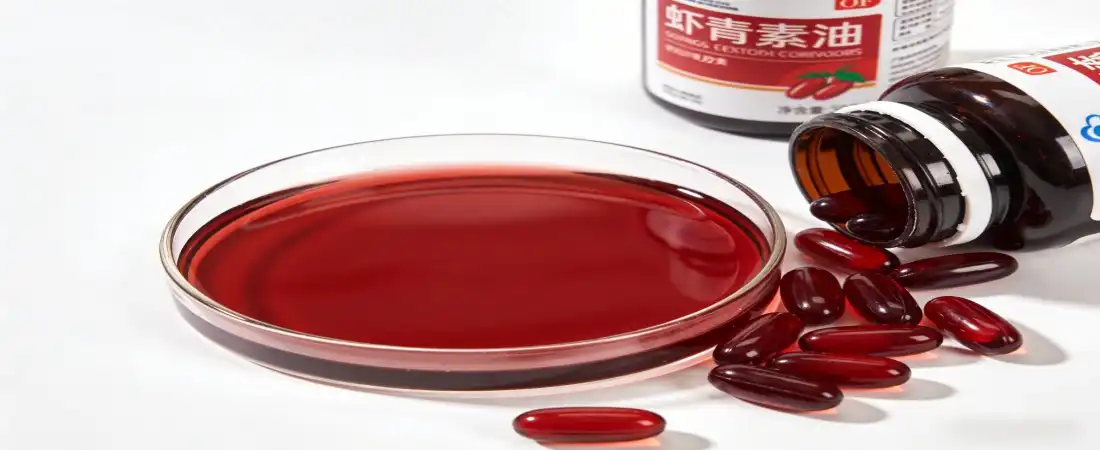
Guidelines on Dosage, Timing, and Side Effects
Dose information should be connected to the actual completed product and the evidence supporting the intended usage. Ingredient research dosages should not be directly translated into consumer dosage guidelines.
Scientifically Supported Dosage Ranges
In the Ulven experiment, participants received krill oil 3.0 g/day with 543 mg EPA+DHA for 7 weeks. Fish oil group got 1.8 g/day of EPA+DHA (864 mg).
The dosages utilized in astaxanthin studies have varied based on the research goals. The 2011 review, widely referenced, compiles human studies in several areas of application, although each studies’ findings should be taken independently before citing a certain dosage as a finished-product claim.
Suppliers should give the test basis for EPA, DHA and astaxanthin for B2B development so that the producer can correctly determine the end product dosage.
| Parameter | Reference point | What to confirm with supplier |
|---|---|---|
| Krill oil | 3.0 g/day in the cited human trial | Actual oil composition |
| EPA+DHA | 543 mg/day in that trial | Lot-specific assay |
| Astaxanthin | Study-specific | Standardized content and test method |
| Shelf-life specification | Product-specific | Stability data and expiry specification |
Optimal Timing for Maximum Absorption
Omega-3 Supplements Often Taken With Food The suggested usage should be consistent with the formulation, dosage form, and evidence supporting the intended product directions for a final product.
Manufacturers should choose to evaluate the actual dosage form, rather than presume that the findings from one krill oil capsule format would be relevant to other softgel, liquid or powder formulations.
Safety Considerations and Contraindications
Krill is a derived ingredient from shellfish, thus, shellfish allergy issues should be handled in the final product when appropriate. Buyers should also check the supplier’s specification, allergy declaration, safety paper work and certificate of analysis.
Individuals who are on medication or have a medical problem should obtain proper expert guidance before using omega-3 supplements. Ingredient suppliers should not make disease-treatment claims based on generic ingredient information.
Top Krill Oil with Astaxanthin Brands and Supplier Insights for B2B Buyers
“The supplier qualification should be on consistency and documentation, not just headline pricing.” The customer should be able to understand what is being bought, how it is tested, and if the provider can deliver the same standard at commercial scale.
Quality Verification and Certification Standards
The right certificate depends on the market and the application. Certifications for quality management and food safety may help with supplier qualification, and Kosher or Halal documents could be needed for certain markets.
Batch CoA for marine oils must explicitly specify the measured parameters and analytical procedures. Buyers may request EPA, DHA and astaxanthin tests coupled with oxidation indicators, heavy metals, pollutants and microbiological data as per the intended specification.
Minimum Order Quantities and Pricing Models
MOQ should be considered with packagingspecification, shipment term and customisation required. The lowest advertised price is not always the lowest landing cost if extra testing, special packaging or freight fees are not included.
Check before purchasing whether the quote is EXW, FOB, CIF or other negotiated Incoterm and what documentation is included.
Production Capacity and Supply Chain Reliability
The lead time is important if the ingredient is a planned manufacturing program. Buyers should take note that lead time may vary between ready stock material and customized requirements.
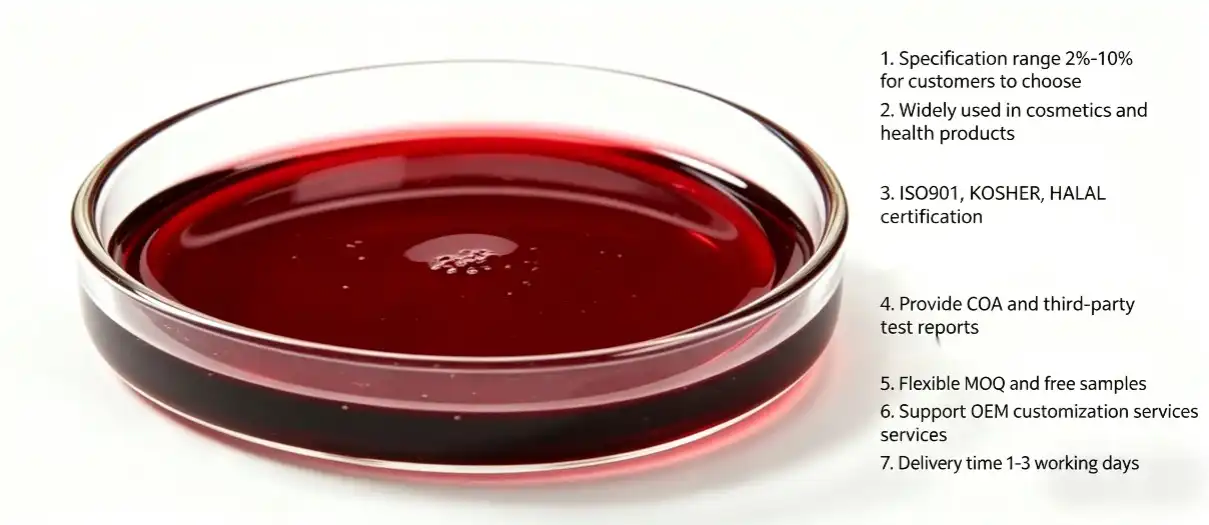
NT Biotech supplies B2B astaxanthin-enriched krill oil and is open to discussion of specification needs with customers prior to an order. The business says that the ingredient is available in defined astaxanthin ranges and samples may be obtained for examination.
Where and How to Buy the Best Krill Oil with Astaxanthin for B2B Needs?
For buyers searching for the best krill oil with astaxanthin, supplier evaluation should start with the specification rather than the supplier's marketing description.
Direct Supplier Engagement Versus Marketplace Purchasing
Marketplaces may help buyers discover possible suppliers, but once technical needs are set, direct contact is often more effective. The manufacturer may explain the assay, specifications offered, packing, sample alternatives, documentation and customisation opportunities.
These information are more valuable than just comparing product names for a long-term B2B campaign.
Leveraging Sample Programs for Quality Validation
The sample helps the customer to verify that the material will work for the specified use before jumping into commercial volumes.
The examination may include appearance, odor, validation of test, compatibility with the formulation matrix and packing behavior. Where feasible the buyer should compare the sample analytical findings to the supplier’s specification and CoA.
NT Biotech has samples of Astaxanthin enhanced krill oil available for B2B assessment. Buyers may email info@newthingsbiotech.com with desired astaxanthin level, application and relevant paperwork to discuss the suitable material.
Logistics and International Shipping Considerations
Before the first commercial shipment, check the package type, Incoterm, shipping method, needed export documentation, and destination-market requirements.
In the case of ordering ingredients internationally, buyers often evaluate papers such as the commercial invoice packing list and CoA, as well as other documentation based on the location and product needs.
Conclusion
Choosing the best krill oil with astaxanthin is ultimately a matter of matching the ingredient specification with the finished-product requirement. Before buying, you should check the EPA and DHA amounts, the astaxanthin amount, the oxidation data, the traceability, the paperwork, and the consistency of the source.
Krill oil may provide a valuable mix of marine omega-3s, phospholipids and naturally occurring astaxanthin, however the ingredient should be judged on quantitative criteria rather than sweeping superiority claims. Lot-level testing and validation for particular applications provide B2B buyers a more solid foundation for selecting suppliers.
FAQ
1. What makes astaxanthin important in krill oil formulations?
Astaxanthin is a naturally occurring carotenoid in Antarctic krill oil, with antioxidant properties. The concentration is variable and purchasers should determine the real concentration by analytical testing and not estimate it by the color of the oil.
2. Can krill oil replace fish oil in existing formulations?
It may be considered as alternative omega-3 source, however replacement should be based on EPA+DHA content and end product serving size. Human studies using the krill oil and fish oil formulations used in this investigation showed similar plasma EPA and DHA responses.
3. Which certifications are essential when vetting krill oil suppliers?
Answer depends on the intended market and the application. Buyers may check quality management, food safety, Halal, Kosher and sustainability paperwork as relevant. For an MSC claim to be meaningful, check the appropriate certification and Chain of Custody coverage at each step of the supply chain.
Partner with NT Biotech for Premium Astaxanthin-Enriched Krill Oil Supply
NT Biotech supplies astaxanthin-enriched krill oil for B2B buyers evaluating marine omega-3 ingredients. Its available material is standardized within a 2%–10% astaxanthin range, and buyers can request samples and specification information for product development.
If you are comparing suppliers for the best krill oil with astaxanthin, contact info@newthingsbiotech.com with your target astaxanthin level, intended application and required documentation. NT Biotech can provide the relevant product information and sample for evaluation before commercial purchasing.
References
1. Kidd, P. (2011). Astaxanthin, Cell Membrane Nutrient with Diverse Clinical Benefits and Anti-Aging Potential. Alternative Medicine Review, 16(4), 355-364.
2. Ulven, S.M., Kirkhus, B., Lamglait, A., Basu, S., Elind, E., Haider, T., Berge, K., Vik, H., & Pedersen, J.I. (2011). Metabolic Effects of Krill Oil are Essentially Similar to Those of Fish Oil but at Lower Dose of EPA and DHA in Healthy Volunteers. Lipids, 46(1), 37-46.
3. Schuchardt, J.P., Schneider, I., Meyer, H., Neubronner, J., von Schacky, C., & Hahn, A. (2011). Incorporation of EPA and DHA into Plasma Phospholipids in Response to Different Omega-3 Fatty Acid Formulations: A Comparative Bioavailability Study. Lipids in Health and Disease, 10, 145.
4. Bunea, R., El Farrah, K., & Deutsch, L. (2004). Evaluation of the Effects of Neptune Krill Oil on the Clinical Course of Hyperlipidemia. Alternative Medicine Review, 9(4), 420-428.
5. Tou, J.C., Jaczynski, J., & Chen, Y.C. (2007). Krill for Human Consumption: Nutritional Value and Potential Health Benefits. Nutrition Reviews, 65(2), 63-77.
6. Nicol, S., Foster, J., & Kawaguchi, S. (2012). The Fishery for Antarctic Krill: Recent Developments. Fish and Fisheries, 13(1), 30-40.