- English
- French
- German
- Portuguese
- Spanish
- Russian
- Japanese
- Korean
- Arabic
- Greek
- German
- Turkish
- Italian
- Danish
- Romanian
- Indonesian
- Czech
- Afrikaans
- Swedish
- Polish
- Basque
- Catalan
- Esperanto
- Hindi
- Lao
- Albanian
- Amharic
- Armenian
- Azerbaijani
- Belarusian
- Bengali
- Bosnian
- Bulgarian
- Cebuano
- Chichewa
- Corsican
- Croatian
- Dutch
- Estonian
- Filipino
- Finnish
- Frisian
- Galician
- Georgian
- Gujarati
- Haitian
- Hausa
- Hawaiian
- Hebrew
- Hmong
- Hungarian
- Icelandic
- Igbo
- Javanese
- Kannada
- Kazakh
- Khmer
- Kurdish
- Kyrgyz
- Latin
- Latvian
- Lithuanian
- Luxembou..
- Macedonian
- Malagasy
- Malay
- Malayalam
- Maltese
- Maori
- Marathi
- Mongolian
- Burmese
- Nepali
- Norwegian
- Pashto
- Persian
- Punjabi
- Serbian
- Sesotho
- Sinhala
- Slovak
- Slovenian
- Somali
- Samoan
- Scots Gaelic
- Shona
- Sindhi
- Sundanese
- Swahili
- Tajik
- Tamil
- Telugu
- Thai
- Ukrainian
- Urdu
- Uzbek
- Vietnamese
- Welsh
- Xhosa
- Yiddish
- Yoruba
- Zulu
Buying experts must choose between astaxanthin oil for skin and retinol when producing sophisticated skin care products. The antioxidant Astaxanthin oil from Haematococcus pluvialis microalgae is 6,000 times stronger than Vitamin C. However, retinol accelerates cell turnover to rejuvenate skin. Choice depends on who you want to purchase your goods, how consistent the recipe must be, and how safe you want to be. Makers may create unique goods that match changing client expectations while obeying the regulations and keeping prices low by knowing about the molecular processes, application situations, and source aspects of both components.
Understanding Astaxanthin Oil and Retinol: Key Characteristics
What Makes Astaxanthin Oil Unique for Skin Applications
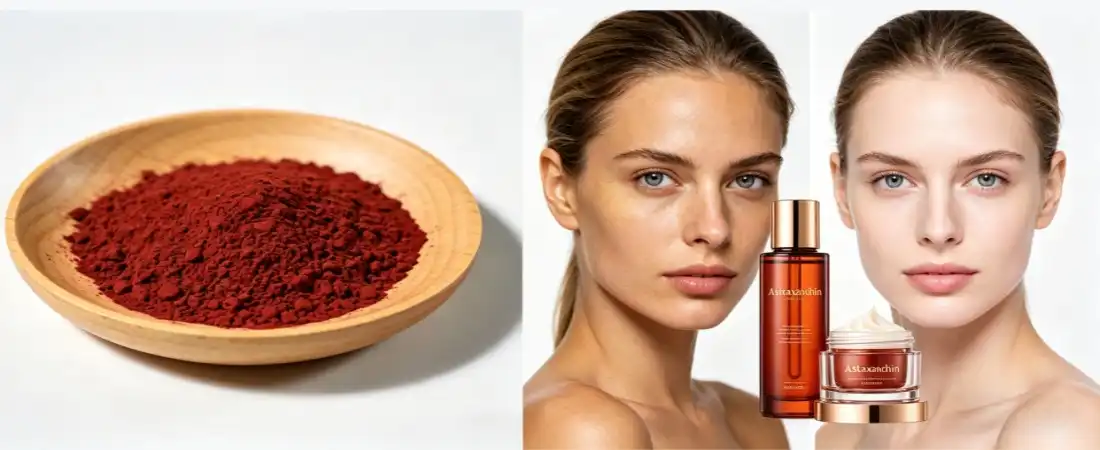
Astaxanthin oil dissolves in fat and is extracted from Haematococcus pluvialis microalgae using supercritical CO2. This extraction method preserves the chemically active (3S, 3'S) stereoisomer and removes solvent residues. This fulfills high-end cosmetics' clean label requirements. The oil matrix's naturally esterified structure makes it more skin-bioavailable than solid granules. Astaxanthin neutralizes singlet oxygen and peroxyl radicals better than other antioxidants. Its unique structure allows it to cover lipophilic and hydrophilic cell membrane layers simultaneously. This makes it effective against UV radiation and pollution-induced photoaging. Oil can solve major production issues that powder forms can't. Natural fatty acid carriers prevent astaxanthin oil from breaking down during storage and help it pass through the stratum corneum. Formulators of sensitive skin products prefer it since it naturally lowers inflammation and doesn't irritate the skin like high-activity renewal agents.
Retinol's Established Role in Skin Renewal
Anti-aging treatments have employed retinol, a vitamin A derivative, for decades because it accelerates keratinocyte proliferation. It links to skin retinoic acid receptors and activates gene expression to increase collagen and sebum production. This method addresses light-induced aging indicators such fine wrinkles, uneven skin tone, and hyperpigmentation. Making the appropriate combination is difficult since the ingredient functions so well. Retinol is light-sensitive and must be stored in dark, sealed containers. Packaging methods or derivative forms like retinyl palmitate are required due to stability issues, however they may impair cellular activity. The concentration limits for over-the-counter cosmetics vary per nation, from 0.3% to 1%. Consumer patience is also vital. In new users or those with poor skin defenses, retinol may induce purging, dryness, and itching. It's not ideal for sensitive skin recipes and requires a lot of instruction on how to gently introduce it.
Comparative Analysis: Astaxanthin Oil vs Retinol for Skin Care
Anti-Aging Efficacy and Mechanism Pathways
Clinical investigations reveal that Astaxanthin oil reduces aging via reducing oxidative stress, not cell cycle speed. A 2012 Journal of Dermatological Science research revealed that applying and consuming 2 mg of astaxanthin daily reduced crow's feet wrinkles and made skin more elastic in eight weeks without side effects. This substance prevents the chain reaction of reactive oxygen species that degrade collagen and elastic fibers. Retinol accelerates epidermal regeneration and causes skin cell loss, unlike other anti-aging drugs. The 0.4% dosage may decrease wrinkle depth by 44% over 12 weeks, according to an expert-reviewed research. Unlike astaxanthin, the substance reduces pores and controls sebum glands, which help acne. The time element distinguishes these techniques. Astaxanthin protects against everyday oxidative damage immediately, making it an ideal option for youth prevention programs. Retinol can repair damage, but it takes months to work. Knowing this distinction helps product makers pick ingredients that match their marketing story and client expectations.
Safety Profiles and Skin Compatibility Considerations
Even with reactive or compromised barriers, astaxanthin oil is safe for all skin types. Because it originates from microalgae and doesn't include allergens, it's unlikely to trigger allergies. Astaxanthin is not phototoxic and protects against UV rays and SPF factors when administered in the proper proportions, according to dermatological testing. This implies daytime retinol products don't need photosensitivity labeling. Retinol may produce redness, peeling, and increased skin water loss during adjustment. Vitamin A overdose during pregnancy may cause birth abnormalities, limiting the market's reach. Brands that desire a big audience or health-conscious customers must add several warnings on their goods due to safety concerns. Materials vary greatly in regulatory compliance. The chemical astaxanthin is GRAS and has few constraints on cosmetic application. Products other than skin care may include the component. It's also in nutritional supplements and beneficial meals, helping marketers build product communities. Retinol is strictly monitored since certain international markets restrict concentration or need additional warning signs. Safety concerns affect your duty and insurance costs when purchasing anything. Formulations containing Astaxanthin oil for skin help manufacturers reach more individuals and improve customer service by reducing pain complaints. This ingredient is less well-known than retinol, therefore consumers and formulators must learn more about it.
Integrating Astaxanthin Oil and Retinol into Skin Care Routines
Optimal Application Timing and Layering Strategies
Astaxanthin oil is ideal for morning practices since it blocks UV rays. Astaxanthin oil is 0.1% to 1% in emulsions, serums, and dry oil mixtures. In combination with mineral sunscreens, the element blocks UV radiation. Lipophilic, it may be combined with fat-soluble actives such tocopherols and coenzyme Q10 without stabilizing. Retinol works best at night, when the body's natural healing mechanisms are highest and photosensitivity is low. Stretch release patterns in encapsulated administration techniques maintain efficacy and reduce discomfort. Formulators must consider pH sensitivity since retinol stability diminishes rapidly at pH 6.0. This implies they must choose buffering systems carefully and avoid using particular AHAs consecutively. People are using astaxanthin-rich creams on nights they don't require retinol, a new trend. This strategy maximizes advantages while minimizing long-term pain. Instead of selling single items, these brands consider themselves as expert skin care educators and establish consumer devotion via tailored routine design.
Formulation Stability and Delivery System Requirements
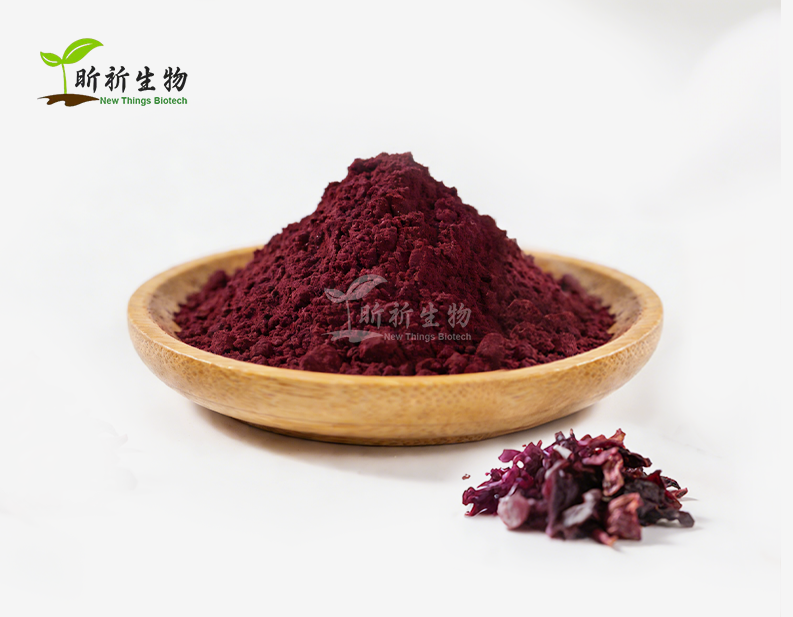
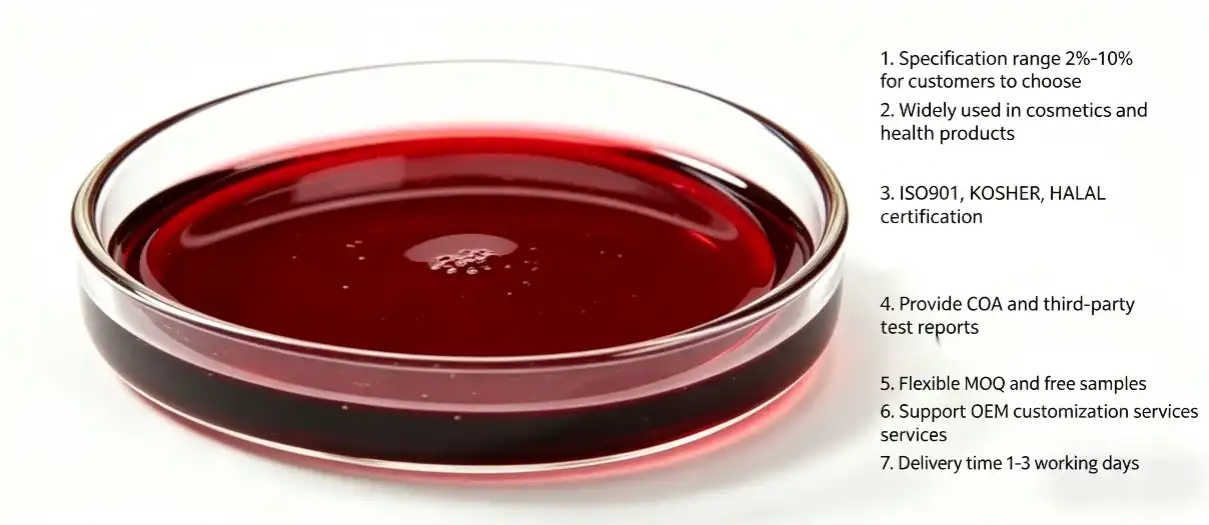
Air and light must be kept out during astaxanthin oil production and packaging to ensure safety. Antioxidants last longer in opaque or transparent glass containers and nitrogen-flushed filling. Dispersing oil makes emulsion stability simpler than crystalline particles. Formulators must use coloring procedures or inform buyers that the ingredient's bright red-orange hue will fade. Advanced procedures are needed to manufacture retinol. Airless pump pitchers don't degrade oxidatively between usage. Cyclodextrins or lipid droplets in microencapsulation technologies protect the active ingredient and regulate release. Modern distribution systems increase manufacturing costs but reduce discomfort and improve product performance. NT Biotech's Haematococcus pluvialis astaxanthin powder allows formulators flexibility since it may be manufactured with 2% to 10% purity. With dry bases or well-designed emulsions, dark red powder remains stable. It meets market demands with ISO, Kosher, and Halal standards. Free samples with a 25 kilogram minimum order number allow R&D teams to verify compatibility before making significant purchases.
Procurement Insights: Sourcing Astaxanthin Oil and Retinol for Skincare Products
Evaluating Astaxanthin Oil Suppliers and Quality Parameters
Astaxanthin oil quality depends on several technical parameters beyond percentage standards. Procurement personnel should choose supercritical CO2 extraction suppliers over solvent-based ones. This eliminates organic contaminants that damage clean-label. The Certificate of Analysis must show HPLC astaxanthin testing, stereoisomer ratios (the natural 3S, 3'S form is more bioactive), and reactive stability variables like peroxide levels. The commercial position and customer acceptance of astaxanthin from microalgae vs petrochemicals vary greatly. Natural products are more expensive but sell better in the fast-growing clean cosmetics sector. While synthetic astaxanthin is physiologically identical to natural astaxanthin, it lacks the carotenoids and fatty acids that make natural oils more stable and accessible. Supply chain transparency is another crucial element. Sellers that are trustworthy disclose the microalgae's origin, extraction, and quality testing. This transparency enables companies share stories about sustainability and ethical suppliers, which are more crucial to conscious consumers when buying. Vertically integrated suppliers produce plants and extract oil, offering more predictable quality and costs than intermediaries who gather from multiple sources. NT Biotech accomplishes purchase targets by delivering plenty of information with each batch. The company's guarantee to answer queries within two hours illustrates a stable supply chain, reducing production planning uncertainty. By having adequate stock to delivery popular specifications within one to three business days, just-in-time manufacturers may reduce inventory expenses.
Retinol Sourcing Considerations and Comparative Cost Analysis
Choosing derivatives and stability technologies is key to getting retinol. Retinol is most effective when pure, yet it's hard to make and expensive. Since retinyl palmitate and retinyl acetate are more stable but less biologically active, you need higher doses to produce the same benefits.Astaxanthin oil provides an antioxidant alternative to retinol, but does not directly replace its action. People must compare ingredient costs against recipe complexity and end product pricing while purchasing. Retinol manufacture requires volume assurances, thus supply deals frequently contain these. Lead times are 15–30 days longer than for astaxanthin oil, so keep track of your supply. Retinol is more impacted by price fluctuations than other compounds since it has few sources and relies on petroleum fuel prices. The cost-benefit analysis considers raw material prices and product manufacturing costs. Retinol requires sophisticated shipping, packaging, and stability testing, which adds product development costs. Astaxanthin oil may cost more per kilogram when used in large quantities, but it reduces formulation costs by improving stability and packaging. Ingredient wholesale prices vary greatly. Astaxanthin oil merchants normally have a 25-kg minimum purchase and huge discounts at 100- and 500-kg. Retinol suppliers may charge higher minimums because to batch manufacturing economics. Negotiating excellent payment terms, like NT Biotech's offer to accept the buyer's local currency, helps reduce working capital and purchase efficiency.
OEM/ODM Partnership Opportunities for Product Innovation
Working with OEM/ODM suppliers speeds up product development and minimizes extraction equipment costs. These ties provide formulation specialists, testing stability infrastructure, and regulatory compliance assistance. This is particularly beneficial in new markets with varied ingredient laws. Astaxanthin formulations may be customised for market placement using NT Biotech's OEM options. Custom packaging options beyond 25 kilogram drums may work for small and big manufacturers. Technical assistance throughout product development, from initial formulation consulting to scale-up optimization, gives the organization an advantage over transaction-based supplier partnerships. Intellectual property problems must be considered in OEM negotiations. Formulation ownership, exclusivity, and privacy rights should be set down. ISO9001-certified suppliers' consistent production procedures preserve a brand's reputation by ensuring consumers can always trust their goods.
Making the Right Choice for Your Skincare Product Line
Aligning Ingredient Selection with Target Demographics
Consumer group research should guide ingredient selection. Younger individuals choose antioxidant-rich solutions for their healthy lifestyles and prefer prevention over repair. People like astaxanthin oil for skin due to its natural origins, environmental benefits, and gentleness. Marketing emphasizes long-term skin health over fast treatments. Retinol's demonstrated remedial advantages and significant clinical data appeal to mature people who worry about aging. This segment of clients is more patient with acclimation and lengthy application procedures. Medical professionals advocate retinol treatments for this population, and clinical pictures indicate benefits before and after usage. The current "skinimalism" movement favors substances that accomplish several things and simplify procedures while giving numerous advantages. Astaxanthin oil is anti-inflammatory, antioxidant, and photoprotective, making it ideal for this exercise. Product designers may capitalize on this trend by developing simple serums with astaxanthin as the main ingredient instead of complex multi-active compositions that need user education.
Cost-Efficiency and Market Positioning Strategies
Premium marketing promotes higher astaxanthin oil concentrations and raw material prices. Luxury companies capitalize on the ingredient's uncommon origin, scientific intricacy, and marine biology longevity research. Packaging, retail connections, and pricing psychology boost premium perception. Despite rising manufacturing costs, corporations may generate substantial profits. Mass-market strategies need cost planning to keep retail costs low and efficacy high. Consumers may benefit from lower astaxanthin levels when coupled with other antioxidants at affordable pricing. However, companies may add astaxanthin to mid-range products to differentiate them from lines that contain typical active ingredients. The total cost of ownership goes beyond ingredients. Money to educating clients about new active substances is included. Retinol's decades of buyer knowledge and purchasing intent minimize client acquisition costs. More money is needed to educate content marketing, influencer relationships, and clinical claims verification to spread astaxanthin. These promotional expenditures should be considered when determining a product's profitability and release date. New market trends reveal people are learning more about chemical chemistry and distrusting marketing. Brands that disclose where their goods originate from, how they were third-party vetted, and when they expect them to work establish consumer confidence beyond product cycles. NT Biotech's detailed testing documentation and sample availability encourage this openness trend. This allows businesses support their marketing claims with verifiable facts.
Conclusion
When deciding between astaxanthin oil for skin care and retinol, consider your target audience, safety issues, and marketing strategy. Astaxanthin oil, an antioxidant, suits all skin types. This makes it ideal for delicate skin and preventive care. Retinol is the best technique to reverse outward indications of aging, despite its pain and difficulty to manage. Procurement professionals must weigh these practical variations against supplier trustworthiness, quality documentation, and formulation cost. The best businesses realize that these substances interact together and build product ecosystems that satisfy consumers' demands at various beauty stages. Strategic relationships with suppliers, especially fast providers that offer technical support and flexible OEM solutions, change ingredient sourcing from a one-time purchase to a joint process that leads to new products and competitive advantage in changing cosmeceutical markets.
FAQ
1. Is astaxanthin oil safe for all skin types?
Astaxanthin oil is suitable for all skin types, including sensitive, dry, or weak defenses. Clinical testing have shown no severe pain or allergic responses. The chemical aids sensitive, irritated, and itchy skin by reducing inflammation. Astaxanthin is safe to use during pregnancy without photosensitivity warnings, unlike retinol. Formulators who wish to target several groups enjoy global compatibility, which enables them reach more clients without market segmentation.
2. Can astaxanthin and retinol be used together in skincare routines?
Evaluation variables include extraction technique (supercritical CO2 is better than solvent methods), stereoisomer confirmation by HPLC, and comprehensive Certificate of Analysis documentation. Check your suppliers' ISO9001, Kosher, and Halal permits to ensure quality control and market access. Compare supply chain clarity, wait times, and minimum order quantities to your production planning requirements. Before ordering big amounts, recipe appropriateness may be tested using samples. Strategic supplier partners can interact fast and support with technology, unlike transactional suppliers.
3. What should I evaluate when sourcing astaxanthin oil in bulk?
Important factors for evaluation include the way of extraction (supercritical CO2 should be used over solvent methods), the confirmation of stereoisomer through HPLC testing, and full Certificate of Analysis documentation. Check the licenses of your suppliers, like ISO9001, Kosher, and Halal, to make sure they have good quality control methods and easy access to markets. Check how clear the supply chain is, how long wait times are, and what the minimum order amounts are in relation to your production planning needs. Samples are available so that recipe suitability testing can be done before committing to large quantities. Strategic supplier partners are different from transactional providers because they can communicate quickly and offer technology help.
Partner with NT Biotech for Premium Astaxanthin Oil Supply
NT Biotech provides high-quality astaxanthin with a rapid supply chain. From 2% to 10%, our Haematococcus pluvialis astaxanthin powder is pure. ISO, Kosher, and Halal standards support its vast production applications. Our commitment to answer queries in two hours and dispatch stored things in one to three days impresses procurement teams. Free samples are available before placing a 25kg minimum order to ensure compatibility. We provide flexible OEM customization, thorough scientific documentation with every batch, and our own stable and bioavailable extraction procedures to enable new products launch as an experienced astaxanthin oil for skin supplier. Our comprehensive value chain integration—from agriculture to application support—makes ingredient purchase strategic. For more information on how our astaxanthin solutions can help your skincare products stand out while also making your supply chain more reliable and cutting costs to meet the needs of your growing market, please contact our sourcing experts at info@newthingsbiotech.com.
References
1. Tominaga, K., et al. (2012). Cosmetic benefits of astaxanthin on human subjects. Journal of Dermatological Science, 68(3), 141-148.
2. Kafi, R., et al. (2007). Improvement of naturally aged skin with vitamin A (retinol). Archives of Dermatology, 143(5), 606-612.
3. Camera, E., et al. (2009). Astaxanthin, canthaxanthin and beta-carotene differently affect UVA-induced oxidative damage and expression of oxidative stress-responsive enzymes. Experimental Dermatology, 18(3), 222-231.
4. Mukherjee, S., et al. (2006). Retinoids in the treatment of skin aging: an overview of clinical efficacy and safety. Clinical Interventions in Aging, 1(4), 327-348.
5. Park, J.S., et al. (2010). Astaxanthin decreased oxidative stress and inflammation and enhanced immune response in humans. Nutrition & Metabolism, 7(1), 18-26.
6. Ambati, R.R., et al. (2014). Astaxanthin: sources, extraction, stability, biological activities and its commercial applications—a review. Marine Drugs, 12(1), 128-152.