- English
- French
- German
- Portuguese
- Spanish
- Russian
- Japanese
- Korean
- Arabic
- Greek
- German
- Turkish
- Italian
- Danish
- Romanian
- Indonesian
- Czech
- Afrikaans
- Swedish
- Polish
- Basque
- Catalan
- Esperanto
- Hindi
- Lao
- Albanian
- Amharic
- Armenian
- Azerbaijani
- Belarusian
- Bengali
- Bosnian
- Bulgarian
- Cebuano
- Chichewa
- Corsican
- Croatian
- Dutch
- Estonian
- Filipino
- Finnish
- Frisian
- Galician
- Georgian
- Gujarati
- Haitian
- Hausa
- Hawaiian
- Hebrew
- Hmong
- Hungarian
- Icelandic
- Igbo
- Javanese
- Kannada
- Kazakh
- Khmer
- Kurdish
- Kyrgyz
- Latin
- Latvian
- Lithuanian
- Luxembou..
- Macedonian
- Malagasy
- Malay
- Malayalam
- Maltese
- Maori
- Marathi
- Mongolian
- Burmese
- Nepali
- Norwegian
- Pashto
- Persian
- Punjabi
- Serbian
- Sesotho
- Sinhala
- Slovak
- Slovenian
- Somali
- Samoan
- Scots Gaelic
- Shona
- Sindhi
- Sundanese
- Swahili
- Tajik
- Tamil
- Telugu
- Thai
- Ukrainian
- Urdu
- Uzbek
- Vietnamese
- Welsh
- Xhosa
- Yiddish
- Yoruba
- Zulu
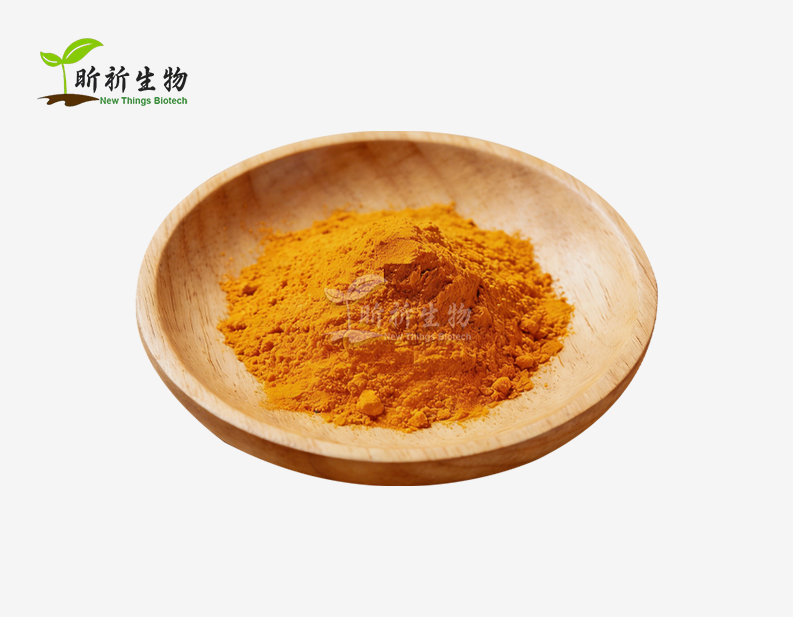
Astaxanthin 10 powder is a controlled, high-concentration plant extract from Haematococcus pluvialis microalgae that has 10% pure astaxanthin, which is one of nature's strongest antioxidants. The best mix between potency and stability can be found in this dark red powder. It is perfect for use in food supplements, cosmetics, and animal feed. The 10% standard is better at maintaining its shape and consistency than lower-concentration versions or oils. It solves important formulation problems that R&D managers and sourcing specialists in the nutrition and functional ingredient sectors face.
Understanding Astaxanthin 10 Powder: Definition and Core Benefits
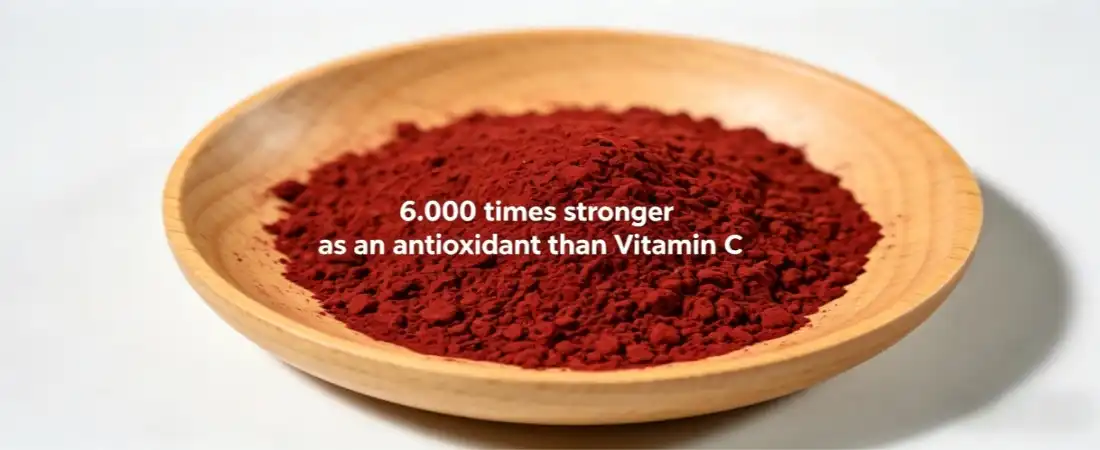
Astaxanthin is a xanthophyll carotenoid that is naturally made by Haematococcus pluvialis, a watery microalgae that stores it to protect itself from external stress. The molecule has a long conjugated double-bond chain with hydroxyl and keto end groups. This lets it cross cell membranes and eliminate free radicals in both water and lipid environments. Studies on singlet oxygen stopping ability show that this special structure of astaxanthin's molecules makes its antioxidant activity about 6,000 times stronger than vitamin C and 100 times stronger than vitamin E.
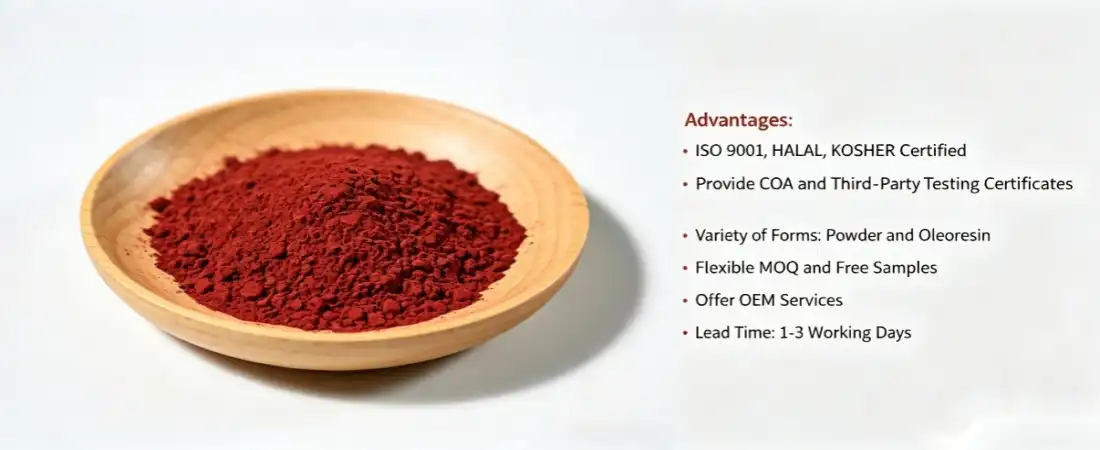
NT Biotech's astaxanthin 10 powder is extracted using supercritical CO2 and then microencapsulated. This protects the highly volatile molecule from oxidation and photodegradation. The 10% concentration is a standard in the business that strikes a good mix between bioavailability and ease of production. Each batch comes with a lot of quality paperwork, like an HPLC analysis, a Certificate of Analysis (CoA), and proof from third-party tests that it meets the standards for ISO9001, Kosher, and Halal.
Key Health Benefits Validated by Research
Scientific material shows that astaxanthin has many biological functions in many different body systems. Dermatological studies show that it can lessen UV-induced skin damage by stopping the release of matrix metalloproteinase. This stops collagen breakdown and wrinkles from forming. Daily intake has been shown in clinical studies to improve skin flexibility and moisture retention within 6 to 12 weeks. This makes it useful for beauty-from-within products.
Immunomodulatory affects include making natural killer cells work better and making more immunoglobulins, which help the immune system stay strong. Ophthalmological study shows that astaxanthin crosses the blood-retinal barrier, which means it can help people who are having trouble seeing because of digital eye strain by making their eyes feel less tired and improving their vision. It's good for your heart because it lowers oxidative stress markers and raises lipid profiles, especially LDL oxidation resistance.
Quality Indicators for B2B Procurement
Procurement workers should look at a number of important quality indicators when analyzing astaxanthin powder suppliers. Source confirmation shows how microalgae are grown and how they are extracted. Supercritical CO2 extraction gives more pure profiles than solvent-based methods. Purity testing with HPLC should show the percentage of 3S,3'S stereoisomers, which is the naturally occurring form that is better for biology than manufactured versions.
The results of stability tests show that packaging technology keeps the active chemical safe while it is being stored and made. When tablets are compressed or capsules are filled, our special microencapsulation matrix keeps the material from breaking down too much, even when it is exposed to mild heat. The certificates should have tests for heavy metals, microbes, and pesticide residues that meet FDA and EU standards for food items and cosmetic raw materials.
How Astaxanthin 10 Powder Works: Mechanisms and Applications
At the level of cells, astaxanthin's antioxidant system works in a number of different ways. The molecule's long conjugated double-bond system makes it easy for electrons to move around. This lets it take free electrons from reactive oxygen species without turning into a pro-oxidant itself. Astaxanthin's amphipathic shape lets it defend both the cytoplasm and membranes at the same time, unlike water-soluble antioxidants that are only found in the cytoplasm or lipid-soluble antioxidants that are only found in the membranes.
Bioavailability is a very important thing for formulation experts to think about. Because astaxanthin is lipophilic, it needs to be taken with food fats or added to lipid-based delivery methods in order to be absorbed properly. Our astaxanthin 10 powder recipe solves this problem by microencapsulating it with food-grade carriers that make it easier to disperse in oil or water, based on the format of the final product. Encapsulation also keeps the molecule safe while it moves through the digestive tract, making sure it gets to the right places to be absorbed.
Versatile Industry Applications
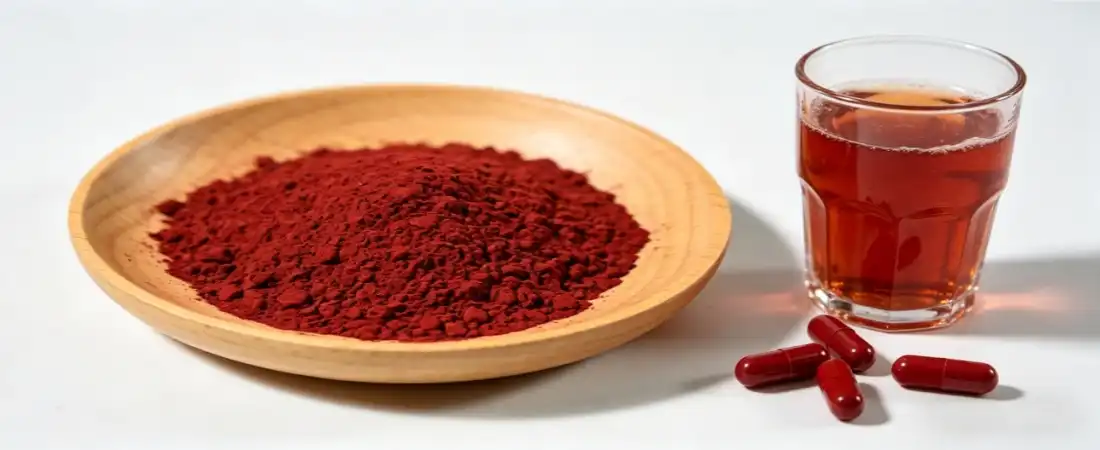
Because the quantity is always 10%, this nutrient is very useful in a lot of different areas. In the food supplement business, the powder is put into pills and hard-shell capsules with doses of 4 to 12 mg of pure astaxanthin per serving, which is equal to 40 to 120 mg of 10% powder. This concentration lets formulators make appropriate doses without adding too much bulk, so tablets stay the same size and are easy to take.
The anti-aging qualities of astaxanthin are used in serums, creams, and powdered beauty masks for the face. Protects against UV rays and keeps collagen healthy in powder form, which mixes easily into dry formulas and emulsion systems. The compound's bright red color is used as a natural colorant in clean-label food items, though higher amounts may be better for strong color intensity.
Animal diet is a growing field, especially when it comes to feed for fish and chickens. Supplementation makes the flesh color of farmed fish darker and the egg yolk color better in laying hens. This meets customer tastes and gives animals health benefits from antioxidants. Feed makers like that the powder stays stable during the pelleting process and has a longer shelf life when mixed with other ingredients.
Safe Usage and Dosage Guidelines for Astaxanthin 10 Powder
Based on clinical research, the safe daily dose range for humans is between 4 mg and 12 mg of pure astaxanthin. Some studies have even looked at amounts as high as 40 mg without any negative effects. When this is turned into astaxanthin 10 powder, most dietary supplement formulas include 40 to 120 mg per dose. Product designers should plan for production overages, which are usually between 10 and 15 percent, to account for the small amount of degradation that happens over time.
Application-Specific Recommendations
Astaxanthin pills and capsules usually have 4 to 8 mg of pure astaxanthin (40 to 80 mg of 10% powder) per daily dose, which is usually split between one or two meals. For better exercise healing benefits, sports nutrition formulas may go up to 12 mg. Topical formulas for cosmetics usually have a powder concentration of 0.5 to 2%. This is done to balance how well the product works with how the color affects the end look.
Safety Profile and Regulatory Compliance
Numerous toxicity tests have shown that astaxanthin is very safe. In human studies, therapeutic doses don't seem to have any major side effects. However, very high doses (more than 40 mg daily) can sometimes cause slight stomach pain. People who are allergic to algae or seafood should not be treated with this medicine. However, the astaxanthin that comes from Haematococcus is structurally different from the proteins in shellfish that cause most allergic responses.
The regulatory situation is different in each area, but it usually favors market entry. Astaxanthin is generally thought to be safe (GRAS) by the FDA for certain uses in food, and it is also legal as a dietary ingredient under DSHEA rules. In Europe, it can be sold as an ingredient in food supplements, and it has Novel Food approval for some uses. Kosher and Halal certificates help meet the dietary needs of people around the world who follow religious rules. They also help our approved batches reach more customers.
Choosing the Right Astaxanthin 10 Powder: Quality and Supplier Comparison
To find the right astaxanthin provider, you need to look at a lot of technical and business factors. When you compare concentrations, you can see that 2-5% powders are cheaper up front, but the astaxanthin 10 powder specification cuts down on handling volumes and improves dosing accuracy, making it a better deal for precision formulas in the long run. Oil-based forms are more bioavailable in softgel forms, but they are harder to keep stable and can't be used in as many ways as powdered forms.
Beyond concentration ratios, purity levels need to be carefully looked at. Naturally occurring astaxanthin from Haematococcus pluvialis is very expensive, but it has better biological function than synthetic options. HPLC fingerprinting should confirm that 3S,3'S stereoisomers are the most common type, and spectroscopic analysis should confirm that synthetic trans-isomers are not present. Synthetic trans-isomers are sometimes added to lower-quality materials to make them look better.
Supplier Evaluation Criteria
Certification files show how sophisticated a manufacturing process is and how well it can follow regulations. Through written processes and standards for ongoing growth, ISO9001 quality management systems make sure that performance is the same from batch to batch. For Kosher and Halal certifications, the sources of ingredients and handling methods must be checked by a third party. This gives even more confidence that the production areas are clean.
When production processes need to grow, the ability to accept bulk orders is very important. Minimum order quantities (MOQ) of 25 kg are good for pilot production and small-batch manufacturing. On the other hand, suppliers who offer metric-ton amounts are better for business operations that need to make a lot of products. Customizing the packing, from standard 25 kg fiber drums to private-label retail packaging, lets brands fit in without having to pay extra for reworking.
Market Considerations and Procurement Intelligence
The way prices are set takes into account more than just the cost of raw materials. Natural astaxanthin from Haematococcus is more expensive than synthetic or yeast-fermented options because it has better stereoisomer profiles and people like natural ingredients. The 10% concentration strikes a better balance between cost-effectiveness and recipe usability than either higher concentrations that need special handling or lower concentrations that make the product bulkier and more difficult to make.
Private label opportunities allow brand owners to launch proprietary products without investing in extraction infrastructure. Our OEM services help with custom formulation creation, stability testing, and creating regulatory paperwork, which shortens the time it takes for new goods to hit the market. International buyers are less likely to lose money on foreign exchange when they can pay in their own currency. This makes it easier to buy things across borders.
Procurement and Integration: How to Buy and Incorporate Astaxanthin 10 Powder
Finding a trusted source for astaxanthin 10 powder starts with checking the qualifications and production capabilities of the seller. Ask for particular information, like how to measure quantity, the range of particle sizes, the amount of water present, and the microbiological limits. When a product is being sold in the US, it needs to be registered with the FDA, and in the EU, it needs to be approved as a novel food. For other countries, it needs to have the right import permits.
Lead time management requires understanding both when stocks are available and when special production can start. Our fast response protocol ensures that initial inquiries will be answered within two hours. This lets procurement teams quickly figure out if urgent projects are possible. Standardized 10% powder that is in stock lets orders be filled right away, but custom ratios or specialty encapsulation forms take the full 3–10 day production cycle.
Manufacturing Integration Best Practices
The way ingredients are stored has a big effect on how stable they are and how long they last. Astaxanthin powder needs to be kept cool and dry, out of direct sunlight, and ideally below 25°C in cases that are tightly sealed and have desiccant packets inside. The relative humidity in a warehouse should stay below 60% so that rainwater doesn't get absorbed, which speeds up oxidative degradation. If you store things properly, they will last up to 24 months from the date they were made if they are covered, and 12 months if they are opened.
Supply Chain Partnership Development
Building long-term ties with suppliers has benefits beyond lowering transaction costs. Technical support includes formulation advice, advice on how to improve stability, and help with regulatory paperwork, all of which help clients find their way through complex compliance settings. Our team offers detailed technical datasheets, safety paperwork, and application notes for specific types of products, which makes it easier for your own research and development team to do their work.
Vertical unification, which includes everything from growing the crops to preparing them, ensures consistent quality. Instead of middlemen getting goods from different places, our managed supply chain makes sure that each batch is the same, which is important for large-scale manufacturing. Sharing information about crop predictions and output schedules on a regular basis helps people plan their goods ahead of time, which prevents supply problems during times of high demand or changes in the growing season for algae.
Conclusion
Astaxanthin 10 powder is the best ingredient for B2B clients in the nutraceutical, skincare, and animal nutrition industries because it has a consistent level of strength, is very stable, and can be used in a wide range of situations. When procurement professionals know about a product's biochemical processes, quality indicators, and integration needs, they can make smart buying choices that improve product performance while still following the rules. The 10% concentration strikes a good mix between bioavailability, ease of production, and cost-effectiveness, which is why it is the best choice for large-scale activities. Partnering with certified sellers who offer full technical support, adjustable order amounts, and reliable delivery turns buying ingredients from something that needs to be done into a strategic competitive advantage.
FAQ
1. Why choose 10% concentration over lower-grade alternatives?
The 10% standard gives the most accurate dosing and less bulk volume than 2-5% powders, which lets tablets be smaller and micro-dosing more exact. This concentration is strong enough for therapeutic benefits while still being affordable enough for industrial production. Lower ratios need bigger amounts to give the same dose, which drives up the cost of production and limits the size of tablets that can be used.
2. Are there contraindications for specific user populations?
People of all ages have reported that astaxanthin is very safe, but people who are allergic to algae should be careful. As with any food item, women who are pregnant or nursing should talk to their doctors before taking supplements. There are no major drug interactions reported in the literature, but using it at the same time as anticoagulant drugs should be closely monitored by a doctor because of the possible risk of bleeding at very high amounts.
3. How can buyers verify purity and authenticity?
Ask for a lot of proof, like HPLC chromatograms that show the stereoisomer profiles, spectroscopic analysis that rules out manufactured adulterants, and certificates from a third-party lab that back up the quantity claims. Genuine sellers give out Certificates of Analysis that are batch-specific and include heavy metal screening, microbe testing, and pesticide residue results. A visual review should show a uniform dark red coloration with no unpleasant smells. Testing for moisture content confirms that the drying process was done correctly.
Partner With NT Biotech for Premium Astaxanthin 10 Powder Supply
NT Biotech is a reliable company that makes astaxanthin 10 powder. They use cutting-edge extraction technology and strict quality control to give you ingredients that make your products better. Our powder made from Haematococcus pluvialis is certified as ISO9001, Kosher, and Halal, and it is also over 98% pure for key beneficial ingredients. Our minimum order quantity (MOQ) starts at 25 kg, and we offer free samples for formulation testing so that you can see how good our products are before you commit to large sales.
Our responsive buying team promises to answer all questions within two hours and keep stock that can be shipped within two to four days. This way, there are no interruptions in the supply chain that would affect production plans. In addition to providing ingredients, we also offer detailed technical paperwork, stable data, and formulation support to help you speed up the development of your product. Please email our experts at info@newthingsbiotech.com to get full product information, reasonable prices on astaxanthin 10 powder for sale, and unique solutions that fit your exact needs.
References
1. Ambati, R.R., Phang, S.M., Ravi, S., & Aswathanarayana, R.G. (2014). Astaxanthin: Sources, extraction, stability, biological activities and its commercial applications—A review. Marine Drugs, 12(1), 128-152.
2. Davinelli, S., Nielsen, M.E., & Scapagnini, G. (2018). Astaxanthin in skin health, repair, and disease: A comprehensive review. Nutrients, 10(4), 522.
3. Fassett, R.G., & Coombes, J.S. (2011). Astaxanthin: A potential therapeutic agent in cardiovascular disease. Marine Drugs, 9(3), 447-465.
4. Guerin, M., Huntley, M.E., & Olaizola, M. (2003). Haematococcus astaxanthin: Applications for human health and nutrition. Trends in Biotechnology, 21(5), 210-216.
5. Higuera-Ciapara, I., Felix-Valenzuela, L., & Goycoolea, F.M. (2006). Astaxanthin: A review of its chemistry and applications. Critical Reviews in Food Science and Nutrition, 46(2), 185-196.
6. Yuan, J.P., Peng, J., Yin, K., & Wang, J.H. (2011). Potential health-promoting effects of astaxanthin: A high-value carotenoid mostly from microalgae. Molecular Nutrition & Food Research, 55(1), 150-165.