- English
- French
- German
- Portuguese
- Spanish
- Russian
- Japanese
- Korean
- Arabic
- Greek
- German
- Turkish
- Italian
- Danish
- Romanian
- Indonesian
- Czech
- Afrikaans
- Swedish
- Polish
- Basque
- Catalan
- Esperanto
- Hindi
- Lao
- Albanian
- Amharic
- Armenian
- Azerbaijani
- Belarusian
- Bengali
- Bosnian
- Bulgarian
- Cebuano
- Chichewa
- Corsican
- Croatian
- Dutch
- Estonian
- Filipino
- Finnish
- Frisian
- Galician
- Georgian
- Gujarati
- Haitian
- Hausa
- Hawaiian
- Hebrew
- Hmong
- Hungarian
- Icelandic
- Igbo
- Javanese
- Kannada
- Kazakh
- Khmer
- Kurdish
- Kyrgyz
- Latin
- Latvian
- Lithuanian
- Luxembou..
- Macedonian
- Malagasy
- Malay
- Malayalam
- Maltese
- Maori
- Marathi
- Mongolian
- Burmese
- Nepali
- Norwegian
- Pashto
- Persian
- Punjabi
- Serbian
- Sesotho
- Sinhala
- Slovak
- Slovenian
- Somali
- Samoan
- Scots Gaelic
- Shona
- Sindhi
- Sundanese
- Swahili
- Tajik
- Tamil
- Telugu
- Thai
- Ukrainian
- Urdu
- Uzbek
- Vietnamese
- Welsh
- Xhosa
- Yiddish
- Yoruba
- Zulu
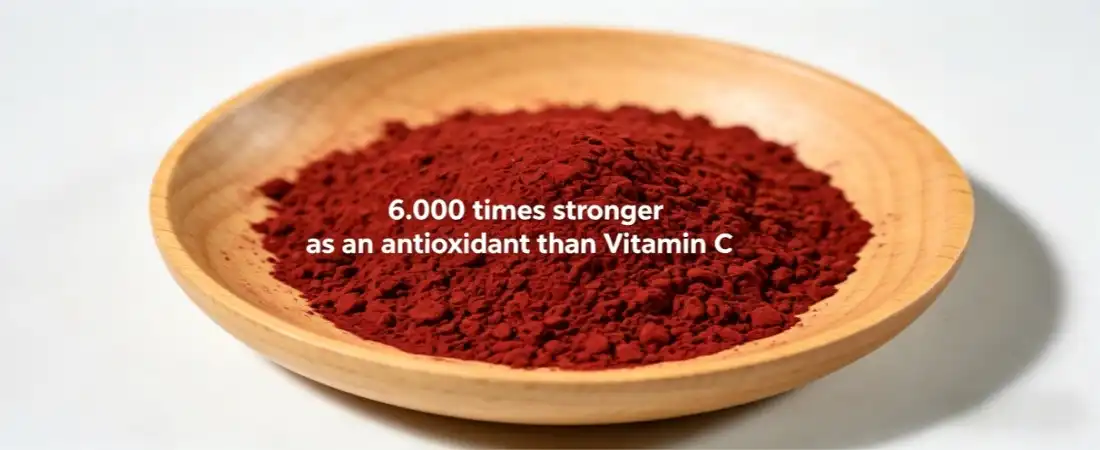
For procurement workers managing the competitive nutraceutical environment, sourcing astaxanthin powder wholesale has emerged as a top concern. This dark red pigment, which is mostly found in Haematococcus pluvialis, is about 6,000 times stronger as an antioxidant than Vitamin C. This makes it an essential ingredient for products that target inflammation, skin health, and physical recovery. It is important for R&D managers and sourcing leaders to know the technical specs, quality standards, and supplier skills in order to get products that meet regulatory requirements and stay within budget. This guide shows you how to choose trustworthy partners, make the best use of processes for purchasing, and make sure your ingredient plan fits the needs of new markets in cosmetics, functional foods, and dietary supplements.
Understanding Astaxanthin Powder and Its Applications in Nutraceuticals
Natural astaxanthin that comes from growing microalgae is the best for use in nutrition supplements. Compared to manufactured forms made using petrochemical methods, natural astaxanthin from Haematococcus pluvialis is more bioavailable and has stereoisomer profiles that favor the (3S, 3'S) configuration that is recognized by human physiology. The process of extraction usually involves supercritical CO2 or liquid extraction, which is followed by microencapsulation using materials like modified starch or gum arabic. These help to keep the lipophilic molecule stable and stop it from breaking down due to oxygen during storage.
Health Benefits Driving Market Demand
Astaxanthin's ability to lower reactive stress markers and improve mitochondrial function has been proven by clinical study. Studies show that skin flexibility improves noticeably after eight weeks of supplementation. The best results are seen when the dose is between 4 and 12 mg per day. The compound's special chemical structure lets it cross cell walls and protect both water-loving and fat-loving areas from damage caused by free radicals. This two-way process makes astaxanthin a top ingredient in anti-aging products that fight UV-induced photoaging and keep collagen healthy.
Emerging Product Innovation Trends
Astaxanthin is being used more and more in recovery products by the sports nutrition industry because it can help with stamina and stop lactic acid buildup. It is now mixed with electrolyte complexes and branched-chain amino acids in powder stick packs and ready-to-drink drinks. The beauty-from-within group combines astaxanthin with hyaluronic acid and ceramides to make items that work together to treat both internal oxidative stress and the function of the skin's barrier function. These new products show how consumers' needs for multifunctional supplements backed by clear clinical evidence are changing.
How to Choose the Best Astaxanthin Powder for Wholesale Purchase
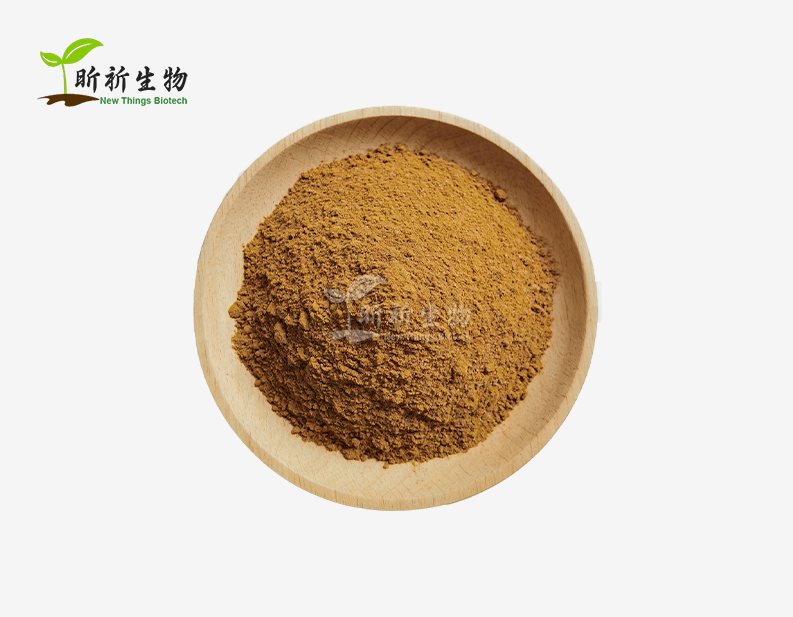
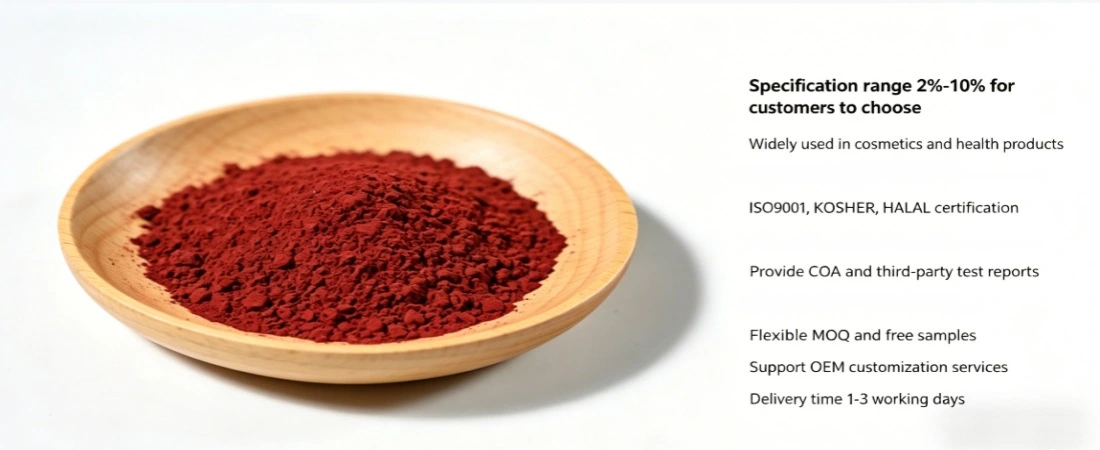
High-Performance Liquid Chromatography (HPLC) research is used to check the concentration of the active substance as the first step in the quality review process. Certificates of Analysis (CoA) from reputable sources show that the astaxanthin powder wholesale astaxanthin content is between 2% and 10%. Premium types have concentrations that are good for low-dose capsule formulas. The color should be a dark red to violet-brown powder with evenly spaced particles that can usually pass through 40–80 mesh screens for the best tableting flowability.
Natural Versus Synthetic Source Evaluation
Natural astaxanthin costs a lot to grow and extract, so it gets a high price. However, it has clear benefits when it comes to marketing claims and governmental acceptance. The European Food Safety Authority and the FDA both accept natural sources as generally recognized as safe (GRAS). This makes it easier for goods aimed at health-conscious people to get on the market. Synthetic substitutes may lower the cost of inputs, but customers are skeptical of them, and they can't be used in organic goods. When looking at source choices for their target markets, procurement teams have to weigh price limits against how they want to position their brands.
Certification and Manufacturing Standard Verification
ISO 9001 certification shows that quality management is done in a planned way, and Kosher and Halal standards help you reach new customers in certain groups. Make sure that sources follow Good Manufacturing Practices (GMP) and have heavy metals (like lead, arsenic, mercury, and cadmium) tested by a third party for pollution by microbes and polycyclic aromatic hydrocarbons. To make sure lipids are stable, ask for proof that the peroxide level is less than 5 meq/kg. Suppliers that offer OEM freedom and private label capabilities are valuable to brands that want to make their products stand out without having to spend a lot of money on infrastructure for creation.
Navigating Bulk Astaxanthin Powder Procurement
When you buy something in bulk, the prices are usually based on how much you buy. For normal grades, the lowest amount you can order is 25 kilos. When you commit to buying more than 500 kilograms, you can often get better prices. However, procurement experts should look at the total landed costs, which include freight, security, and import taxes. Price standards change based on the amount of microalgae harvested and the cost of energy used in the extraction process. This means that ties with suppliers and the terms of contracts are very important for keeping track of the budget.
Logistics and Regulatory Compliance Considerations
To keep nutraceutical-grade powders from going bad during shipping, they need to be kept in temperature-controlled packages that stay below 15°C. Suppliers who use their own FedEx or UPS accounts speed up customs clearance and make tracking easier, which lowers the confusion in the supply chain. Commercial bills, phytosanitary certificates, and import permits specific to the country must all be included in documentation packages. For places like the US, make sure that the suppliers can give you ingredients that follow the rules for dietary supplements in 21 CFR Part 111. These rules include identity tests and strength verification methods.
Sample Testing and Quality Verification Protocols
Before you place a mass order, ask for samples along with a certificate of analysis (CoA) that shows HPLC test results, a moisture content of less than 5%, and bacteria screening. For astaxanthin powder wholesale, check the supplier's claims independently through accredited laboratories to see if they are true and to see if cheaper carotenoids like canthaxanthin are being added. If you are making goods that can dissolve in water, you should look at how well the powder dissolves and how stable the suspension is over 24 hours to guess how long it will last. This research guards against risks related to purchasing things and sets quality standards for long-term supply deals.
Leveraging Astaxanthin Powder for Various Nutraceutical Product Segments
Product makers working on sports nutrition products find the best doses, which are usually between 4 and 12 mg per serving. Astaxanthin is often combined with CoQ10 and omega-3 fatty acids to help cells make more energy. When making taste systems for powders, formulators must take into account how intensely colored they are when making protein shake mixes and pre-workout mixes. The microencapsulated forms help hide tastes and are easier to spread in watery settings.
Cosmetic-Grade Specifications for Topical Applications
Astaxanthin that meets the standards of the International Nomenclature of Cosmetic Ingredients (INCI) and has particles that are 10 to 20 microns in size is needed for dermatological formulas to work better. Cosmetic buyers look for sources that offer liposomal or cyclodextrin-complexed types of carotenoids that keep working throughout the product's shelf life and keep the emulsion stable. Skin safety tests and data from interaction tests with common makeup ingredients like glycerin, propylene glycol, and preservative systems should be included in the paperwork.
Animal Nutrition and Aquaculture Feed Applications
Astaxanthin is used in aquaculture to make salmonids and crabs more colorful, which has a direct effect on their market value and customer acceptance. Feed-grade standards usually include a quantity of 2 to 5 percent, mixed with vitamin E to keep it stable, and formed into pellets. TBARS (thiobarbituric acid reactive substances) tests should be used to measure oxidative stability factors in purchase contracts. For uniform mixing in large-scale feed production, the animal nutrition section values consistent particle size distribution. This makes seller process controls and batch-to-batch uniformity very important selection factors.
Best Practices and Future Trends in Astaxanthin Powder Sourcing for Nutraceuticals
A study of the market shows that there is a growing need for foods with clean labels that are grown in a way that doesn't harm the environment. More and more, consumers are looking closely at how transparent the supply chain is. They prefer brands that say they can trace their products from growing algae to extracting and encapsulating them. When suppliers invest in closed-system photobioreactors, they show they care about the environment and make sure the product is pure, free of the environmental pollutants that can be found in open-pond farming systems.
Innovation in Delivery System Technologies
Microencapsulation has come a long way, and now multi-layer coating systems that release astaxanthin in specific digestive areas for better absorption are able to achieve 95% capsule efficiency. Liposomal delivery platforms are 30–40% more bioavailable than traditional powder forms, which is why they are used in high-end supplement lines. Procurement teams should keep an eye on these technology changes and think about forming partnerships with suppliers that offer next-generation forms that set product lines apart and make it possible to charge higher prices.
Supplier Relationship Management Strategies
Long-term relationships with certified makers lower the risk of supply chain volatility and allow people to work together to make new products. Set up business reviews every three months to look at quality measures, service performance, and sharing of market data. Framework deals that lock in price ranges while still allowing for changes to specifications as formulation strategies change should be negotiated. Spreading out your suppliers across different areas can help lower the risk of crop failures or changes to regulations in one area. However, you should still keep your main relationships with two or three core partners to keep your volume leverage and technical support depth.
Conclusion
To find trusted astaxanthin powder wholesale partnerships, you have to find a balance between cost goals and market positioning goals, as well as technical standards, quality assurance processes, and supply chain logistics. Natural astaxanthin from Haematococcus pluvialis has strong benefits in terms of bioavailability and legal acceptance. However, buying teams must carefully check the certifications, manufacturing standards, and testing methods of suppliers. As the nutraceutical industry moves toward clean-label, scientifically proven chemicals, astaxanthin becomes an important part for brands that want to appeal to health-conscious consumers in functional foods, vitamins, and cosmetics. Today's strategic choices about where to get materials give us a competitive edge that grows as we make our products stand out and build trust with customers.
FAQ
1. What Concentration of Astaxanthin Should I Specify for Supplement Formulations?
Standardized amounts between 2% and 10% allow for different dose methods and capsule size limits. In normal two-capsule servings, sports nutrition products usually use 5% grades, which give 4-6 mg, while premium anti-aging formulas may mention 10% grades for single-capsule ease of use.
2. How Can I Verify Authentic Natural Astaxanthin Versus Synthetic Substitution?
Ask for stereoisomer analysis using chiral HPLC to confirm the (3S, 3'S) configuration majority feature of the Haematococcus pluvialis extraction. The optical rotation values and fatty acid ester profiles of natural sources are different from those of manufactured sources. Third-party testing by independent labs adds another layer of proof against cheating that is done for financial reasons.
3. Do Suppliers Offer Private Label and OEM Manufacturing Services?
A lot of well-known sellers offer complete packages that include formulating, encapsulating, packing, and help with regulatory paperwork. Look at partners whose MOQs are open for custom projects; these usually start at 5,000 to 10,000 units, based on how complicated the format is. When making private recipes, make sure that intellectual property rights are protected and that there are terms of exclusivity.
Partner with NT Biotech: Your Trusted Astaxanthin Powder Wholesale Supplier
With ISO 9001, Kosher, and Halal certifications to back it up, NT Biotech provides pharmaceutical-grade astaxanthin powder wholesale options that meet the high standards of nutraceutical makers worldwide. Our special extraction method gets top grades that are >98% pure. This is backed up by full HPLC analysis and third-party proof with every shipment. We get rid of supply chain uncertainty and speed up your time to market by having standard specs in stock and ready to ship in two to four days. For private label development, we offer flexible OEM customization. Email our expert team at info@newthingsbiotech.com to get free samples, talk about your formulation needs, and find out how our flexible service model can help you reach your buying goals. You can look at our full line of functional chemicals drawn from plants at xinqishengwu.aixdb.cn.
References
1. Ambati, R.R., Phang, S.M., Ravi, S., & Aswathanarayana, R.G. (2014). Astaxanthin: Sources, Extraction, Stability, Biological Activities and Its Commercial Applications. Marine Drugs, 12(1), 128-152.
2. Capelli, B., Bagchi, D., & Cysewski, G.R. (2013). Synthetic Astaxanthin is Significantly Inferior to Algal-Based Astaxanthin as an Antioxidant and May Not be Suitable as a Human Nutraceutical Supplement. Nutrafoods, 12(4), 145-152.
3. Guerin, M., Huntley, M.E., & Olaizola, M. (2003). Haematococcus Astaxanthin: Applications for Human Health and Nutrition. Trends in Biotechnology, 21(5), 210-216.
4. Naguib, Y.M. (2000). Antioxidant Activities of Astaxanthin and Related Carotenoids. Journal of Agricultural and Food Chemistry, 48(4), 1150-1154.
5. Tominaga, K., Hongo, N., Karato, M., & Yamashita, E. (2012). Cosmetic Benefits of Astaxanthin on Humans Subjects. Acta Biochimica Polonica, 59(1), 43-47.
6. Yuan, J.P., Peng, J., Yin, K., & Wang, J.H. (2011). Potential Health-Promoting Effects of Astaxanthin: A High-Value Carotenoid Mostly from Microalgae. Molecular Nutrition & Food Research, 55(1), 150-165.