- English
- French
- German
- Portuguese
- Spanish
- Russian
- Japanese
- Korean
- Arabic
- Greek
- German
- Turkish
- Italian
- Danish
- Romanian
- Indonesian
- Czech
- Afrikaans
- Swedish
- Polish
- Basque
- Catalan
- Esperanto
- Hindi
- Lao
- Albanian
- Amharic
- Armenian
- Azerbaijani
- Belarusian
- Bengali
- Bosnian
- Bulgarian
- Cebuano
- Chichewa
- Corsican
- Croatian
- Dutch
- Estonian
- Filipino
- Finnish
- Frisian
- Galician
- Georgian
- Gujarati
- Haitian
- Hausa
- Hawaiian
- Hebrew
- Hmong
- Hungarian
- Icelandic
- Igbo
- Javanese
- Kannada
- Kazakh
- Khmer
- Kurdish
- Kyrgyz
- Latin
- Latvian
- Lithuanian
- Luxembou..
- Macedonian
- Malagasy
- Malay
- Malayalam
- Maltese
- Maori
- Marathi
- Mongolian
- Burmese
- Nepali
- Norwegian
- Pashto
- Persian
- Punjabi
- Serbian
- Sesotho
- Sinhala
- Slovak
- Slovenian
- Somali
- Samoan
- Scots Gaelic
- Shona
- Sindhi
- Sundanese
- Swahili
- Tajik
- Tamil
- Telugu
- Thai
- Ukrainian
- Urdu
- Uzbek
- Vietnamese
- Welsh
- Xhosa
- Yiddish
- Yoruba
- Zulu
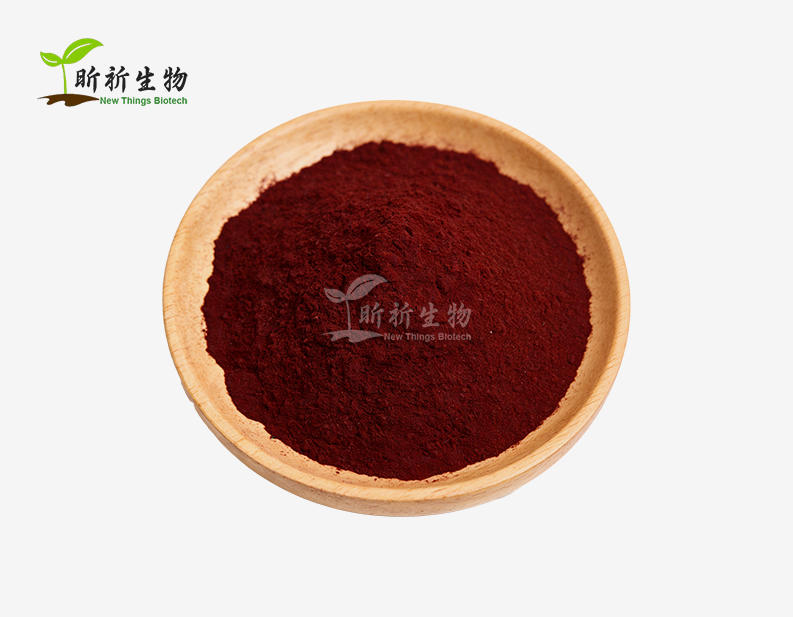
To find the best astaxanthin powder for sale, you need to know the quality standards that are important to buyers in the nutrition and beauty industries. Our Quality Astaxanthin Powder comes from Haematococcus pluvialis and has amounts between 2% and 10%. It comes in a stable, dark-red microencapsulated form. This natural ketone pigment has been certified as ISO, Kosher, and Halal, which means it is safe to use in a variety of legal settings. Our product is in stock and can be shipped within 2 to 4 days. It meets the two important requirements of trustworthiness and speed that make B2B relationships work in today's competitive ingredient market.
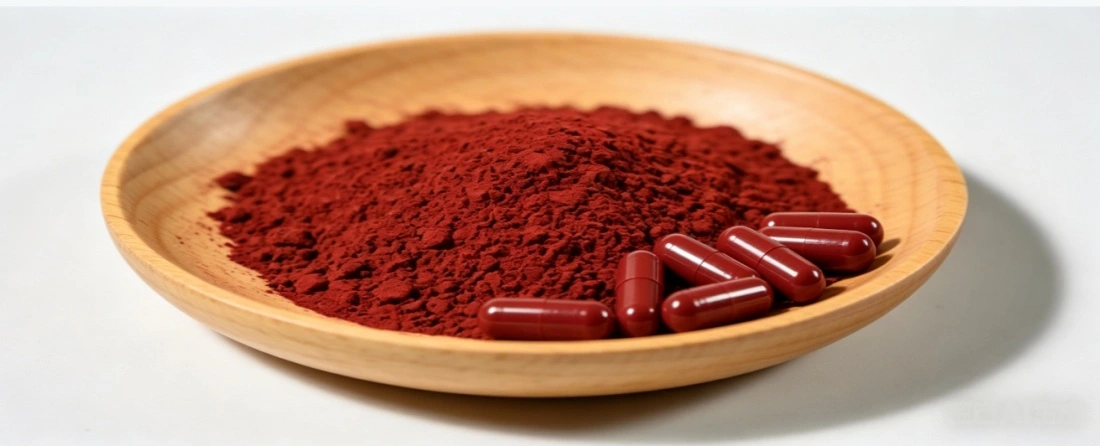
Understanding Astaxanthin Powder and Its Benefits for Skin and Health
Astaxanthin powder is a keto-carotenoid pigment that can fight free radicals about 6,000 times better than Vitamin C. It is mostly obtained from the microalgae Haematococcus pluvialis and has the CAS number 472-61-7. It has nutritional and functional properties that make it useful in many different industries.
Biochemical Characteristics and Natural Sources
During the extraction process, supercritical CO2 or liquid extraction are used to turn raw microalgae biomass into a concentrated powder. The lipophilic molecule is then microencapsulated to keep it stable. This process fixes oxidation instability, which is a big problem because raw astaxanthin breaks down quickly in light, heat, or air. The powder that is made keeps its effectiveness by having protected layers made of gum arabic, modified starch, or cyclodextrin. The 3S, 3'S visual isomer in natural astaxanthin is mostly found in esterified forms, which makes it chemically different from manufactured alternatives that usually show up as non-esterified racemates.
Scientifically Supported Health and Skin Benefits
Extensive clinical study has shown that astaxanthin can protect cell structures from oxidative harm. Because of the way its molecules are structured, it can cross cell barriers and protect cells from the inside and the outside. Studies have shown that astaxanthin can help reduce fine lines and wrinkles on the skin by stopping the breakdown of collagen that is caused by UV light. It works as an internal photoprotectant that works with sunscreens on the skin to fight oxidative stress at the cellular level. The compound also helps the immune system, the heart, and muscle recovery, which makes it useful for food supplement formulas that aim to improve sports performance and health related to getting older.
Dosage Guidelines and Safety Considerations
Standard dosages for dietary vitamins are between 4 mg and 12 mg per day, but amounts can be different depending on the purpose. Our powder specs, which range from 2% to 10% concentration, give R&D teams making pills, capsules, or healthy drinks exact formulation control. The safety profile has stayed high throughout clinical studies, with no major side effects being recorded at the suggested doses. Third-party testing is needed to make sure that we're following the rules, and we do that for every batch by giving full Certificates of Analysis that include HPLC purity measures, microbial testing, and heavy metal screens.
Comparing Astaxanthin Powder Products: What B2B Buyers Need to Know
Astaxanthin is sold on the market in powder, oil, and pill forms, each of which is best for a different production process. When buying teams know about these differences, they can match ingredient forms with production skills and end-product requirements.
Format Comparison and Selection Criteria
When it comes to high-speed packaging and tablet compression, powder formulas are easier to work with than oil-based ones, which could leak during storage and processing. Our microencapsulated powder has a mass density of 0.45g/ml to 0.65g/ml and a particle size distribution of 40–100 mesh, which makes sure that it flows smoothly through automatic filling equipment. For those looking for astaxanthin powder for sale, this formulation is particularly suitable. Cold-water-soluble versions can be used in beverages because they stay in suspension without separating like lipophilic chemicals do. Oil forms work well for making softgels, but they need to be handled carefully so they don't oxidize while being processed. Capsule goods are more geared toward consumer markets than B2B ingredient supply lines.
Natural Versus Synthetic Astaxanthin Analysis
Astaxanthin that comes from Haematococcus pluvialis is very expensive, but it is better for your body and tastes better, so people choose to buy it. The esterified molecular structure found in natural sources is more stable and absorbs more quickly than manufactured forms made through petrochemical processes. Natural astaxanthin is usually priced 40–60% higher than synthetic versions because it is more expensive, but market trends are moving toward using natural ingredients in higher-end products. The stereoisomers in synthetic astaxanthin are arranged in a 1:2:1 ratio. It doesn't have the biological activity profile of natural sources, which could affect claims of effectiveness and the regulatory approval process in some places.
Quality Verification Through Third-Party Testing
Reliable sellers provide a lot of paperwork that proves the product is real and pure. For every production batch, there should be HPLC chromatography data proving the concentration is correct, microbial testing proving the lack of pathogens, and heavy metal screening proving compliance with pharmacopeial limits. As part of our dedication to openness, we use third-party lab verification to give procurement workers independent confirmation of specifications. Assessing a brand's image through industry references and facility certifications that have been inspected (ISO9001, GMP) adds to the confidence. When suppliers offer free samples, buyers can try them out before committing to large orders, which lowers the risk of the purchase.
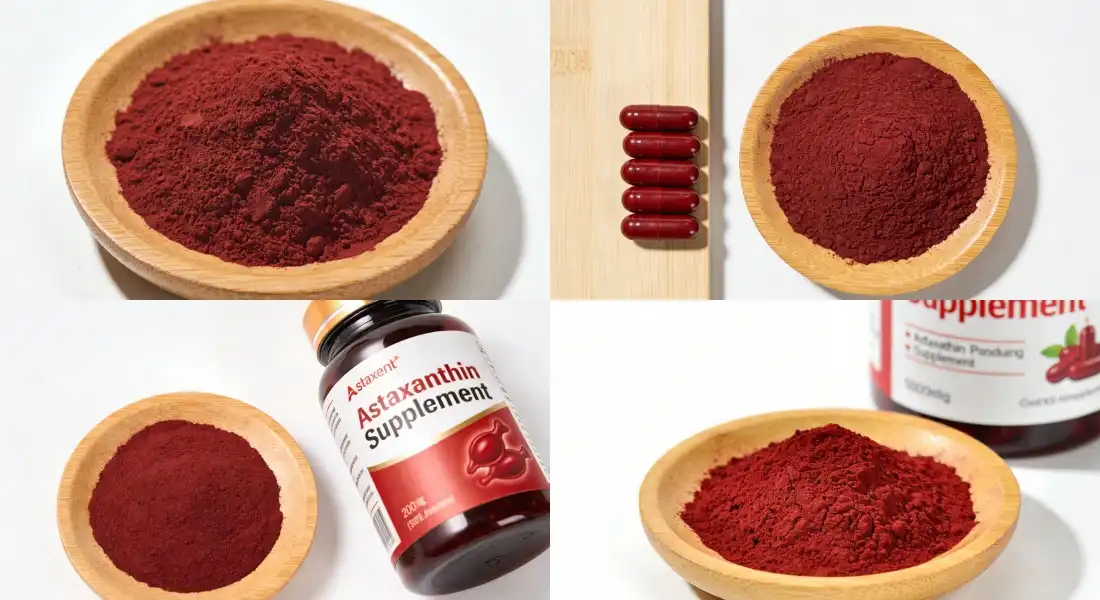
How to Choose the Right Astaxanthin Powder Supplier for Your Business
One of the most important choices in setting up solid ingredient supply lines is choosing a supplier. The right relationship gives you more than just transactional price. It also gives you technical help, regulatory knowledge, and operating dependability that makes you more competitive.
Manufacturing Certifications and Quality Protocols
Along with industry-specific certifications like GMP (Good Manufacturing Practices), manufacturing facilities should keep their ISO9001 certification, which shows that their quality management system is up to code. Halal and Kosher approvals make it easier for goods that are aimed at certain groups of people to reach more customers. All three certifications are held by our building, which shows that we are committed to standard methods and being able to track things. In-process testing should be part of quality control methods at multiple steps of production, not just study of the finished product. Ask for more information on the different ways of extracting substances. For example, supercritical CO2 extraction means spending money on clean, residue-free processes, while cheaper liquid methods need extra steps to be cleaned up.
Supply Chain Transparency and Documentation
Verifying where the raw materials come from is the first step in making supply lines more open. Suppliers should write down how the source microalgae were grown, including where they came from and how they were harvested, as these factors affect the end product's qualities. Vertical integration, which includes growing algae, extracting it, and microencapsulating it, makes sure that the quality is always the same and that the risk of pollution is kept to a minimum. Certificates of Analysis, Safety Data Sheets, allergen declarations, and governmental compliance statements relevant to each country should all be included in the documentation packages that go with each shipment. This paperwork makes it easier to get through customs and meets the standards for due diligence for quality checks that will happen later.
Logistics Capabilities and Order Fulfillment
Global business-to-business operations need logistics systems that can adapt to different order amounts and delivery times. We keep a lot of common versions of astaxanthin powder for sale in stock, so we can ship them within one to three business days for orders of at least 25 kg. For production orders, it takes 3–10 working days to get the raw materials, separate them, test them, and package them. For fast quick delivery, our shipping system uses FEDEX and UPS accounts, and for large orders over 500 kg, it uses trusted freight forwarders to handle consolidated sea freight. Temperature-controlled shipping keeps the integrity of the product safe while it's in travel. This is especially important for natural chemicals that are sensitive to heat. Response time is important. Our team promises to answer all inquiries within two hours, which helps with buying choices that need to be made quickly.
These detailed criteria for evaluating suppliers help you make smart choices that balance quality, dependability, and cost. The right relationship offers more than just ingredients; it also offers technical teamwork to help with product creation and market differentiation.
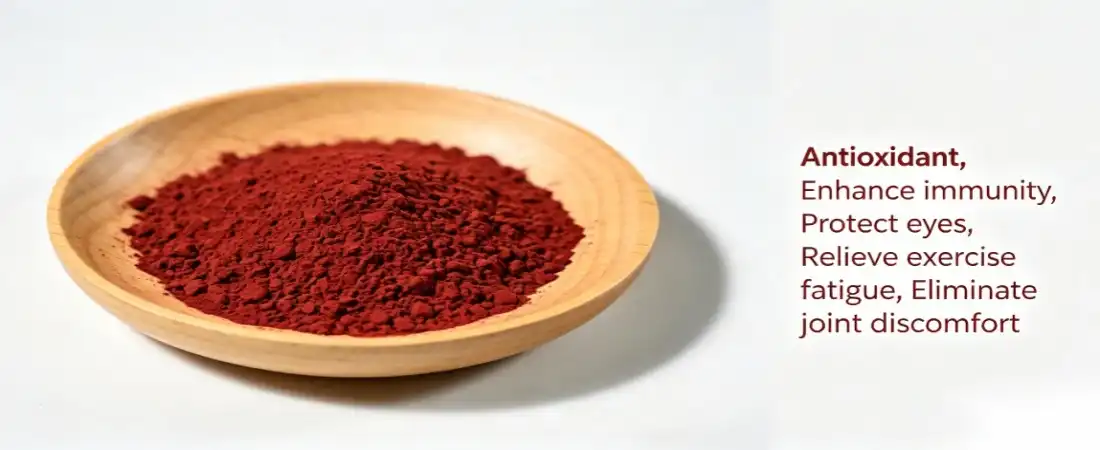
Optimizing Your Astaxanthin Powder Procurement Process
Strategic procurement is more than just finding good providers. It also means setting up processes that make sure there is a steady supply, lower risks, and take advantage of new market possibilities. Buyers who are smart come up with multi-layered plans that address both daily efficiency and long-term competitive benefits.
Industry Application Segmentation and Customization
For different uses, specific material requirements are needed. Bioavailability and standard strength are important to makers of dietary supplements so that doses are always the same across production runs. Cosmetic formulators look for powders that work with emulsion systems. They often need specific particle sizes to make sure the powder spreads evenly without being grainy. Functional beverage makers need forms that dissolve in cold water and keep their brightness without forming crystals. We can customize your order by adding your own name, changing the concentration, or making changes to the package to help your brand stand out. Talk to the supplier about application needs right away. Technical teams can suggest the best formulations based on end-use cases, and by changing the specifications, they may be able to find cost savings.
Risk Mitigation Strategies
Vulnerabilities in the supply chain put production and quality uniformity at risk. Use two-way buying for important ingredients and keep in touch with backup sources even though primary partnerships offer big benefits. Do regular checks of your suppliers to make sure that their manufacturing skills and quality processes are still up to date. Product adulteration is a problem that won't go away. For example, fake astaxanthin made from manufactured substances or lower-quality products is often sold in black markets. To stop this, make sure that testing paperwork is specific to each batch and that accepted materials are checked by a third party on a regular basis. Contracts should spell out quality standards, delivery times, and how to fix packages that don't meet expectations. This way, everyone is protected because everyone knows what to expect.
Market Trend Analysis and Future-Proofing
The market for natural astaxanthin is expected to keep growing because people want to buy ingredients with clean labels and there is more and more scientific proof that the supplement is good for you. Beauty-from-within ideas are becoming more popular in Asia-Pacific and European markets. This opens the door for new product development that combines supplements taken by mouth with skin treatments. Sustainability factors are becoming more important in buying choices; sellers who show they use environmentally friendly farming and mining methods are in line with corporate social responsibility efforts. Even though organic licenses only make up a small part of the market right now, rising demand could make a premium place worthwhile. To stay up to date, read trade magazines and attend technical workshops for suppliers. These events give you information about the market that helps you make strategic plans.
We offer payment options that are easy for buyers, like accepting local currency, which makes international deals easier by lowering the problems that come up with foreign exchange. This financial flexibility goes well with our technical skills, giving buying processes full support.
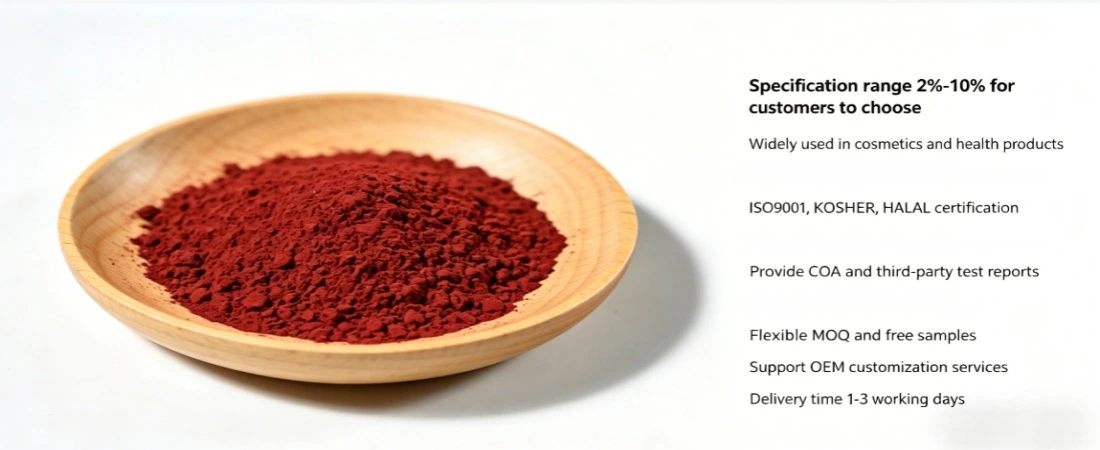
Conclusion
To find the best astaxanthin powder for sale, you need to do a full evaluation that includes checking the quality, making sure the seller is trustworthy, and making sure the business can run smoothly. Compared to other forms, the microencapsulated powder from Haematococcus pluvialis is more stable and bioavailable, meeting the needs of formulations in nutrition, cosmetic, and functional food fields. To be successful in business-to-business purchasing, you need to work with qualified producers who can show that they know how to extract materials and have clear supply lines and quick logistics. Our Quality Astaxanthin Powder meets strict ISO, Kosher, and Halal standards. We also offer fast fulfillment and technical teamwork to help you reach your goals for product creation in the global market, which is very competitive.
FAQ
1. What are typical lead times for bulk astaxanthin powder orders?
In general, how long does it take to get large orders of astaxanthin powder? Items in stock are shipped within one to three business days after an order is confirmed for amounts at least 25 kg. Custom production orders that need specific amounts or changes to the package are usually finished in 3 to 10 business days. This schedule includes getting the raw materials, using special extraction methods, doing a lot of tests in the lab to get Certificates of Analysis, and finally packing everything up. If you ask, rush orders can be processed faster, but normal schedules make sure that quality is checked at every stage of production.
2. How can buyers verify astaxanthin powder authenticity and quality?
Astaxanthin powder buyers want to know how to make sure it is real and of good quality. Verification of real natural astaxanthin needs more than one layer of proof. Certificates of Analysis should include HPLC test results that prove the content is correct and show stereoisomer profiles that are typical of natural sources. Ask for data from microbe testing and heavy metal screening that show the product meets pharmacopeial standards. Third-party laboratory proof from suppliers is an extra way to get independent evidence on top of internal testing. Before committing to large purchases, free samples let you do hands-on tests like solubility, color stability, and basic formulation before making a decision. Facility standards (ISO9001, GMP) show that quality control systems have been set up and are regularly audited.
3. What regulatory considerations affect astaxanthin powder imports?
Regulatory needs are very different from one area to the next. The US Food and Drug Administration (FDA) says that natural astaxanthin is generally recognized as safe (GRAS) for use in food supplements, but some health claims need to be backed up. Novel Foods law in the European Union says that some uses need to be approved before they can go on the market. Asia's markets, like Japan and South Korea, have their own register rules and quality standards. As part of our regulatory knowledge, we can put together documentation packages that are special to each country that help with customs clearance and domestic compliance. Check early to see what the target market needs—the right paperwork keeps shipments from being delayed, which costs a lot of money.
Partner With a Trusted Astaxanthin Powder Manufacturer for Your B2B Needs
When buying workers are looking for trusted, high-quality natural ingredients, NT Biotech is the company to go to for premium astaxanthin powder for sale. Our fully integrated businesses make sure a steady supply from growing microalgae to advanced extraction and microencapsulation. We have ISO9001, Kosher, and Halal standards to back this up. We keep a lot of products in stock so that we can send quickly (within two to four days), and we can also make changes to specifications and private labeling easily. Get in touch with our expert team at info@newthingsbiotech.com to talk about your formulation needs, get free samples, and look into our low price models that are meant to help you build a long-term relationship with us as your trusted provider.
References
1. Ambati, R.R., Phang, S.M., Ravi, S., & Aswathanarayana, R.G. (2014). Astaxanthin: Sources, Extraction, Stability, Biological Activities and Its Commercial Applications—A Review. Marine Drugs, 12(1), 128-152.
2. Fakhri, S., Abbaszadeh, F., Dargahi, L., & Jorjani, M. (2018). Astaxanthin: A mechanistic review on its biological activities and health benefits. Pharmacological Research, 136, 1-20.
3. Kidd, P. (2011). Astaxanthin, cell membrane nutrient with diverse clinical benefits and anti-aging potential. Alternative Medicine Review, 16(4), 355-364.
4. Tominaga, K., Hongo, N., Karato, M., & Yamashita, E. (2012). Cosmetic benefits of astaxanthin on humans subjects. Acta Biochimica Polonica, 59(1), 43-47.
5. Yuan, J.P., Peng, J., Yin, K., & Wang, J.H. (2011). Potential health-promoting effects of astaxanthin: A high-value carotenoid mostly from microalgae. Molecular Nutrition & Food Research, 55(1), 150-165.
6. Guerin, M., Huntley, M.E., & Olaizola, M. (2003). Haematococcus astaxanthin: applications for human health and nutrition. Trends in Biotechnology, 21(5), 210-216.