- English
- French
- German
- Portuguese
- Spanish
- Russian
- Japanese
- Korean
- Arabic
- Greek
- German
- Turkish
- Italian
- Danish
- Romanian
- Indonesian
- Czech
- Afrikaans
- Swedish
- Polish
- Basque
- Catalan
- Esperanto
- Hindi
- Lao
- Albanian
- Amharic
- Armenian
- Azerbaijani
- Belarusian
- Bengali
- Bosnian
- Bulgarian
- Cebuano
- Chichewa
- Corsican
- Croatian
- Dutch
- Estonian
- Filipino
- Finnish
- Frisian
- Galician
- Georgian
- Gujarati
- Haitian
- Hausa
- Hawaiian
- Hebrew
- Hmong
- Hungarian
- Icelandic
- Igbo
- Javanese
- Kannada
- Kazakh
- Khmer
- Kurdish
- Kyrgyz
- Latin
- Latvian
- Lithuanian
- Luxembou..
- Macedonian
- Malagasy
- Malay
- Malayalam
- Maltese
- Maori
- Marathi
- Mongolian
- Burmese
- Nepali
- Norwegian
- Pashto
- Persian
- Punjabi
- Serbian
- Sesotho
- Sinhala
- Slovak
- Slovenian
- Somali
- Samoan
- Scots Gaelic
- Shona
- Sindhi
- Sundanese
- Swahili
- Tajik
- Tamil
- Telugu
- Thai
- Ukrainian
- Urdu
- Uzbek
- Vietnamese
- Welsh
- Xhosa
- Yiddish
- Yoruba
- Zulu
Purchasing astaxanthin powder wholesale offers significant cost saves over purchasing it in shops, as procurement professionals are aware of right away. Prices per kilogram drop by 40 to 60 percent when you buy a lot of them. This is because they have direct ties with makers, economies of scale, and don't have to mark up their prices like stores do. Not only do wholesale relationships save you money, but they also give you access to specifications that can be changed, dependable supply lines, and expert help that you can't get in stores. When B2B buyers in the nutrition, makeup, and functional food industries know these basic differences, they can make smart decisions that fit their buying strategies and help their businesses be successful in the long run.
Understanding Astaxanthin Powder: Wholesale vs Retail Basics
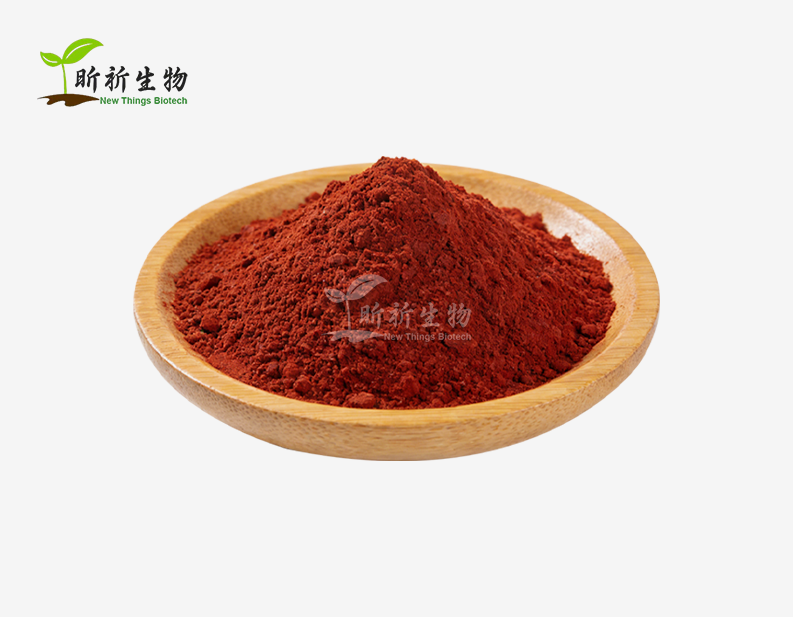
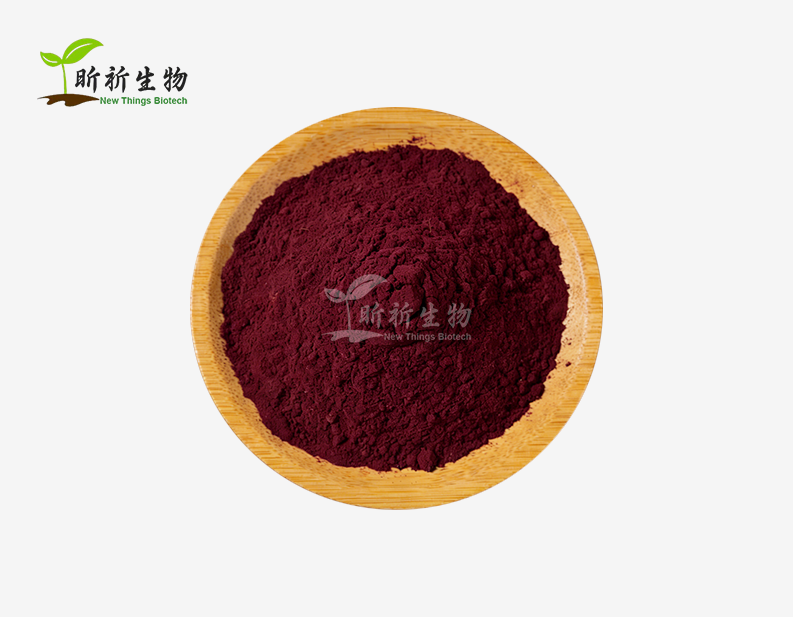
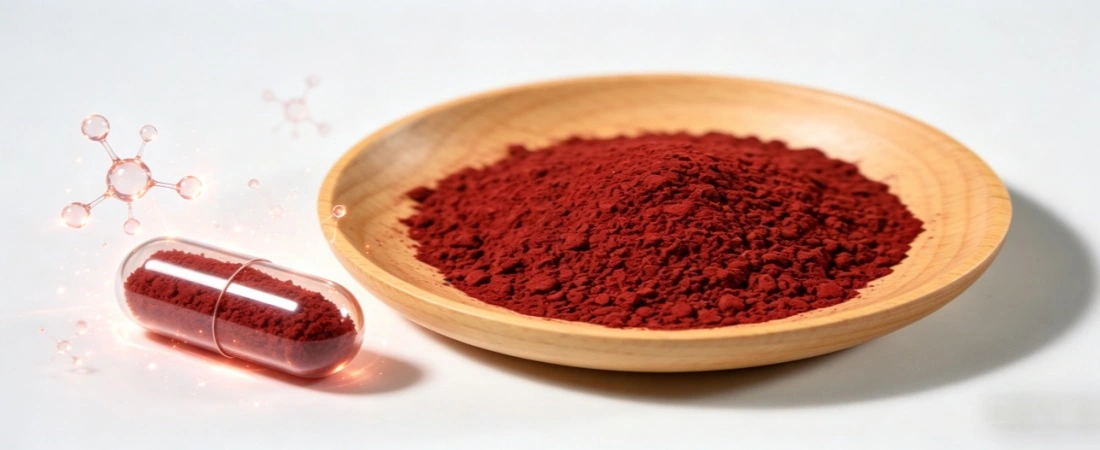
Astaxanthin powder, which mostly comes from the microalgae Haematococcus pluvialis, is one of the best natural defenses there is. About 6,000 times stronger than Vitamin C and 550 times stronger than Vitamin E at getting rid of singlet oxygen is this dark red to violet-brown powder. The substance can be added to a lot of different things, like makeup, useful foods, dietary supplements, and animal feed. People who buy in bulk (B2B) want to add scientifically proven useful benefits to their products to make them stand out.
Core Characteristics and Industry Applications
High-quality astaxanthin powder contains 2%–10% active compound, with higher purity costing more due to advanced extraction. Microencapsulation improves stability, enabling use in tablets and premixes while extending shelf life to 24–36 months under proper storage.
Wholesale vs Retail: Fundamental Purchasing Differences
Wholesale buyers prioritize CoA validity, batch consistency, scalability, and flexible packaging like 25 kg drums with negotiated payment terms. Retail focuses on small quantities, fixed packaging, limited customization, and immediate payment methods.
Cost Breakdown: Wholesale vs Retail Pricing Analysis
There are many things that affect the production and selling of astaxanthin powder wholesale, which affect its prices. Buying teams need to carefully think about these things. There is a clear link between the quality of the raw materials, the difficulty of the extraction process, and the standards used to make sure the end product is clean. It is common for suppliers who use supercritical CO2 extraction from Haematococcus pluvialis to charge more than those who make alternatives. However, their goods are better at absorption and are marketed as natural, which helps premium brand strategies.
Production Factors Influencing Wholesale Pricing
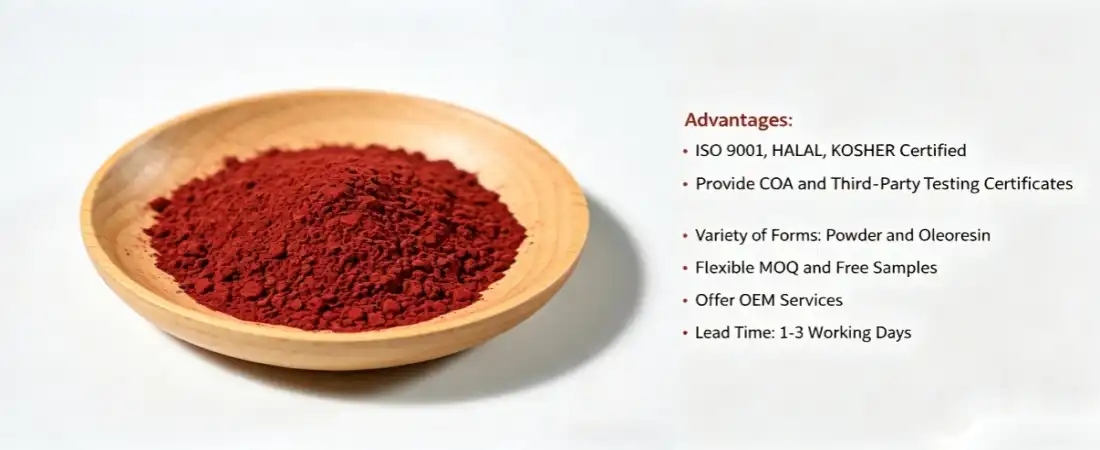
Natural astaxanthin production is expensive due to cultivating Haematococcus pluvialis in controlled photobioreactors, requiring advanced expertise and investment. Extraction methods like supercritical CO₂ and HPLC-grade processing determine purity and cost, with high-end products exceeding 98% purity. Regional infrastructure and certifications such as ISO9001, Kosher, and Halal also influence pricing. Additional quality controls—including ICP-MS heavy metal testing and microbiological screening—further increase costs but ensure compliance and safety.
Retail Markup Components and Hidden Costs
Retail pricing includes significant non-production costs like branding, packaging, marketing, and multi-layer distribution, leading to 200–400% markups. Bulk astaxanthin typically costs $800–$1,200/kg for 25 kg orders, while retail prices can reach $80,000–$150,000/kg equivalent. This 67–99× difference highlights the economic advantage of wholesale purchasing for industrial buyers requiring consistent supply.
Quality and Purity Considerations in Wholesale Astaxanthin Powder
When you buy astaxanthin powder wholesale, making sure the grade is good is the most important thing. Concentration rates directly affect how well a product works, how well it follows the rules, and finally, how happy the end user is. This is something that B2B buyers need to know. It takes five times as much of a 2% astaxanthin powder as a 10% concentrate to make the same amount that works. This changes how much it costs to make, how big the pills are, and how hard it is to make them.
Critical Certifications and Testing Standards
Chromatography (HPLC) verifies astaxanthin content and distinguishes it from other carotenoids like lutein or canthaxanthin. Natural sources such as Haematococcus pluvialis contain the (3S, 3'S) isomer, which is more bioactive than synthetic racemic mixtures. Certifications like ISO9001, Kosher, and Halal ensure consistent quality and broader market access, while third-party testing (ICP-MS, PAHs, and microbiology panels) confirms safety and regulatory compliance.
Natural vs Synthetic: Cost-Quality Trade-offs
Natural astaxanthin is more expensive due to complex cultivation and extraction but offers higher bioactivity—studies suggest 20–50% greater antioxidant effectiveness. This makes it preferred for nutraceuticals and cosmetics targeting health-conscious consumers. Synthetic astaxanthin is more cost-effective and widely used in applications like aquaculture feed, but faces increasing regulatory scrutiny in food and cosmetic markets. Procurement decisions must balance cost savings against performance, compliance risks, and brand positioning.
Procurement Considerations for Buying Astaxanthin Powder Wholesale
Successful astaxanthin powder wholesale procurement extends beyond identifying competitive pricing to establishing reliable supply partnerships that help the business stay open. Usually, the smallest amount of natural astaxanthin powder that can be ordered is 25 kilograms. However, suppliers who are open may be able to handle smaller test orders for new products. One way to package things is in standard 25-kilogram drums. You can also get unique designs, such as metal foil bags, fiber drums, or cases that are made to fit your specific storage needs.
Logistics, Shipping, and International Considerations
International sourcing requires managing customs, phytosanitary documents, and cold-chain transport to prevent oxidation. Express couriers like FedEx or UPS deliver in 3–5 days, while sea freight takes longer but reduces costs significantly.
Payment Terms and Sample Evaluation
Bulk purchases use T/T or L/C terms, often 30% deposit and 70% before shipment. Reliable suppliers provide 20–100g samples, enabling buyers to verify quality, solubility, and formulation compatibility before large orders.
Making the Decision: Is Wholesale Astaxanthin Powder the Right Choice?
Determining the optimal astaxanthin powder wholesale strategy requires evaluating organizational scale, consumption volume, and strategic objectives. To stay competitive, it's important to have good trade ties with people who work in the food supplement business. They usually buy 200 to 500 kilograms per year. If an OEM makes named goods, they have to make sure that the specs don't change from one run to the next. This can only be done by working directly with manufacturers and making sure that quality control is done from batch to batch. If a small business or company wants to see how the market responds, they may start by buying through retail outlets. When the number level is right, they can move on to bulk agreements.
Cost-Benefit Analysis Across Buyer Profiles
Big businesses that make more than 1,000 kg of things a year can get the best deals when they buy a lot of them at once. The price per kilogram can drop by an extra 15 to 25 percent on top of the base market price if you buy in bulk. It is more useful for operations than just cutting costs to be able to accurately describe concentration needs, particle size distributions, and packing configurations. On the other hand, technical support from suppliers, like formulation advice, stable testing ideas, and help with regulatory paperwork, speeds up the process of making new goods.
People who buy between 100 and 500 kilograms per year weigh the benefits of lower prices against the need for more money to offer more goods. Your working capital needs will be lower if you build relationships with sellers who offer customizable MOQs of 25 to 50 kilograms. This will help you get better discount prices and keep your inventory turnover rates high. These buyers gain the most when sellers keep stock on hand. That way, they can quickly replace within one to three business days instead of having to wait for three to ten days for production rounds.
Format Comparison and Market Trends
There are other ways to get astaxanthin besides powder, like oil solutions and pills that have already been made. When it comes to making, powder format is very useful because it lets you precisely control the dose and can be packed in a variety of ways. Oil solutions are sometimes better for the body, but they are harder to keep stable and don't work well with vegan or vegetarian capsules. It's easier to make pills that are already made, but they don't give you as much control over your brand or your profit margins as custom preparation does.
As people learn more about how antioxidants can help their health, the market for food products and makeup tends to support natural astaxanthin. It is expected that the world market will grow by 8–12% each year until 2028. This is because older people want anti-aging products that are backed by science, and players use sports nutrition products to help them heal from workouts and get fitter. There may be times when there aren't enough supplies to grow Haematococcus pluvialis. This makes it even more important to have good ties with sources in order to keep up with buying.
Conclusion
Health food, beauty, and functional food companies can save a lot of money and run their businesses better when they buy astaxanthin powder wholesale. It's easier to make new goods because the prices are 40–60% cheaper than in stores and you can get customized specs, uniform quality documentation, and help from experts. You need to think about more than just price when you buy something. You should carefully look at the supplier's licenses, how they take the material, and how well they can organize things. Natural Haematococcus pluvialis sources, thorough third-party testing, and open quality control are what buyers look for when they want to make sure they get one-of-a-kind products that meet changing legal standards and customer demands in the world's competitive markets.
FAQ
1. What People Ask When They Want to Buy astaxanthin powder wholesale?
Buyers usually ask about purity levels, source, certifications, pricing tiers, minimum order quantity, sample availability, shipping speed, and whether the supplier can provide stable, long-term supply for consistent production.
2. What documentation should I request from potential wholesale suppliers?
Up-to-date Certificates of Analysis with HPLC test results, ICP-MS heavy metals screening, bacteria testing, and stereoisomer analysis showing natural origin are all part of the full source records. Ask for ISO9001, Kosher, and Halal certifications that are important to the people you want to sell to. You should also ask for checks of the production site and proof that you are following the rules. This information is freely given by well-known buyers, which shows that they are honest and builds trust in the buying process.
3. How can I verify astaxanthin purity and authenticity?
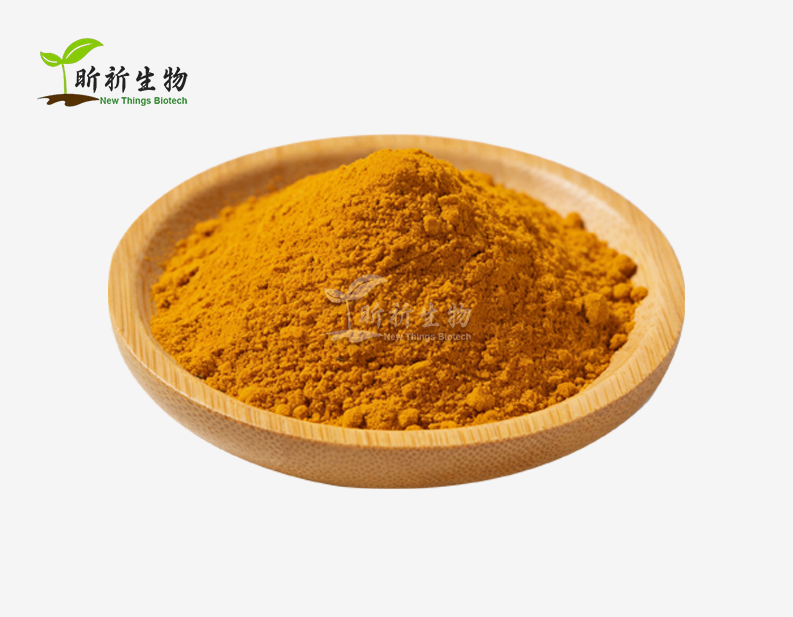
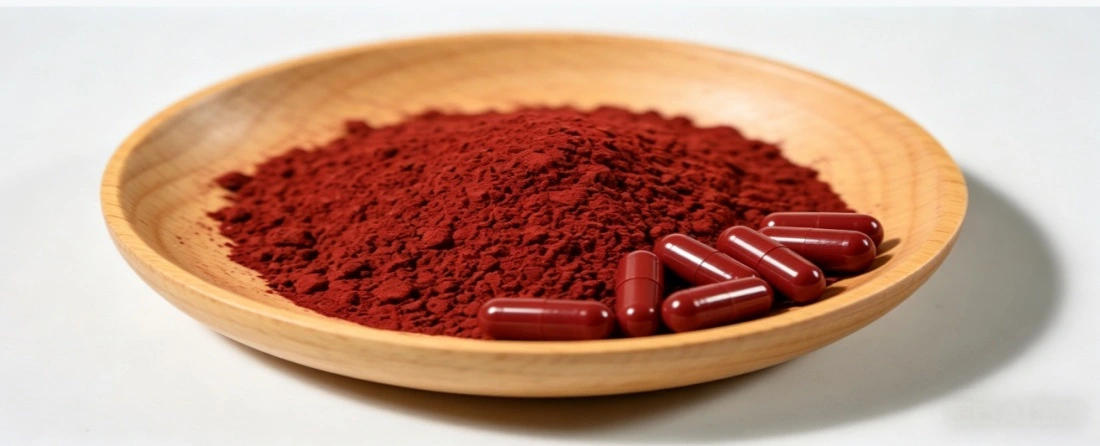
Tests in a lab by a third party are the only way to be sure. Ask potential sellers for samples and have different HPLC tests done at approved labs to see how close the supplier's claims are to the real amount of astaxanthin that is present. You can tell the difference between natural (3S, 3'S) astaxanthin and astaxanthin that has been made in a lab by stereoisomer analysis. A quick look at the powder tells you a lot about how good it is. Astaxanthin powder that is really high in quantity is a deep red to violet-brown color. If the color is light or uneven, there may be issues with the quality that need to be looked into more before you buy a lot of it.
Partner with NT Biotech for Reliable Astaxanthin Powder Wholesale Supply
You can trust NT Biotech to be your trusted astaxanthin powder wholesale manufacturer. They sell Quality Astaxanthin Powder made from Haematococcus pluvialis that is safe for use in medicine in amounts range from 2 to 10%. Our unique extraction methods promise a purity level of over 98% for high-end uses. They are also licensed as ISO9001, Kosher, and Halal, which means they meet international safety standards. Of course, we always have stock on hand, so you can ship within two to four days of getting paid. The smallest amount you can buy from us is 25 kilograms, and we can come up with packing options that work for you. You can try free samples to fully understand the product before making a purchase, and our professional team can help you figure out the best way to use astaxanthin in your product development projects. Contact our buying experts at info@newthingsbiotech.com to talk about your specific needs and get cheap prices that show how committed we are to clear pricing and building long-term relationships.
References
1. Ambati, R.R., Phang, S.M., Ravi, S., and Aswathanarayana, R.G. (2014). "Astaxanthin: Sources, Extraction, Stability, Biological Activities and Its Commercial Applications—A Review." Marine Drugs, 12(1), 128-152.
2. Capelli, B., Bagchi, D., and Cysewski, G.R. (2013). "Synthetic Astaxanthin is Significantly Inferior to Algal-Based Astaxanthin as an Antioxidant and May Not be Suitable as a Human Nutraceutical Supplement." Nutrafoods, 12, 145-152.
3. Higuera-Ciapara, I., Félix-Valenzuela, L., and Goycoolea, F.M. (2006). "Astaxanthin: A Review of its Chemistry and Applications." Critical Reviews in Food Science and Nutrition, 46(2), 185-196.
4. Shah, M.R., Liang, Y., Cheng, J.J., and Daroch, M. (2016). "Astaxanthin-Producing Green Microalga Haematococcus pluvialis: From Single Cell to High Value Commercial Products." Frontiers in Plant Science, 7, 531.
5. Yuan, J.P., Peng, J., Yin, K., and Wang, J.H. (2011). "Potential Health-Promoting Effects of Astaxanthin: A High-Value Carotenoid Mostly from Microalgae." Molecular Nutrition & Food Research, 55(1), 150-165.
6. Zhang, L., and Wang, H. (2015). "Multiple Mechanisms of Anti-Cancer Effects Exerted by Astaxanthin." Marine Drugs, 13(7), 4310-4330.