- English
- French
- German
- Portuguese
- Spanish
- Russian
- Japanese
- Korean
- Arabic
- Greek
- German
- Turkish
- Italian
- Danish
- Romanian
- Indonesian
- Czech
- Afrikaans
- Swedish
- Polish
- Basque
- Catalan
- Esperanto
- Hindi
- Lao
- Albanian
- Amharic
- Armenian
- Azerbaijani
- Belarusian
- Bengali
- Bosnian
- Bulgarian
- Cebuano
- Chichewa
- Corsican
- Croatian
- Dutch
- Estonian
- Filipino
- Finnish
- Frisian
- Galician
- Georgian
- Gujarati
- Haitian
- Hausa
- Hawaiian
- Hebrew
- Hmong
- Hungarian
- Icelandic
- Igbo
- Javanese
- Kannada
- Kazakh
- Khmer
- Kurdish
- Kyrgyz
- Latin
- Latvian
- Lithuanian
- Luxembou..
- Macedonian
- Malagasy
- Malay
- Malayalam
- Maltese
- Maori
- Marathi
- Mongolian
- Burmese
- Nepali
- Norwegian
- Pashto
- Persian
- Punjabi
- Serbian
- Sesotho
- Sinhala
- Slovak
- Slovenian
- Somali
- Samoan
- Scots Gaelic
- Shona
- Sindhi
- Sundanese
- Swahili
- Tajik
- Tamil
- Telugu
- Thai
- Ukrainian
- Urdu
- Uzbek
- Vietnamese
- Welsh
- Xhosa
- Yiddish
- Yoruba
- Zulu
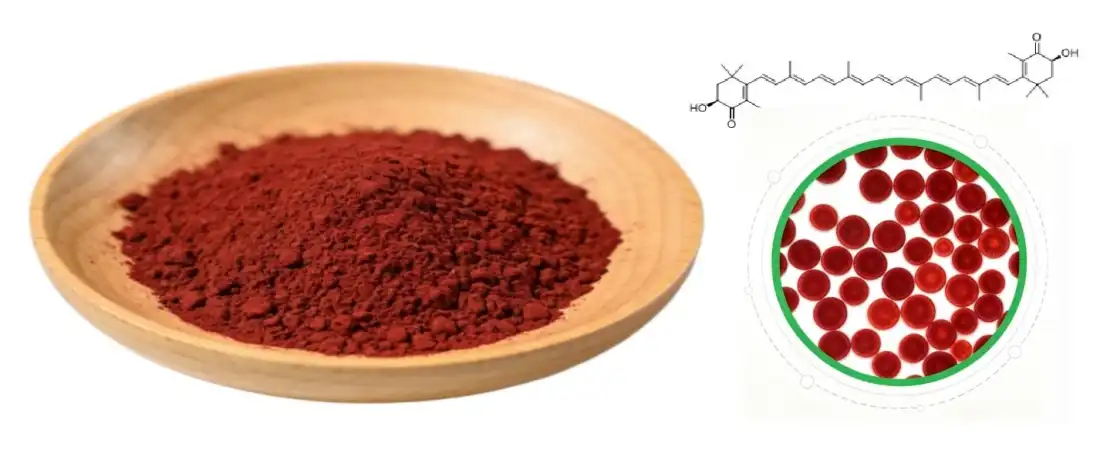
Astaxanthin powder for skin is a big step forward for vitamin and beauty makers in their search for anti-aging ingredients. This keto-carotenoid is found spontaneously and mostly in Haematococcus pluvialis microalgae. It has a lot more protective power than regular active ingredients, which is why people who work in sourcing and are making next-generation skin care products need to use it. As it stands, oxidative stress is still the main cause of lines, loss of suppleness, and uneven coloration that we can see. Several clinical studies have shown that astaxanthin's unique chemical structure protects cells and gets rid of free radicals, which directly addresses these problems.
Understanding Astaxanthin Powder and Its Role in Skin Anti-Aging
It is different from other carotenoids because it can protect cell walls from damage caused by free radicals. A lot of antioxidants only work in fat or water, but this one protects all layers of skin by going through the cell membrane.
The Science Behind Antioxidant Activity
This handle is based on the conjugated double-bond structure of astaxanthin, which gets freed of singlet oxygen and peroxyl radicals, two of the primary reasons of photoaging. Thinks about in dermatological diaries say that after 6 to 12 weeks of standard utilize, both taking vitamins and putting them on the skin can make it see way better, remain hydrated, and be more adaptable. Due to its two pathways, it can be utilized for both wellbeing and magnificence reasons.
Impact on Collagen and Elastin Integrity
UV light and getting more seasoned both speed up the breakdown of collagen, which makes skin recoil and wrinkle. The work of lattice metalloproteinases (MMPs) is to break down collagen filaments. Astaxanthin stops MMPs from doing their work. By ceasing MMP-1 from being discharged, this shade makes a difference keep the structure of the skin. The action of fibroblasts goes up, which makes a difference make modern collagen at the same time. Obtaining groups ought to keep in mind that this two-step handle gives them an edge over fixings with as it were one course when they are looking for high-end anti-aging lines.
Pigmentation Regulation and Skin Tone Enhancement
A part of melanin can be made when there is oxidative stretch, which can make the skin tone see knotty. Astaxanthin changes the steps that are utilized to make melanin, but it doesn't halt the prepare of making melanin. This brings down discoloration and keeps the skin's normal guards against UV light working. Individuals in clinical tests who took a 4mg supplement each day for 8 weeks saw a clear alter in the see of their skin. They moreover saw less age spots. These comes about are exceptionally imperative for beauty-from-within vitamins for commerce people.
Comparing Astaxanthin Powder with Other Skin Anti-Aging Ingredients
When sourcing professionals know how astaxanthin powder for skin compares to other well-known anti-aging ingredients, they can make smart decisions about which ingredients to use and how to formulate products.
Astaxanthin Versus Retinol
Retinol remains a gold standard for anti-aging, but it has downsides, counting light affectability, skin disturbance, and administrative limitations. Astaxanthin offers a more secure elective, lessening aggravation and anticipating collagen breakdown without causing peeling or redness. Not at all like retinol, which debases rapidly when uncovered to discuss and light, astaxanthin is steady beneath typical conditions if appropriately ensured, making it perfect for touchy skin and clean-beauty formulations.
Comparison with Vitamin C and Other Antioxidants
While vitamin C supports collagen synthesis and melanin regulation, it cannot protect cell membranes and oxidizes quickly in water-based systems. Astaxanthin, in contrast, binds to lipophilic surfaces, safeguarding membranes where oxidative damage begins. Studies show astaxanthin is roughly 550 times more effective at neutralizing singlet oxygen than vitamin C, meaning smaller doses achieve strong cellular protection, including against UV-induced stress. Proper microencapsulation further enhances its long-term stability.
Synergistic Opportunities in Formulation
Astaxanthin works well with complementary actives, enabling innovative skincare solutions. For instance, combining astaxanthin with vitamin C provides robust antioxidative and pigmentation control, while low-dose retinol plus astaxanthin can maintain anti-aging benefits while reducing irritation. These synergistic strategies are increasingly adopted by professional brands seeking to differentiate products in competitive markets, maximizing both efficacy and consumer appeal.
Practical Guide to Using Astaxanthin Powder in Anti-Aging Formulations
If you want to add astaxanthin to finished goods successfully, you need to know how much to use, how to make the ingredient more accessible, and how to make it more appealing to customers.
Recommended Dosage and Concentration Guidelines
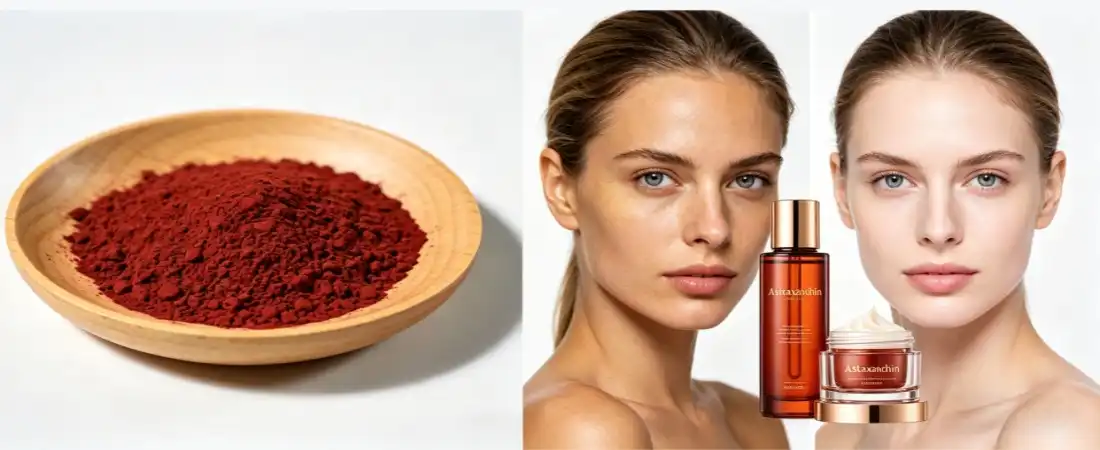
For topical formulations, astaxanthin is typically used at 0.01–0.1%, with research showing 0.05% as the optimal balance between effectiveness and cost. At this level, it provides antioxidant benefits without affecting the color of lighter products. Oral supplements are generally dosed between 2–12 mg daily, with 4–6 mg being most common for skin health claims. Astaxanthin powder for skin from NT Biotech is available in 2–10% active levels, allowing formulators to select precise dosages for the final product. Its dark red pigment (CAS 472-61-7) should be considered when developing color profiles.
Addressing Solubility and Bioavailability Challenges
Astaxanthin is lipophilic, requiring specialized procedures for steady and viable consolidation. For topical utilize, mixing with the oil stage guarantees indeed dissemination, whereas lycopene complexation, liposomal embodiment, and microencapsulation make strides skin entrance and solidness. In powder frame, microencapsulation moreover upgrades water dispersibility, making it less demanding to incorporate in creams, gels, and serums compared to crude oleoresins. These approaches increment bioavailability and diminish corruption amid capacity or application.
Application Models Across Product Categories
Oral astaxanthin is best ingested with fats, making soft-gel capsules the conventional choice, in spite of the fact that cold-water-dispersible powders presently make strides bioavailability in tablets and capsules. Topical items change by utilize: serums regularly contain higher astaxanthin with hyaluronic corrosive and peptides for anti-aging, day creams combine lower levels with UV channels for photo-protection, and night creams can incorporate higher concentrations with therapeutic fixings. Sheet veils convey concentrated benefits in single-use groups well known in Asian markets. In nourishment and refreshment supplements, astaxanthin is promoted as a “beauty-from-within” fixing, frequently combined with biotin, vitamin C, and collagen peptides. Formulators must consider taste, warm affectability, and dosing alterations in gummies and utilitarian drinks to keep up soundness and efficacy.
Sourcing and Procurement Considerations for Astaxanthin Powder
Knowing how the market works and making sure you follow all the rules are important parts of buying astaxanthin carefully. You should check the credentials of sellers and make sure you buy from companies that are licensed.
Critical Supplier Qualifications and Certifications
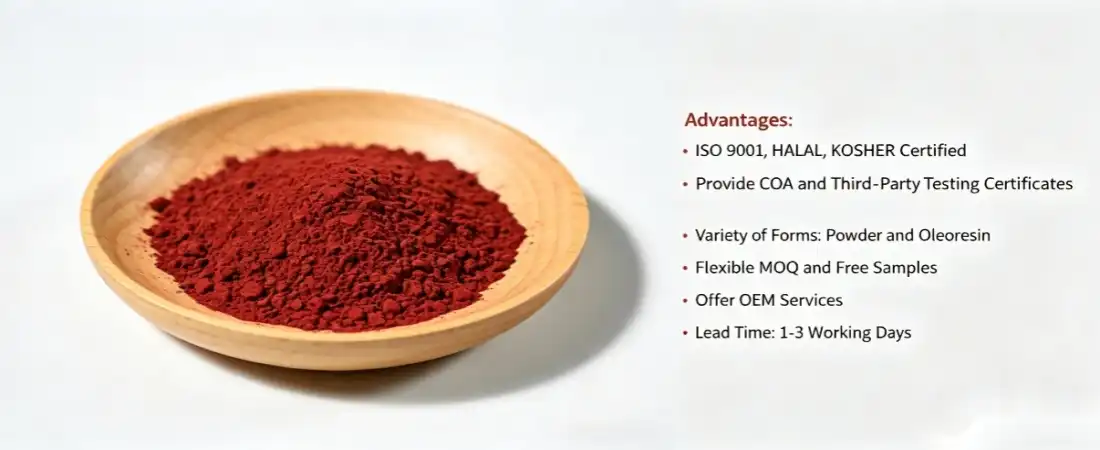
Reliable suppliers of astaxanthin powder for skin should provide key quality certifications relevant to target markets. Kosher and Halal certifications can open doors to specific consumer groups, while ISO 9001 demonstrates a structured quality management system. Every batch should come with a complete Certificate of Analysis (CoA) showing HPLC results for purity, microbial tests, heavy metal screens, and verification that chemical residues are within legal limits. Maintaining up-to-date documentation also supports regulatory applications across countries. Traceability is equally important—premium suppliers can track the astaxanthin back to the microalgae, including growth conditions, extraction, and processing, which is essential for eco-friendly and organic claims. Procurement teams should review CoAs and audit reports before adding new sources.
Pricing Dynamics and Bulk Order Considerations
Natural astaxanthin is more expensive than synthetic forms, with prices ranging from $800 to $2,500 per kilogram depending on purity, concentration, and brand reputation. Volume discounts generally start at orders over 100 kg, saving 10–15%, and long-term contracts can secure better terms and supply during shortages. When evaluating costs, buyers should consider total landed costs, not just price per kilogram. Minimum order quantities (MOQ) of 25 kg allow new brands to begin production quickly, while sufficient stock ensures orders can ship within 2–4 days, reducing delays during surges in demand.
Logistics, Storage, and Supply Chain Reliability
Astaxanthin powder for skin is sensitive to light, heat, and air, so proper packaging is crucial. Standard 25 kg fiber drums with internal metal foil bags protect the product, with custom packaging available for special shipping needs. Fast-moving orders can be handled via express couriers, while larger shipments are cost-effectively sent via temperature-aware ocean freight. Storage affects shelf life: at room temperature, astaxanthin powder lasts up to 24 months, and refrigeration extends this further. Buyers should monitor stock rotation and storage conditions, especially in warm climates. Suppliers with responsive service, quick problem-solving, and technical support help minimize supply risks and foster true partnership rather than a purely transactional relationship.
Future Trends and Innovations in Astaxanthin-Based Skin Care
The astaxanthin market is always changing because new technologies make delivery better and give people new ways to use the chemical. This is good for brands and ways of buying that are new and different.
Advanced Delivery Systems and Bioavailability Enhancement
Nanoencapsulation shrinks astaxanthin for easier absorption, lowering required doses and costs. Liposome delivery enhances penetration through the skin barrier. Multifunctional platforms combine actives in one particle, prolong effects, and differentiate products, giving brands a technological and market advantage.
Personalized Skincare and Sustainable Sourcing
Personalized dosing uses oxidative stress and DNA markers to optimize astaxanthin benefits. Eco-conscious brands prefer Haematococcus pluvialis over synthetic or wild sources, supporting closed-loop farming, carbon tracking, and water management, ensuring high-quality, effective, and environmentally responsible skincare solutions.
Conclusion
Scientists have shown that astaxanthin powder for skin on the face can slow down the aging process in a number of ways. This makes it a useful item for people who buy vitamins and makeup. The fact that it is a strong antioxidant, can protect collagen, and has a gentle action profile makes it easy to use in many goods and with many people. To buy strategically, you need to know how to make the best goods, look at how skilled your providers are, and guess how market trends will affect demand in the future. To stay ahead of the competition in the anti-aging market, brands need to use astaxanthin. It comes from natural sources, works well in clinical studies, and can be used in more than one way.
FAQ
1. What concentration of astaxanthin powder works best for anti-aging skin formulations?
For external makeup, a concentration of 0.05% in finished goods usually works best, balancing how well it works with how much it costs and how it looks. Most people take 4 to 6 mg of vitamins by mouth every day to keep their skin healthy. You can accurately figure out how much powder you need based on the concentration you want for the end result. Our powder specs run from 2% to 10% active content.
2. How does astaxanthin compare to retinol for sensitive skin applications?
Astaxanthin is great for people with sensitive skin because it keeps collagen healthy and fights free radicals without making the skin red, sensitive to light, or dry out like retinol does. Studies in humans have shown that it works and doesn't have the side effects that most retinoids do. This means that anyone with skin, even sensitive skin, can use it every day.
3. What certifications should procurement teams verify when sourcing astaxanthin?
Kosher and Halal certificates help you get into more markets, and Certificates of Analysis that show HPLC clear proof, microbial testing, heavy metal screening, and pesticide residue analysis are some of the most important. Suppliers with a good name show that they follow the rules in target markets by giving all the papers that is needed.
Partner with NT Biotech for Premium Astaxanthin Powder Supply
A lot of high-end skincare and supplement brands count on NT Biotech, a trusted astaxanthin powder for skin supplier, to give them the quality assurance and supply reliability they need. Our astaxanthin powder maker can make powders that are between 2% and 10% pure. These powders come from Haematococcus pluvialis and have been checked by ISO, Kosher, and Halal authorities to make sure they can be bought legally everywhere in the world. We keep goods that are ready to ship on hand so that orders can be sent out two to four days after they are confirmed. This makes sure that delays don't throw off production plans. Our professional team helps with every step of the preparation process, from making the first models to making them big enough to sell. They are real partners in creation who want your product to do well. Customers can try free samples to see how good the product is before they buy it. The product is good for both new businesses and well-known foreign brands because it is cheap and comes in a variety of packing options. Send us an email at info@newthingsbiotech.com to talk about your specific needs and find out how our one-of-a-kind extraction methods and high-quality papers can help your brand stand out.
References
1. Tominaga K, Hongo N, Karato M, Yamashita E. "Cosmetic benefits of astaxanthin on humans subjects." Acta Biochimica Polonica, Vol. 59, No. 1, 2012, pp. 43-47.
2. Davinelli S, Nielsen ME, Scapagnini G. "Astaxanthin in Skin Health, Repair, and Disease: A Comprehensive Review." Nutrients, Vol. 10, No. 4, 2018, Article 522.
3. Camera E, Mastrofrancesco A, Fabbri C, et al. "Astaxanthin, canthaxanthin and beta-carotene differently affect UVA-induced oxidative damage and expression of oxidative stress-responsive enzymes." Experimental Dermatology, Vol. 18, No. 3, 2009, pp. 222-231.
4. Ito N, Seki S, Ueda F. "The Protective Role of Astaxanthin for UV-Induced Skin Deterioration in Healthy People—A Randomized, Double-Blind, Placebo-Controlled Trial." Nutrients, Vol. 10, No. 7, 2018, Article 817.
5. Yoon HS, Cho HH, Cho S, Lee SR, Shin MH, Chung JH. "Supplementing with dietary astaxanthin combined with collagen hydrolysate improves facial elasticity and decreases matrix metalloproteinase-1 and -12 expression." Journal of Medicinal Food, Vol. 17, No. 7, 2014, pp. 810-816.
6. Parrado C, Peach-Saenz S, Perez-Davo A, Gilaberte Y, Gonzalez S, Juarranz A. "Environmental Stressors on Skin Aging: Mechanistic Insights and Protective Strategies." Mechanisms of Ageing and Development, Vol. 178, 2019, pp. 188-202.