- English
- French
- German
- Portuguese
- Spanish
- Russian
- Japanese
- Korean
- Arabic
- Greek
- German
- Turkish
- Italian
- Danish
- Romanian
- Indonesian
- Czech
- Afrikaans
- Swedish
- Polish
- Basque
- Catalan
- Esperanto
- Hindi
- Lao
- Albanian
- Amharic
- Armenian
- Azerbaijani
- Belarusian
- Bengali
- Bosnian
- Bulgarian
- Cebuano
- Chichewa
- Corsican
- Croatian
- Dutch
- Estonian
- Filipino
- Finnish
- Frisian
- Galician
- Georgian
- Gujarati
- Haitian
- Hausa
- Hawaiian
- Hebrew
- Hmong
- Hungarian
- Icelandic
- Igbo
- Javanese
- Kannada
- Kazakh
- Khmer
- Kurdish
- Kyrgyz
- Latin
- Latvian
- Lithuanian
- Luxembou..
- Macedonian
- Malagasy
- Malay
- Malayalam
- Maltese
- Maori
- Marathi
- Mongolian
- Burmese
- Nepali
- Norwegian
- Pashto
- Persian
- Punjabi
- Serbian
- Sesotho
- Sinhala
- Slovak
- Slovenian
- Somali
- Samoan
- Scots Gaelic
- Shona
- Sindhi
- Sundanese
- Swahili
- Tajik
- Tamil
- Telugu
- Thai
- Ukrainian
- Urdu
- Uzbek
- Vietnamese
- Welsh
- Xhosa
- Yiddish
- Yoruba
- Zulu
To raise animals today, you need to find new ways to take care of the surroundings, make the animals comfortable, and get good work. When you eat tannin powder, it can help with all of these problems that are related. Tannin Powder Bulk is a natural feed addition that comes from plants like Galla Chinensis. It improves nutrient retention in a wide range of livestock species, helps keep the gut healthy, and reduces the need for synthetic medicines. This polyphenolic compound is becoming more popular among buying professionals who want standard plant-based ingredients that are good for you, and follow government rules and customer demands for growing methods that are good for the environment.
Understanding Dietary Tannin Powder Bulk and Its Benefits for Livestock
What Are Dietary Tannins and Their Chemical Properties?
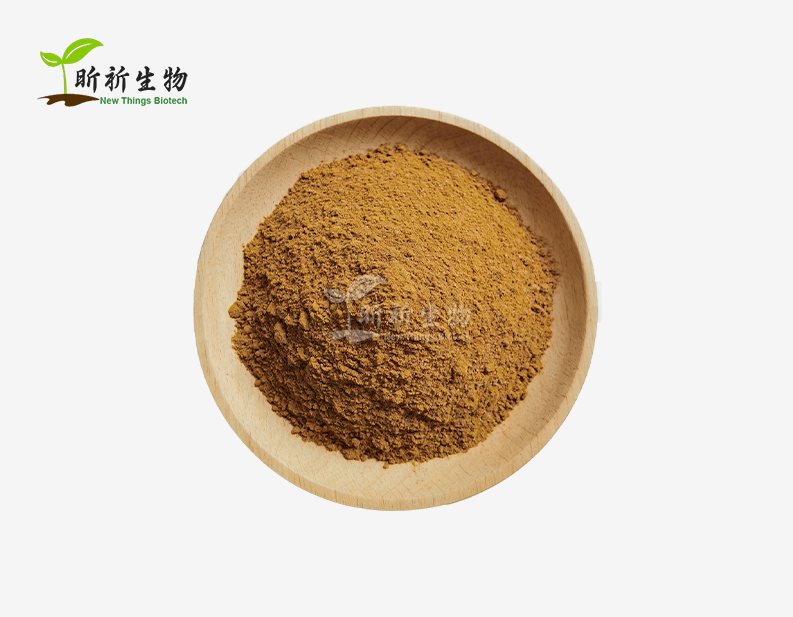
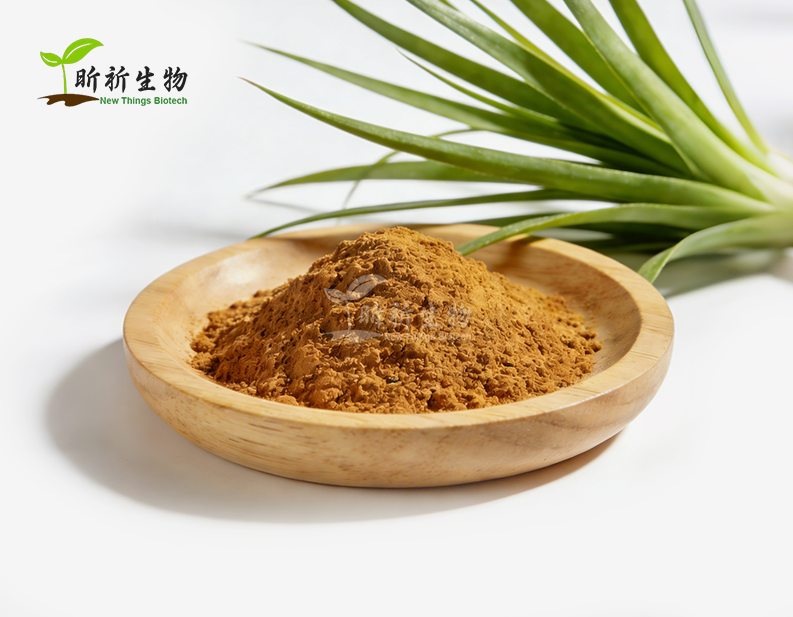
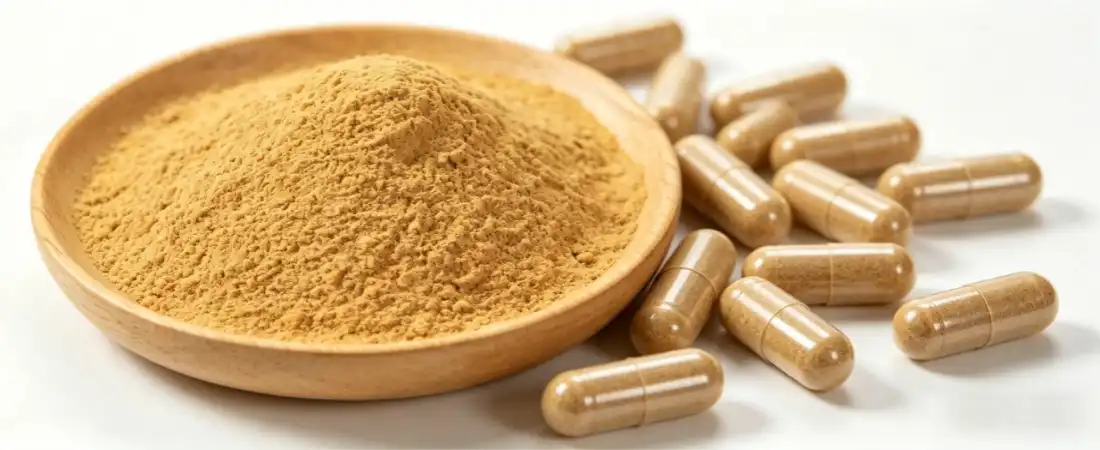
Tannins that you eat are naturally occurring polyphenolic chemicals that come from plants. This is the recipe for tannic acid that is used in animal feed: C76H52O46. This recipe may be different depending on the plant that was used and the way it was extracted. Tannin Powder Bulk sourced from Galla Chinensis is a yellow-brown substance that has been milled very finely to 80 mesh so that it can be mixed with feed, the best. On the purity scale, it ranges from 93% to 99%, and the standard extract ratios run from 5:1 to 20:1. Bioactive properties of these chemicals are very important and have a direct effect on animal health. Tannins work in a number of different biological ways when it comes to feeding animals. Their numbing properties combine with digestive system proteins to create complexes that change how nutrients are taken and stop food proteins from breaking down too quickly in sheep and cattle's rumens. Scientists call this system's ability to cause the "bypass protein effect," which makes it easier for nitrogen to stay in the animal and improves the overall feed efficiency.
Hydrolyzable Versus Condensed Tannins in Animal Nutrition
When you plan what to feed animals, you should know the difference between the different kinds of tannin. Hydrolyzable tannins, which come from chestnut and gallnut nuts, are easily broken down by enzymes in the digestive system. This makes gallic acid and ellagic acid derivatives available. Some of these chemicals are very good at killing dangerous germs like E. coli and Salmonella; chicken and pig farms are often at risk of getting these infections. There are more stable condensed tannins that don't break down easily in the rumen when bacteria attack them. These tannins can be found in quebracho, mimosa, and some legumes. Because of this, they are very helpful in bovine nutrition because they connect to proteins in food and stop the production of too much ammonia. This lowers nitrogen loss and pollution. Which of these types of tannin is used depends on the type of species being grown, the goals of the production,Tannin Powder Bulk and any health concerns that are unique to that business.
How Dietary Tannin Powder Is Extracted and Bulk Handling Best Practices
Industrial Extraction Methods and Quality Assurance
The first step in making Tannin Powder Bulk for sale is carefully choosing the plants that will be used. Galla Chinensis is one of the native sources with the purest oil. In the industrial process, aqueous-ethanol liquid extraction is most often used. To get polyphenolic chemicals into solution, crushed plant matter is heated and mixed in a controlled way. After that, the extract is screened to get rid of any impurities and fibers that don't break down. Lastly, it is squished together under low pressure to keep biological parts safe that are sensitive to heat. A lot of advanced sellers, like those who work with B2B markets, use spray-drying to turn liquid extracts into fine powder with a precise amount of wetness, usually less than 5%. This keeps the powder stable over time. At this point, HPLC analysis is used as part of quality control to check the total tannin amount and make sure there are no heavy metals, bacteria, or pesticides left over. The feed is checked by a third party and comes with a Certificate of Analysis that says it meets the safety standards for feed around the world. Some of these are ISO, Kosher, and Halal licenses, which help with trade between countries.
Storage and Handling Protocols for Bulk Quantities
Certain environmental controls must be followed throughout the supply chain to make sure that the tannin powder stays functionally pure. Keeping the temperature steady is the most important thing. The temperature in storage areas should stay between 15°C and 25°C so that polyphenolic structures don't break down. Burning things faster with too much heat makes it harder to kill germs and keep cells from getting hurt. To keep things dry, you need to be aware that hygroscopic tannin powders can easily soak up water from the air, which can cause them to clump together and allow germs to grow. In storage, the relative humidity must stay below 60%. For smaller packing sizes, big bins should have lids that are sealed lids and desiccant packets put inside them. As standard, packing comes in either 1 kg bags or 25 kg drums, which can be used for a range of tasks. If you need to work with a lot of animals, drums are best. For study facilities or trial stages, smaller bags are better. Things also break down when they come into contact with light, so it's important to use packing materials that are dark. If you buy tannin powder in bulk, you should use first-in, first-out inventory movement to keep it from being kept for too long. However, if you handle it properly, it will work for 24 months from the date it was made. Routines for preventing contamination include cleaning plans, special tools for handling feed additives, and teaching staff how to move things correctly so that goods stay pure as they move through the distribution network.
Comparison and Selection: Choosing the Right Tannin Powder Bulk for Livestock Health
Evaluating Product Specifications and Formulation Options
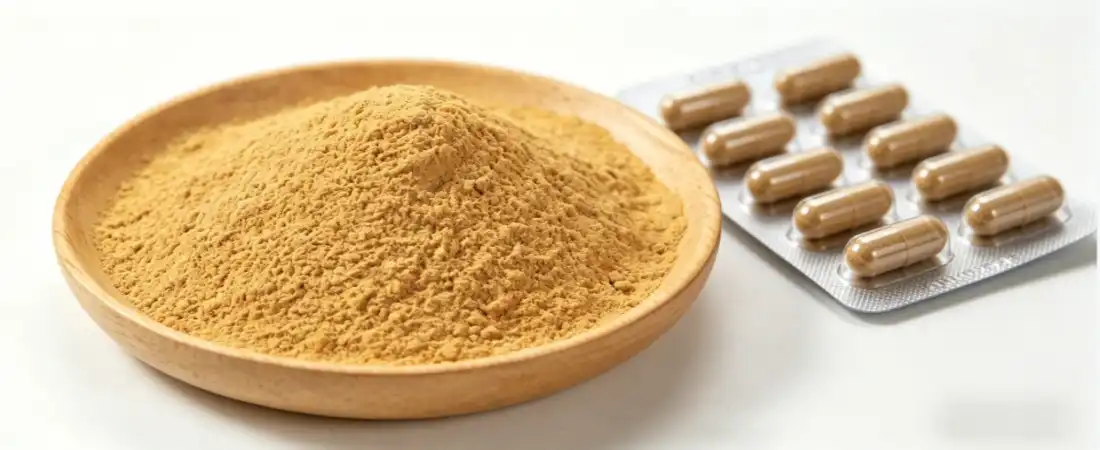
It depends on how well the product specs fit the needs of the business to buy Tannin Powder Bulk. Since there are grades of 93% and 99% pure, experts can change how much food is included based on finances and health goals. There are more bioactive chemicals per unit weight in high-purity concentrates, but they cost more. This is because they save money on shipping and Tannin Powder Bulk storage space for big plans. There are different ways to make formulas where the effects of the whole plant may work well with the effects of different tannins. Standardized extract ratios range from 5:1 to 20:1. If the extract percentage is 10:1, it means that 10 kg of raw plant material makes 1 kg of powder. There are still ingredients in the powder that work with the extract to make it more soluble and useful for medicine. There are clear advantages to both powder and liquid tanning. Powders are better for dry feed mills and premixes, and they stay stable for longer on the shelf. Liquids, on the other hand, work best in water-based delivery systems and for top-dressing when production is high.
Supplier Selection Criteria for B2B Procurement
A lot of things need to be carefully thought through in order to find tannin sellers you can trust. Standards for certification are the foundation. There are systems like ISO 9001 that make sure production methods are always the same, and Kosher and Halal licenses that help buyers serve more types of customers. The minimum order amount is usually 25 kg so that both the buyer and the seller are happy. But buyers and sellers who have done business together before might be able to work out smaller trial amounts or bigger contracts with price breaks. Custom packing shows that a company cares about how things work in real life. If your business needs to ship a lot of smaller items, look for sellers who offer split packing when you buy in bulk. Companies that want to sell, on the other hand, should look for partners who know how to deal with paperwork, customs, and sending goods to other countries. Another important thing to think about is lead times. As long as an item is in stock, it can be shipped within two to four days for urgent needs. This helps just-in-time stocking strategies that lower the need for working capital. How close a seller is to a production center affects how much it costs to ship goods and how reliably they are delivered. This means that area seller networks can help companies that care about the safety of their supply chains.
Practical Applications of Dietary Tannin Powder Bulk in Livestock Management
Species-Specific Dosing and Integration Strategies
To use Tannin Powder Bulk vitamins, you need to follow rules that Tannin Powder Bulk are unique to each species and think about how the bodies of different types of animals are different. Food for cows, sheep, and goats is called ruminant nutrition, and it generally has tannins that make up 0.5% to 2% of the dry matter in the food. Because it doesn't require too many proteins to join, which could make nutrients less available, this range is good for gut health. When beef cattle are finished, they are usually finished near the bottom of this range so that the protein is easy to digest. On the other hand, dairy farms may increase participation during times of change when cows are more likely to get sick or have metabolic stress. Tannin powder is added to the food that broilers and layers eat at rates that range from 0.1% to 0.5%. During production, the powder is mixed with the basic feed ingredients to make sure it is spread out properly. This much kills dangerous bacteria without hurting the good Lactobacillus populations that your intestines need to stay healthy. Farms that feed both starter and growing feeds to pigs are more likely to have young pigs get intestinal diseases after being stressed out from being weaned.
Case Examples and Implementation Support Systems
Global companies that deal with Tannin Powder Bulk and animals do business with providers, but they also work with them in other ways that go beyond that. They say that the use of antibiotics went down by 15% after they started using tannins in a planned way. That was possible because the providers trained farm managers and nutritionists in how to do this. People can go to the farms, get help making feed, and look at study files that have details on the best ways to use these crops as part of these programs. North American beef feedlots can set up open supply times that work with the seasons and the crops when they work with providers who are quick. Giving away free samples makes it possible to do controlled studies that compare groups that are fed with tannins to groups that are fed normally. This makes operation-specific info that can be used in more situations. Asian companies that raise fish and shrimp are adding more tannins to the food they feed the animals. When sources offer smaller packaging sizes and technical paperwork in the local language, it's easier for small makers who work together through groups to pick up new goods.

Procurement Strategies for Dietary Tannin Powder Bulk: Ensuring Value and Reliability
Navigating the Global Supplier Landscape
The main places that make Tannin Powder Bulk send a lot of it to the international market. A lot of gallnuts are grown by Chinese companies, and they have high-tech tools for getting them out. They can offer low prices and production levels that can be changed to meet the needs of big buyers. Companies that are vertically merged, like Shaanxi New Things Biotech, bring in the raw materials, make the product, and ship it to the customer. This makes sure that the quality stays the same and can be watched, which is important for buyers who are worried about rules. Indian sellers use their traditional understanding of plants that are high in tannins to make mixtures that are cheap enough for local markets. But people from other countries who want to buy should check that the recipes are approved and follow the rules for analytical tests. European manufacturers try to reach the high-end market by focusing on environmental checks, non-GMO certifications, and organic certifications. These things cost more but meet strict buyer needs in controlled markets. If you want to know how solid a seller is, look at how quickly they answer technical questions and how much work they've done in the past. Well-known companies keep their phone lines open and answer quickly to questions about specs and requests for special formulas. To keep animals working well and meet legal paperwork standards during checks, it's important to be able to ship the same high-quality goods more than once.
Budgeting and Negotiation Tactics for Bulk Buyers
There are a lot of things that affect the price of tannin powder, like the cost of a license, the availability of raw materials, and investments in extraction technology. People who buy a lot of something should get detailed quotes that show the prices per kilogram as well as any extra costs for packing or shipping. For buyers, this makes it easy to compare prices from different sellers. Orders usually start at 25 kg, but if you commit to buying a certain amount every year, you can save between 5 and 15 percent on the total price. How much it costs to ship a package abroad depends on how it's going and what kind of box it is. It takes 5–7 business days for express courier services to send small, urgent goods, but they charge more for freight. Combined sea freight, on the other hand, costs less per unit for container loads, but it takes 30 to 45 days to get there. People who have sold things before and know how to keep in touch with a lot of freight forwarders make sure that the best routes and papers are used to avoid customs delays, and that temperature-controlled handling is done when it's needed. To get a better deal, smart buyers can ask for longer payment terms, rental inventory plans for heavy users, and performance guarantees that link price to proven improvements in animal health. Before you place a large order, ask for free samples so that the details can be checked in a lab. Small-scale animal tests can also be used to back up claims of success. If this is talked about during the contracting process, custom packing that fits the way things are done can add value without making the prices much higher. For example, water-soluble sachets for liquid feeding systems or big supersacks for automatic mill systems can do this.
Conclusion
Animal farmers need to deal with a lot of different needs, and Tannin Powder Bulk has become an important tool for them. There are many benefits, such as better gut health, antibiotic action, antioxidant defense, and better feed economy, which make a real difference in how comfortable animals are and how much it costs to raise them. People who buy things need to be well-informed and think about things like product specs, seller standards, and their own practical needs. Tannins from plants can be used instead of standard feed ingredients in the future because they are safe and come from plants. This will work with changing rules and customer tastes. Buyers can get better results from their investments and better animal health when they work with skilled sellers who offer solutions that can be tailored to their needs and quick assistance.
FAQ
1. How does dietary tannin powder compare to conventional livestock supplements?
Tannin powder is clearly better than fake choices because it can do more than one thing. Tannins, on the other hand, change proteins, kill germs, and keep cells from getting hurt all at the same time, without making bacteria immune. Tannins from plants don't leave any chemicals in meat or milk, so they meet the standards for clean labels and organic approval that people want. This is something that man-made additives can't do.
2. What storage conditions preserve bulk tannin powder quality?
The best temperatures for keeping are between 15°C and 25°C, and the humidity should be less than 60%. Breakdown by oxygen and taking in water are stopped by containers that are sealed and kept out of the light. Tannin powder will stay fully bioactive for 24 months if you store it the right way. You should do quality checks on it often if you keep it for more than 12 months to make sure it is still useful.
3. Can tannin powder be safely used across different livestock species?
It is safe and useful for ruminants, chickens, pigs, and fish to take tannin supplements as long as they are given the right amount for each species. Cattle and sheep can handle higher inclusion rates because their rumens have changed. When giving medicine to animals with only one stomach, you need to be more careful. Nutritionists are asked to help choose the best plan for each method of output.
Partner with NT Biotech for Premium Tannin Powder Bulk Solutions
You can get pharmaceutical-grade Tannin Powder Bulk from high-quality Galla Chinensis from NT Biotech to help you with your animal food plan. Our ISO, Kosher, and Halal certificates, along with our requirements for 93% and 99% purity, make sure that the quality is always the same and meets the toughest government standards. We have been selling bulk tannin powder for a long time, so we always have a lot on hand so that we can send it within two to four days of getting payment. We can also package your goods in a variety of ways, from 1 kg trial bags to 25 kg production drums, so we can meet your needs. Our team of experts responds to questions within two hours and gives you free samples and cooking ideas so you can try them out without any risk. Email us at info@newthingsbiotech.com to talk about custom solutions, large savings, and how our fully integrated supply chain can help your buying strategy by giving you the peace of mind that comes from knowing that your products can be tracked.
References
1. Mueller-Harvey, I. (2006). Unravelling the conundrum of tannins in animal nutrition and health. Journal of the Science of Food and Agriculture, 86(13), 2010-2037.
2. Patra, A.K. & Saxena, J. (2011). Exploitation of dietary tannins to improve rumen metabolism and ruminant nutrition. Journal of the Science of Food and Agriculture, 91(1), 24-37.
3. Huang, Q., Dung, X., Zhao, G., Hu, T., & Wang, Y. (2018). Potential and challenges of tannins as an alternative to in-feed antibiotics for farm animal production. Animal Nutrition, 4(2), 137-150.
4. Makkar, H.P.S. (2003). Effects and fate of tannins in ruminant animals, adaptation to tannins, and strategies to overcome the detrimental effects of feeding tannin-rich feeds. Small Ruminant Research, 49(3), 241-256.
5. Redondo, L.M., Chacana, P.A., Dominguez, J.E., & Fernandez Miyakawa, M.E. (2014). Perspectives on the use of tannins as an alternative to antimicrobial growth promoter factors in poultry. Frontiers in Microbiology, 5, Article 118.
6. Waghorn, G. (2008). Beneficial and detrimental effects of dietary condensed tannins for sustainable sheep and goat production—Progress and challenges. Animal Feed Science and Technology, 147(1-3), 116-139.