- English
- French
- German
- Portuguese
- Spanish
- Russian
- Japanese
- Korean
- Arabic
- Greek
- German
- Turkish
- Italian
- Danish
- Romanian
- Indonesian
- Czech
- Afrikaans
- Swedish
- Polish
- Basque
- Catalan
- Esperanto
- Hindi
- Lao
- Albanian
- Amharic
- Armenian
- Azerbaijani
- Belarusian
- Bengali
- Bosnian
- Bulgarian
- Cebuano
- Chichewa
- Corsican
- Croatian
- Dutch
- Estonian
- Filipino
- Finnish
- Frisian
- Galician
- Georgian
- Gujarati
- Haitian
- Hausa
- Hawaiian
- Hebrew
- Hmong
- Hungarian
- Icelandic
- Igbo
- Javanese
- Kannada
- Kazakh
- Khmer
- Kurdish
- Kyrgyz
- Latin
- Latvian
- Lithuanian
- Luxembou..
- Macedonian
- Malagasy
- Malay
- Malayalam
- Maltese
- Maori
- Marathi
- Mongolian
- Burmese
- Nepali
- Norwegian
- Pashto
- Persian
- Punjabi
- Serbian
- Sesotho
- Sinhala
- Slovak
- Slovenian
- Somali
- Samoan
- Scots Gaelic
- Shona
- Sindhi
- Sundanese
- Swahili
- Tajik
- Tamil
- Telugu
- Thai
- Ukrainian
- Urdu
- Uzbek
- Vietnamese
- Welsh
- Xhosa
- Yiddish
- Yoruba
- Zulu
Tannin Powder Bulk is changing the glue business by providing a high-performance, eco-friendly option to resins made from petroleum. These polyphenolic chemicals come from natural plants like Galla Chinensis and have great crosslinking, water resistance, and binding qualities that are needed for industrial glue formulations. Bulk tannin extracts meet the growing need for environmentally friendly raw materials that are 93% to 99% pure and come in a range of extraction ratios (5:1-20:1). They work well in woodworking, packaging, and composite manufacturing without affecting performance.
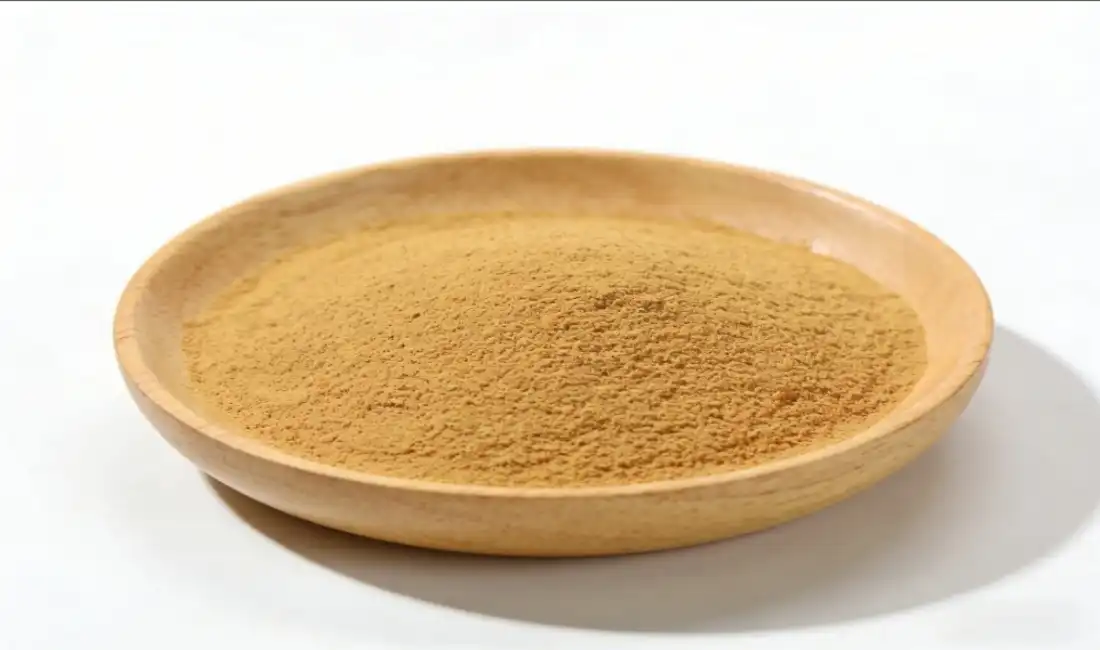
Understanding Bulk Tannin Extracts and Their Properties
Defining Natural Tannin Sources and Chemical Composition
Natural tannin products are a complex group of polyphenolic chemicals that come from a wide range of plants. Galla Chinensis is where most of our Tannin Powder Bulk (CAS: 1401-55-4) comes from. It has hydrolyzable tannins that look yellow-brown and have an 80-mesh particle size that makes them easy to spread out in sticky matrices. The chemical formula is roughly given by C76H52O46. It has several phenolic hydroxyl groups that make hydrogen bonds and covalent crosslinking with formaldehyde or other fixing agents easier. Natural tannins are different from manufactured phenolic resins because their chemical structure makes them naturally biodegradable and less toxic. Quebracho and mimosa are two other market sources of condensed tannins that have slightly different reaction profiles. Tones that come from chestnuts have qualities that are between those of hydrolyzable and condensed types. Which of these sources to use depends on the needs of the adhesive. Galla Chinensis extracts are highly respected for their constant quality and high tannin content, which hits 93% to 99% purity levels in standard formulations.
Functional Benefits for Adhesive Performance
Tannin extracts are used in glue technology because they can react with a wide range of chemicals. Under controlled pH conditions, phenolic hydroxyl groups bond easily with formaldehyde. This creates three-dimensional polymer networks that are just as strong as regular urea-formaldehyde glue. The hydrophobic aromatic rings in the tannin structure make the glue much better at resisting water, which is an important quality for exterior-grade adhesives. Thermal stability makes tannin-based adhesives workable at a wider range of temperatures, so they can be used for hot-press lamination methods that are popular in making plywood and particleboard. Because they are better for the environment, tannin products are better than manufactured resins. The carbon footprint of tannin extraction is still much smaller than that of the petrochemical route synthesis. Formaldehyde emissions can be cut by up to 60% when tannins are used instead of some urea-formaldehyde resins. This helps with both safety worries at work and strict air quality rules in factories. Biodegradability at the end of its life improves the circular economy potential of adhesive goods, which is in line with business environmental goals that are being pushed harder by buying departments.
Comparing Bulk Tannin Powder with Alternative Tannin Forms
Powder Versus Liquid Extract Considerations
Differences in concentration between powdered and liquid tannin products have a big effect on the cost of preparation. Our Tannin Powder Bulk has up to 99% active ingredient concentration, while liquid extracts usually Tannin Powder Bulk have 30–50% solids content. This concentration advantage means that shipping costs are lower, storage space needs are smaller, and inventory management is easier for large buying teams. Concerns about changes in liquid viscosity that make metering systems in automatic glue production lines hard to use are no longer a problem with the powder form. Powder forms are easier to work with in most industry settings. Controlling dust when working with powder is easier than controlling rust and spills when working with acidic liquid extracts. When powder is mixed with working solutions, the final adhesive viscosity and solids content can be precisely controlled. This gives formulators more freedom to change the rheology for different application methods, like spray coating, roller spreading, or curtain coating systems that are common in the manufacturing of wood panels.
Organic Certification and Synthetic Alternatives
For brands that want to appeal to environmentally conscious customers, the difference between organically approved and standard tannin sources is becoming more important. Synthetic tannins made from phenol-formaldehyde condensation are cheaper, but they don't have the sustainability story that makes green building standards like LEED and BREEAM important. Natural tannin extracts from Galla Chinensis stay organic as long as they come from controlled cultivation. This means that they meet the paperwork needs of environmental product statements that more and more B2B clients want. The main differences in performance between natural and manufactured types are the reactivity patterns and curing rates. Natural tannins have more even molecular weight distributions, which can make finished adhesive films more flexible but may make hot-press applications take longer to finish. Synthetic options cure more reliably, but they don't have the protective qualities that natural polyphenols do, which help them last longer when exposed to the elements outside. When making procurement choices, these technical details should be weighed against performance requirements for the end use and plans for positioning the company in the market.

Procurement Insights: How to Source Bulk Tannin Extracts for Industrial Adhesives
Order Quantities and Pricing Structures
To buy tannin products strategically, you must first understand how quantities and prices relate to each other. Our 25 kg minimum order number allows for test production runs without requiring too much capital, and bulk discounts start at cutoff amounts that match the quarterly usage patterns that mid-scale adhesive makers usually have. Pricing systems take into account both the cost of the raw materials and how hard they are to remove. Higher-purity grades command higher prices, which are supported by the fact that they are easier to make and work better in the end. Customized delivery logistics for the adhesives business include shipping choices that can be changed based on urgency and order size. Our direct FEDEX and UPS accounts allow us to quickly complete orders within two to four days when we have enough stock. This is especially important when production plans are impacted by a lack of raw materials. When you use trusted forwarders to plan consolidated sea freight for larger packages, you can get the best price for your established supply relationships. Our promise to answer all inquiries within two hours ensures that procurement teams get expert advice quickly during sourcing evaluations.
Evaluating Supplier Reliability and Credentials
Comparing prices is only one part of evaluating a supplier. Quality assurance infrastructure and technical help skills are also important. Our vertical integration, which includes both self-sufficient farming and smart production sites, protects the supply chain against changes in the agriculture market. Modern extraction technology makes sure that each batch has the same amount of tannin and molecular weight distribution. These are the two things that directly affect how long a glue stays in the pot and how it cures. Comprehensive testing methods check that standards are met before a shipment goes out. This keeps quality shocks from throwing off production plans. Customization is what sets true expert partners apart from transactional providers. We offer OEM solutions that are flexible, such as private marking and formulation support that is made to fit the needs of each glue application. Our R&D team works together with clients to speed up the product development process, whether they are making low-emission indoor adhesives for European markets or high-moisture-resistance formulas for tropical regions. This partnership method is especially helpful when dealing with different markets' rules and regulations. Our Kosher, Halal, Tannin Powder Bulk and ISO standards make it easier to enter these markets.
Application Guide: Using Bulk Tannin Powder in Eco-Friendly Adhesive Formulations
Formulation Parameters and Mixing Protocols
To use Tannin Powder Bulk successfully, you need to pay attention to certain preparation steps that increase responsiveness. Usually, the first step in the dispersion process is to mix dry tannin powder with alkaline catalysts like sodium hydroxide or sodium carbonate. Next, water is added slowly while the mixture is constantly stirred to reach the desired viscosity range of 200 to 800 cps. Keeping an eye on the temperature while mixing stops crosslinking from happening too soon. The best temperatures for preparation are between 20°C and 30°C. The 80-mesh particle size makes sure that the mixture spreads evenly and quickly, even without using special grinding tools.The right mixing amount depends on the type of glue and the needs of the substrate. A lot of wood glues use tannin-to-formaldehyde molar ratios that are between 1:1.5 and 1:2.0. These are matched with paraformaldehyde or formalin addition rates that get the desired free formaldehyde amounts below legal limits. Adding 10–20% of extenders like wood flour or wheat flour improves the ability to fill gaps and lowers the cost of materials without lowering the strength of the bond. Using caustic soda to raise the pH to 10–11 turns on phenolic sites so that crosslinking can happen most efficiently during hot-press cure.
Industry-Specific Case Studies
Applications in woodworking show how tannin-based glue can be used on a wide range of products. A European company that makes particleboard cuts formaldehyde emissions by 55% while keeping the strength of the bonds above 0.50 MPa. They did this by replacing some of the urea-formaldehyde glue with our 93% pure Tannin Powder Bulk. The press times went from 6 to 7 seconds per millimeter, which is a small price to pay for the environmental benefits and good market response to low-emission approved panels. Adoption in the packaging field meets the sustainability requirements set by big market brands. A company in North America that makes cardboard boxes came up with fully bio-based laminating glue by mixing 99% pure tannin extracts with starch and protein co-binders. The final adhesive had better wet-strength retention than petroleum-based options, and it also allowed uncontaminated packaging trash to be composted. Customers who wanted proven green packaging options backed by lifecycle assessment data could pay more for this new idea. Using tannin science in new ways, like in leather processing, builds on what has been done in the past. These days, eco-tanneries use condensed tanning methods instead of chrome salts, but hydrolyzable tannins from Galla Chinensis are also used in combination tanning processes. The natural affinity of tannin for collagen proteins makes it useful for adhesive uses in the leather goods industry. This creates strong bonds in footwear, upholstery, and car seats without the plasticizer migration problems that happen with synthetic adhesives.

Future Perspectives and Trends in Bulk Tannin Extracts for Green Adhesives
Innovation in Tannin-Based Polymer Chemistry
Researchers are looking into how to make tannins work differently so that they can be used for more things than just sticking wood together. Changing chemicals by etherification or esterification adds reactive groups that allow fixing at room temperature. This makes room-temperature curing possible in pressure-sensitive adhesives and building mastics where hot-press processing isn't possible. By mixing bio-based epoxies or isocyanates with other chemicals, high-performance structural adhesives can be made that can be used on composite materials in aircraft and automobile uses, which have traditionally relied on bonding systems made from petroleum. Adding nanotechnology is another way that things are getting better. Adding cellulose nanofibrils or nanosilica to tannin structures improves their mechanical qualities while keeping their ability to break down naturally. These nanocomposite adhesives are better at resisting wetness and staying stable at high temperatures than tannin formulas that haven't been changed. This fills in performance gaps that had been holding the market back before. Intellectual property changes in this area show that global glue companies looking for long-lasting product lines are becoming more interested in it.
Market Growth Drivers and Regional Demand Patterns
Environmental qualities of Tannin Powder Bulk are becoming more important in global adhesive markets, along with technical success. European rules like REACH and the Ecodesign Directive help low-emission, bio-based glue compete in the furniture and building industries. North American markets react to the need for green building approval and the unstable price of petrochemicals, which makes bio-based adhesives more cost-effective. Asian markets are seeing a lot of fast growth in manufactured wood goods. This is increasing the need for low-cost tannin-formaldehyde adhesives that meet performance standards and cut down on the need to import synthetic resins. Analysis of procurement trends shows that corporate buyers' objectives are changing. Along with price and quality factors, sustainability metrics are now part of official supplier scorecards. When companies promise to be carbon neutral, they buy green raw materials and keep clear records of the supply chain. This change is good for suppliers like NT Biotech that offer full traceability from plant source to extraction and quality control, which helps customers meet their sustainability reporting requirements.
Strategic Sourcing Recommendations for Procurement Teams
To stay competitive in the long run, companies that make adhesives need to take the initiative to grow their supply chains. For important materials like Tannin Powder Bulk, procurement managers should set up dual-source plans, combining supply security with relationship depth. It's better to have technical partnerships with suppliers who can help with formulas and make changes than to just do business with them and negotiate prices on the spot. Regular checks of suppliers make sure that the quality system is strong and that it can be expanded as demand rises. Optimizing your inventory means balancing the costs of keeping it with the risks of supply disruptions. Because our products can be stored for 24 months and are delivered reliably in 2 to 4 days, lean stocking strategies work for customers who buy a lot and know exactly when they will need something. When releasing new goods that need specific tannin grades and where formulation changes may happen, it's important to place your stock strategically. This risk is reduced by our free sample program, which lets us make sure everything is working well before we commit to buying in bulk.
Conclusion
As market demands and government forces come together around sustainability, the move toward eco-friendly glue formulations speeds up. Tannin Powder Bulk from natural sources like Galla Chinensis has been shown to work well in wood, packing, and specialty adhesive uses. It also does good things for the earth. Procurement workers and R&D teams need to carefully look at technical factors like purity grades, formulation processes, and suppliers' abilities. The adhesive industry is at a turning point where bio-based materials are going from being niche options to common ones. This is happening because polymer science is changing, and people are becoming more open to buying green products.
FAQ
1. What makes tannin-based adhesives more environmentally friendly than synthetic alternatives?
Instead of coming from petroleum, tannin extracts come from green plant sources. This makes the adhesive's carbon footprint much smaller over its entire lifetime. Bio-based tannins naturally break down when a product's time is up, which supports the ideas of the cycle economy. When Tannin Powder Bulk is added to formulas, formaldehyde emissions are cut by up to 60% compared to regular urea-formaldehyde systems. This makes the air quality in the workplace better and the safety of the end product better. The extraction process uses less energy than petrochemical processing and produces waste that breaks down naturally instead of toxins that stay in the environment for a long time.
2. How do I determine the appropriate purity grade for my adhesive application?
The choice of purity between 93% and 99% is based on the needs of the application. High-purity versions are best for uses that need little color change, like light-colored wood veneers or food-contact packing adhesives, where impurities could discolor the product or raise safety concerns. For making particleboard and fiberboard where small color differences are still okay, standard 93% grades are a cost-effective option. Talking to our expert team can help you match the grade specs to your substrate's properties, curing tools, and performance goals, all while lowering costs as much as possible.
3. Can tannin adhesives match the water resistance of conventional synthetic adhesives?
When tannin-based sealants are made correctly, they can withstand water and can be used inside or outside with protection. The phenolic structure of tannin molecules allows them to crosslink, which makes hydrophobic polymer networks that water can't get into. How well a recipe works in harsh outdoor conditions depends on things like the type of crosslinker used, the amount of catalyst added, and the drying conditions. Tannin adhesives work well in many situations where it is wet, but for extreme marine exposure, specialty synthetic systems may still be better. Performance evaluation is done in a lab under settings that are similar to your actual exposure conditions.
Partner with NT Biotech for Premium Tannin Powder Bulk Supply
With high-purity Tannin Powder Bulk and a lot of technical know-how, NT Biotech is ready to help you switch to environmentally friendly adhesives. Our fully integrated supply chain makes sure that the quality of the Galla Chinensis we grow is always high. We do this by using our own special extraction Tannin Powder Bulk methods to get grades of 93 to 99% pure that are fully certified as ISO, Kosher, and Halal. As a reliable bulk provider of tannin powder, we keep enough in stock to send within two to four days, and our R&D team can help you come up with the best adhesive for your needs. Email our technical experts at info@newthingsbiotech.com to get free samples and talk about unique solutions that help you reach your sustainability goals without sacrificing efficiency.
References
1. Pizzi, A. (2019). Tannins: Prospects and Actual Industrial Applications. Biomolecules, 9(8), 344-362.
2. Huang, C., Ma, J., Zhang, W., Huang, G., & Yong, Q. (2018). Preparation of lignosulfonate-based phenolic resin adhesive based on methylolation-free technology. International Journal of Adhesion and Adhesives, 82, 82-89.
3. Franca-Silva, J. M., dos Santos Oliveira, D. A., & de Paula Protásio, T. (2021). Natural plant tannins for wood adhesives: A review. Wood Material Science & Engineering, 16(6), 389-401.
4. Lacoste, C., Čop, M., Kemppainen, K., Giovando, S., Pizzi, A., Laborie, M. P., Sernek, M., & Celzard, A. (2015). Biobased foams from condensed tannin extracts from Norway spruce bark. Industrial Crops and Products, 73, 144-153.
5. Santiago-Medina, F. J., Foyer, G., Pizzi, A., Pereira, J., & Charrier, B. (2016). Tannin-based adhesives for particleboard production from fast-growing pine species. Maderas: Ciencia y Tecnología, 18(4), 577-586.
6. Garcia, D. E., & Glasser, W. G. (2017). Engineering aspects of wood adhesive design with tannin bio-polymers. Journal of Adhesion Science and Technology, 31(5), 533-548.