- English
- French
- German
- Portuguese
- Spanish
- Russian
- Japanese
- Korean
- Arabic
- Greek
- German
- Turkish
- Italian
- Danish
- Romanian
- Indonesian
- Czech
- Afrikaans
- Swedish
- Polish
- Basque
- Catalan
- Esperanto
- Hindi
- Lao
- Albanian
- Amharic
- Armenian
- Azerbaijani
- Belarusian
- Bengali
- Bosnian
- Bulgarian
- Cebuano
- Chichewa
- Corsican
- Croatian
- Dutch
- Estonian
- Filipino
- Finnish
- Frisian
- Galician
- Georgian
- Gujarati
- Haitian
- Hausa
- Hawaiian
- Hebrew
- Hmong
- Hungarian
- Icelandic
- Igbo
- Javanese
- Kannada
- Kazakh
- Khmer
- Kurdish
- Kyrgyz
- Latin
- Latvian
- Lithuanian
- Luxembou..
- Macedonian
- Malagasy
- Malay
- Malayalam
- Maltese
- Maori
- Marathi
- Mongolian
- Burmese
- Nepali
- Norwegian
- Pashto
- Persian
- Punjabi
- Serbian
- Sesotho
- Sinhala
- Slovak
- Slovenian
- Somali
- Samoan
- Scots Gaelic
- Shona
- Sindhi
- Sundanese
- Swahili
- Tajik
- Tamil
- Telugu
- Thai
- Ukrainian
- Urdu
- Uzbek
- Vietnamese
- Welsh
- Xhosa
- Yiddish
- Yoruba
- Zulu
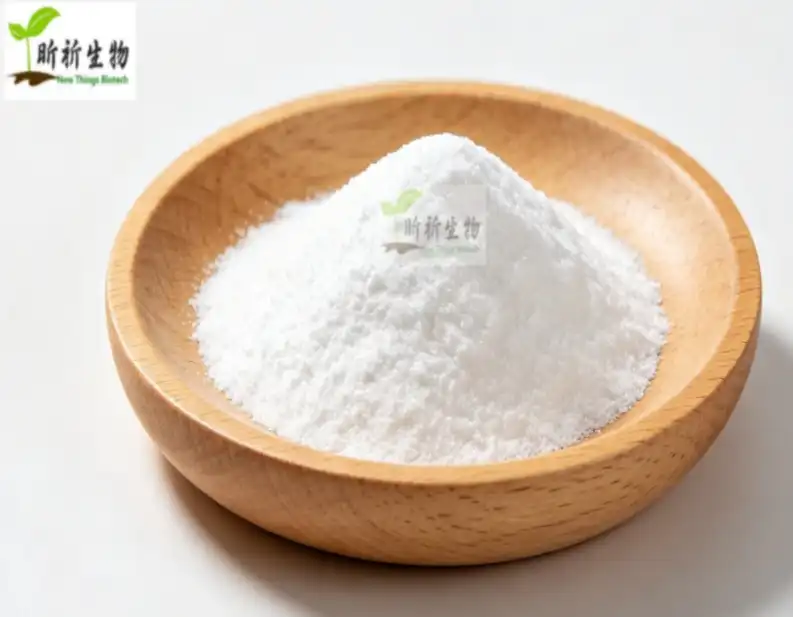
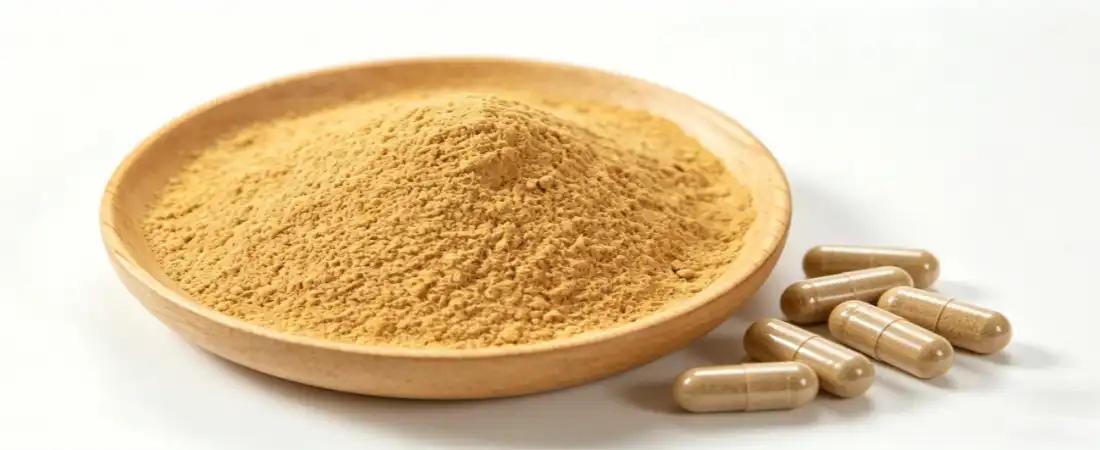
Natural mordanting agents have emerged as critical solutions in contemporary textile processing, addressing both performance demands and environmental accountability. Tannin Powder Bulk, extracted primarily from Galla Chinensis (Chinese gallnuts), offers industrial textile manufacturers a plant-based alternative that enhances dye uptake while meeting sustainability mandates. Available in standardized concentrations ranging from 93% to 99% purity, this yellow-brown powder functions as a binding agent between textile fibers and natural dyes, significantly improving colorfastness and depth of shade. For procurement professionals navigating the intersection of quality assurance and green chemistry, understanding tannin-based mordanting systems represents a strategic pathway toward regulatory compliance and market differentiation in textile supply chains.
Understanding Bulk Tannins and Their Role in Textile Dyeing
The Chemistry Behind Tannin Mordanting
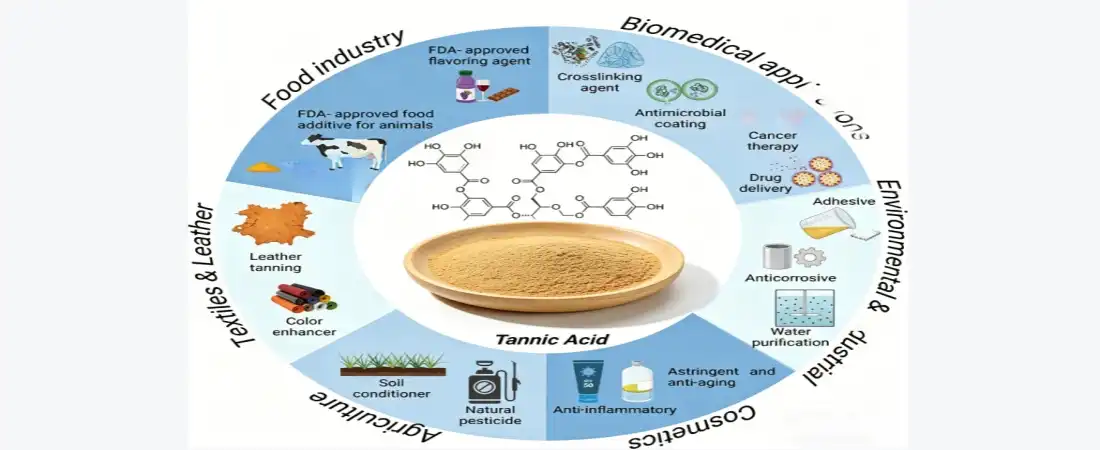
Tannins are polyphenolic compounds with copious hydroxyl bunches that interface with plant strands and color chromophores to shape steady color complexes. Hydrolyzable tannins from bother sources have the equation C₇₆H₅₂O₄₆. When connected some time recently coloring, tannins enter filaments and make official destinations that essentially diminish color washing out. Mechanical dyehouses report 40–60% moved forward color maintenance versus coordinate coloring. The 80-mesh molecule estimate guarantees indeed scattering in water showers, avoiding clumping that causes uneven mordanting.
Comparative Advantages Over Synthetic Alternatives
Metal-based mordants (aluminum sulfate, ferrous sulfate, chromium compounds) are poisonous and require strict transfer beneath government controls. Tannin powder is biodegradable, breaking down into humic substances without overwhelming metal buildups. Comparative considers appear plant tannins are 78% less destructive to oceanic environments than chromium mordants—a figure progressively scrutinized by REACH compliance measures. Also, tannin-treated textures offer UV security (UPF 25–40) and antimicrobial properties from remaining polyphenolic chemicals, empowering dual-function item claims.
Application Versatility Across Fabric Types
Tannin Powder Bulk can be used to improve the color of organic materials like cotton, flax, hemp, and bamboo viscose. Protein fibers like wool and silk also react well, but the amount used needs to be changed because they naturally react well with acidic colors. Technical teams should know that the ratios of plant material to extract for tannins usually run from 5:1 to 20:1. Higher ratios result in stronger mordanting that can be used for deep-shade coloring.
It's important to carefully tune the process parameters for blended materials. The cellulosic part of cotton-polyester blends, which are common in fast-fashion supply lines, benefits from tannin mordanting, but synthetic fibers are mostly untouched. This selective mordanting can be used to create heathered color patterns in piece-dyed goods, which are appealing to the market while keeping the process efficient.
Procurement Insights: Choosing and Buying Bulk Tannin Powder
Evaluating Quality Benchmarks and Certifications
Procurement requires irrefutable quality measurements. Solid providers give third-party virtue testing through HPLC. Certificates of Investigation incorporate Tannin Powder Bulk substance (93%, 99%, or custom proportions), overwhelming metals, chemical buildups, and microbial loads. ISO 9001 confirms quality administration; Legitimate and Halal certifications encourage material get to to religious-regulated markets. Acquirement groups ought to ask test clusters for pilot testing on agent textures. Dependable providers like Shaanxi Modern Things Biotech offer free tests, illustrating certainty in item consistency.
Practical Considerations: MOQs, Packaging, and Logistics
Minimum arrange amount for Tannin Powder Bulk is regularly 25 kg—balancing generation costs with buyer stock needs. For lab utilize, 1 kg thwart sacks are accessible; 25 kg fiber drums serve production-scale exercises. Custom bundling obliges extraordinary taking care of or labeling benchmarks. Supplied stock empowers arrange fulfillment inside 2–4 commerce days after installment confirmation—critical for pressing generation. Express dispatches (FedEx, UPS) suit little pressing bundles; cargo shipping is cost-effective for bed orders over 500 kg.
Financial and Regulatory Risk Management
Tannin Powder Bulk estimating depends on immaculateness, arrange volume, and gallnut advertise conditions. Pharmaceutical-grade 99% virtue commands premium estimating, in spite of the fact that textile-grade may suffice for standard mordanting. Volume rebates regularly apply over 500 kg, empowering territorial dyehouse consortium obtaining. Cash adaptability diminishes cross-border exchange hazard. Tolerating installment in buyers’ nearby monetary forms disposes of trade spreads and disentangles accounting—particularly important for medium-sized material creators without committed back offices, illustrating provider commitment to relationship ease.

How to Efficiently Use Bulk Tannins as Natural Mordants in Large-Scale Operations?
Process Integration and Dosage Optimization
Preparing the fabric correctly is the first step to successful mordanting. To get rid of sizing agents, natural oils, and finish residues that stop tannins from absorbing, fabrics must be scrubbed very hard. A pre-wash with a solution of 2–3 grams of sodium carbonate at 60–80°C cleans cellulosic fibers well without breaking down their structure. After scrubbing, a neutralize rinse keeps the pH level stable before applying the mordant.
Preparing a tanning bath needs exact dosage calculations based on the weight of the cloth. Standard mordanting rates are between 8 and 15% weight-of-goods (WOG) for light to medium shades and between 20 and 30% WOG for dark, rich colors. Mix the Tannin Powder Bulk with warm water (40 to 50°C) and stir it around really well to make sure it mixes completely and doesn't stick together. Keeping the pH of the bath between 4.5 and 5.5 is best for both tannin absorption and fiber reaction. Calibrated pH meters can tell you this.
Case Study: ROI in Mid-Scale Dyehouse Implementation
A material producer creating natural cotton bedding exchanged from aluminum sulfate to tannin mordanting to meet retailer natural prerequisites. Past transfer costs surpassed $12,000 every year for wastewater treatment expenses. Exchanging to plant-based tannins disposed of perilous squander classification, cutting compliance costs by 65%. After 50 wash cycles, tannin-mordanted textures held 92% shade profundity versus 73% with customary systems—reducing client returns by 38%. The 18-month payback period approved the key speculation in normal mordanting chemistry.
Troubleshooting Common Challenges
Uneven coloring demonstrates lacking severe dissemination or off base fabric-to-liquor proportion. Increment mechanical tumult and amplify mordanting time by 15–20 minutes. Keep up alcohol proportions of at slightest 1:15 (texture to water) to anticipate overlap marks. Destitute colorfastness proposes inadequate tannin obsession. Include a post-mordant flush with 0.5% v/v weakened acidic corrosive to alter surface pH and bolt tannin atoms interior fiber structures. This fermentation step works particularly well with protein strands, where amino corrosive side chains require particular pH conditions.
Safety, Environmental Impact, and Compliance of Bulk Tannin Powder
Worker Safety and Handling Protocols
Compared to manufactured mordants, Tannin Powder Bulk doesn't pose as many acute poisoning risks, but it is still important to handle it properly. The fine 80-mesh particle size can make dust that is carried through the air during material movement. Inhalation exposure can be avoided by giving workplaces local exhaust air and making workers wear N95-rated respirators while they weigh things. Safety Data Sheets (SDS) show that tannins are not classified as carcinogenic, which makes it easier to meet the training standards for communicating hazards.
If you get strong tannin solutions on your skin, they might make it feel a little tight or leave a brief stain. Standard PPE, like rubber gloves and a cover, is enough to keep you safe while you're getting ready for the bath. Even though ocular discomfort rates are much lower than those associated with metal salt mordants, emergency eyewash stations should still be available in places where mordants are being used.
Environmental Lifecycle Advantages
The essential natural advantage is biodegradability. Organisms in wastewater treatment frameworks break down polyphenolic structures by over 95% inside 72 hours beneath oxygen consuming conditions—contrasting strongly with metal particles that hold on in treatment sludges requiring dangerous squander transfer. Ecotoxicology thinks about on sea-going life forms (Daphnia magna, green growth) appear LC50 values surpassing 1000 mg/L, classified as “practically non-toxic” beneath EPA rules. Material plants maintain a strategic distance from complex perilous squander printed material when releasing to civil treatment frameworks, streamlining natural compliance.
Regulatory Alignment and Market Access
Suppliers with ISO, Legitimate, or Halal certifications illustrate adherence to great fabricating hones past chemical purity—ethical sourcing, traceability records, and defilement avoidance. These are progressively required by worldwide clothing brands. Common tannin extricates advantage from exclusions beneath European REACH controls for negligibly prepared actually happening substances, rearranging merchant printed material. EU-market buyers ought to guarantee providers keep up REACH-compliant documentation for smooth traditions clearance and advertise section. Certified supply chains anticipate delisting when retail accomplices fix merchant qualification.
Future Trends and Innovations in Bulk Tannin Use for Textile Dyeing
Technological Advancements in Extraction and Purity
New supercritical fluid extraction methods make it possible to separate very pure tannin parts that are better at mordanting. These improved processing methods make goods with Tannin Powder Bulk concentrations that are very close to 99.5%. This reduces the amount of inert plant matrix components that make the bath cloudy. Even though they are more expensive now, economies of scale will make them more accessible as more specialty textile sectors accept them.
Using enzymes to change the shapes of tannins is another new idea on the cutting edge. Targeted enzyme treatments can make certain hydroxyl groups more available, which speeds up the chelation process with certain dye classes. Extractions technology companies and textile chemistry schools are working together on research that is producing modified tannins that can mordantize 30–40% faster. This means that processing steps can be cut down, which increases throughput in high-volume operations.
Market Dynamics and Strategic Sourcing
Demand for natural mordants has grown at a rate of 12 to 15% per year since 2018. This is because of pressure from the government (California Proposition 65, EU chemical restrictions) and customer desires for eco-friendliness. This rise in demand has encouraged farmers in China, Turkey, and Iran, which are traditional gallnut-growing areas, to grow more crops. This has made the supply chain more stable when raw materials change.
Strategic buyers are getting in touch directly with extraction technology sellers who can help them create unique formulations. Value-added services, such as application technical support, on-site process optimization, and co-development of unique mordanting systems, set you apart from competitors in ways other than just buying chemicals. Our team at Shaanxi New Things Biotech use our decades of experience extracting plants to help clients with problems that come up in textile processing settings.
Regulatory Tailwinds and Compliance Advantages
As rules on textile chemicals are expected to get stricter in North America and Europe, the move toward bio-based processing tools will happen faster. Textile companies that use natural mordanting methods get ahead of the rules and don't have to make expensive changes to their processes when they have to meet compliance dates. This forward-looking method also creates marketing stories about caring for the environment that connect with end customers, especially when it comes to high-end and certified organic products.
Conclusion
Switching to plant-based mordanting systems solves a number of key problems that modern textile makers are facing, such as protecting the environment, keeping workers safe, and improving product performance. When you buy Tannin Powder Bulk from trusted sources, you get measurable benefits in colorfastness, processing safety, and lifecycle sustainability, all while keeping the costs low enough for large-scale use. When procurement managers look at adopting natural mordants, they should give more weight to providers who can show they have technical know-how, quality certifications, and flexible relationship models. Because of rules from the government and customer tastes for cleaner chemicals, tannin-based mordanting is now seen as a long-term competitive benefit rather than a niche specialty use.
FAQ
1. What distinguishes Tannin Powder Bulk from tannic acid in textile applications?
The complex polyphenolic mixes in Tannin Powder Bulk, which include gallotannins and ellagitannins, make it more effective at mordanting a wider range of dyes. Tannic acid is a more polished, one-of-a-kind chemical that is usually only used in pharmaceuticals. For cloth mordanting uses, the powder form is more cost-effective and works just as well.
2. Are there fabric type restrictions when using plant-based tannins?
Tannin mordants work best on fibers made of plant matter and protein. Synthetic materials like polyester and nylon don't have any reaction sites for chelating tannins. On the other hand, careful mordanting of natural fiber components can help mixed fabrics. Pre-testing on typical fabric samples shows that the product is compatible with certain fabric constructions.
3. How do international shipping timelines affect production planning?
Suppliers who keep ready-to-ship items will ship within two to four business days of receiving payment proof. Express courier services can get packages to the world's big industry hubs in 5 to 7 days, but it takes 3 to 4 weeks for ocean freight to send large packages. Strategic buyers keep a backup stock level that matches the frequency of their production cycles to account for changes in transport times.
4. Can bulk tannin specifications be customized for specialized dyeing processes?
Reliable sources can make extraction ratios and concentration blends that are exactly what the process needs. Our technical team works with clients to create custom formulations that work with their specific fiber types, dye chemistries, or equipment limitations. These formulations are then tested in a sample batch and their performance is confirmed using performance validation methods.
Partner with a Trusted Bulk Tannin Powder Supplier for Sustainable Textile Solutions
Shaanxi New Things Biotech has pharmaceutical-grade Tannin Powder Bulk that comes from high-quality Galla Chinensis sources and is ready to help you switch to natural mordanting systems. Our production methods are ISO-certified, Kosher, and Halal-compliant, and they consistently make goods that are 93–99% pure and meet the strict needs of large-scale textile dyeing operations. We keep a lot of stock on hand so that orders can be filled quickly (within two to four days), and we can package anything from one kilogram for testing purposes to 25 kilograms for production, depending on your needs.
We do more than just provide high-quality raw materials; we also act as your professional partner during application. You can test the validity of our products before you commit to a full order, and our quick team (guaranteed to respond within two hours) can help with application advice, dosage optimization, and problems. We provide the quality guarantee and supply chain stability that procurement workers need, whether you need standard specs or custom formulations made possible by our advanced extraction technologies.
Contact our specialist team at info@newthingsbiotech.com to request your free sample, discuss custom formulations, or receive detailed quotations for your Tannin Powder Bulk requirements. Discover how our commitment to scientific accuracy, clear quality paperwork, and adaptable relationship models can help you make your textile processing more sustainable and competitive in the market.
References
1. Bechtold, T., & Mussak, R. (2009). Handbook of Natural Colorants. Chichester: John Wiley & Sons Ltd.
2. Cardon, D. (2007). Natural Dyes: Sources, Tradition, Technology and Science. London: Archetype Publications.
3. Samanta, A. K., & Agarwal, P. (2009). Application of natural dyes on textiles. Indian Journal of Fibre & Textile Research, 34(4), 384-399.
4. Kulkarni, S. S., Gokhale, A. V., Bodake, U. M., & Pathade, G. R. (2011). Cotton dyeing with natural dye extracted from pomegranate (Punica granatum) peel. Universal Journal of Environmental Research and Technology, 1(2), 135-139.
5. Prabhu, K. H., & Teli, M. D. (2014). Eco-dyeing using Tamarindus indica L. seed coat tannin as a natural mordant for textiles with antibacterial activity. Journal of Saudi Chemical Society, 18(6), 864-872.
6. Saxena, S., & Raja, A. S. M. (2014). Natural dyes: sources, chemistry, application and sustainability issues. In Roadmap to Sustainable Textiles and Clothing (pp. 37-80). Singapore: Springer.