- English
- French
- German
- Portuguese
- Spanish
- Russian
- Japanese
- Korean
- Arabic
- Greek
- German
- Turkish
- Italian
- Danish
- Romanian
- Indonesian
- Czech
- Afrikaans
- Swedish
- Polish
- Basque
- Catalan
- Esperanto
- Hindi
- Lao
- Albanian
- Amharic
- Armenian
- Azerbaijani
- Belarusian
- Bengali
- Bosnian
- Bulgarian
- Cebuano
- Chichewa
- Corsican
- Croatian
- Dutch
- Estonian
- Filipino
- Finnish
- Frisian
- Galician
- Georgian
- Gujarati
- Haitian
- Hausa
- Hawaiian
- Hebrew
- Hmong
- Hungarian
- Icelandic
- Igbo
- Javanese
- Kannada
- Kazakh
- Khmer
- Kurdish
- Kyrgyz
- Latin
- Latvian
- Lithuanian
- Luxembou..
- Macedonian
- Malagasy
- Malay
- Malayalam
- Maltese
- Maori
- Marathi
- Mongolian
- Burmese
- Nepali
- Norwegian
- Pashto
- Persian
- Punjabi
- Serbian
- Sesotho
- Sinhala
- Slovak
- Slovenian
- Somali
- Samoan
- Scots Gaelic
- Shona
- Sindhi
- Sundanese
- Swahili
- Tajik
- Tamil
- Telugu
- Thai
- Ukrainian
- Urdu
- Uzbek
- Vietnamese
- Welsh
- Xhosa
- Yiddish
- Yoruba
- Zulu
Yes, gotu kola extract for skin can be taken through the dermal layers if it is made in the right way. Bioactive chemicals in Centella asiatica, especially asiaticoside and madecassoside, have molecular structures that are small enough to get through the stratum corneum, the top layer of skin that protects us. When added to topical products using the right delivery methods, these triterpenoid saponins can reach lower layers of skin, even the dermis, where they can work as medicine. Because it can be absorbed so well, gotu kola extract is a great ingredient for skin care products that aim to fix, prevent aging, and moisturize.

Understanding Skin Absorption of Gotu Kola Extract
The skin acts as a selective barrier, and buyers who are evaluating the effectiveness of ingredients need to know how botanical actives can cross this barrier. The epidermis, dermis, and hypodermis are the three main layers of skin. Because its cells are so closely packed and full of lipids, the skin, especially the stratum corneum, is the hardest for ingredients to get through.
Mechanisms of Dermal Penetration
There are three main ways that active substances get into the skin: transcellular (through cells), intercellular (between cells), and follicular (through hair follicles and oil glands). The triterpenoids in gotu kola—asiaticoside, asiatic acid, madecassoside, and madecassic acid—mainly move between cells because their molecular weights are modest, ranging from 450 to 960 Daltons. According to research, molecules smaller than 500 Daltons tend to penetrate the skin better, while molecules between 500 and 1000 Daltons need to be improved in the mixture. The smaller aglycones, like asiatic acid and madecassic acid, are better at being absorbed than their glycosylated cousins. However, asiaticoside and madecassoside are more stable and stay in the skin for longer, which makes them useful for long-lasting products that target collagen production and wound healing.
Factors Influencing Absorption Efficiency
A number of technical factors have a direct effect on how bioavailable gotu kola actives are when they are applied topically. The formulation's pH is very important; slightly acidic surroundings (pH 4.5–5.5) tend to improve penetration by briefly breaking down the skin's barrier function while still being safe. The choice of vehicle is very important. Lipophilic bases, like oil-in-water emulsions, help the lipid-soluble triterpenoid parts get deeper into the cell, while hydrogels improve surface hydration and initial absorption. Absorption rates are much better with modern delivery methods. Liposomal encapsulation of gotu kola actives has been shown to improve skin absorption by up to three times compared to regular creams. Nanoparticle carriers, especially those in the 50–200 nanometer range, can move more quickly through paths between cells. These technologies are especially useful for B2B buyers who are making high-end skin care lines where the performance of the ingredients supports the cost of the recipe. You should also think about penetration aids. Some natural ingredients, like important fatty acids, propylene glycol, and some terpenes, can briefly make the stratum corneum more permeable without harming the skin's structure. The booster chosen must be in line with the legal needs for gotu kola extract for skin and clean beauty positioning of the target market.
Skin Benefits of Gotu Kola Extract Validated by Absorption Capability
Gotu kola actives work on many cell pathways once they get through the skin's barrier. This leads to measured beauty and therapeutic effects. Because these benefits have been shown in clinical trials, sourcing teams are sure that gotu kola extract for skin is a high-value nutrient.
Anti-Aging and Collagen Synthesis
Asiaticoside has been proven in the lab to increase the production of fibroblasts and type I collagen, which is the main structural protein that gives skin its strength. Studies show that gotu kola triterpenoids can increase collagen production in growing fibroblasts by up to 30%. This method directly targets aging processes, which makes it perfect for anti-wrinkle serums and firming creams aimed at older skin types. Matrix metalloproteinases (MMPs) are enzymes that break down collagen and elastin when the skin ages. The extract stops these enzymes from working. As a result of its ability to both speed up production and stop breakdown, gotu kola is a powerful anti-aging substance that is similar to retinoids but better tolerated.
Hydration and Barrier Repair
Madecassoside is very good at improving the skin's moisture barrier by increasing the production of ceramide and lowering transepidermal water loss (TEWL). Up to 18% less TEWL was seen in clinical studies after four weeks of topical treatment. Because of this, gotu kola powder is very useful for making products that help with dry, sensitive, or damaged skin problems like eczema or healing after surgery. The extract's ability to increase aquaporin-3 expression—a water channel protein important for keeping the epidermis moist—gives a scientifically sound explanation for how it moisturizes in a way that goes beyond simple blockage.
Scar Healing and Wound Repair
Gotu kola has been used for a long time in traditional medicine to treat wounds, and a new study confirms its ability to speed up tissue repair. The extract changes the inflammation phase of wound healing, which stops scars from forming too much and encourages the organized accumulation of collagen. Asiaticoside has been shown to help treat hypertrophic scars and keloids, two conditions that are typically hard to deal with. Adding gotu kola ingredients to acne treatment lines by skin care companies helps with post-inflammatory hyperpigmentation and atrophic scars, making cosmetic formulas much more useful for therapy.
Antioxidant Protection and Sensitivity Management
The phenolic chemicals and triterpenoids in gotu kola are very good at getting rid of free radicals. This ability to protect against oxidative stress is brought on by UV light, smog, and chemicals that cause inflammation. The anti-inflammatory effects come from blocking pro-inflammatory cytokines and changing NF-κB signaling pathways. This makes the extract good for formulas for people with reactive or sensitive skin.

Comparison of Gotu Kola Extract Absorption with Other Popular Skincare Ingredients
Knowing how gotu kola extract for skin compares to well-known plant actives helps procurement professionals make smart buying choices based on formulation goals and market positioning.
Benchmarking Against Botanical Competitors
Compared to aloe vera, gotu kola has more focused collagen-stimulating activity, gotu kola extract for skin while aloe is mostly good for cooling and moisturizing with polysaccharides. Vitamin C variants are strong antioxidants and collagen cofactors, but they can be unstable and cause irritation at the right amounts. Gotu kola works just as well as other ingredients but is more stable in normal emulsion systems. Hyaluronic acid is great at keeping the skin's surface moist through its humectant action, but it doesn't have the deep-dermal repair abilities of gotu kola triterpenoids. Putting these two ingredients together makes products that work better together to fight multiple signs of skin aging at the same time. This is a method that many high-end brands use. Another well-known plant extract, green tea extract, has antioxidant properties similar to gotu kola but not as strong as gotu kola in stimulating collagen production. Antioxidants are often used when the focus of the formulation is on protection, while repair and rebuilding are often used when the focus is on correction.
Natural Versus Standardized Extracts
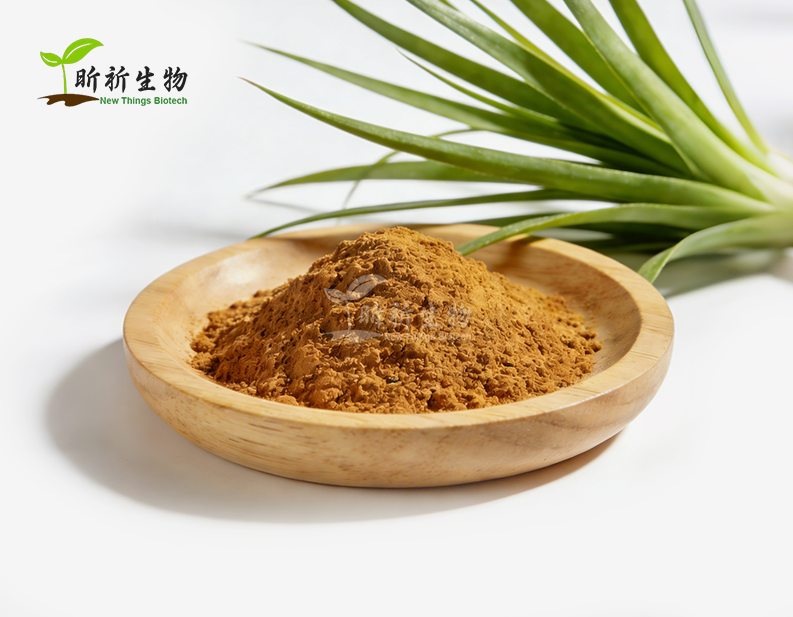
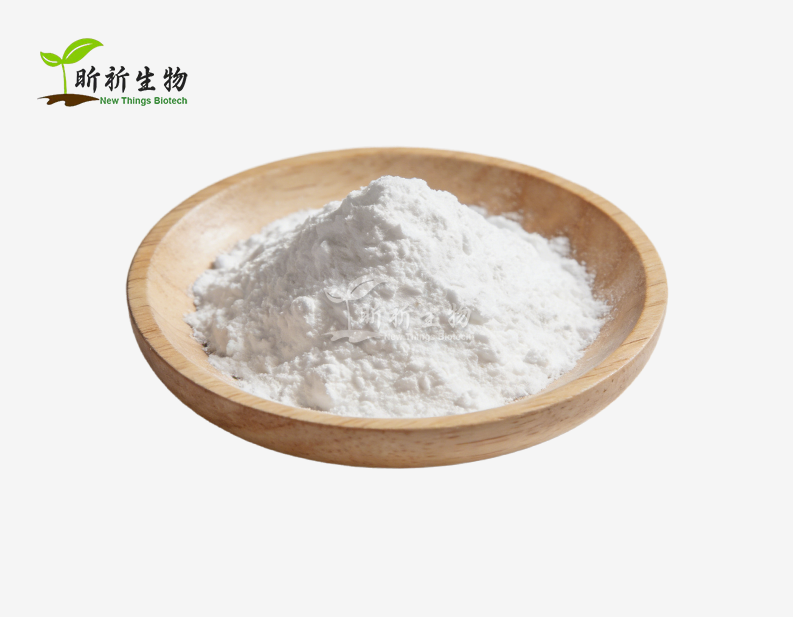
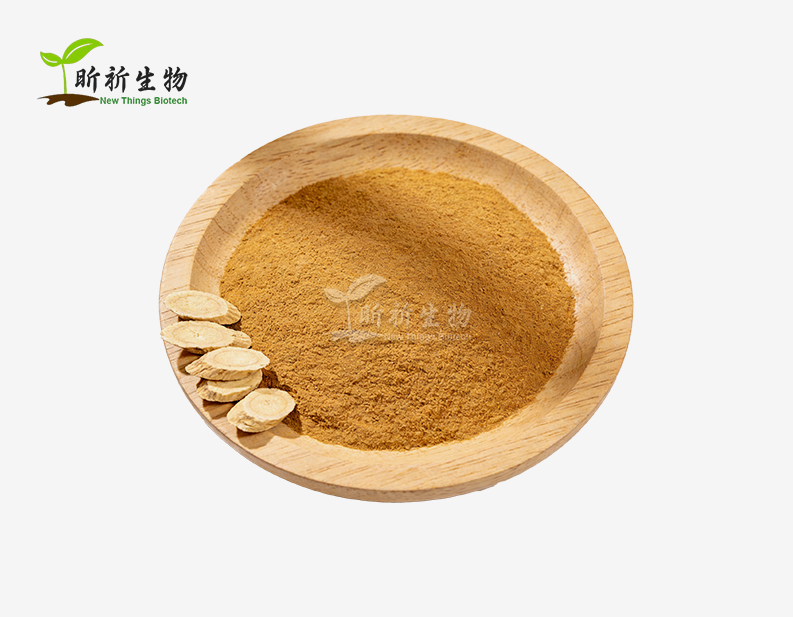
The amount of active ingredients in raw gotu kola powder depends on where the plant comes from, when it is harvested, and how it is processed. Standardized extracts, like those that say they contain 10% to 90% asiaticoside, give the uniformity needed for formulation performance that can be repeated and for regulation paperwork. This standardization can be seen in our Gotu Kola Leaf Extract at NT Biotech. It comes from the whole Centella asiatica plant and has asiaticoside concentrations ranging from 10% to 90%. This lets formulators choose the level of potency that fits their cost and effectiveness goals. The powder looks brownish-yellow to off-white and changes with concentration. Higher purity grades have lighter colors because chlorophyll and other plant structure components have been taken out. Bioavailability is greatly affected by the way of extraction. Most of the time, water-ethanol extraction gives equal profiles of both glycosides and aglycones. Even though it costs more, supercritical CO2 extraction makes extracts that are very clean and more stable, making them perfect for high-end product lines. When procurement teams know about these technical differences, they can match ingredient specs with brand marketing and performance claims.
Procurement Considerations for Gotu Kola Extract in Skincare Products
To find the best seller of gotu kola extract for skin, you need to look at more than just price per kilogram. Long-term relationships that work well are built on quality assurance, following the rules, consistent supply, and expert support.
Certification and Quality Standards
Suppliers with a good reputation keep documents that show they follow safety and manufacturing standards. ISO 9001 certification means that the quality management system is strong, and ISO 22000 certification covers food and supplement safety, which is important for beauty items that you eat. Brands that want to reach specific groups of people can get into more markets with Kosher and Halal approvals, especially in North America and the Middle East. Documentation from a third-party testing service makes information about heavy metal levels, microbe limits, pesticide residues, and solvent residues clear. Each batch should come with a Certificate of Analysis (CoA) that lists the amounts of active compounds that were found using approved analytical methods like HPLC or UV-Vis spectroscopy. At NT Biotech, we include full COAs with every package to make sure you get exactly what you asked for.
Evaluating Extract Specifications
The specified range for asiaticoside amount (10–90%) gives formulators a lot of freedom to use different types of ingredients. Lower concentrations (10–20%) work well for low-cost goods or those that mix multiple active ingredients. High-potency extracts (70–90%), on the other hand, allow for highly concentrated serums that are marketed as high-end. The change in color from brown-yellow to off-white is related to how much processing was done. Darker powders keep more plant matrix, which could mean they have more phytonutrient benefits, while refined white powders look better in light-colored formulas. Setting the normal mesh size at 80 mesh makes sure that the dissolution and dispersion properties are always the same during production. The security of the solution and how the product feels on the skin are directly related to the particle size. Smaller particles mix more easily into emulsions and make finished products less gritty.
Balancing Cost and Performance
The price of gotu kola extract changes depending on where the raw materials come from, the method used for extraction, the level of standardization, the licensing standards, and the size of the order. Buying in bulk usually saves you 15–30% on costs compared to buying smaller amounts. For mid-sized producers, the 25kg minimum order quantity is a good deal. Our flexible packing choices, such as standard 25kg drums and custom forms, can be used for a range of production sizes. Free samples let R&D teams check how well they work with current formulas before committing to large-scale production. This lowers technical risk and the cost of reformulating. We support flexible product development timelines that are important in competitive markets by having stock available right away and delivering within 2 to 4 days after payment.

How to Formulate and Use Gotu Kola Extract for Optimal Skin Absorption
Formulation science and application methodology are important for turning the promise of an ingredient into the success of a product. When writing specs for contract manufacturers or internal production teams, technical buyers should know about these useful things regarding gotu kola extract for skin.
Recommended Product Formats
Due to their light texture and high active gotu kola extract for skin concentration potential, serums are the best way to deliver gotu kola actives. Asiaticoside amounts can reach 5–10% of the finished mixture in water- or oil-based serum matrices, which improves its bioavailability in the skin. Triterpenoids are kept from breaking down by oxygen when they are packed in airless tubes. This increases their shelf life and keeps their effectiveness. Creams and lotions can have modest amounts of active ingredients (1–5%), and they also have extra moisturizing ingredients that help the barrier work. Most of the time, oil-in-water emulsions work better than water-in-oil ones for mixing gotu kola because they make it easier to spread and absorb. Adding niacinamide or peptides makes anti-aging formulas that work better together and target more than one route at the same time. More concentrated gotu kola (3–8%) is better for targeted treatments like scar creams or eye creams for dark circles. The extract's high tolerability means that it can be used at such high concentrations without causing major discomfort, even in the sensitive area around the eyes.
Stability and Formulation Challenges
Triterpenoids from gotu kola are chemically stable between pH 4.0 and 6.5, which is a good range for beauty products. If the pH level is too high or the product is heated for a long time during production, asiaticoside can break down into its aglycone, which could change how well it works. Active integrity is kept when working temperatures stay below 60°C during emulsification. Products with high levels of gotu kola need to be packaged in dark or amber materials because they are sensitive to light. UV light speeds up rusting, which makes things less effective over time. To find the right expiration date, stability tests should be done under fast conditions (40°C, 75% RH) for at least three months. Chelating agents, like EDTA, help stop oxidation that is sped up by metals. This is especially important when working with iron-rich clays or some mineral sunscreens. Antioxidant additives like tocopherol or green tea extract offer extra protection, but it's important to avoid competitive absorption that could lower the bioavailability of gotu kola.
Regulatory and Safety Considerations
In the US, gotu kola extract is usually accepted as safe (GRAS) for use in cosmetics. However, concentration limits and labeling rules vary from state to state. The CosIng database for the European Union says that Centella asiatica extract can be used as long as good production practices are followed. There are no specific rules for leave-on products.To help with the safety reviews that are needed by regulations, providers should provide safety data sheets (SDS) and toxicological descriptions. During product development, patch tests and skin evaluations help support safety claims and find any possible sensitization issues. However, gotu kola has a much lower irritation potential than many other plant actives.
Conclusion
Procurement workers can make scientifically sound choices about where to get things by knowing if gotu kola extract for skin can be absorbed through the skin and how to make that absorption work best. The beneficial triterpenoids in Centella asiatica have been shown to penetrate the skin, which has been shown to have benefits for anti-aging, hydration, wound healing, and antioxidant defense. When properly formulated with care for delivery systems, concentration levels, and stability factors, gotu kola extract can match or beat the performance of well-known skin care actives while giving the clean, botanical positioning that consumers want more and more. Strategic relationships with suppliers, standard specs, and thorough quality paperwork are what make product development work in today's global markets.
FAQ
1. How deeply can gotu kola extract penetrate the skin?
The depth of entry relies on the size of the molecules and the technology used to make them. Smaller molecules, like asiatic acid, can reach the papillary dermis, which is about 0.1 to 0.3 mm deep. Larger glycosides, on the other hand, tend to stay in the epidermis. Liposomal or nanoparticle transport methods improve skin deposition, possibly going as deep as 0.5 mm, where the fibroblasts that make collagen live.
2. Is gotu kola extract safe for sensitive skin?
Clinical evidence constantly shows that this product is well tolerated by all skin types, even sensitive and allergic skin. Because it reduces inflammation, it's actually good for soothing discomfort. Compared to raw plant products, standardized extracts that have been checked for cleanliness have a lower chance of causing allergies. People who are known to be allergic to plants should still get a patch test.
3. What concentration delivers optimal results?
Usually, finished products with 1% to 5% gotu kola extract for skin are used in efficacy studies. Concentrations above 3% show stronger effects for stimulating collagen and treating scars. Higher strength extracts let formulators reach therapeutic levels with lower inclusion rates. This saves money while keeping the product's draw on the label.
Partner with NT Biotech for Premium Gotu Kola Extract Supply
Business-to-business buyers looking for a dependable seller of gotu kola extract for skin will find that NT Biotech has clear benefits based on its technical knowledge and customer-focused service. As a company that only makes plant products, we know how important it is for foreign skincare brands to get ingredients that are consistent, pure, and backed up by paperwork. Our Gotu Kola Leaf Extract comes from whole Centella asiatica leaves and offers asiaticoside standardization from 10% to 90%. This makes it suitable for a wide range of product needs, from mass-market moisturizers to high-end anti-aging serums. Each batch goes through strict testing by a third party and comes with detailed analysis paperwork to make sure it meets global quality standards. Certifications like ISO, Kosher, and Halal make it possible to sell goods in markets in North America, Europe, and other places. Because we keep a lot of inventory on hand, we can complete orders quickly—usually within two to four days after payment—so you can keep up with your production plans without having to wait for long lead times. Your R&D teams can test connectivity and performance with free samples before going big. Our expert team gives recipe advice and helps make sure that gotu kola is mixed in the best way so that it works and is absorbed by the skin the most. Customization options include different types of packaging, concentration levels, and even co-extraction with matching plants to make unique mixes. Our scalable supply chain makes sure that you always get the best quality at the best price, whether you need 25 kg for product development or several tons for commercial production. Get in touch with us at info@newthingsbiotech.com to talk about your needs and find out how our gotu kola extract can improve your skincare products.
References
1. Bylka, W., Znajdek-Awiżeń, P., Studzińska-Sroka, E., & Brzezińska, M. (2013). Centella asiatica in cosmetology. Advances in Dermatology and Allergology, 30(1), 46-49.
2. Hashim, P., Sidek, H., Helan, M. H., Sabery, A., Palanisamy, U. D., & Ilham, M. (2011). Triterpene composition and bioactivities of Centella asiatica. Molecules, 16(2), 1310-1322.
3. Haftek, M., Mac-Mary, S., Le Bitoux, M. A., Creidi, P., Seité, S., Rougier, A., & Humbert, P. (2008). Clinical, biometric and structural evaluation of the long-term effects of a topical treatment with ascorbic acid and madecassoside in photoaged human skin. Experimental Dermatology, 17(11), 946-952.
4. Brinkhaus, B., Lindner, M., Schuppan, D., & Hahn, E. G. (2000). Chemical, pharmacological and clinical profile of the East Asian medical plant Centella asiatica. Phytomedicine, 7(5), 427-448.
5. Ratz-Łyko, A., Arct, J., & Pytkowska, K. (2016). Moisturizing and antiinflammatory properties of cosmetic formulations containing Centella asiatica extract. Indian Journal of Pharmaceutical Sciences, 78(1), 27-33.
6. James, J. T., & Dubery, I. A. (2009). Pentacyclic triterpenoids from the medicinal herb, Centella asiatica. Molecules, 14(10), 3922-3941.