- English
- French
- German
- Portuguese
- Spanish
- Russian
- Japanese
- Korean
- Arabic
- Greek
- German
- Turkish
- Italian
- Danish
- Romanian
- Indonesian
- Czech
- Afrikaans
- Swedish
- Polish
- Basque
- Catalan
- Esperanto
- Hindi
- Lao
- Albanian
- Amharic
- Armenian
- Azerbaijani
- Belarusian
- Bengali
- Bosnian
- Bulgarian
- Cebuano
- Chichewa
- Corsican
- Croatian
- Dutch
- Estonian
- Filipino
- Finnish
- Frisian
- Galician
- Georgian
- Gujarati
- Haitian
- Hausa
- Hawaiian
- Hebrew
- Hmong
- Hungarian
- Icelandic
- Igbo
- Javanese
- Kannada
- Kazakh
- Khmer
- Kurdish
- Kyrgyz
- Latin
- Latvian
- Lithuanian
- Luxembou..
- Macedonian
- Malagasy
- Malay
- Malayalam
- Maltese
- Maori
- Marathi
- Mongolian
- Burmese
- Nepali
- Norwegian
- Pashto
- Persian
- Punjabi
- Serbian
- Sesotho
- Sinhala
- Slovak
- Slovenian
- Somali
- Samoan
- Scots Gaelic
- Shona
- Sindhi
- Sundanese
- Swahili
- Tajik
- Tamil
- Telugu
- Thai
- Ukrainian
- Urdu
- Uzbek
- Vietnamese
- Welsh
- Xhosa
- Yiddish
- Yoruba
- Zulu
You need to know about both the technical properties of the ingredient and the source partnerships that allow for growth in order to find high-quality powdered butterfly pea flower for your custom formulation projects. This natural blue colorant comes from Clitoria ternatea L. and works very well as an antioxidant and color stabilizer in many different situations. Choosing a manufacturer with clear extraction methods and strong quality paperwork has a direct effect on how well your product does in the market, whether you're making drinks, supplements, or cosmetics. This guide helps buying managers and research and development teams make smart decisions about formulations, covering everything from the right raw materials to how much to make. This will give you an edge in today's clean-label market.
Understanding Powdered Butterfly Pea Flower for OEM Applications
Botanical Origins and Processing Excellence
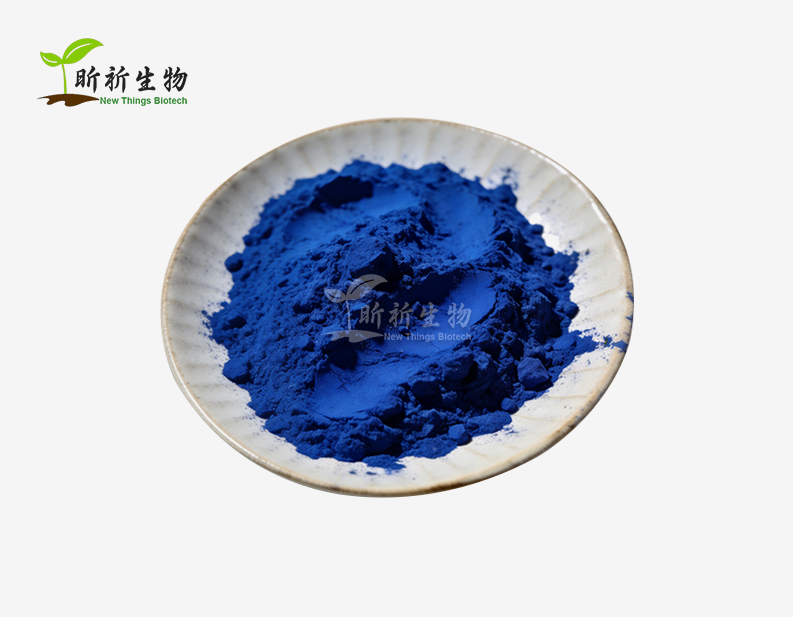
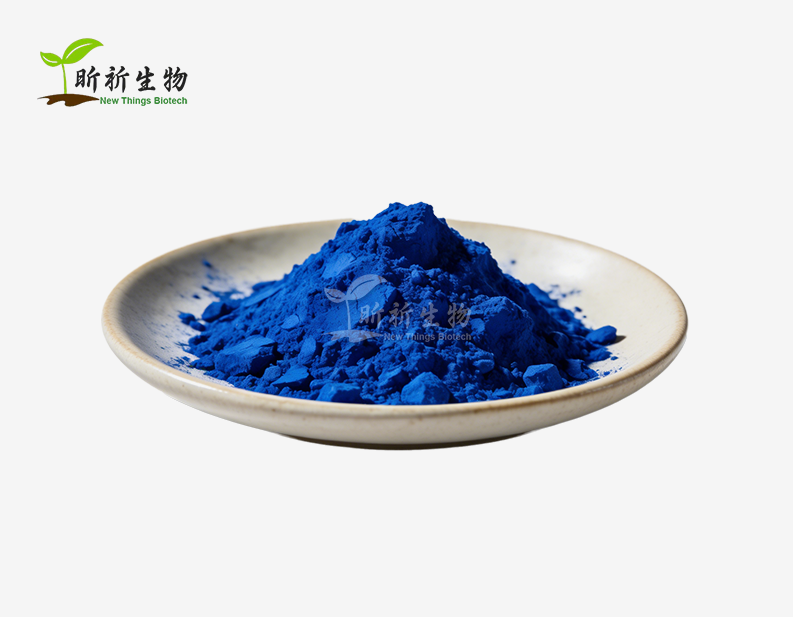
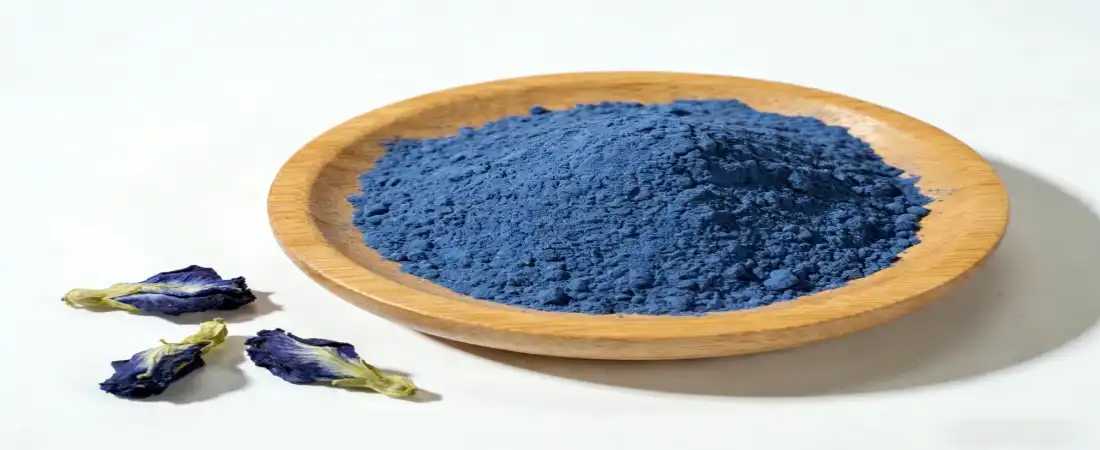
Butterfly pea flower comes from Clitoria ternatea L., a tropical legume grown mainly in Southeast Asia. NT Biotech uses low-temperature drying and micronization to protect delicate anthocyanins that give the distinctive blue color. Our 80-mesh blue matcha powder is 100% pure with no artificial ingredients, meeting clean-label standards. Traditional high-temperature processing degrades ternatins—polyacylated anthocyanins unique to this plant—reducing color strength and antioxidant capacity. Our extraction method maximizes bioactive compounds while preserving stability, solving common natural colorant formulation challenges.
Nutritional Profile and Functional Benefits
This natural ingredient contains amino acids, vitamins, minerals, and polyphenolic substances. Anthocyanins provide powerful antioxidant activity, scavenging free radicals that cause oxidative stress. Flavonoid compounds offer anti-inflammatory properties, extending utility beyond visual appeal. Professional-grade ingredients are distinguished from generic alternatives by third-party tested bioactive levels. Every batch includes a Certificate of Analysis listing polyphenol content and confirming absence of contaminants, pesticides, or heavy metals that could compromise product safety. This documentation enables evidence-based claims for finished products.
Regulatory Compliance for Commercial Applications
If a business wants to sell to people in the United States, they have to follow 21 CFR 73.69, which is the FDA's rules on natural colorants. If powdered butterfly pea flower comes from plants, it doesn't need to be certified as a color ingredient as long as the processing methods follow good production practices. Our ISO9001-certified center makes it possible to track products from the field all the way to the finished powder. Kosher and Halal standards make it easier for brands that serve a wide range of consumers to get into new markets.
EU Regulation 1333/2008 says that new food items need to be approved before they can be sold on European markets. Powdered butterfly pea flower has been used traditionally in a number of member states. To make regulatory dossiers stronger, chemical data that shows the flower is safe is added. We provide a lot of technical information to help you meet legal requirements. For example, we provide stability tests that show how well the ingredient works in a range of pH levels and processing temperatures.
Key Factors to Consider in Custom Formulating Powdered Butterfly Pea Flower Products
Defining Product Goals and Target Applications
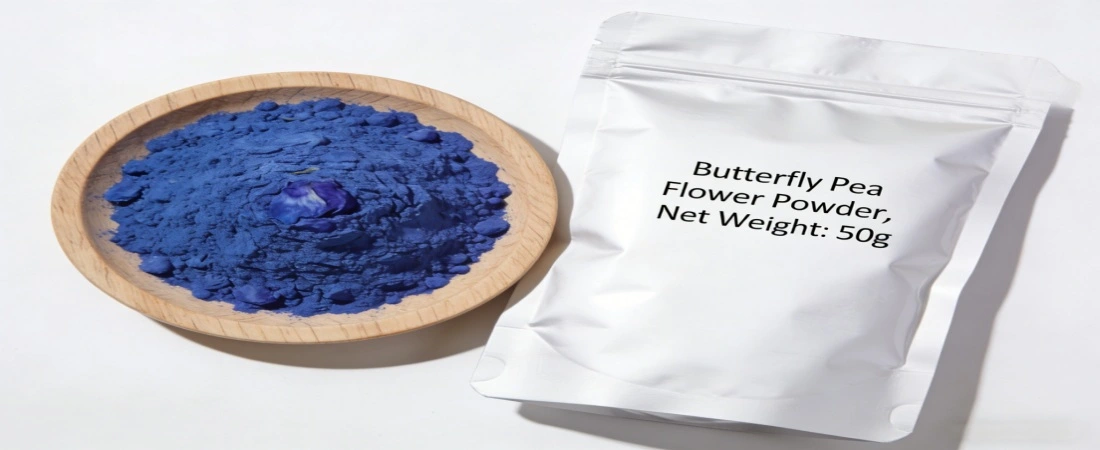
Successful formulation begins with clear application requirements. Beverage applications demand pH-stable color and solubility; nutraceutical capsules require standardized anthocyanin content for uniform dosing. Cosmetic formulations need compatibility with emulsification systems and preservative blends. During initial planning, we align ingredient specifications with product claims. A luxury skincare line adding antioxidants to facial serums faces different challenges than a sports nutrition brand incorporating blue color into electrolyte powders. We recommend mesh sizes, purity grades, and processing parameters based on your application.
Raw Material Selection and Quality Standards
Multiple quality distinctions exist between standard and premium butterfly pea powder. Mesh size impacts dissolution rate and mouthfeel. Our 80-mesh guideline balances fine particle dispersion with production handling. Organic certification appeals to natural product brands, but controlled cultivation with rigorous testing achieves equivalent purity. Sourcing transparency is critical. We maintain close relationships with farming partners, monitoring growing conditions and harvest timing to maximize anthocyanin levels. This vertical integration eliminates intermediary handling that could introduce contamination or quality variation, providing batch-to-batch consistency for large-scale production.
Ingredient Synergy and Formulation Compatibility
Butterfly pea flower exhibits pH-dependent chromism: deep blue at neutral pH, shifting to violet and pink under acidic conditions. This enables creative formulations when combined with complementary botanicals. Mixed with naturally acidic hibiscus extract, it creates engaging color-changing beverages that deliver visual excitement plus nutritional benefits. Stability extends beyond appearance. Some mineral supplements react with anthocyanins, causing precipitation or color loss. Our formulation support team checks compatibility during testing, identifying potential interactions before production runs. These expert services differentiate partnership-oriented suppliers from transactional vendors.
OEM Custom Formulation Process for Powdered Butterfly Pea Flower Products
Client Needs Analysis and Specification Development
Custom formulation begins with thorough needs assessment. Our technical team gathers information: target serving sizes, packaging formats, regulatory market requirements, and expected production volumes. Whether launching premium retail SKUs or private-label goods for mass distribution significantly impacts ingredient selection and pricing. These requirements become technical specifications that guide production planning. Project briefs document shipping lead times, documentation needs, and minimum order quantities (our 10 kg MOQ works for both emerging brands and established manufacturers). This documentation prevents misunderstandings that delay product launches.
Prototyping, Testing, and Standardization
Prototype creation is the link between theory ideas and real-world production on a large scale. We offer free samples so that your R&D teams can try them on their own before committing to large sales. This part of sampling shows how the powdered butterfly pea flower works in your unique matrix, such as how well it dissolves in cold drinks, how well it keeps its color through pasteurization cycles, or how well it works with tablet compression processes.
Analytical testing verifies both working efficiency and compliance with regulations at the same time. A technique called high-performance liquid chromatography is used to measure anthocyanin profiles, and microbial testing makes sure that the ingredient meets USP guidelines for dietary additives. In our lab, we can do rapid stability studies that mimic shelf-life conditions. These studies give us information that helps us figure out when your goods should be thrown away and how they should be stored.
One North American drink company worked with us to make a blue lemonade that would stay the same color even though it had citric acid in it. By making many prototypes and testing them, we were able to find the right powder loading rates and stabilizers that would keep the color strength during hot-fill bottle processes. With this technical relationship method, ingredient sellers become formulation partners who care about the success of your product.
Production Scaling and Supply Chain Integration
Transitioning from approved prototypes to commercial production requires manufacturing flexibility and logistics coordination. We maintain standardized blue matcha powder in stock for rapid fulfillment—typically 2–4 days post-payment for up to 100 kg. Larger runs require 3–10 days for raw material acquisition, proprietary extraction, batch testing, and custom packaging. Packaging options range from 1 kg bags for small-batch craft producers to 10 kg boxes for high-volume efficiency. Custom branded packaging supports private-label programs. Logistics solutions match your business needs, from express couriers for trial quantities to ocean freight for container-load orders.
Market Comparison and Procurement Strategies for OEM Buyers
Evaluating Suppliers Across Quality Dimensions
Procurement professionals choose from Asian, North American, and European suppliers, each offering different advantages. Asian suppliers offer competitive pricing based on regional agricultural benefits and established extraction facilities. However, quality control variations and communication challenges create supply chain risks. European providers charge premium prices for enhanced regulatory documentation and faster lead times. North American wholesalers simplify import processes but often source raw materials from Asian manufacturers, adding margins without quality improvement. Evaluate sourcing transparency, sustainability practices, and technical support capabilities.
Developing Long-Term Procurement Relationships
Strategic supplier relationships deliver benefits beyond individual transactions. Preferred customer status provides priority access during supply shortages—critical for seasonal crops with variable harvests. Volume commitments unlock tiered pricing structures and custom payment terms aligned with cash flow needs. We accept payment in buyers’ local currencies, eliminating foreign exchange risk and simplifying reconciliation. Rapid communication (two-hour response guarantee) builds trust for collaborative product development. Suppliers who understand your brand positioning offer private label customization options. We have created proprietary botanical blends that competitors cannot easily replicate.
Practical Application and Recipe Ideas for OEM Customers
Beverage Formulation Best Practices
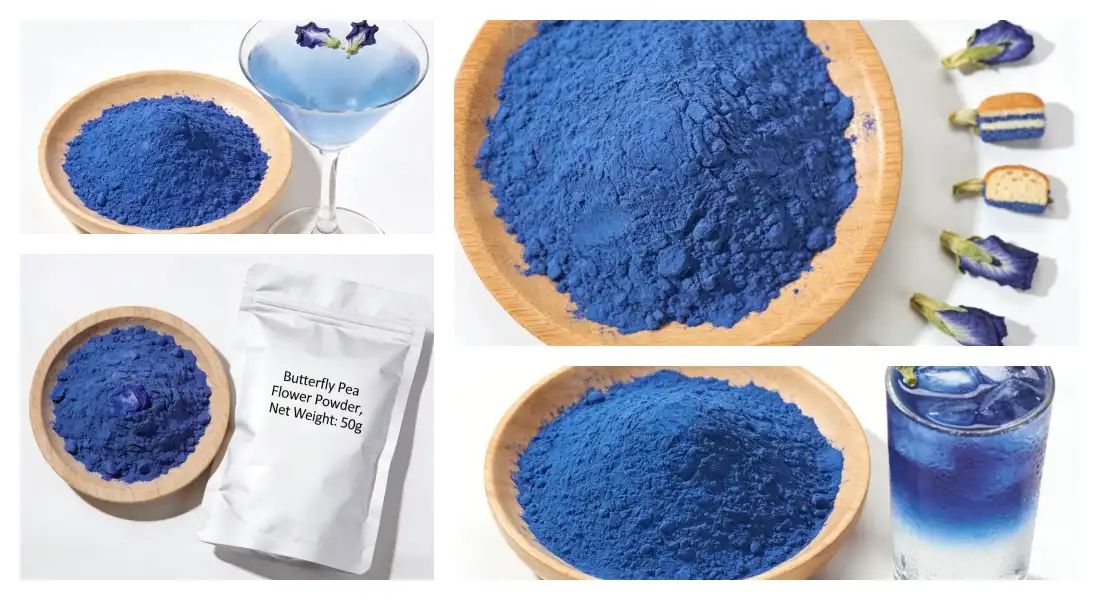
The biggest technical problem in beverage uses is keeping colors bright and stable. Anthocyanin's stability changes with pH, temperature, and light exposure. This means that manufacturing methods need to find a balance between how the product looks and how it can be processed. Beverages with a neutral pH, like coconut waters, plant-based milks, and sports drinks, naturally show off the powdered butterfly pea flower's bright blue color. Acidic drinks, on the other hand, turn the color purple unless stabilizing agents are added to the mix.
Applications that use a cold process keep the highest amount of anthocyanins and color strength. The powder can be mixed into liquids at room temperature with light stirring to get great color development. When using hot-fill processes that need pasteurization temperatures, higher filling rates are needed to make up for thermal degradation. However, our heat-stable handling reduces these losses compared to other methods.
Carbonated drinks add to the complexity by lowering the pH level with liquid carbon dioxide and the possibility of anthocyanin-CO2 interactions. Before starting production runs, pilot mixing on a small scale finds the best powder ratios and any stabilizer needs. We give you design advice based on similar projects we've worked on before, which speeds up the development process.
Food and Cosmetic Product Integration
Food applications include natural blue coloring for frostings, baked goods doughs, and clean-label confectionery alternatives to FD&C Blue No. 1. The powder exhibits excellent bake stability, retaining color under high temperatures while adding mild earthy notes complementing vanilla and coconut flavors. Typical usage rates: 0.5–2% of total formula weight. Cosmetic applications leverage both antioxidant properties and visual appeal. Incorporate powder into face masks, serums, and creams at 1–5% ratios. Polyphenolic compounds combat free radicals while providing distinctive blue color for shelf differentiation. Water-soluble forms facilitate aqueous blending.
Conclusion
Custom preparation with powdered butterfly pea flower gives brands many options when they want to use natural, useful ingredients that appeal to consumers who like clean labels. To be successful, you need to know the technical qualities of the ingredient, build relationships with sources who care about quality, and use formulation strategies that are tailored to your application needs. Regulatory compliance, especially for natural colorants used in food and drinks, requires providers to provide a lot of paperwork to back your efforts to get into the market. As the need for well-known plant-based products keeps growing, brands that were the first to use this flexible botanical gain a competitive edge that is hard for others to copy. Powdered butterfly pea flower is a strategic ingredient that should be seriously considered in your product innovation process because it looks good, has health benefits, and is safe to use on a clean label.
FAQ
1. What safety considerations apply to large-scale commercial use of butterfly pea flower powder?
Powdered butterfly pea flower has been used traditionally in Southeast Asian foods and drinks for a long time, which supports its safety for food use. Toxicological tests show that normal amounts of exposure do not have any negative effects. For business use, you should only buy from sellers who can show that their products have been tested by a third party to make sure they don't contain any chemical residues, heavy metals, or microbes. Our materials always meet the USP bacteria limits for food products and the California Prop 65 heavy metal limits, which gives us peace of mind that they are safe to use in the US market.
2. How do I ensure consistent quality when sourcing butterfly pea powder in bulk quantities?
Consistency from batch to batch comes from controlled growing methods and standard separation methods. By asking for Certificates of Analysis with every package, you can keep track of important factors like the amount of anthocyanin, the amount of wetness, and the number of microbes. Setting requirements with your provider before placing your first order and including these in the buy agreement sets up a framework for accountability. We have strict quality controls all along our supply chain. Every batch of products goes through HPLC analysis to make sure that the anthocyanin profiles are within ±5% of the goals set by the manufacturer.
3. Which certifications should I prioritize when selecting a powdered butterfly pea flower supplier?
ISO9001 certification means that production activities are governed by systematic quality management methods. Kosher and Halal approvals make it easier for people who follow religious dietary rules to buy goods. Organic certification is popular with natural food stores and health-conscious customers, but non-GMO certification and proof of third-party testing can also provide the same level of quality guarantee. For export markets, getting GMP approval for your type of product—whether it's food, supplements, or cosmetics—makes following the rules easier and shows officials reviewing import forms that you know how to make the goods.
Partner with NT Biotech for Your Custom Butterfly Pea Flower Formulation Needs
To turn your product ideas into formulas that are ready for the market, you need a powdered butterfly pea flower provider with both technical know-how and manufacturing dependability. NT Biotech can do both because our processes are tightly linked, from controlled cultivation to final packaging. Our blue matcha powdered butterfly pea flower is 100% pure and meets ISO, Kosher, and Halal standards. This gives you the quality proof you need for your regulatory applications. We can help both new brands and established companies that want to make their products more environmentally friendly. We have stock that can be delivered in two to four days and the minimum order size is only 10 kg. Our team answers technical questions within two hours and can help you with formulation, which cuts down on the time it takes to make products and saves you money on costly reformulation processes. Contact info@newthingsbiotech.com today to get a free sample and see for yourself the difference in quality between top botanical sellers and commodity traders. Find out why some of the biggest names in natural products, functional drinks, and food supplements trust NT Biotech to be their long-term ingredient partner.
References
1. Nair V, Bang WY, Schreckinger E, et al. Protective role of ternatin anthocyanins and quercetin glycosides from butterfly pea (Clitoria ternatea Leguminosae) blue flower petals against lipopolysaccharide (LPS)-induced inflammation in macrophage cells. Journal of Agricultural and Food Chemistry. 2015;63(28):6355-6365.
2. Chusak C, Thilavech T, Henry CJ, Adisakwattana S. Acute effect of Clitoria ternatea flower beverage on glycemic response and antioxidant capacity in healthy subjects: a randomized crossover trial. BMC Complementary Medicine and Therapies. 2018;18(1):6.
3. Kaisoon O, Siriamornpun S, Weerapreeyakul N, Meeso N. Phenolic compounds and antioxidant activities of edible flowers from Thailand. Journal of Functional Foods. 2011;3(2):88-99.
4. Lakshan SAT, Jayanath NY, Abeysekera WPKM, Abeysekera WKSM. A commercial potential blue pea (Clitoria ternatea L.) flower extract incorporated beverage having functional properties. Evidence-Based Complementary and Alternative Medicine. 2019;2019:2916914.
5. Escher GB, Marques MB, Carmo MAV, et al. Clitoria ternatea L. petal bioactive compounds display antioxidant, antihemolytic and antihypertensive effects, inhibit α-amylase and α-glucosidase activities and reduce human LDL cholesterol and DNA induced oxidation. Food Research International. 2020;128:108763.
6. Munafo JP, Ramanathan A, Jimenez LS, Gianfagna TJ. Isolation and structural determination of steroidal glycosides from the bulbs of Easter lily (Lilium longiflorum Thunb.). Journal of Agricultural and Food Chemistry. 2010;58(14):8806-8813.