- English
- French
- German
- Portuguese
- Spanish
- Russian
- Japanese
- Korean
- Arabic
- Greek
- German
- Turkish
- Italian
- Danish
- Romanian
- Indonesian
- Czech
- Afrikaans
- Swedish
- Polish
- Basque
- Catalan
- Esperanto
- Hindi
- Lao
- Albanian
- Amharic
- Armenian
- Azerbaijani
- Belarusian
- Bengali
- Bosnian
- Bulgarian
- Cebuano
- Chichewa
- Corsican
- Croatian
- Dutch
- Estonian
- Filipino
- Finnish
- Frisian
- Galician
- Georgian
- Gujarati
- Haitian
- Hausa
- Hawaiian
- Hebrew
- Hmong
- Hungarian
- Icelandic
- Igbo
- Javanese
- Kannada
- Kazakh
- Khmer
- Kurdish
- Kyrgyz
- Latin
- Latvian
- Lithuanian
- Luxembou..
- Macedonian
- Malagasy
- Malay
- Malayalam
- Maltese
- Maori
- Marathi
- Mongolian
- Burmese
- Nepali
- Norwegian
- Pashto
- Persian
- Punjabi
- Serbian
- Sesotho
- Sinhala
- Slovak
- Slovenian
- Somali
- Samoan
- Scots Gaelic
- Shona
- Sindhi
- Sundanese
- Swahili
- Tajik
- Tamil
- Telugu
- Thai
- Ukrainian
- Urdu
- Uzbek
- Vietnamese
- Welsh
- Xhosa
- Yiddish
- Yoruba
- Zulu
Due to demographic shifts and cell health awareness, the global anti-aging industry is rising rapidly. Pharmaceutical, nutraceutical, and cosmetics industries are interested in pyrroloquinoline quinone disodium powder to address the rising need for scientifically verified ingredients.Because it fights cellular oxidative stress and speeds mitochondrial synthesis, pyrroloquinoline quinone disodium powder has anti-aging potential. This sodium salt version is more water-soluble and accessible than other antioxidants, which simply neutralize free radicals. B2B buyers are under increasing pressure to discover ingredients that perform, comply with standards, and provide a trustworthy supply chain. This extensive overview covers PQQ-Na's biochemistry, age-fighting properties, and source concerns. We discuss quality assurance and source evaluation criteria for wise procurement decisions that help new goods launch and businesses stand out.
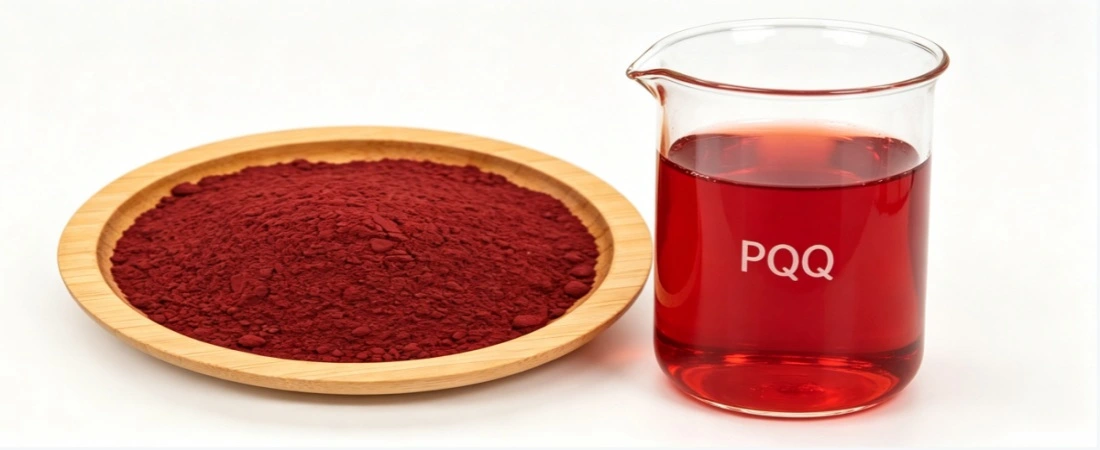
Understanding Pyrroloquinoline Quinone Disodium Powder and Its Role in Anti-Aging
What Makes PQQ-Na Unique Among Redox Cofactors
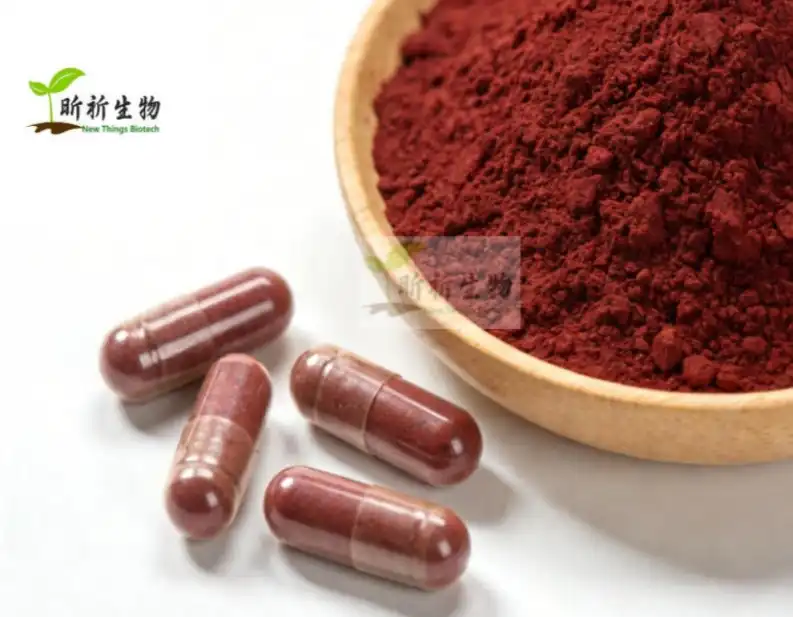
pyrroloquinoline quinone disodium powder is stable. The chemical formula is C14H4N2Na2O8, an aromatic o-quinone. This modification helps water dissolve easier than free acid, solving a key production difficulty for beverages and liquid supplements. A reddish-brown solid powder, the chemical is normally more than 98% pure when manufactured in a controlled setting.
Mechanisms of Action in Cellular Aging
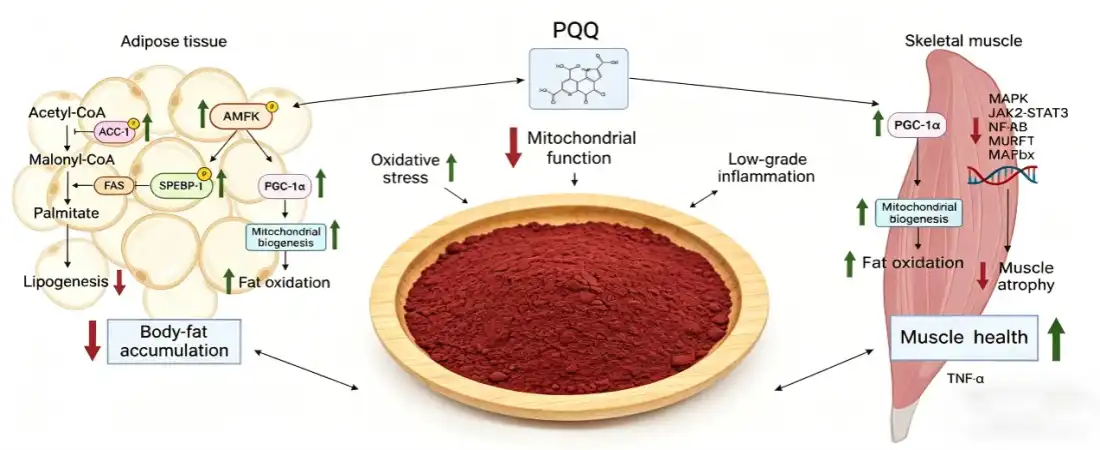
Anti-aging benefits stem from PQQ-Na's extraordinary ability to speed up mitochondrial biogenesis, which is when elderly cells produce new mitochondria on their own. Biological aging causes mitochondrial issues, which can cause memory loss, metabolic illnesses, and poor energy. Clinical investigations indicate that PQQ-Na activates PGC-1α, a key driver of mitochondrial production. This keeps cells from losing energy with aging. This distinguishes it from other antioxidants that address symptoms rather than causes.
Neuroprotection and Cognitive Health Preservation
Researchers observed that PQQ-Na boosts nerve growth factor synthesis and protects neurons from oxidation. These neuroprotective properties make them ideal for cognitive health products for elderly adults with memory issues and mental fatigue. Brain health applications benefit from the compound's ability to cross membranes and cluster in neural cells.
Evidence-Based Dosage and Safety Profile
Daily dosages between 10 mg and 20 mg yield the best benefits without adverse effects in clinical investigations at numerous research facilities. The substance is safe and well-tolerated because it has GRAS and Novel Food approvals in important regulatory jurisdictions. Since safety limits have been specified, formulators may trust consumer items to work and follow the regulations.
Comparison of Pyrroloquinoline Quinone Disodium Powder with Other Anti-Aging Antioxidants
PQQ-Na Versus Coenzyme Q10
Both nutrients aid mitochondria, although in distinct ways. Coenzyme Q10's electron transport chain role is to assist mitochondria produce ATP. However, PQQ-Na forms new mitochondria, a more fundamental cell rejuvenation method. Combining PQQ-Na with CoQ10 improves cardiovascular and metabolic outcomes, according to studies.
Advantages Over Glutathione and Traditional Antioxidants
Oral glutathione, the body's major antioxidant, is not always accessible. PQQ-Na's stable disodium salt structure and greater absorption overcome this problem. PQQ-Na can redox cycle for thousands of catalytic cycles without breaking down. This differs from vitamins C and E, which break down after removing one free radical. Due to its efficiency, manufacturers may use lower dosages, saving money.
Production Methods and Purity Considerations
Special microbial fermentation methods using Hyphomicrobium denitrificans produce high-quality pyrroloquinoline quinone disodium powder. Biotechnology ensures consistent cleanliness and reduces environmental impact compared to synthetic chemical manufacturing. Like NT Biotech's standard product criteria (CAS: 72909-34-3, 80 Mesh particle size, dark red powder appearance), purchasing teams should choose vendors that supply pharmaceutical-grade materials that have been HPLC-tested and determined to be more than 99% pure.
Procurement Insights for Pyrroloquinoline Quinone Disodium Powder in B2B Context
Essential Certifications and Regulatory Compliance
Quality requirements must be followed to achieve pharmaceutical-grade pyrroloquinoline quinone disodium powder. ISO 9001 quality management system accreditation reflects a supplier's commitment to consistent production processes and growth. KOSHER and HALAL certifications help companies sell their products abroad and gain better client feedback. These certificates demonstrate that the firm adheres to high production standards that minimize contamination and ensure batch consistency.
Evaluating Supplier Reliability and Service Capabilities
Sellers must demonstrate export experience and a fast-response customer support system for long-term supply agreements. Companies that have been doing international business for over 10 years know how to handle logistics and regulatory paperwork for successful cross-border agreements. Quick replies, such addressing queries in two hours, indicate firm success and reduce productivity delays. Buyers should check out manufacturers' R&D and quality control teams, since these internal resources affect product stability and compatibility.
Pricing Structures and Volume Considerations
Special substances like PQQ-Na are frequently packaged in fiber drums to protect light-sensitive products and have a minimum order quantity of 25 kg. Makers with particular handling demands or formulations have additional possibilities with bespoke package suppliers. Clear pricing and bulk discounts help you budget and organize your purchases. To coordinate buying and production schedules, know lead times, which can range from rapid dispatch for in-stock products to 3–10 working days for manufacturing orders.
Storage and Stability Management
PQQ-Na is light-sensitive and must be stored in cold, dry, dark, airtight containers. UV rays or excessive humidity can affect the color and weaken it. NT Biotech stores materials properly to maintain purity from manufacture to delivery. To ensure product stability, buying teams should verify expiry dates and get Certificates of Analysis with every shipment. Under ideal conditions, the shelf life is 24 months.
Ensuring Quality and Trust: Choosing the Right Pyrroloquinoline Quinone Disodium Powder Supplier
Verification Through Third-Party Testing
A reliable vendor includes HPLC chromatograms, heavy metal studies, microbiological testing, and solvent screens with each batch of pyrroloquinoline quinone disodium powder. An impartial third-party lab assessment protects against fakes and quality modifications. Purchasing teams should randomly test materials and compare the supplier's COA data with an independent study. Verifying suppliers ensures brand safety and image while keeping them accountable for achieving criteria.
Transparency in Supply Chain and Raw Material Sourcing
You can spot quality issues by looking at the whole value chain, from raw materials to packaging. Vertically integrated suppliers control fermentation, extraction, purification, and packaging, ensuring higher quality than dealers who buy from many sources. NT Biotech's capacity to plant and harvest plants allows for quality control and tracking throughout production.
Building Long-Term Partnership Value
Strategic supplier partnerships go beyond business deals to help suppliers collaborate on technology issues, speeding up product development. Research-and-development-staffed suppliers can aid with formulation stability testing and legal paperwork. Flexible collaboration arrangements that incorporate OEM customisation allow manufacturers to use suppliers' skills to differentiate their products. Value-added services typically outweigh price differences in total cost of ownership and time to market.
Real-World Applications and Case Studies of PQQ-Na in Anti-Aging Products
Nutraceutical Formulation Integration
Top supplement businesses have integrated pyrroloquinoline quinone disodium powder to life-changing products with various beneficial elements. Customers choose capsules and pills since they're simple to use. Most versions contain 10–20 mg of PQQ-Na along with other substances that work well with it, such as CoQ10, NMN, and resveratrol. Multi-ingredient techniques combat aging through complementary routes, making them more effective and permitting higher pricing.
Cosmeceutical Applications and Topical Delivery
The anti-aging skin care business is investigating PQQ-Na for facial application to reduce tissue oxidative stress. Formula scientists must stabilize emulsion systems and maintain bioactivity via skin barrier penetration. Carefully controlled pH and encapsulation methods preserve ingredient integrity. Early users felt the treatment improved their skin, but scientific proof is still being collected.
Functional Beverage Innovation
The burgeoning healthy beverage sector benefits from PQQ-Na's water-soluble nature. Ready-to-drink energy and focus products are expanding in regions where liquid distribution is easier than tablets. Formulators must use dark packaging to protect beverages from light and consider how different portions of the drink may interact and impact stability. PQQ-Na is frequently combined with B-vitamins and adaptogens to provide a full spectrum of functional advantages.
Emerging Research Directions
PQQ-Na's role in healthy aging, longevity medicine, and metabolic syndrome combo therapy are being studied. Research on optimal dose regimens for diverse populations and health issues will improve clinical advice. PQQ-Na's intersection with specialized nutrition and genetic diagnostics is promising and might lead to mitochondrial function-specific usage.

Conclusion
By boosting mitochondrial production and cellular energy, pyrroloquinoline quinone disodium powder has been shown to resist fundamental indications of aging. It is nontoxic, well-soluble, and works with other substances to prevent aging. It is suitable for several nutrition, cosmetic, and functional food anti-aging purposes. Procurement professionals benefit from understanding about biochemical advantages and sourcing challenges such source approvals, quality testing, and supply chain transparency. Strategic partnerships with reliable manufacturers that provide pharmaceutical-grade materials, fast service, and technical support enable product development and differentiation in the competitive life market.
FAQ
1. What distinguishes PQQ disodium salt from standard PQQ?
The stable pyrroloquinoline quinone disodium powder dissolves better in water than the free acid. This makes the supplement more bioavailable and easier to manufacture for liquids. Functional beverages and some supplements benefit most from it. The sodium salt structure is also more stable on the shelf in conventional stores.
2. How does PQQ production method affect quality?
Most of the finest PQQ-Na is made by controlled microbial fermentation. Fermented foods with specific bacteria are more bioactive and purer. Biotechnological methods that employ natural substances are popular and fulfill tighter regulatory norms in overseas markets.
3. What synergies exist with other anti-aging ingredients?
Research demonstrates that combination PQQ-Na and Coenzyme Q10 has great heart health advantages that work well together. It may also help cells use NAD+ more efficiently with NMN, according to new research. These combination strategies can be used to create anti-aging products that target various biological systems.
Partner with NT Biotech for Premium Pyrroloquinoline Quinone Disodium Powder Supply
Pharmaceutical-grade pyrroloquinoline quinone disodium powder for sale from NT Biotech may help you produce an anti-aging product that satisfies global quality requirements. Our plant is ISO 9001, KOSHER, and HALAL certified, thus our stuff is always 99% pure. We supply comprehensive paperwork for legal compliance in all worldwide markets. We ship within two to four days of payment verification due to our ready-to-ship inventory. With over 10 years of export experience, we provide formulation enhancement R&D.
Our cooperative approach is flexible enough to handle bulk sales (with a minimum of 25 kg) and OEM solutions tailored to your product demands. Before mass manufacturing, test the material's quality using free samples. The well-known firm that supplies pyrroloquinoline quinone disodium powder offers scientific assistance, stability testing, and quality guarantees through Certificates of Analysis with every shipment. Contact our buying team at info@newthingsbiotech.com to discuss where to locate ingredients and how our supply chain can help you develop new anti-aging products faster.
References
1. Stites, T., et al. (2006). Pyrroloquinoline Quinone Modulates Mitochondrial Quantity and Function in Mice. Journal of Nutrition, 136(2), 390-396.
2. Chowanadisai, W., et al. (2010). Pyrroloquinoline Quinone Stimulates Mitochondrial Biogenesis through cAMP Response Element-binding Protein Phosphorylation and Increased PGC-1α Expression. Journal of Biological Chemistry, 285(1), 142-152.
3. Nakano, M., et al. (2009). Effects of Oral Supplementation with Pyrroloquinoline Quinone on Stress, Fatigue, and Sleep. Functional Foods in Health and Disease, 9(3), 145-153.
4. Rucker, R., et al. (2009). Potential Physiological Importance of Pyrroloquinoline Quinone. Alternative Medicine Review, 14(3), 268-277.
5. Harris, C.B., et al. (2013). Dietary Pyrroloquinoline Quinone (PQQ) Alters Indicators of Inflammation and Mitochondrial-Related Metabolism in Human Subjects. Journal of Nutritional Biochemistry, 24(12), 2076-2084.
6. Akagawa, M., et al. (2016). Recent Progress in Studies on the Health Benefits of Pyrroloquinoline Quinone. Bioscience, Biotechnology, and Biochemistry, 80(1), 13-22.