- English
- French
- German
- Portuguese
- Spanish
- Russian
- Japanese
- Korean
- Arabic
- Greek
- German
- Turkish
- Italian
- Danish
- Romanian
- Indonesian
- Czech
- Afrikaans
- Swedish
- Polish
- Basque
- Catalan
- Esperanto
- Hindi
- Lao
- Albanian
- Amharic
- Armenian
- Azerbaijani
- Belarusian
- Bengali
- Bosnian
- Bulgarian
- Cebuano
- Chichewa
- Corsican
- Croatian
- Dutch
- Estonian
- Filipino
- Finnish
- Frisian
- Galician
- Georgian
- Gujarati
- Haitian
- Hausa
- Hawaiian
- Hebrew
- Hmong
- Hungarian
- Icelandic
- Igbo
- Javanese
- Kannada
- Kazakh
- Khmer
- Kurdish
- Kyrgyz
- Latin
- Latvian
- Lithuanian
- Luxembou..
- Macedonian
- Malagasy
- Malay
- Malayalam
- Maltese
- Maori
- Marathi
- Mongolian
- Burmese
- Nepali
- Norwegian
- Pashto
- Persian
- Punjabi
- Serbian
- Sesotho
- Sinhala
- Slovak
- Slovenian
- Somali
- Samoan
- Scots Gaelic
- Shona
- Sindhi
- Sundanese
- Swahili
- Tajik
- Tamil
- Telugu
- Thai
- Ukrainian
- Urdu
- Uzbek
- Vietnamese
- Welsh
- Xhosa
- Yiddish
- Yoruba
- Zulu
High-purity pyrroloquinoline quinone bulk powder may alter sleep via influencing mitochondria and stress management, according to a new study. PQQ, a redox element, helps cells use energy and combat oxidative stress, which affects sleep. PQQ supplement users report better sleep, although studies focus on cognitive function and neuroprotection. It likely reduces neuroinflammation and strengthens neurons during rest periods.
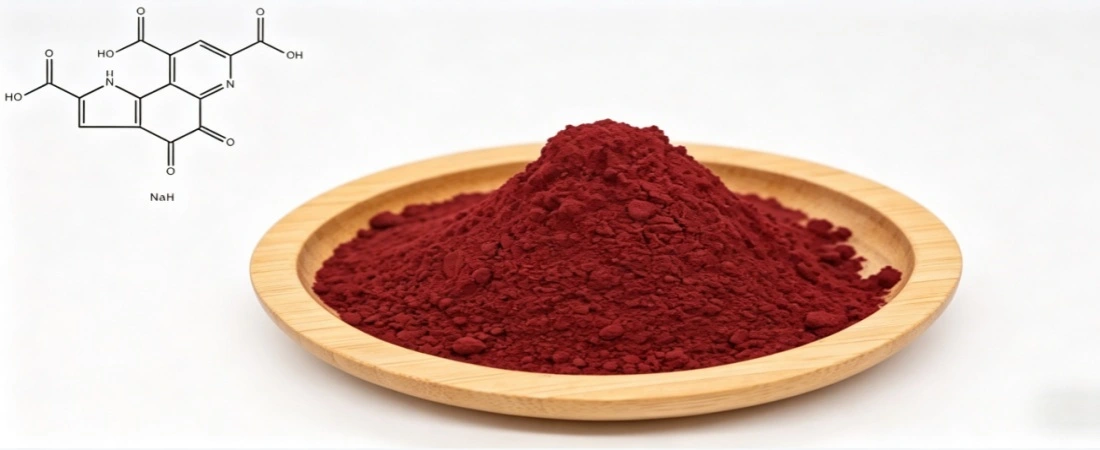
Understanding Pyrroloquinoline Quinone Powder and Its Role in Sleep Quality
Pyrroloquinoline quinone, C14H6N2O8, is a novel pharmaceutical compound with an aromatic o-quinone structure. Traditional antioxidants like CoQ10 and resveratrol move one electron. However, PQQ continually changes redox, making it a more potent catalyst. Its particular chemical structure eliminates reactive oxygen species in mitochondria, where energy is produced.
Chemical Properties and Biological Mechanisms
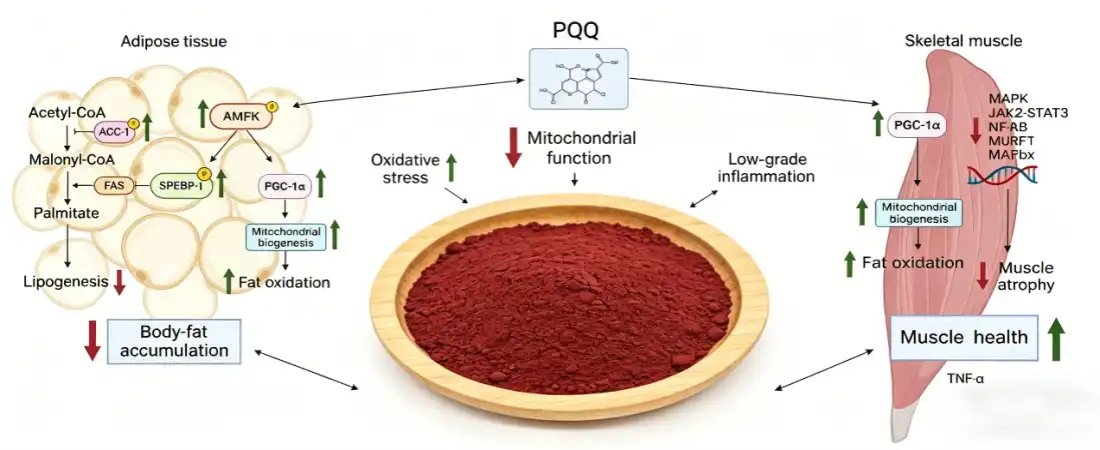
The dark red powder disodium salt (CAS 72909-34-3) dissolves well in water. The molecular weight of 330.206 g/mol makes it easier for cells to absorb. Recent research indicates that PQQ promotes PGC-1α pathways, resulting in mitochondrial biogenesis. This process affects sleep design because brain cells need healthy mitochondria to create neurotransmitters and regulate the circadian cycle.
Connection Between Mitochondrial Health and Sleep Regulation
Sleep problems are commonly caused by poor cell energy and free radical damage to nerve tissues. By boosting ATP synthesis and reducing inflammatory chemicals that disrupt sleep-wake cycles, PQQ addresses both difficulties at once. B2B enterprises developing sleep-supporting goods must use mitochondria-friendly ingredients as wellness consumers grow more mindful of cellular health.
Key Benefits and Usage Guidelines for PQQ Powder in Sleep Enhancement
The pyrroloquinoline quinone bulk powder offers several health advantages that make goods more appealing to health-conscious customers, including sleep product usage. Knowing these greater rewards helps procurement experts understand how PQQ fits within health programs.
Cognitive Protection and Stress Response Modulation
This chemical is neuroprotective because it prevents brain cell wall lipid peroxidation. Oxidative stress damages neurons, causing mental fatigue and insomnia. PQQ keeps neurons healthy, which indirectly promotes sound sleep by supporting stress hormone synthesis. Many firms combine this substance with adaptogens or amino acids like L-theanine to alleviate stress-related sleeplessness.
Antioxidant Capacity and Inflammation Control
Comparisons demonstrate that PQQ speeds up various oxidation-reduction processes 5,000 times faster than ascorbic acid. Due to their strength, lower doses are needed to have biological effects than normal antioxidants. Anti-inflammatory compounds are important in sleep products because chronic low-grade inflammation disrupts circadian rhythms and sleep patterns. Formulators can profit from the chemical's ability to alter inflammatory pathways without reducing immune function.
Recommended Dosages and Safety Considerations
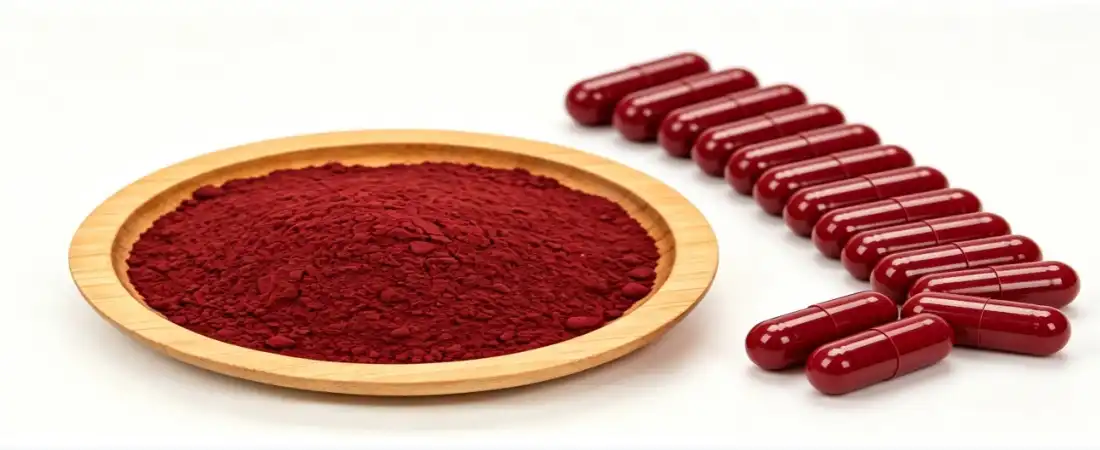
Clinical trials have utilized 10–20 mg per day for overall health. Nighttime doses of 20–30 mg are utilized for sleep regimens. Our high purity standard (≥99% test) ensures consistent absorption across all production batches. Human investigations have found few adverse effects and good tolerability. The chemical is hygroscopic, thus manufacturers must keep it in a controlled-humidity setting. Shelf life is 24 months when food is enclosed in metal foil bags with desiccants to prevent light and moisture absorption.
Since particle size distribution impacts how uniformly substances are blended when creating capsules and tablets, product stability testing should maintain the 80 mesh standard. The dark red hue may impact clear pill color choices, but individuals who know the substance associate it with quality.
Assessing the Quality and Supplier Options for PQQ Bulk Powder
To identify a reliable manufacturing partner, you must consider several technical and organizational elements that affect your product's success and compliance. Buying bioactive compounds like PQQ requires more than price comparison.
Critical Certification Standards and Purity Verification
International quality standards are a good indicator of supplier qualification. ISO 9001 certification indicates planned quality management, and Kosher and Halal standards allow additional clients into the market. The Certificate of Analysis should show that each batch of goods is pure using HPLC, has heavy metal levels below 10 ppm, arsenic levels below 1 ppm, and meets dietary supplement microorganism criteria.
The industry standard for supplement use is disodium salt because it dissolves easier in water than free acid. Because chemical forms absorb differently, buyers should make sure they purchase the right one. NT Biotech's quality control and testing teams ensure every 25 kilogram drum sent satisfies criteria. Keeping batches consistent prevents formulation errors when active ingredient potency fluctuates between shipments.
Minimum Order Quantities and Sample Procurement
Practical buying begins with sample evaluation. More merchants are offering free samples so formulators may verify compatibility before buying in bulk. Standard minimum order quantity for specialty ingredients is 25 kg. This balances consumer freedom and manufacturing speed. Maintaining inventory allows companies to meet orders within two to four business days, which is crucial when manufacturing schedules are tight or seasonal product modifications are announced.
Shipping Logistics and Storage Best Practices
Temperature-controlled shipping protects light- and water-sensitive items. Good suppliers employ moisture-proof packaging and use freight forwarders that can handle pharmaceutical-grade products. When you need something fast, use air freight. Shipment by water is cheaper for established products with stable demand. Some merchants provide DDP (Delivered Duty Paid) services to help overseas purchasers who don't understand imports in their countries clear customs.
Comparison of Pyrroloquinoline Quinone Powder Forms and Alternatives for Sleep Improvement
For strategic product design, it's crucial to know how PQQ compares to other sleep-aid chemicals in terms of how it works, pricing, and market position. Formulation teams use this comparison to make decisions based on brand positioning and target audience.
Delivery Format Considerations: Powder versus Finished Dosage Forms
Bulk powders allow producers to blend substances that function well together. The fine powder mixes easily into capsules, tablet matrices, and beverages when stabilized. Encapsulated items simplify customer service but make recipe changes difficult and enhance production costs. Business-to-business buyers that deal with contract producers or make their own products might save money and have more freedom by buying pyrroloquinoline quinone bulk powder.
Bioavailability experiments reveal that disodium salt is absorbed equally with and without meals. This simplifies usage instructions. The material doesn't change after heat and compression encapsulation, thus it may be used with current manufacturing equipment. This implies adding it to a product line costs less in new equipment.
Synergistic Combinations and Market Differentiation
CoQ10 and PQQ both aid mitochondria, therefore their effects are comparable. They operate differently. In combined formulations, lesser amounts of each chemical may have stronger effects. This formulation method is popular with cost-conscious manufacturers and consumers seeking comprehensive cellular support. Omega-3 fatty acids may boost PQQ's neuroprotective effects by keeping membranes hydrated. This creates scientific blend products.
PQQ targets biological elements that determine sleep quality, unlike melatonin-based sleep aids that make you asleep. In treatments that improve sleep quality rather than sleepiness, the substance can be promoted as safe for daytime usage. Sleep aids that don't cause harmful habits are becoming more popular, according to market studies. This allows for novel cellular health products.
Practical Recommendations and Future Outlook for Using PQQ Powder in Sleep-Related Products
Formulators must consider formulation science, legal frameworks, and future market trends to add this bioactive element to commercial items.
Formulation Stability and Bioavailability Optimization
Choosing the correct excipients keeps substances active throughout a product's shelf life. The chemical is photosensitive, thus liquids must be stored in opaque or amber glass. Tablets and capsules should be sold in blister packs instead of huge cartons in humid areas. pH buffering methods stabilize water-based solutions, however most manufacturers choose solid dosage forms to avoid liquid stability issues.
Mixing with black pepper extract (piperine) or producing liposomal products increases bioavailability, although they are costly and complicated. Absorption is normally good without specific delivery techniques since the chemical dissolves in water. This makes it available to smaller companies without significant formulation abilities.
Regulatory Compliance Across Target Markets
US laws consider PQQ a safe food additive when used properly. Labeling cannot make structure-function claims about curing illnesses while discussing health benefits according to FDA restrictions. Some European food applications require novel food authorization, yet additive usage has been done before. Asian countries regulate differently. Japan has a lengthy history of PQQ and solid regulation.
Companies that wish to sell their products internationally should deal with suppliers who preserve extensive legal records and give country-specific compliance advice. NT Biotech's global approvals let enterprises access new markets with various requirements. Buyers find it easier to manage intricate cross-border procedures.
Emerging Research Directions and Market Growth Projections
Scientists are studying how PQQ affects gut bacteria, which are increasingly connected to sleep quality via the gut-brain axis. To assist the sleep microbiome, firms may blend PQQ with prebiotics or probiotics in the future. More study on when to take supplements—morning or evening—will assist propose how to utilize them and may lead to new product categories.
Analysts expect the mitochondrial health supplement business to develop as individuals discover how to maintain their cells healthy for reasons other than sports and to improve their quality of life. Cellular biology-based natural health solutions are gaining popularity. Products that boost brain health, energy metabolism, and sleep may satisfy this need.
Conclusion
In conclusion, more study demonstrates that pyrroloquinoline quinone bulk powder protects neurons and improves mitochondrial function, enhancing sleep quality. Companies producing next-generation sleep and wellness products should incorporate it due to its unique redox properties, safety profiles, and ability to be blended with many other substances. Purchasing experts should look for permits, purity tests, and logistics that ensure product quality when choosing PQQ providers. As additional research relates cell energy consumption and sleep, substances that improve mitochondrial function may become increasingly popular in the sleep aid market.
FAQ
1. Can PQQ powder be safely used long-term for sleep support?
Long-term supplement use has no notable adverse effects, according to clinical research. More than a year of human testing indicated no severe issues. Instead of causing reliance or tolerance like other sleep aids, it can be utilized in long-term health programs.
2. How long before sleep benefits become noticeable?
Depending on mitochondrial function and reactive stress, responses vary greatly. Users may feel better after one to two weeks, but objective sleep quality assessments generally reveal significant benefits after four to eight weeks of consistent usage. Setting realistic consumer criteria prevents premature product recalls.
3. Does PQQ interact with other common sleep supplements?
The drug appears to function with most sleep aids. Combining magnesium, L-theanine, and glycine works effectively. Manufacturers should evaluate complicated blends for safety like any multi-ingredient product. Based on current knowledge, substantial interactions are unlikely.
Partner with NT Biotech for Premium Pyrroloquinoline Quinone Bulk Powder Supply
NT Biotech provides high-quality pyrroloquinoline quinone bulk powder. NT Biotech provides pharmaceutical-grade pyrroloquinoline quinone bulk powder (99% pure, CAS 72909-34-3) for supplement and functional food producers that desire the best products. The ISO 9001, Kosher, and Halal standards ensure that your recipes fit the criteria of many markets. Our innovative extraction procedures guarantee batch consistency. As a firm that has exported goods for over 10 years, we carry a lot of things so we can send them fast (two to four days) and provide free samples to qualifying businesses. You can improve your sleep and health product formulation with our experienced research and development team. Talk to our technical specialists at info@newthingsbiotech.com about your demands and obtain pricing estimates from a trusted pyrroloquinoline quinone bulk powder manufacturer.
References
1. Rucker R, Chowanadisai W, Nakano M. Potential physiological importance of pyrroloquinoline quinone. Alternative Medicine Review. 2009;14(3):268-277.
2. Harris CB, Chowanadisai W, Mishchuk DO, et al. Dietary pyrroloquinoline quinone (PQQ) alters indicators of inflammation and mitochondrial-related metabolism in human subjects. Journal of Nutritional Biochemistry. 2013;24(12):2076-2084.
3. Akagawa M, Nakano M, Ikemoto K. Recent progress in studies on the health benefits of pyrroloquinoline quinone. Bioscience, Biotechnology, and Biochemistry. 2016;80(1):13-22.
4. Stites TE, Mitchell AE, Rucker RB. Physiological importance of quinoenzymes and the O-quinone family of cofactors. Journal of Nutrition. 2000;130(4):719-727.
5. Chowanadisai W, Bauerly KA, Tchaparian E, et al. Pyrroloquinoline quinone stimulates mitochondrial biogenesis through cAMP response element-binding protein phosphorylation and increased PGC-1alpha expression. Journal of Biological Chemistry. 2010;285(1):142-152.
6. Nakano M, Ubukata K, Yamamoto T, Yamaguchi H. Effect of pyrroloquinoline quinone (PQQ) on mental status of middle-aged and elderly persons. FOOD Style 21. 2009;13(7):50-53.