- English
- French
- German
- Portuguese
- Spanish
- Russian
- Japanese
- Korean
- Arabic
- Greek
- German
- Turkish
- Italian
- Danish
- Romanian
- Indonesian
- Czech
- Afrikaans
- Swedish
- Polish
- Basque
- Catalan
- Esperanto
- Hindi
- Lao
- Albanian
- Amharic
- Armenian
- Azerbaijani
- Belarusian
- Bengali
- Bosnian
- Bulgarian
- Cebuano
- Chichewa
- Corsican
- Croatian
- Dutch
- Estonian
- Filipino
- Finnish
- Frisian
- Galician
- Georgian
- Gujarati
- Haitian
- Hausa
- Hawaiian
- Hebrew
- Hmong
- Hungarian
- Icelandic
- Igbo
- Javanese
- Kannada
- Kazakh
- Khmer
- Kurdish
- Kyrgyz
- Latin
- Latvian
- Lithuanian
- Luxembou..
- Macedonian
- Malagasy
- Malay
- Malayalam
- Maltese
- Maori
- Marathi
- Mongolian
- Burmese
- Nepali
- Norwegian
- Pashto
- Persian
- Punjabi
- Serbian
- Sesotho
- Sinhala
- Slovak
- Slovenian
- Somali
- Samoan
- Scots Gaelic
- Shona
- Sindhi
- Sundanese
- Swahili
- Tajik
- Tamil
- Telugu
- Thai
- Ukrainian
- Urdu
- Uzbek
- Vietnamese
- Welsh
- Xhosa
- Yiddish
- Yoruba
- Zulu
The dragon fruit powder bulk vs. fresh fruit comparison goes beyond price. Ingredient procurement teams in cosmetics, nutrition, and food must address process security, supply chain speed, and long-term waste reduction. Dragon fruit (Hylocereus undulatus) bulk powder freeze-dries to decrease spoilage and cold chain costs. This attracts high-volume producers seeking formulation performance and cost savings.

Understanding Dragon Fruit Powder Bulk and Fresh Fruit
In processing, nutritional preservation, and usage, dragon fruit powder amounts vary from raw fruit. Due to these differences, procurement experts may choose ingredients that meet output and regulatory standards.
What Is Bulk Dragon Fruit Powder?
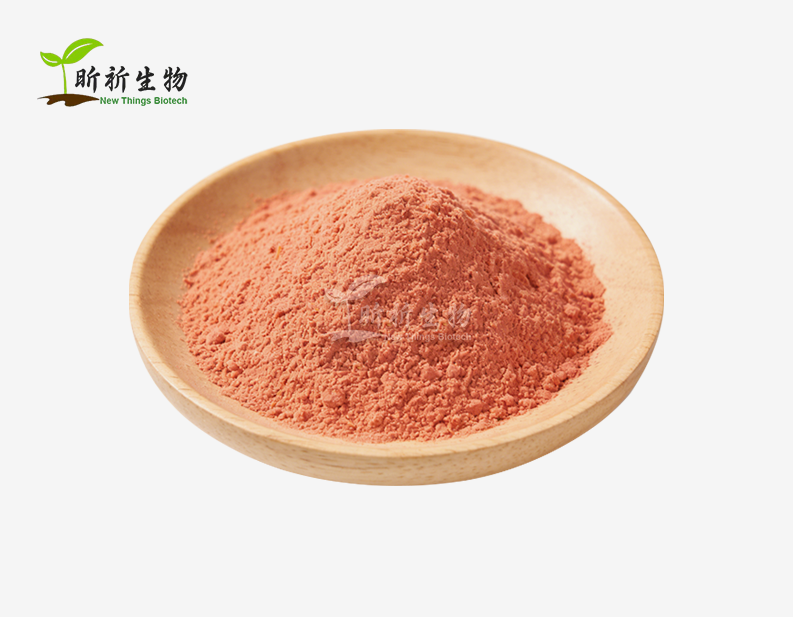
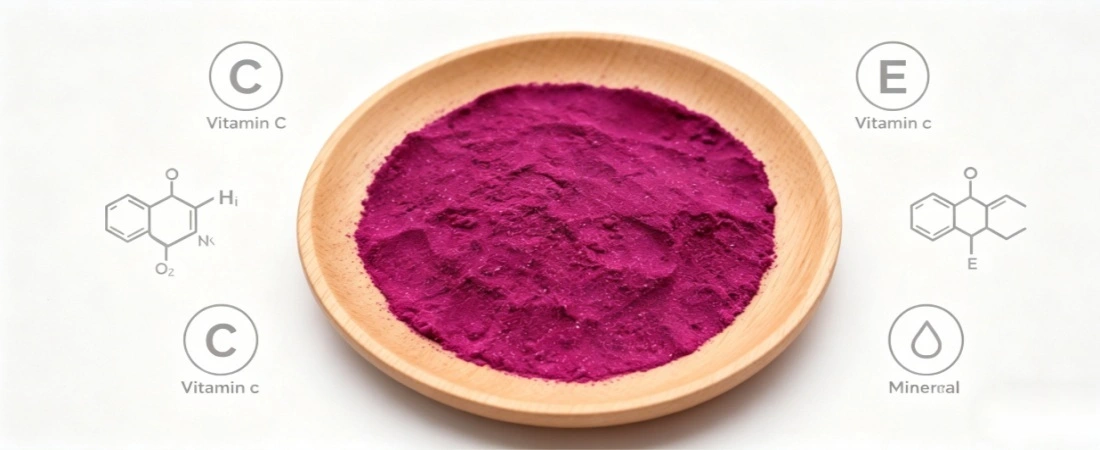
Dragon fruit powder is made from frozen or spray-dried fresh red pitaya (Hylocereus undulatus) using modern technologies. Ice-drying maintains cell structure, 95% antioxidants, betalains, iron, and magnesium. Eat fresh fruit within 7-14 days. A regulated atmosphere may store powder for 24 months. Clean-label food colouring is vivid purple-red, liquid under 5%, and particles under 60 mesh. Despite agricultural supply and price swings, consistency produces perishables year-round.
Fresh Dragon Fruit: Handling and Limitations
Fresh dragon fruit must be handled carefully after plucking to retain quality. Fruit is mostly water and thin, so bacteria, enzymes, and damage may thrive days after plucking. Cold chain transport must be humidified and 10–12°C to avoid drying. These restrictions raise transportation costs and supply chain risks for North Americans and Europeans purchasing from Southeast Asian or Central American farmers. Slack increases commodity price volatility due to storage infrastructure turnover. Fresh fruit is harder to handle, rising ownership expenses beyond dragon fruit powder bulk's kilogram cost.
Nutritional and Functional Comparisons
Both use phytonutrients differently. Fruits provide fibre and hydration. Juice or consume immediately. In liquids, baked goods, and supplements, thick nutritious powders dissolve. Betalain powders are stable between pH 3.0 and 7.0 but heat-sensitive beyond 70°C and must be mixed during baking. Industrial mixers melt powder easily. This decreases sugar and pulp variations compared to fresh fruit. Companies utilise standards to maintain quality and taste.
Cost Factors in Purchasing Dragon Fruit Powder Bulk vs Fresh Fruit
For a full cost analysis to be complete, it needs to look at more than just the original buy price. By looking at these factors, we can see that dragon fruit powder bulk can offer better value even though it costs more up front.
Price Per Kilogram and Processing Premiums
Fresh dragon fruit costs $2–$5 per kilogram at bulk markets. Season, import taxes impact pricing. Dragon fruit freeze-dried powder costs $25–45/kg. Ten kilograms of fresh fruit yields one kg of powder, and lyophilization costs energy. While fresh fruit includes 15%–20% peel and seeds, powder is 100% edible. Although maltodextrin-bound spray-dried versions lack nutrition and labels, they cost 18–30 dollars per kilogram. Check contract cost by active chemical amount, not weight.
Transportation and Logistics Expenses
Shipping powder is inexpensive. International chilled fruit shipping costs $3–7/kg. Transportation temperature fluctuations may lower product quality and cause rejection, raising new order and manufacture costs. Sea or non-climate-controlled air dragon fruit powder bulk shipments cost $0.50–$1.50 per kilogram. Packaging makes powder storage cheaper than fruit. Annual organisational savings cut Powder's landing cost despite price disparities.
Waste Reduction and Shelf Life Economics
Costly fresh fruit loss. From field to processor, 20–35% of food is lost. Diseases, overripeness, and mechanical damage. Manufacturers buy more and cut disposal costs. Waste-free dragon fruit powder bulk in moisture-barrier jar for 24 months. To purchase inexpensively and retain stability, avoid weather and foreign market shocks. Inventory and waste reduction reduce Powder's yearly TCO by 15%–25%.

Quality and Supplier Considerations for Bulk Dragon Fruit Powder
Hire an adaptable techie. Product consistency and dragon fruit powder bulk compliance rely on this.
Importance of Certifications and Quality Assurance
Licenses from third parties demonstrate B2B trust. Kosher and Halal boost sales, whereas ISO 9001 indicates management. Organic certification adds 20%–40% but provides natural items. Authorised HPLC or UV spectroscopy must test batch CoAs for moisture, microorganisms, heavy metals, and pesticide residue. Third-party lab validation reduces commodity market adulteration and standard drift, calming purchasers. Suppliers should inform buying teams about dragon fruit powder bulk lot harvests and locations.
Evaluating Supplier Consistency and Service
Strategic partners outperform top salespeople. Compare supplier particle size dispersion and colour intensity (mg/100g betalain) across orders. Process controls or raw material mixing may compromise mixture security if deviation exceeds 10%. Samples explain before big purchases. Free bench-scale testing samples from reliable manufacturers arrive soon. Our OEM and private label capabilities are advanced. They provide 10 kg dragon fruit powder bulk samples, 40–100 mesh mesh sizes, 1 kg foil packs, and 20 kg fibre drums. Technical and supply chain disruption response times of two hours demonstrate customer care.
Freeze-Dried vs Spray-Dried Powder Types
Processing method impacts cost and suitability. High-end functional beverages and superfood mixes adore freeze-dried dragon fruit powder bulk's tangy-sweet flavour and vibrant colour. Although it costs 40% to 60% more than spray-dried choices, its open structure allows it to rehydrate and spread swiftly. With 10%–15% maltodextrin, spray-dried powder stabilises hygroscopic sugars. Particle thickness mutes colours. Compatible with dry fast drink and baked premixes without carriers compromising clean label claims. Price and performance should influence app purchases. Naturally freeze-dried foods are expensive yet necessary.
Practical Use Cases and ROI for B2B Clients
Understanding how dragon fruit powder bulk is used in real life makes it easier to see how it improves operations and gives a clear return on investment.
Application in Beverage Manufacturing
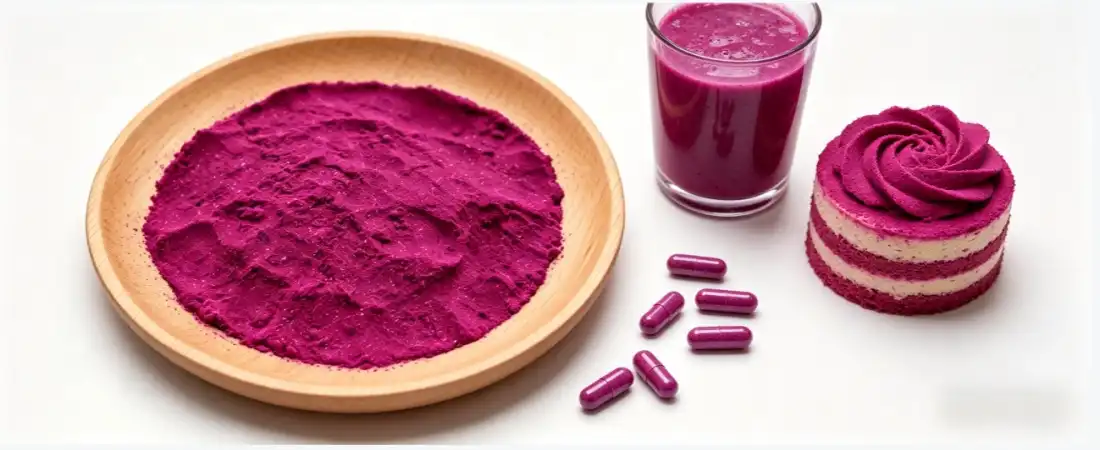
Powder produces healthy kombucha. beautiful pink without Red 40. Antioxidant. Stability keeps the hue correct at acidic pH (3.0–5.0). This addresses a frequent natural colourant issue. A 20-kilogram barrel of powder may replace hundreds of kilos of washed, peeled, and pulped fruit, increasing production. Reduced batch cycle times increased productivity 30%–40% without equipment. Standardised taste profiles minimise cross-batch flavour variability, quality control rejections, and multi-site production network compliance.
Integration into Bakery and Confectionery Products
Glazes, desserts, and vegetarian gummy vitamins use dragon fruit powder. Natural colour simplifies labelling. Color-blending heated betalain. Baked cold-process fillings and glazes brown above 180°C, but powder remains coloured. Technology doesn't limit recipe development if applied effectively. Small (60 mesh) particles uniformly distribute powder in grit-free doughs and mixes. This maintains product quality and attractiveness. Adaptable powder colourants save 10%–15% on chemicals, claim manufacturers. This simplifies ingredient buying and storage.
Nutraceutical and Supplement Formulations
Dragon fruit powder bulk supplements are popular because prebiotic fibre enhances immunity, fights free radicals, and assists digestion. Vegetarian capsules and powders include 2–5g superfoods. Additive-free supplements meet requirements. Manufacturers prefer microbiologically stable powders over plant materials that need extensive preparation to reduce mixing and packaging contamination. The recipe's economics explain dragon fruit powder's 15%–25% higher cost than generic antioxidants.
Quantifying ROI and Operational Savings
Consider many expenses to calculate ROI. A medium-sized beverage firm that processes 10,000 litres of fruit per month saved $18,000 by purchasing dragon fruit powder bulk. Prevention of fruit decaying saved $7,200 and handling reduction $6,500 saved $4,300. Powder doesn't require cold storage or pulping equipment like fresh fruit, thus $50,000–$100,000 in building costs may be delayed. Long-lasting powder consumes 60%–70% less safety stock. Companies utilise working capital for several reasons. Smart component choice goes beyond cost.
Final Recommendations and Procurement Strategies
For the company and economy, procurement teams may acquire dragon fruit powder in bulk based on cost and quality.
When to Choose Bulk Powder Over Fresh Fruit
Dragon fruit powder bulk may be produced monthly over 500 kg due to economies of scale that decrease waste and shipping expenses. Powder's durability allows organisations to build manufacturing and distribution networks for numerous customers without cold chain equipment. Seasonal freedom matters. Powder overcomes harvest and weather supply delays that stop operations. Small farmers with restricted travel and supply chains may enjoy fresh fruit. Save money and shine out with peak-harvest fruit powder foundation.
Negotiation Tactics for Optimal Terms
Knowing the company and developing relationships may help you bargain dragon fruit powder bulk. Request yearly volume-based multi-tier pricing. 500–1,000–2,500 kg 8–15% discount. Discuss a flexible minimum order size of 10 kg for testing and 18–20 metric tonnes for container loads as demand and confidence rise. Local payments and reliable suppliers' net-30 or net-60 terms ease cash flow. FedEx, UPS, or freight forwarders should handle big shipments based on price and demand. Demand stock item delivery (2–4 days, manufactured orders 7–10 days) and production plan delay penalties. Ask suppliers for batch genealogy, third-party testing, and traceability.
Market Trends Shaping Future Procurement
Plant-based enterprises thrive. Manufacturer colouring limitations will boost dragon fruit powder mass 8.2% annually till 2028. The demand for organic and sustainable food is making suppliers more ethical and carbon-reducing. New spray-drying and microencapsulation methods improve stability and utility. This may reduce the price and quality gap between freeze-dried and spray-dried items. Monitored farm-to-plant blockchain makes commodities competitive. To modernise supply chains, procurement teams should monitor customer and government requirements and identify suppliers who invest in new technologies and sustainability certifications.
Conclusion
Bulk dragon fruit powder or fresh? Include all costs, not just the original price. This includes waste minimisation, transportation, and business efficiency. Mid- to large-sized firms choose dragon fruit powder bulk because it doesn't deteriorate, is simple to handle, and is supply chain reliable. Choosing a provider based on credentials, technical support, and open service conditions gives you an edge when buying ingredients. Customers that value quality transparency, sample-based validation, and long-term collaborations may help their companies capitalise on clean-label trends and lower their total cost of ownership across all commodities.
FAQ
1. What is the shelf life difference between bulk powder and fresh dragon fruit?
Fresh dragon fruit stays best in the fridge at 10°C to 12°C for 7–14 days after harvest. After that, the texture will degrade and bacteria will thrive, leaving it useless. Bulk freeze-dried powder lasts 24 months in sealed, moisture-barrier packaging out of direct sunlight. This eliminates seasonal supply issues and allows efficient inventory management.
2. What are the main cost drivers when purchasing bulk dragon fruit powder?
Price depends on processing type (freeze-dried costs more than spray-dried), certification level (organic costs 20% to 40% more), order volume (bulk savings start at 500 kg), and transportation distance. Customising the product, how frequently the third party tests it, and how payment conditions effect operational capital are all important.
3. Can bulk powder fully replace fresh fruit in industrial applications?
Bulk powder is a useful equal in most processed uses, such as drinks, baked goods, and supplements, because it is more stable and consistent. Fresh fruit is still better for things like fruit salads and colorful toppings that need chunks of fruit or a texture that hasn't been changed in any way. Suitability is determined by a technical review of the unique formulation needs.
Partner with NT Biotech for Premium Dragon Fruit Powder Bulk Solutions
Buyers of dragon fruit powder bulk select NT Biotech for quality and reliability. Freeze-dried dragon fruit powder (Hylocereus undulatus) is 100% natural and additive-free, meeting the highest purity requirements for dragon fruit powder smoothie. Kosher, Halal, and ISO 9001 are the hardest certifications. We can ship orders above 10 kg in two to four days and answer queries in two hours. Get a free sample before purchasing. Since our extraction methods preserve over 98% of active ingredients, all purple-red shipments have the same nutritional profile. OEM's flexible solutions provide custom mesh sizes and packing. Get in touch with us at info@newthingsbiotech.com to talk about how our plant-based useful ingredients can help your formulations work better and your supply chain be more stable.
References
1. Smith, J. & Chen, L. (2022). Freeze-Drying Technology in Functional Food Ingredients: Process Optimization and Nutrient Retention. Journal of Food Processing and Preservation, 46(3), 234-251.
2. Rodriguez, M. (2021). Economic Analysis of Tropical Fruit Supply Chains: Fresh vs. Processed Forms in Global Trade. International Journal of Agricultural Economics, 18(2), 112-128.
3. Peterson, A. & Kumar, R. (2023). Natural Food Colorants: Market Trends, Regulatory Landscape, and Clean-Label Applications. Food Science and Technology International, 29(1), 45-67.
4. Thompson, E. (2022). Betalain Stability in Food Systems: pH, Temperature, and Processing Effects. Comprehensive Reviews in Food Science and Food Safety, 21(4), 1823-1845.
5. Williams, D. & Zhang, Y. (2023). Cost-Benefit Analysis of Shelf-Stable Ingredients in Industrial Food Manufacturing. Journal of Supply Chain Management in Food Industries, 12(3), 298-317.
6. Garcia, F. (2021). Procurement Strategies for Plant-Based Functional Ingredients: Supplier Evaluation and Risk Management. Industrial Biotechnology Procurement Quarterly, 8(2), 78-94.