- English
- French
- German
- Portuguese
- Spanish
- Russian
- Japanese
- Korean
- Arabic
- Greek
- German
- Turkish
- Italian
- Danish
- Romanian
- Indonesian
- Czech
- Afrikaans
- Swedish
- Polish
- Basque
- Catalan
- Esperanto
- Hindi
- Lao
- Albanian
- Amharic
- Armenian
- Azerbaijani
- Belarusian
- Bengali
- Bosnian
- Bulgarian
- Cebuano
- Chichewa
- Corsican
- Croatian
- Dutch
- Estonian
- Filipino
- Finnish
- Frisian
- Galician
- Georgian
- Gujarati
- Haitian
- Hausa
- Hawaiian
- Hebrew
- Hmong
- Hungarian
- Icelandic
- Igbo
- Javanese
- Kannada
- Kazakh
- Khmer
- Kurdish
- Kyrgyz
- Latin
- Latvian
- Lithuanian
- Luxembou..
- Macedonian
- Malagasy
- Malay
- Malayalam
- Maltese
- Maori
- Marathi
- Mongolian
- Burmese
- Nepali
- Norwegian
- Pashto
- Persian
- Punjabi
- Serbian
- Sesotho
- Sinhala
- Slovak
- Slovenian
- Somali
- Samoan
- Scots Gaelic
- Shona
- Sindhi
- Sundanese
- Swahili
- Tajik
- Tamil
- Telugu
- Thai
- Ukrainian
- Urdu
- Uzbek
- Vietnamese
- Welsh
- Xhosa
- Yiddish
- Yoruba
- Zulu
B2B buyers in nutrition, functional food, and cosmetics may transform their PQQ bulk powder growth strategies. As the world learns more about mitochondrial health and cognitive support, manufacturers require reliable, high-purity raw material suppliers with technical expertise. North American and European regulators are accepting this ingredient. Science shows it protects neurons and is an antioxidant. This makes it a good investment for firms seeking to distinguish out in competitive marketplaces. Procurement managers who wish to increase formulation performance and supply chain stability must know what suppliers can do, quality requirements, and product versatility.

Understanding PQQ Bulk Powder: Properties, Benefits, and Uses
What Defines High-Quality Pyrroloquinoline Quinone Raw Material
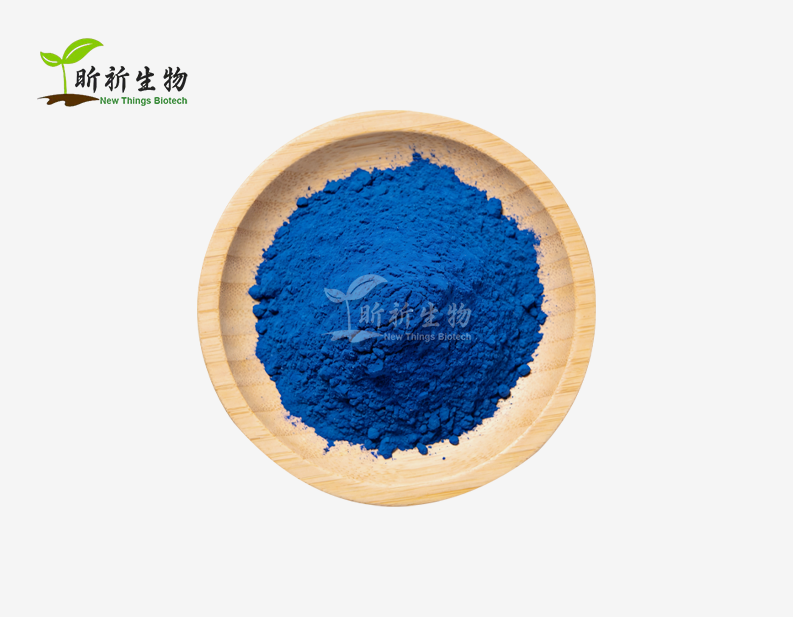
Pyrroloquinoline quinone is C14H6N2O8 and CAS 72909-34-3. A dark crimson to reddish-brown solid powder. This naturally occurring aromatic ortho-quinone molecule dissolves well in water, making it helpful for many preparations. The molecule's molecular weight of 330.206 and redox activity determine its biological action. Professional-grade material is 99% pure at 80 mesh, ensuring fast dissolution and bioavailability. Light sensitivity is still required while storing and handling, as bright light can break down the active ingredient and reduce its efficacy.
The distinction between raw material powder and final items is important to formulators. Corporate purchasers require PQQ bulk powder to produce individual formulas, but capsules and tablets are offered directly to consumers. This raw material lets you choose how much to use, how to mix it with coq10 or phosphatidylserine, and how much it costs in bulk. Procurement specialists must consider purity, particle size uniformity, moisture content, and bacteria limitations to ensure production works smoothly and rules are met.
Clinically Supported Health Applications
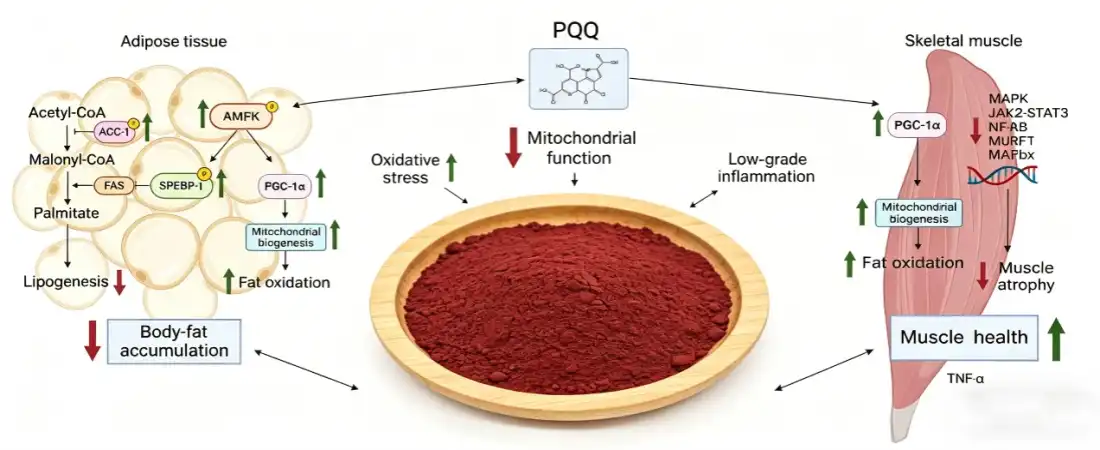
The compound's role in mitochondrial biogenesis has been extensively studied. Clinical studies demonstrate that consuming 10–20 mg daily can boost cell energy output by promoting mitochondrial development. This is why it's used in regimens to halt aging energy loss and boost metabolism. Antioxidants outperform many chemicals. It resists oxidative stress and cell-aging free radicals.
Nervous system support is another proven use case. The substance enters the brain from the circulation and protects nerve cells from oxidation. This makes it useful in brain-healthy vitamins. It is typically combined with dha, b-complex vitamins, and other nootropics to create brain health products for mentally exhausted professionals or elderly persons worried about memory. It reduces neuronal oxidative stress, unlike stimulant-based cognitive enhancers. It gives long-term assistance without harm.
Regulatory Status Across Key Markets
The FDA lists pyrroloquinoline quinone disodium salt as a New Dietary Ingredient. This implies it can be used in dietary items if the safety documentation passes agency criteria. Health Canada also allows its usage in natural health products. The European Food Safety Authority granted it Novel Food designation in 2018, allowing it to be added to food additives and fortified foods across the EU. Regulatory approvals are based on extensive safety and toxicological investigations, giving buyers confidence in the ingredient's legality.
Knowing each country's regulations is crucial while buying abroad. With Certificate of Analysis papers, allergy declarations, and Good Manufacturing Practice requirements, you can easily circumvent restrictions. ISO 9001, Kosher, and Halal certifications demonstrate a supplier's systematic quality management and wide variety of client demands.
Quality and Supplier Comparison: Selecting the Best Raw Material for Your Business
Production Methods and Purity Considerations
The PQQ bulk powder is synthesized chemically or fermented using Hyphomicrobium denitrificans. Due to its natural origins and safety, fermentation-derived material is chosen in the supplement industry. Natural substances are preferred, and this bioidentical structure helps label placement. Chemical synthesis produces clean compounds, but regulators may scrutinize byproducts.
Specifying purity directly affects a design's functionality and compliance. Professional-grade material with a 99% assay value reduces inactive substances that might mess up the recipe or produce unexpected reactions during manufacture. Lower purity grades may contain salts, water, or breakdown products that reduce stability and dosage delivery. Procurement teams should request heavy metals testing, microbiological limits, and remaining solvent analysis to fully assess quality.
Critical Certifications and Testing Protocols
Independent third-party proof verifies the source and batch consistency. Certificates of Analysis should include US Pharmacopeia-compliant microbiological tests and high-performance liquid chromatography reports proving the product's identity and purity. Suppliers with ISO 9001 certification utilize structured quality control to reduce batch-to-batch variation and improve supply reliability.
Businesses may reach more clients with Kosher and Halal permits since they can feed big gatherings. Third-party audits of manufacturing facilities, ingredient suppliers, and processing technologies are required for faith certificates. This enhances quality control. For businesses targeting diverse populations or overseas markets, a supplier's certification collection affects product positioning and market access.
Evaluating Supplier Reliability and Service Capabilities
Minimum order quantities might help you decide how to buy. Suppliers who offer 25 kilogram starter quantities allow customers to test new items without spending much. Flexible packaging from lab samples to industrial barrels supports different operational sizes and phased market launch tactics. A versatile and customer-focused provider may tailor packaging for unique shipping needs.
Payment periods and currencies affect cash flow and international company expenses. Suppliers reduce foreign exchange risk and simplify bookkeeping when buyers pay in their own currency. Timely product launches and supply management depend on delivery speed. Keeping stock and offering two to four-day delivery following payment verification aids just-in-time ordering and reduces warehousing costs.
Procurement Strategies for Pyrroloquinoline Quinone: Bulk Purchase, Pricing, and Logistics
Optimizing Order Quantities and Contract Terms
Medium-sized firms and contract packaging operations can start with 25 kg of this specialized ingredient. If you purchase 100 kg or more, volume-based pricing may save you 10-15%. Procurement staff should weigh predicted production against inventory carrying costs and capital allocation to determine order frequency.
Long-term supply partnerships stabilize pricing and distribute supplies equitably, even when supplies are limited or raw material prices fluctuate. Negotiating yearly contracts with three-month delivery schedules balances cost and inventory flexibility. Suppliers who give price protection for negotiated amounts assist downstream clients forecast budget costs more accurately and eliminate budget uncertainty.
International Shipping and Documentation Requirements
When buying internationally, you must organize delivery, government paperwork, and import requirements. FedEx and UPS handle goods under 100 kg properly. They ship to most North American and European destinations in 5–7 days. Transporting 100–500 kg by air freight takes 7–10 days and is affordable. Sea freight works well for orders over 500 kg since its extended trip periods (4-6 weeks) help with inventory planning.
Buyers unfamiliar with import laws can use Delivered Duty Paid to have the vendor pass customs and pay import charges. This plan clarifies the landing cost and simplifies administration, although it costs more than standard shipping. When assessing supplier bids, procurement teams should include total landing expenses, including tariffs, trading fees, and handling.
Comparative Insights: Raw Material Powder Versus Alternative Formats
Cost Efficiency and Formulation Flexibility
Raw powder saves manufacturers a lot of money over pills or tablets. Buy PQQ bulk powder instead of completed forms to save 40–60% on materials per milligram of active substance. Private label products can provide competitive prices and supplement producers gain more money due to this cost differential. When you can vary dose levels, distribution methods, and constituent combinations, product differentiation and market positioning are easy.
Formulation flexibility applies to many items. Water-soluble chemicals can be added to functional drinks, powdered drink mixes, and liquid supplements without solubilization. Softgel encapsulation requires mixing powder with oil structures and fat-soluble vitamins like coq10 for improved formation. Tablet compression and capsule filling technologies can simply process the material with the proper excipients and flow agents.
Complementary Relationships with Other Ingredients
Some formulations operate better with coenzyme q10 and pyrroloquinoline quinone because they aid mitochondria in distinct ways. It directly affects the electron transport pathway, making mitochondrial atp production simpler. Quinone molecules stimulate pgc-1α, promoting mitochondrial production. This enhances cell energy production. These two substances work together to support the mitochondria, thus they should be at the top of advanced energy metabolism recipes.
They have advantages over vitamin c and vitamin e in some conditions. The chemical may last several cycles of oxidation and reduction without breaking down, making it an antioxidant even at low levels. It protects cells where oxidative stress damages energy generation most by binding to mitochondrial membranes. These properties enable targeted placement in anti-aging and neuroprotection regions where antioxidants fail.
Future Outlook and Industry Trends in Development
Market Growth Drivers and Consumer Demand
The worldwide dietary supplement market for cognitive health and healthy aging is favorable for brain- and cell-energy-boosting substances. Nootropic supplements will expand over 8% annually until 2028, according to market research. This is because the population is aging and job requires greater brainpower. When consumers realize mitochondrial health is important for aging, they may learn how to employ these substances in many goods.
Functional food and drink usage are expanding as corporations seek natural, healthy goods. It is approved for use in energy drinks, sports nutrition products, and fortified drinks for busy individuals in major nations. The molecule is stable in liquid mixes and has a neutral taste at relevant levels, making product development easy without much reformulation.
Technological Advances in Production and Quality
Improvements to fermentation technology boost productivity and safeguard the environment. Optimizing bacterial species and fermentation processes increases yield per production cycle and reduces waste and energy usage. As output expands, these advances make pricing more competitive, opening the element to more consumers. Complex quality checks become achievable as analytical technology develops. For instance, modern chromatography technologies may detect minor faults and better identify structures.
Digitizing the supply chain makes raw materials and end goods easier to track. Blockchain apps and digital analytical records provide real-time quality checks and speedy supply issues resolution. Seeing how suppliers run their operations and what items are available helps procurement specialists make more flexible purchase decisions and reduce supply risk.
Conclusion
The strategic importance of PQQ bulk powder increases with scientific confirmation, government permission, and consumer understanding. When procurement specialists work with certified suppliers that provide verified quality, experienced advice, and dependable logistics, their organizations gain a competitive edge in emerging markets. You must balance purity, legal compliance, cost control, and supply reliability to succeed. You may achieve this by selecting vendors and buying smartly. Because it may be utilized in supplements, helpful meals, and cosmetics, it is versatile. This can help a company last.
FAQ
1. How Can Buyers Verify Supplier Authenticity and Material Quality?
Ask for Certificates of Analysis for recent production batches to check quality immediately. Real sellers are happy to provide hplc, microbial, and heavy metals screening verification of product cleanliness. Registrar records with ISO 9001 certification show coordinated quality management. Before making huge claims, request tiny samples so an impartial lab can confirm recipe compatibility. Suppliers who are confident in their products accept these proofs and supply a lot of paperwork to prove compliance.
2. What Formulation Adjustments Are Needed When Switching from Capsules to Raw Powder?
You must calculate the formula's active component levels when switching from completed capsules to raw materials. For instance, 20 mg of capsules is 20 mg of pqq bulk powder plus tablet or capsule fillers. Consider how particle size influences production flow and if you require flow agents or anti-caking chemicals. They need careful storage and wetness management throughout processing due to their moisture sensitivity. Talking to knowledgeable vendors speeds up problem-solving.
3. Which Regulatory Requirements Apply to Importing This Ingredient?
If the form is new to the US market, imports must satisfy the FDA's New Dietary Ingredient notification procedures. Products imported into Canada must be licensed under the Natural Health Products Regulations. EU Novel Food license allows the food to be used under specified criteria noted in the approval decision. All regions need proper customs categorization, import documentation, and food safety updates if needed. Working with providers who understand overseas commerce and follow rules simplifies jurisdictional needs.
Partner with NT Biotech for Premium Pyrroloquinoline Quinone Supply Solutions
Pharmaceutical-grade raw ingredients with comprehensive quality documentation are available from NT Biotech to assist you formulate and acquire. Our ISO 9001, Kosher, and Halal certifications and third-party testing ensure your items exceed the highest quality requirements with our 99% pure standard. We reduce barriers to innovation by maintaining things in stock for two to four-day delivery, demanding a 25 kilogram minimum order size for flexible product creation, and delivering free samples for review. Talk to our technical staff at info@newthingsbiotech.com about your particular demands and obtain tailored quotations from a trusted PQQ bulk powder supplier that cares about your long-term success.
References
1. Rucker, R., et al. "Potential Physiological Importance of Pyrroloquinoline Quinone." Alternative Medicine Review 14.3 (2009): 268-277.
2. Stites, T., et al. "Pyrroloquinoline Quinone Modulates Mitochondrial Quantity and Function in Mice." Journal of Nutrition 136.2 (2006): 390-396.
3. Nakano, M., et al. "Effects of Oral Supplementation with Pyrroloquinoline Quinone on Stress, Fatigue, and Sleep." Functional Foods in Health and Disease 2.8 (2012): 307-324.
4. European Food Safety Authority. "Safety of Pyrroloquinoline Quinone Disodium Salt as a Novel Food Pursuant to Regulation 2015/2283." EFSA Journal 16.1 (2018).
5. Harris, C.B., et al. "Dietary Pyrroloquinoline Quinone: Growth and Immune Response in BALB/c Mice." Journal of Nutritional Immunology 2.4 (1994): 35-48.
6. Chowanadisai, W., et al. "Pyrroloquinoline Quinone Stimulates Mitochondrial Biogenesis through cAMP Response Element-binding Protein Phosphorylation and Increased PGC-1alpha Expression." Journal of Biological Chemistry 285.1 (2010): 142-152.