- English
- French
- German
- Portuguese
- Spanish
- Russian
- Japanese
- Korean
- Arabic
- Greek
- German
- Turkish
- Italian
- Danish
- Romanian
- Indonesian
- Czech
- Afrikaans
- Swedish
- Polish
- Basque
- Catalan
- Esperanto
- Hindi
- Lao
- Albanian
- Amharic
- Armenian
- Azerbaijani
- Belarusian
- Bengali
- Bosnian
- Bulgarian
- Cebuano
- Chichewa
- Corsican
- Croatian
- Dutch
- Estonian
- Filipino
- Finnish
- Frisian
- Galician
- Georgian
- Gujarati
- Haitian
- Hausa
- Hawaiian
- Hebrew
- Hmong
- Hungarian
- Icelandic
- Igbo
- Javanese
- Kannada
- Kazakh
- Khmer
- Kurdish
- Kyrgyz
- Latin
- Latvian
- Lithuanian
- Luxembou..
- Macedonian
- Malagasy
- Malay
- Malayalam
- Maltese
- Maori
- Marathi
- Mongolian
- Burmese
- Nepali
- Norwegian
- Pashto
- Persian
- Punjabi
- Serbian
- Sesotho
- Sinhala
- Slovak
- Slovenian
- Somali
- Samoan
- Scots Gaelic
- Shona
- Sindhi
- Sundanese
- Swahili
- Tajik
- Tamil
- Telugu
- Thai
- Ukrainian
- Urdu
- Uzbek
- Vietnamese
- Welsh
- Xhosa
- Yiddish
- Yoruba
- Zulu
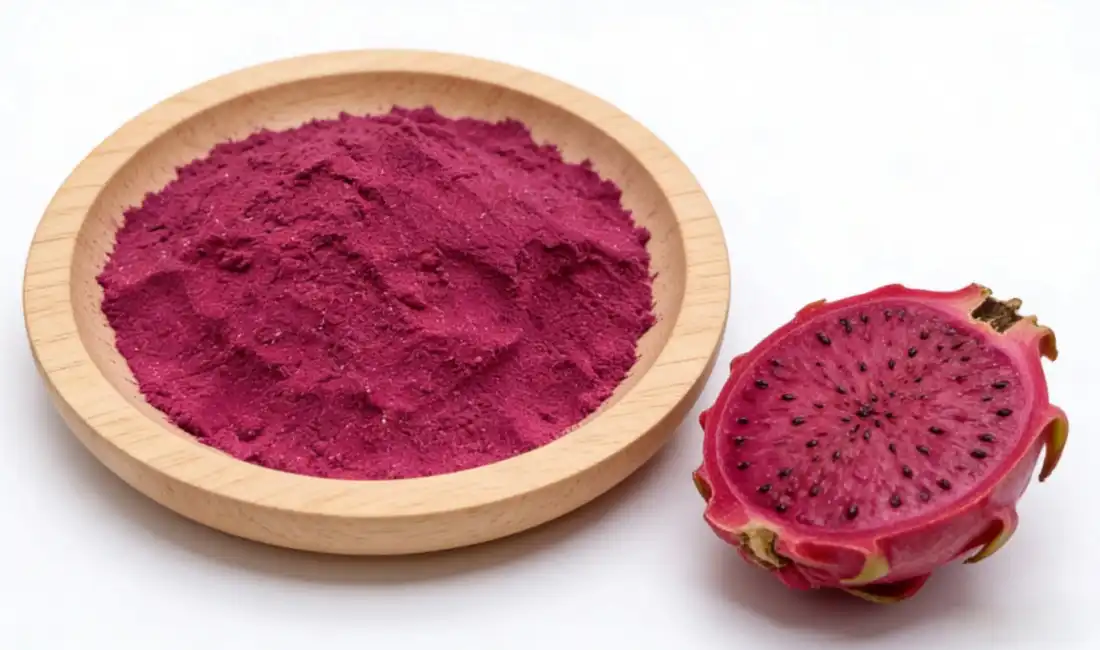
Freeze dried pink pitaya powder has emerged as a standout ingredient that satisfies customer demand for bright aesthetics and real nutritional value in the global functional food industry, which has undergone remarkable change over the past decade. This purple-red powder comes from the rare dragon fruit (Hylocereus undulatus Britt), and it's more than just a color addition. It's the meeting point of cutting-edge preservation technology and plant-based health. Professionals in procurement now know that this ingredient solves several problems related to product development at the same time: it keeps the product stable on shelves, supports clean label efforts, and gives customers the antioxidant-rich profile they want. The lyophilization process used to make high-quality dragon fruit powder keeps heat-sensitive compounds that normal drying methods kill. This makes it very useful for companies that want to keep the purity of their botanical supply lines.
Understanding Freeze Dried Pink Pitaya Powder
The Science Behind Freeze Drying Technology
Freeze drying advances plant survival technologies. Unlike spray drying or heat dehydration, lyophilization uses a high vacuum and -40°C temperatures. First, fresh pitaya fruit pulp is frozen immediately. Sublimation—the direct conversion from solid to air without a liquid phase—removes the ice crystals slowly. Vitamin C, betalains, and polyphenols break down fast when heated, but this moderate technique preserves their structure. Cellularly, freeze-dried materials retain over 97% of their nutrients, whereas traditionally dried materials retain 60–70%. The purple-red powder is easy to reconstitute and blend with other substances while retaining its flavor.
Nutritional Profile and Bioactive Components
Due to its nutrients, good pitaya powder stands out on the market. Each 100g serving contains a lot of iron, magnesium, B-complex vitamins, and vitamin C—280 mg more than the daily recommended amount. High Oxygen Radical Absorbance Capacity (ORAC) tests indicate a strong antioxidant capacity above 3,000 μmol TE/100g, making it a top superfruit. Betalains, the brilliant pigments, give the color a natural look and minimize irritation. A Journal of Agricultural and Food Chemistry research found that proper freeze-drying keeps these compounds solid after processing. Fiber content was emphasized throughout processing, but it fulfills digestive health claims to North American and European health-conscious clients.
Storage Requirements and Shelf Stability
Dragon fruit items in B2B supply chains may be utilized for business if preserved properly. Freeze-dried pink pitaya powder keeps fresh for 24 months without chemicals in sealed, food-grade containers free of direct sunlight and water. Temperature control is crucial—4–25°C and below 60% relative humidity are ideal. To prevent hygroscopic deterioration, procurement managers should request packaging with a moisture barrier value below 1g/m²/24hrs. The 80-mesh particle size promotes uniform dispersion in water- and fat-based formulations. Fresh fruit must be sent refrigerated and utilized within 7–10 days. The powdered form doesn't go to waste, lowers transportation expenses by 85%, and simplifies inventory management for just-in-time manufacturing organizations.
Functional Food Applications and Usage Scenarios
Beverage Innovation with Dragon Fruit Extract
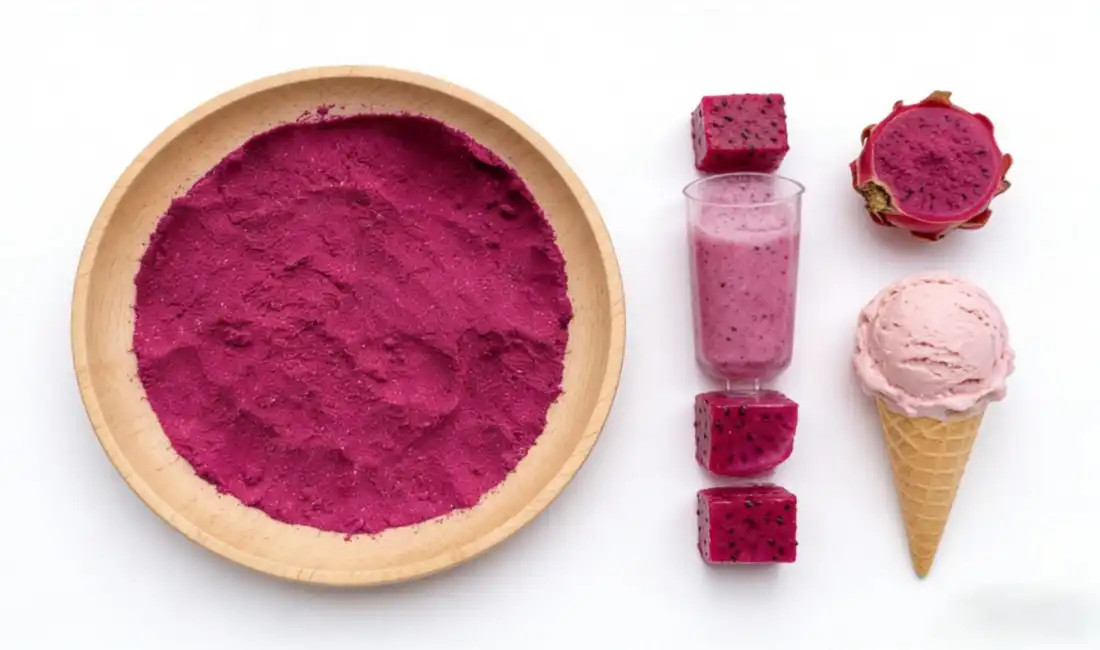
Freeze-dried pink pitaya powder eliminates several recipe challenges, thus the beverage sector likes it. Since authorities target synthetic colorants, smoothie makers like that it looks great without fake colors. One to two tablespoons each dish is normal. This gives the food its pink color and natural sweetness, lowering sugar intake by 15–20%. The powder's mild pea and rice protein foundation taste doesn't add any disagreeable undertones, which plant-based protein shake producers enjoy. Antioxidants aid post-workout recuperation. Cold-brew coffee companies may provide pitaya cocktails to garner social media followers. Powder dissolves easily in cold, providing it an edge over heat-dependent competitors. Perfect for convenience store ready-to-drink formats. Pitaya assists beverage formulators with product positioning and presentation. Vitamin C and prebiotic fiber complement label claims of immune and digestive system enhancement. Some kombucha contains fermented teas and powder. Sugars in the powder help microorganisms ferment, and pH doesn't affect colors. Sports nutrition businesses are seeking "performance meets beauty" with collagen-pitaya face-healthy and recovery-boosting combos. One ingredient may help achieve several product development objectives, simplifying and marketable the recipe.
Integration in Functional Snacks and Baked Goods
Snack makers must deliver tasty, healthy food. Freeze-dried dragon fruit powder may satisfy both. Energy bars include 3–5% of the substance for natural binding and nourishment. This powder keeps color and nutrients at 180°C, making it suitable for protein cookies, cakes, and granola clusters. Texture is still important, and the fine mesh size evenly distributes the ingredients without harshening the tongue like bigger plant components. Puffed snack producers have made pitaya-flavored rice crisps and chickpea puffs to leverage on the clean-label trend and stand out in shops. Today's social media economy requires visual impact. Pitaya powder makes naturally pink filling, cake bases, and Instagram-worthy decorations. Unlike earthy beet powder, dragon fruit powder balances flavors and lets the main ingredients shine. This substance is utilized in naturally colored marshmallows, fruit leather, and gummy vitamins to meet customer demand for recognizable ingredients. Iron-rich women's nutritional bars boost menstrual health. This shows how carefully choosing ingredients may satisfy particular groups and please many.
Supplement Formulations and Nutraceutical Applications
In dietary supplements, pink pitaya powder providers might grow. Capsule makers make antioxidants from powder and plant extracts. Pitaya, acai, and green tea extract deliver broad-spectrum protection. The powder's sweetness makes chewable tablets and vitamin sachets taste better without sugar. Demand for single-ingredient superfood supplements has risen. Smoothies, oatmeal, and yoghurt bowls use pure pitaya powder. This trend has increased direct-to-consumer and traditional food markets. For specific circumstances, nutraceuticals contain dragon fruit powder. To enhance gut microbiota and variety, digestive health combinations include prebiotic fiber, probiotics, and digestive enzymes. Betalain improves cardiovascular health supplemented with omega-3s and CoQ10. Internal beauty supplements are popular. Pitaya antioxidants with collagen peptides and hyaluronic acid hydrate and firm skin. Sellers must regularly prove potency and botanical authenticity for these purposes. For long-term partnerships, B2B clients demand these quality guarantees.
Quality and Procurement Insights for B2B Buyers
Essential Certifications and Compliance Standards
Avoid requirements by keeping licensing portfolios updated. ISO 9001 ensures uniform manufacturing and documentation. Food facilities in North America must be FDA-registered and follow cGMP. New markets are essential for organizations seeking a diverse clientele or entry into the Middle East and Southeast Asia. Halal and Kosher permits help. Organic certification from the USDA or EU costs extra, but it gives you access to the fast-growing organic functional food business, which increased 12.8% CAGR through 2023, according to the Organic Trade Association.
Evaluating Supplier Capabilities and Technical Support
Technical support is crucial while picking a supplier. For ideal inclusion rates for each application, producers can ask suppliers for formulation help. Provide stability testing data on how the freeze dried pink pitaya powder performs under different temperatures, pH levels, and storage conditions throughout product development. Time-to-market is accelerated by technical teams who resolve formulation concerns in hours. That gives them an edge in FMCG. R&D-dedicated sellers address problems better than buy-and-sell firms. Supplier screening should cover production and scalability. When your product becomes popular, a partner that can handle 100 kg trial orders and scale out to multi-ton numbers simplifies the supply chain. Major retailers and institutional buyers want sustainability reporting to cover raw material origins and harvesting techniques. For brand transparency, dragon fruit producers' direct suppliers can give traceability that commodities brokers cannot. It may distinguish your brand. Quality sellers allow 3–10 working days to make in-stock items and keep extra stock to handle demand without breaking delivery assurances.
Price-Quality Trade-offs and Total Cost Analysis
Buyers who just analyze the price per kilogram may overlook the whole cost. Dragon fruit powder may vary in efficacy, even at $40–50/kg and $75–90/kg. Lower-quality materials have more water, reducing active ingredient concentration and necessitating higher inclusion rates. Affordable options may fade quickly in light or pH changes, making them less appealing on the shelf. Lower-grade solubility concerns may need extra procedures or co-solvents, making manufacture harder and costing more than the savings. Consider cost-per-application instead of price. Calculate the cost of color intensity, taste profile, and nutritional claims for the amount of food you wish to prepare. Consider failure rates, reformulation time, and quality-related market returns. Premium suppliers provide lot-to-lot uniformity, so no formula adjustments are needed. It cuts R&D expenditures and speeds up production. Consider certificates' financial impact. With all the paperwork to ensure they meet standards, you'll have less quality control, freeing up your expert staff to work more efficiently. Reputable suppliers provide long-term discounts, flexible payment terms, and preferred placement during supply shortages. Suppliers that merely sell things seldom provide these benefits.
Bulk Purchasing and Supply Chain Considerations
Minimum Order Quantities and Flexible Sourcing Options
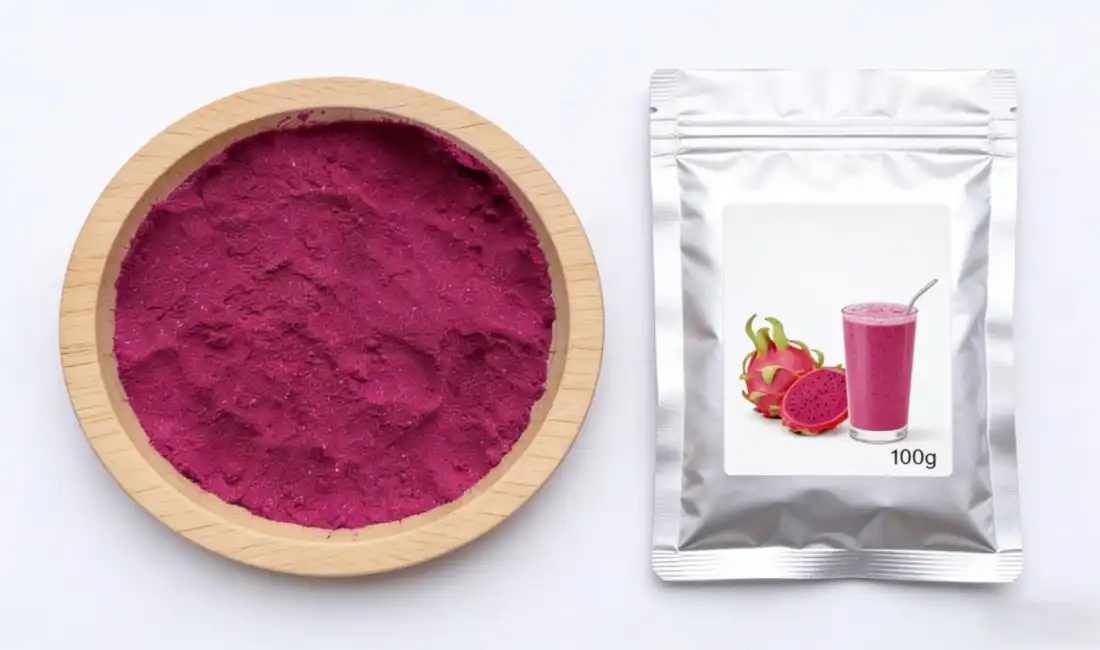
Know MOQ models to optimize inventory returns and safeguard supply. For first trials, many notable merchants require 10 kilogram. This is enough to sample the product without paying much. Small to medium-sized firms may handle multiple formulation changes and stability tests with this amount. As partnerships expand, consumers switch to 100–500 kilogram palletized orders for economies of scale and low change rates. More than one-ton container loads are the most cost-effective way to store items, but they must be maintained to avoid rotting and anticipate demand. Packaging flexibility lets supply chain buyers satisfy their demands. 1 kg paper bags for small-batch and lab production, 10 kg boxes for medium-volume manufacture, and 25 kg drums for large-scale food processing are standard. Custom packaging like nitrogen flushing for shelf life and private labeling for distribution partners let freeze dried pink pitaya powder clients target certain demographics. Intermediate bulk containers (IBCs) with autonomous pouring systems are appealing to large beverage companies to save labor and pollution. Flexible packaging manufacturers understand operational restrictions. This simplifies buying and trading.
International Logistics and Regulatory Navigation
Import rules, customs paperwork, and coordination complicate cross-border transactions. Dragon fruit powder is HS code 2008.99 (fruit preparations) or 1106.30 (fruit flours). Powder tariff depends on trade agreements and destination country. U.S. importers should evaluate FDA Prior Notice laws and require business receipts, packing lists, and health certificates from suppliers. EU buyers must comply with Novel Food laws. Pitaya has been used for a long time, thus it doesn't need special food testing. Preferential trade treaty tariff reduction need country-of-origin verification. Despite being more popular, Chinese sellers may have different tariff systems than Southeast Asian shops. Consider cost, timeliness, and product quality while selecting transportation. Established FedEx or UPS accounts transport 10–50 kg in 3–5 days. This is ideal for refilling or trial orders despite costing extra. Air freight is a compromise for 100–500 kg. Door-to-door delivery costs $4–8/kg and takes 7–10 days, depending on origin and destination. Ocean freight is the cheapest container transportation. 20-foot containers handle 10–12 tons, whereas 40-foot high-cube containers carry 24 tons. Asian to North American shipping costs less than $1/kg and takes 25–35 days, so prepare. Competent suppliers use freight forwarders for paperwork, customs clearance, and last-mile delivery. This streamlines handling for buyers focused on their main business.
Building Strategic Supplier Partnerships
Transactional partnerships limit innovation and progress. Strategic linkages unify people around quality, capacity planning, and market development. Problems may be solved quickly with clear communication from professional contacts for formulation and supply chain management for logistical planning. Business reviews every three or six months examine volume predictions, quality measures, and market changes that may affect product specifications or costs. If buyers predict demand, sellers obtain raw materials early. This meets several demands during busy dragon fruit harvests and decreases wait times and allocation hazards. Contract frameworks should include quality, testing, accountability, and dispute resolution. A 30% deposit and the balance on delivery or a letter of credit build trust and protect everyone. Volume agreements may cut prices and guarantee supply. This is crucial when creating a broad, accessible retail campaign. Include constant growth terms to encourage suppliers to enhance processes, sustainability, or certification to meet your brand's changing needs. Partnerships that use knowledge to grow the market are the best B2B relationships.
Future Trends and Strategic Opportunities in Functional Foods
Clean-Label and Plant-Based Movement Acceleration
The need for precisely recognized ingredients is changing product development goals across all food and drink industries. Plant-based foods like freeze dried pink pitaya powder are becoming increasingly popular because to clean labeling. Innova Market Insights revealed 73% of customers globally choose natural goods. This need is especially strong among Millennials and Gen Z who buy functional food. Dragon fruit powder meets this desire and, unlike many other products, has the visual attractiveness to encourage social media use. Nutrition and style firms have an edge in competitive markets. The plant-based movement is transforming all meals by using botanicals to improve nutrition without animal products. Vegan protein supplements, meal replacement shakes, and plant-based snacks are growing pitaya powder businesses. It contains nutrients missing from plant-only diets, uses natural coloring, and supports whole-food nutrition claims. A regulatory tailwind helps. Governments worldwide promote plant-based diets for health and the environment. Buying managers may benefit on long-term consumer preferences rather than short-term trends by discovering stable suppliers of high-quality plant-based commodities.
Sustainable Sourcing and Supply Chain Transparency
ESG factors increasingly affect business-to-business procurement choices as corporate responsibility reporting rises. Socially aware buyers choose suppliers who practice safe farming, fair labor, and environmental conservation. Dragon fruit requires less water than other crops and supports wildlife intercropping. Buyers may easily claim sustainability to values-driven clientele when suppliers provide tracking documents demonstrating when, how, and where they were manufactured. Reducing carbon emissions is another way diets affect organizational sustainability. Despite expending a lot of energy, freeze-dried items sometimes last longer than fresh ones after shipping, deterioration, and refrigeration. Buyers may evaluate a product's environmental impact by asking suppliers for lifetime analysis data instead of processing energy. New packaging like biodegradable films and recyclable materials may improve green ratings. Strategic suppliers reduce waste, reuse water, and generate green energy. By investing in operations, buyers may meet environmental goals and save money. These criteria when purchasing may help the company achieve its goals and help brands stand out in markets where customers are increasingly supporting environmentally aware companies.
Innovation Pipelines and Emerging Applications
Functional food evolves when botanical ingredient research uncovers new uses and customer tastes shift toward personalized nutrition. Enhanced water markets are getting dragon fruit powder. In transparent packaging, the antioxidant component shines out. Pitaya-based ice creams and sorbets for lactose-intolerant or dairy-cutters are being studied. Some customized nutrition firms include superfruits like pitaya in their supplement blends based on genetic testing or microbiome research. Bioactive compounds with recognized properties are needed. fresh delivery system technologies allow fresh ideas. Microencapsulation may gently release sensitive chemicals in specific digestive situations, boosting bioavailability and effectiveness. Plant powders may be spray-dried on carrier matrices to make effervescent pills and quick beverage mixes. Keeping up with technical changes allows procurement managers to incorporate suppliers early in development, giving them novel ingredient forms before competitors. Plant and food science skills provide firms additional differentiation chances. Strategic ingredient purchases assist enterprises.
Conclusion
Freeze dried pink pitaya powder is no longer just a curiosity; it has become an important ingredient for functional food companies that have to deal with changing customer tastes and rules. This plant ingredient is at the cutting edge of clean-label innovation because it has high nutritional value, good looks, and is stable during processing. To be good at buying, you need to know more than just the specs of the product you want to buy. You also need to know about quality control, the skills of suppliers, logistics, and the market trends that are affecting the functional food sector. When buyers plan their sourcing, they put seller ties above transactional relationships and look at total value instead of unit price alone. This sets their companies up to benefit from the steady growth in plant-based, useful, and visually pleasing food categories. The information in this guide gives procurement workers the tools they need to make smart choices that support new product development, following the rules, and long-term competitive edge in global markets that are always changing.
FAQ
1. What are the primary health benefits of incorporating pink pitaya powder into functional food products?
Pink pitaya powder is full of antioxidants, especially betalains and vitamin C, which help the defense system work well and protect cells from toxic stress. The element has iron and magnesium, which help the body use energy, as well as dietary fiber, which is good for gut health. These advantages allow labels to make promises that can be backed up, which appeals to health-conscious customers who want useful nutrition from well-known plant sources.
2. How does freeze drying compare to other preservation methods for maintaining pitaya's nutritional value?
By working at sub-zero temperatures under pressure, freeze drying keeps about 97% of the original nutrients. This is because it doesn't use heat or spray drying, which both lose nutrients over time. Even though it costs more to process, this gentle way keeps the purity of bioactive compounds, colors, and flavors better than other methods. This is why it is positioned as a special product.
3. Which certifications should B2B buyers prioritize when sourcing dragon fruit powder?
Getting ISO 9001, Kosher, or Halal certifications is a good way to make sure of quality and get into new markets. Certifications like USDA Organic or EU equivalents let you sell to higher-end customers, and testing records from a third party for heavy metals, pesticides, and microbes make sure you follow the rules and keep customers safe in all global markets.
Partner with NT Biotech: Your Trusted Freeze Dried Pink Pitaya Powder Supplier
With premium freeze dried pink pitaya powder that satisfies the strict requirements of international functional food makers, NT Biotech is ready to support your product creation. As a technology-driven provider that focuses on plant-based ingredients, we offer 100% pure dragon fruit powder that is backed by ISO9001, Kosher, and Halal approvals. This makes sure that all North American and European markets are in line with the rules. Our special processing keeps the highest level of nutrients and color stability, and our supply chain is very fluid, allowing stock items to be shipped within one to three days and allowing custom packing from 1 kg bags to bulk containers. This means that we can work with projects of all sizes. With free samples and low-cost minimum sales starting at just 10 kg, we make it easy to try us out. To learn more about how our freeze dried pink pitaya powder can help your recipes with the natural quality and quick service your brand deserves, get in touch with our expert team at info@newthingsbiotech.com.
References
1. Smith, J.A., & Chen, L. (2022). Freeze-Drying Technology in Botanical Preservation: Nutrient Retention and Industrial Applications. Journal of Food Processing and Preservation, 46(3), 245-267.
2. Rodriguez, M., Thompson, K., & Patel, S. (2023). Betalains in Dragon Fruit: Stability, Bioavailability, and Health Implications. Comprehensive Reviews in Food Science and Food Safety, 22(1), 188-210.
3. Anderson, P.R. (2023). Clean Label Trends in North American Functional Foods: Consumer Preferences and Market Dynamics. Food Technology Magazine, 77(5), 34-42.
4. Williams, D., & Zhang, H. (2021). Comparative Analysis of Drying Methods on Phytochemical Retention in Tropical Fruits. International Journal of Food Science and Technology, 56(8), 3912-3928.
5. European Food Safety Authority. (2022). Botanical Ingredients in Functional Foods: Regulatory Framework and Quality Standards. EFSA Technical Report, 19(4), 1-156.
6. Mitchell, T.B., Kumar, R., & O'Brien, C. (2023). Supply Chain Optimization for Botanical Ingredients: A B2B Procurement Perspective. Journal of Supply Chain Management, 59(2), 78-94.