- English
- French
- German
- Portuguese
- Spanish
- Russian
- Japanese
- Korean
- Arabic
- Greek
- German
- Turkish
- Italian
- Danish
- Romanian
- Indonesian
- Czech
- Afrikaans
- Swedish
- Polish
- Basque
- Catalan
- Esperanto
- Hindi
- Lao
- Albanian
- Amharic
- Armenian
- Azerbaijani
- Belarusian
- Bengali
- Bosnian
- Bulgarian
- Cebuano
- Chichewa
- Corsican
- Croatian
- Dutch
- Estonian
- Filipino
- Finnish
- Frisian
- Galician
- Georgian
- Gujarati
- Haitian
- Hausa
- Hawaiian
- Hebrew
- Hmong
- Hungarian
- Icelandic
- Igbo
- Javanese
- Kannada
- Kazakh
- Khmer
- Kurdish
- Kyrgyz
- Latin
- Latvian
- Lithuanian
- Luxembou..
- Macedonian
- Malagasy
- Malay
- Malayalam
- Maltese
- Maori
- Marathi
- Mongolian
- Burmese
- Nepali
- Norwegian
- Pashto
- Persian
- Punjabi
- Serbian
- Sesotho
- Sinhala
- Slovak
- Slovenian
- Somali
- Samoan
- Scots Gaelic
- Shona
- Sindhi
- Sundanese
- Swahili
- Tajik
- Tamil
- Telugu
- Thai
- Ukrainian
- Urdu
- Uzbek
- Vietnamese
- Welsh
- Xhosa
- Yiddish
- Yoruba
- Zulu
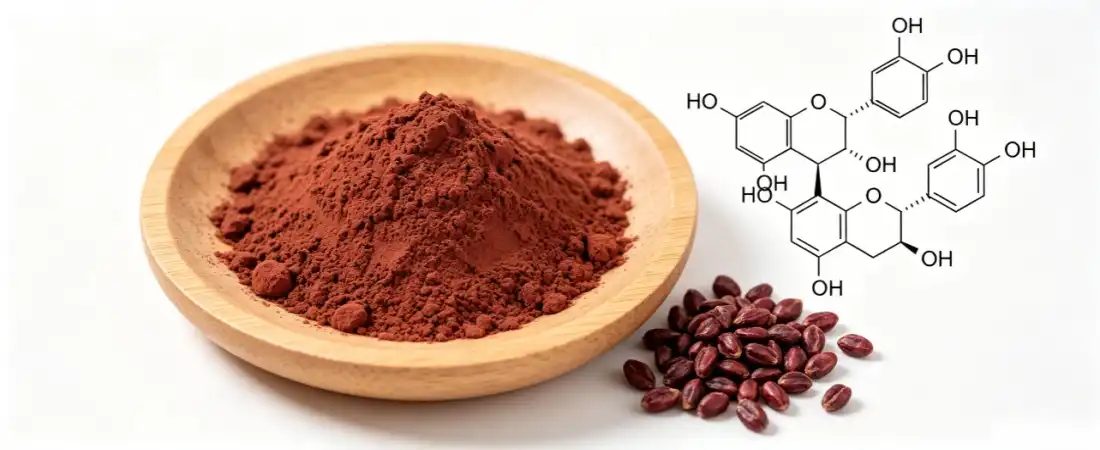
Few botanical substances can match the antioxidant reputation of grape seed extract 95 OPC, a standardised extract with high proanthocyanidin concentration that has become a go-to raw material for supplement, functional food and cosmetic manufacturers across the globe. NT Biotech has patented extraction technique that produces this ingredient as a grape seed extract 95 opc with over 98 percent purity of essential actives, providing formulators with a grape seed extract 95 opc that they can rely on for consistent antioxidant efficacy. This article explains the science underlying its antioxidant strength, the health advantages that go with it, and why NT Biotech is a recommended source for verified quality.
The Antioxidant Power Behind Grape Seed Extract 95 OPC
Free Radicals, Oxidative Stress, and Why Antioxidants Matter
Reactive oxygen species are naturally generated in the human body as a by-product of metabolism and we are also exposed to them via pollution, UV radiation, and lifestyle factors. Oxidative stress occurs when free radicals are generated more quickly than the body can neutralise them , which is associated with accelerated skin ageing and decreased cell resilience . Antioxidant chemicals provide electrons to these unstable molecules to stabilise them before they cause harm. That is the primary mechanism of action and why grape seed extract 95 OPC is so relevant to contemporary day wellness formulations. The proanthocyanidin concentration is regarded for intercepting oxidative activity at the cellular level.
How OPC Molecules Neutralize Oxidative Damage
These are chains of catechin and epicatechin units. Their molecular structure provides them with an extraordinarily high ability to bind and stabilise free radicals in comparison with numerous single-compound antioxidants. In grape seed extract 95 OPC, these oligomers are mostly in smaller, more bioavailable chains rather than big polymerised tannins, which means improved absorption and action when ingested or applied topically. Published comparisons often place grape seed proanthocyanidins far above vitamin C and vitamin E in raw antioxidant capacity, driving strong demand from brands that formulate everyday wellness capsules, recovery blends and anti-aging skincare around this one standardised ingredient.
Grape Seed Extract 95 OPC vs Other Popular Antioxidants
When determining what to develop a new product around, formulators will often compare grape seed extract 95 OPC to other well recognised antioxidant components, assessing potency, solubility and normal inclusion rate. Vitamin C and green tea extract are still quite popular, but standardised grape seed extract has one clear edge over the others when it comes to raw proanthocyanidin concentration. The 95 percent OPC criterion ensures a density of active substance that many other botanicals can’t meet at a similar price. The following table is a summary of how grape seed extract 95 OPC compares with some commonly used antioxidants.
Table 1. Grape Seed Extract 95 OPC vs Other Common Antioxidant Ingredients
|
Ingredient |
Active Marker |
Relative Antioxidant Strength |
Typical Use |
|
Grape Seed Extract 95% OPC |
≥95% Proanthocyanidins |
~20–50x vitamin C/E (published data) |
Capsules, serums, functional drinks |
|
Vitamin C |
Ascorbic acid |
Reference baseline |
Tablets, powders |
|
Vitamin E |
Mixed tocopherols |
Reference baseline |
Softgels, oils |
|
Green Tea Extract |
EGCG (≥50%) |
High, polyphenol-based |
Capsules, beverages |
Health Benefits Supported by Grape Seed Extract 95 OPC
Cardiovascular and Circulatory Support
Grape seed extract 95 OPC is one of the most studied uses of proanthocyanidins in the context of cardiovascular health, with the cardiovascular and circulatory health benefits of grape seed extract 95 OPC being one of the most explored applications of proanthocyanidins. Research suggests that these chemicals may aid with the structural integrity of collagen and elastin in the walls of blood vessels, which is why the ingredient is typically used with other circulation-supporting botanicals in recipes. Brands that want to formulate healthy ageing or heart-wellness products are always looking for a high-purity, well-documented source and that’s what NT Biotech’s grape seed extract 95 OPC is designed to provide, along with batch-specific testing data for formulators to use when formulating compliant product claims.
Skin, Anti-Aging, and Collagen-Related Benefits
Grape seed extract 95 OPC is used in skin care product to help protect skin cells from environmental and oxidative stress and to help encourage smoother, more resilient looking complexion over time. Its constituents are often referenced in relation to collagen and elastin support, since healthy connective tissue is partially dependent on protection against oxidative destruction. You’ll see it in serums, anti-ageing creams and even after-sun formulations, frequently coupled with vitamin C or hyaluronic acid for a layered antioxidant boost. Its natural, plant-based character also strongly resonates with clean-beauty firms looking for recognisable, well-researched botanical actives rather than synthetic options.
Cognitive and General Wellness Support
In addition to cardiovascular and skin uses, recent study has examined grape seed extract 95 OPC in the context of cognitive and overall wellness support, investigating how its antioxidant activity may assist in protecting brain tissue from oxidative stress over time. This is still an active area of scientific research and not a resolved conclusion, but it has spurred marketers to promote grape seed extract 95 OPC within larger healthy-aging and daily-wellness product lines, frequently paired with other polyphenol-rich botanicals. That adaptability across many health categories is one reason the substance continues to enjoy ongoing demand from supplement formulators throughout the globe.
NT Biotech's Grape Seed Extract 95 OPC: Quality You Can Verify
Certified Purity and International Standards
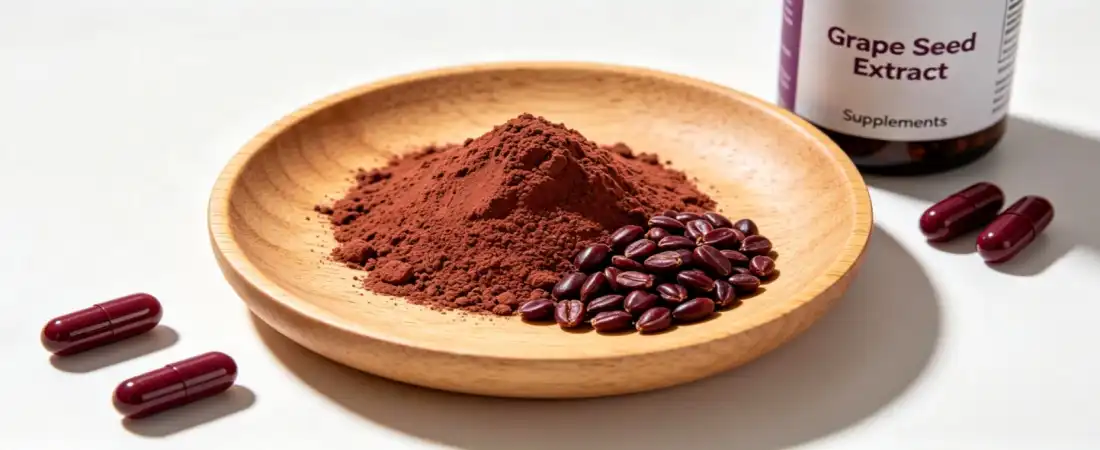
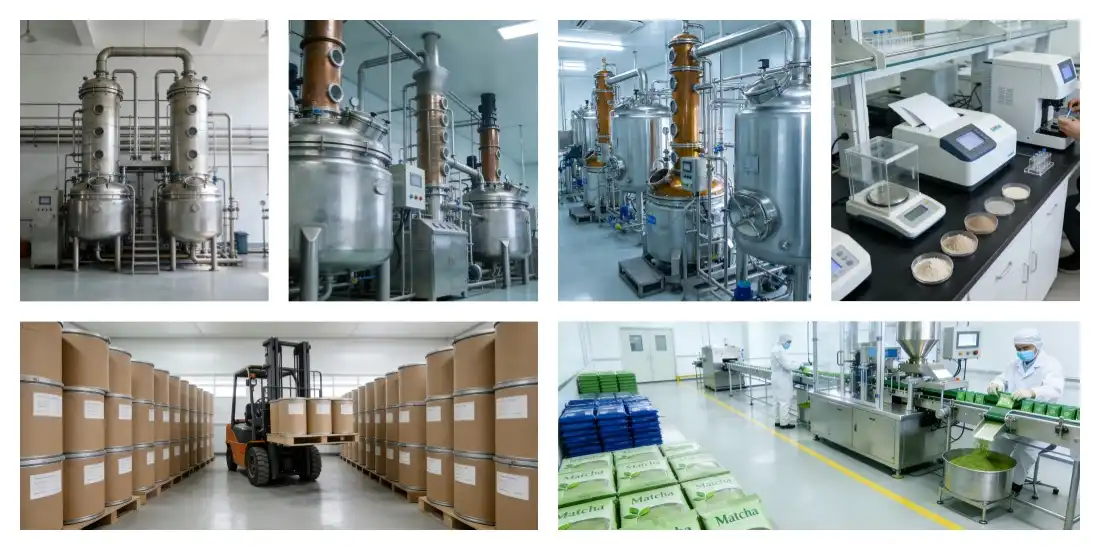
NT Biotech produces grape seed extract 95 OPC using a patented processing method inside an ISO 9001 certified quality management system, which regularly ensures purity over 98 percent for essential active fractions. Every batch is evaluated by HPLC or UV-spectrophotometric methods and a complete Certificate of Analysis is provided with every shipment to allow the client to independently verify the potency before the item enters their own manufacturing lines. The company also boasts KOSHER and HALAL certifications, providing a wider market access for brands marketing into regions with specific dietary compliance needs, and giving formulators peace of mind that the grape seed extract 95 opc supplier behind their ingredient is compliant with internationally recognised standards, not just unsubstantiated claims.
Proprietary Extraction and Fast, Reliable Delivery
Our patented extraction processes are designed to optimise the production of proanthocyanidins while minimising contaminants that may otherwise affect stability or colour consistency, and directly enhance the performance of grape seed extract 95 OPC in a client’s final formulation. On the service side, we promise a first reaction to any request within two hours, we have standardised extracts in stock for shipping within one to three working days and we normally do bespoke manufacturing orders in three to ten working days. Contact our technical staff directly at info@newthingsbiotech.com to request a sample, specification sheet or formal estimate and we’ll get back to you the same business day with documentation and pricing.
Global Logistics and OEM/ODM Flexibility
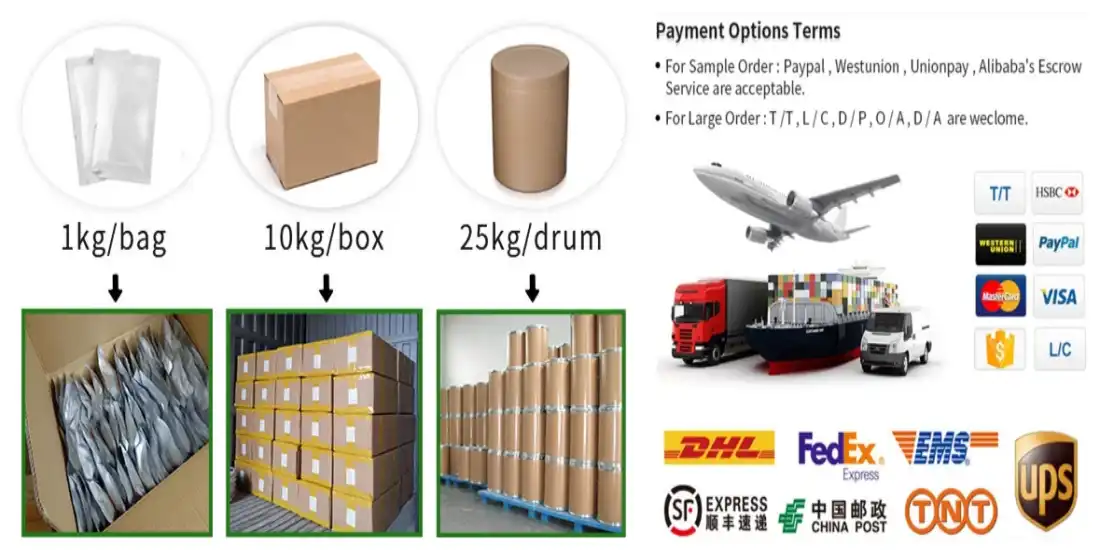
NT Biotech tailors our shipping method according to the quantity and urgency of your transaction. We use our own FedEx and UPS accounts for delivery of smaller or time-sensitive orders, and we send larger bulk orders via reputable freight forwarders that specialise in safely and reliably transporting botanical goods. Our OEM and ODM services go beyond logistics to assist businesses formulate grape seed extract 95 OPC into final capsules, powders or blended formulations for a range of regulatory and labelling needs. We also provide payment in the local currency of the buyer where possible, minimising friction for foreign clients looking to create a long-term supply relationship around this component.
Choosing the Right Grape Seed Extract 95 OPC Supplier
Look for Documented Potency and Testing
Since OPC concentration may vary greatly from supplier to seller, the most essential thing to do when evaluating a grape seed extract 95 opc provider is to ask for a current Certificate of Analysis demonstrating HPLC or UV-verified potency, along with heavy-metal and microbiological safety data. Suppliers that can offer this evidence promptly and openly are typically indicating a mature, audit-ready quality system whereas unclear or delayed replies usually indicate poorer traceability behind the label. If you skip this verification phase, you risk having an inconsistently standardised product that fails when it goes through finished-goods testing, or retailer quality assessment.
Table 2. Typical Product Specification for Grape Seed Extract 95 OPC
|
Specification |
Typical Value |
|
Botanical Source |
Vitis vinifera (grape) seed |
|
Appearance |
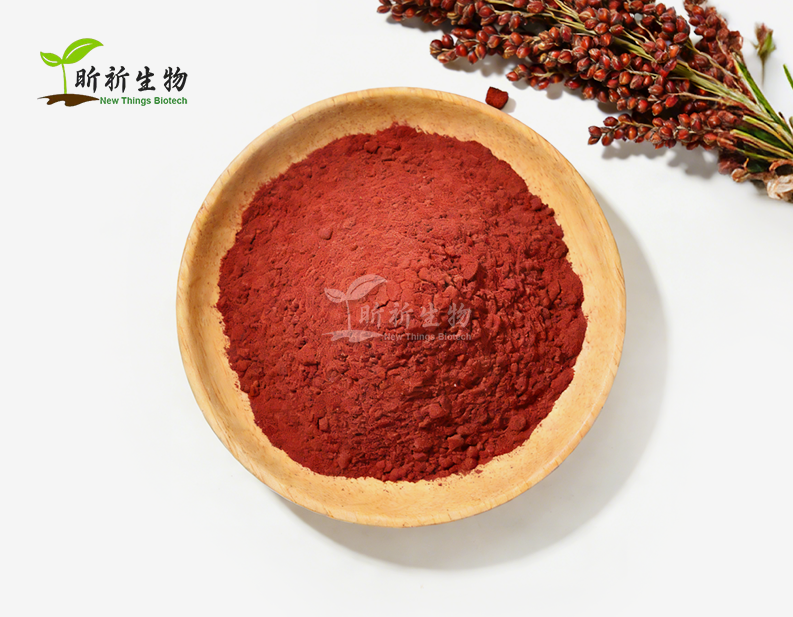
Brownish red fine powder |
|
OPC (Proanthocyanidin) Content |
≥95% (HPLC/UV verified) |
|
Solubility |
Water and alcohol soluble |
|
Certifications |
ISO 9001, KOSHER, HALAL |
|
Recommended Storage |
Cool, dry place in a sealed container |
Evaluate Supply Consistency and Capacity
A good grape seed extract 95 opc supplier should have adequate access to raw materials and manufacturing capability to support a buyer’s expansion, not simply a one-time trial purchase. Identify the normal batch sizes and yearly capacity, as well as how seasonal fluctuation in the raw grape seed supply is addressed, since these aspects are critical to whether a long-term supply arrangement can expand smoothly. Suppliers with solid sourcing networks and in-house extraction and testing facilities are more likely to have consistent quality across repeat orders than suppliers that depend only on third-party subcontractors for critical phases of manufacturing.
Prioritize Long-Term Technical Partnership
The best supplier connections go beyond a purchase order to a true technical collaboration, including formulation direction and OEM or ODM assistance to turn grape seed extract 95 OPC into completed goods for particular markets. For buyers, it’s about working with suppliers that want to develop with their company, providing regulatory paperwork assistance and flexible customisation when product lines change, not every purchase being a stand-alone transaction. In the end, a supplier that provides verified quality, prompt communication and a real relationship is worth more than a little cheaper price with none of that continuous support.
Conclusion
Grape seed extract 95 OPC stands out among natural antioxidants for its high proanthocyanidin concentration and documented relevance to cardiovascular, skin, and general wellness formulations. Its performance, however, depends heavily on sourcing from a supplier that can prove purity and consistency batch after batch. NT Biotech combines certified quality systems, proprietary extraction technology, and responsive global service to deliver a grape seed extract 95 OPC formulators can trust. For buyers seeking a dependable grape seed extract 95 opc supplier, NT Biotech is ready to be that partner.
FAQ
Q1: What makes grape seed extract 95 OPC such a strong antioxidant?
A1: It is rich in proanthocyanidins, which means that it has very strong ability to scavenge free radicals, and is frequently compared with vitamin C and E in this regard.
Q2: What health benefits is grape seed extract 95 OPC associated with?
A2: It is often used for cardiovascular support, skin and anti-aging effects, and overall antioxidant health support.
Q3: How can I verify the purity of grape seed extract 95 OPC?
A3. Ask your provider for a Certificate of Analysis indicating the proanthocyanidin concentration confirmed by HPLC or UV.
Q4: How fast can NT Biotech deliver grape seed extract 95 OPC?
A4: Standard stock is generally sent within 1-3 business days, bespoke orders are shipped between 3-10 business days.
Q5: Does NT Biotech offer OEM support for this ingredient?
A5: Yes, NT Biotech has versatile OEM/ODM solutions to assist manufacturers in formulating final goods from grape seed extract 95 OPC.
Get Verified Grape Seed Extract 95 OPC From NT Biotech
Ready to formulate with an antioxidant ingredient backed by real documentation rather than vague claims? NT Biotech supplies grape seed extract 95 OPC with verified HPLC/UV testing, a Certificate of Analysis on every batch, and flexible OEM support for brands entering new markets. Our team replies to every inquiry within two hours and can walk you through samples, specifications, and pricing for your needs. Don't let sourcing uncertainty slow your next launch. Contact NT Biotech today at info@newthingsbiotech.com and let us become the reliable partner behind your antioxidant product line.
References
1. Bagchi, D., Bagchi, M., Stohs, S. J., Das, D. K., Ray, S. D., Kuszynski, C. A., Joshi, S. S., & Pruess, H. G. (2000). Free radicals and grape seed proanthocyanidin extract: importance in human health and disease prevention. Toxicology, 148(2–3), 187–197.
2. Nassiri-Asl, M., & Hosseinzadeh, H. (2009). Review of the pharmacological effects of Vitis vinifera (Grape) and its bioactive compounds. Phytotherapy Research, 23(9), 1197–1204.
3. Fine, A. M. (2000). Oligomeric proanthocyanidin complexes: history, structure, and phytopharmaceutical applications. Alternative Medicine Review, 5(2), 144–151.
4. Shi, J., Yu, J., Pohorly, J. E., & Kakuda, Y. (2003). Polyphenolics in grape seeds—biochemistry and functionality. Journal of Medicinal Food, 6(4), 291–299.
5. Hasbal-Celikok, G., Kara, M., Sánchez, M., et al. (2024). In vitro mechanistic studies of a standardized sustainable grape seed extract for potential application as a mood-modulating and cognition-enhancing supplement. Nutrients, 16(20), 3459.
6. Nuttall, S. L., Kendall, M. J., Bombardelli, E., & Morazzoni, P. (1998). An evaluation of the antioxidant activity of a standardized grape seed extract, Leucoselect. Journal of Clinical Pharmacy and Therapeutics, 23(5), 385–389.