- English
- French
- German
- Portuguese
- Spanish
- Russian
- Japanese
- Korean
- Arabic
- Greek
- German
- Turkish
- Italian
- Danish
- Romanian
- Indonesian
- Czech
- Afrikaans
- Swedish
- Polish
- Basque
- Catalan
- Esperanto
- Hindi
- Lao
- Albanian
- Amharic
- Armenian
- Azerbaijani
- Belarusian
- Bengali
- Bosnian
- Bulgarian
- Cebuano
- Chichewa
- Corsican
- Croatian
- Dutch
- Estonian
- Filipino
- Finnish
- Frisian
- Galician
- Georgian
- Gujarati
- Haitian
- Hausa
- Hawaiian
- Hebrew
- Hmong
- Hungarian
- Icelandic
- Igbo
- Javanese
- Kannada
- Kazakh
- Khmer
- Kurdish
- Kyrgyz
- Latin
- Latvian
- Lithuanian
- Luxembou..
- Macedonian
- Malagasy
- Malay
- Malayalam
- Maltese
- Maori
- Marathi
- Mongolian
- Burmese
- Nepali
- Norwegian
- Pashto
- Persian
- Punjabi
- Serbian
- Sesotho
- Sinhala
- Slovak
- Slovenian
- Somali
- Samoan
- Scots Gaelic
- Shona
- Sindhi
- Sundanese
- Swahili
- Tajik
- Tamil
- Telugu
- Thai
- Ukrainian
- Urdu
- Uzbek
- Vietnamese
- Welsh
- Xhosa
- Yiddish
- Yoruba
- Zulu
Grape seed extract 95 opc is a standardised botanical ingredient that is derived from the seeds of Vitis vinifera. It is especially regarded for its high content of oligomeric proanthocyanidins (OPCs). The 95% standard offers supplement, functional food, beverage and cosmetic makers with a well-defined active marker for ingredient selection and batch testing. NT Biotech offers grape seed extract 95 opc in powder form. Specifications regarding OPC content, botanical source, testing, packaging and certification are provided. By knowing what the 95% criteria really means, formulators may better evaluate vendors and choose an extract that will meet their formulation and quality needs.
Understanding Grape Seed Extract 95 OPC: Origin and Composition
What Are Grape Seeds and How the Extract Is Derived
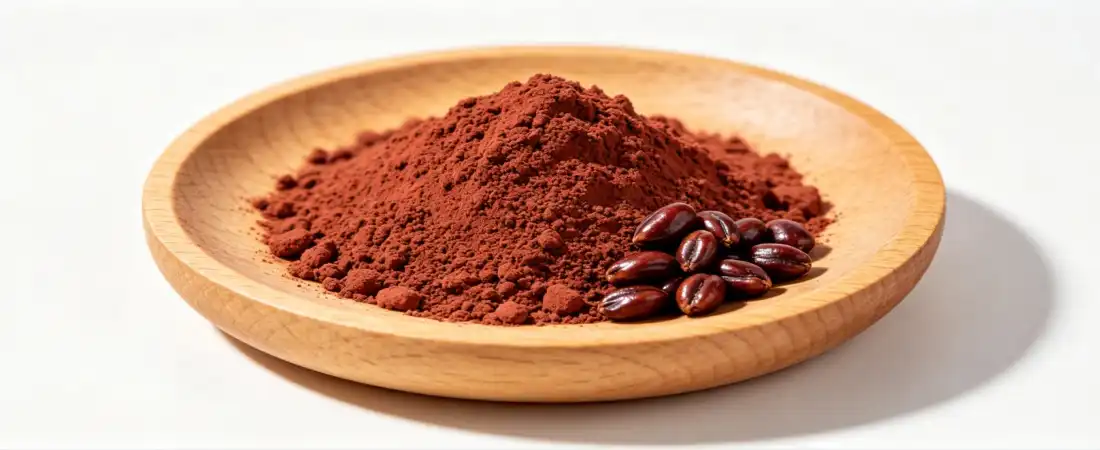
Grape seed extract comes from the seeds of the Vitis vinifera species, the same kind of grapes that are used for table grapes, grape juice, and wine. Grape seeds include several types of polyphenols, such as catechins, epicatechins, and procyanidin chemicals. They are also often obtained as a by-product of grape and wine processing, making grape seed extraction significant to the use of agricultural by-products.
The production method usually comprises collection and preparation of the seeds, extraction of the required polyphenolic chemicals, concentration of the extract and drying to a powder. The final composition is affected by several aspects such as grape type, raw material condition, extraction procedure and standardisation technique.
This is relevant to customers since two goods with the label “grape seed extract” may not have the same concentration of OPC. A standardized grape seed extract 95 opc provides a much clearer specification for formulation and incoming quality control than an extract identified only by its botanical source.
The Science Behind OPC and Its Antioxidant Power
OPCs, commonly known in scientific literature as proanthocyanidins or procyanidins, are polyphenolic substances derived from the flavan-3-ol units catechin and epicatechin. These chemicals are found in very high amounts in grape seeds; this is one reason why grape seed extracts have been of great interest in polyphenol research.
Laboratory studies have evaluated the free-radical-scavenging and oxidative-stress-related properties of grape seed proanthocyanidins. However, antioxidant activity assessed in a chemical or cell based system should not be immediately translated as a demonstrated therapeutic impact in people.
Standardisation is more of a practical point for the ingredient makers. High-OPC extracts provide formulators a standard active marker that can be monitored by analytical testing. This means that grape seed extract 95 opc is suitable for goods where consistent botanical requirements are required.
Standardization to 95 Percent Purity
The phrase “95%” is meant to denote an OPC standardisation level and not a claim that the extract as a whole is 95% pure in any analytic sense. NT Biotech now markets its grape seed extract as an OPC 95% product extracted from Vitis vinifera seeds with HPLC/UV testing stated for the product. The current product description likewise puts the polyphenols as 90%.
This difference important to B2B buyers. Rather than just presenting an extract as “high purity”, a provider should be able to specify the active marker, test technique, specification and pertinent quality criteria.
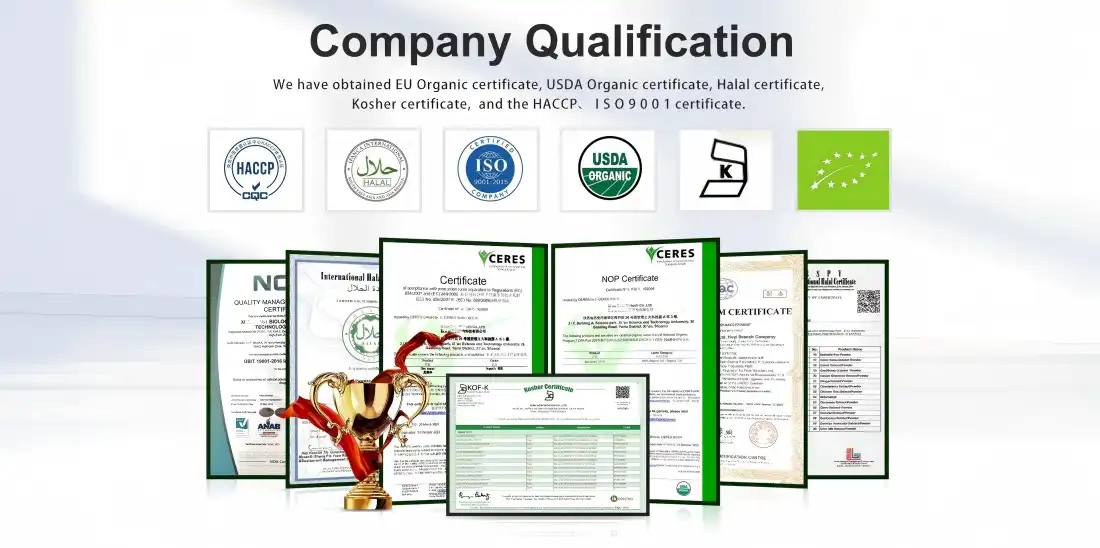
Today, NT Biotech’s product information includes ISO 9001, KOSHER, HALAL certifications, 25 kg/drum packaging, free samples and ready-stock availability. This gives a realistic starting point for customers to evaluate the ingredient before talking about bigger purchases or customised needs.
For formulators comparing grape seed extract 95 OPC with other botanical actives, the 95% OPC marker is the only number that should dictate a side-by-side comparison. Because OPC concentration, not total extract weight, affects batch-to-batch functioning, a recorded 95 OPC result allows a quality team to define one acceptance threshold instead of re-negotiating standards for every shipment.
Table 1. Grape Seed Extract 95 OPC Compared With Common Botanical Antioxidant Ingredients
| Ingredient | Main Standardization or Marker | Typical B2B Value | Common Product Formats |
|---|---|---|---|
| Grape Seed Extract 95% OPC | OPC ≥95% | Defined proanthocyanidin specification for formulation and QC | Capsules, tablets, powders, functional formulations |
| Green Tea Extract | Catechins/EGCG | Polyphenol-rich botanical with defined catechin markers | Capsules, tablets, beverages |
| Pine Bark Extract | Proanthocyanidins | Another botanical source of proanthocyanidins | Capsules, tablets, blends |
| Vitamin C | Ascorbic acid | Well-defined single nutrient ingredient | Tablets, powders, beverages |
| Vitamin E | Tocopherols/tocotrienols | Lipid-soluble antioxidant nutrient | Softgels, capsules, functional blends |
Why NT Biotech Is a Trusted Grape Seed Extract 95 OPC Supplier
Verified Quality, Certifications, and Lab Documentation
A specification for a botanical ingredient is only meaningful if the provider is able to back it with the relevant analytical and quality documentation. The present grape seed extract listing from NT Biotech shows Vitis vinifera seed as the botanical source, and OPC 95% as the primary specification. UV is also the assay technique indicated in the product description, which also indicates ISO 9001, KOSHER and HALAL certifications.
For purchasers sourcing grape seed extract 95 OPC, it is recommended to verify the current Certificate of Analysis along with the product specification before making a bulk order. Depending on the application and market customers may additionally ask for data on heavy metals, microbiological characteristics, moisture, pesticides and other quality criteria.
This is more valuable than a generic assertion of “high purity” since it enables the purchaser’s quality team to check the actual material against its internal criteria.
Proprietary Extraction Technology and Rapid, Reliable Delivery
Composition of a botanical extract is affected by extraction efficiency and standardisation. Production procedure should isolate and concentrate the desired polyphenolic fraction and keep adequate physical and chemical qualities for the intended use.
The product description from NT Biotech lists the substance as OPC 95% grape seed extract and offers analytical characteristics for the product . The current product listing also shows there is ready stock and fast despatch. In the detailed product page it is said that it will be delivered within 2-4 days following payment. Buyers are advised to validate the lead time before placing a request for estimate since the actual delivery time may be affected by order specifics, destination and shipping method.
The combination of a well defined 95 OPC grade with available stock eliminates a frequent bottleneck during new-product introductions when lead time concerns. NT Biotech’s OPC 95% grape seed extract is ready-stock, with despatch within 2–4 days following payment, so procurement teams can schedule pilot batches around a consistent supply rather than waiting for made-to-order extraction.
Flexible Logistics and OEM/ODM Customization
Ingredient sourcing does not stop with the active standard. Packaging, minimum order quantities, delivery methods and customisation needs may all effect the right supplier for a business project.
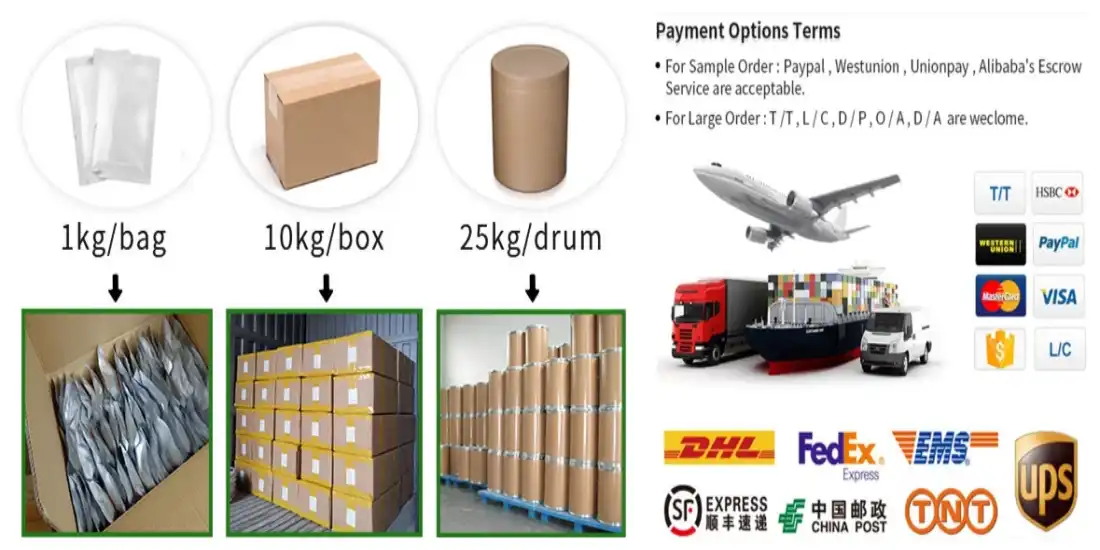
Currently, NT Biotech has 25 kg/drum packaging. The company also says the packaging may be tailored depending on client needs. You may choose between courier, air or ocean shipment in the product listing and it gives you the choice of a free sample.
Buyers may discuss the intended use, target specification, packaging requirements and order volume with businesses manufacturing supplement, functional food, beverage or cosmetic items prior to establishing the final supply agreement. For technical or private-label projects the customisation should be based on the unique product and intended market, not presumed to be the same for every purchase.
How to Choose a Reliable Grape Seed Extract 95 OPC Supplier
Verify Purity Claims With Independent Testing
The first step is to get away from the product name. Ask exactly what the “ 95% ” standard is measuring and what analytical technique is being utilised.
A reputable provider has to be able to deliver a current specification and required batch documentation with the OPC result. Depending on the approved testing technique of the provider, HPLC or UV procedures are utilised. Buyers should also verify that the testing methodology utilised by the provider complies with their own quality-control needs.
For grape seed extract 95 opc, the difference between OPC standardisation and total product purity is very essential. The detailed specification also facilitates the buying and QC folks to compare materials on a “apples to apples” basis.
What makes a “95 OPC” badge a useful purchase standard is independent verification. Ask the supplier for a recent COA showing the OPC 95% result using their specified technique (UV or HPLC) prior to a bulk purchase and compare that number with your incoming-QC limit. The best method to minimise specification drift across laboratories is to treat the 95 OPC claim as a figure to be tested, not a marketing slogan.
Assess Production Capacity and Logistics Responsiveness
A suitable ingredient supplier needs to provide more than a strong assay result. Buyers should consider raw-material sourcing, production consistency, packaging, stock status, MOQ, and delivery arrangements.
Questions worth asking include:
- What is the current OPC specification?
- Which plant part is used?
- What is the test method?
- Is a recent COA available?
- What is the standard packaging and MOQ?
- Is the material in stock?
- Which shipping methods are available?
- Can the supplier discuss customized specifications or packaging?
NT Biotech currently lists grape seed extract 95 OPC with Vitis vinifera seed as the source, 25 kg/drum packaging, free samples, ready-stock availability, and delivery information on its product page.
These details give buyers a useful framework for comparing suppliers without relying solely on marketing claims.
Consider Long-Term Partnership and Customization Support
Open communication on specifications, paperwork, packaging and manufacturing needs from the ingredient supplier makes it simpler to maintain a long-term partnership.
Especially for organisations who use grape seed extract 95 opc in several product lines, the consistency from batch to batch becomes even more critical. The buying team should determine the needed OPC level and other quality metrics at the outset of the partnership, and check how modifications will be conveyed.
Customisation may also be advantageous if the end product has special needs such as particle-size, packaging, formulation or market. Before commercial production, purchasers should not assume that each supplier can provide the same service and should establish exactly what customisation is possible.
Table 2. Typical Product Specification Overview
| Specification | Current Product Information |
|---|---|
| Botanical Source | Vitis vinifera seed |
| Active Marker | OPC |
| OPC Specification | 95% |
| Test Method | UV; HPLC/UV listed on product information |
| Appearance | Brownish red powder |
| Packaging | 25 kg/drum or customized packaging |
| MOQ | 25 kg |
| Certifications | ISO 9001, KOSHER, HALAL |
| Sample | Free sample available |
| Stock | Ready stock listed |
| Transportation | Courier, air, ocean |
Conclusion
Grape seed extract 95 OPC should be seen as a standardised grape seed ingredient with a determined proanthocyanidin specification, not as a “powerful antioxidant”. Research has shown that grape seeds are rich in polyphenols and studied the antioxidant and other biological properties of grape seed proanthocyanidins however the quality of the evidence depends on the application and research model.
For the B2B customer, the most practical issues include whether the extract has a clear active specification, adequate analytical documentation, consistent sourcing and packaging and logistics that meet the project. NT Biotech currently lists grape seed extract 95 opc from Vitis vinifera seeds with an OPC 95% specification, relevant certifications, 25 kg packaging, sample availability, and ready-stock information.
FAQ
Q1: What is grape seed extract 95 OPC?
A1: The standardised grape seed extract is 95% OPC and the grape seed is from Vitis vinifera The 95% refers to the specific OPC content, not the purity of the extract.
Q2: How is grape seed extract 95 OPC different from regular grape seed extract?
A2: Grape seed extracts are often variable in proanthocyanidin concentrations depending on the source material and extraction method. The 95% OPC standard gives a specified active marker to work with for formulation and QC.
Q3: What industries use grape seed extract 95 OPC?
A3: Grape seed extracts are employed in nutritional supplements and are also being studied in functional foods, beverages and cosmetics. The allowable usage and correct specification depends on the market and the final product.
Q4: How quickly can NT Biotech ship grape seed extract 95 OPC?
A4: According to product information from NT Biotech, the ingredient is in ready stock and will be sent within 2-4 days following receipt of payment. real lead time depends on order amount, location, delivery method and Buyers are advised to check real lead time.
Q5: Does NT Biotech provide OEM or private-label support for this ingredient?
A5: NT Biotech's product data states that they provide customised packaging and manufacturing. For a given OEM or private label project, purchasers should immediately check with the manufacturer the possible customisation scope, formulation requirements and target-market documents.
Partner With NT Biotech for Premium Grape Seed Extract 95 OPC
If you are sourcing grape seed extract 95 OPC for a supplement, functional food, beverage, or cosmetic project, NT Biotech can provide product specifications and sourcing information for evaluation. Buyers can request a sample, review the available quality documentation, and discuss packaging, MOQ, shipping, and project-specific requirements before moving to a bulk order.
For product specifications, samples, or sourcing discussions, contact NT Biotech at info@newthingsbiotech.com. A clear discussion of your target OPC specification, application, order volume, and documentation requirements can help both sides determine whether the ingredient is a suitable fit for your project.
References
1. Bagchi, D., Bagchi, M., Stohs, S. J., Das, D. K., Ray, S. D., Kuszynski, C. A., Joshi, S. S., & Pruess, H. G. (2000). Free radicals and grape seed proanthocyanidin extract: importance in human health and disease prevention. Toxicology, 148(2–3), 187–197.
2. Nassiri-Asl, M., & Hosseinzadeh, H. (2009). Review of the pharmacological effects of Vitis vinifera (Grape) and its bioactive compounds. Phytotherapy Research, 23(9), 1197–1204.
3. Fine, A. M. (2000). Oligomeric proanthocyanidin complexes: history, structure, and phytopharmaceutical applications. Alternative Medicine Review, 5(2), 144–151.
4. Shi, J., Yu, J., Pohorly, J. E., & Kakuda, Y. (2003). Polyphenolics in grape seeds—biochemistry and functionality. Journal of Medicinal Food, 6(4), 291–299.
5. Hasbal-Celikok, G., Kara, M., Sánchez, M., et al. (2024). In vitro mechanistic studies of a standardized sustainable grape seed extract for potential application as a mood-modulating and cognition-enhancing supplement. Nutrients, 16(20), 3459.
6. EFSA Panel on Food Additives and Nutrient Sources Added to Food (ANS). (2011). Scientific opinion on the safety of grape seed extract as a food additive. EFSA Journal, 9(2), 1970.