- English
- French
- German
- Portuguese
- Spanish
- Russian
- Japanese
- Korean
- Arabic
- Greek
- German
- Turkish
- Italian
- Danish
- Romanian
- Indonesian
- Czech
- Afrikaans
- Swedish
- Polish
- Basque
- Catalan
- Esperanto
- Hindi
- Lao
- Albanian
- Amharic
- Armenian
- Azerbaijani
- Belarusian
- Bengali
- Bosnian
- Bulgarian
- Cebuano
- Chichewa
- Corsican
- Croatian
- Dutch
- Estonian
- Filipino
- Finnish
- Frisian
- Galician
- Georgian
- Gujarati
- Haitian
- Hausa
- Hawaiian
- Hebrew
- Hmong
- Hungarian
- Icelandic
- Igbo
- Javanese
- Kannada
- Kazakh
- Khmer
- Kurdish
- Kyrgyz
- Latin
- Latvian
- Lithuanian
- Luxembou..
- Macedonian
- Malagasy
- Malay
- Malayalam
- Maltese
- Maori
- Marathi
- Mongolian
- Burmese
- Nepali
- Norwegian
- Pashto
- Persian
- Punjabi
- Serbian
- Sesotho
- Sinhala
- Slovak
- Slovenian
- Somali
- Samoan
- Scots Gaelic
- Shona
- Sindhi
- Sundanese
- Swahili
- Tajik
- Tamil
- Telugu
- Thai
- Ukrainian
- Urdu
- Uzbek
- Vietnamese
- Welsh
- Xhosa
- Yiddish
- Yoruba
- Zulu
If you asked 10 formulators what grape-derived ingredient they would like to include in their next antioxidant product, you would likely get two answers: resveratrol and grape seed. They are both widely regarded and thoroughly studied yet they respond extremely differently when they face a genuine formula. It’s a question we are asked every week at NT Biotech and frequently the answer in practice is our black grape seed powder. It is high in proanthocyanidins, has consistent batch quality and is simple to incorporate into capsules, beverages and skin care. We treat our seeds at low temperature to safeguard the active ingredients and each batch is accompanied with HPLC/UV data and a Certificate of Analysis. This article compares the two substances side by side so that you can source with confidence. specs or samples, please contact info@newthingsbiotech.com.
The Quick Verdict: How Grape Seed and Resveratrol Really Compare
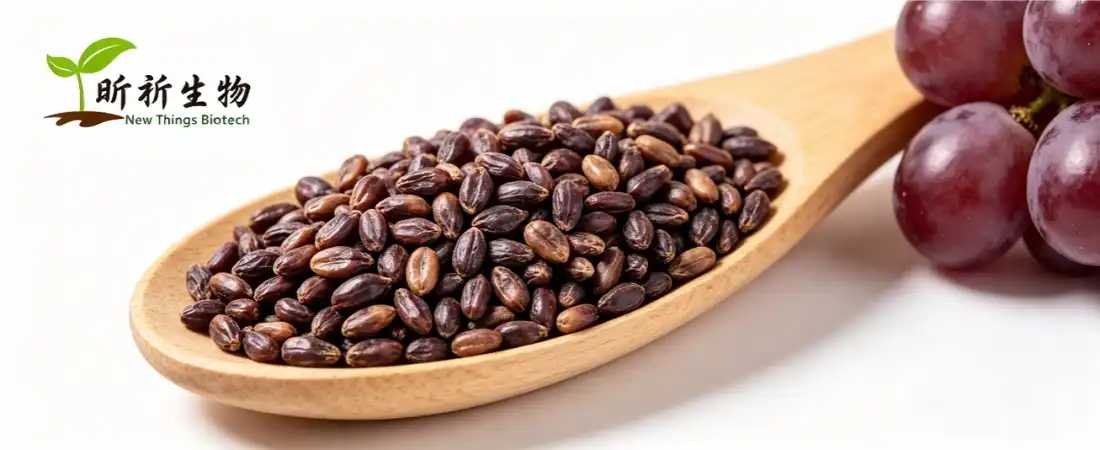
Both substances are derived from the grape but are not interchangeable. Resveratrol is a single stilbene molecule produced in modest quantities by grape skins, hence commercial supply is generally dependent on other plants, such as Japanese knotweed. Grape seed, however, is rich in oligomeric proanthocyanidins, a class of flavan-3-ols that function as a team. Black grape seed powder is a little processed version that preserves the whole-seed character. Pure grape seed proanthocyanidin powder is a concentrated form of the OPC fraction, for standardised dosage. Water-soluble grape seed extract powder dissolves cleanly when clear solutions are desired. Knowing the differences upfront means weeks of trial and error saved.
Two Molecules, Two Personalities
Resveratrol is a tiny single compound polyphenol well praised in longevity studies (Baur & Sinclair, 2006). Grape seed proanthocyanidins are chains of catechin and epicatechin units, renowned for their free radical scavenging ability and natural attraction for proteins such as collagen (Cos et al., 2004). One is a dedicated expert, the other a team player.
Where Each Ingredient Comes From
Grape seeds are a byproduct of winemaking and juice manufacturing, providing purchasers with enough raw material and an attractive upcycling narrative. Shi and colleagues characterise them as a rich source of polyphenolics . Resveratrol supply is tighter and comes from certain plants and extraction processes thus provenance certificates need thorough scrutiny.
A Side-by-Side Snapshot
The major variations are summarised in Table 1 based on the usual grape seed extract 95% OPC parameters and available literature.
Table 1. Grape Seed Extract vs. Resveratrol at a Glance
| Feature | Grape Seed Extract (95% OPC) | Resveratrol |
|---|---|---|
| Compound class | Oligomeric proanthocyanidins | Stilbene polyphenol |
| Main source | Vitis vinifera L. seeds | Knotweed, grape skin |
| Typical standard | ≥95% OPC (UV) | Commonly up to 98% trans-resveratrol (HPLC) |
| Appearance | Reddish-brown powder | Off-white to pale yellow powder |
| Water solubility | Water-soluble grades available | Low |
Formulation Reality Check: Solubility, Stability, and Absorption
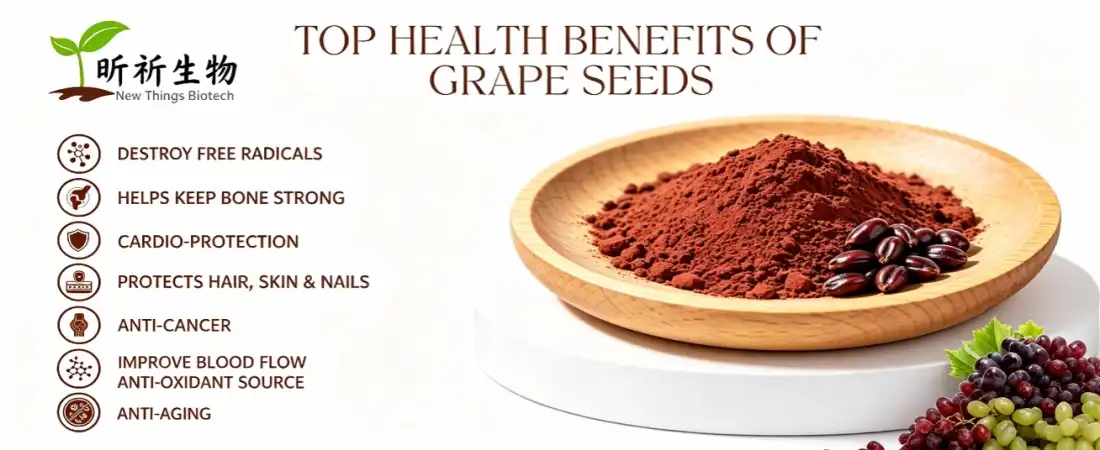
What seems great on paper doesn’t always work in a real formula, so pay attention to solubility, stability and absorption before you make your purchase. Resveratrol is poorly soluble in water and is metabolised rapidly after consumption, which commonly leads developers to use carrier or encapsulation technologies. Grape seed is more flexible. Black grape seed powder combines well with dry mixes and snack forms, pure grape seed proanthocyanidin powder provides R&D teams a perfectly standardised OPC source, and water-soluble grape seed extract powder will dissolve into liquids without cloudiness or sediment. Choosing the correct format from the beginning keeps costs, schedules and user experience tightly controlled.
Clear Drinks, Shots, and Effervescents
Ready-to-drink items live or die on looks. Water-soluble grape seed extract powder disperses into homogeneous deep red-brown liquid which is stable throughout shelf life. That makes it a good choice for wellness shots, sachets, and effervescent pills, where insoluble powders would leave residue.
Protecting Potency From Light, Air, and Heat
Polyphenols are inherently delicate. Proanthocyanidins and trans-resveratrol may both break down when exposed to bright light, oxygen, and high heat, therefore savvy formulators prefer to use opaque packaging, nitrogen flushing, and gentle processing. These precautions are best served by a well-standardized powder with low moisture content.
Absorption Talking Points
Walle and colleagues discovered oral resveratrol to be effectively absorbed but to circulate at extremely low free levels due to fast metabolism. With proanthocyanidins, the scenario is different: smaller oligomers are absorbed, bigger ones are active in the gut and with microbial metabolites (reviewed by Rasmussen et al.).
Choosing a Format, With Help From Our Lab
Table 2 shows how the three grape seed formats typically fit different projects. Still unsure which suits your matrix? Send your dosage form, serving size, and target market to info@newthingsbiotech.com, and our technical team will recommend a grade, share specifications, and arrange samples so you can test before you commit.
Table 2. Grape Seed Ingredient Format Guide
| Format | Best Suited For | Typical Level |
|---|---|---|
| Black grape seed powder | Dry blends, bars, teas, pet supplements | 50–200 mg per serving |
| Pure grape seed proanthocyanidin powder (≥95% OPC) | Capsules, tablets, gummies | 50–300 mg per day |
| Water-soluble grape seed extract powder | Shots, sachets, effervescents, serums | 50–150 mg per serving; 0.2–2.0% topical |
Matching the Ingredient to Your Product Concept
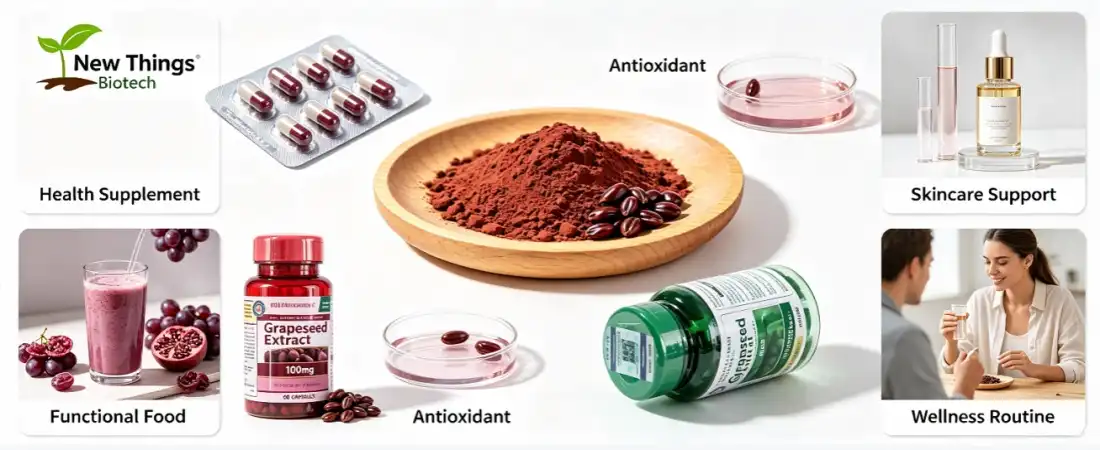
Instead of asking which ingredient is superior, ask what promise your product has to make. Resveratrol has a good match with lifespan and metabolic health themes, whereas grape seed proanthocyanidins have a more general message of antioxidant defence, vascular comfort and skin resilience. “Black grape seed powder can help with clean-label, whole-seed positioning, while pure grape seed proanthocyanidin powder offers precise potency for premium supplements and water soluble grape seed extract powder opens doors to beverages and cosmetics.” Nassiri-Asl and Hosseinzadeh studied the pharmacological effects of the ingredients of Vitis vinifera and reported a broad variety of activities that provide marketers with several viable angles to investigate.
Heart and Circulation Formulas
Reviews of dietary proanthocyanidins address their potential for cardiovascular protection, which matches capsules and tablets for the blood circulation. A standardised 95% OPC ingredient allows businesses to express a defined daily dose, while whole-seed powder may promote milder, food-style heart health mixes.
Beauty From Within and Skincare
Proanthocyanidins attach easily to collagen and elastin and help protect them from oxidative and enzymatic damage. The method is compatible both with nutricosmetic capsules and with topical serums. Consumers want lightweight, clear textures, which cosmetic chemists may now develop with the help of water-soluble grades.
Smart Pairings for Healthy Aging Blends
You don't have to select just one. Some products blend grape seed OPCs with resveratrol, putting together a multi-compound antioxidant network with a single-molecule lifespan narrative. The two may be positioned as complimentary since the chemistry is different and ratios are set to meet budget and label requirements.
Sourcing Checklist: Choosing a Grape Seed Partner You Can Trust
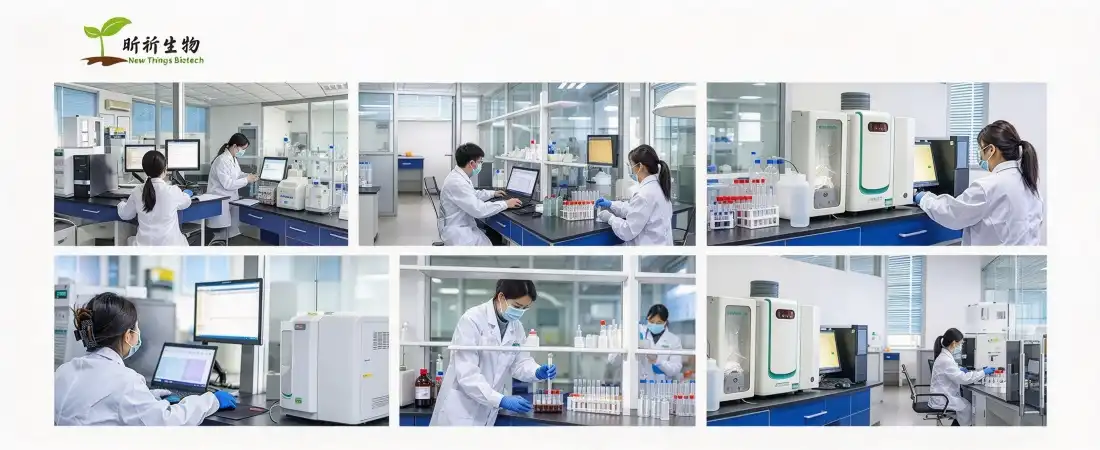
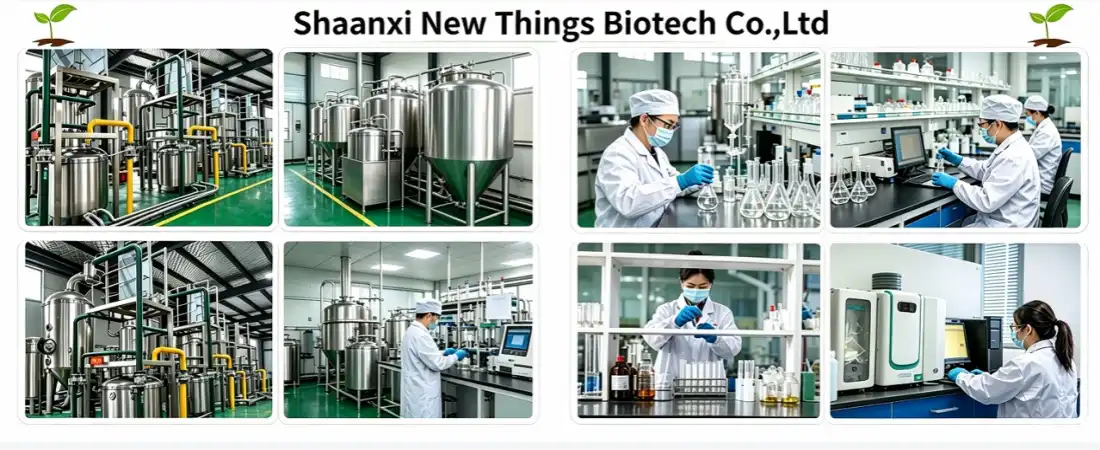
Even the greatest ingredient is nothing if the supply behind it is erratic. A reliable black grape seed powder provider will provide guarantyd purity, batch level paperwork and logistics to secure your launch schedule and your good name. NT Biotech is a branch of Shaanxi New Things Biotech. We integrate autonomous planting, advanced R&D and intelligent production into a single value chain. So our black grape seed powder, pure grape seed proanthocyanidin powder and water-soluble grape seed extract powder are of the same standards from plant source to finished product. At every stage, ask for evidence, not promises, and follow the criteria below to assess any partner, including us.
Purity and Paperwork
Our patented procedure results in >98% purity on major standardised items. Every batch is sent with HPLC/UV data and with a Certificate of Analysis. ISO9001, KOSHER and HALAL certifications: open doors in varied markets. Table 3 shows the usual properties of grape seed extract 95% OPC.
Table 3. Typical Quality Parameters for Grape Seed Extract 95% OPC
| Parameter | Typical Specification |
|---|---|
| Total OPC | ≥95% (UV) |
| Loss on drying | ≤5.0% |
| Heavy metals | ≤10 ppm (ICP-MS) |
| Total plate count | ≤1,000 CFU/g |
| Documentation | CoA and HPLC/UV data per batch |
Speed and Logistics
We answer all questions within 2 hours. Popular standardised extracts are sent from stock within 1-3 working days and manufacturing orders usually 3-10 working days. We send samples and small orders using our own FedEx and UPS accounts and use trustworthy freight forwarders for big deliveries by air or sea.
OEM Flexibility and Buyer-Friendly Payment
Each market has its own norms and preferences, thus we provide OEM/ODM solutions customised to your target nation and clients with technical help for formulation and paperwork concerns. To make buying easy we offer payment in your native currency.
Conclusion
Grape seed powder and resveratrol are not rivals so much as different tools. Resveratrol offers a focused single-molecule story, while grape seed delivers a rich proanthocyanidin network, flexible formats, and a strong upcycling narrative. Black grape seed powder, pure grape seed proanthocyanidin powder, and water-soluble grape seed extract powder let you match chemistry to concept, from capsules to clear drinks and skincare. Success still depends on the partner behind the raw material. Shaanxi New Things Biotech is a trustworthy plant derivatives supplier with autonomous planting, advanced R&D, ISO9001, KOSHER, and HALAL certifications, rapid delivery, and flexible OEM solutions. Contact us today and build your next product naturally and reliably.
FAQ
1. What is the main difference between grape seed extract and resveratrol?
Grape seed extract is rich in oligomeric proanthocyanidins, while resveratrol is a single stilbene compound with a different chemistry and origin.
2. When should I choose water-soluble grape seed extract powder?
Choose it for shots, sachets, effervescent tablets, and serums where clarity and quick dissolving matter.
3. What is pure grape seed proanthocyanidin powder best used for?
It suits capsules, tablets, and gummies that need precise, standardized OPC dosing.
4. How quickly can NT Biotech ship black grape seed powder?
We reply within two hours, ship stocked items in 1–3 working days, and complete production orders in 3–10 working days.
5. Do you offer OEM support and quality documents?
Yes. We provide OEM/ODM solutions, a Certificate of Analysis with every batch, and payment in your local currency.
Source Smarter With NT Biotech: Request Your Grape Seed Quote Today!
Choosing between grape seed and resveratrol is easier when your supplier understands both formulation and supply. NT Biotech offers black grape seed powder for clean-label products, pure grape seed proanthocyanidin powder for premium capsules, and water-soluble grape seed extract powder for drinks and skincare. Each is made with proprietary extraction and documented by HPLC/UV data and a Certificate of Analysis. Enjoy replies within two hours, stock shipments in 1–3 working days, flexible OEM solutions, and payment in your local currency. Share your target format, dosage, and market with us at info@newthingsbiotech.com today, and let our team turn your next grape-based idea into a reliable, market-ready product.
References
1. Baur, J. A., & Sinclair, D. A. (2006). Therapeutic potential of resveratrol: The in vivo evidence. Nature Reviews Drug Discovery, 5(6), 493–506.
2. Walle, T., Hsieh, F., DeLegge, M. H., Oatis, J. E., Jr., & Walle, U. K. (2004). High absorption but very low bioavailability of oral resveratrol in humans. Drug Metabolism and Disposition, 32(12), 1377–1382.
3. Shi, J., Yu, J., Pohorly, J. E., & Kakuda, Y. (2003). Polyphenolics in grape seeds—biochemistry and functionality. Journal of Medicinal Food, 6(4), 291–299.
4. Cos, P., De Bruyne, T., Hermans, N., Apers, S., Berghe, D. V., & Vlietinck, A. J. (2004). Proanthocyanidins in health care: Current and new trends. Current Medicinal Chemistry, 11(10), 1345–1359.
5. Rasmussen, S. E., Frederiksen, H., Struntze Krogholm, K., & Poulsen, L. (2005). Dietary proanthocyanidins: Occurrence, dietary intake, bioavailability, and protection against cardiovascular disease. Molecular Nutrition & Food Research, 49(2), 159–174.
6. Nassiri-Asl, M., & Hosseinzadeh, H. (2016). Review of the pharmacological effects of Vitis vinifera (grape) and its bioactive constituents: An update. Phytotherapy Research, 30(9), 1392–1403.