- English
- French
- German
- Portuguese
- Spanish
- Russian
- Japanese
- Korean
- Arabic
- Greek
- German
- Turkish
- Italian
- Danish
- Romanian
- Indonesian
- Czech
- Afrikaans
- Swedish
- Polish
- Basque
- Catalan
- Esperanto
- Hindi
- Lao
- Albanian
- Amharic
- Armenian
- Azerbaijani
- Belarusian
- Bengali
- Bosnian
- Bulgarian
- Cebuano
- Chichewa
- Corsican
- Croatian
- Dutch
- Estonian
- Filipino
- Finnish
- Frisian
- Galician
- Georgian
- Gujarati
- Haitian
- Hausa
- Hawaiian
- Hebrew
- Hmong
- Hungarian
- Icelandic
- Igbo
- Javanese
- Kannada
- Kazakh
- Khmer
- Kurdish
- Kyrgyz
- Latin
- Latvian
- Lithuanian
- Luxembou..
- Macedonian
- Malagasy
- Malay
- Malayalam
- Maltese
- Maori
- Marathi
- Mongolian
- Burmese
- Nepali
- Norwegian
- Pashto
- Persian
- Punjabi
- Serbian
- Sesotho
- Sinhala
- Slovak
- Slovenian
- Somali
- Samoan
- Scots Gaelic
- Shona
- Sindhi
- Sundanese
- Swahili
- Tajik
- Tamil
- Telugu
- Thai
- Ukrainian
- Urdu
- Uzbek
- Vietnamese
- Welsh
- Xhosa
- Yiddish
- Yoruba
- Zulu
Hyaluronic acid powder bulk is frequently used as the primary ingredient in recipes that aim to moisturize, fight aging, and fix skin when beauty brands want to expand their product offerings. Firms can change the dosage amounts, mix it with active ingredients that work well together, and keep prices low while still getting results that have been shown in clinical trials. You can use high-purity sodium hyaluronate in more serums, creams, masks, and beauty products if you can find it as a powder. This is in response to the growing need among customers for effective goods that keep skin and mouth wet.

Understanding Bulk Hyaluronic Acid Powder: Properties and Benefits
What Makes Bulk Powder Different from Other Forms?
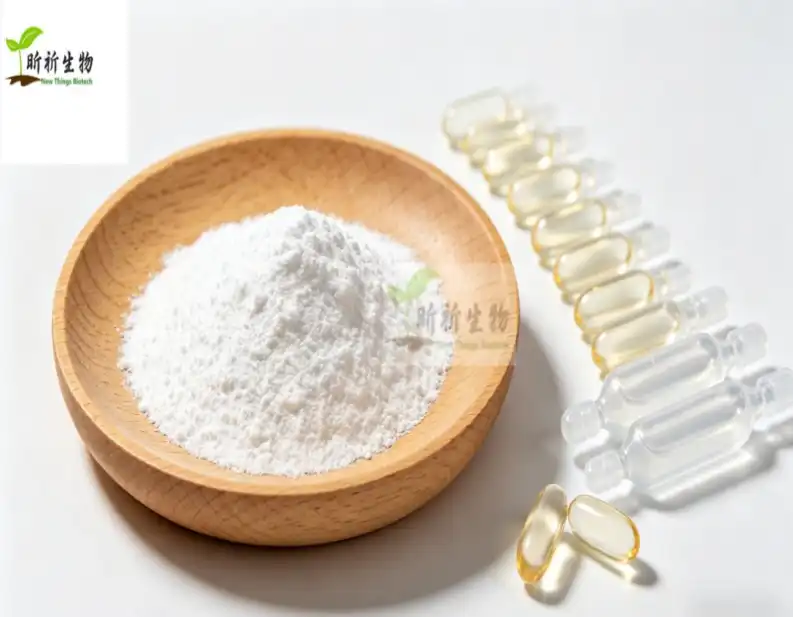
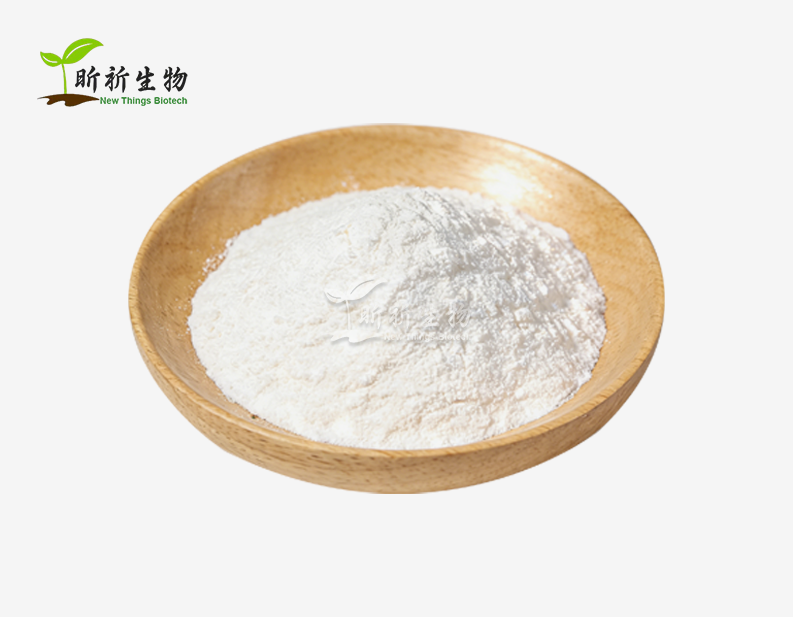
Hyaluronic acid appears as liquid concentrates, pre-made serums, capsules, and injectable solutions. The powder form works best for beauty brand development teams. Sodium hyaluronate is hyaluronic acid in salt form. One gram holds 1,000 times its weight in water. Molecular weight ranges affect performance: low (10,000-100,000 Da) aids collagen synthesis; high (>1,000,000 Da) forms protective films; medium (100,000-1,000,000 Da) balances penetration and surface hydration.
Core Benefits Driving Market Demand
Hyaluronic acid's primary benefit is skin hydration, restoring moisture balance to make dry, stressed skin appear plumper and softer. It significantly reduces transepidermal water loss whether ingested or applied topically. Anti-aging benefits are equally strong: maintaining skin hydration makes fine lines and wrinkles less noticeable. Over time, it improves skin strength and elasticity by enhancing natural repair systems. Sodium hyaluronate also supports barrier function and intercellular communication.
Storage Stability and Formulation Considerations
Powder form offers greater stability than liquid forms, which can develop bacterial contamination and degrade over time. Store powder in sealed containers away from direct sunlight and moisture for extended stability, reducing waste and maintaining batch consistency. Topical solutions use 0.1-2% concentrations depending on desired viscosity and hydration. Products thicken as concentrations increase, potentially requiring emulsifier adjustments. Oral supplements typically contain 80-200 mg hyaluronic acid per serving.

How Beauty Brands Can Incorporate Bulk Hyaluronic Acid into Their Product Lines?
Identifying Consumer Expectations and Market Opportunities
Today's beauty consumers demand transparency, efficacy, and natural sourcing. They read ingredient lists carefully, seek scientific evidence, and prefer brands prioritizing sustainability. Hyaluronic acid meets these requirements as a safe, non-irritating ingredient increasingly produced via microbial fermentation rather than animal extraction, appealing to vegans and clean beauty enthusiasts. Market research confirms hyaluronic acid ranks among the top five most-searched skincare ingredients.
Avoiding Common Formulation Pitfalls
Selecting wrong molecular weight for the application is a common mistake. Using only high molecular weight in a deep-penetration serum may underperform; using only low molecular weight in a surface cream may not plump as desired. Blending multiple weights creates multi-depth hydration. Incorrect dosing is another issue: too low yields minimal results; too high alters texture or leaves tacky film. Stability testing and consumer panels ensure performance and sensory standards.
Best-Practice Checklist for Streamlined Development
First, brands should identify target skin concern and consumer demographic to select appropriate molecular weight and concentration. Formulation teams make test batches verifying dissolution, feel, and ingredient interactions before full production. Stability testing under accelerated conditions identifies degradation or separation issues early. Microbial testing confirms preservative efficacy. Sensory panels assess texture, absorption rate, and after-feel. Documentation throughout development enables quality tracking and regulatory compliance.

Comparing Bulk Hyaluronic Acid to Other Forms: Making the Right Procurement Decision
Evaluating Powder Against Liquid and Pre-Made Solutions
Pre-made liquid solutions offer convenience but limit formulation flexibility and may contain preservatives conflicting with clean beauty positioning. Hyaluronic acid powder bulk provides greater control: brands adjust concentration precisely and blend molecular weights for unique combinations. Pure hyaluronic acid powder bulk requires no additional preservatives, allowing formulators to maintain freshness aligned with brand values. Hyaluronic acid powder bulk also offers superior shelf stability compared to liquid forms, reducing inventory costs and waste.
Cost-Efficiency and Manufacturing Flexibility
Sodium hyaluronate powder generally delivers superior unit economics over time. Powder shipping costs less than pre-dissolved liquids due to higher concentration. Brands achieve significant savings through bulk purchasing without sacrificing quality. Manufacturing flexibility extends beyond cost: powder works across diverse product formats from lightweight serums to rich creams and powder-to-liquid forms. This versatility enables rapid product development, allowing brands to respond quickly to market changes or seasonal demands.
Organic Versus Fermentation-Derived Sources
Historically, hyaluronic acid was extracted from rooster combs, concerning vegans and cruelty-free consumers. Most production now uses microbial fermentation with specific bacterial strains, producing consistent high-purity material free from endotoxins and animal proteins. Fermentation-derived hyaluronic acid supports clean beauty, vegan, and cruelty-free positioning. Procurement teams should request documentation proving fermentation origin and absence of animal products, particularly important for brands with ethical sourcing commitments.
Procurement Best Practices for Bulk Hyaluronic Acid Powder
Establishing Essential Specifications and Standards
Clear quality specifications are essential for procurement success. Quality hyaluronic acid powder should contain at least 95% sodium hyaluronate with low protein, nucleic acid, and heavy metal content. Each batch requires Certificate of Analysis with HPLC or UV results confirming purity and molecular weight distribution. Regulatory requirements vary by market: US brands need FDA-compliant products; the EU requires Ph. Eur. compliance; nutraceutical applications demand food-grade certifications with heavy metal and microbial monitoring.
Evaluating Supplier Reliability and Certification Transparency
Supplier selection should consider reputation, production capacity, and quality control beyond price alone. Companies with ten-plus years experience demonstrate operational maturity and customer commitment. Robust quality control tests both raw materials and finished goods ensuring batch consistency. Supply chain security links directly to production capacity. Suppliers maintaining substantial inventory and scalable manufacturing fill urgent orders without extended lead times. NT Biotech maintains ISO9001, Kosher, and Halal certifications demonstrating quality management.
Logistics and Packaging Innovations
The ingredients need to be carefully packed so that they stay pure while they are being shipped. Hyaluronic acid powder bulk in large amounts is hygroscopic, which means it takes in water from the air very easily. This could make it harder to move and break down faster. Powder from good sources is put in drums with sealed inner cases that are made of multiple layers and can't hold water. And this stops the powder from getting wet while it's being shipped and kept.
There are different order numbers and ways to handle them because of the customization options. Drums that hold 25 kilograms are common packing. They are easy to move and make good use of space. If a brand wants to test their goods or make fewer of them, they can ask for sample amounts or split packages. On the other hand, big manufacturers might be able to get special large bins that can work directly with machines that make things.
Through agreements, you can send things faster and for less money. They can speed up orders through FedEx or UPS when sellers use their own fast shipping accounts. This makes sure that the goods get to you quickly from the companies. On the other hand, freight forwarders handle bigger packages by air or sea. They figure out how to save money on huge orders while still following safety rules that keep things from getting dirty or broken.
Cost Optimization and Negotiation Tactics
When you buy strategically, you cut costs while still making sure quality. Economies of scale work really well for popular ingredients like hyaluronic acid. It costs less per unit when you buy more, so you can get more for your money. Brands that want to make or sell a lot of goods might want to sign supply deals that last for a year. In this way, they can lock in good prices and be sure that their goods will always be available during the term of the deal.
You can save even more if you have more ways to pay. If sellers accept payments in the local currency, there is no need for changes in the exchange rate, and transaction fees are smaller. This has a direct effect on how much people can spend on goods. If you can get longer payment terms or savings based on sales, you can get even better cash flow. This is very helpful for new brands that are having trouble keeping their cash flow up.
When you ask for free samples before you place a big order, you take less risk. Teams that work on formulas can try samples to see how well the substance melts, mixes with other substances, and works in real life. Before getting a lot of it, they can be sure that it meets technical standards this way. Trustworthy sellers, like NT Biotech, give away free samples to show that they are sure of the quality of their goods and to help customers make smart purchases.

Future Trends and Opportunities in Using Bulk Hyaluronic Acid for Beauty Brands
Molecular Weight Customization and Advanced Delivery Systems
New hyaluronic acid formulas are being made faster because customers want better results and different body sensations. It is possible to change the molecular weight, and brands can work with suppliers to make mixes that are best for certain skin problems or product forms. Putting together very small molecules with long strings of molecules creates multi-layered moisture that can both instantly fill out the skin and fix its barrier function over time.
New ways of delivering hyaluronic acid make its benefits even stronger. With encapsulation methods, the ingredient doesn't break down, and the rate of release can be controlled. This keeps the product more stable, even when it is hard to work with, and keeps it moist for longer. Hyaluronic acid can get deeper into the skin with the help of liposomal release. There, it helps make collagen and boosts cell growth. These new features make high-priced lines stand out, which lets them charge more and improves their brand's place in markets that are very competitive.
Strategic Opportunities for OEM and Private Label Manufacturers
OEM and private label partnerships help brands make new products faster while also cutting down on the cost of building up production facilities. Finding suppliers who can do everything along the value chain, from finding raw materials to creating, making, and packing, makes it easier to bring an idea for a product to market. NT Biotech is a good example of this type of business because it offers flexible OEM solutions with separate R&D teams and smart production powers that can change based on what the customer needs.
When you buy hyaluronic acid powder bulk, you can react faster to the market. Brands can quickly make samples of new recipes, test them with customers, and then start making a lot of them. They don't have to wait for small orders or deal with complicated supply chains. This is very helpful in categories that are growing quickly, like clean beauty or ingestible skincare, where being the first to market gets you a lot of attention and makes you the leader in that category.
Evolving Supplier Roles and Collaborative Partnerships
It is no longer just about doing business between brands and ingredient sellers; they are now working together. Forward-thinking providers offer professional help throughout the whole process of making a new product and are happy to share what they know about how to make formulas better, follow rules, and spot market trends. This way of working together lowers the risks of development, speeds up the process of getting a product to market, and sparks new ideas by letting people share what they know.
Having more licensing options shows that the needs of the market are changing. Customers expect brands to do more for the environment and society. When sellers get organic certifications, carbon-neutral labels, or sustainable source verifications, they can meet these higher standards. These credentials help market the brand better and support claims that appeal to smart shoppers and make products stand out in busy stores.
It will no longer be a nice-to-have to have hyaluronic acid that comes from fermentation ways that are good for the earth as the clean beauty and sustainable movements grow. Being able to protect their product lines from changes in laws and customer tastes is easier for brands when they work with approved providers.
Conclusion
Beauty companies that buy hyaluronic acid powder bulk have more control over their recipes, can save money, and can use it in any kind of product, whether it's for the skin or the body. To get high-purity materials that make products work better and make customers happier, procurement teams should learn about changes in molecular weight, stay away from common recipe mistakes, and pick reliable sources with clear quality systems. In order to take advantage of new trends in clean beauty and improved delivery systems, brands should focus on clear licensing, efficient logistics, and relationships with providers that work well together. As the market for hydrating products that work keeps growing, businesses that buy good sodium hyaluronate in bulk will be able to make their products stand out and gain loyal customers.
FAQ
1. What is the minimum order quantity for bulk hyaluronic acid powder?
How much hyaluronic acid powder bulk do I need to buy to get a discount? You need to buy at least 25 kilograms from most companies, like NT Biotech. This is the same amount that is packed in a standard drum. The price at this level is just right for mid-sized brands who want to buy the product while also making sure that operations run easily and costs are kept low. People who want samples or special orders may be able to get smaller amounts, but the price per unit generally goes up when the order size is below the minimum.
2. How should bulk hyaluronic acid powder be stored to maintain stability?
Things that don't let air in should be kept in cool, dry places that aren't in full sunlight. Sodium hyaluronate is hygroscopic, which means it can easily take in water from the air. This can cause it to clump together and break down slowly. To keep the quality of the powder, keep the storage temperature below 25°C and the relative humidity below 60%. This can last up to two years longer if it is properly wrapped.
3. Can hyaluronic acid powder be used in both topical and oral formulations?
There are various uses for each grade. Cosmetic-grade powder is safe to use on the skin in serums, creams, and masks because it is made to be put on the skin. Supplemental powder that is food-grade or nutraceutical-grade goes through extra tests before it can be taken. These tests make sure that the amounts of heavy metals and bacteria don't go over what's allowed in supplements. Procurement teams have to make sure that the grade standards are right for the job in order to follow the rules and keep customers safe.
Partner with NT Biotech for Premium Hyaluronic Acid Powder Bulk Supply
NT Biotech provides excellent value when searching for a reliable hyaluronic acid powder bulk supplier. Our sodium hyaluronate is 99% pure and has been confirmed as ISO 9001, Kosher, and Halal. It gives your goods the quality stability they need. For more than ten years, we've been sending goods to places all over the world. We keep a lot of stock on hand so that we can send as soon as we get payment proof. Everything from picking out the best items to making the best mix is something our team can help you with. They also give you all the paperwork you need, like proof of analysis for each batch. Food-grade and cosmetic-grade hyaluronic acid powder from us works well in many situations, such as making new beauty-from-within products and serums that keep your skin hydrated. Send us an email at info@newthingsbiotech.com to get your free sample and learn how our production know-how can help you get your product made faster and for less money.
References
1. Papakonstantinou, E., Roth, M., & Karakiulakis, G. (2012). Hyaluronic acid: A key molecule in skin aging. Dermato-Endocrinology, 4(3), 253-258.
2. Kawada, C., Yoshida, T., Yoshida, H., et al. (2014). Ingested hyaluronan moisturizes dry skin. Nutrition Journal, 13(1), 70.
3. Stern, R., Asari, A., & Sugahara, K. (2006). Hyaluronan fragments: An information-rich system. European Journal of Cell Biology, 85(8), 699-715.
4. Bukhari, S.N.A., Roswandi, N.L., Waqas, M., et al. (2018). Hyaluronic acid, a promising skin rejuvenating biomedicine: A review of recent updates and pre-clinical studies. International Journal of Biological Macromolecules, 120(Pt B), 1682-1695.
5. Fallacara, A., Baldini, E., Manfredini, S., & Vertuani, S. (2018). Hyaluronic acid in the third millennium. Polymers, 10(7), 701.
6. Gupta, R.C., Lall, R., Srivastava, A., & Sinha, A. (2019). Hyaluronic acid: Molecular mechanisms and therapeutic trajectory. Frontiers in Veterinary Science, 6, 192.