- English
- French
- German
- Portuguese
- Spanish
- Russian
- Japanese
- Korean
- Arabic
- Greek
- German
- Turkish
- Italian
- Danish
- Romanian
- Indonesian
- Czech
- Afrikaans
- Swedish
- Polish
- Basque
- Catalan
- Esperanto
- Hindi
- Lao
- Albanian
- Amharic
- Armenian
- Azerbaijani
- Belarusian
- Bengali
- Bosnian
- Bulgarian
- Cebuano
- Chichewa
- Corsican
- Croatian
- Dutch
- Estonian
- Filipino
- Finnish
- Frisian
- Galician
- Georgian
- Gujarati
- Haitian
- Hausa
- Hawaiian
- Hebrew
- Hmong
- Hungarian
- Icelandic
- Igbo
- Javanese
- Kannada
- Kazakh
- Khmer
- Kurdish
- Kyrgyz
- Latin
- Latvian
- Lithuanian
- Luxembou..
- Macedonian
- Malagasy
- Malay
- Malayalam
- Maltese
- Maori
- Marathi
- Mongolian
- Burmese
- Nepali
- Norwegian
- Pashto
- Persian
- Punjabi
- Serbian
- Sesotho
- Sinhala
- Slovak
- Slovenian
- Somali
- Samoan
- Scots Gaelic
- Shona
- Sindhi
- Sundanese
- Swahili
- Tajik
- Tamil
- Telugu
- Thai
- Ukrainian
- Urdu
- Uzbek
- Vietnamese
- Welsh
- Xhosa
- Yiddish
- Yoruba
- Zulu
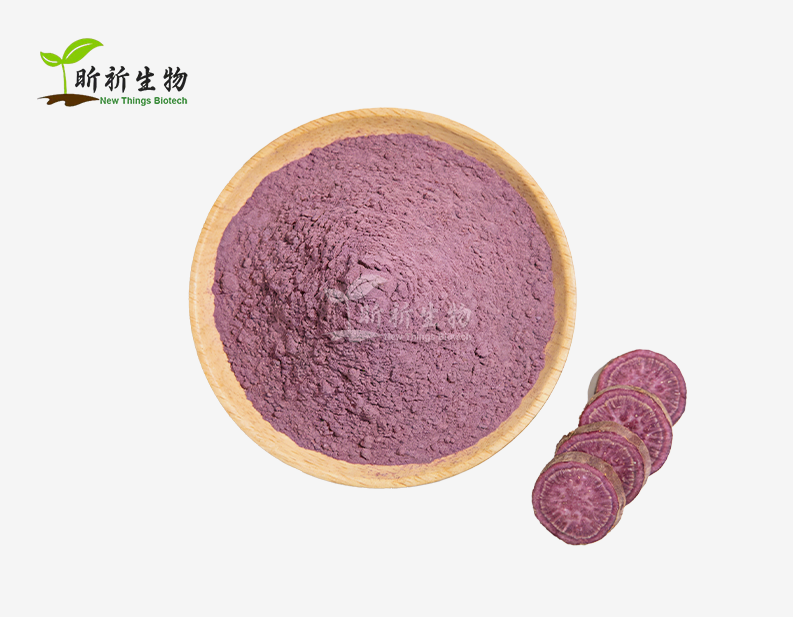
Natural ube powder gives food makers an easy and flexible way to make cakes and pastries that look great and are good for you. The bright purple ingredient comes from the purple yam plant Dioscorea alata L. It can be used in cakes, cookies, pies, ice creams, and frozen treats without any problems. It's great for modern baking recipes because it's mildly sweet, stays the same color, and looks good on a clean label. Procurement professionals like how long it lasts, how potent it is, and how easy it is to add to industrial production lines. This makes it possible to have uniform quality from batch to batch while meeting customer demand for naturally colored treats made from plants.
Understanding Natural Ube Powder and Its Advantages in Baking and Desserts
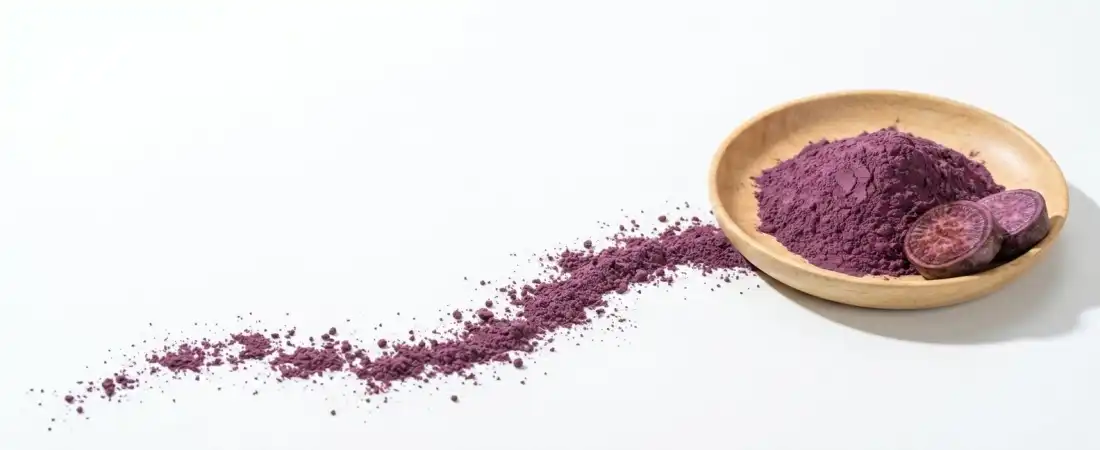
Natural ube powder has become an important ingredient for new food products because it looks good and is good for you. The powder comes from low-temperature grinding of hand-picked purple yams and still has anthocyanins, dietary fiber, resistant starch, and important minerals. With this careful way of production, the lilac color and mild earthy-sweet taste that people associate with real Filipino food are kept.
Why Manufacturers Prefer Powder Over Fresh Ube
Peeling, boiling, and cooking a fresh purple yam are all steps that change the amount of water and color this vegetable has. These problems are taken care of by powder formulas. With particles that are 80 mesh, the ingredient spreads out evenly in mixes and doughs, stopping them from sticking or streaking. The 100% pure criteria makes sure that the results will be the same across production runs, which is very important for names that have high quality standards.
Nutritional Profile Supporting Clean-Label Claims
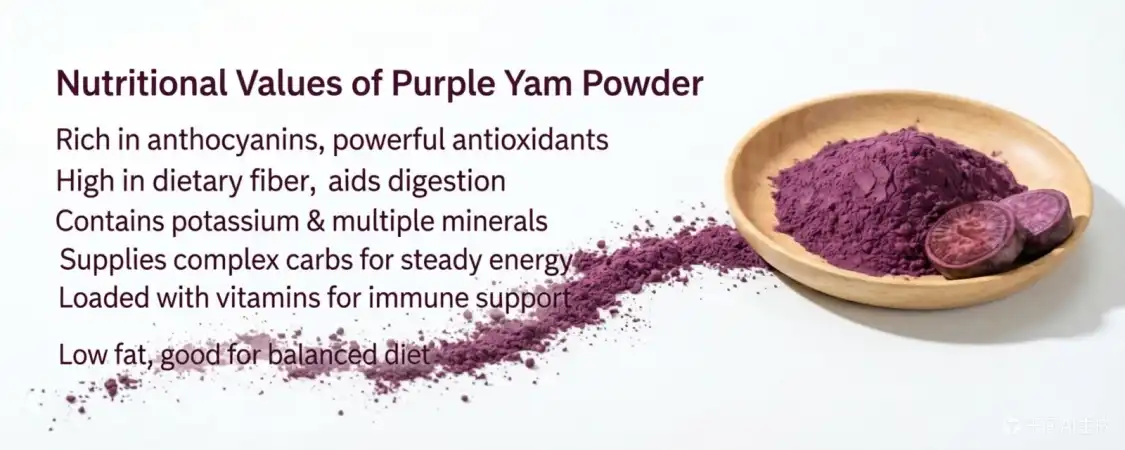
They look closely at ingredient lists because they want to know what's in their food and how it affects their health. Natural ube powder has polysaccharides that help the immune system work, and its resistant starch helps keep blood sugar levels stable after a meal. The deep purple color comes from anthocyanins, which also have antioxidant properties that help brands put their goods in the functional food area. Vitamin C helps make collagen, which makes it appealing to people who care about their looks.
Storage and Shelf Life Considerations
Buyers in bulk need to think about how stable the Natural ube powder ingredients are. The powder stays effective for 24 months if it is kept in vacuum-sealed aluminum foil bags at temperatures below 20°C with little to no light contact. This longer shelf life cuts down on inventory loss and makes shipping goods internationally easier. Certification under ISO 9001, Kosher, and Halal norms makes the product more marketable in a wider range of legal settings.
How to Effectively Use Natural Ube Powder in Dessert and Pastry Applications
To use this plant-based ingredient in commercial recipes, you need to know about dosage amounts and how water moves through the ingredient. Formulations that work well match the powder's natural color strength with the flavors that are wanted while also taking into account how well it absorbs water.
Dosage Guidelines for Optimal Color and Taste
Most baked goods use between 1% and 3% of their total flour weight. Lower amounts (1–1.5%) make lavender tones that are soft and good for delicate desserts like macarons or chiffon cakes. If you use higher ratios (2.5–3%), you'll get saturated purple colors that look great in statement sweets like ube cheesecakes or layered party cakes. Manufacturers should test small batches to find the exact amount that fits with their brand's image and the tastes of their target market.
Managing Moisture in Batters and Doughs
About 1.5 times its weight in liquid can be absorbed by natural ube powder. When formulators use powder at higher inclusion rates, they have to change base recipes by lowering the amount of flour by 10 to 15 percent. Even spread is guaranteed by adding the powder to the dry ingredients before adding the wet ones. Adding a little warm milk to the powder before using it in a high-moisture recipe, like ice cream or custard, makes a smooth mix that stops the powder from being grainy.
Recipe Adaptations for Industrial Production
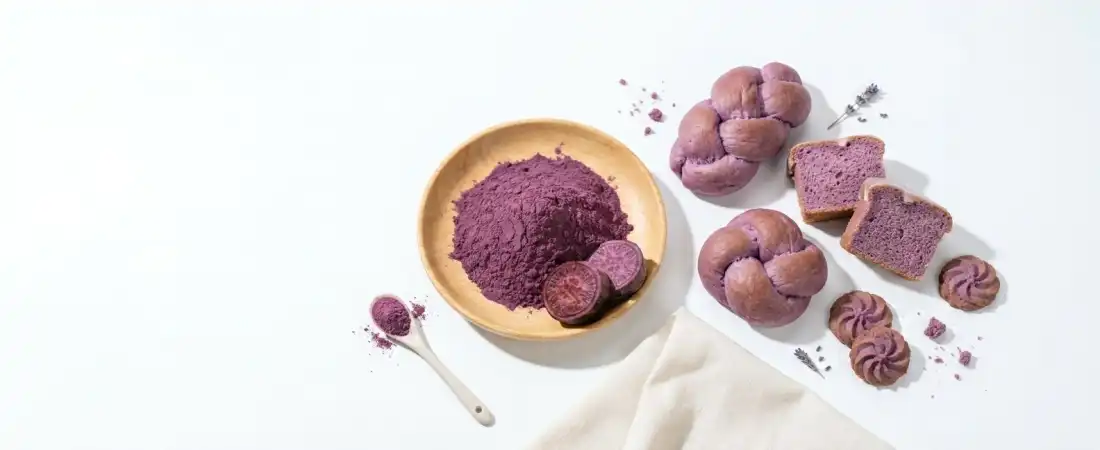
When commercial bakers make ube brownies, they mix the powder with cocoa powder to give the brownies more depth while still keeping their good looks. To make cookies that taste like Filipino halo-halo, cookie makers mix it with vanilla extract and coconut milk powder. It is added to sweetened doughs for brioche-style buns by breadmakers, who pair it with cream cheese toppings. For each use, leavening agents need to be adjusted. For example, because the powder is acidic, a small increase in baking soda may be needed to get the right rise.
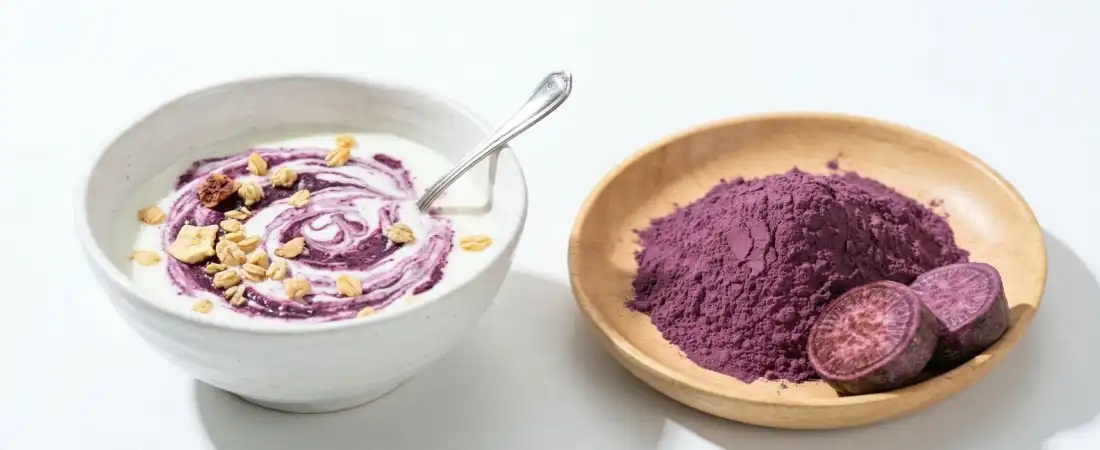
Frozen dessert manufacturers say that mixing the powder straight into custard bases before stirring works very well. The color stays the same through freeze-thaw cycles because the anthocyanins don't change when the food is pasteurized at 82°C. Because it is so strong, purple yam extract is great for making cream and ice that will be sold in stores.
Comparing Natural Ube Powder with Other Ube Products for Procurement Decisions
When sourcing teams look at different food choices, they need to think about more than just the unit cost. Whether you choose powder, frozen mush, or flavor extracts affects how quickly you can make the product, how you store it, and where you put it on the market.
Cost-Benefit Analysis Across Formats
Frozen ube mush has a real feel, but it needs to be kept cold all the time. A 10 kg case takes up a lot of space in the freezer and causes variations in how fast things thaw. Natural ube powder packs the same amount of fresh yams as 40 kg into a 10 kg package that can be shipped at room temperature. With a volume drop of 4:1, shipping costs will go down, and storage will be easier. Powder costs more per kilogram, but when you add up the cost of handling and waste, the total cost when it arrives at your destination is often less than what you paid for it.
Organic Certification and Market Positioning
The price of organic purple yam powder is higher, but it gives you access to specialty store outlets. Organic approval is worth the 25–35% price hike for brands that want to work with health food shops, meal delivery services, or high-end cafes. Non-organic grades also meet food safety standards and work well in regular bakeries where cutting costs is key to making money. Professionals in procurement should make sure that the amount of certification they offer matches the target audience and their marketing plans.
Allergen Profiles and Regulatory Compliance
Pure powder doesn't have any toxins other than the yam itself, unlike extracts that have been mixed with alcohol. This means it can be used in places that make goods without tree nuts or gluten. With Halal and Kosher approvals, you can reach more people in the Jewish and Middle Eastern groups. Third parties check NT Biotech's licenses every year, which is proof that they meet the rules for importing in North America, Europe, and the Asia-Pacific region.
Procurement Strategies for Natural Ube Powder in Bulk and Wholesale Markets
Setting up reliable supply lines requires careful consideration when choosing suppliers and drafting contracts. As the item becomes more famous, more sellers have come on the scene, which makes quality control very important.
Supplier Vetting Protocols
Certificates of Analysis from reputable makers show that the product has been tested for heavy metals (Lead <1ppm, Arsenic <0.5ppm), bacteria content (Total Plate Count <10,000 cfu/g), and anthocyanin content using HPLC. Buyers should ask for samples from more than one production lot to check for regularity in color and particle size. Suppliers with ISO 9001 certification have quality control systems that are written down and keep variations to a minimum.
Pricing Structures and Volume Incentives
Right now, the market price for 100% pure natural ube powder is between $28 and $42 per kilogram, based on how much you order and how you want to ship it. Most of the time, the lowest amount you can buy is 10 kg, and prices drop after 100 kg and 500 kg. NT Biotech has organized discounts: orders of 10 kg get the normal price, orders of 100 kg get an 8% discount, and orders of 500 kg or more get a 15% discount. Prices are locked in for a year under annual supply deals, which protect buyers from changes in food yields.
Logistics and Delivery Timelines
When manufacturers keep Natural ube powder in stock, they ship it within two to four business days of receiving payment proof. Lead times are extended to 7–10 days for custom production runs that need specific mesh sizes or mixed formulas. Within 5 to 7 days, air freight from China-based suppliers gets to big US delivery hubs through FedEx or UPS. Larger orders (500 kg or more) should be sent by sea. It takes 30 to 35 days to get there, but the cost of freight is 60% less. Buyers should plan for the 3–5 days it takes to clear customs when planning a project.
Building Confidence in Using and Procuring Natural Ube Powder: Brand and Quality Assurance
Clear communication, quality systems that can be checked, and quick technical help are all things that build trust in ingredient providers. When adding new ingredients to existing product lines, these factors become even more important.
Laboratory Testing and Transparency
As part of NT Biotech's quality control procedures, identity testing using HPLC fingerprinting is used to prove the location of the Dioscorea alata and find any possible adulterants. Pesticide residue screening for more than 200 substances is done on each production batch, and results are available in customer portals 48 hours after shipping. Verifying the moisture content (usually between 5 and 7 percent) and checking the water activity (aW < 0.6) makes sure that microbes stay stable while the food is being stored.
Technical Support for Formulation Development
Ingredient sellers with a lot of experience work with you to make new products instead of just selling you things. The research and development team at NT Biotech helps clients rewrite recipes by giving them advice on pH changes, water ratios, and taste pairings. This way of working together cuts down on the cost of trial and error and speeds up the time it takes to get new goods to market. During work hours, you can expect an answer to your phone call or email within two hours.
Customization Options for Brand Differentiation
With private labeling, brands can ship ingredients under their own names, which helps them stand out in the market. Custom mix development uses natural ube powder with botanicals that work well together, like butterfly pea flower to keep the color stable or coconut milk powder to make the flavors taste better together. Small-scale bakeries can use 1 kg foil bags, medium-sized companies can use 10 kg boxes, and large businesses can use big totes.
Conclusion
When it comes to production, natural ube powder is more than just a trendy ingredient. It offers real benefits like consistent quality, longer shelf life, and nutritional value. When procurement workers work with qualified sellers who show consistent quality control, responsive logistics, and technical knowledge, they gain a competitive edge. The right ingredient relationship can turn raw materials into market differentiation, whether you're making limited-edition unique items or expanding your regular bakery lines. This botanical powder is a valuable tool for forward-thinking food companies because it meets the needs of consumers who want natural colors, plant-based nutrition, and true global tastes.
FAQ
1. Is Natural Ube Powder Suitable for Gluten-Free and Vegan Products?
Pure natural ube powder doesn't have any gluten, dairy, or animal-based ingredients, so it can be used by people of all food types. Manufacturers should check that their suppliers' licenses show that their production lines are separate and not contaminated with other products. At NT Biotech's plant, handling equipment for allergen-free ingredients is kept separate, and validation testing is done every three months.
2. How Does Storage Temperature Affect Product Quality?
When anthocyanin is exposed to temperatures above 25°C for a long time, its stability drops. The best settings for keeping are places with controlled humidity below 60% relative humidity and temperatures between 15 and 20°C. When you open a package, you should put it back together right away and use it within six months. However, powder that hasn't been opened can stay fully effective for two years if it is kept properly.
3. What Distinguishes Natural From Synthetic Purple Colorants?
Natural powder comes only from Dioscorea alata roots and is made by physically working them instead of making them chemically. Synthetic options use colors made from petroleum that don't contain any nutritional ingredients. For verification, seller Certificates of Analysis must be reviewed to make sure that DNA barcoding or chromatographic fingerprinting can be used to identify the botanical source. This makes sure that clean-label promises are true.
Partner With NT Biotech: Your Trusted Natural Ube Powder Manufacturer
NT Biotech has high-quality natural ube powder that has been designed for stability and performance to help you with your dessert idea. Our ISO 9001-certified plant uses special low-temperature ways to process hand-picked Dioscorea alata roots, which keeps the maximum amount of anthocyanins and nutritional value. We've been providing food companies around the world for more than ten years, so we know what the technical needs are for making commercial baked goods and developing functional foods.
Email our purchasing agents at info@newthingsbiotech.com to get free samples, talk about unique recipes, or look into OEM partnerships that are easy to work with. Our inventory management system promises shipping on stock orders within two to four days, and our flexible payment terms work with your spending needs. Find out why top brands choose NT Biotech as their natural ube powder provider for consistent quality and quick service, whether they're making small-batch pastries or large-scale sweets for the masses.
References
1. Bao, J., & Chen, M. (2021). Functional Properties of Purple Yam (Dioscorea alata) and Its Application in Food Industry. Journal of Food Science and Technology.
2. Garcia, R., & Santos, L. (2020). Anthocyanin Stability in Plant-Based Food Ingredients: Processing and Storage Considerations. International Journal of Food Engineering.
3. Thompson, K. (2022). Natural Colorants in Commercial Baking: Formulation Strategies and Quality Control. Food Manufacturing Quarterly.
4. Williams, P., & Chen, H. (2021). Resistant Starch and Metabolic Health: Applications in Functional Food Development. Nutrition Research Reviews.
5. Yoshida, T., & Rodriguez, M. (2020). Procurement Best Practices for Botanical Ingredients in Global Food Supply Chains. Supply Chain Management in Food Industry.
6. Zhang, L., & Kim, S. (2022). Comparative Analysis of Fresh, Frozen, and Powdered Root Vegetables in Industrial Food Production. Journal of Agricultural and Food Chemistry.