- English
- French
- German
- Portuguese
- Spanish
- Russian
- Japanese
- Korean
- Arabic
- Greek
- German
- Turkish
- Italian
- Danish
- Romanian
- Indonesian
- Czech
- Afrikaans
- Swedish
- Polish
- Basque
- Catalan
- Esperanto
- Hindi
- Lao
- Albanian
- Amharic
- Armenian
- Azerbaijani
- Belarusian
- Bengali
- Bosnian
- Bulgarian
- Cebuano
- Chichewa
- Corsican
- Croatian
- Dutch
- Estonian
- Filipino
- Finnish
- Frisian
- Galician
- Georgian
- Gujarati
- Haitian
- Hausa
- Hawaiian
- Hebrew
- Hmong
- Hungarian
- Icelandic
- Igbo
- Javanese
- Kannada
- Kazakh
- Khmer
- Kurdish
- Kyrgyz
- Latin
- Latvian
- Lithuanian
- Luxembou..
- Macedonian
- Malagasy
- Malay
- Malayalam
- Maltese
- Maori
- Marathi
- Mongolian
- Burmese
- Nepali
- Norwegian
- Pashto
- Persian
- Punjabi
- Serbian
- Sesotho
- Sinhala
- Slovak
- Slovenian
- Somali
- Samoan
- Scots Gaelic
- Shona
- Sindhi
- Sundanese
- Swahili
- Tajik
- Tamil
- Telugu
- Thai
- Ukrainian
- Urdu
- Uzbek
- Vietnamese
- Welsh
- Xhosa
- Yiddish
- Yoruba
- Zulu
Due to its high anthocyanin content, dietary fiber, and bioactive carbohydrates, natural ube powder, which is made from the purple yam (Dioscorea alata L.), shows good promise for promoting immunity and gut health. These chemicals work together to support good bacteria in the gut and protect against free radicals, which may make the immune system stronger. If this bright purple ingredient comes from reputable companies that use standard extraction methods, it gives food and supplement companies a science-backed way to make goods that meet customer demand for natural immune and digestive health support.
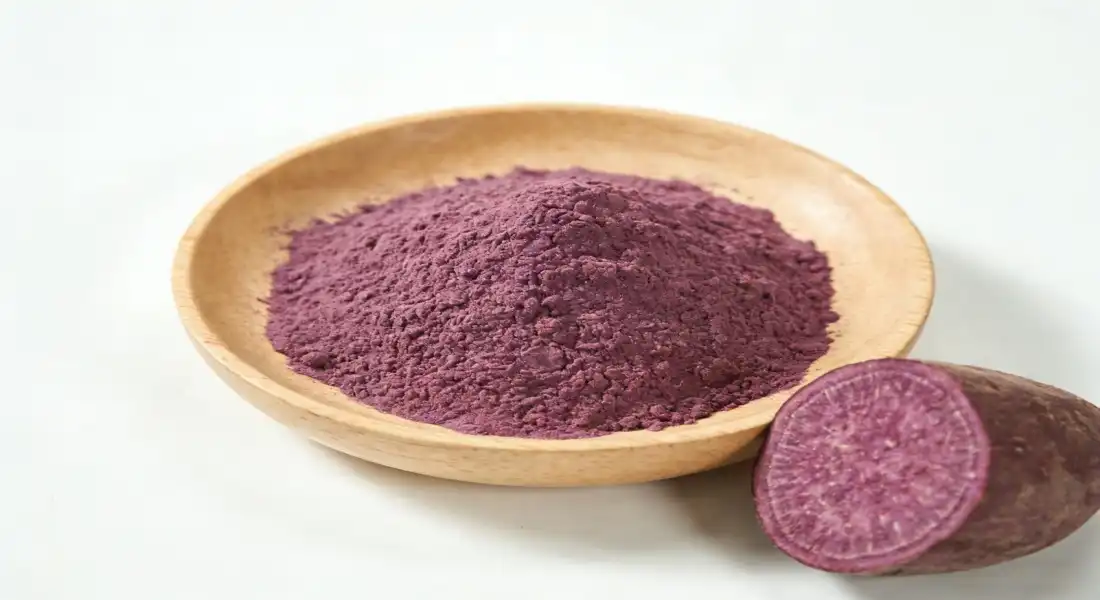
Understanding Natural Ube Powder and Its Health Potential
In Asia, natural ube powder has been valued for hundreds of years and is sometimes called "Purple Ginseng" because of its health benefits. Carefully cleaning, low-temperature dehydrating, and grinding the purple yam seeds to an 80-mesh consistency are all steps in the production process. This careful processing keeps the plant's natural functional ingredients while keeping its unique color and light sweetness.
Distinguishing Authentic from Artificial Alternatives
For product makers, how real this plant ingredient is is very important. If you get real powder from Dioscorea alata roots, it keeps all of the nutrients, like anthocyanins, resistant starch, and plant mucilage. These biological profiles can't be copied by artificial colorants or taste agents. NT Biotech's production methods keep natural compounds by using a special low-temperature processing method. This makes sure that the end 100% pure standard looks good and works well. Teams in charge of buying things should give more weight to sellers who can provide reports of analysis for each batch that prove the purity levels and compound retention.
Nutritional Architecture of Purple Yam
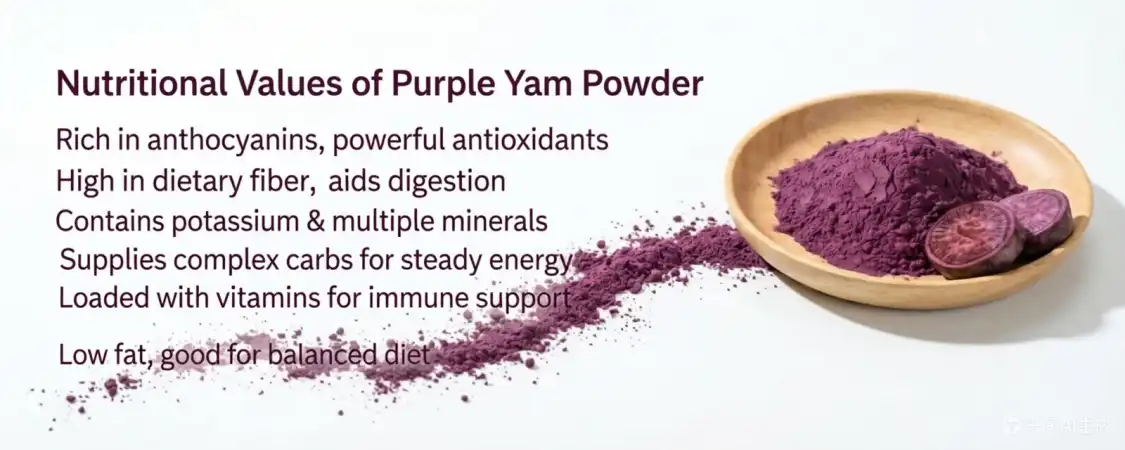
This root veggie has a lot of nutrients, not just basic macronutrients. Each serving has dietary fiber that ferments in the gut in a good way, resistant starch that acts differently than other carbs, and vitamin C that works with polyphenolic compounds. Essential minerals work with the anthocyanin profile to make a network of nutrients that work better together. Because these parts don't work alone, they work together. This is why whole-food ingredients often show better results than separate chemicals in clinical studies.
Research that has been published in food science journals shows that the temperature and cooling methods used directly affect how stable anthocyanin is during preparation. Advanced methods allow manufacturers to keep more than 85% of the anthocyanin, which means that the health benefits of final products can be predicted more accurately.
How Natural Ube Powder Supports Immune and Gut Health
The gut bacteria, which is home to about 70% of immune cells, is at the center of the link between digestive health and immune function. The special nutritional makeup of natural ube powder works on both systems in ways that support each other, which procurement professionals can use to place the product.
Prebiotic Effects and Microbiome Balance
The resistant starch and dietary fiber in purple yam are great for good bacteria like Bifidobacterium and Lactobacillus species because they make them feel full. Simple starches break down quickly in the upper digestive system, but resistant starch stays whole until it gets to the gut, where microbes ferment it and make short-chain fatty acids. These metabolic leftovers help keep the gut barrier strong and make an environment that pathogenic organisms don't want to live in. The plant mucilage in it soothes the walls of the digestive tract, which is why it has been used for centuries to help with stomach discomfort.
Antioxidant-Mediated Immune Enhancement
It has been shown that anthocyanins can remove free radicals from cells, saving them from oxidative stress that can weaken immune monitoring. When mixed with the vitamin C that is naturally found in yam, these chemicals help white blood cells do their job and make antibodies. Polysaccharides taken from purple yam have been shown to have immune-modulating effects in the lab, but there haven't been many clinical trials with humans yet. Researchers are interested in the diosgenin chemicals found in some species of Dioscorea because they might have an effect on defense signaling pathways.
Certification Considerations for Health Claims
Purchasing workers who are making goods that are marketed as immune or gut health must carefully handle regulatory frameworks. New study backs up these functional attributes, but different markets have different standards for proving claims. Quality security starts with working with sellers who have ISO 9001, Kosher, or Halal certifications. NT Biotech's thorough testing methods include HPLC proof of active chemicals, which makes sure that the product works the same way from batch to batch and that marketing claims can be defended.
Comparison Insights to Choose the Right Natural Ube Powder for Your Business
To choose the best ingredients, you need to know how the different forms and standards fit with the needs of production and the end use. Natural ube powder has clear benefits to both powdered types and concentrated extracts, based on what they are going to be used for.
Powder Versus Extract Forms
When you grind whole powder, it keeps all of the nutrients that are in the root, like fiber, resistant starch, and all the phytonutrients. This makes it perfect for uses where bulk, texture, and complete nutrition are important, like in meal replacements, baked goods, and functional drinks that are meant to make you feel full. Concentrated products have more anthocyanins per gram, but they lose some fiber and might need extra ingredients to keep them stable. Extracts are better for supplement pills that want to give specific compounds. Powder specs work great for food uses that put an emphasis on clean labels and whole-food positioning.
Organic Certification Trade-offs
Organic approval appeals to high-end markets and backs up stories about the environment. As part of the licensing process, farmers must use no synthetic herbicides and follow guidelines for soil health. When compared to normal buying, these standards usually make the cost of raw materials 20–40% higher. When sellers use thorough residue testing and environmentally friendly methods, there aren't many differences in quality between certified organic and thoroughly tested standard ingredients. Buyers should think about whether the higher price is worth it for the people they want to buy it for, since both choices can meet safety and effectiveness standards if they come from trusted makers.
Supplier Evaluation Criteria
In addition to certifications, buying teams should look at a number of practical factors. Consistency in supply is very important. Can the provider keep their services available all year, or do regular gaps cause problems with production schedules? NT Biotech keeps a strategic stock of popular plant ingredients, which means that stock items can be shipped within two to four days of an order being confirmed. As your product becomes more popular, its growth will depend on how much it can produce. Technical support helps solve recipe problems, and expert R&D teams give advice on the best way to use the ingredient and how it works with other ingredients. Being able to see the whole process, from the farm to the finished product, builds trust and helps protect brands and follow the rules.
Procurement Guide: Sourcing Natural Ube Powder for Bulk Business Needs
To do strategic sourcing right, you need to find a balance between making sure quality is high, cutting costs, and keeping the supply chain reliable. Natural ube powder approaches are very different between developing a product for the first time and making a lot of them for sale.
Verification of Authenticity and Quality
There are ongoing risks in the supply chain caused by fake plant ingredients, especially for materials that look different, like purple yam powder. By asking for samples, you can test the taste and see if they work well together before placing a large order. NT Biotech gives free samples to companies that qualify, so they can test the products themselves. Each batch should come with a certificate of analysis that proves its identification using techniques like HPLC fingerprinting, shows that there are no adulterants, and shows that the product is safe for microbes according to the standards. By checking for heavy metals like lead, arsenic, mercury, and cadmium, farming ingredients are kept from getting contaminated. Instead of seeing this as an unusual request, suppliers should gladly give it to you.
Pricing Dynamics and Negotiation Approaches
The price of purple yam powder depends on the seasons of farming season, how hard it is to handle, and certification fees. Prices on the market for regular 100% pure powder usually run from $15 to $30 per kilogram for orders over 100 kg. Prices per unit are higher for smaller amounts. Organic versions cost 25–50% more than regular ones. When you agree to a certain order number and are flexible with payment terms, you have more negotiating power. NT Biotech takes payments in the local currency, which makes doing business with other countries easier and lessens the problems that come with foreign exchange. When you sign a long-term supply deal, you can often get better prices and make sure you get your share during times when supplies are tight.
Storage and Packaging Integrity
Paying attention to storage conditions and package design is important for keeping the quality of ingredients from production to preparation. To keep purple yam powder fresh, keep it in a cool, dry place that is out of direct sunlight, which can break down the anthocyanin chemicals. Controlling moisture stops clumping and the growth of microbes; the suggested relative humidity level is below 60%. NT Biotech's basic packaging, which comes in 1 kg paper bags or 10 kg boxes, keeps out light and moisture and is good for normal storage conditions. Larger businesses may ask for special bulk packing in fiber drums or vacuum-sealed shapes that work best with their material handling systems. With the right packing, food can last up to 24 months, which cuts down on waste and makes it easier to keep track of supplies.
Real-World Success Stories and Future Prospects of Natural Ube Powder in Health-Focused Markets
The fact that this ingredient is already on the market shows how new brands use it to make their goods stand out while also meeting consumers' health needs. Natural ube powder has a number of uses that show how versatile and marketable it is across a range of categories.
Functional Beverage Integration
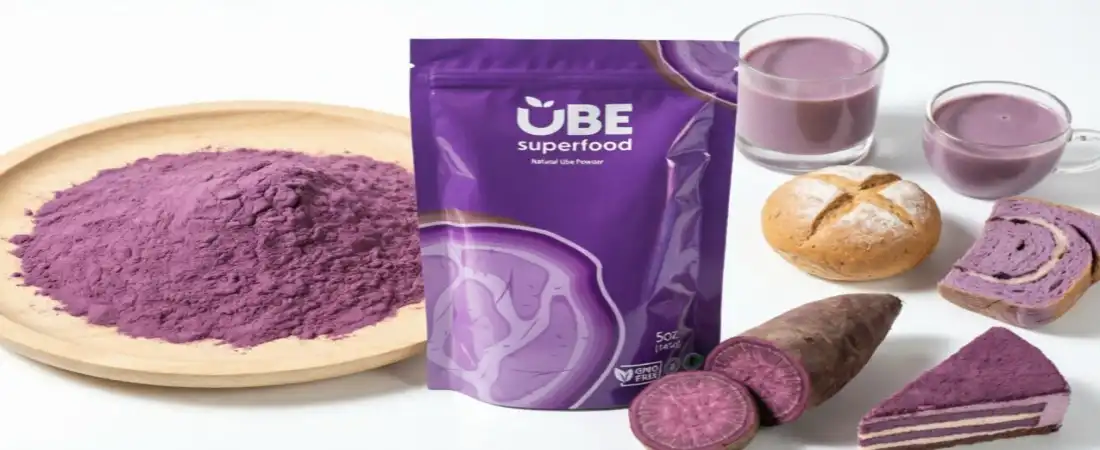
Plant-based protein shake brands have added purple yam powder to improve the nutritional value of their products and make them stand out in stores that are already full of other goods. The natural purple color means that no artificial colorants are needed, which supports a "clean label" image that appeals to health-conscious customers. One North American brand said that 30% more people tried their purple yam-enhanced recovery drink than the regular chocolate or vanilla versions. They said that the success was due to the drink's Instagram-worthy look and messages about stomach comfort. The mild sweetness means that little extra sugar is needed, which makes ingredient lists easier to read.
Bakery and Dessert Innovation
Purple yam powder is being used by artisan bakers and specialty treat makers to make naturally colored breads, pastries, and frozen sweets. The powder mixes easily into cakes and doughs, changing the texture or needing any changes to the recipe other than changing the color. A Californian ice cream company successfully released a purple yam taste that mixed the powder with coconut cream and marketed it as a healthy dessert choice. Consumer comments pointed out that both novelty and supposed health benefits were appealing, which led to repeat sales after the original interest.
Emerging Nutraceutical Applications
More and more, the supplement business is looking for whole-food ingredients to put in capsules and powders that help the gut-immune system. Because purple yam powder has a lot of different nutrients, it can be mixed with probiotics, other prebiotic grains, and immune-boosting plants to make mixes that work better. Early market data shows that people are more interested in recognizable food-based ingredients than in isolated substances with chemical names they don't know. This trend fits in with greater clean-label efforts that are changing the goals for developing nutrients.
In the coming years, purple yam powder looks like it will gain from a number of changes in the market. More people are learning about the link between the gut, the brain, and the immune system, which is driving demand for foods that support digestive health. The market for prebiotic ingredients is expected to grow at a rate of more than 10% per year until 2028. Because purple yam can be used as both a natural colorant and a functional ingredient, it helps makers simplify their recipes more quickly. OEM partnership possibilities let brands use NT Biotech's technical know-how and regulatory knowledge while focusing on what they do best, which is marketing and sales.
Conclusion
Natural ube powder is a flexible plant ingredient that can be used to make health-focused products that are more effective. Its scientifically proven benefits for immune and gut health, along with its clean-label draw and unique look, meet a lot of different customer needs at once. Procurement pros can safely mention this ingredient when working with well-known providers who can show consistency in quality, compliance with regulations, and technical support. The ingredient works well in a wide range of situations, from healthy drinks to vitamins, which gives formulators more freedom and encourages new ideas. As the market continues to focus on natural, plant-based answers for health issues, this old food ingredient meets modern needs by using traditional nutrition knowledge that has been backed up by new research.
FAQ
1. How does natural ube powder compare to artificial purple flavorings for health applications?
When it comes to health, how does natural ube powder compare to fake purple flavorings? Authentic purple yam powder has all the health benefits, like fiber, resistant starch, and anthocyanins. On the other hand, fake versions are only good for taste and color, not for their health benefits. Synthetic colorants don't have any prebiotic or protective benefits. Only natural powder can back up promises that a product is good for your gut health or immune system.
2. Is purple yam powder suitable for vegan and gluten-free formulations?
Yes, 100% pure purple yam powder doesn't have any products that come from animals and doesn't naturally contain gluten, so it's good for people with both types of dietary restrictions. Always check that the supplier's licenses show that there was no cross-contamination during handling.
3. What certifications should procurement teams prioritize when sourcing this ingredient?
ISO 9001 certification shows that you have quality management systems in place, and Kosher and Halal licenses make your products more available in more markets. Organic certification is important for premium placement, but it's not necessary for quality guarantee if sources provide full testing records.
Partner with a Trusted Natural Ube Powder Supplier
NT Biotech can help you reach your product development goals by giving you high-quality natural ube powder that is made to strict standards. Because we've been working with plant ingredients for ten years, you can be sure that the material you get is always of the highest quality and comes with full testing and documentation. We keep ready-to-ship supplies so that orders can be filled quickly (within 2–4 days), and our R&D team can help you with formulations that are best for your unique needs. Our 100% pure powder standard gives you the color and health benefits your customers expect, whether you're making useful drinks, nutritional supplements, or new foods. Email us at info@newthingsbiotech.com to get free samples and talk about how our flexible OEM options can help you get your product to market faster. We've been making natural ube powder for a long time and want to be your long-term technical partner, not just a provider.
References
1. Kusano S, Abe H. Antidiabetic activity of white-skinned sweet potato in obese Zucker fatty rats. Biological and Pharmaceutical Bulletin. 2000;23(1):23-26.
2. Jang H, Park Y, Kim H, et al. Purple sweet potato attenuates liver damage in rats with acute liver injury induced by carbon tetrachloride. Journal of Medicinal Food. 2013;16(4):334-341.
3. Montilla EC, Hillebrand S, Antezana A, Winterhalter P. Soluble and bound phenolic compounds in different Bolivian purple corn varieties. Journal of Agricultural and Food Chemistry. 2011;59(13):7068-7074.
4. Zhao JG, Yan QQ, Lu LZ, Zhang YQ. In vivo antioxidant, hypoglycemic, and anti-tumor activities of anthocyanin extracts from purple sweet potato. Nutrition Research and Practice. 2012;6(5):359-365.
5. Mohanraj R, Sivasankar S. Sweet potato: a valuable medicinal food. Journal of Medicinal Food. 2014;17(7):733-741.
6. Bovell-Benjamin AC. Sweet potato: a review of its past, present, and future role in human nutrition. Advances in Food and Nutrition Research. 2007;52:1-59.