- English
- French
- German
- Portuguese
- Spanish
- Russian
- Japanese
- Korean
- Arabic
- Greek
- German
- Turkish
- Italian
- Danish
- Romanian
- Indonesian
- Czech
- Afrikaans
- Swedish
- Polish
- Basque
- Catalan
- Esperanto
- Hindi
- Lao
- Albanian
- Amharic
- Armenian
- Azerbaijani
- Belarusian
- Bengali
- Bosnian
- Bulgarian
- Cebuano
- Chichewa
- Corsican
- Croatian
- Dutch
- Estonian
- Filipino
- Finnish
- Frisian
- Galician
- Georgian
- Gujarati
- Haitian
- Hausa
- Hawaiian
- Hebrew
- Hmong
- Hungarian
- Icelandic
- Igbo
- Javanese
- Kannada
- Kazakh
- Khmer
- Kurdish
- Kyrgyz
- Latin
- Latvian
- Lithuanian
- Luxembou..
- Macedonian
- Malagasy
- Malay
- Malayalam
- Maltese
- Maori
- Marathi
- Mongolian
- Burmese
- Nepali
- Norwegian
- Pashto
- Persian
- Punjabi
- Serbian
- Sesotho
- Sinhala
- Slovak
- Slovenian
- Somali
- Samoan
- Scots Gaelic
- Shona
- Sindhi
- Sundanese
- Swahili
- Tajik
- Tamil
- Telugu
- Thai
- Ukrainian
- Urdu
- Uzbek
- Vietnamese
- Welsh
- Xhosa
- Yiddish
- Yoruba
- Zulu
In the skin, hyaluronic acid pulls and holds water to the top and bottom layers of skin. Within this, water is stored, which helps support, smooth, and fill out the extracellular matrix. Each molecule can hold up to 1000 times its own weight in water because of how they are built. This moisturizes the skin right away and makes its natural barrier function stronger. Formulators and finding experts who want to find trustworthy hyaluronate skin care ingredients need to know how this process works so they can make goods that customers will love and want to buy again.

What Is Hyaluronic Acid and Hyaluronate?
Hyaluronic acid and sodium hyaluronate are two important makeup ingredients that work in different ways even though they are physically linked. One type of glycosaminoglycan that is found naturally in skin, soft tissues, and joints is hyaluronic acid. It controls the body's shape and level of moisture. Because its molecules are smaller, sodium hyaluronate, which is a sodium salt, dissolves better in water and goes deeper into the skin. This makes it the best choice for most skin care uses that are put on the face.
Chemical Structure and Functional Differences
It is made up of D-glucuronic acid and N-acetyl-D-glucosamine disaccharide chains that are repeated many times. The formula for its molecules is (C14H21NO11)n. It's still there in sodium hyaluronate, but it's in a more stable, charged form that mixes with water more easily and goes deeper into the stratum corneum. Because it dissolves better, there are more cooking choices. It can be used in serums, gels, creams, and emulsions by research and development teams without changing the structure or stability.
Molecular Weight Variations and Their Impact
When used in hyaluronate skin care items, molecular weight plays a big role in how well hyaluronic acid works. Types with a molecular weight of more than 2000 kDa form a film that lets air pass over the skin's surface. This stops the skin from losing water through the surface, so it becomes soft right away. Molecular weight forms with a molecular weight of 500 to 2000 kDa support both flexibility and hardness by keeping surface water from penetrating too deeply. Very small molecules of hyaluronic acid (less than 500 kDa) can get deeper into the epidermis and help fix the barrier. This keeps the skin moist for a long time. The people who buy things should check that the sellers have certifications like ISO 9001, Kosher, and Halal to make sure that all of the goods are of the same quality and meet international standards.

How Does Hyaluronic Acid Hydrate and Benefit the Skin?
What makes hyaluronic acid work is that it can hold water in its three-dimensional structure and is hydrophilic. It is made up of HA molecules that connect to each other in a way that traps water molecules. This adds wetness to the skin and keeps it firm and flexible. It helps the extracellular matrix stay in place by holding on to water. This makes it easier for nutrients to move and for cells to talk to each other, which are both important for a healthy skin metabolism.
Benefits Across Different Skin Types
Hyaluronic acid is good for many face issues. It helps dry, parched skin right away by restoring the right balance of moisture and loosening up tight skin. Its gentle, non-irritating makeup is good for sensitive skin because it calms heat and inflammation without making the skin react badly. Hyaluronic acid keeps skin moist without making pores smaller or adding more oil, which is good for acne-prone skin. Since HA makes up for the moisture that skin naturally loses as it ages, fine lines, wrinkles, and the skin's ability to stretch can all get better.
Recommended Concentrations and Synergistic Ingredients
Hyaluronic acid levels that work well in cosmetics are generally between 0.1% and 2%, but this can change depending on the product and the effects that are needed. Creams and lotions use smaller amounts (0.5–1%) that are matched with occlusives and emollients. Serums, on the other hand, tend to have higher amounts (1-2%) for strong hydration. The effects are greater when peptides, ceramides, niacinamide, or vitamin C are mixed in a way that makes them work better together. This helps fix the barrier, make collagen, and protect against free radicals. Product makers should think about these combos when they are making formulas that address more than one customer worry at the same time.
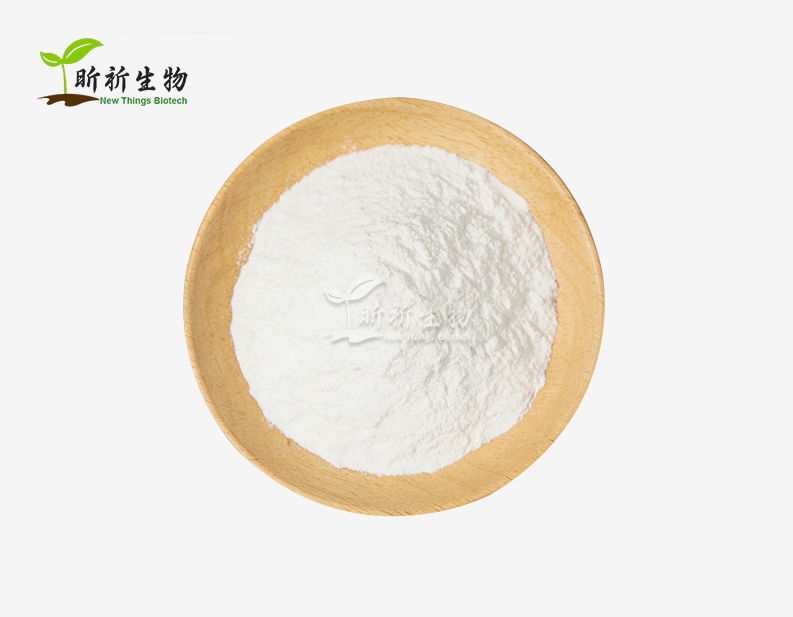
It is 99% pure, comes in 80 mesh particles, and has the CAS number 9004-61-9 to show it. You can buy it from NT Biotech. Our white powder form promises great solubility and texture performance in a large variety of preparation materials. At all pH levels, it has the same effect on water absorption. Our material is ISO, Kosher, and Halal approved, which means it meets the strict international standards for chemicals used in cosmetics.
Comparing Hyaluronate Skin Care Products and Delivery Methods
A look at different hyaluronate skin care items and how they are delivered: How hyaluronic acid is packed has a big effect on how well it keeps skin moist. Serums have a lot of active ingredients packed into a small amount of water, so they are light and work fast. Because of this, they are great for some very powerful treatments. For creams and balms, hyaluronic acid, lipids, and emollients are all mixed together to make a thick layer of moisture that covers both short-term and long-term needs for moisture. When buying teams know these differences, they can make sure that their product lines fit with how the market is set up and how people use goods.
Absorption Rates and Duration of Effects
Most serums quickly refresh the skin, hitting their peak in 30 to 60 minutes. After that, they lose some of their power over the course of several hours. Things are released more slowly and over a longer length of time in creams. By making an occlusive layer, they keep skin moist for longer. The pH of the mixture, the preservatives used, and the way the product is packed all affect how stable it is. Dangerous, airtight cases keep HA pure by stopping rust and microbe contamination. Keeping the layer smooth without making it sticky is a texture problem that needs to be carefully mixed with emollients, strengthening agents, and humectants.
Hyaluronic Acid versus Collagen in Formulations
Both of these ingredients slow down the aging process, but they do it in different ways. The hyaluronic acid in your face keeps water in it, which makes it look and feel better right away. Collagen helps building proteins do their job whether it's eaten or put on the skin. It is hard for it to get through the skin, though, because its molecules are so big. For people who want all-around anti-aging help, putting these two ingredients together in recipes helps with both water and structure support at the same time. People who are planning to buy things should think about getting both actives and professional help from sellers who offer strong quality guarantee.
Critical Product Selection Criteria
Business-to-business users of hyaluronate should look for molecular weight ratios that fit their production goals when they are looking at different providers. Supplier approvals, like ISO 9001 for quality control and Kosher/Halal for more market entry, show that the manufacturing process can be trusted. Marketing claims and the product are more likely to be true if there is validation proof from a clinical study or testing by a third party. When sellers get bigger orders, they need to show that they can handle them without dropping quality or missing delivery dates. NT Biotech can make molecular weights that are unique to each customer and offer different ways to pack (25 kg drums or custom solutions) to meet the needs of different regions and production levels.

Procurement Considerations for Hyaluronic Acid and Hyaluronate Products
The first step to good buying is to find providers with expert know-how, open quality control, and a steady supply chain. Many bulk sellers who you can trust give buyers a lot of information to make sure the goods they sell are real and pure. This includes Certificates of Analysis (CoA), HPLC/UV test results, and batch tracking. Common molecular weight types are kept in stock by well-known sources. This cuts down on wait times and makes sure that urgent production needs can be met.
Market Dynamics and Supplier Landscape
The market for hyaluronic acid keeps growing because more and more people want health ingredients that work and are backed by science. The best sources stand out by using their own extraction methods, having better purity levels (often up to 98%), and following all the rules. There may be cheap prices for new companies, but they need to be carefully checked out to make sure they always deliver on time and well. Before making long-term deals with a seller, procurement workers should check out the company by calling references in the same field, reading audit reports, and trying samples.
Cost Considerations and Supply Chain Stability
Price depends on volume, purity grade, and molecular weight. MOQ is typically 25 kg. Economies of scale benefit large buyers while enabling small manufacturers. Supply chain security relies on raw material sourcing, production capacity, and logistics. Suppliers with diversified sourcing and inventory management face less disruption risk. NT Biotech maintains standard samples in stock for 2–4 day shipping after payment, minimizing production downtime.
Logistics and Storage Requirements
Keeping hyaluronic acid in the right conditions is important for making sure it stays useful and lasts longer. Hyaluronate powder should be kept somewhere cool and dry, out of direct sunlight and away from water. Most of the time, it should be kept below 25°C. Hygroscopic absorption and microbe contamination are not possible in sealed cases. This means that the product's purity stays the same throughout the supply chain. How easy they are to handle and how often they are used should determine the packing options, such as 25 kg drums with moisture covers or custom forms. Delivery partners you can trust use a range of shipping methods, including fast, air freight, and ocean cargo, to make sure packages get delivered on time and safely. These methods can be changed depending on the size and urgency of the order.
Addressing Common Concerns and Misconceptions About Hyaluronic Acid
Hyaluronic acid is used a lot and is generally thought to be safe, but there are still some confusions in the groups that buy it and make it. When these mistakes are fixed, people can make decisions with more trust and pick the right parts for the job.
Potential Side Effects and Sensitivity
In hyaluronate skin care, hyaluronic acid is generally safe for all skin types and rarely causes irritation or allergic reactions. Rare side effects typically come from impurities, preservatives, or fragrances in formulations rather than HA itself. Buyers targeting sensitive skin consumers should verify supplier purity and request allergen-free certifications. Patch testing during development detects issues before market launch, building consumer trust and ensuring product safety.
Dispelling Myths About HA and Sodium Hyaluronate
A common mistake is that sodium hyaluronate and hyaluronic acid do not work in the same way. If made right, sodium hyaluronate works about the same to keep skin moist, but it dissolves and penetrates better. There is another myth that says things always work better when there are more of them. However, amounts above 2% might make things stickier without making them work better. These details make buying easy and build trust in the app by teaching those in the supply chain about them.
Optimal Usage Frequency and Application Techniques
Hyaluronic acid products work best on skin that is just slightly damp. This lets the ingredient bind wetness from the air to the skin's layers. How often you use it depends on the recipe and the condition of your skin. It's fine to use it once a day for most people, but twice a day may be better for long-term treatments. Putting HA serums on top of face oils or creams keeps the skin wet and makes the effects last longer. Customers are happy with a product and more likely to buy it again if they can easily figure out how to use it.
Conclusion
Hyaluronic acid is an important part of modern skin care because it keeps the skin moist, is safe, and can be used in many different ways. People who work in procurement can pick high-quality sodium hyaluronate that meets customer standards and product development goals if they know about the molecular processes, changes in molecular weight, and formulation problems.
In hyaluronate skin care, your products will always work well and your business will be successful long-term if you work with suppliers who have technical expertise, transparent quality assurance, and stable supply chain performance. As demand grows for scientifically proven, effective skincare, smart hyaluronic acid sourcing helps brands capture market opportunities while delivering real benefits to end users.
FAQ
1. Can hyaluronic acid be used with chemical exfoliants like AHAs or BHAs?
Chemical peels like glycolic acid, lactic acid, and salicylic acid do work well with hyaluronic acid. For a short time, exfoliants can break down the skin's barrier. HA helps lock in moisture and calm inflammation. The pH levels of both types of ingredients need to be carefully balanced so that they stay stable and work well.
2. What is the optimal hyaluronate concentration for maximum hydration?
The best way to keep the product moist without changing how it feels is to use concentrations between 0.5% and 2%. Things that have more than 2% may feel sticky or tacky without adding any benefits. No matter what you want to achieve, the molecular weight you pick should match your taste and the amount of entry.
3. How can buyers verify supplier authenticity and product quality?
Ask for Certificates of Analysis (CoA), HPLC or UV test results, and proof that you can keep track of each batch. Do not buy from someone who does not have certificates like ISO 9001, Kosher, or Halal. Have samples checked by a third party to make sure they are pure, have the right molecular weight, and don't have any contamination before you place big orders.
Partner with NT Biotech for Premium Hyaluronate Skin Care Ingredients
A company called NT Biotech can help you find high-purity sodium hyaluronate powder that will work better in makeup recipes. Our hyaluronate skin care supplier capabilities include flexible molecular weight customization, ISO/Kosher/Halal certifications, and rapid delivery within 2 to 4 days for things that are in stock. For more than ten years, we've been serving the makeup and medicine markets in other countries. We offer regular batch quality, full technical help, and clear paperwork that makes it easier for you to buy from us. The email address for our team is info@newthingsbiotech.com. You can use it to get free samples, talk about your needs for custom formulas, or place big orders beginning at 25kg MOQ. Boost your skin care line with reliable, science-backed items from a partner you can count on and who wants your success.
References
1. Papakonstantinou, E., Roth, M., & Karakiulakis, G. (2012). Hyaluronic acid: A key molecule in skin aging. Dermato-Endocrinology, 4(3), 253-258.
2. Bukhari, S. N., Roswandi, N. L., Waqas, M., Habib, H., Hussain, F., Khan, S., ... & Zahoor, A. F. (2018). Hyaluronic acid, a promising skin rejuvenating biomedicine: A review of recent updates and pre-clinical and clinical investigations on cosmetic and nutricosmetic effects. International Journal of Biological Macromolecules, 120, 1682-1695.
3. Keen, M. A. (2016). Hyaluronic acid in dermatology. Skinmed, 14(5), 328-332.
4. Goa, K. L., & Benfield, P. (1994). Hyaluronic acid: A review of its pharmacology and use as a surgical aid in ophthalmology, and its therapeutic potential in joint disease and wound healing. Drugs, 47(3), 536-566.
5. Pavicic, T., Gauglitz, G. G., Lersch, P., Schwach-Abdellaoui, K., Malle, B., Korting, H. C., & Farwick, M. (2011). Efficacy of cream-based novel formulations of hyaluronic acid of different molecular weights in anti-wrinkle treatment. Journal of Drugs in Dermatology, 10(9), 990-1000.
6. Jegasothy, S. M., Zabolotniaia, V., & Bielfeldt, S. (2014). Efficacy of a new topical nano-hyaluronic acid in humans. Journal of Clinical and Aesthetic Dermatology, 7(3), 27-29.