- English
- French
- German
- Portuguese
- Spanish
- Russian
- Japanese
- Korean
- Arabic
- Greek
- German
- Turkish
- Italian
- Danish
- Romanian
- Indonesian
- Czech
- Afrikaans
- Swedish
- Polish
- Basque
- Catalan
- Esperanto
- Hindi
- Lao
- Albanian
- Amharic
- Armenian
- Azerbaijani
- Belarusian
- Bengali
- Bosnian
- Bulgarian
- Cebuano
- Chichewa
- Corsican
- Croatian
- Dutch
- Estonian
- Filipino
- Finnish
- Frisian
- Galician
- Georgian
- Gujarati
- Haitian
- Hausa
- Hawaiian
- Hebrew
- Hmong
- Hungarian
- Icelandic
- Igbo
- Javanese
- Kannada
- Kazakh
- Khmer
- Kurdish
- Kyrgyz
- Latin
- Latvian
- Lithuanian
- Luxembou..
- Macedonian
- Malagasy
- Malay
- Malayalam
- Maltese
- Maori
- Marathi
- Mongolian
- Burmese
- Nepali
- Norwegian
- Pashto
- Persian
- Punjabi
- Serbian
- Sesotho
- Sinhala
- Slovak
- Slovenian
- Somali
- Samoan
- Scots Gaelic
- Shona
- Sindhi
- Sundanese
- Swahili
- Tajik
- Tamil
- Telugu
- Thai
- Ukrainian
- Urdu
- Uzbek
- Vietnamese
- Welsh
- Xhosa
- Yiddish
- Yoruba
- Zulu
When it comes to makeup these days, people want more than just plain water. They want to stay hydrated, slow down the aging process, and get their moisture layer back in place. All of this should be based on science and how well the ingredients work. Because it helps keep water in the skin, supports structures, and fixes barriers, hyaluronate skin care has become a significant chemical in the makeup industry. Natural polymers like this one are found in skin and joint tissues. They have changed how brands deal with issues like stiffness, lack of flexibility, and signs of aging. Hyaluronic acid and its salt form, sodium hyaluronate, are used in many goods. Procurement workers can choose better places to get these products, which directly affects how well they work and how satisfied customers are with them.

Understanding Hyaluronic Acid and Hyaluronate: Key Concepts and Benefits
Hyaluronic acid and sodium hyaluronate are often thought to be the same, but they are not. Understanding the difference is important for product development. Hyaluronic acid is a naturally occurring glycosaminoglycan with formula (C14H21NO11)n. Sodium hyaluronate is its salt form, which is more stable and soluble. This matters because sodium hyaluronate offers longer shelf life, better skin compatibility, and improved pH stability.
How Hyaluronic Acid Works in the Skin?
Each hyaluronic acid molecule can hold up to 1,000 times its weight in water. This protects the skin's surface, forming a flexible, breathable layer that doesn't clog pores. Unlike occlusive agents that simply block moisture loss, HA actively pulls water from the air and deeper skin layers, creating an adaptive moisture reservoir that responds to changing environmental conditions.
Benefits Across Different Skin Types
People with sensitive or oily skin can use types of sodium hyaluronate that have a low molecular weight because they can get deeper into the skin. As long as the ingredient doesn't cause acne or other skin problems, it can be used to moisturize skin. Skin that has grown all the way through is more flexible and full, while broken skin layers heal more quickly. Hyaluronate skin care is an important part of many goods, from daily moisturizers to strong treatment serums, because it can be shaped to fit different needs.

Comparing Hyaluronic Acid to Other Popular Skincare Ingredients
If research and development teams know how hyaluronic acid works with other actives, they can come up with better ways to make formulations and mix ingredients.
Hyaluronic Acid vs. Retinol
Retinol speeds up the turnover of skin cells and makes more collagen, but it can dry out and irritate the skin. By adding wetness to the skin, hyaluronic acid and retinol work together to fight these side effects. They are now used together in many new recipes. Hyaluronic acid helps the retinoids get to the skin and keeps it moist, which makes it easier for the body to handle them.
Hyaluronic Acid vs. Collagen
Hyaluronic acid, especially types with a low molecular weight, can get deeper into the skin than collagen molecules, which are usually too big to work well when put on directly. Both of these help the structure of the skin, but hyaluronic acid works faster because it moisturizes and fills out the skin. Wearing hyaluronic acid on your skin has direct effects on both the top and bottom layers of skin. Collagen products work on the inside.
Hyaluronic Acid vs. Vitamin C
As an antioxidant and a bleaching agent, vitamin C fights damage and staining caused by free radicals. Hyaluronic acid is mostly used to protect skin from damage and keep it moist. Hyaluronic acid and vitamin C work well together to make anti-aging goods that really work. The right amount of moisture is kept in the skin by hyaluronic acid. This helps the other ingredients work better and makes the skin tougher.
Serums vs. Creams: Choosing the Right Format
Most of the time, serums have more active ingredients that are made up of smaller molecules so they can get deeper into the skin. Serums with hyaluronic acid truly and quickly refresh the skin, which makes them great for putting on top of moisturizers. Hyaluronic acid, emollients, and occlusives are all mixed together in creams to keep the skin's surface wet and safe. Your choice will rely on the formulation goals. Serums are better for targeted care, while creams are better for general barrier support.

Cosmetic Uses of Molecular Weight Forms
How well and how deeply hyaluronic acid works depend on its molecular weight, so picking the right molecular weight is an important part of making.
High Molecular Weight Hyaluronic Acid (Above 2000 kDa)
High molecular weight forms stick to the skin's surface and stop the epidermis from losing water. This layer keeps the product safe and gives it the smooth, high-end feel that people expect from expensive items. Products that moisturize, makeup for the face, daily moisturizers, and skin care that protects against bad weather are all popular uses. There are a lot of high-end creams that use this form because it makes the skin feel "soft and silky" right away.
Medium Molecular Weight Hyaluronic Acid (500-2000 kDa)
There is a light depth to this form, and it works well for all skin types. A medium molecular weight hyaluronic acid makes skin more flexible, stretchy, and physically stable. This makes it great for high-tech skin care products. It's often found in serums that lift, moisturize, and fight wrinkling, as well as other products that help with both feeling good right away and getting deeper into the skin.
Low Molecular Weight Hyaluronic Acid (Below 500 kDa)
The low molecular weight types get deeper into the skin, keeping it moist and helping to fix the barrier at the level of the cells. This form is very important in skin care items that heal after a treatment, soothe sensitive skin, and deeply moisturize the skin. In advanced beauty studies, this molecular weight range is getting more and more attention because it works better on skin health signs and is easier for the body to use.

Hyaluronic Acid in Cosmetics: Where and How Brands Use It
Procurement teams can match the ingredient to the proper product format by understanding what hyaluronic acid truly offers in cosmetics. Hyaluronic acid in cosmetics is more than serums in the beauty and personal-care aisle. Here are the most typical uses B2B formulators need to understand before they brief a manufacturer.
Facial Serums and Treatment Essences
Most often used in leave-on serums, low- to medium-MW grades of hyaluronic acid (HA) give immediate apparent plumping in cosmetic applications. These are the highest concentration forms (usually 0.5-2% sodium hyaluronate) and the simplest to ramp from pilot to production.
Daily Moisturizers, Masks, and Eye Care
The mid- and high-MW versions are appropriate for creams, sheet masks and eye gels in which surface coatings maintain the moisture barrier and a premium sensory feel. At this level, hyaluronic acid is prized in cosmetics for comfort and instant hydration, not deep delivery, making it appropriate for everyday and post-treatment usage.
Makeup, Sun Care, and After-Sun Products
Hyaluronic acid is now a staple in cosmetics for a dewy finish and post-exposure soothing, included in foundations, BB creams and after-sun gels. Its film-forming characteristic also increases spreadability in tinted formulations and contributes to colored products feeling less drying on the skin.
Note on procurement: the numerous forms of hyaluronic acids in cosmetics need matching molecular-weight selection and Certificates of Analysis with the stated benefit of each product. NT Biotech has standardized ratings for each of the following categories with technical documents to assist in claim substantiation.
Best Practices for Using Hyaluronate Skincare Products
Formulations with hyaluronate skin care need to be used and kept in a way that keeps the ingredients pure for them to work best.
Application Frequency and Layering
When you put hyaluronic acid serum on skin that is just slightly damp, it works best. This gives the element the water atoms it needs to stick together well. In procedures with more than one step, water-based hyaluronic acid products should be used before oils or creams. This building order makes sure that the best absorption takes place and that occlusive ingredients don't stop the absorption. Even if you use it too much, every day in the morning and at night, it will still work well.
Storage Conditions for Bulk Ingredients
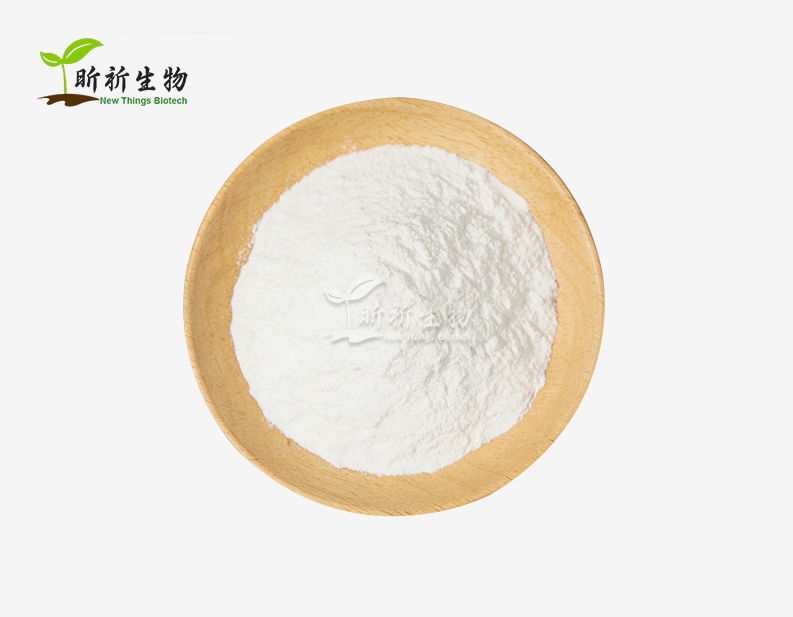
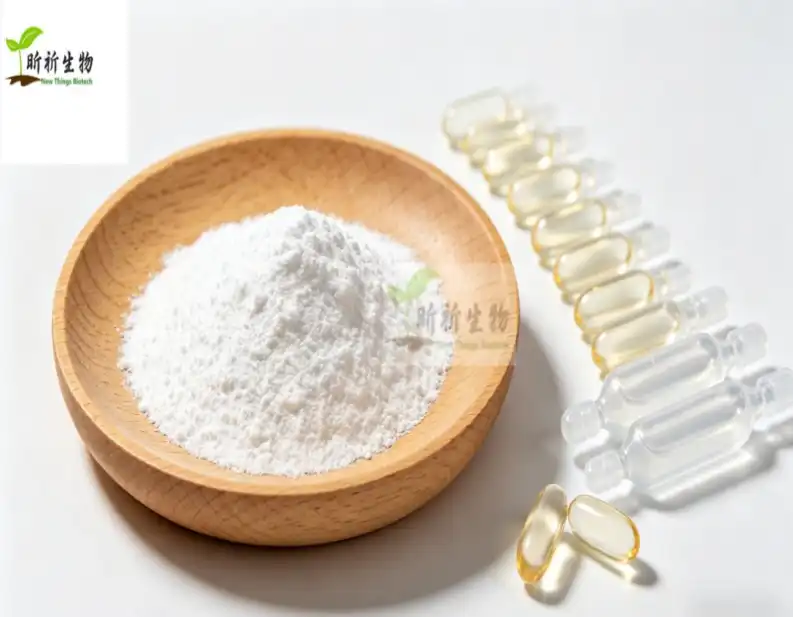
Buying pros who are in charge of moving things need to make sure they have the right storage. Hyaluronate skin care powder should be kept in a cool, dry place away from direct sunlight. Even though the element is very solid at different pH levels, it may not work as well when it is introduced to high or low temperatures or water. That NT Biotech sells is 99% pure sodium hyaluronate powder that comes with all the right papers. In other words, each batch will work the same way as long as it is stored the way it says to.
Addressing Side Effects and Sensitivities
Hyaluronic acid is generally safe, but if the source is dirty or not very good, it can sometimes make you feel bad or cause allergic responses. When you buy from approved sellers who have strict quality control, these risks are kept to a minimum. Bugs can be found quickly when new methods are tested on small groups of people before they are used on a large scale. With our ISO, Kosher, and Halal licenses, you can be sure that we follow strict cleaning rules that lower the risk of bad responses.
Procurement Guide: Sourcing High-Quality Hyaluronate for B2B Applications
How well the product works, how well it meets laws, and how well the name is known all depend on which provider you choose. When people who work in buying compare hyaluronate skin care sources, these are the things that they look at most closely.
Compliance Certifications and Quality Standards
You can trust a supplier if they have a lot of different certifications that show they follow international rules. Look for the ISO 9001 quality control mark. It makes sure that the process is consistent and that the goods can be watched. Products that are certified as Kosher or Halal can be sold more easily in places where people have special needs. NT Biotech has all three certificates, which shows that we are committed to following the laws of all over the world's markets.
Ingredient Purity and Manufacturing Practices
As long as the sodium hyaluronate is 99% pure or higher, it works better and is easier to prepare. Our unique extraction methods keep the structure of the material while getting the most powerful chemicals out of it. For example, HPLC/UV analysis and Certificates of Analysis are part of every batch. This lets brands that care about quality be honest the way they need to be. This level of technical detail directly leads to recipes that always work and give you an edge over other people.
Logistics and Supply Chain Considerations
In hyaluronate skin care, efficient supply chains reduce waste and inventory costs. We maintain stock of popular standardized extracts for 2–4 day shipping after payment. Custom molecular weight orders or larger production runs require 3–10 working days including raw material processing, lab testing, and packaging. Shipping options include express, air, or sea freight based on speed, volume, and budget requirements.
Sample Availability and Technical Support
You can lower the chance of getting something by making sure it works well before you buy a lot of it. This is sodium hyaluronate powder that we give away for free so that your research and development teams can see if it works and try out different mixes. Some of the things we do are more than just give you raw materials; we also help you make things and are here to help you right away. We promise to answer your first message in two hours. So, this shows that we want to be a trustworthy and easy-to-reach help for you as you build your product.
Trends and Future Outlook for Hyaluronic Acid in Skincare
New technologies and shifting consumer tastes cause hyaluronic acid to change all the time. This gives brands that are ready to think outside the box new ways to make money.
Advanced Delivery Systems and Formulation Innovations
Scientists are making new kinds of bioengineered hyaluronic acid that work better and stay stable longer. Cross-linked hyaluronic acid technologies change the way materials look and make them last longer. Hyaluronic acid mixed with peptides, ceramides, and plant substances is used to make products that help more than one skin problem at the same time. This meets the needs of customers who want practices to be easier to use without losing their usefulness.
Sustainability and Clean Beauty Movements
These days, people care more and more about the environment and knowing where their food comes from. Bio-fermented hyaluronic acid made from plants meets standards for clean beauty and works as well as or better than traditional sources. We use non-GMO plant materials in our production, which backs up brands' claims that their products are good for the environment without lowering the quality or value. This link to environmental values becomes a competitive edge in places like Europe and the US where people buy things because they like how clean and beautiful they are.
Market Growth Drivers and Regional Demand
Hyaluronic acid sales are rising all over the world, but they are rising the fastest in North America and Europe. People over 50 are looking for effective anti-aging products, more people are learning about the science behind skin care ingredients, and there are now more professional skin care systems on the market. Purchasing managers will be able to get a steady supply at a good price if they build relationships with reliable suppliers who are ready for this growth.

Conclusion
Scientists have shown that hyaluronic acid and sodium hyaluronate hydrate, slow aging, and repair barriers in hyaluronate skin care, making them essential ingredients. Knowing proper usage, molecular weight variations, and formulation compatibility with other actives helps brands maximize ingredient benefits and maintain customer satisfaction. Procurement professionals can turn raw material sourcing into long-term relationships driving innovation by choosing suppliers with proven quality standards, full certifications, and responsive technical support for competitive advantage.
FAQ
1. What makes sodium hyaluronate different from hyaluronic acid in cosmetic formulations?
There is a sodium salt of hyaluronic acid that is called sodium hyaluronate. It stays solid longer, melts better, and works better with each pH level. Lysozyme and sodium hyaluronate can both keep your skin moist, but sodium hyaluronate can go deeper into the skin because its molecules are smaller. Because of this, it works great in treatment and serums that need to fully hydrate. It works for both types to bind water, but sodium hyaluronate is more stable and is often used in commercial products.
2. Can hyaluronic acid be used on all skin types, including sensitive or acne-prone skin?
Hyaluronic acid is good for all skin types, even those that are sensitive or prone to acne. It keeps skin wet without clogging pores or making acne worse because it's non-comedogenic. Because the element naturally works with skin biology, it makes it less likely that you will feel uncomfortable. Hyaluronic acid can help even oily skin stay moist because just the right amount of water can stop the skin from making too much sebum. To stay away from pollution that could cause allergies, it is important to only buy high-purity items from trusted sources.
3. How can I verify the quality of hyaluronic acid ingredients before bulk purchasing?
Many pieces of paper should be shown, such as Certificates of Analysis, HPLC/UV test results, and proof of approval (ISO, Kosher, Halal). Reliable suppliers give away free samples for R&D testing, so you can see how well it dissolves, how it feels, and how well it works with other ingredients before you place a large order. Find out how the provider checks for quality, keeps track of orders, and makes things. It's safe to trust suppliers that have been in business for more than ten years and have foreign approvals. They also meet regular quality standards that protect your brand's image.
4. What is hyaluronic acid used for in skin care?
In skin care, hyaluronic acid has three major actions: it hydrates the skin (it can hold up to 1,000 times its weight in water), it helps with anti-aging (plumps fine wrinkles and improves elasticity by targeting the molecular weight for delivery), and it repairs the barrier (calms and reinforces the moisture layer). What other functions do we utilize hyaluronic acid for in skin care besides these fundamental tasks? It also doubles as a delivery enhancer, helping partner actives like Vitamin C, retinol, and peptides work better. The molecular-weight grade is chosen by formulators to provide the specific effect a product promises – high for surface hydration, low for deeper healing. Product forms containing it : See above in the cosmetics applications section.
Partner with NT Biotech for Premium Hyaluronate Skin Care Ingredients
As a trusted hyaluronate skin care supplier, NT Biotech has supplied high-purity sodium hyaluronate powder to global pharmaceutical and skincare brands for over ten years. We offer 99% pure products (CAS: 9004-61-9) in 25 kg drums or custom packaging. ISO, Kosher, and Halal certifications ensure quality. We maintain stock for 2–4 day shipping after payment and provide free samples for R&D testing before bulk commitment.
Write to us at info@newthingsbiotech.com to talk about where to get hyaluronate and how our special ways of processing, open OEM options, and friendly customer service can help you with your next skin care idea.
References
1. Papakonstantinou, E., Roth, M., & Karakiulakis, G. (2012). Hyaluronic acid: A key molecule in skin aging. Dermato-Endocrinology, 4(3), 253-258.
2. Bukhari, S. N., Roswandi, N. L., Waqas, M., Habib, H., Hussain, F., Khan, S., & Sohail, M. (2018). Hyaluronic acid, a promising skin rejuvenating biomedicine: A review of recent updates and pre-clinical and clinical investigations on cosmetic and nutricosmetic effects. International Journal of Biological Macromolecules, 120, 1682-1695.
3. Pavicic, T., Gauglitz, G. G., Lersch, P., Schwach-Abdellaoui, K., Malle, B., Korting, H. C., & Farwick, M. (2011). Efficacy of cream-based novel formulations of hyaluronic acid of different molecular weights in anti-wrinkle treatment. Journal of Drugs in Dermatology, 10(9), 990-1000.
4. Stern, R., & Maibach, H. I. (2008). Hyaluronan in skin: aspects of aging and its pharmacologic modulation. Clinics in Dermatology, 26(2), 106-122.
5. Essendoubi, M., Gobinet, C., Reynaud, R., Angiboust, J. F., Manfait, M., & Piot, O. (2016). Human skin penetration of hyaluronic acid of different molecular weights as probed by Raman spectroscopy. Skin Research and Technology, 22(1), 55-62.
6. Jegasothy, S. M., Zabolotniaia, V., & Bielfeldt, S. (2014). Efficacy of a new topical nano-hyaluronic acid in humans. Journal of Clinical and Aesthetic Dermatology, 7(3), 27-29.