- English
- French
- German
- Portuguese
- Spanish
- Russian
- Japanese
- Korean
- Arabic
- Greek
- German
- Turkish
- Italian
- Danish
- Romanian
- Indonesian
- Czech
- Afrikaans
- Swedish
- Polish
- Basque
- Catalan
- Esperanto
- Hindi
- Lao
- Albanian
- Amharic
- Armenian
- Azerbaijani
- Belarusian
- Bengali
- Bosnian
- Bulgarian
- Cebuano
- Chichewa
- Corsican
- Croatian
- Dutch
- Estonian
- Filipino
- Finnish
- Frisian
- Galician
- Georgian
- Gujarati
- Haitian
- Hausa
- Hawaiian
- Hebrew
- Hmong
- Hungarian
- Icelandic
- Igbo
- Javanese
- Kannada
- Kazakh
- Khmer
- Kurdish
- Kyrgyz
- Latin
- Latvian
- Lithuanian
- Luxembou..
- Macedonian
- Malagasy
- Malay
- Malayalam
- Maltese
- Maori
- Marathi
- Mongolian
- Burmese
- Nepali
- Norwegian
- Pashto
- Persian
- Punjabi
- Serbian
- Sesotho
- Sinhala
- Slovak
- Slovenian
- Somali
- Samoan
- Scots Gaelic
- Shona
- Sindhi
- Sundanese
- Swahili
- Tajik
- Tamil
- Telugu
- Thai
- Ukrainian
- Urdu
- Uzbek
- Vietnamese
- Welsh
- Xhosa
- Yiddish
- Yoruba
- Zulu
Because it has polyphenolic structure, tanino milteliai works. This structure binds to collagen proteins in leather. The fibers stay steady, the material lasts longer, and water can't get in. When these tannin powders are added to beauty products, they naturally close pores and protect against oxidative stress because they are antioxidants. The process hinges on hydrogen bonds and interactions between protein chains and tannin molecules that don't like water. These interactions make networks that are related to each other, which makes leather stronger and skin care items less inflammatory. This plant, tanino milteliai, is useful because it can do two things. It can meet the sustainability needs of both companies.
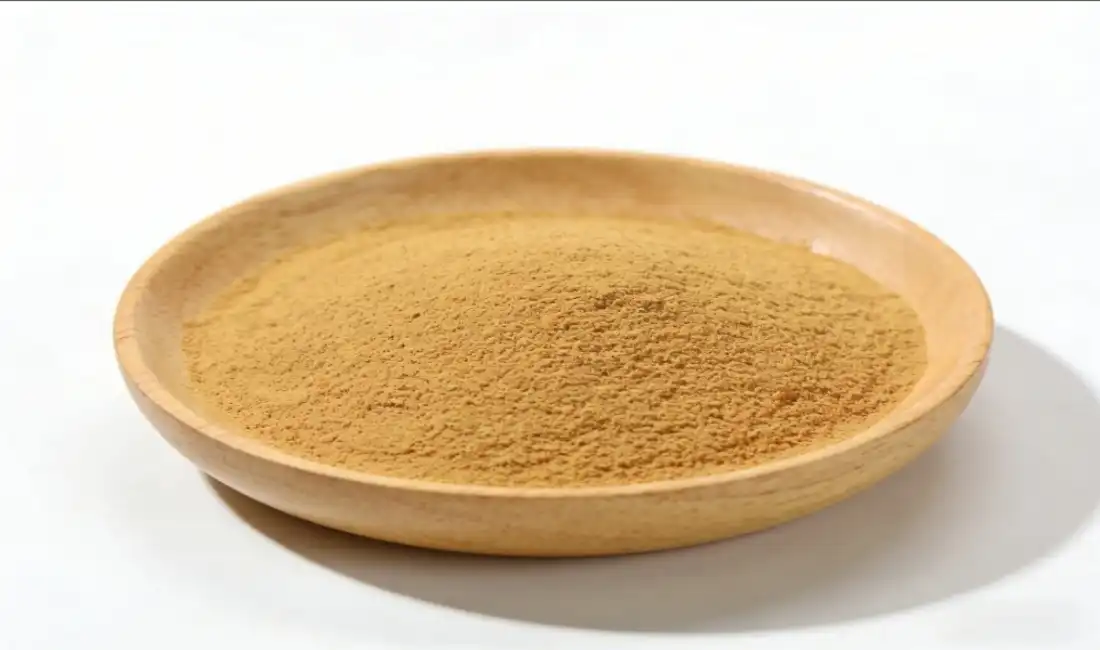
Understanding Tanino Milteliai: Composition and Functionality
What Are Tanino Milteliai and Their Natural Origins?
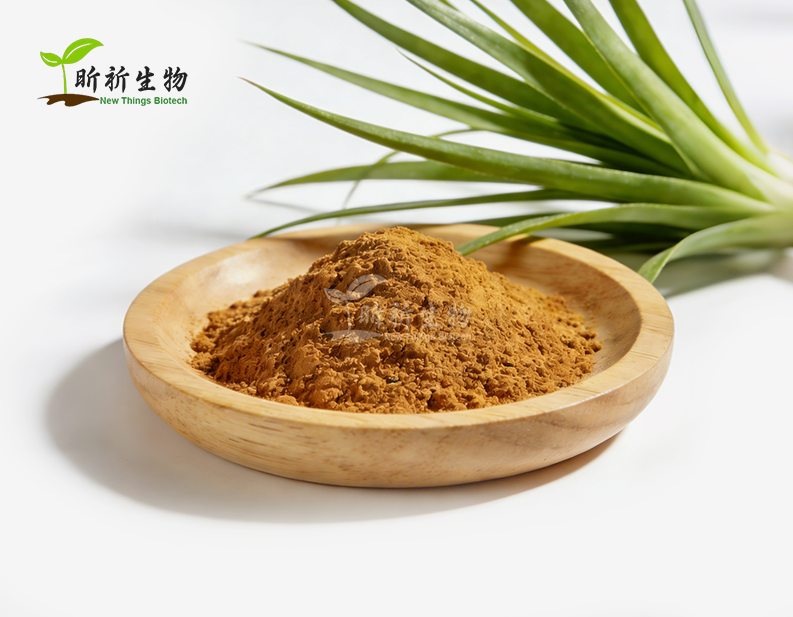
anino milteliai (tannin powder) are complex polyphenolic chemicals from plants. Primary sources include Chinese gallnuts (Galla Chinensis), quebracho wood, chestnut bark, and tara pods. Hydrolyzable and condensed tannins exist with different bonding properties. High-quality powder appears yellow-brown, typically 80 mesh size for industrial mixing. Extraction uses controlled hydrolysis or liquid methods. Premium products achieve 93-99% purity by HPLC. Concentration ratios of 5:1 to 20:1 indicate raw material input. Standardization ensures consistent batch performance for B2B buyers.
The Protein-Binding Mechanism in Leather Processing
Tannin powder binds to collagen via hydroxyl groups forming hydrogen bonds with proline and hydroxyproline residues. Vegetable tanning converts raw hides into durable leather without chromium's heavy metal concerns. Tannin-based processing meets EU and US regulatory requirements. Penetration allows tannin molecules into hide fiber structure. Fixation creates three-dimensional networks protecting collagen from heat and enzymes. Resulting leather resists tearing, microbes, and water absorption. No toxic sludge aligns with circular economy principles increasingly valued in developed markets.
Antioxidant and Astringent Properties for Cosmetic Applications
Tanino milteliai (tannin powder) fights free radicals through phenolic compounds. Reactive oxygen species accelerate skin aging, collagen breakdown, and discoloration. Gallic acid derivatives from Galla Chinensis outperform synthetic BHT in reducing oxidative stress. Tannins tighten skin by precipitating surface proteins, instantly shrinking pores and reducing sebum. Polyphenols inhibit COX enzymes for anti-inflammatory effects. Multiple functions replace several synthetic ingredients, simplifying INCI lists for clean beauty brands targeting health-conscious consumers.
Advantages and Limitations of Tanino Milteliai in Industrial Applications
One of the key advantages of tanino milteliai is its natural origin and multifunctional performance. In leather processing, tannin powder helps improve durability, texture, and color stability while reducing dependence on harsh synthetic chemicals. In cosmetic products, its antioxidant and antibacterial properties support skin protection and formula stability. Plant-derived sources such as Galla Chinensis also meet the growing demand for clean-label and environmentally responsible ingredients in global markets.
Stable Quality and Flexible Industrial Supply
High-quality tanino milteliai with standardized specifications offers reliable performance across industrial applications. Shaanxi New Things Biotech uses advanced extraction technologies to maintain high purity, strong stability, and batch consistency, supported by HPLC/UV testing and Certificates of Analysis. Flexible OEM solutions, customizable packaging, and fast shipment within 2–4 days make the material suitable for both large-scale leather manufacturing and customized cosmetic formulations requiring stable raw material supply.
Application Challenges and Formulation Considerations
Although tanino milteliai provides broad industrial value, manufacturers must carefully control dosage and formulation compatibility. Excessive tannin concentration may affect the softness of leather or create instability in certain cosmetic systems. Differences in extraction ratios, purity, and particle size can also influence final product performance. For this reason, working with experienced suppliers that provide technical support, third-party testing, and standardized production processes is important for maintaining consistent industrial results.
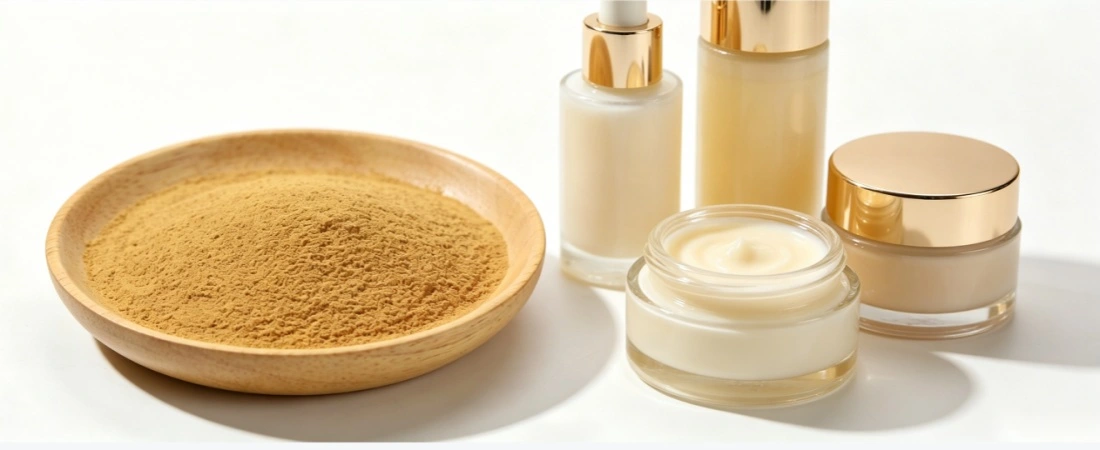
Comparing Tanino Milteliai to Alternative Solutions
Powder vs. Liquid Tannin Formats
Choose between powder and liquid tannin preparations based on how easy they are to work with, how much they cost to store, and how well they can be dosed. If you keep them right, powdered forms will usually last 24 months, while liquid solutions may need to be kept cold and have shorter stable windows of 12 to 18 months. To ship, powder forms are better because they are lighter and take up less room. This has a direct affect on how much it costs to buy things from other countries. Reconstitution rules add more steps to the process, but they also let the percentage change exactly in ways that work with certain production methods.
In wet processing steps like drum dyeing for leather, liquid tannins can be used right away. This means that there is no need for break-down time and less work needs to be done. Dosing methods that are automatic work better with liquid formulas because they make it easier to repeat the process in large quantities. Some powder extracts, on the other hand, have 10-15% more active polyphenols per unit mass. This means that, when you look at the amount of active ingredient per kilogram, they are cheaper. People who make things and want to save money on ingredients without losing quality will like this economic benefit.
Natural vs. Synthetic Tannin Options
Natural tannin powders made from Galla Chinensis and other plants linked to it cost 15–30% more than synthetic ones made from sulfonated naphthalene. The price difference is because it costs more to grow, extract, and confirm chemicals that come from wild or organic places. Even though synthetic tannins are known to have certain properties and can be made in any quantity, marketers aren't as interested in them as natural ingredients are. This is especially true for consumer-facing uses where ingredient stories are used to differentiate brands.
Traits of tanino milteliai performance are not the same at all. Natural tannins give leather warmer tones like honey to deep brown. Synthetics, on the other hand, give leather darker tones like gray and black. In addition to tannins, botanical sources are better for makeup use because they have extra phytochemicals that are good for the skin, such as antioxidants and organic acids. Regulatory acceptance is different in each area. Sometimes it's easier for natural sources to get accepted in places like the US (FDA GRAS status) and EU (positive lists for cosmetic chemicals).
Best Practices for Procurement and Usage of Tanino Milteliai
Supplier Qualification and Certification Verification
You need to find companies that use ISO 9001 quality control methods before you can start sourcing. These systems make sure that the rules for production are always the same and that there is paper work to keep track of production. Getting certifications like Kosher and Halal helps companies reach more customers. Also, making drugs that follow GMP (Good Manufacturing Practices) standards shows that the company does a good job. Check the sample batches for things like the amount of tannin (using Folin-Denis or UV spectrophotometry), the amount of moisture (using Karl Fischer titration), the presence of heavy metals (using ICP-MS), and the number of microbes (total plate count, yeast/mold, viruses). You should ask for Certificates of Analysis (CoA).
Tests done by separate labs add another layer of proof, especially when working with a new source. Customers and government bodies further down the chain are paying more attention to standards for corporate social responsibility. One way to meet these requirements is to have audit tracks that show where the raw materials come from. For example, this could mean showing that the materials were gathered in a sustainable way from the wild or from farms that have been approved. Clear paperwork lowers the risks in the supply chain that come with things like hacking, mislabeling, or contamination, which can cause products to need to be returned for a fee.
Optimizing Bulk Purchasing and Logistics
Most of the time, the minimum order quantity (MOQ) starts at 25 kilograms. This is because it works with low-cost production runs and gives medium-sized businesses access to big prices. Different sizes of operations and storage needs can be met by negotiating different types of packaging, such as 1-kilogram paper bags for tests and 25-kilogram fiber drums for production. Nitrogen-flushed containers and other customized packing choices help keep food fresh longer by stopping oxidative breakdown over long periods of storage.
It is important to keep temperature and humidity under control when sending, especially when going to other countries that have different climate zones. FedEx and UPS are great for quick recipe tests because they make tracking easy and send packages quickly (two to four days). When you combine ocean freight, on the other hand, the cost per kilogram is lower for standard big orders. FOB stands for "Free On Board," CIF for "Cost, Insurance, and Freight," and DDP for "Delivered Duty Paid." Knowing these terms makes it clear who is responsible for clearing customs, paying import taxes, and getting insurance. This keeps prices from going up without notice, which would cut into shopping funds.
Integration Protocols for Manufacturing Processes
Depending on the features that are needed, tanning leather generally calls for an 8–15% tannins percentage based on the weight of the hide. This is applied several times over 15–30 days. The rate of entry is better when the temperature is kept between 25°C and 35°C. Collagen structures are not broken down at this temperature. By keeping an eye on the pH level, you can make sure that buffering stays between 3.5 and 5.5. This stops acid breakdown and keeps the tannins stable. Machines that move the product around, like paddle mixers or spinning drums, make sure that it is spread out properly. This gets rid of spots or uneven colors that make the finished product look bad.
There are new things to think about when cosmetics are added. Putting tanino milteliai in glycerin or propylene glycol first keeps them from sticking when they are added to water. Polyphenols that are sensitive to heat are better protected when cool-phase (below 40°C) is added. When active chemicals, binders, and emulsifiers are tested for compatibility, possible reactions are found early on in the development process. This saves money on the cost of reformulation. Claims about shelf life and the requirements for regulatory reports are backed up by tests that were done quickly (40°C/75% RH for 12 weeks).
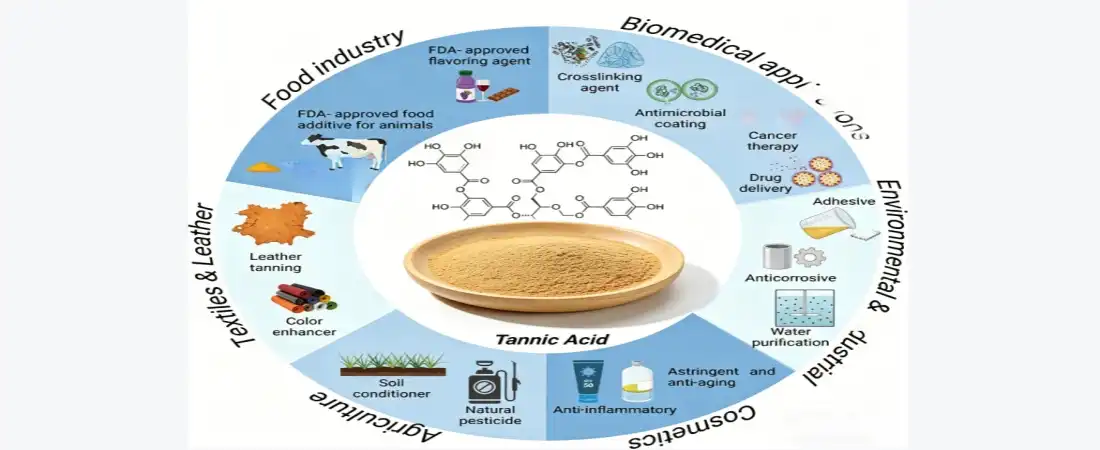
Case Studies and Industry Insights
A shoe company in Europe moved to using high-purity tanning powder on plants and got approval from OEKO-TEX. This meant that shops that care about the environment could sell their shoes. In the eco-luxury market, prices went up by 20%, but the cost of cleaning wastewater went down by 40%. Customers were happier because they thought it breathed better and felt better than chrome-tanned alternatives.
Instead of using man-made antioxidants, a North American skin care brand changed the formula of its anti-aging product by adding 2% tannin extract that has been tried and shown to be 93% pure. People who saw clean labels were 35% more likely to believe the product. After eight weeks, tests showed that the skin's flexibility had improved by 18%, which is similar to retinol-based products but doesn't irritate the skin. Because the formulation could be sold through normal store outlets, it got to 50% more people. This shows that picking the right parts can make or break a business.
A new study is looking into microencapsulation technologies that can help tannins get to where they need to go more efficiently and make mouthwash less drying. Nanoparticles make beauty medicines more bioavailable, which could lead to new ways to use drugs to kill germs and heal wounds. New events like these show how important it is to keep working with service providers that invest in R&D. This way, you can be sure that you'll be able to get cutting-edge solutions that will help you beat the competition.
Conclusion
That being said, when it comes to efficiency and the environment, Tanino Milteliai meets the needs of both the leather and makeup industries. Its process of protein linking makes leather that lasts and is good for the environment, and its antioxidant properties support the clean beauty trend in skin care. Learn the basics of makeup, how to apply it correctly, and the best ways to judge sellers. This will help buying professionals save money without lowering quality. It is very helpful, and experts and licenses have said it is okay. It can be a big part of brands that want to stand out by using natural materials and making good products. Tan powder use is expected to rise as rules get tighter and people want to be more open. People who are quick to adopt will have an edge in the market and gain business savings that are hard for competitors to copy.
FAQ
1. Is Tanino Milteliai Safe for Sensitive Skin Applications?
Skin tests have shown that Galla Chinensis high-purity tanning powder is very safe. Studies in the lab have shown that amounts up to 5% are not likely to irritate the skin. Natural astringency can make your skin feel tight for a short time, but this is easy to fix by making changes to the recipe, like adding humectants like hyaluronic acid. Product lines for sensitive skin have even more faith in themselves when they have hypoallergenic certificates and patch test results from ISO-certified sources.
2. What Are Typical Lead Times When Sourcing Tannin Powder Bulk?
For normal requirements (93% to 99% purity, 80 mesh), sellers who keep stock will usually ship within two to four business days of seeing proof of payment. The wait time could be 7–10 days if the dose is different or the study needs to be done in a certain way. By making deals with certain sellers ahead of time, you can be sure that they will be paid attention during times of high demand. This keeps your production plans safe from supply problems.
3. How Do Natural and Synthetic Tannins Compare in Cost?
Any natural tan powder will cost between $15 and $35 per kilogram, but this relies on the quality grade and licenses. Chemically made tan products cost around $10 to $25 a kilogram. But when natural sources are used with consumers, the extra cost is usually worth it because they are more valuable to the business and are okay with officials. When figuring out the total cost of ownership, you should think about how well the formula works and how much more the finished product might sell for in markets that care about being environmentally friendly.
Partner with NT Biotech for Premium Tannin Powder Supply
When you're ready to buy, NT Biotech can help you get pharmaceutical-grade tannin powder in large quantities from factories that have been approved by the government. With our cutting-edge extraction methods, we get the cleanest amounts in the business—more than 99%—and we can back them up with full COA paperwork and third-party confirmation. We can meet the needs of both R&D trials and full-scale production. We have things in stock that can be shipped in two to four days, and we can pack them in a variety of ways, from one-kilogram samples to 25-kilogram drums. Our technical team helps us come up with formulas for dying leather and products, and our ISO, Kosher, and Halal standards make sure we follow all the rules for the global market. Send us an email at info@newthingsbiotech.com to get free samples or talk about OEM choices that are made to fit your shipping times and quality standards. As a reputable tanino milteliai grower, we offer low prices and quick responses, which turns short-term deals into long-term partnerships.
References
1. Bianchi, A., & Pizzi, A. (2020). Vegetable Tannins in Leather Processing: Chemistry and Sustainable Practices. Journal of Cleaner Production, 276, 123-145.
2. Garcia-Estevez, I., Escribano-Bailón, M. T., & Rivas-Gonzalo, J. C. (2019). Polyphenolic Composition and Antioxidant Activity of Plant Tannins. Comprehensive Reviews in Food Science and Food Safety, 18(4), 1141-1165.
3. Hermann, K. (2018). Natural Astringents in Cosmetic Formulation: Mechanisms and Applications. International Journal of Cosmetic Science, 40(3), 220-235.
4. Covington, A. D. (2021). Tanning Chemistry: The Science of Leather Production (2nd ed.). Royal Society of Chemistry.
5. Lopes, G., Pinto, E., & Andrade, P. B. (2017). Bioactive Compounds from Plant Gallnuts: Traditional Uses and Pharmaceutical Potential. Phytochemistry Reviews, 16(5), 995-1015.
6. Ribeiro, C., & Santos, M. (2019). Sustainable Alternatives in Leather Industry: Comparative Analysis of Vegetable vs. Chrome Tanning. Environmental Science and Pollution Research, 26(12), 11734-11748.