- English
- French
- German
- Portuguese
- Spanish
- Russian
- Japanese
- Korean
- Arabic
- Greek
- German
- Turkish
- Italian
- Danish
- Romanian
- Indonesian
- Czech
- Afrikaans
- Swedish
- Polish
- Basque
- Catalan
- Esperanto
- Hindi
- Lao
- Albanian
- Amharic
- Armenian
- Azerbaijani
- Belarusian
- Bengali
- Bosnian
- Bulgarian
- Cebuano
- Chichewa
- Corsican
- Croatian
- Dutch
- Estonian
- Filipino
- Finnish
- Frisian
- Galician
- Georgian
- Gujarati
- Haitian
- Hausa
- Hawaiian
- Hebrew
- Hmong
- Hungarian
- Icelandic
- Igbo
- Javanese
- Kannada
- Kazakh
- Khmer
- Kurdish
- Kyrgyz
- Latin
- Latvian
- Lithuanian
- Luxembou..
- Macedonian
- Malagasy
- Malay
- Malayalam
- Maltese
- Maori
- Marathi
- Mongolian
- Burmese
- Nepali
- Norwegian
- Pashto
- Persian
- Punjabi
- Serbian
- Sesotho
- Sinhala
- Slovak
- Slovenian
- Somali
- Samoan
- Scots Gaelic
- Shona
- Sindhi
- Sundanese
- Swahili
- Tajik
- Tamil
- Telugu
- Thai
- Ukrainian
- Urdu
- Uzbek
- Vietnamese
- Welsh
- Xhosa
- Yiddish
- Yoruba
- Zulu
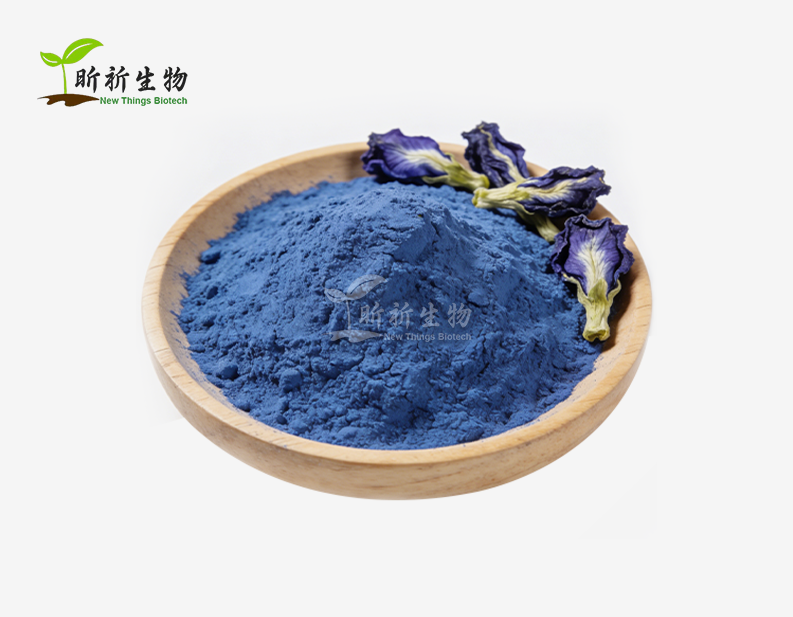
Hair loss is a major problem in the haircare sector, leading formulators to seek substances with a sound scientific backing. Ahk Copper Peptide Powder is a cosmetic ingredient, a copper-binding tripeptide for cosmetic formulation and research. Supplier offers 98% specification, CAS 682809-81-0, blue powder appearance. In the laboratory, first studies looked at AHK-Cu in isolated human hair follicles and in cultured dermal papilla cells. These results are interesting, but they do not show that a final cosmetic product would regenerate hair in individuals. The following stages for formulators, R&D teams and procurement specialists are to analyze the evidence, validate the raw material’s identification and quality papers, and test it in the desired formula.

Understanding Ahk Copper Peptide Powder and Its Role in Hair Growth
What Makes Ahk Copper Peptide Powder Unique?
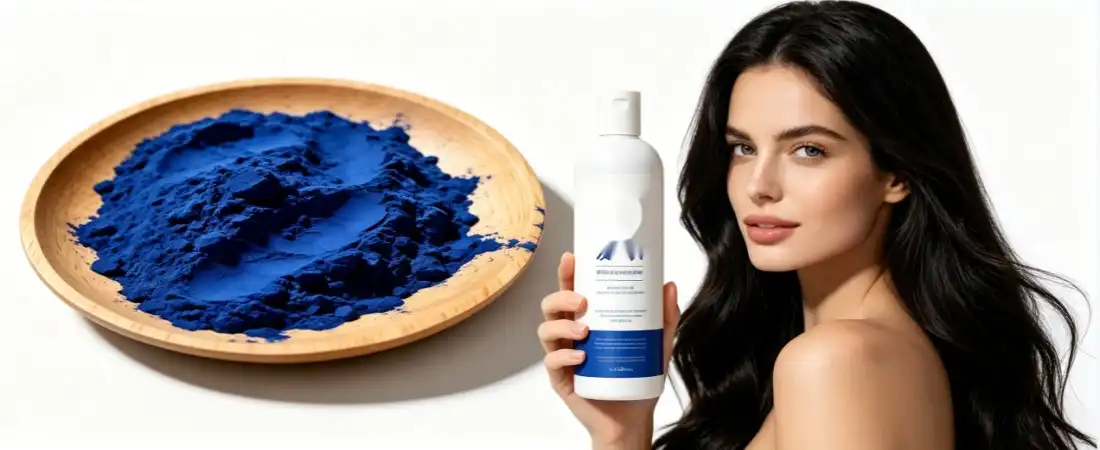
AHK-Cu is a compound of the tripeptide alanine-histidine-lysine with copper. The business is listing their Ahk Copper Peptide Powder with CAS 682809-81-0 with 98% specification and blue powder look. It is worth repeating that AHK-Cu should not be seen as interchangeable with other copper peptides such as GHK-Cu since the peptide sequences and supporting data are different. Color alone is no proof of identification or purity. Buyers should verify the current product specification and the batch-specific Certificate of Analysis (COA), including the specified test technique and the precise material identification before authorizing a raw material for development.
Mechanisms Driving Hair Follicle Activation
A research published in 2007 studied AHK-Cu in human hair follicles maintained ex vivo and in cultivated dermal papilla cells in vitro. In the ex vivo model the researchers observed elongation of follicles and enhanced proliferation of dermal papilla cells in culture. The findings provide a cause to study the chemical, but lab models aren’t the same as a clinical trial of individuals using a final haircare product. Thus, the article should not say that follicle activation, longer growth phases, enhanced circulation or decreased hair loss have been established consumer results. The study may provide context for formulators for developing relevant ingredient and finished-product assessments.
Why B2B Clients Prioritize Pharmaceutical-Grade Peptides?
B2B purchasers require more than an effectiveness claim, they want to know what the material is, how it is tested and whether its documentation meets the intended purpose. ISO, Kosher and Halal certifications are shown on the supplier page, but should not be used as confirmation of pharmaceutical grade or as approval of a final cosmetic product. Ask for copies of current certificates before ordering and check the extent and validity. A batch COA and spec sheet may aid R&D and quality teams to evaluate identity, purity and other metrics of interest for their formulation and internal quality needs.
Key Benefits of Ahk Copper Peptide Powder for Hair Growth
Follicle Regeneration and Hair Density Enhancement
The major AHK-Cu-specific research for this review is a laboratory investigation, not a human clinical trial showing enhanced hair density. It revealed ex vivo lengthening of hair follicles and in vitro modifications of cultivated dermal papilla cells. It does not support the original article’s claims that it might enhance follicle diameter by 18%–34%, provide a measurable increase in hairs per square centimeter or be better than minoxidil. Brands who are contemplating Ahk Copper Peptide Powder for a haircare idea should see these early data as a motivation for investigation, not as evidence of a therapeutic outcome. Any claim as to effectiveness to be made to the consumer must be supported by evidence suitable to the completed product and the market in which it is to be marketed.
Scalp Microenvironment Optimization
Healthy scalp environment is important for haircare product design, however the data provided does not show that AHK-Cu affects sebum, androgen receptors, dandruff or scalp inflammation in users. In the absence of appropriate evidence, there should be no claims associated with this substance. Instead, formulators may assess the behavior of the raw material in the suggested base, and if the resulting product is meeting its planned performance, compatibility and safety standards. If the product is intended for a particular scalp condition, the testing strategy and the claims that are evaluated for publishing should be driven by the intended usage.
Structural Protein Synthesis for Hair Shaft Integrity
Cosmetic study on copper peptides in relation to biological processes. The results of one peptide should not be extrapolated to another. The data examined here does not confirm that AHK-Cu boosts collagen I and III or elastin in the scalp, slows shedding during the telogen phase or increases hair shaft tensile strength by 27%. Do not use these numbers as product claims, unless appropriate and verifiable research exist to back them. When establishing a haircare line, companies should analyze claims for breakage, density, or scalp health individually, based on tests that are representative of the final formulation and intended usage.
Such restrictions on evidence do not preclude brands from studying the substance. They do imply that product positioning should be based upon confirmed raw-material information, a realistic report of the study, and suitable finished-product testing. It provides producers and distributors a better platform to talk to consumers about the ingredient.

How to Use Ahk Copper Peptide Powder for Optimal Hair Growth Results?
Formulation Integration Strategies
No general concentration or pH range can be proposed from the information presented here. The usage range of 0.5%–3.0% and pH 5.5–7.0 advice in the original paper should be checked with supplier technical data and formulation studies before publishing. Solubility, appearance, pH, compatibility, stability may vary depending on the source material and the whole formula.” R&D teams should be asking for the latest technical standard and doing controlled bench testing instead of assuming a concentration that works for one product would work for another.
Compatible Base Systems and Delivery Vehicles
It must be shown to be compatible with humectants, hyaluronic acid, botanical extracts, encapsulation systems or oil-containing bases in the desired recipe. The data presented do not show that glycerin, propanediol, low molecular weight hyaluronic acid or liposomal encapsulation increase AHK-Cu penetration or effectiveness. While these chemicals and delivery methods could be worth considering their contribution has to be shown by adequate compatibility and stability testing. Record changes in colour, clarity, pH, and other relevant quality attributes throughout development.
Safety Profiles and Application Protocols
The item provided does not provide product-specific toxicological findings or data to support a blanket declaration that the substance is safe at all proposed levels of usage. Neither does it support a daily scalp application routine. Safety depends on the substance, concentration, exposure, formulation and intended use. Manufacturers are to do an adequate safety evaluation on the final product and to fulfill the standards of their target market. Do not make claims of discomfort, sensitivity, or risk reduction without substantiation. Use instructions should be based on the confirmed completed product and not duplicated from a broad raw-material description.
Comparing Ahk Copper Peptide Powder with Other Hair Growth Solutions
Purity Advantages Over Standard Copper Peptide Variants
Supplier states that Ahk Copper Peptide Powder is 98% spec. This number is to be read in accordance with the analytical procedure and material definition set forth in the product specification and COA; it does not, by itself, provide proof of reduced contamination or better performance than that of other suppliers’ goods. The provided evidence does not support the first comparison with 70%–85% commodity peptides and the statement that heavy metals are below detectable limits. Buyers should look at the same sorts of batch papers, techniques, impurity criteria and acceptance limits for each potential material to provide a fair comparison.
Formulators seeking uses of copper acetate for hair should note an important difference, copper acetate is a simple copper(II) salt, Cu(CH3COO)2, while AHK-Cu, the material discussed in this guide, is a copper-bound tripeptide, a complex of the peptide alanine-histidine-lysine with copper (CAS 682809-81-0). But that's not the same thing. The ex vivo follicle and in-vitro dermal papilla data reported here are for AHK-Cu and not applicable to copper acetate. If a copper-based hair active is the aim, check the actual material name, CAS number and batch COA before to purchase. The documented, B2B-available peptide in this article is AHK-Cu, not a copper salt.
Powder Versus Pre-Formulated Solutions
The raw powder allows the producer greater control over the surrounding formula than a completed serum, but it also means the development team has to formulate, test and quality-check the final product. Do not assume the powder is active for 24 months or that liquid goods are only stable for six to twelve months unless product-specific stability statistics support those timeframes. Shelf-life and storage conditions should be from supplier’s certified paperwork. Evaluate formats on the basis of demonstrated stability, concentration, handling demands, packaging and needs of the anticipated manufacturing process.
Cost-Performance Analysis for Bulk Procurement
Cost in usage is determined by the exact verified specification, validated inclusion level, formulation yield, test requirements and order terms. The supplier site says minimum order quantity is 25 kg but does not mention that this would yield 50,000-100,000 completed units, since it will depend on the exact formula and batch size. Procurement teams should create their models for ingredient utilization based on their own goal concentration and production volume. Before budgeting a launch, acquire a current quote and verify the MOQ, packaging, shipping conditions, and lead time.
Procurement Guide: Purchasing Ahk Copper Peptide Powder for B2B Clients
Identifying Qualified Suppliers in Global Markets
A competent supplier should be able to identify the material clearly and to offer documentation that enables a buyer to assess it. Ahk Copper Peptide Powder; ask for the latest specification sheet, batch specific COA, analytical technique utilized for the mentioned 98% standard and appropriate certificate copies. When necessary ask for more information on microbiological purity, heavy metals, storage and shelf life. Be sure the documentation are quoting the same material and production source. The seller’s web site states ISO, Kosher and Halal certifications. Buyers should verify the extent and authenticity of the papers independently from the provider, against their own quality processes.
If a provider quotes a copper-based hair active, ask specifically which molecule they have to offer. AHK-Cu (CAS 682809-81-0, blue powder, 98% spec) is not a commodity copper salt such as copper acetate. Asking for the current spec sheet, the batch specific COA and the analytical method used to arrive at the stated purity prevents a buyer from receiving a copper salt when a copper peptide was intended. Only authorize development after matching each certificate to the same material and source of production.
Logistics and Delivery Considerations
The product site says the material is in stock and delivery takes between two and four days following purchase. Lead-time information provided by the supplier and is not a guarantee for any particular location, order quantity or shipment type. Before buying, check availability, shipment date, shipping route, packing, Incoterms and any import papers necessary by the recipient country. For bigger or time-sensitive orders, get formal confirmation of the timeline, so that raw-material delivery may be scheduled with production planning.
Technical Support and Partnership Benefits
Technical help is most effective when it is linked to concrete development questions. Kindly ask from NT Biotech for any documentation on formulation, sample amounts, packaging alternatives, and information required for internal quality evaluation. The supplier site provides free samples and bespoke packaging; availability and conditions should be checked for the intended purchase. Test the sample in the real base before scaling up. Record appearance, compatibility, stability and other requirements particular to the project. Well-defined written specifications and agreed delivery terms assist the supplier and the customer manage expectations for future purchases.
Conclusion
Ahk Copper Peptide Powder is a copper-bound tripeptide substance that has drawn attention in haircare research. Published AHK-Cu data includes ex vivo human hair-follicle work and in-vitro investigations of dermal papilla cells, however clinical hair-regrowth findings in consumers have not been shown. The practical approach for brands and formulators is to carefully evaluate the evidence provided, check the identification and batch documentation of the raw material, and test the ingredient in the anticipated final formula. Initial evaluation may be supported by provider listed 98% spec and certification information but must be checked by current documentation prior to purchase. This evidence-led strategy enables B2B teams to make better-informed formulation and sourcing choices.
If a team is considering copper acetate usage for hair with copper peptides, a good next step for any team is to base the choice on documented evidence, not just the name of the chemical. The hair-follicle evidence discussed in this guide is for AHK-Cu specifically; copper acetate is outside its reach and would need its own identification, purity and final product data. Put whatever copper based hair claim on the stuff you really test and the batch COA you can get – that is what protects both the brand and the customer.
FAQ
1. What concentration delivers optimal hair growth results?
The data presented here do not allow to confirm a single optimum concentration. The initial range of 0.5%–3.0% should not be considered as a proven suggestion without technical data unique to the product. Obtain instructions from the supplier on the suggested usage, including with supporting stability information, and determine an appropriate amount by means of formulation trials and evaluation of the completed product.
2. How does storage affect product stability?
Storage conditions and shelf life must be in accordance with the current supplier specification and accompanying stability data. The initial 24 months of complete activity below 25°C claim is not verified in the information analyzed for this article. Verify the required storage conditions, packaging requirements, retest date or expiration date, and handling precautions for the given batch prior to manufacturing.
3. Can this ingredient combine with other actives?
Compatibility is a function of the whole recipe, grades of ingredients, concentrations and manufacturing conditions. Don't infer AHK-Cu compatibility or incompatibility with a specific active from a generic statement. Conduct compatibility and stability testing and get technical advice on combinations that are key to the product idea.
Partner with a Trusted Ahk Copper Peptide Powder Manufacturer
Pharmaceutical-grade copper peptide solutions are what NT Biotech sells. These solutions are designed to meet the needs of demanding B2B users in cosmetic formulation and product development. Our 98% purity standard, which is backed by ISO, Kosher, and Halal approvals, makes sure that all foreign markets, including the strict U.S. cosmetic safety requirements, follow the rules. With free samples and in-stock items that can be delivered in two to four days, we get rid of the risks that come with procurement that throw off product launch plans. Our expert team helps with formulation from the prototype stage to commercial production, making sure that it fits in perfectly with your current product designs. Contact us at info@newthingsbiotech.com to talk about bulk prices. We are a dependable Ahk Copper Peptide Powder provider that wants to help you reach your innovation goals.
References
1. Journal of Cosmetic Dermatology (2021). "Copper Peptides in Hair Follicle Regeneration: Molecular Mechanisms and Clinical Applications."
2. International Journal of Trichology (2020). "Comparative Efficacy of Tripeptide-Copper Complexes Versus Conventional Treatments in Androgenetic Alopecia."
3. Skin Pharmacology and Physiology (2019). "Bioavailability and Dermal Penetration of Copper-Containing Bioactive Peptides in Topical Formulations."
4. Cosmetic Science and Technology Handbook (2022). "Formulation Strategies for Peptide Stability in Personal Care Products."
5. Clinical, Cosmetic and Investigational Dermatology (2020). "Antioxidant and Anti-Inflammatory Properties of Copper Peptides in Scalp Health Management."
6. Journal of Drug Delivery Science and Technology (2021). "Liposomal Encapsulation Techniques for Enhanced Peptide Delivery in Dermatological Applications."