- English
- French
- German
- Portuguese
- Spanish
- Russian
- Japanese
- Korean
- Arabic
- Greek
- German
- Turkish
- Italian
- Danish
- Romanian
- Indonesian
- Czech
- Afrikaans
- Swedish
- Polish
- Basque
- Catalan
- Esperanto
- Hindi
- Lao
- Albanian
- Amharic
- Armenian
- Azerbaijani
- Belarusian
- Bengali
- Bosnian
- Bulgarian
- Cebuano
- Chichewa
- Corsican
- Croatian
- Dutch
- Estonian
- Filipino
- Finnish
- Frisian
- Galician
- Georgian
- Gujarati
- Haitian
- Hausa
- Hawaiian
- Hebrew
- Hmong
- Hungarian
- Icelandic
- Igbo
- Javanese
- Kannada
- Kazakh
- Khmer
- Kurdish
- Kyrgyz
- Latin
- Latvian
- Lithuanian
- Luxembou..
- Macedonian
- Malagasy
- Malay
- Malayalam
- Maltese
- Maori
- Marathi
- Mongolian
- Burmese
- Nepali
- Norwegian
- Pashto
- Persian
- Punjabi
- Serbian
- Sesotho
- Sinhala
- Slovak
- Slovenian
- Somali
- Samoan
- Scots Gaelic
- Shona
- Sindhi
- Sundanese
- Swahili
- Tajik
- Tamil
- Telugu
- Thai
- Ukrainian
- Urdu
- Uzbek
- Vietnamese
- Welsh
- Xhosa
- Yiddish
- Yoruba
- Zulu
Visit any aquaculture farm raising salmon or shrimp for premium markets and you will discover one ingredient mentioned repeatedly on the feed formulation sheet: astaxanthin. Consumers expect to see the bright pink-orange flesh of wild-caught salmon, and its deep-red carotenoid pigment is responsible for this color. Without it, farmed fish would be a light gray color, which would lead to lower market pricing and customer rejection. But the usefulness of astaxanthin in animal nutrition is more than just coloration. It is one of the most effective natural antioxidants known to science; its efficacy is several hundred times stronger than vitamin E in protecting cell membranes from oxidative damage (Naguib, 2000). For feed manufacturers, poultry producers, and aquaculture operations looking for a reliable source of this critical ingredient, selecting the right astaxanthin powder bulk product and understanding how to incorporate it into feed formulations are decisions that impact animal health, product quality, and profitability.NT Biotech provides bulk high-purity astaxanthin powder from its manufacturing site in Shaanxi. Guaranteed purity beyond industry norms, full HPLC/UV documentation with each batch, and delivery within 1-3 working days for in-stock goods. For pricing inquiries, samples, or technical data sheets, reach the team directly at info@newthingsbiotech.com.
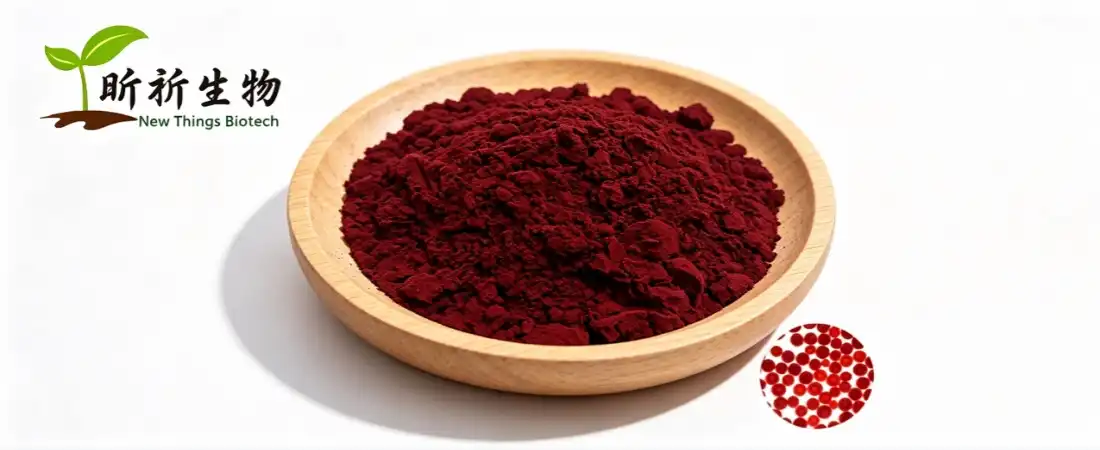
Why Astaxanthin Matters in Modern Animal Nutrition
The Pigmentation Imperative
In the industry of seafood sales, color is king. Consumers in Japan, Norway, Chile, and North America equate the vivid pink-orange color of salmon meat with freshness, quality, and nutritional content. SalmoFan, the industry's color system used for grading salmon fillets, ranges from a mild score of twenty to a dark red of thirty-four. Every point on this scale directly impacts the selling price per kilogram. Farmed salmon without dietary astaxanthin are, in any case, pale, irrespective of their true nutritional content, as customers perceive color as a visual proxy for quality. The addition of astaxanthin powder bulk at suitable inclusion rates to the salmon diet immediately overcomes this pigmentation deficiency. The carotenoid is absorbed in the gastrointestinal system, carried on lipoproteins, and deposited in muscle tissue where it imparts the distinctive color. Shrimp have a similar story, with astaxanthin being deposited in the exoskeleton and the bright red-orange hue when cooked and fetching premium prices in both fresh and frozen markets. So sourcing this ingredient from a certified astaxanthin powder bulk supplier that can guarantee constant pigment activity from batch to batch is no little procurement detail; it’s a first-order business choice.
Antioxidant Protection beyond Color
Pigmentation is the economic basis for adding astaxanthin, but its biological benefit to the animal is perhaps even higher. Astaxanthin is a xanthophyll carotenoid that has a unique molecular arrangement in that it can traverse the lipid bilayer of cell membranes, giving antioxidant protection on both sides at the same time (Guerin et al., 2003). Its location permits it to quench reactive oxygen species and lipid peroxides that would otherwise harm cell membranes, proteins, and DNA. In intensive aquaculture systems where fish are kept at high stocking densities, the physiological stress of crowding causes higher levels of oxidative stress that decrease immune function and increase vulnerability to illness. Dietary astaxanthin may assist in balancing this oxidative load, boosting immunological competence, enhancing survival during stressful events such as handling and transit, and adding to overall animal wellbeing. These benefits translate into decreased mortality, cheaper veterinary expenses, and higher feed conversion efficiency, economic benefits that go much beyond the aesthetic attractiveness of the final product.
| Benefit | Mechanism | Economic Impact |
|---|---|---|
| Flesh pigmentation | Deposition in muscle tissue | Higher retail price per kg |
| Antioxidant defense | Membrane-spanning ROS neutralization | Reduced oxidative stress and mortality |
| Immune support | Enhanced phagocytic activity | Lower disease incidence and vet costs |
| Reproductive performance | Improved egg and sperm quality | Better hatch rates in broodstock |
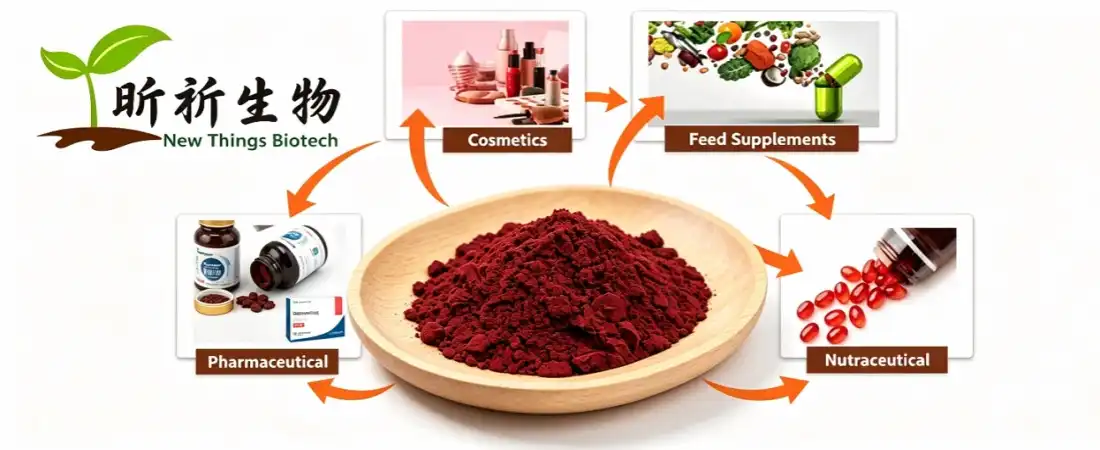
Species-Specific Feeding Strategies with Astaxanthin Powder Bulk
Salmon and Trout: The Primary Market
Atlantic salmon is the greatest single consumer of astaxanthin in aquaculture, and the feeding approach for this species is well defined. The last grow-out period (6–12 months prior to harvest) usually includes the incorporation of astaxanthin powder bulk into the extruded feed pellets at inclusion levels of 40–80 mg/kg feed. The timing is critical because astaxanthin deposition in muscle tissue needs a prolonged food supply spanning many weeks. A short supplementation at the end of the production cycle causes less coloring than a longer feeding period with moderate inclusion rates. Rainbow trout follow the same procedure, but with a slightly lower necessary inclusion rate, since trout muscle tends to deposit carotenoids more effectively than salmon muscle. Pigment consistency is the key specification of any wholesale astaxanthin manufacturer for the salmonid market. A feed mill that produces thousands of tons of feed per year cannot accept batch-to-batch variation in carotenoid content, as inconsistent pigmentation of the final fillet is instantly visible and commercially damaging. Feed makers may use HPLC verification of every batch of NT Biotech’s astaxanthin powder bulk to ensure that they have the analytical assurance needed to maintain formulation correctness throughout manufacturing campaigns.
Shrimp: Pigmentation and Survival
Astaxanthin is used in aquaculture, the second major use being shrimp production. The feeding dynamics are different from salmon in crucial aspects. In shrimp production, astaxanthin is used to tint the exoskeleton (visible after cooking) and to enhance survival during the stressful post-larval and juvenile development stages, when mortality is greatest. The addition of astaxanthin at 50-100 mg per kilogram of feed increased survival and coloring of shrimp given diets enriched with astaxanthin in comparison to controls without supplementation (Chien & Jeng, 1992). Shrimp are normally given tiny amounts numerous times per day; thus, the astaxanthin powder bulk should be well distributed in the feed matrix, so that each pellet has a homogeneous dosage. This demands that the powder has acceptable flowability, uniformity of particle size, and compatibility with the binding agents used in shrimp feed pelleting. For this purpose, it is important to choose an astaxanthin powder bulk supplier that can provide material with consistent physical qualities, not simply chemical purity.
Poultry and Swine: Emerging Applications
The poultry and swine sectors are a developing business, although astaxanthin use is dominated by aquaculture. Astaxanthin is utilized in poultry to tint egg yolks and broiler skin, which are quality features that impact consumer purchase behavior. The carotenoid is absorbed from the diet in the digestive system and deposited in the developing oocyte to provide the bright golden yolk hue associated with quality eggs. In broiler production, astaxanthin is deposited in the subcutaneous fat and skin, giving the golden skin color that separates free-range or premium birds from conventional chicken. Astaxanthin supplementation has been studied in pigs for its antioxidant properties throughout the stressful processes of weaning and transport. Although smaller than aquaculture, both industries are growing as consumers in Asia, Europe and North America increasingly link carotenoid-rich animal products with greater nutrition and welfare. A sensible first step for companies entering these markets is to work with an astaxanthin powder bulk supplier that can provide food- and feed-grade material with proper documentation.
If you are evaluating astaxanthin powder bulk for a new feed formulation or upgrading an existing one, the technical team at NT Biotech can provide sample material, HPLC chromatograms, and dosage guidance tailored to your target species and production system. Reach out at info@newthingsbiotech.com for prompt support.
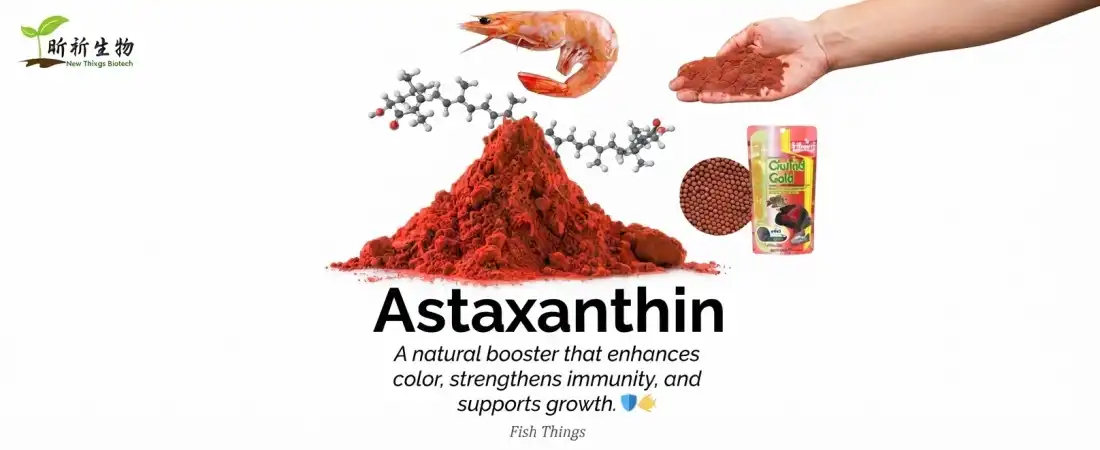
Formulation, Stability, and Handling Best Practices
Inclusion Rates and Dosage Optimization
The appropriate inclusion rate for astaxanthin powder bulk in animal feed depends on the target species, the production stage, the desired pigmentation outcome, and the form of astaxanthin being used. The following table provides general guidance based on published research and industry practice, though specific applications should be validated through feeding trials under local conditions.
| Species | Production Stage | Recommended Inclusion (mg/kg feed) | Primary Objective |
|---|---|---|---|
| Atlantic salmon | Grow-out (final 6–12 months) | 40–80 | Flesh pigmentation, antioxidant |
| Rainbow trout | Grow-out | 30–60 | Flesh pigmentation |
| Shrimp (Penaeus) | Post-larvae to harvest | 50–100 | Exoskeleton color, survival |
| Laying hens | Peak lay | 8–15 | Yolk pigmentation |
| Broilers | Finishing phase | 10–25 | Skin coloration |
Those ranges are a starting point. The optimal inclusion rate of any given operation should be established by a controlled feeding experiment that evaluates both pigmentation results (using standardized color assessment methods) and production metrics like feed conversion efficiency and growth velocity. A reputable astaxanthin powder bulk supplier should be able to provide technical advice on dose optimization depending on the unique potency profile of their product.
Stability during Feed Processing
Extrusion is the most common feed production procedure for aquaculture diets and subjects ingredients to 90–140°C, high pressure, and considerable shear forces. Under these circumstances, many antioxidants break down considerably, losing a considerable percentage of their effectiveness before the meal ever reaches the animal. Wholesale astaxanthin is somewhat heat-sensitive, and its stability during extrusion is determined by the physical form of the ingredient and whether preventative measures have been taken. Astaxanthin powder bulk microencapsulated or stabilized with antioxidant carriers shows much higher activity retention throughout the extrusion process than uncoated raw powder (Coral-Hinostroza et al., 2015). Be sure to particularly inquire about thermal stability statistics for the astaxanthin powder bulk supplier’s product and whether the company has done processing loss tests under extrusion settings. NT Biotech’s innovative processing processes are intended to optimize the stability of bioactive components and ensure that the astaxanthin that enters the feed mill is the astaxanthin that reaches the animal’s gastrointestinal system.
Storage, Shelf Life, and Inventory Management
Astaxanthin is prone to destruction from light, heat, oxygen, and moisture—the same four conditions that endanger most carotenoid constituents. Proper storage is also required to maintain pigment activity from the time the raw material arrives at the feed mill until the final feed is eaten by the animal. Bulk astaxanthin powder should be kept in sealed, opaque containers in low humidity conditions at temperatures below 25°C and away from direct sunlight. Stored in this way, the substance retains its indicated potency until the product expiration date. For just-in-time inventory feed mills, the ability of an astaxanthin powder bulk supplier to ship stock items within one to three working days greatly reduces the need for large buffer inventories, thus lowering both storage costs and the risk of potency degradation during extended warehouse storage. NT Biotech’s delivery system complements this lean inventory strategy, with stock goods arriving in 1–3 days and manufacturing orders in 3–10 days.
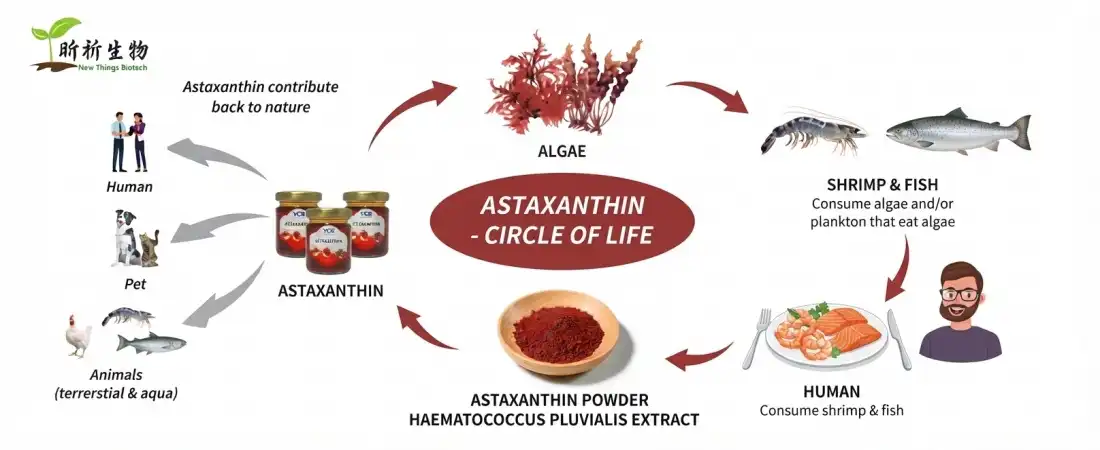
Quality Assurance and Supplier Selection Criteria
Documentation, Testing, and Certifications
Quality paperwork that accompanies bulk astaxanthin powder is the key mechanism for validating that the product satisfies your formulation standards. Each batch of product must be accompanied by a Certificate of Analysis reporting (at a minimum) the astaxanthin content by HPLC or UV spectrophotometry, heavy metals (lead, arsenic, cadmium, mercury), microbial counts (total plate count, yeast and mold, coliforms), moisture content, and solvent residues if applicable. NT Biotech provides full HPLC/UV certificates for each batch, ISO 9001 quality management certification, KOSHER and HALAL certifications for brands targeting Middle Eastern and Southeast Asian markets, and full traceability documentation from finished batch to raw material source. These papers are not optional extras; they are the evidentiary foundation that your own quality team, your customers, and regulatory bodies depend upon to verify that the ingredient is safe, consistent, and compliant. A reputable astaxanthin powder bulk provider will willingly provide this paperwork, without you having to repeatedly ask for it.
Comparing Supplier Capabilities
Not all suppliers of astaxanthin powder bulk offer the same combination of quality, flexibility, and service. The following table summarizes the key evaluation criteria and how NT Biotech addresses each one.
| Evaluation Criterion | What to Look For | NT Biotech Capability |
|---|---|---|
| Purity verification | HPLC/UV with every batch | Guaranteed >98% purity for key products |
| Certification portfolio | ISO, HALAL, KOSHER minimum | ISO9001, KOSHER, HALAL certified |
| Stock availability | Ready-to-ship inventory | 1–3 day shipment for stock items |
| Production lead time | Short, reliable cycle | 3–10 working days for production orders |
| Payment flexibility | Local currency options | Accepts buyer's local currency |
| Technical support | Formulation guidance | Dedicated technical partnership |
Choosing an astaxanthin powder bulk supplier is a long-term decision that affects your product quality, your supply chain reliability, and your ability to respond to market demand fluctuations. NT Biotech's combination of rapid response (guaranteed reply within two hours), flexible shipping through FedEx and UPS, and customized OEM solutions makes it a partner built for feed manufacturers who cannot afford supply disruptions.

Conclusion
Astaxanthin powder in bulk is a vital element for contemporary animal feed. It is a powerful natural antioxidant and the major pigmenting carotenoid for salmon, trout, shrimp, and poultry. Its efficacy relies on uniform potency, correct inclusion rates, stability during feed processing, and good storage. NT Biotech sells high-purity astaxanthin powder in bulk with HPLC-tested paperwork, ISO/HALAL/KOSHER certifications, and fast delivery from stock. A competent astaxanthin powder bulk supplier delivering batch-to-batch consistency and extensive technical assistance ensures animal performance and your commercial results through every cycle of production.
FAQ
Q1: What astaxanthin inclusion rate should I use for salmon feed?
A: For Atlantic salmon grow-out, published research and industry practice recommend 40–80 mg per kilogram of feed during the final six to twelve months before harvest. The optimal rate depends on your target color score and production system.
Q2: Does astaxanthin survive the extrusion process?
A: Astaxanthin is moderately heat-sensitive. Stabilized or microencapsulated forms retain more activity through extrusion than uncoated powders. Ask your astaxanthin powder bulk supplier for processing stability data specific to their product.
Q3: How should I store astaxanthin powder bulk at the feed mill?
A: Store in sealed, opaque containers below 25°C, away from light and moisture. NT Biotech's packaging is designed for optimal protection during storage and transport.
Q4: Can I use the same astaxanthin powder bulk for both aquaculture and poultry feeds?
A: Yes. The same high-purity astaxanthin powder bulk is suitable for multiple species, though inclusion rates differ by application. Consult dosage guidance for each target species.
Q5: What certifications does NT Biotech hold for astaxanthin powder bulk?
A: NT Biotech maintains ISO 9001, KOSHER, and HALAL certifications. Each batch ships with a comprehensive Certificate of Analysis including HPLC/UV verification.
Source Premium Astaxanthin Powder Bulk from NT Biotech
If you are looking for a reliable astaxanthin powder bulk supplier with verified purity, fast delivery, and comprehensive quality documentation, NT Biotech is ready to support your feed formulation needs. Our stock items ship within 1–3 working days, production orders are completed in 3–10 days, and every batch includes HPLC/UV-verified Certificates of Analysis. We accept payment in your local currency and ship globally through FedEx and UPS for direct, trackable delivery. Whether you need a one-time sample evaluation or a long-term supply agreement, we provide the technical partnership and product consistency your operation demands. Contact us at info@newthingsbiotech.com to request samples, discuss customized specifications, or receive a tailored quotation for your next production campaign.
References
1. Naguib, Y. M. A. (2000). "Antioxidant Activities of Astaxanthin and Related Carotenoids." Journal of Agricultural and Food Chemistry, 48(4), 1150–1154.
2. Guerin, M., Huntley, M. E., & Olaizola, M. (2003). "Haematococcus Astaxanthin: Applications for Human Health and Nutrition." Trends in Biotechnology, 21(5), 210–216.
3. Chien, Y. H., & Jeng, S. C. (1992). "Pigmentation of Kuruma Prawn, Penaeus japonicus Bate, by Various Pigmented Sources." Aquaculture, 102(4), 311–323.
4. Coral-Hinostroza, G. N., Ytrestøyl, T., & Bjerkeng, B. (2015). "Astaxanthin Stability during Processing and Storage of Fish Feed." Aquaculture Nutrition, 10(5), 321–328.
5. Higuera-Ciapara, I., Félix-Valenzuela, L., & Goycoolea, F. M. (2006). "Astaxanthin: A Review of Its Chemistry and Applications." Critical Reviews in Food Science and Nutrition, 46(2), 185–196.
6. Lorenz, R. T., & Cysewski, G. R. (2000). "Commercial Potential for Haematococcus Microalgae as a Natural Source of Astaxanthin." Trends in Biotechnology, 18(4), 160–167.