- English
- French
- German
- Portuguese
- Spanish
- Russian
- Japanese
- Korean
- Arabic
- Greek
- German
- Turkish
- Italian
- Danish
- Romanian
- Indonesian
- Czech
- Afrikaans
- Swedish
- Polish
- Basque
- Catalan
- Esperanto
- Hindi
- Lao
- Albanian
- Amharic
- Armenian
- Azerbaijani
- Belarusian
- Bengali
- Bosnian
- Bulgarian
- Cebuano
- Chichewa
- Corsican
- Croatian
- Dutch
- Estonian
- Filipino
- Finnish
- Frisian
- Galician
- Georgian
- Gujarati
- Haitian
- Hausa
- Hawaiian
- Hebrew
- Hmong
- Hungarian
- Icelandic
- Igbo
- Javanese
- Kannada
- Kazakh
- Khmer
- Kurdish
- Kyrgyz
- Latin
- Latvian
- Lithuanian
- Luxembou..
- Macedonian
- Malagasy
- Malay
- Malayalam
- Maltese
- Maori
- Marathi
- Mongolian
- Burmese
- Nepali
- Norwegian
- Pashto
- Persian
- Punjabi
- Serbian
- Sesotho
- Sinhala
- Slovak
- Slovenian
- Somali
- Samoan
- Scots Gaelic
- Shona
- Sindhi
- Sundanese
- Swahili
- Tajik
- Tamil
- Telugu
- Thai
- Ukrainian
- Urdu
- Uzbek
- Vietnamese
- Welsh
- Xhosa
- Yiddish
- Yoruba
- Zulu
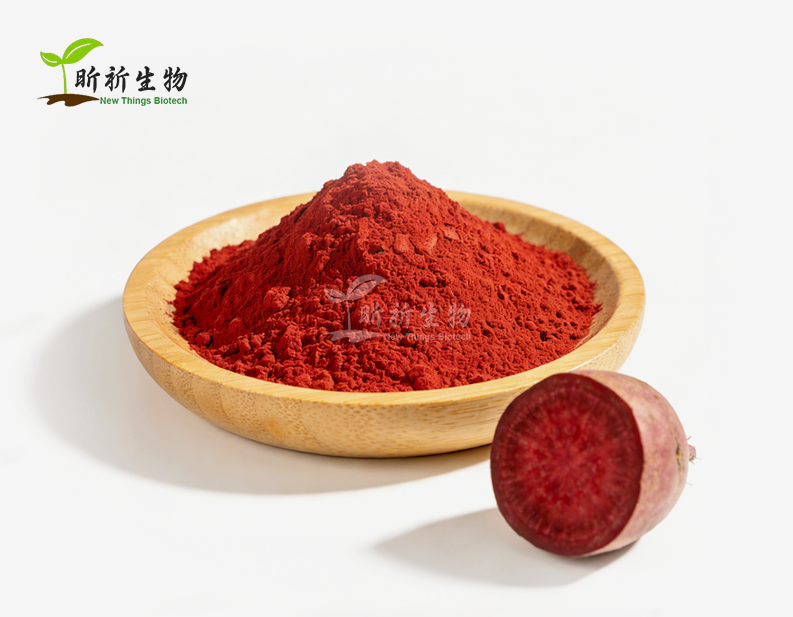
The pursuit of clean-label food products has reached a tipping point where artificial colorants face mounting consumer skepticism and regulatory pressure worldwide. Home bakers, professional chefs, and food manufacturers increasingly seek natural alternatives that deliver stunning visual appeal without the chemical compounds that adorn modern ingredient labels. Beetroot juice powder emerges as a standout solution in this evolving landscape, offering concentrated betalain pigments that transform ordinary recipes into visually captivating creations while simultaneously delivering genuine nutritional benefits. The journey from fresh beetroot to stable, versatile powder requires sophisticated processing technology that preserves the delicate pigments responsible for beets' characteristic ruby glow. NT Biotech has mastered this transformation, producing the best beetroot juice powder through proprietary low-temperature processing that maintains maximum pigment intensity while ensuring the solubility characteristics essential for seamless recipe integration. Their commitment to organic cultivation, comprehensive quality verification, and supply chain reliability positions their powder as the preferred choice for discerning food professionals who refuse to compromise between visual excellence and clean ingredient standards.
Understanding the Color Chemistry of Premium Beetroot
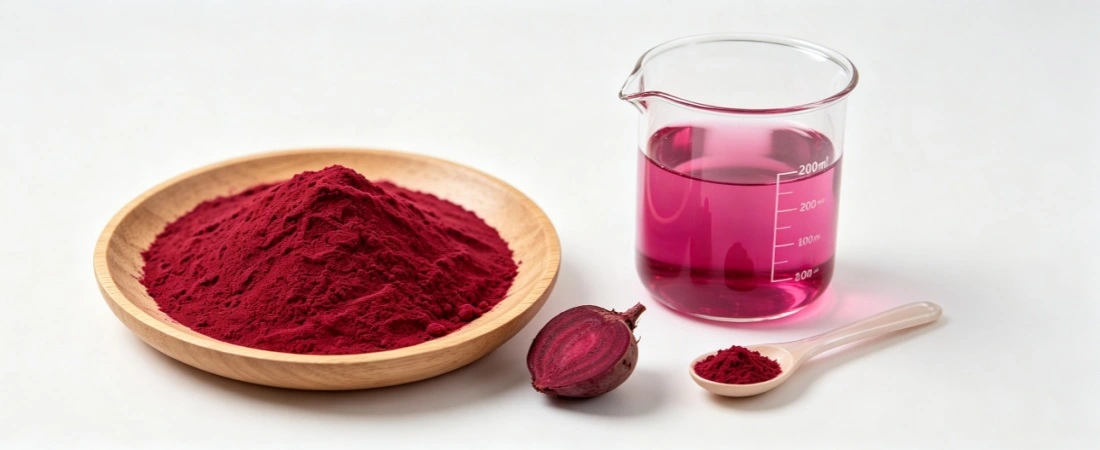
The astonishing colouring ability of beetroot is down to rare pigments called betalains, molecules that have captivated scientists and inspired cooks for millennia. A knowledge of the foundations of betalain chemistry enables users to anticipate and improve colour results in a variety of cooking applications.
Betacyanins Versus Betaxanthins: Two Pigments, One Root
Betalains are composed of two chemically different groups with varied colour properties. Betacyanins provide the dark magenta, violet and ruby-red colours associated with beetroots by most consumers, whereas betaxanthins give yellow, orange and golden colours. The actual ratio between different pigment families depends on the kind of beetroot, the growth circumstances and, most importantly, the types of processing used for powder manufacturing. NT Biotech’s finest beetroot juice powder is standardised for its betacyanin level and tested by high-performance liquid chromatography, so you can count on every batch to offer the rich red colouring required for culinary applications. This standardisation of the pigment removes the volatility of poorer goods and puts formulators and home chefs in a position to obtain repeatable outcomes no matter what the quality of the raw material is season to season.
pH Influence on Color Expression
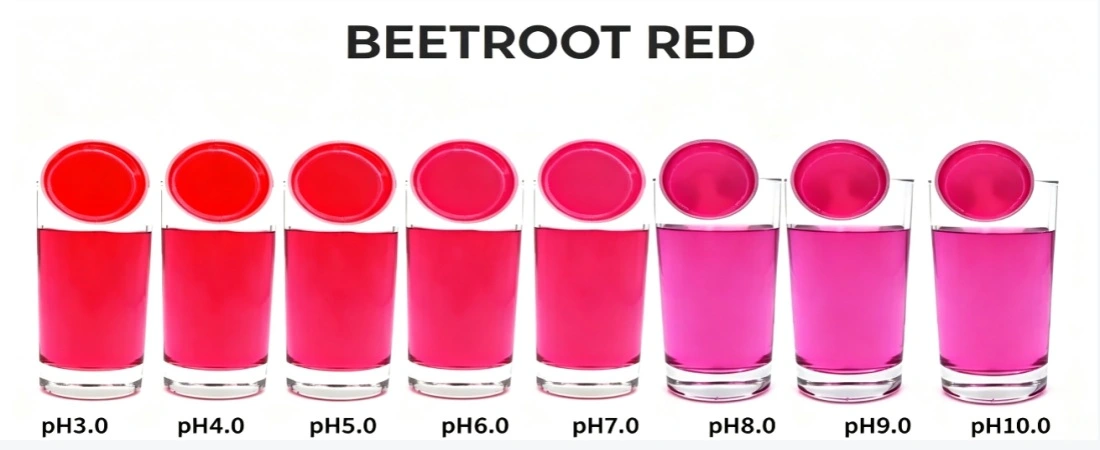
The hydrogen ion concentration of the surroundings has a strong influence on the visual presentation of the betalain pigments, acidic settings often enhancing the red tones, alkaline situations changing colours to purple or brown. Most culinary uses are in the pH range 4.0 to 7.0, when betalains show their most brilliant properties. Understanding this pH sensitivity enables for smart ingredient combination that adds to, rather than subtracts from, colour effect. Adding a little of lemon juice to the beetroot makes it redder . Adding baking soda might make it more muted and purple . A good beetroot juice powder will keep colour stability across this pH range, offering versatility for different recipes without any surprises in colour changes during processing or storage.
Heat Sensitivity and Processing Considerations
Betalain pigments are unstable at high temperature and lose their colour significantly at the temperature over 50oC for long processing time. This temperature sensitivity explains the faded or brownish look of certain beetroot products, which have undergone rigors processing and lost their colouring potential. NT Biotech’s innovative low-temperature dehydration technique runs below 45 degrees Celsius. This protects these heat-labile pigments while yet accomplishing the moisture removal essential to make stable powders. The outcome is the best beetroot juice powder with a better colour intensity than the usual alternatives that are processed at higher temperatures for quicker throughput and lower costs.
Professional Applications in Food Manufacturing
Commercial food production presents unique challenges and opportunities for natural colorants, with scalability, consistency, and regulatory compliance determining market success. The best beetroot juice powder serves effectively across numerous product categories when properly selected and incorporated.
Confectionery Formulations and Candy Production
The confectionery business has adopted natural colourants with consumer demand for clean-label goods growing. Beetroot juice powder blends well with hard candy, gummies, chewy candies and enrobed sweets, providing the red and pink shades that comprise a large part of candy colour choices. Colour is added early in the cooking process at moderate temperatures to retain optimal pigment intensity for hard candy applications. Beetroot is very compatible with gelatine and pectin systems, making it ideal for gummy and jelly formulations, providing transparent goods with lively colouring that appeals to health-conscious customers avoiding chemical colours. The top beetroot juice powder suppliers will give goods with standardised content of the pigment that works reliably in the different pH environments that occur during the creation of confectionery.
Beverage Industry Color Solutions
Beetroot juice powder can add significant value in rapidly growing categories like functional beverages, smoothie bowls and flavoured waters. The powder dissolves very well in water and may be quickly added to cold drinks without the preparation problems of less refined options. Clear liquids will become a lovely pink at 0.5 to 2 percent levels of inclusion, while opaque formulas like protein smoothies will need greater concentrations for more vivid ruby hues. Beetroot's inherent affinity for fat matrices makes it well-suited to dairy-based beverages, providing a smooth, uniform colour that avoids the speckling or settling often seen with some natural colourants. The finest beetroot juice powder is fully soluble in acidic and neutral beverage formulas, giving formulation versatility and increasing creative potential.
| Application Type | Recommended Inclusion | Optimal pH Range | Resulting Color | Shelf Stability |
|---|---|---|---|---|
| Clear sparkling water | 0.3-1.0% | 3.5-5.5 | Light rose pink | Excellent protected from light |
| Protein smoothies | 1.0-3.0% | 6.0-7.0 | Deep berry red | Excellent in opaque packaging |
| Yogurt parfaits | 1.5-4.0% | 4.0-4.5 | Magenta pink | Very good cold storage |
| Hard candy | 2.0-5.0% | 5.5-6.5 | Ruby red | Excellent low moisture |
| Frosting and buttercream | 1.0-3.0% | 6.5-7.5 | Rose to coral | Excellent sealed storage |
| Pasta and noodles | 2.0-6.0% | 6.0-7.0 | Pink to light red | Stable through cooking |
Baked Goods and Culinary Preparations
Baking applications need natural colourants able to tolerate the temperature challenges of dough preparation and oven baking, while preserving the visual attractiveness of the final goods. Beetroot juice powder is useful in cookie doughs, cake batters and bread formulae, although timing of colour addition is important for best effects Powder may be used in early mixing to disperse evenly throughout batter or dough or can be finished by dusting for intense colour accents on product surfaces. The finest beetroot juice powder holds up well at normal baking temperatures if used sparingly, although recipes that need extensive exposure to high heat may benefit from adding colour towards the end of prep or using lower baking temperatures with longer cooking times. Professional bakers love how beetroot naturally complements other natural colourants, allowing for sophisticated colour stacking to create creative displays.
Meat Alternatives and Plant-Based Products
The burgeoning plant-based food business has a significant need for natural colourants that may simulate the visual characteristics of traditional meat products. Beetroot juice powder is an important component of plant-based burgers, sausages and deli slices that need attractive red or pink colours to signify freshness and appeal to customers. The powder may be used into protein texturizer blends and extrusion formulations to provide the usual colour expected by consumers of meat-like products. This application is an example of how natural colourants can contribute to bigger food system transitions to sustainable, plant-forward eating practices.
Home Kitchen Mastery With Natural Colorants
Outside of mass production, home chefs are getting on the natural food colouring bandwagon, as social media and wellness circles raise awareness of the dangers of chemical additives. Beetroot juice powder is an easy starting point for those new to clean label cooking.
Hydration and Reconstitution Techniques
You only prepare concentrated powder and it releases its entire pigment capacity into a useable colouring. You will get a liquid that is easily dispersed and good for most uses by mixing one teaspoon of powder with two tablespoons of warm water. Of course you may modify the ratios to get more or less concentrated solutions. In the hydrated form it is distributed uniformly in liquid batters and doughs to provide even colouring in the final products. For frostings and fat-based preparations, the powder may be added immediately and will dissolve during mixing when the moisture content in the ingredients activates the pigments. Using these simple approaches, home chefs may get professional results without special equipment or expert cooking skills.
Creating Custom Color Palettes Naturally
You may extend the range of colours at your disposal, beyond the basic reds and pinks, by mixing beetroot juice powder with other natural colourants. beetroots solutions may be made to a brighter, more orange-tinted red with lemon juice. Purple sweet potato or butterfly pea flower can be used with beetroots to provide delicate purple and lavender colours. With these natural colour mixing methods, amateur bakers may produce multi-hued baked items, celebratory cakes, and eye-catching creative displays that equal the visual flair of artificial colorings. The finest best beetroot juice powder has a sufficient quantity of pigment to be visible even when blended with additional colourants that might otherwise lessen its effect.
Recipe Adaptation Strategies
If you want to add beetroot powder to an existing recipe, you need to think about how it will react with the other ingredients. The powder’s subtle earthiness is a good match with chocolate, vanilla and berry flavours but might stand up to citrus-heavy dishes if well balanced. Testing the colour in tiny batches before making the whole amount of recipe helps to minimise disappointment and enables the inclusion rates to be fine-tuned. Detailed documentation of successful incorporation techniques provides a personal reference library for faster future recipe creation.
Troubleshooting Color Challenges With Natural Solutions
Even the most expert users of natural colour run across the odd stumbling block that threatens intended results. Knowing the typical pitfalls and how to avoid them will save ingredients and assure constant results.
Addressing Color Fading and Degradation
The longer the light exposure, the faster the degradation of betalains, which results in a gradual loss of colour during storage and exhibition. Beetroot-colored items will maintain their visual appeal throughout their shelf life provided they are protected from direct sunlight and UV rays. The packaging is opaque, the refrigeration is in dark areas, and the display time under the store lights is restricted. While the highest grade beetroot juice powder from excellent sources will have better stability than lower quality options, even top shelf items need to be handled with care to ensure the longest possible life span of their visual effect.
Preventing Uneven Distribution and Streaking
If the dispersion is not thorough, the concentration of colour may vary and this will show up in the completed product as streaks, patches or a mottled look. In liquid applications the difficulty is eliminated by complete dissolving before addition of colour in bigger batches. The powder is sifted with the dry ingredients for heavier preparations like doughs and batters to distribute it evenly before the wet ingredients are added. Adequate blending time after adding colour ensures full integration without overworking sensitive batters.
Managing Color Migration in Layered Products
Colour bleeding is an issue with multi-layered pastries, candies, other constructed sweets, when the pigments flow outside of the areas they are supposed to fill. The medium for pigment migration is reduced by reducing the moisture content in the coloured layers. To avoid a contact that allows bleeding, neutral-colored barrier layers are placed between the coloured parts. For goods with many closely located parts of various colours, the use of natural colourants with low migration tendency and the proper fixing of each layer before assembly helps to prevent these undesired consequences.
Sourcing Excellence: Choosing the Best Beetroot Juice Powder Supplier
The quality difference between premium and cheap beetroot powders has a tremendous impact on the final outcomes, meaning the choice of source is a very important decision for culinary experts and manufacturers alike.
Evaluating Pigment Concentration and Purity
To know that you are getting the actual pigment content, you must know how suppliers measure and define their goods. The finest beetroot root juice powder has standardised amounts of betalains, validated by 3rd party lab testing, and is often reported in HPLC methods. Products without thorough specification sheets or based purely on eye evaluation of colour may include fillers, carriers or diluents to diminish effective pigment concentration. Asking for Certificates of Analysis that confirm true betacyanin and betaxanthin concentrations is a safeguard against paying premium costs for lower concentrations.
Organic Certification and Clean-Label Alignment
As demand for organic goods accelerates, organic-certified beetroot juice powder is increasingly important for firms looking to represent themselves as clean-label. Certification shows that cultivation was carried out without the use of synthetic pesticides, herbicides or fertilisers, as is normal in traditional farming. Besides customer choice, organic certification removes the risk of chemical residues that may get concentrated in the powder-making process. The leading provider of beetroot juice powder offers comprehensive organic certification documents that back label claims in important areas such as North America, the European Union and Asia-Pacific.
Processing Technology and Quality Preservation
Among the manufacturing processes, the processing temperature is a critical factor for the retention of pigments, having a deep impact on the final product quality. Economical and effective, high-temperature spray drying removes most of the betalain content that is preserved by lower-temperature alternatives. NT Biotech’s innovative low-temperature dehydration method is an example of the processing quality that separates premium goods, keeping the purity of pigments that others throw away in the quest for throughput efficiency. And this technical dedication delivers demonstrably better colour performance, justifying the extra cost.
Supply Reliability and Business Partnership
The secret to long-term company success lies with ingredient suppliers that expand with their clients and do not hinder expansion via capacity constraints or service failures. The biggest provider of beetroot juice powder has enough stock reserves, rapid communication systems and adaptable logistical capabilities to meet the different needs of the company. NT Biotech’s two hour response guaranty; 1-3 day standard fulfilment and 3-10 day bespoke manufacturing deadlines give the supply chain trust that production planning demands. Their full service OEM capabilities help brands at all stages of growth, from early product development through to mature commercial manufacturing.
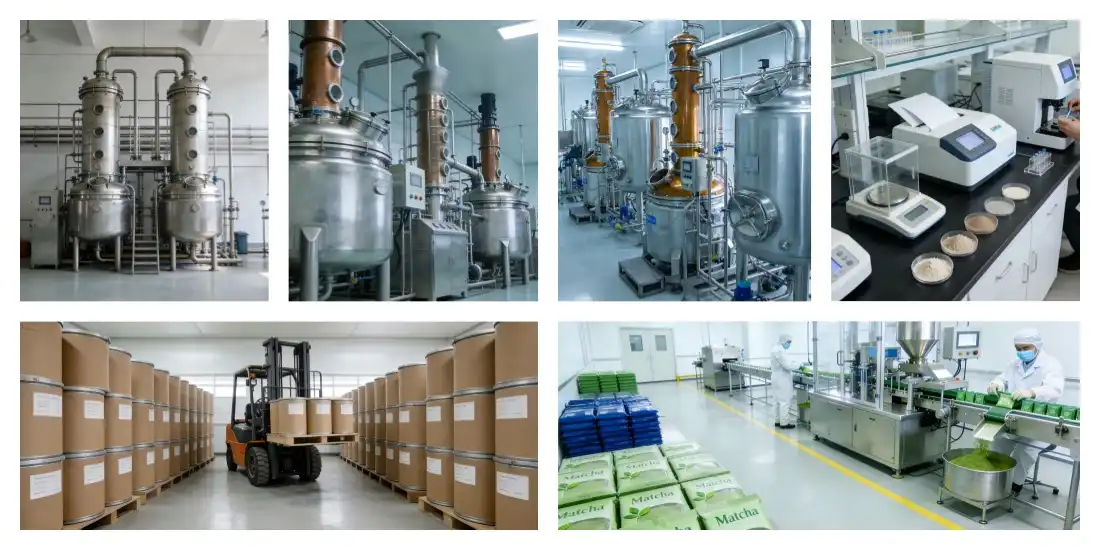
Creative Applications Showcasing Natural Color Potential
With a supply of excellent beetroot juice powder and knowledge of its properties, culinary experts and home enthusiasts may explore uses limited only by creativity.
Holiday Baking and Seasonal Celebrations
The natural red and pink colours of beetroot work well for celebratory baking traditions, whether it’s heart-shaped goodies for Valentine’s Day or exchanging Christmas cookies. Using beetroot concentrations from light pink to deep ruby to create gradient colour schemes makes for beautiful presentations and drives plenty of social media. Beetroot’s warm, welcoming tint is seen in Easter egg colours, wedding cake tiers, and birthday celebration confections without the toxic chemicals health-conscious guests increasingly seek to avoid.
Artisanal Food Products and Gift-Quality Creations
In a congested retail environment, premium food gifts with natural colours stand out from mass market offerings. Handmade chocolates, artisanal macarons and gourmet marshmallows dyed with beetroot juice powder speak of artistry and ingredient quality that justify a premium price. The visual difference given by natural colouring allows the positioning of the brand to focus on care, authenticity and artificial ingredients.
Conclusion
Beetroot juice powder represents the convergence of visual excellence and clean-label integrity that modern consumers increasingly demand from their food products. Understanding betalain chemistry, application-specific considerations, and proper handling techniques empowers successful implementation across commercial food manufacturing and home kitchen creativity alike. NT Biotech's best beetroot juice powder delivers the standardized pigment concentration, superior processing quality, and comprehensive certification documentation that professional formulators require. Their vertically integrated operations, responsive technical support, and flexible partnership capabilities position them as ideal collaborators for brands pursuing natural color solutions that satisfy both regulatory requirements and consumer preferences.
FAQ
1. What concentration of beetroot juice powder produces vibrant natural coloring?
Concentrations between 0.5 and 5 percent typically achieve satisfactory coloration depending on application, with beverages requiring less and confectionery applications demanding more for optimal visual impact.
2. Does beetroot juice powder alter food flavor beyond adding color?
Quality-processed beetroot powder contributes only subtle earthy notes that harmonize well with most sweet applications, particularly chocolate, vanilla, and berry flavor profiles.
3. How does pH affect beetroot color expression in recipes?
Acidic environments intensify red tones while alkaline conditions shift colors toward purple or brown; most culinary pH ranges favor the vibrant red coloration that makes beetroot appealing.
4. What storage conditions preserve beetroot powder color potency?
Cool, dark locations in airtight containers maintain color stability for 12-24 months, with refrigeration extending shelf life when condensation is carefully avoided during retrieval.
5. Can beetroot powder withstand typical baking temperatures?
Moderate baking temperatures preserve color reasonably well, though adding powder toward preparation's end or reducing oven temperatures with extended timing improves retention.
Partner with NT Biotech for the Best Beetroot Juice Powder Available
Transform your product line with the best beetroot juice powder that delivers consistent, vibrant natural coloring backed by comprehensive quality documentation and responsive service excellence. NT Biotech combines organic cultivation from certified farms, proprietary low-temperature processing technology, and HPLC-verified pigment standardization to produce powder that outperforms conventional alternatives in every metric that matters. Our vertically integrated operations ensure specification consistency from initial development samples through commercial-scale production, protecting your formulations and brand reputation alike. With ISO9001, KOSHER, and HALAL certifications, we support your clean-label positioning across global markets without reformulation complications. Our two-hour response commitment, 1-3 business day fulfillment, and flexible OEM capabilities make NT Biotech the strategic partner that growing brands deserve. Reach out today at info@newthingsbiotech.com to discuss your natural color requirements, request formulation samples, or explore how our expertise can elevate your product line's visual appeal and consumer trust simultaneously.
References
1. Azeredo, H.M.C. (2009). Betalains: Properties, sources, applications, and stability. International Journal of Food Science and Technology, 44(12), 2365-2376.
2. Khan, M.I., Giridhar, P., & Bettadaiah, B.K. (2014). Chemistry and food applications of betalains. Food Chemistry, 162, 443-450.
3. Rodriguez, E.B., & Mendoza, D.B. (2019). Natural food pigments: Chemistry, sources, and applications in the food industry. Comprehensive Reviews in Food Science and Food Safety, 18(2), 312-326.
4. Naderi, M., Ghazali, H.M., & Manap, M.Y.A. (2015). Betalain: A bioactive compound and its applications. International Journal of Food Properties, 18(8), 1669-1678.
5. Kumar, S., & Kumar, R. (2018). Betalains: Natural colorants with pharmacological properties. Journal of Food Science and Technology, 55(4), 1201-1212.
6. Esquivel-Chavero, F., Wall-Medrano, A., Alvarez-Parrilla, E., et al. (2022). Stability of betalains in food matrices: Factors and processing effects. Food Chemistry, 374, 131754.